Mangia Mangia
Mangia Mangia brings Italian-inflected dining to Frankfurter Strasse in Kronberg im Taunus, a prosperous Taunus foothill town that sits roughly 20 kilometres northwest of Frankfurt's city centre. The restaurant's name signals a relaxed, convivial approach to eating in a town better known for its medieval castle and affluent residential streets than for destination dining. For visitors exploring the broader Rhine-Main region, it offers a local alternative to the drive back into Frankfurt.
Pearl is the En Primeur Club membership app — saves, bookings, and concierge access live there. Same editors, same standards.
- Address
- Frankfurter Str. 1-7, 61476 Kronberg im Taunus, Germany
- Phone
- +496173967174
- Website
- mangiamangia.de
- Directions
- Get directions
 Saves & bookings on Pearl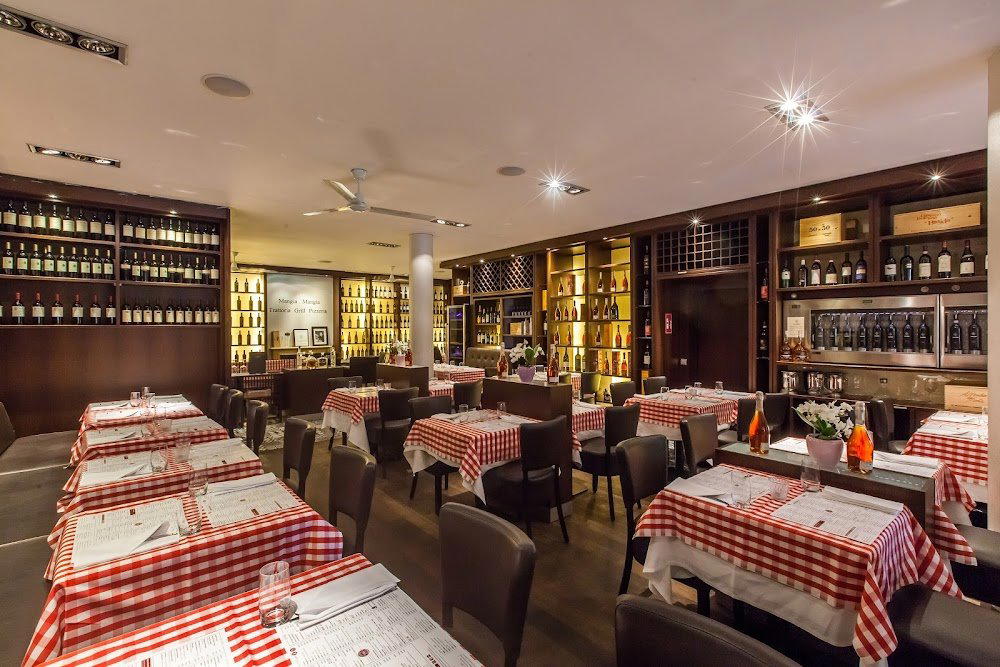
Italian Warmth in a Town That Keeps Its Own Pace
Kronberg im Taunus does not announce itself loudly. The town sits in the lower Taunus hills, close enough to Frankfurt's financial district to attract a commuter population, yet self-contained enough that its main streets read as local rather than tourist-facing. Frankfurter Strasse, where Mangia Mangia occupies address numbers 1-7, is the kind of thoroughfare that anchors a small German town's daily life: bakeries, pharmacies, the occasional wine merchant. An Italian restaurant on that strip is less a culinary statement than a social one. It says: people here want to eat well, regularly, without ceremony.
That context matters when placing Mangia Mangia on any mental map of dining in the Rhine-Main region. The name itself, borrowed from the Italian idiom for enthusiastic, repeated eating, signals a register distinct from the white-tablecloth formality you find at the region's destination restaurants. For comparison, Germany's southern and western fine-dining circuit runs through places like Schwarzwaldstube in Baiersbronn, Waldhotel Sonnora in Dreis, and Vendôme in Bergisch Gladbach, each operating at the highest tier of European classical and modern cooking. Mangia Mangia belongs to a different conversation entirely: the neighbourhood Italian that a prosperous commuter town sustains not as an event but as a weekly habit.
The Sourcing Question for Italian Cooking in Germany
Italian restaurants operating outside Italy face a consistent tension: how much of the ingredient story travels across the Alps, and how much gets substituted by local equivalents? This is not a trivial question. The character of a plate of pasta depends on durum wheat variety, water, and flour protein content. A Neapolitan-style tomato sauce made with San Marzano DOP tomatoes and one made with German greenhouse tomatoes are not the same dish, whatever the recipe says.
The better Italian restaurants in Germany's prosperous western cities have addressed this by building direct import relationships, sometimes at significant cost, or by selectively substituting local produce where it genuinely competes on quality. Regional German charcuterie, dairy, and seasonal vegetables can hold their own against Italian equivalents; olive oil, dried pasta, and canned tomatoes generally cannot. How any specific kitchen resolves these trade-offs is the ingredient story worth reading when assessing an Italian restaurant in this part of Europe. It shapes everything from the texture of fresh pasta to the acidity balance of a simple marinara.
The broader German dining market has increasingly rewarded transparency on these questions. Restaurants like Aqua in Wolfsburg and JAN in Munich have built sourcing narratives into their identity at the summit end of the market. Even in the mid-market, diners in well-travelled communities like Kronberg expect some accounting for where ingredients originate. This is the standard against which a restaurant on Frankfurter Strasse is now implicitly measured, whether or not it chooses to articulate it.
Kronberg as a Dining Context
Understanding what the restaurant is requires understanding what Kronberg is. The town's population is small, its income profile high, and its proximity to Frankfurt means the resident base has regular exposure to the full range of urban dining, from the creative tasting menus at CODA Dessert Dining in Berlin-style experimentation to accessible neighbourhood trattorias. That exposure creates a local audience that notices quality differences and keeps returning to the places that hold a consistent standard.
The town is not a dining destination in the way that, say, a standout room in a rural Eifel hotel is. You would not drive from Frankfurt specifically to eat in Kronberg unless you had a specific reason. But for the several thousand people who live there or commute through, the local restaurant offer matters in a sustained, repeated way rather than as a one-off occasion. That makes quality retention more important than headline moments. A restaurant at this address that maintains consistent ingredient quality, reliable kitchen execution, and fair pricing earns loyalty in a way that sporadic brilliance does not.
Elsewhere in the region, comparable towns with affluent residential populations have supported neighbourhood Italian and Mediterranean restaurants at a steady level for decades. The Rhine-Main corridor, including Kronberg, Königstein, and Bad Homburg, represents a sustained market for precisely this kind of cooking: familiar, well-sourced, executed with enough care to satisfy a repeat customer base rather than a passing tourist one. Other German restaurants worth considering across the country's range include ES:SENZ in Grassau, Restaurant Haerlin in Hamburg, Schanz in Piesport, Bagatelle in Trier, ammolite - The Lighthouse Restaurant in Rust, ATAMA by Martin Stopp in Sankt Ingbert, AUGUST in Augsburg, and Victor's Fine Dining by Christian Bau in Perl. For international reference points on sourcing-led Italian and seafood-focused cooking, Le Bernardin in New York City and Atomix in New York City each illustrate how rigorous ingredient sourcing becomes a defining element of a kitchen's identity at the highest level.
A Neighbourhood Peer in Kronberg
The restaurant shares the Kronberg restaurant scene with Grüne Gans, a seasonal cuisine address that draws on a different register, one more rooted in German seasonal produce cycles. The two represent different answers to the same question every small-town restaurant has to answer: what does this community actually want to eat on a Tuesday evening, or a Sunday lunch? The Italian format at the restaurant speaks to familiarity and comfort as primary values; the seasonal German approach at Grüne Gans speaks to locality and timing. Both can coexist in a town of Kronberg's size and demographic profile without significant overlap in their core audience.
Planning a Visit
The restaurant is located at Frankfurter Strasse 1-7 in Kronberg im Taunus, accessible by S-Bahn from Frankfurt via the S4 line to Kronberg station, with the restaurant a short walk from the town centre. Arriving with flexibility or contacting the restaurant directly for reservations is the practical approach, particularly on weekend evenings when Kronberg's dining options are limited enough that the better-regarded local rooms fill earlier than city restaurants of comparable size.
At-a-Glance Comparison
Comparable venues nearby, for context on price, style, and recognition.
| Venue | Cuisine | Price | Awards | Notes |
|---|---|---|---|---|
| Mangia MangiaThis venue — the venue you are viewing | Modern Italian | $$ | Not listed | Not listed |
| Grüne Gans | French-International Bistro | $$$ | Michelin Plate | Altstadt |
| La Perla Nera | Authentic Italian Ristorante | $$ | Not listed | Enkheim |
| Super Bro's | Authentic Neapolitan Pizza | $$ | Not listed | Palmengarten |
| Papanova | Authentic Italian Pizza and Pasta | $$ | Not listed | Palmengarten |
| Lucullus | Modern Italian Fine Dining | $$$ | Not listed | Königstein im Taunus |
Continue exploring
More in Kronberg im Taunus
Restaurants in Kronberg im Taunus
Browse all →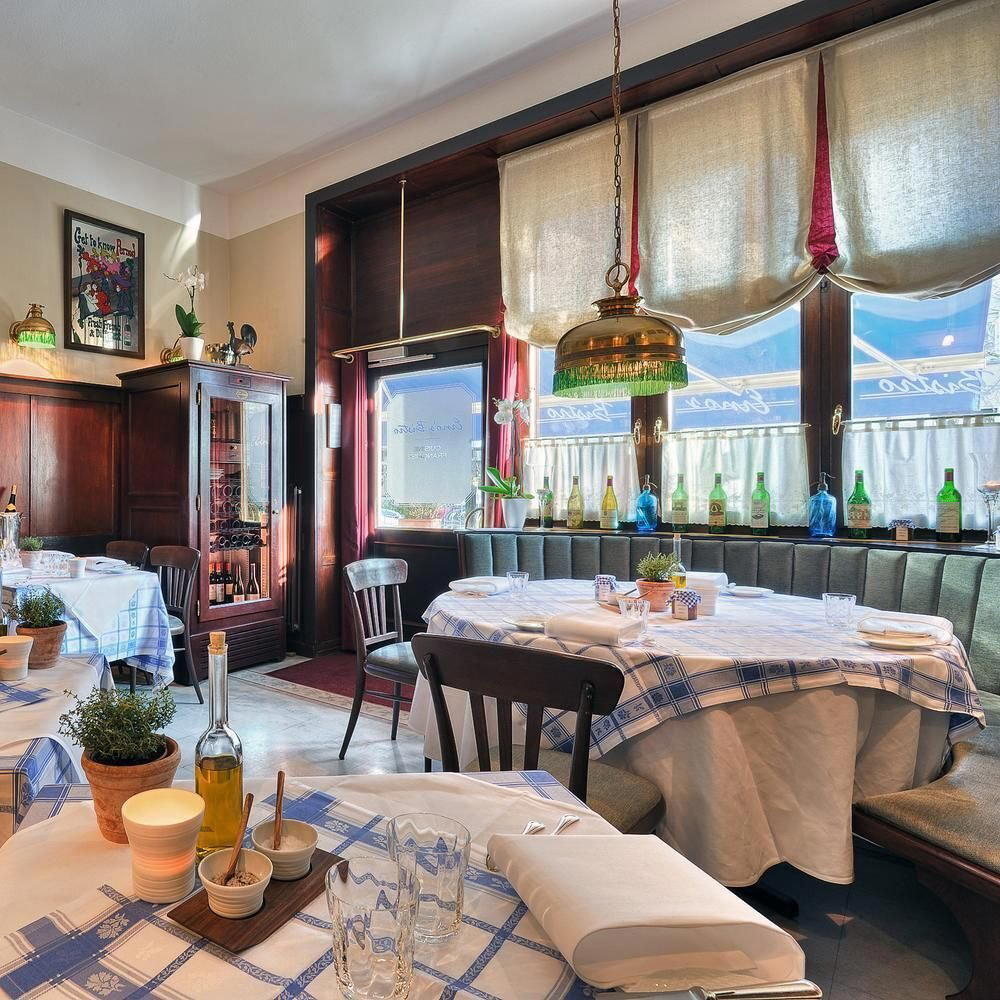
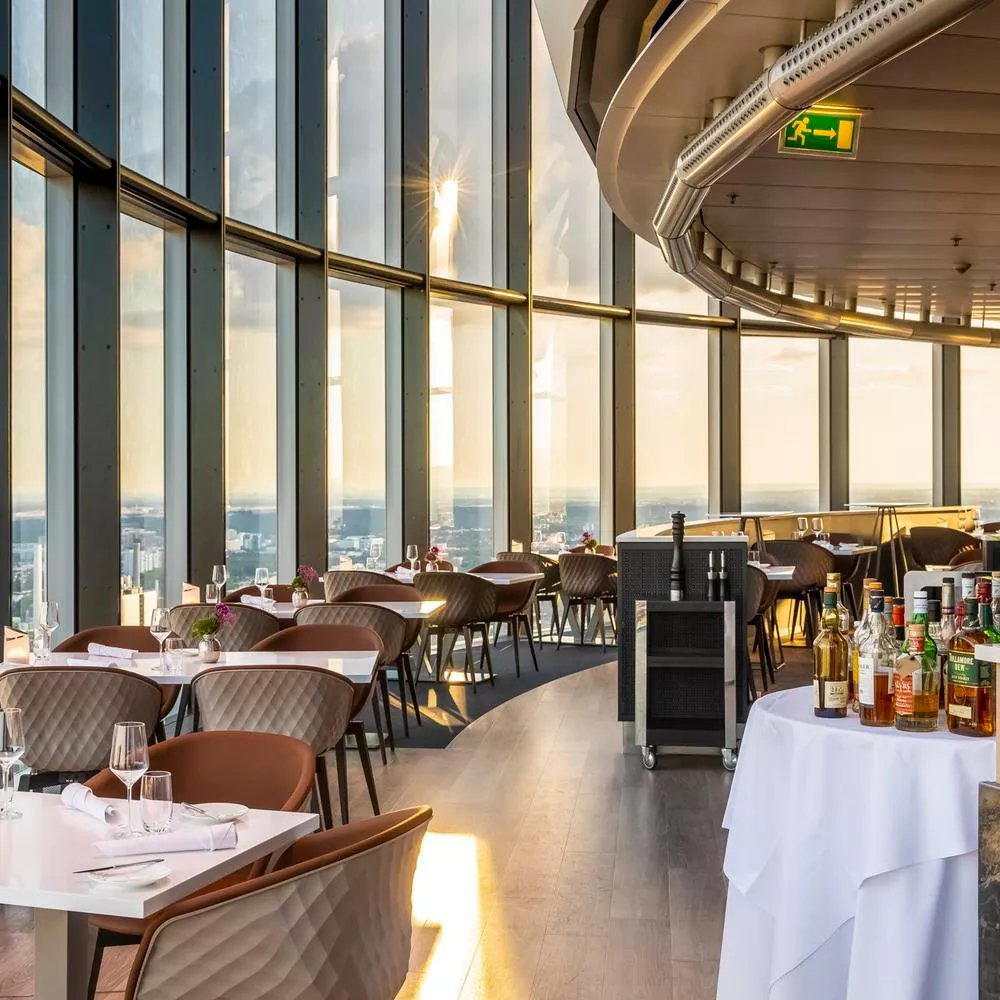
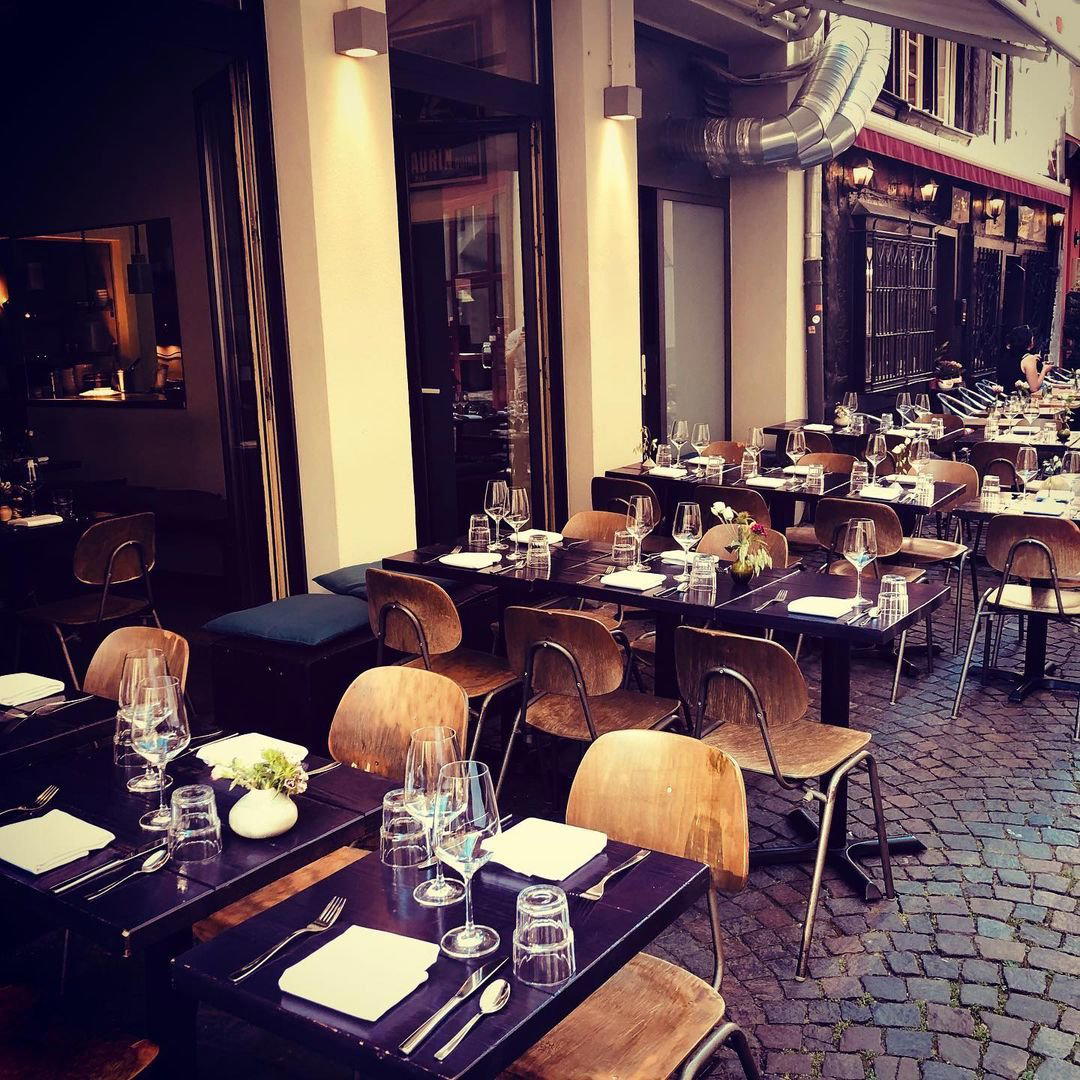
Bars in Kronberg im Taunus
Browse all →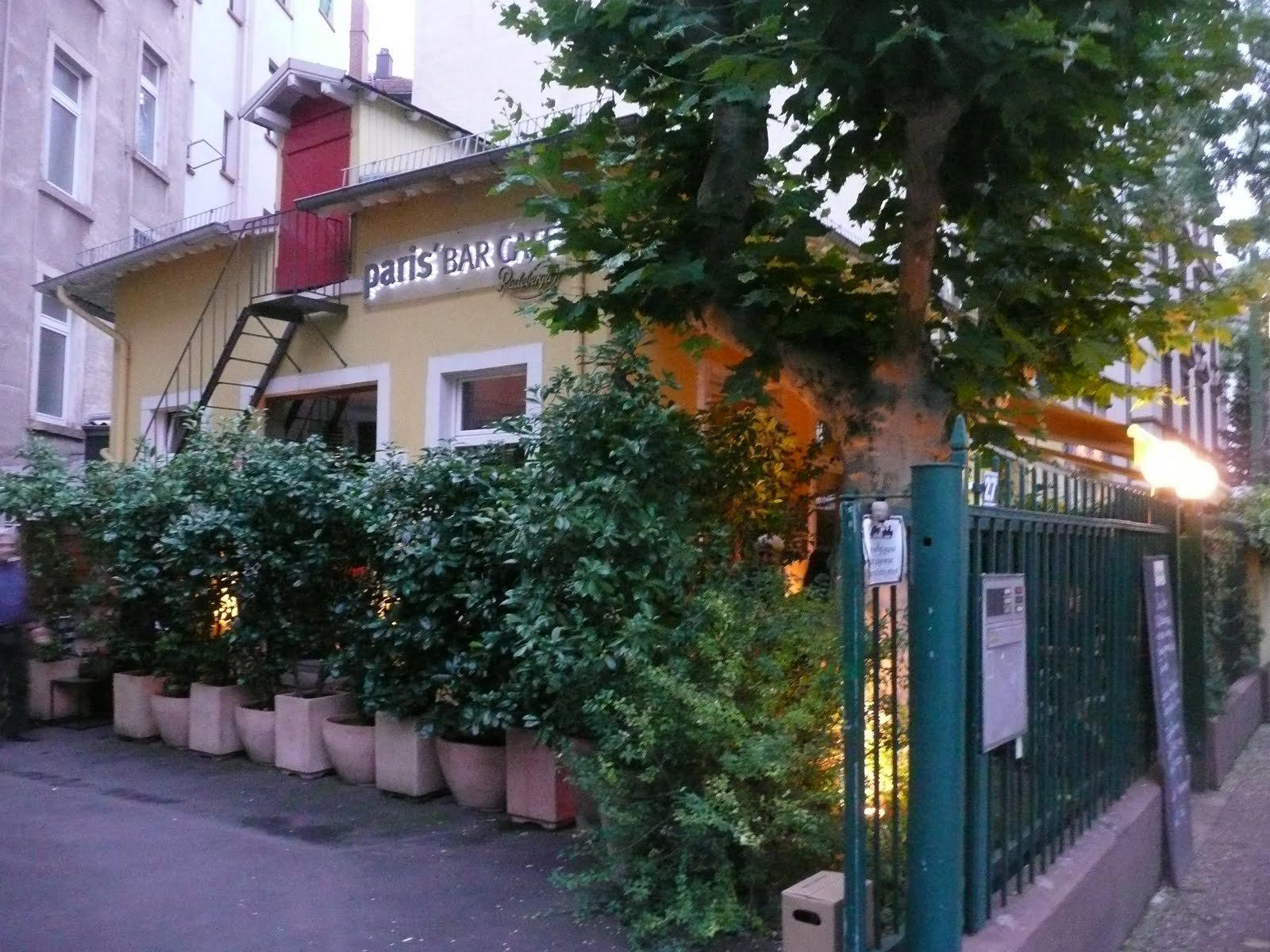
Hotels in Kronberg im Taunus
Browse all →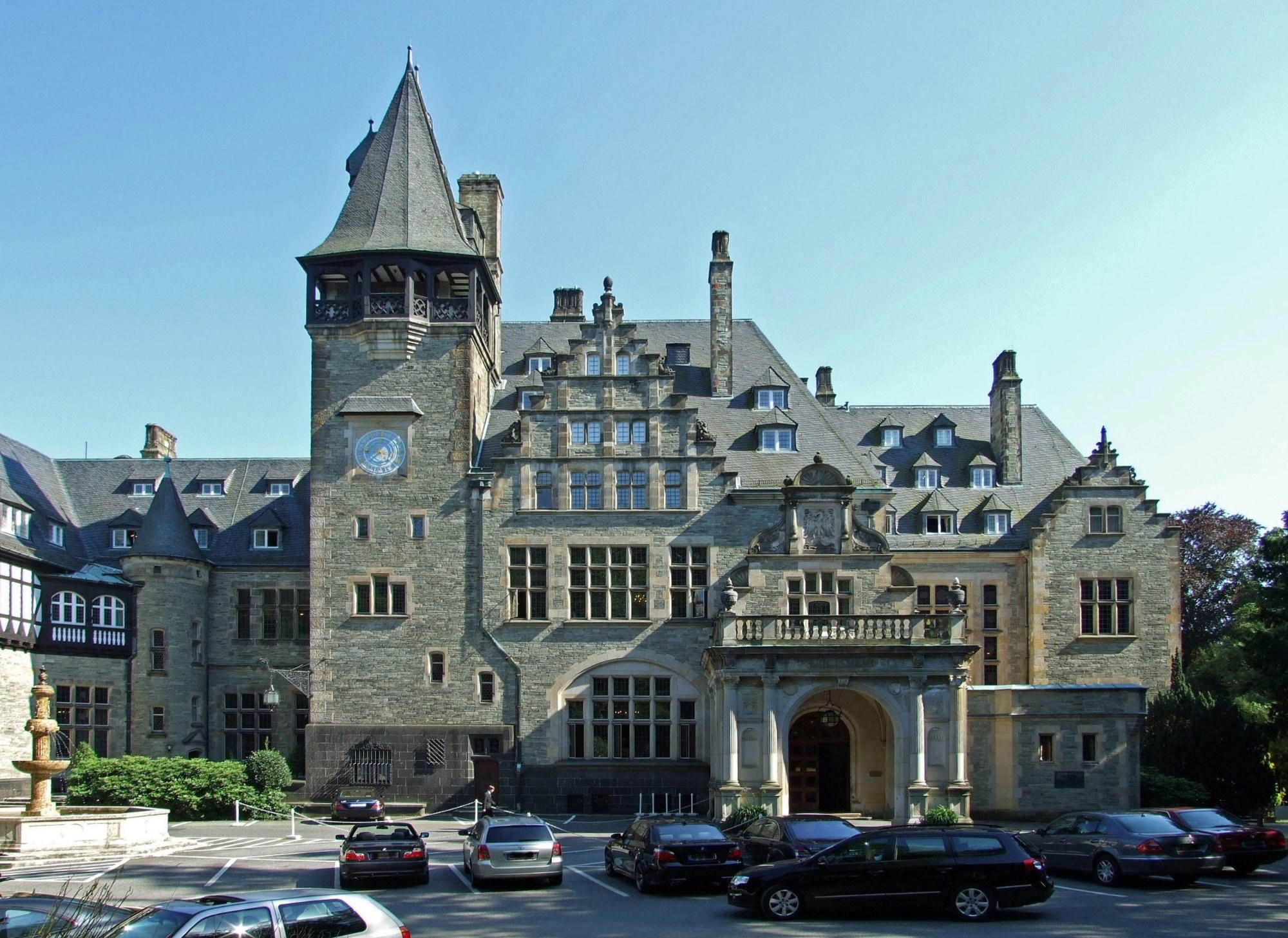
At a Glance
- Modern
- Elegant
- Family
- Open Kitchen
Current opening hours
- Monday
- 11:30 AM–2:30 PM, 6:30–10:30 PM
- Tuesday
- 11:30 AM–2:30 PM, 6:30–10:30 PM
- Wednesday
- 11:30 AM–2:30 PM, 6:30–10:30 PM
- Thursday
- 11:30 AM–2:30 PM, 6:30–10:30 PM
- Friday
- 11:30 AM–2:30 PM, 6:30–10:30 PM
- Saturday
- 11:30 AM–2:30 PM, 6:30–10:30 PM
- Sunday
- Closed
Hours can change for holidays and private events. Last verified .
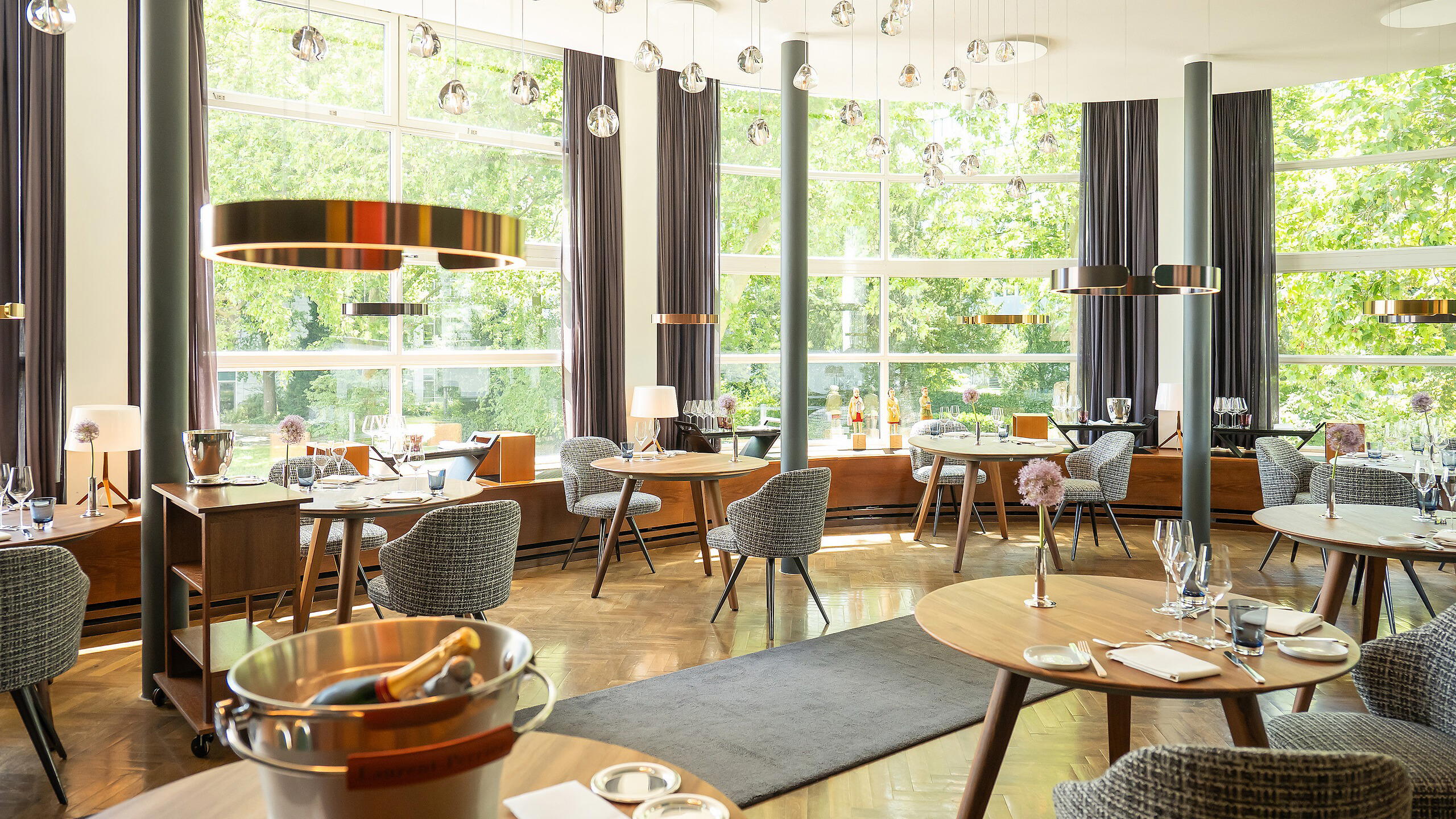
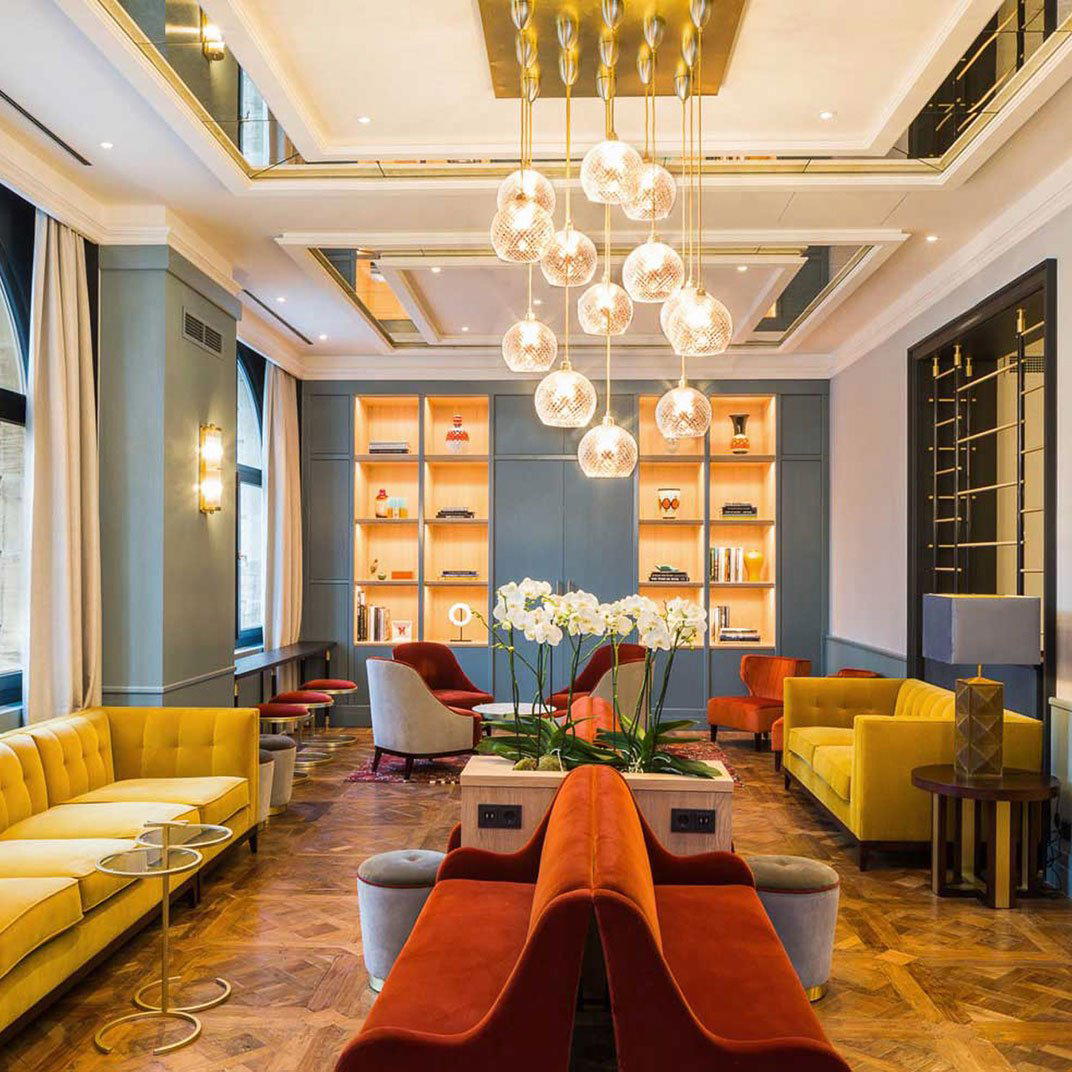
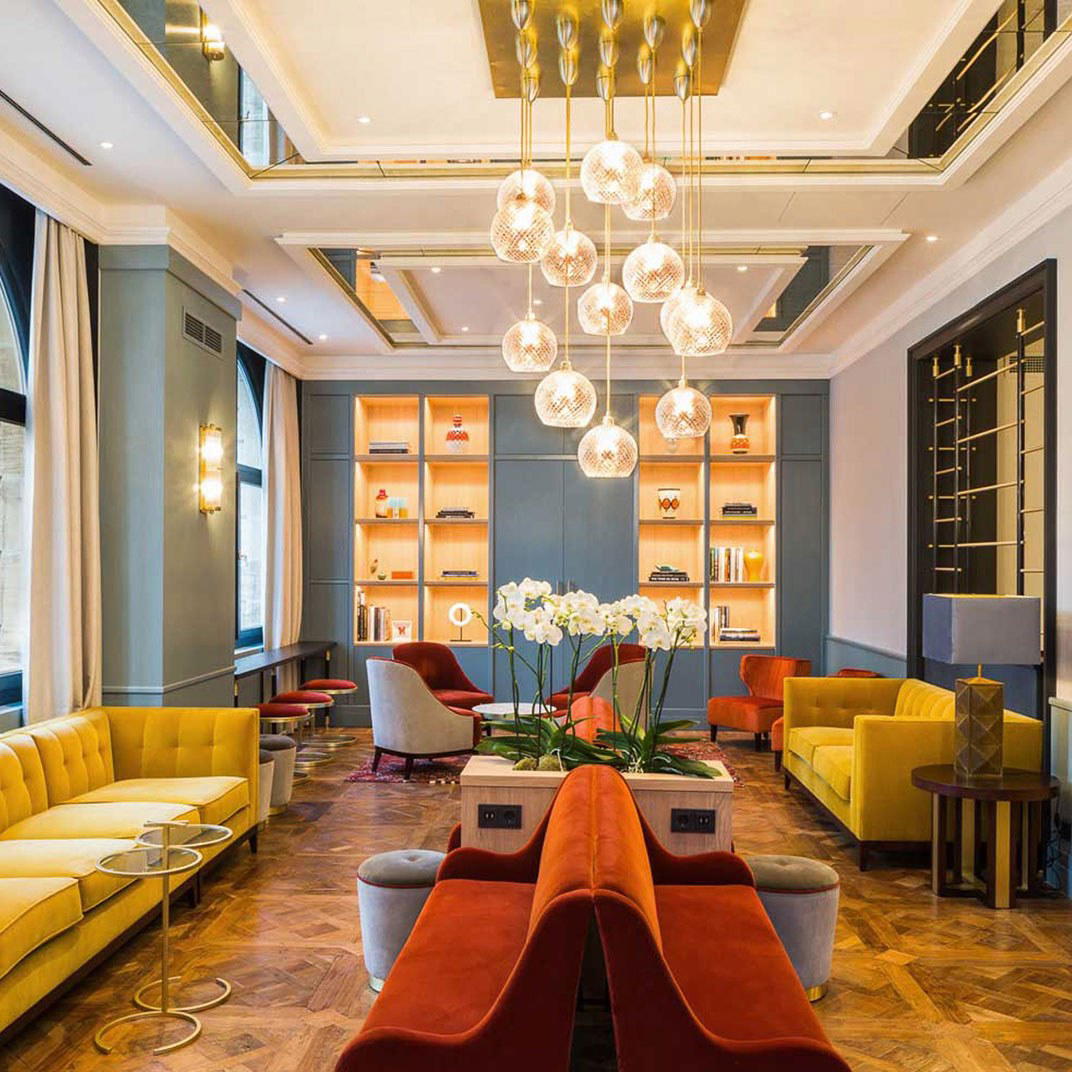
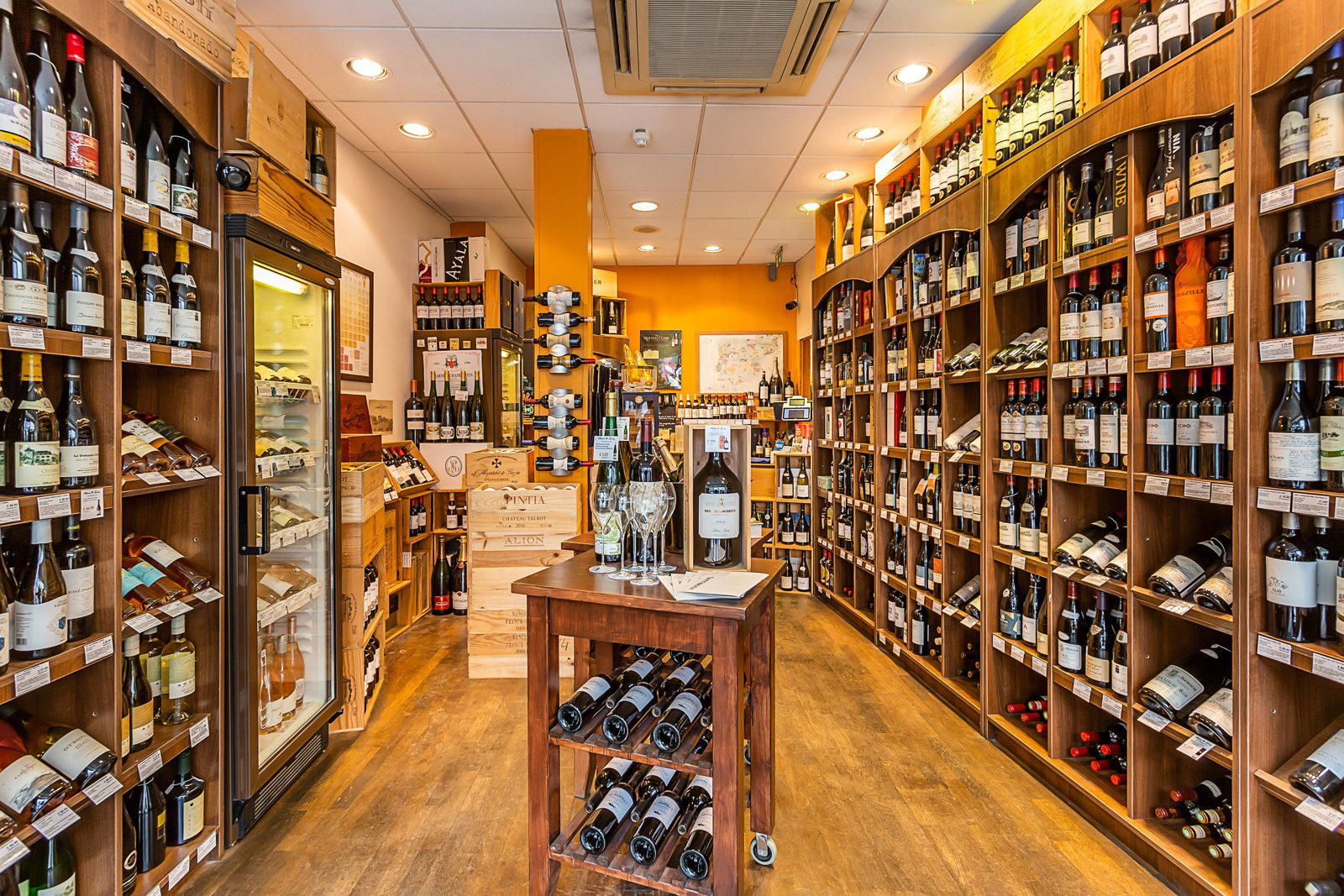
Modern and glamorous interior with stylish decoration.