Mandarin sits on Statiestraat in Antwerp's 2018 district, operating within a city where the standards for serious dining run high. With neighbours like Zilte and Hertog Jan at Botanic setting the tone for creative Flemish cooking, Mandarin occupies a street-level position in one of Belgium's most competitive restaurant scenes. Booking ahead is advisable given Antwerp's limited table supply at the premium end.
Pearl is the En Primeur Club membership app — saves, bookings, and concierge access live there. Same editors, same standards.
- Address
- Statiestraat 18, 2018 Antwerpen, Belgium
- Phone
- +32 466 41 41 01
- Website
- mandarin-antwerpen.surge.sh
- Directions
- Get directions
 Saves & bookings on Pearl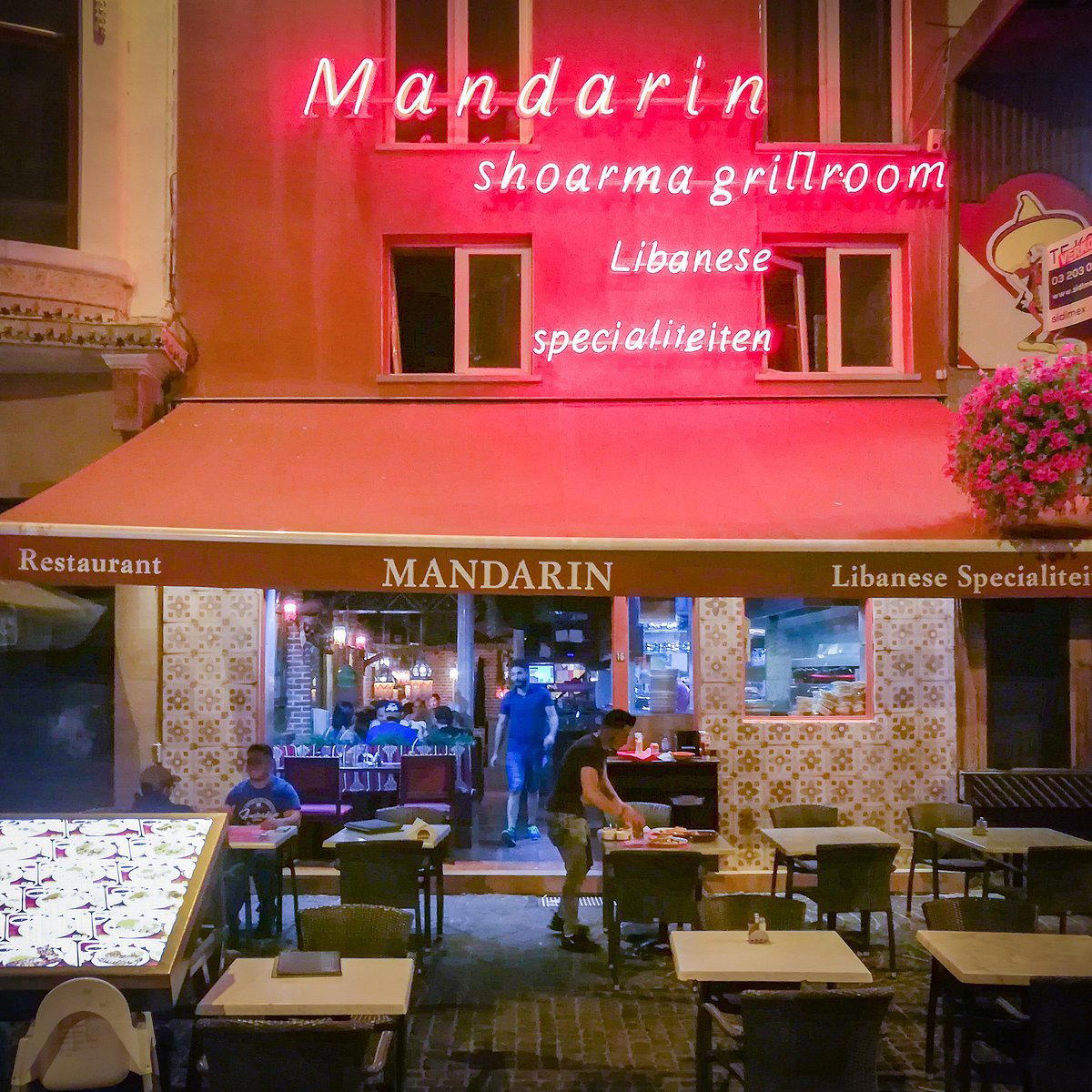
Antwerp's Dining Ritual and Where Statiestraat Fits
There is a particular rhythm to eating well in Antwerp. The city's serious restaurants tend to operate on compressed timetables, with service windows that reward preparation over spontaneity. Statiestraat, in the 2018 postcode south of the old city core, sits within walking distance of the Zuid district's gallery circuit and the denser residential fabric that has made this part of Antwerp one of its more consistently interesting areas for neighbourhood dining. Mandarin, at number 18, occupies that context — a street address in a part of the city where locals eat regularly rather than occasionally.
Antwerp's dining scene has matured considerably over the past decade. The city punches above its population weight in terms of Michelin-recognised tables: Zilte holds three stars at the top of MAS, while Hertog Jan at Botanic brings a Modern Flemish and creative format to the city's premium tier. That concentration of serious kitchens means that even mid-tier and neighbourhood restaurants are shaped by a demanding local audience. Diners here know the difference between a kitchen operating with intention and one coasting on setting.
The Shape of a Meal in This Part of Belgium
Belgian dining ritual has its own conventions, distinct from the French model it partially inherits. The pace is slower than in Paris and more deliberate than in Amsterdam. Courses arrive with intervals that suggest a kitchen thinking sequentially rather than rushing a turn. Wine service tends to be integrated rather than transactional. In restaurants operating within this tradition — whether Flemish classic or Asian-inflected, the meal is structured as a sequence of decisions, not a single event.
The Chinese and pan-Asian dining format in Belgium has its own internal hierarchy. At one end, quick-service Chinese restaurants dominate suburban retail strips. At the other, a smaller tier of full-service restaurants, often with long-standing local reputations, operates as proper sit-down destinations where the kitchen's output reflects real technique. Mandarin's address on Statiestraat places it in the latter category by geography: this is not a high-footfall takeaway strip. The 2018 postcode has the residential density and the income profile to support a restaurant that treats the meal as a considered occasion.
For a point of comparison within Belgium's broader serious dining circuit, the contrast is instructive. Restaurants like Boury in Roeselare and Willem Hiele in Oudenburg have built their reputations on format discipline and sourcing rigour. The benchmark in Belgium's premium tier is high, and it shapes expectations even for restaurants that operate outside the tasting-menu format.
Antwerp as a Reference Point for Serious Chinese Cooking in Europe
European cities with a genuine tradition of serious Chinese cooking tend to share certain features: a resident Chinese community of meaningful scale, a concentration of first-generation restaurateurs who competed on quality rather than volume, and a dining public that learned over time to distinguish between formats. Antwerp has elements of all three. The city's diamond trade brought sustained waves of international residents across the twentieth century, and the culinary infrastructure that followed was not purely geared toward tourism.
In that context, a Chinese restaurant on a residential street in the 2018 district is more likely to be serving a regular local clientele than passing visitors. That matters for how the kitchen calibrates its output. Regulars in this part of Antwerp tend to be informed eaters who return for specific dishes and hold the kitchen to a consistent standard. The dining ritual here is not about novelty. It is about reliability, sequence, and the kind of quiet confidence that a kitchen develops when it knows its audience well.
Elsewhere in Belgium's restaurant circuit, that same principle of earned local trust applies across cuisines. 't Fornuis, operating in the European-Flemish classic tradition, has built its reputation on exactly that model. So has Bistrot du Nord in the French traditional register. The pattern holds across formats: longevity in a competitive city is a signal, not a coincidence.
What to Consider When Visiting
Statiestraat 18 is accessible from Antwerp Central station in under twenty minutes on foot, or a short tram ride south toward Zuid. The 2018 postcode is a working residential and commercial district rather than a tourist corridor, which means parking and public transport access follow everyday urban logic rather than visitor infrastructure. Arriving with a reservation is the sensible approach; restaurants in this tier and location do not rely on walk-in volume, and a table held in advance signals to the kitchen that the visit is a considered one.
For visitors building a broader Antwerp itinerary, the city's serious dining options span several distinct registers. DIM Dining brings a Japanese and Asian format to the premium tier. Zilte and Hertog Jan at Botanic represent the city's highest-formal end. For a complete view of where Antwerp's restaurants sit relative to each other, the full Antwerp restaurants guide maps the scene by format and price tier.
Belgium's restaurant circuit beyond Antwerp is also worth considering in context. Hof van Cleve in Kruishoutem and De Jonkman in Sint-Kruis anchor the Flemish fine dining tradition at the regional level. In Brussels, Bozar Restaurant operates in a different urban register. Further afield, Bartholomeus in Heist, Castor in Beveren, d'Eugénie à Emilie in Baudour, L'air du temps in Liernu, and La Durée in Izegem each represent distinct points on Belgium's broader culinary map. For international reference points in serious Chinese-influenced or Asian cooking, Atomix in New York and Le Bernardin illustrate the global tier against which European kitchens are increasingly measured.
How Mandarin Antwerp compares with similar nearby venues.
| Venue | Cuisine | Price |
|---|---|---|
| Ni Shifu | Chinese | €€ |
| Qin | Cantonese | €€ |
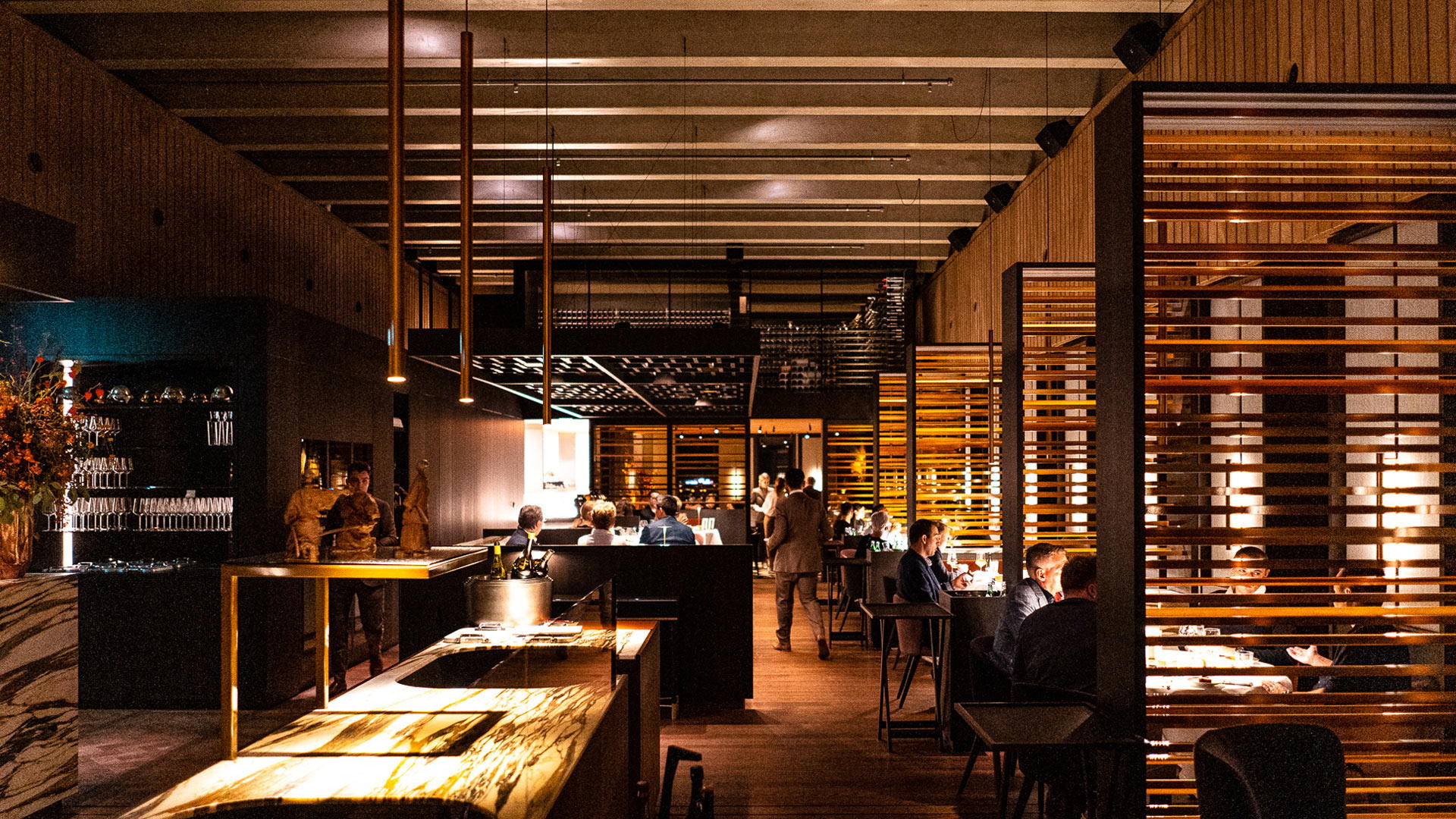
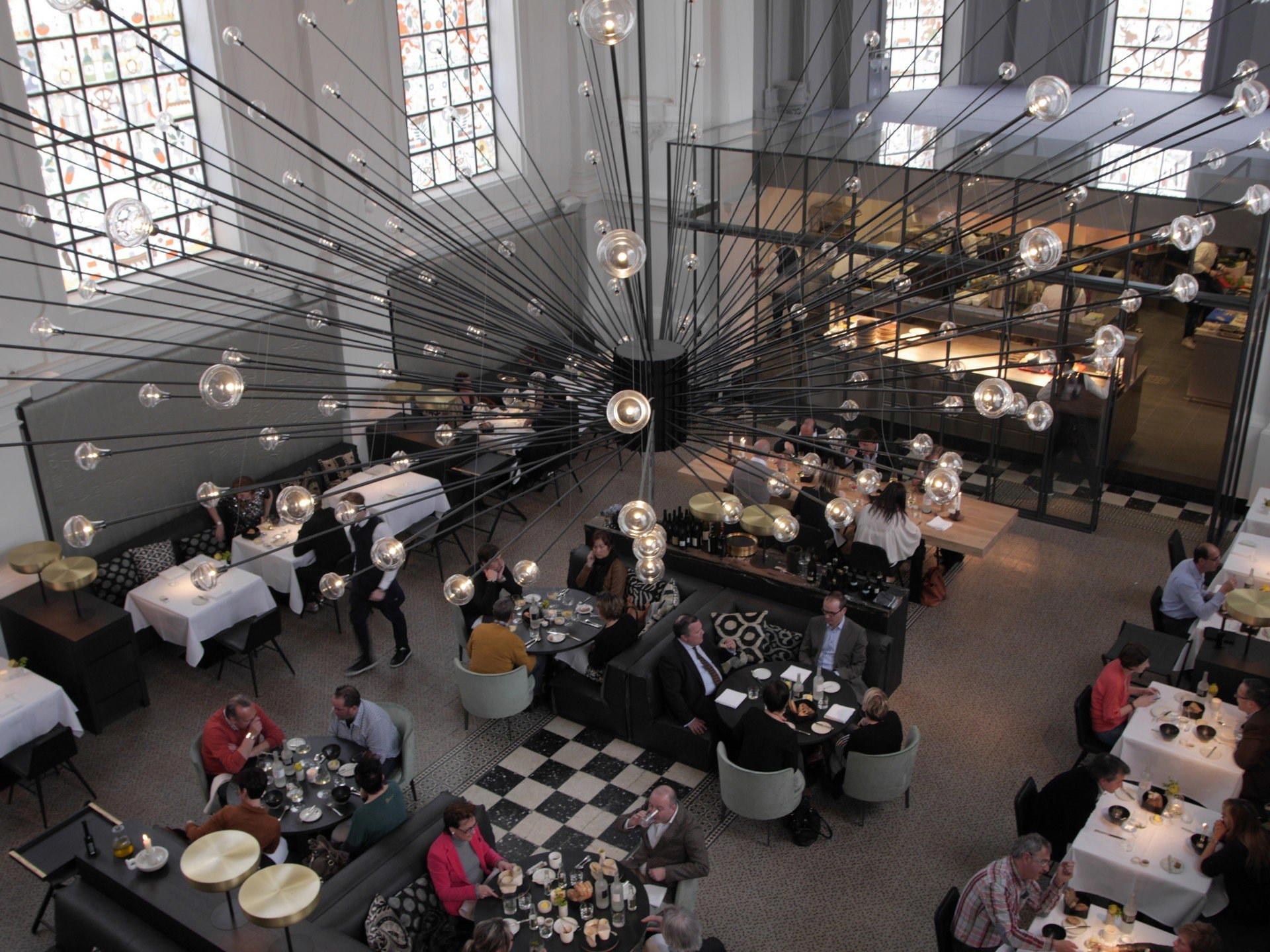
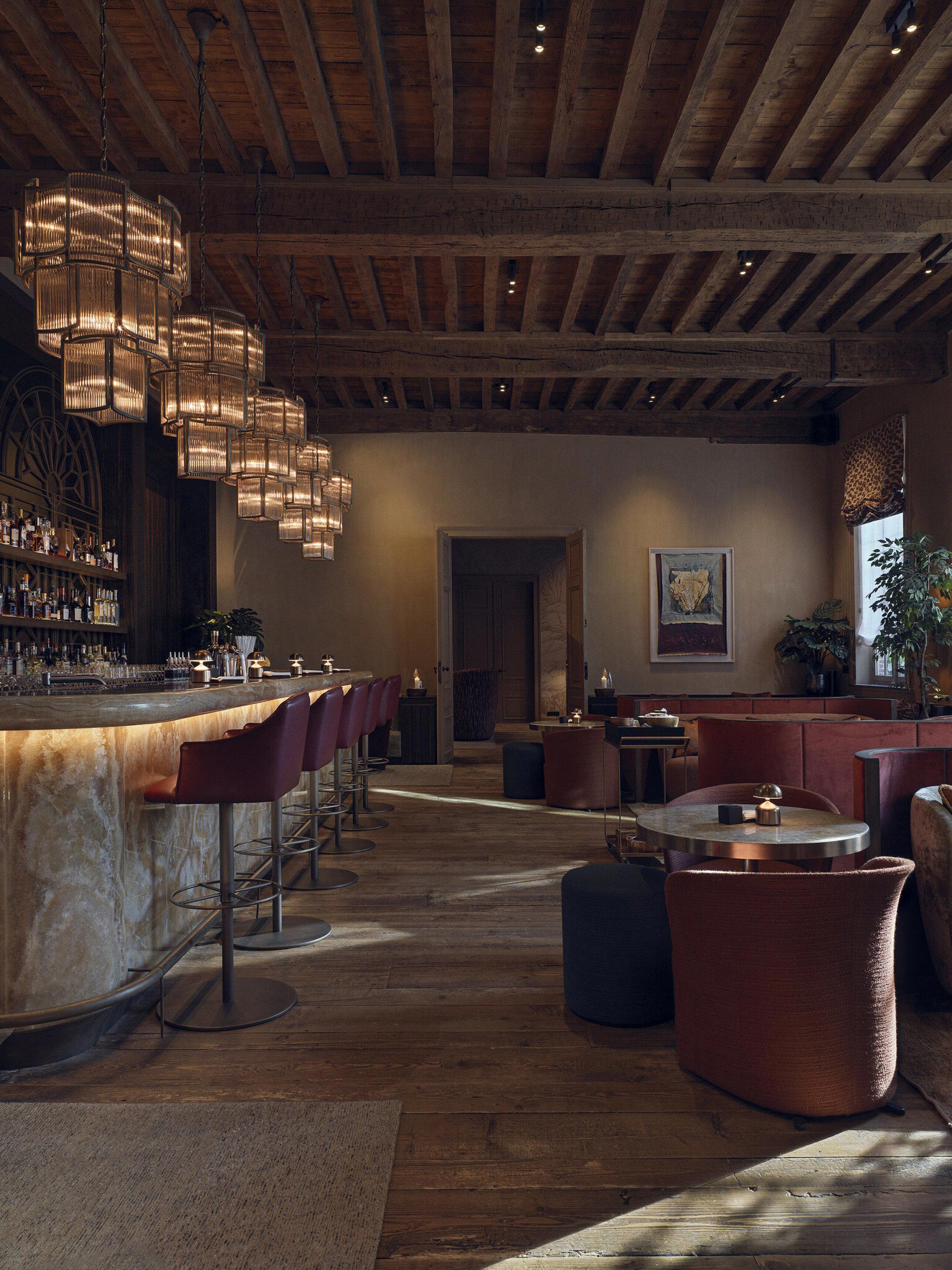
At a Glance
- Cozy
- Casual Hangout
- Late Night
- Open Kitchen
Current opening hours
- Monday
- 11 AM–5 AM
- Tuesday
- 11 AM–5 AM
- Wednesday
- 11 AM–5 AM
- Thursday
- 11 AM–5 AM
- Friday
- 11 AM–5 AM
- Saturday
- 11 AM–5 AM
- Sunday
- 11 AM–5 AM
Hours can change for holidays and private events. Last verified .
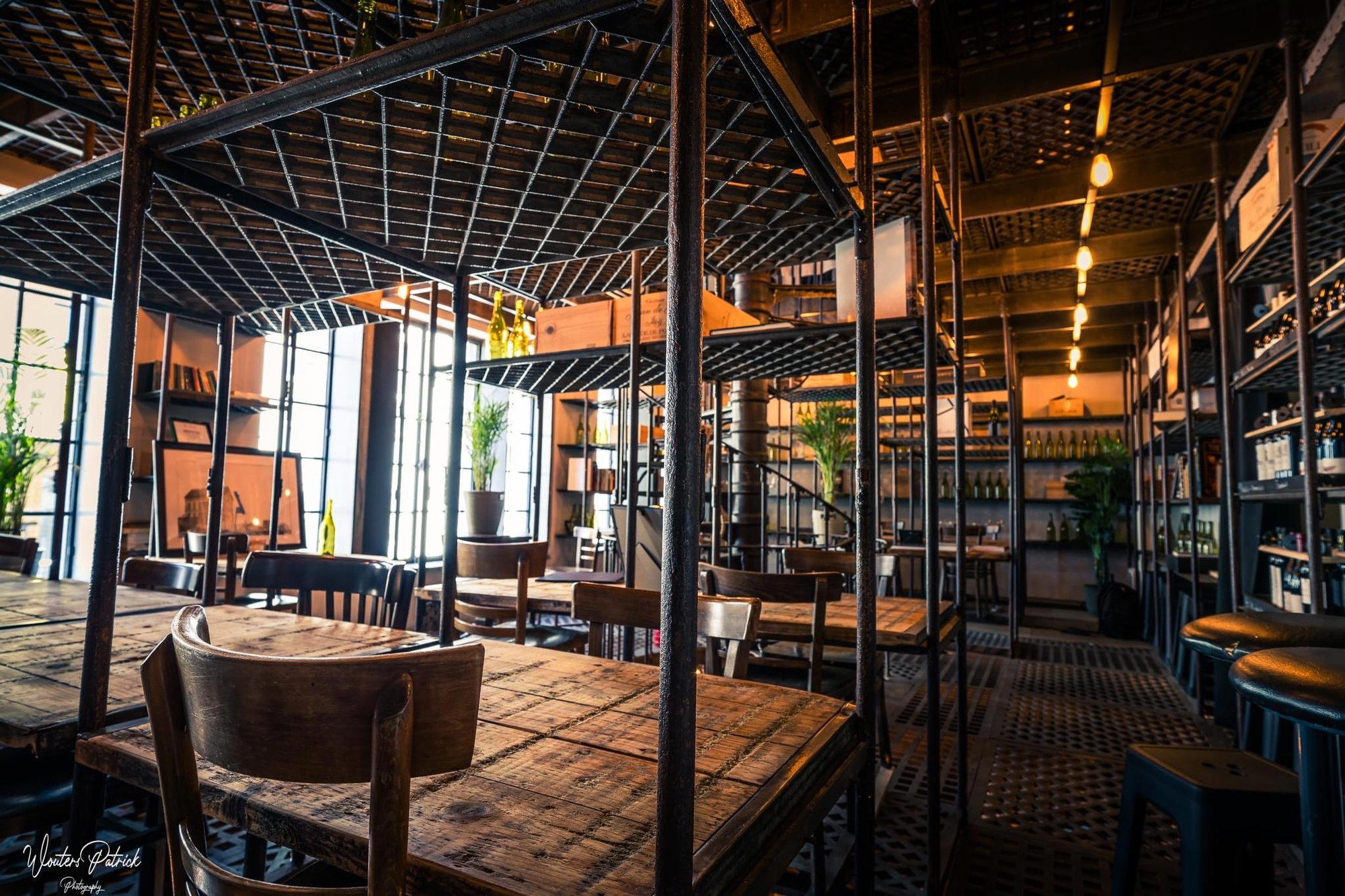
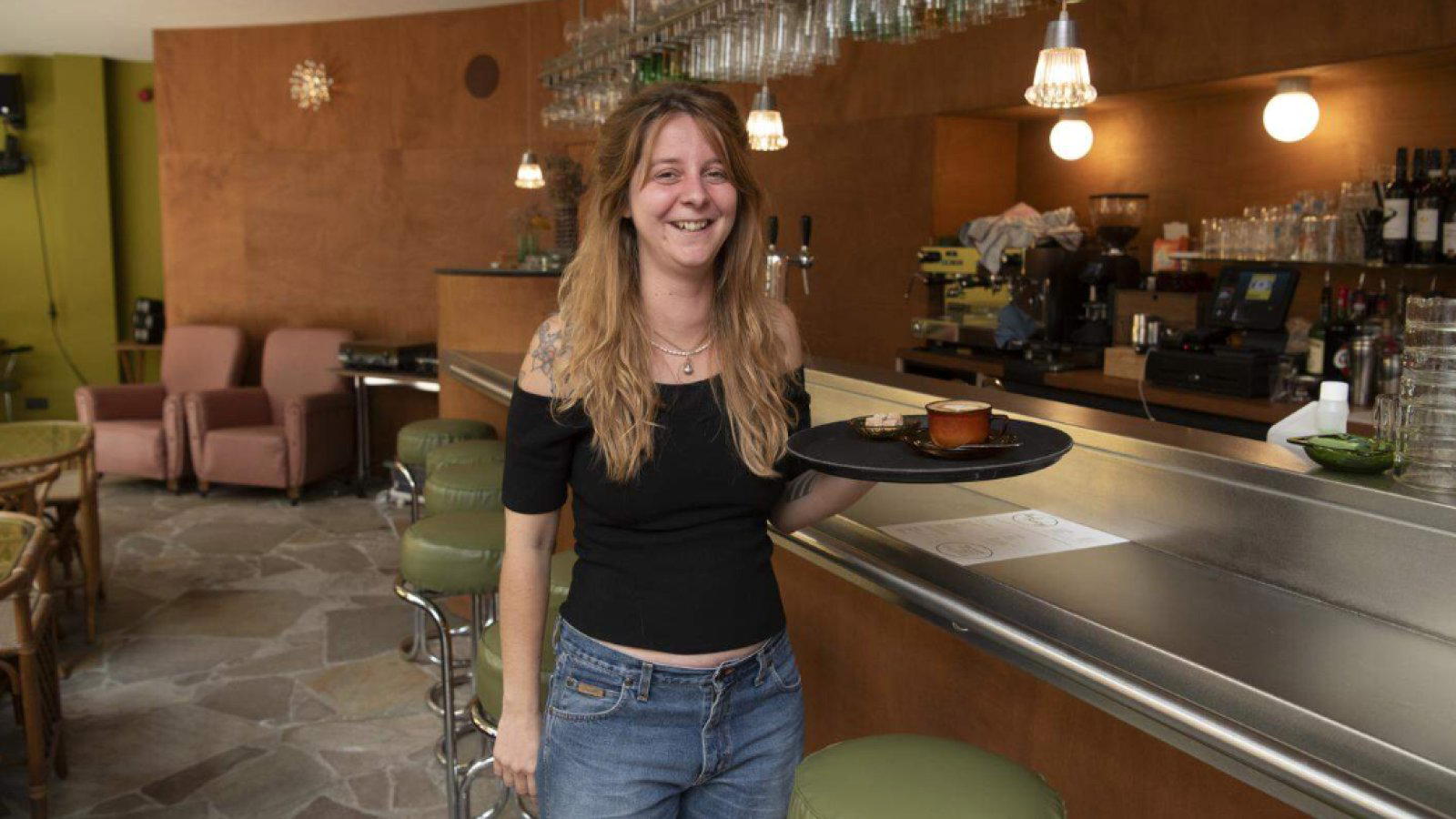
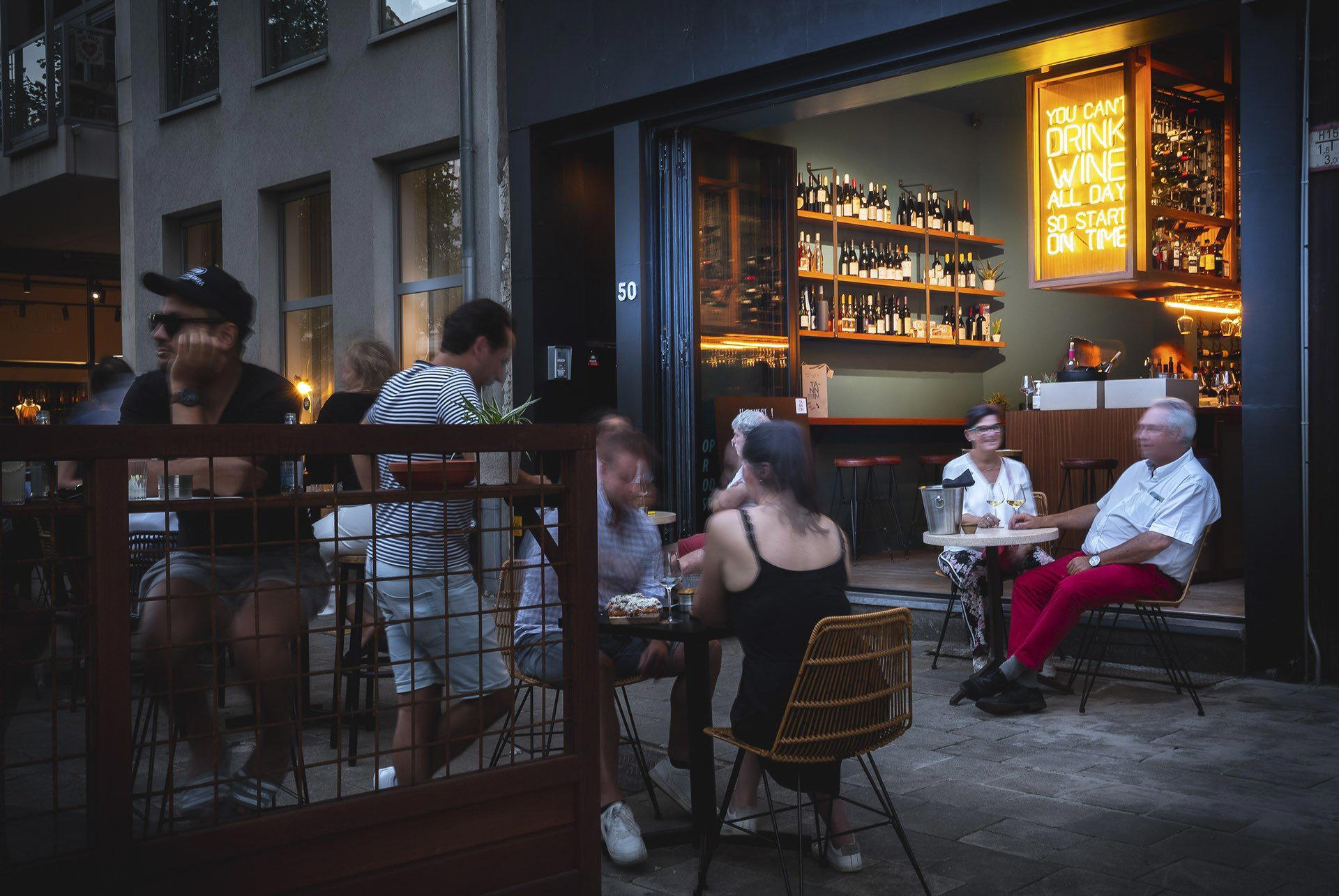
Cozy oriental atmosphere between small restaurant and fast food.
Know Before You Go
- Getting there
- Statiestraat 18, 2018 Antwerpen, Belgium