Da Jia Le occupies a specific address in Antwerp's Chinatown corridor along Van Wesenbekestraat, placing it within the city's most concentrated stretch of Chinese and pan-Asian dining. Details on format, pricing, and kitchen leadership are limited in public records, which makes it worth treating as a neighbourhood discovery rather than a pre-planned destination. For context on Antwerp's broader dining scene, the EP Club city guide covers the full spectrum.
Pearl is the En Primeur Club membership app — saves, bookings, and concierge access live there. Same editors, same standards.
- Address
- Van Wesenbekestraat 25, 2060 Antwerpen, Belgium
- Phone
- +32 487 22 13 57
- Directions
- Get directions
 Saves & bookings on Pearl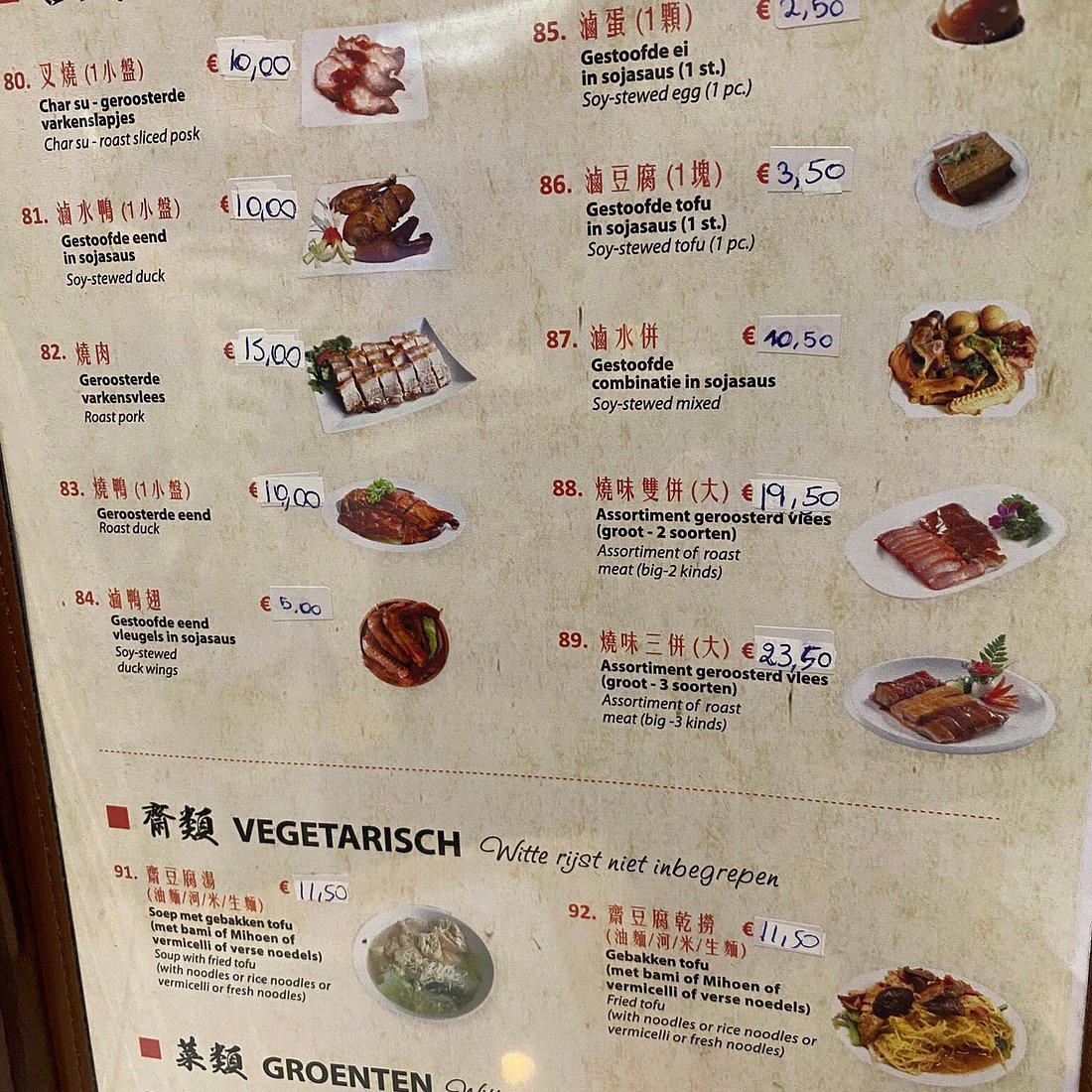
Van Wesenbekestraat and the Shape of Antwerp's Chinese Quarter
There is a particular quality to Van Wesenbekestraat in the 2060 postal district of Antwerp: it operates at a different register than the city's more celebrated dining corridors. Where the area around Groenplaats pulls in visitors chasing Flemish classics and the waterfront at Museum aan de Stroom has attracted higher-concept kitchens, this stretch of the city functions as a working neighbourhood eating street. The Chinese and pan-Asian restaurants along it are not positioned for food tourism. They exist for regulars, for community meals, for the kind of midweek dinner that does not require a reservation system or a tasting menu. Da Jia Le sits on that street, at number 25, and it is worth understanding the setting before expecting it to behave like the city's Michelin-tracked rooms.
That neighbourhood context matters because Antwerp's dining identity is often read through its fine-dining tier: rooms like Zilte, which operates at the creative end of Belgian gastronomy from its MAS museum perch, or Hertog Jan at Botanic, which brings Modern Flemish cooking into a botanical garden setting at the top of the city's price bracket. Those rooms represent one version of what Antwerp does with food. Van Wesenbekestraat represents another: the city's capacity for affordable, everyday international cooking served without ceremony.
The Chinese Restaurant Format in a Belgian City
Belgian cities have maintained Chinese restaurant communities since the mid-twentieth century, and the format that developed in places like Antwerp's 2060 district carries particular characteristics. These are not the high-concept Cantonese rooms that have emerged in London or Paris in recent years, drawing on premium imported ingredients and chef talent trained in both Chinese and European kitchens. The Antwerp Chinese restaurant tradition leans toward family-format service, shared plates, and menus broad enough to cover multiple regional Chinese styles within a single sitting. The scale is usually generous: large tables, long menus, and a pricing structure that reflects community use rather than tourist spending.
That format creates a team dynamic distinct from what you find at the city's European fine-dining addresses. At rooms like 't Fornuis, which has maintained its position as a keeper of classic European-Flemish cooking, or at Bistrot du Nord in the French traditional register, the front-of-house and kitchen operate as a tightly choreographed unit oriented around a specific culinary point of view. In Chinese family restaurants, the dynamic more often involves a kitchen covering an extensive repertoire, floor staff who function as translators between the menu's breadth and what a particular table actually wants, and a pace set by the guests rather than by a fixed service sequence. The collaboration is different in kind, not lesser in competence.
What Limited Data Signals About Da Jia Le's Position
Public records for Da Jia Le are sparse: no verified chef name, no confirmed price tier, no award citations in the major Belgian or international systems. That absence is itself informative. The rooms that attract Michelin attention in Belgium are documented across multiple databases and press records. Hof van Cleve in Kruishoutem, Boury in Roeselare, and Willem Hiele in Oudenburg each generate consistent coverage. Da Jia Le does not appear in that tier. It operates below the threshold where kitchen leadership and format details become part of the public record, which places it firmly in the neighbourhood restaurant category rather than the destination dining category.
For travellers who approach Antwerp through its European fine-dining lens, this requires a recalibration. The comparison set is not DIM Dining, which brings Japanese and Asian cooking to Antwerp at the €€€€ price point with a format aimed at the same audience as the city's leading European rooms. Da Jia Le's address and community positioning suggest something closer to the everyday end of the Chinese restaurant spectrum, where value and volume matter more than curation.
Placing Da Jia Le in the Wider Belgian Dining Picture
Belgium's restaurant culture is sometimes flattened by international coverage into a Michelin-star count and a reputation for French-influenced technique. The reality is more layered. Cities like Antwerp, Ghent, and Brussels each maintain diverse international restaurant communities that predate the current wave of high-concept global cuisine and operate largely outside the award systems that drive travel decisions. Rooms like Vrijmoed in Gent or Le Chalet de la Forêt in Uccle sit within the documented creative tier. Da Jia Le sits in a different layer of the same city's food culture, one that serves a different purpose.
The Chinese communities embedded in Belgian cities through generations of settlement have produced restaurants that do not require external validation to maintain a customer base. Their longevity is community-built. That is a distinct form of credibility from the kind earned through press coverage and award citations, and it is worth treating as such rather than reading its absence from the public record as a deficiency.
Planning a Visit: What to Know Ahead of Time
Because verified operational details for Da Jia Le are not available through public records, the standard planning advice that applies to neighbourhood Chinese restaurants in Belgian cities is the most useful frame. Lunch service at restaurants of this type typically runs from midday to mid-afternoon, with dinner from early evening. Walk-in availability is generally higher than at the city's reservation-heavy fine-dining rooms, though weekend evenings in the 2060 district can fill tables with local community dining. Arriving during the week, particularly at lunch, gives the leading chance of a relaxed sit-down without a wait.
Van Wesenbekestraat is reachable by tram from Antwerp Central Station, with the journey taking under ten minutes. The street is pedestrian-scale and navigable on foot from the neighbourhood's main tram stops. There is no booking confirmation mechanism available through public channels for Da Jia Le, so treating this as a walk-in destination is the appropriate approach until more operational detail enters the public record.
For travellers building a broader Antwerp itinerary that covers multiple dining registers, the EP Club Antwerp city guide maps the full range, from the creative fine-dining rooms to neighbourhood eating streets. Elsewhere in Belgium, Bozar Restaurant in Brussels, La Durée in Izegem, Cuchara in Lommel, Ralf Berendsen in Neerharen, and d'Eugénie à Emilie in Baudour each offer documented context for understanding how the country's restaurant culture distributes across cities and price tiers. For a reference point on how collaborative dining formats operate at a high-documentation level internationally, the team-driven service models at Le Bernardin in New York City or Lazy Bear in San Francisco offer useful contrast.
How Da Jia Le Antwerp compares with similar nearby venues.
| Venue | Cuisine | Price |
|---|---|---|
| Ni Shifu | Chinese | €€ |
At a Glance
- Cozy
- Casual Hangout
Current opening hours
- Monday
- 10:30 AM–9 PM
- Tuesday
- 10:30 AM–9 PM
- Wednesday
- Closed
- Thursday
- 10:30 AM–9 PM
- Friday
- 10:30 AM–9 PM
- Saturday
- 10:30 AM–9 PM
- Sunday
- 10:30 AM–9 PM
Hours can change for holidays and private events. Last verified .
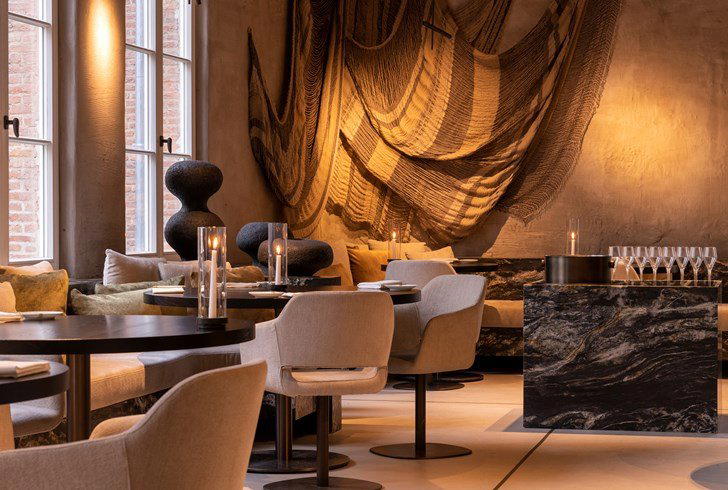
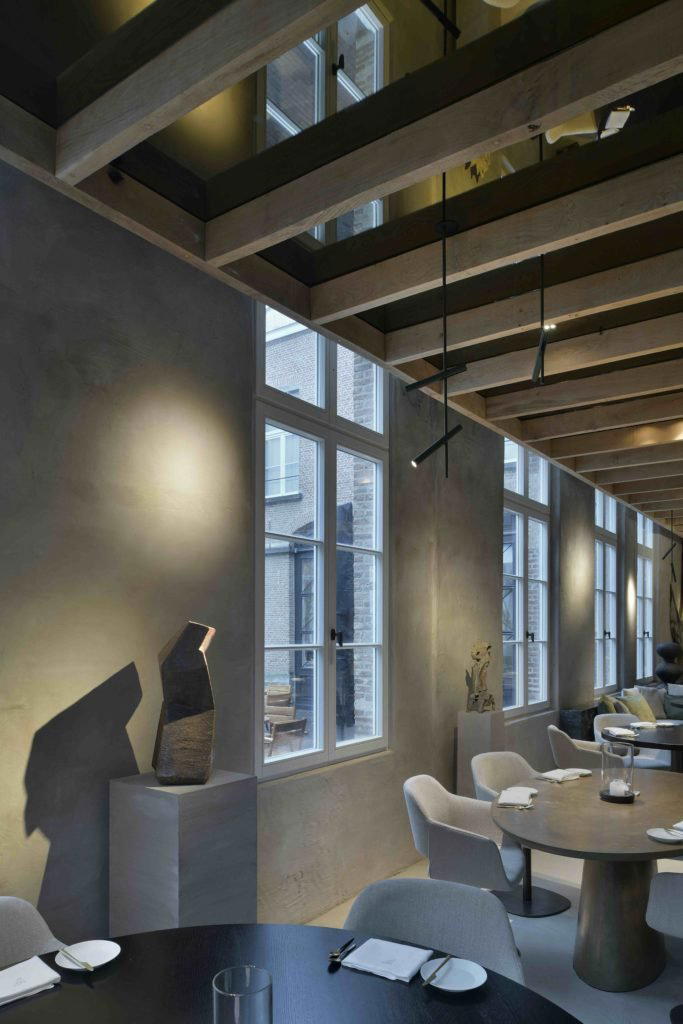
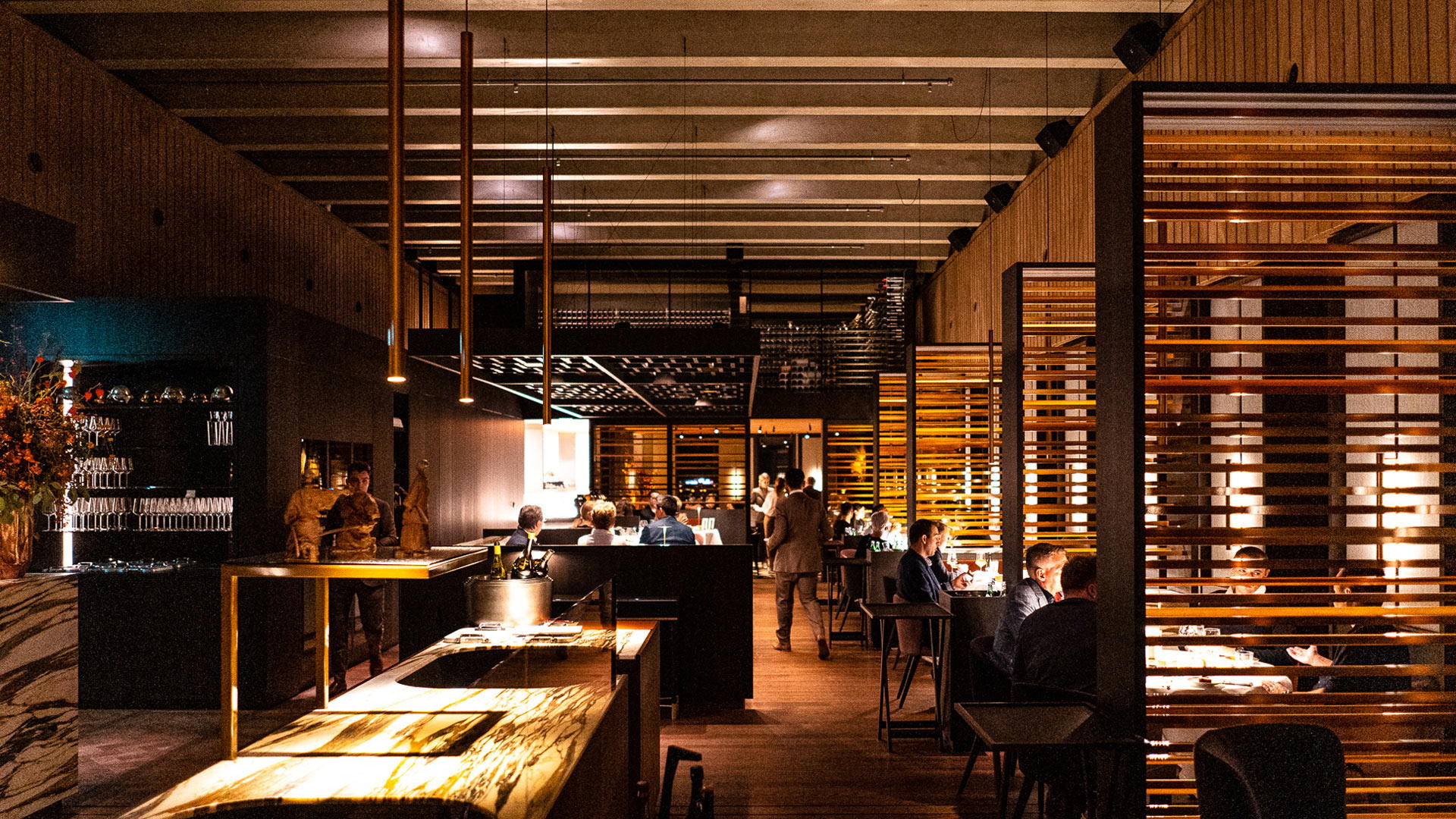
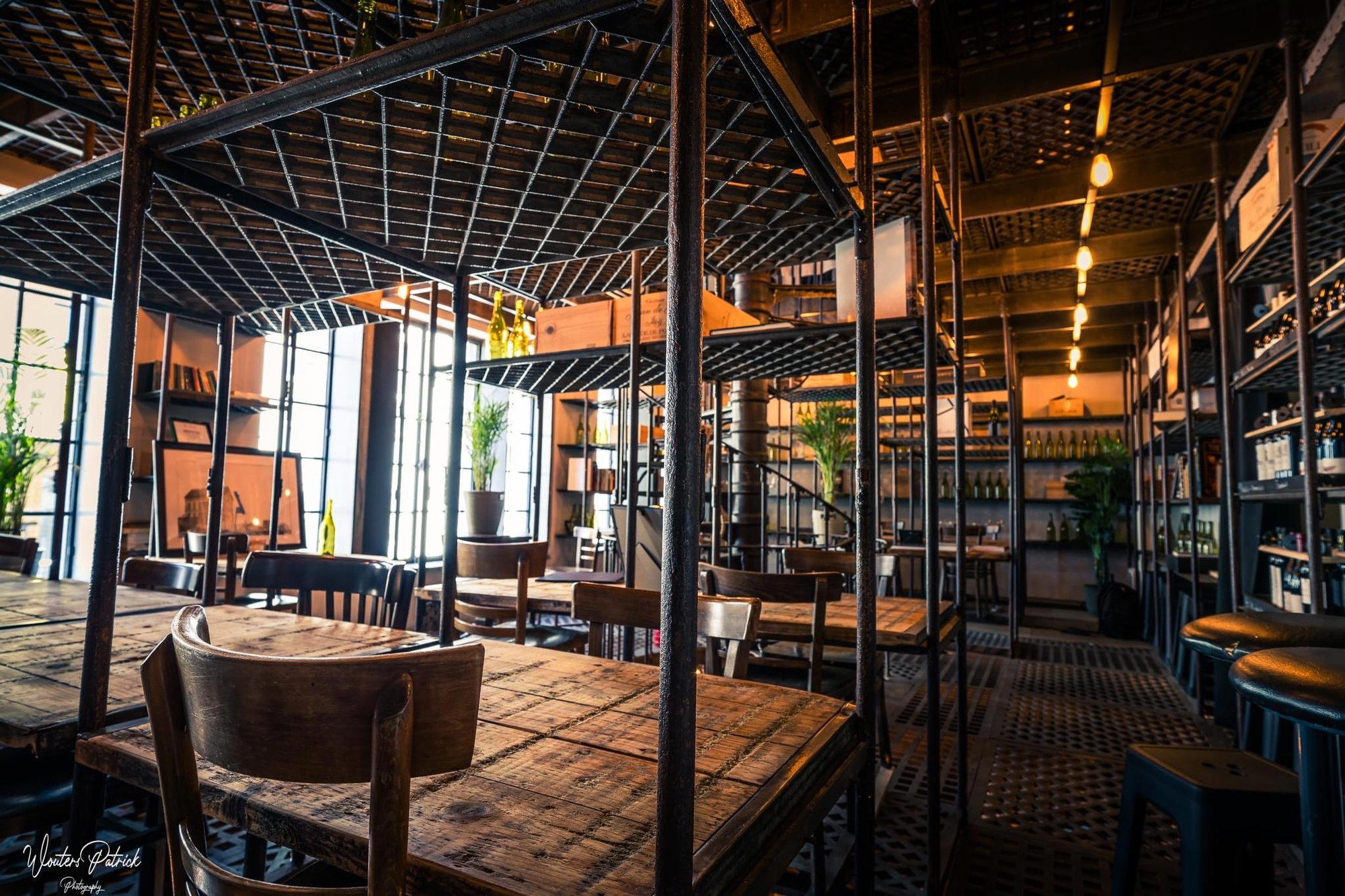
Humble, cozy atmosphere with clean, simple seating in a small space.
Know Before You Go
- Getting there
- Van Wesenbekestraat 25, 2060 Antwerpen, Belgium