Manam Thai Food on Rosenheimer Strasse sits in Munich's Haidhausen district, where the city's appetite for Southeast Asian cooking has grown well beyond the generic pad thai circuit. Unlike the Michelin-weighted fine dining rooms that define Munich's upper tier, Manam occupies the more casual end of a genuinely competitive Thai scene, drawing regulars who treat the meal as a neighbourhood ritual rather than a destination event.
Pearl is the En Primeur Club membership app — saves, bookings, and concierge access live there. Same editors, same standards.
- Address
- Rosenheimer Str. 34, 81669 München, Germany
- Phone
- +498923796118
- Website
- manam-thaifood.com
- Directions
- Get directions
 Saves & bookings on Pearl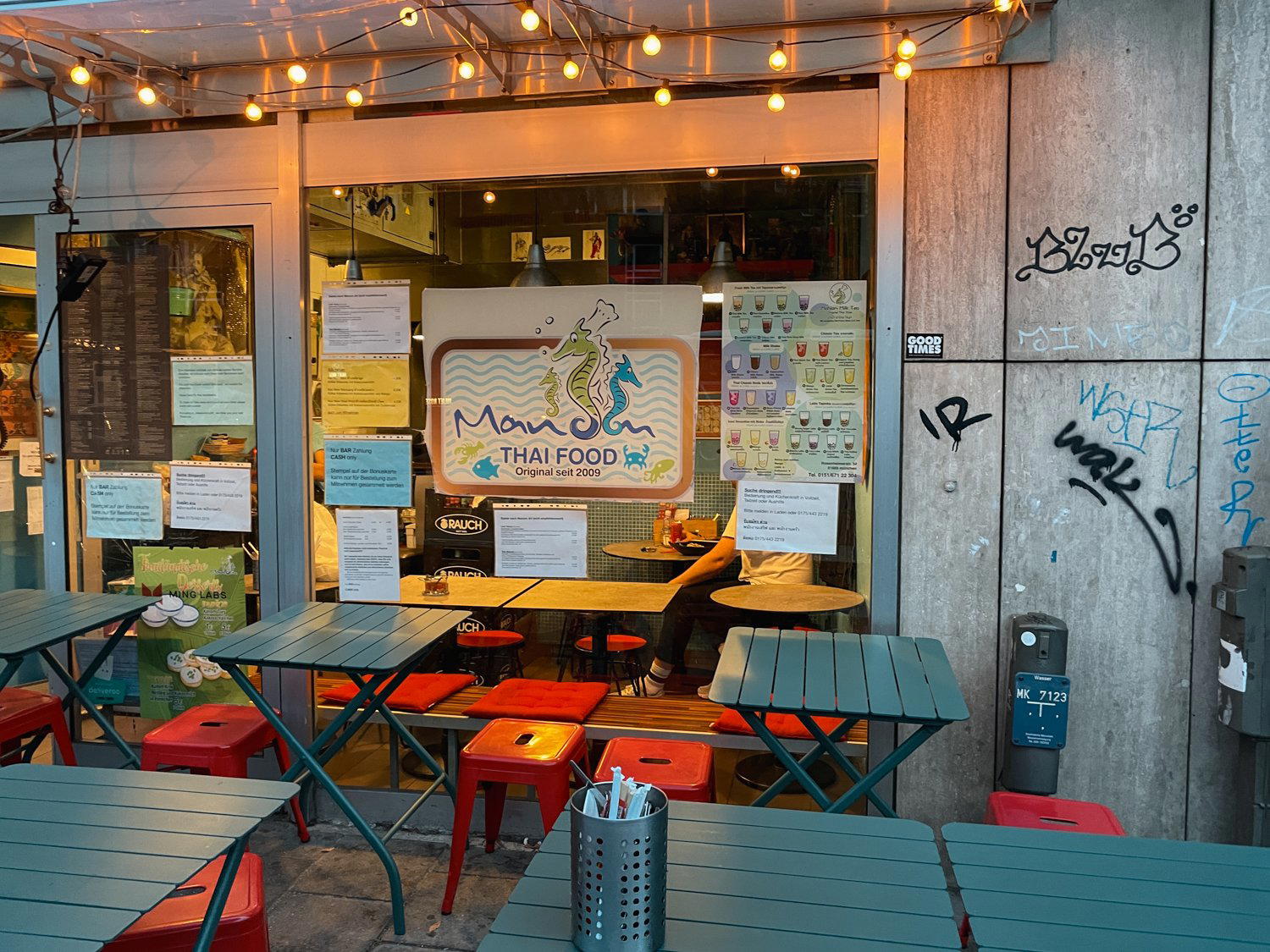
Thai Dining in Munich and Where Manam Fits
Munich's restaurant scene is weighted toward the formal end. Manam Thai Food is an Authentic Thai Street Food restaurant at Rosenheimer Str. 34, 81669 München, Germany, with. The city has more Michelin-starred tables per capita than most German cities outside Berlin, with rooms like Tantris, Atelier, and Alois – Dallmayr Fine Dining anchoring a tier of cooking that pulls serious investment in technique and sourcing. But the city also sustains a quieter register: neighbourhood restaurants in Haidhausen and Au where the ritual of the meal matters as much as the credentials behind it. Thai cooking in Munich occupies that second register almost entirely. JAN or Tohru in der Schreiberei represent in their respective categories.
Manam Thai Food, addressed at Rosenheimer Strasse 34 in the 81669 postcode, sits within that east-side cluster. Haidhausen is one of Munich's most residentially dense and restaurant-friendly neighbourhoods, a place where the dining pattern skews toward repeat visits rather than occasion dining. The Rosenheimer Strasse corridor connects the Isartor end of the old town to the Ostbahnhof axis, a stretch that carries both foot traffic and a local clientele who know what they are walking to. For Thai food specifically, that local familiarity matters: the restaurants that hold their position in this part of Munich do so through consistency over time rather than marketing or novelty.
The Ritual of a Thai Meal and What It Demands of a Kitchen
Thai dining, done with any fidelity to tradition, is a collective meal. Dishes arrive to be shared, not plated individually. The pace is determined by the kitchen rather than a choreographed front-of-house sequence, and the table is typically full before anyone begins eating. This structure sits at some remove from the tasting-menu format that dominates Munich's upper tier, where courses arrive on a fixed timeline and portion sizes are calibrated to sequence. At the other end of Germany's dining register, kitchens like CODA Dessert Dining in Berlin have built entire programmes around format discipline. Thai restaurants work from a different premise: abundance and simultaneity, not scarcity and progression.
What this requires of a kitchen is a different kind of discipline. Curries need time and heat management. Som tam depends on freshness of ingredient and the ratio of fish sauce to lime to palm sugar arriving in balance on each plate, not once in a test kitchen but consistently through a service. Nam prik preparations, stir-fries, and rice dishes all have to hold across a busy table without one dish overshadowing another. The evaluative frame for a neighbourhood Thai restaurant is not whether it competes with the level of cooking at Aqua in Wolfsburg or Schwarzwaldstube in Baiersbronn. It is whether the shared table arrives with balance, whether the heat levels are genuine rather than adjusted for a perceived European palate, and whether the meal feels coherent as a whole.
Haidhausen as a Context for Eating
Haidhausen's restaurant culture has evolved considerably over the past two decades. The neighbourhood, historically a working-class district east of the Isar, attracted a wave of independent restaurants and bars in the 2000s and has since settled into a mix of long-running neighbourhood institutions and rotating openings. The pattern here is different from Maxvorstadt or Schwabing, where cafe culture and student proximity drive higher turnover. Haidhausen retains its restaurants longer, partly because rents remain lower relative to the city centre and partly because the residential base provides the kind of steady custom that sustains kitchens month to month. Thai restaurants, which require a specific sourcing network for key ingredients like galangal, kaffir lime leaf, and Thai basil, benefit from that stability.
Rosenheimer Strasse specifically is a main artery rather than a side-street location, which changes the profile of custom. Restaurants on this corridor receive both neighbourhood regulars and passing traffic from people moving between Ostbahnhof and the Isar. That dual catchment tends to produce a broader weekday spread rather than the concentrated weekend patterns common in destination dining rooms. For comparison, the occasion-dining format that drives bookings at Vendôme in Bergisch Gladbach or Victor's Fine Dining by Christian Bau in Perl bears almost no structural resemblance to what sustains a Thai kitchen on a main Munich street. The rhythm is different, and so is the definition of a successful evening.
What to Know Before Going
Munich's Thai restaurant tier, including Manam, operates without the booking infrastructure of the city's fine dining rooms. Tables at places like Restaurant Haerlin in Hamburg or Schanz in Piesport require advance planning weeks or months out. The neighbourhood Thai context is different: walk-in is the norm rather than the exception for most evenings, though weekend dinner services at well-regarded spots can fill early. Going before 7pm on a Friday or Saturday is advisable if you have a specific time preference. Midweek, flexibility is rarely needed.
ES:SENZ in Grassau, Waldhotel Sonnora in Dreis, and Bagatelle in Trier represent the formal end of German dining more broadly; Manam represents the opposite axis entirely, where the meal is a regular occurrence rather than a planned event.
Know Before You Go
- Address: Rosenheimer Str. 34, 81669 München, Germany
- Neighbourhood: Haidhausen, Munich East Side
- Price Range: About $25 per person
- Booking: Reservations recommended; weekend evenings may fill early
The Minimal Set
Comparable venues nearby, for context on price, style, and recognition.
| Venue | Cuisine | Price | Notes |
|---|---|---|---|
| Manam Thai FoodThis venue — the venue you are viewing | Au, Authentic Thai Street Food | $$ | Not listed |
| Krua Thai Imbiss | Neuhausen, Authentic Thai Street Food | $$ | Not listed |
| Yi Da Wan | Not listed | $$ | Au, Authentic Chinese Noodle Soups & Dumplings |
| Wirtshaus in der Au | Not listed | $$ | Au, Traditional Bavarian with Innovative Dumplings |
| Yuki Hana | Lehel, Japanese Sushi | $$ | Not listed |
| Leib und Seele | Lehel, Traditional Bavarian | $$ | Not listed |
At a Glance
- Lively
- Casual Hangout
- Open Kitchen
Current opening hours
- Monday
- 11:30 AM–9 PM
- Tuesday
- 11:30 AM–9 PM
- Wednesday
- 11:30 AM–9 PM
- Thursday
- 11:30 AM–9 PM
- Friday
- 11:30 AM–9 PM
- Saturday
- 12–9 PM
- Sunday
- Closed
Hours can change for holidays and private events. Last verified .
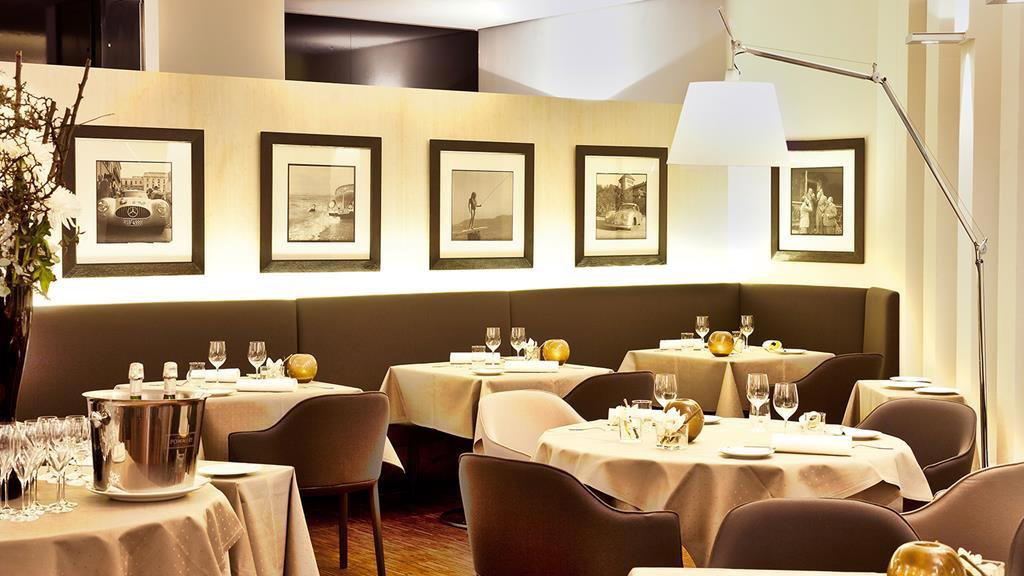
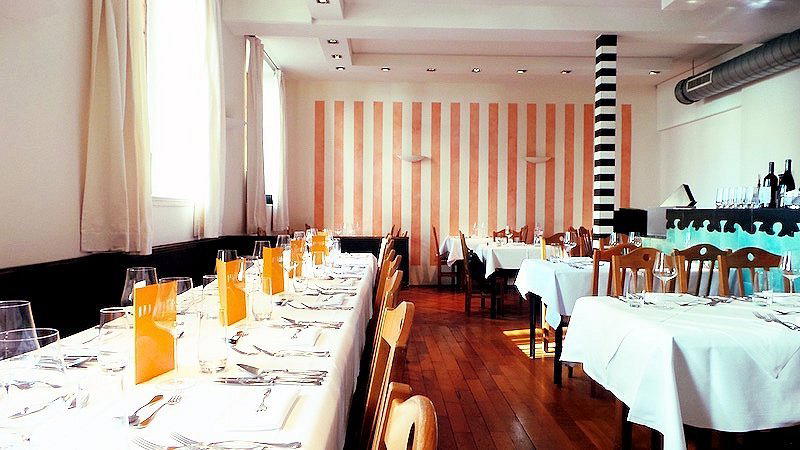
Casual and bustling atmosphere typical of an authentic, always-packed Thai spot.