Mama Lion
Our verdict
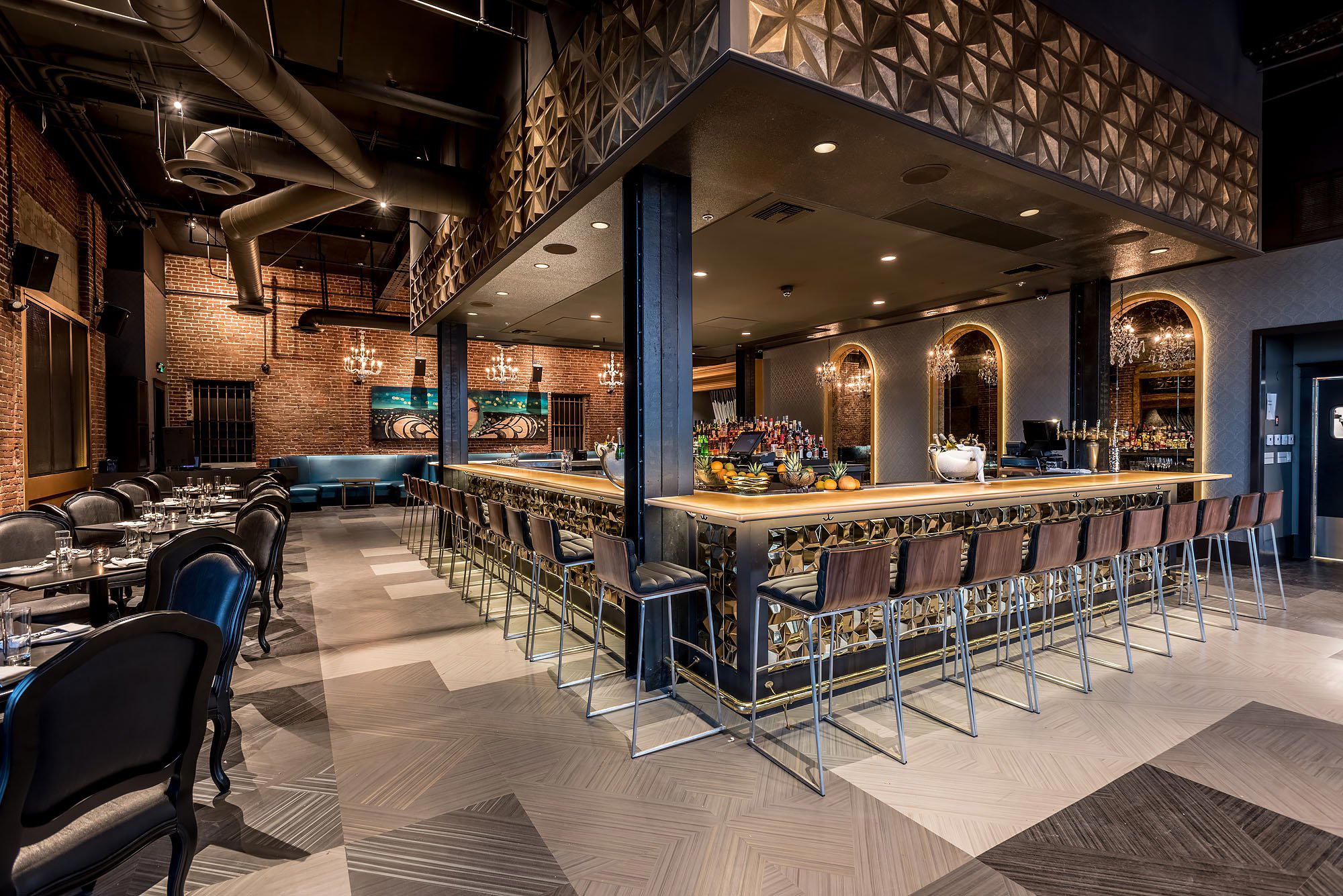
Mama Lion occupies a dim, lounge-forward space on South Western Avenue in Koreatown, one of Los Angeles's most densely layered dining corridors. The room operates at the intersection of late-night cocktail culture and kitchen ambition, drawing a crowd that arrives after 9pm and stays well past midnight. Details on current menus and booking windows are best confirmed directly with the venue.

Pearl is the En Primeur Club membership app — saves, bookings, and concierge access live there. Same editors, same standards.
- Address
- 601 S Western Ave, Los Angeles, CA 90005
- Phone
- (213) 377-5277
- Hours
- Mon–Thu ClosedFri–Sat 10 PM–2 AMSun Closed
- Website
- mamalion.com
- Directions
- Get directions
- Booking
- Book on SevenRooms
The menu
What to order
- Hamachi tartare
- Seared shrimp
- Ceviche frito
Koreatown After Dark: The Room Before the Meal
South Western Avenue in Los Angeles does not announce itself. The strip runs through Koreatown with the low-key density that defines the neighbourhood: barbecue joints sharing walls with karaoke rooms, pojangmacha-style late-night counters, and the occasional bar that sits behind a door with no obvious signage. Mama Lion, at 601 S Western Ave, belongs to the latter category. The approach is deliberately understated, which in Koreatown signals confidence rather than obscurity. Neighbourhoods that generate this much foot traffic after 11pm do not need to shout.
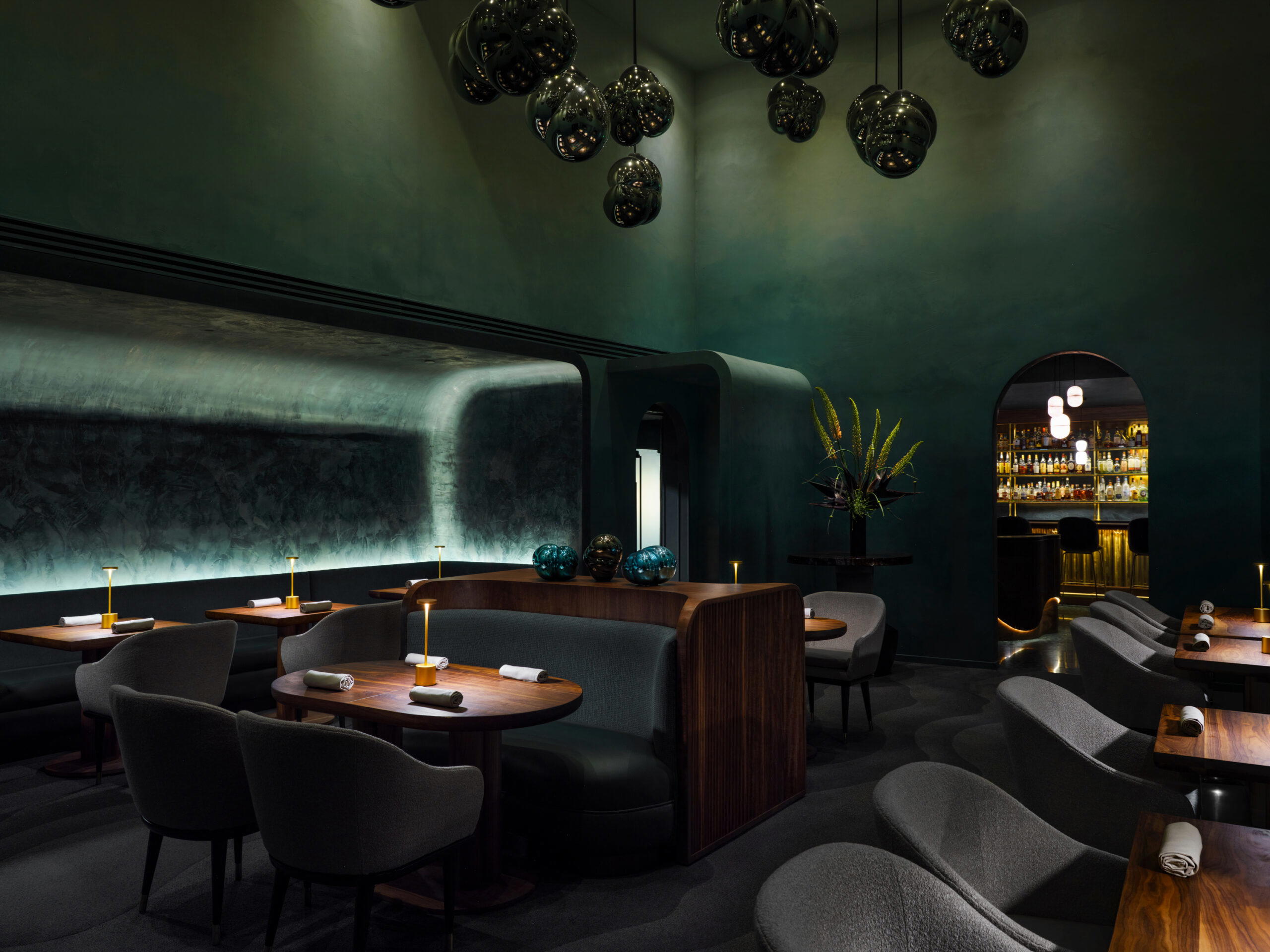
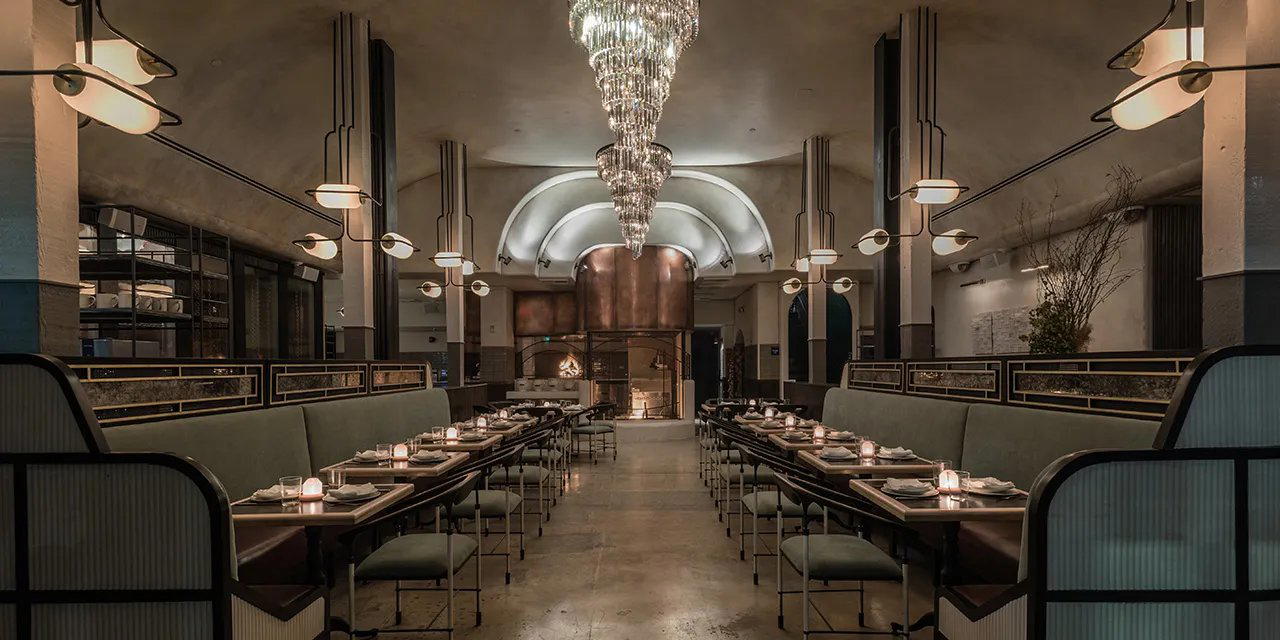
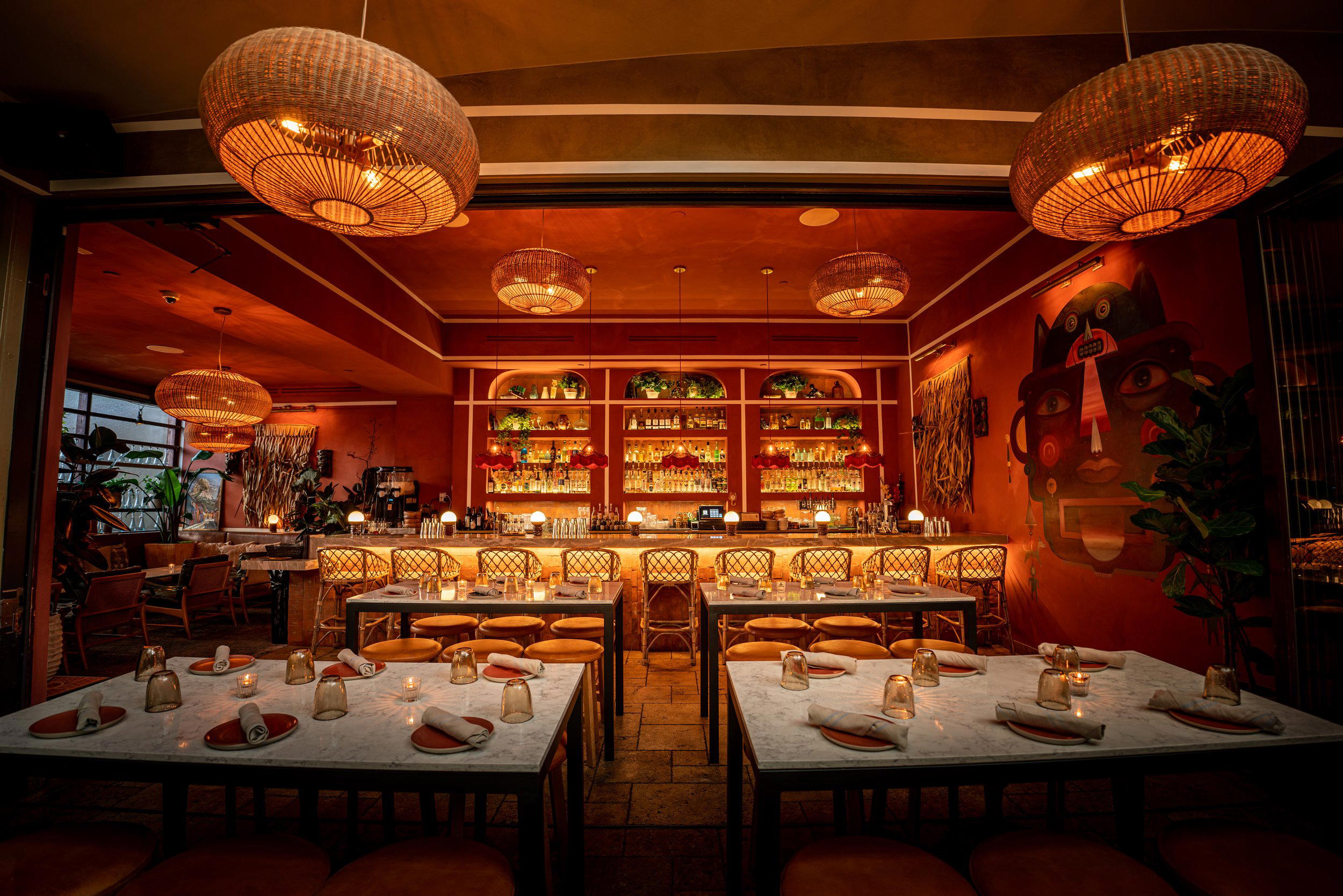
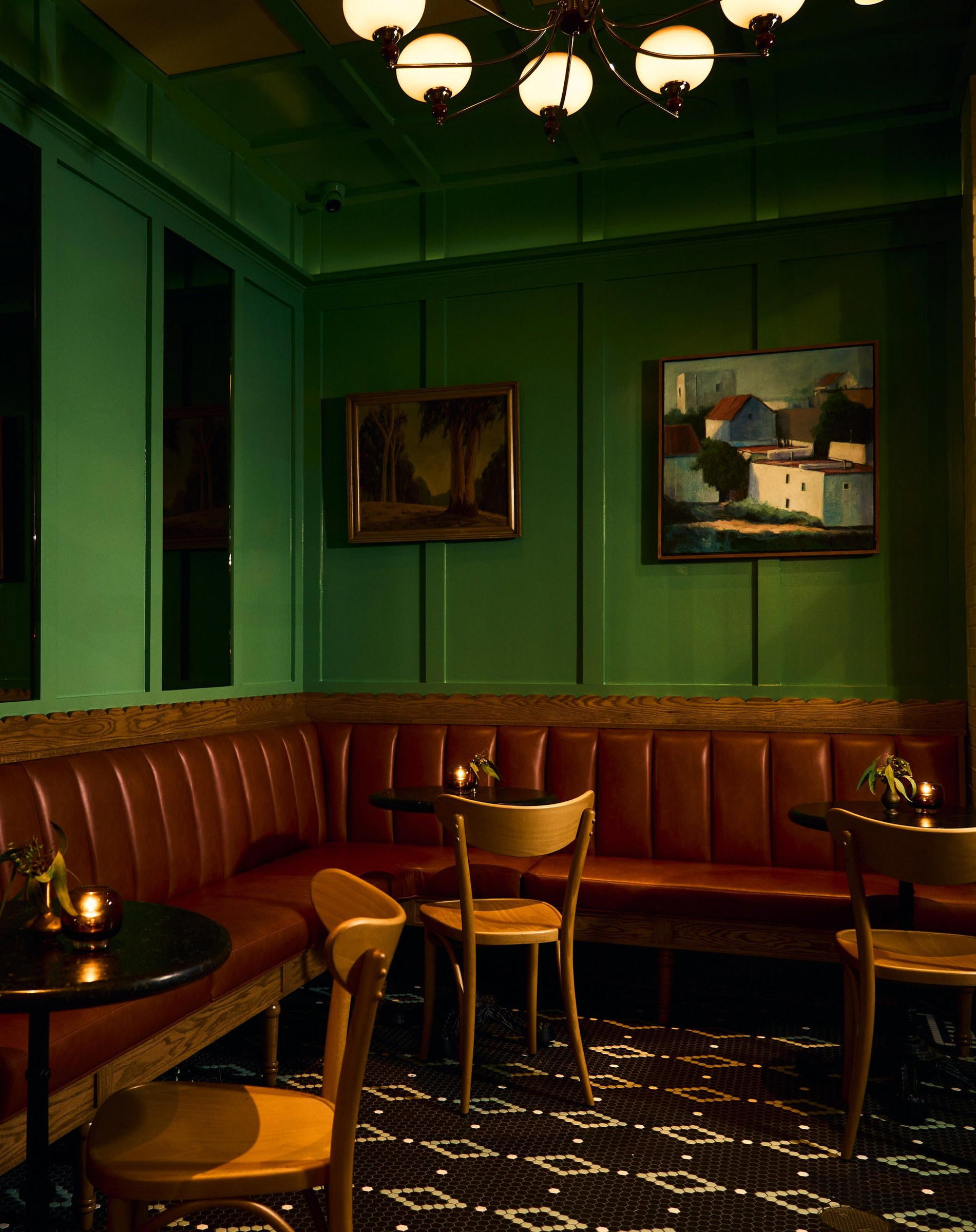
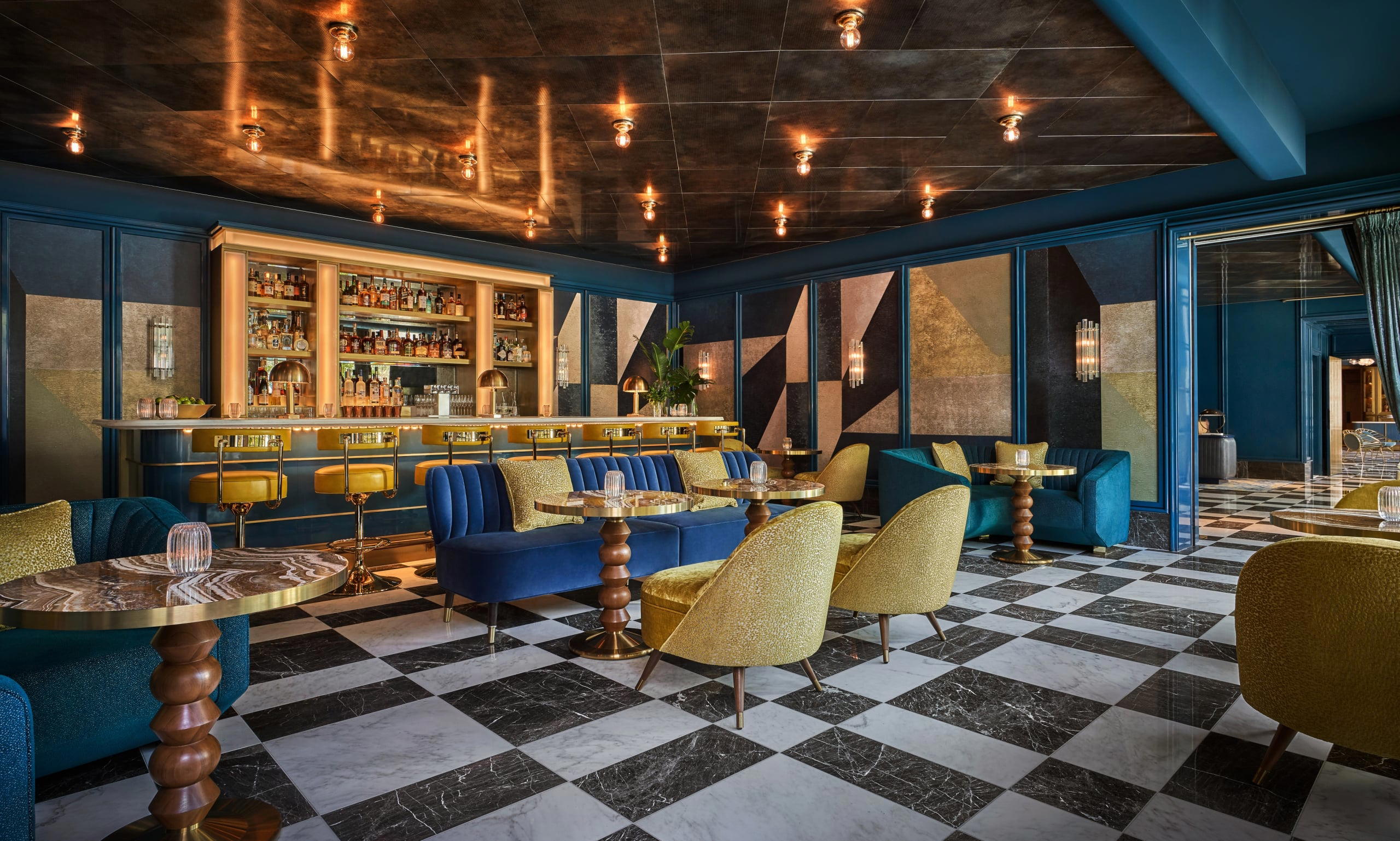
Inside, the room is structured around low light and deliberate acoustics. Koreatown's bar and lounge scene has historically operated on a longer evening clock than most of Los Angeles, and spaces that succeed here are designed to absorb volume without becoming chaotic. Mama Lion reads as a considered response to that specific neighbourhood demand: a venue built for the hours when most of the city has already called it a night. That positioning places it in a different competitive conversation than the early-seating tasting-menu circuit represented by venues like Hayato or Kato, both of which operate at the formal end of Los Angeles dining.
Where Mama Lion Sits in the Los Angeles Dining Picture
Los Angeles has developed one of the most stratified restaurant scenes in the United States. At the upper register, venues like Providence and Somni compete for the same Michelin attention that Le Bernardin in New York City or Alinea in Chicago draw nationally. Below that tier, the city runs a parallel track of neighbourhood-rooted venues that operate outside the award infrastructure entirely and are often more revealing of how the city actually eats and drinks.
Mama Lion belongs to that second track. Koreatown is one of the most food-dense urban corridors in the country, with a dining culture that prioritises communal eating, late hours, and drink-forward formats. A lounge concept on South Western Avenue is not a novelty; it is a direct response to what the neighbourhood demands. What distinguishes a venue in that context is not a tasting menu or a celebrity chef lineage, but the calibration of the room itself: how the light falls, how the sound behaves, whether the cocktail program has a point of view. Those are the metrics that matter here, and they are harder to assess from the outside than a Michelin star or a James Beard nomination.
For comparison, the formal end of Los Angeles dining, represented by venues like Osteria Mozza or the farm-to-table precision of Single Thread Farm in Healdsburg, operates on reservation windows measured in weeks or months, structured menus, and early seatings. Mama Lion operates on a different logic entirely, one that is closer to the late-night lounge culture of Koreatown than to the tasting-room circuit. Neither model is subordinate to the other; they answer different questions about what a night out in Los Angeles can mean.
The Sensory Register: Light, Sound, and the Room Itself
The atmospheric vocabulary of Koreatown's better lounges has a consistent grammar. Low-temperature lighting, often amber or warm red, reduces the visual noise of a full room and makes the space feel more private than its actual capacity. Banquette seating or booth configurations allow conversation to survive a full room. Music runs at a level that fills silence without overriding speech. These are not accidental choices; they are the product of a neighbourhood that has been running late-night hospitality at a high level for decades.
Mama Lion works within that grammar. The room is designed for a specific kind of evening: one that begins with drinks and extends into food, rather than the reverse. That sequence, common in Koreatown and across much of East and Southeast Asian urban dining culture, produces a different energy than the Western tasting-room model. The kitchen serves the room's rhythm rather than dictating it. For visitors arriving from outside the neighbourhood, that inversion can be the most interesting part of the experience.
The sensory experience of a room like this is cumulative. It is not about a single dish arriving at the table but about the aggregate effect of the lighting level, the proximity of other tables, the temperature of the room, and the pacing of service over two or three hours. Los Angeles venues that have mastered this format, from the cocktail bars of Silver Lake to the late-night Korean dining rooms of Koreatown itself, tend to generate loyalty that outlasts any single visit or any single menu change.
Context Within a National Frame
Zooming out to the national frame, the lounge-forward dining format that Mama Lion occupies has counterparts in most major American cities. In New Orleans, Emeril's represents the celebrity-chef anchor end of that city's hospitality culture, while the late-night bar-and-kitchen format runs through the French Quarter and Marigny independently of that infrastructure. In San Francisco, Lazy Bear has formalised the communal dining experience into a structured program; Koreatown's model runs the opposite direction, keeping the format loose and the hours long.
Other points of comparison sit at the formal extreme: The French Laundry in Napa, Blue Hill at Stone Barns in Tarrytown, Addison in San Diego, The Inn at Little Washington, Bacchanalia in Atlanta, and Atomix in New York City all operate in a register where the booking window, dress code, and prix-fixe format are central to the proposition. Mama Lion does not compete in that register. Internationally, that format finds parallels in venues like 8½ Otto e Mezzo Bombana in Hong Kong, where the lounge-adjacent energy of a full dining room late in the evening is part of the value proposition rather than incidental to it.
For a fuller picture of where Mama Lion sits within Los Angeles's wider dining map, see our full Los Angeles restaurants guide.
Planning a Visit
Given the venue's Koreatown location and late-night orientation, the practical logistics are worth thinking through before arrival. Address: 601 S Western Ave, Los Angeles, CA 90005. Hours: Not confirmed; Koreatown venues in this format typically run into the early morning, but verify before visiting. Dress: No confirmed dress code; the neighbourhood standard for lounge-forward venues skews smart-casual to dressed up after 9pm. Getting there: South Western Avenue is accessible by Metro B Line (Red) from downtown Los Angeles; street parking is available but the corridor fills on weekend evenings.
Frequently asked questions
Where do I go for Mama Lion?
Mama Lion is located at 601 S Western Ave, Los Angeles, CA 90005, Los Angeles.
Is Mama Lion worth visiting if I'm not staying in Koreatown?
Koreatown sits near the geographic centre of Los Angeles, making 601 S Western Ave more accessible from multiple neighbourhoods than most out-of-area visitors expect. The district's late-night culture means Mama Lion fits naturally into an evening that starts elsewhere in the city and finishes here. For anyone tracking the Los Angeles lounge dining scene, Koreatown is one of the few areas where that format operates at consistent depth across the week.
What's the signature dish at Mama Lion?
The venue operates in Koreatown at 601 S Western Ave, a neighbourhood where kitchens typically run later than most of Los Angeles and often lean toward sharing formats suited to the lounge pace.
How far ahead should I plan for Mama Lion?
Koreatown lounge venues in Los Angeles generally carry shorter reservation windows than West Side fine dining, though weekend evenings on South Western Ave can fill faster than the neighbourhood's low-key street presence suggests. Contacting the venue directly before a Friday or Saturday visit is the practical move.
Cost and Credentials
Comparable venues nearby, for context on price, style, and recognition.
| Venue | Cuisine | Price | Notes |
|---|---|---|---|
| Mama LionThis venue — the venue you are viewing | Modern Californian Shared Plates | $50–100 | Not listed |
| Madera Kitchen | New American Farm-to-Table | Not listed | Hollywood Hills, New American Farm-to-Table |
| Restaurant at The Getty Center | California Mediterranean | $30–50 | Brentwood, California Mediterranean |
| The Rose Venice | California Seasonal Cuisine with Bakery & Market | Not listed | Venice, California Seasonal Cuisine with Bakery & Market |
| Alley on vermont | Modern Steakhouse | $50–100 | Los Feliz, Modern Steakhouse |
| Monty's Good Burger | Plant-Based American Burgers | $10–20 | Wilshire Center, Plant-Based American Burgers |