Restaurant at The Getty Center
Our verdict
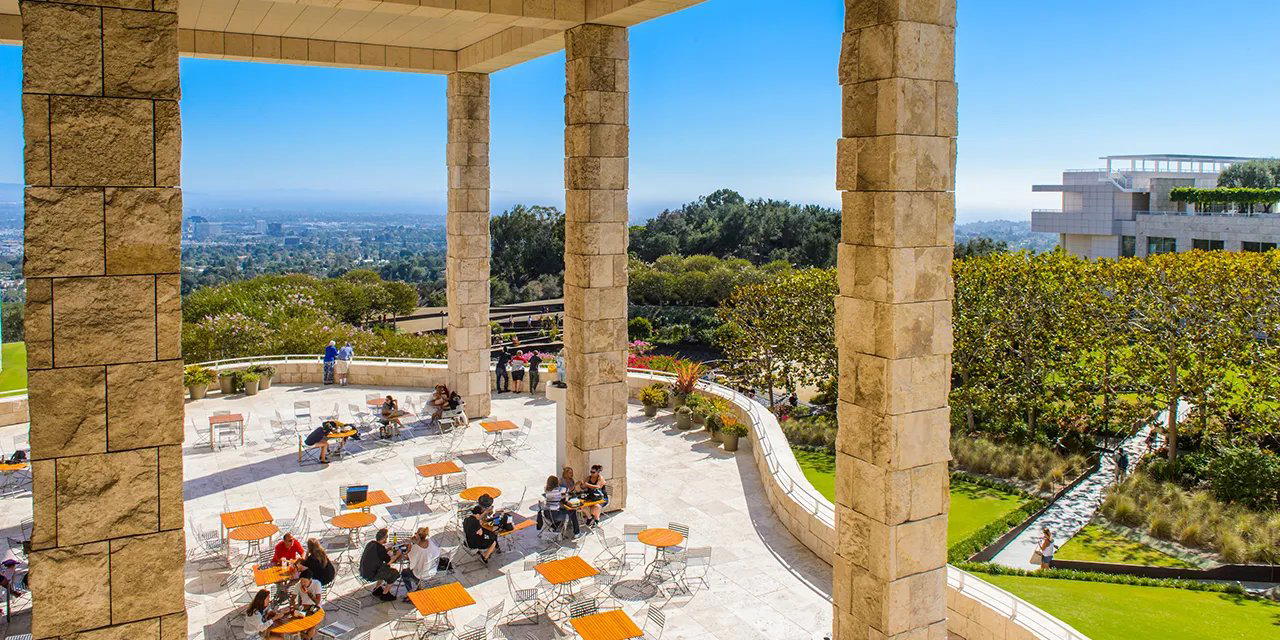
Perched above the Sepulveda Pass with views stretching from the Santa Monica Mountains to the Pacific, the Restaurant at The Getty Center occupies a position no other Los Angeles dining room can claim. Lunch here operates inside one of the most visited cultural institutions in the American West, making it a natural midday anchor for a gallery visit. The daytime-only format shapes everything from the pacing to the plate.

Pearl is the En Primeur Club membership app — saves, bookings, and concierge access live there. Same editors, same standards.
- Address
- 1200 Getty Center Dr, Los Angeles, CA 90049
- Phone
- (310) 440-6810
- Hours
- Mon ClosedTue–Fri 11:30 AM–2:30 PMSat 11:30 AM–8 PMSun 11 AM–3 PM
- Website
- getty.edu
- Directions
- Get directions
- Booking
- Book on OpenTable
Dining at Altitude: What It Means to Eat Inside a Cultural Institution
Los Angeles has a complicated relationship with the museum restaurant. Too often, these spaces function as afterthoughts, places designed to manage visitor flow rather than satisfy a serious appetite. The Restaurant at The Getty Center operates in a different register. Positioned on the upper campus of the Getty Center in Brentwood, it sits within Richard Meier's travertine complex at roughly 900 feet above sea level, with sightlines that extend across the city grid and, on clear days, reach the Pacific. That physical context is not incidental to the dining experience. It defines it.
Museum dining in major American cities has undergone a quiet but meaningful shift over the past decade. Institutions that once licensed their food and beverage operations to contract caterers with no culinary ambition have increasingly brought restaurant programming closer to the curatorial core. The dining room is now expected to reflect the institution's identity, not just serve sandwiches to tired visitors. The Getty Center's restaurant sits within that evolving expectation, operating as a full-service lunch venue in a setting that most Los Angeles restaurants, however ambitious, cannot replicate. For context on how seriously Los Angeles takes its restaurant culture more broadly, the full Los Angeles restaurants guide maps the city's range from omakase counters to progressive tasting menus.
The Lunch vs. Dinner Question: Why Daytime Is the Whole Point
The Restaurant at The Getty Center operates as a lunch and daytime venue, which makes it structurally different from the city's evening-focused dining rooms. This is not a limitation. It is the defining editorial frame. Dinner in Los Angeles, at the level of venues like Kato, Hayato, or Somni, is built around sustained, multi-course progression and theatrical pacing designed for a three-hour commitment. Lunch at an institution like the Getty is built around a different contract with the diner: punctuation, not immersion. You arrive from the galleries, or you plan the galleries around the table. Either way, the rhythm is lighter and the expectations adjusted accordingly.
Its more relevant comparisons are with dining programs embedded in major cultural institutions, where the kitchen must serve a broad and varied visitor base without abandoning quality signals. That is a harder balance to strike than it appears. The view from the terrace does significant work, but a kitchen that coasts on ambient drama will eventually disappoint.
The daytime service model also changes value calculus in ways worth noting. Lunch at a high-context venue, one with architectural gravitas, a world-significant art collection, and a terrace with city views, carries a different quality-to-price logic than a standalone restaurant competing purely on plate. The Getty admission process (parking reservations required, tram access to the leading) means that by the time a visitor reaches the restaurant, they have already committed to the experience in a way that changes how they receive it. That is not a criticism. It is a structural reality that shapes what the kitchen needs to deliver and what the diner reasonably expects.
Where This Sits in the Los Angeles Dining Conversation
Los Angeles restaurant culture in the mid-2020s is dense at the leading end. The city has Michelin-starred counters, James Beard-recognized kitchens, and a cohort of progressive American dining rooms that would compete credibly in any global city. Providence holds two Michelin stars for its contemporary seafood program. Somni operates at the molecular and avant-garde end. These are evening operations built around singular culinary ambition.
The Restaurant at The Getty Center does not compete in that bracket, nor does it need to. Its competitive frame is the quality-of-place dining experience: venues where the physical context, the history, the view, or the institutional significance carries as much weight as what arrives on the plate. Internationally, this category includes restaurants attached to major museums and cultural complexes across Europe and Asia. In the American context, it sits alongside dining programs at institutions like the Art Institute of Chicago or MoMA in New York, though the Getty's outdoor terrace and Southern California light give it distinct atmospheric advantages.
For visitors building a Los Angeles itinerary that extends beyond the city to other American dining destinations, the broader range of serious American cooking includes rooms like The French Laundry in Napa, Lazy Bear in San Francisco, Alinea in Chicago, Blue Hill at Stone Barns in Tarrytown, Le Bernardin in New York, Addison in San Diego, The Inn at Little Washington, Bacchanalia in Atlanta, Emeril's in New Orleans, Atomix in New York, Single Thread Farm in Healdsburg, and internationally, 8 1/2 Otto e Mezzo Bombana in Hong Kong. The Getty's restaurant occupies a distinct category from all of these, but understanding its place in that wider conversation helps calibrate expectations correctly.
Planning Your Visit: Logistics and Practical Context
Access to the Getty Center requires advance planning that differs from a standard restaurant reservation. Parking at the Getty Center must be reserved ahead, and arrival is via tram from the base parking structure. The campus sits at the top of a hillside off the 405 freeway, accessible from Getty Center Drive. The restaurant operates within the campus's opening hours rather than independent dinner service hours, which effectively means this is a daytime dining destination.
The terrace seating is the primary draw for good weather visits, which in Los Angeles means most of the year. Interior seating is available for those who prefer a more controlled environment. The visitor population is international and broad, which the kitchen's menu format reflects.
Practical Comparison: Getty Center vs. Nearby Dinner Alternatives
| Venue | Format | Price Tier | Booking Lead Time | Access |
|---|---|---|---|---|
| Restaurant at The Getty Center | Daytime / Lunch | Mid-range (museum context) | Same-day to short advance; campus parking reservation required | Tram from parking structure; no street walk-in |
| Kato | Dinner tasting menu | $$$$ | Several weeks in advance | Brentwood / West LA; valet or street |
| Hayato | Omakase counter, dinner | $$$$ | Months in advance | Downtown Arts District |
| Osteria Mozza | Full-service dinner | $$$ | Days to one week | Hollywood / Melrose; street access |
Frequently asked questions
What is Restaurant at The Getty Center known for?
The restaurant is known primarily for its setting: a full-service dining room on the upper campus of the Getty Center in Brentwood, with terrace views extending across Los Angeles toward the Pacific. It operates as a daytime venue embedded in one of the most visited art institutions in the American West, which distinguishes it from the city's evening-focused fine dining rooms. The combination of architectural context, city views, and access to the Getty's collection makes it a reference point for quality-of-place dining in Los Angeles.
What dish is Restaurant at The Getty Center famous for?
For current menu information, checking directly with the Getty Center is the most reliable approach, as museum restaurant menus tend to rotate with season and curatorial programming.
Do they take walk-ins at Restaurant at The Getty Center?
Walk-in dining may be possible during quieter periods, but the more important logistical constraint is campus access itself. The Getty Center requires advance parking reservations, and the restaurant sits at the top of a tram-accessed hilltop campus. Visitors who have not pre-arranged parking may find access difficult regardless of table availability. Planning the restaurant visit as part of a pre-booked Getty Center visit is the practical approach, particularly on weekends when the campus draws high visitor volumes.
Can Restaurant at The Getty Center accommodate dietary restrictions?
Museum restaurants at this scale typically maintain kitchen capacity to handle common dietary requirements, including vegetarian, gluten-aware, and allergen-specific requests. If dietary needs are a priority, contacting the Getty Center directly before your visit is advisable, as policies and menu flexibility can change with kitchen staffing and seasonal programming.
Is the Restaurant at The Getty Center worth visiting separately from the museum, or should it always be paired with a gallery visit?
The restaurant sits inside a campus that requires advance access planning (parking reservation, tram journey), which means visiting purely for lunch without engaging with the galleries involves the same logistical overhead as a full museum day. Most visitors find the two naturally paired: the galleries provide context and appetite, the restaurant provides midday anchor. Arriving purely for the dining room and skipping the collection is logistically possible but represents an unusual use of the access effort involved. The stronger case for the restaurant as a standalone destination rests on the terrace views and the quality-of-place experience, which are meaningful in their own right within the Los Angeles dining scene.
Comparable Spots, Quickly
Comparable venues nearby, for context on price, style, and recognition.
| Venue | Cuisine | Price | Notes |
|---|---|---|---|
| Restaurant at The Getty CenterThis venue — the venue you are viewing | California Mediterranean | $30–50 | Not listed |
| The Rose Venice | California Seasonal Cuisine with Bakery & Market | Not listed | Venice |
| Engine Co. No. 28 | Historic Firehouse American | $30–50 | Financial District |
| Saddle Ranch Chop House | American Steakhouse & BBQ | $50–100 | Sunset Hills |
| Wolfsglen | New American with Global Angeleno Influences | $50–100 | Westwood |
| San Manuel Club | American Casual Dining | $30–50 | Downtown |
Continue exploring
More in Los Angeles
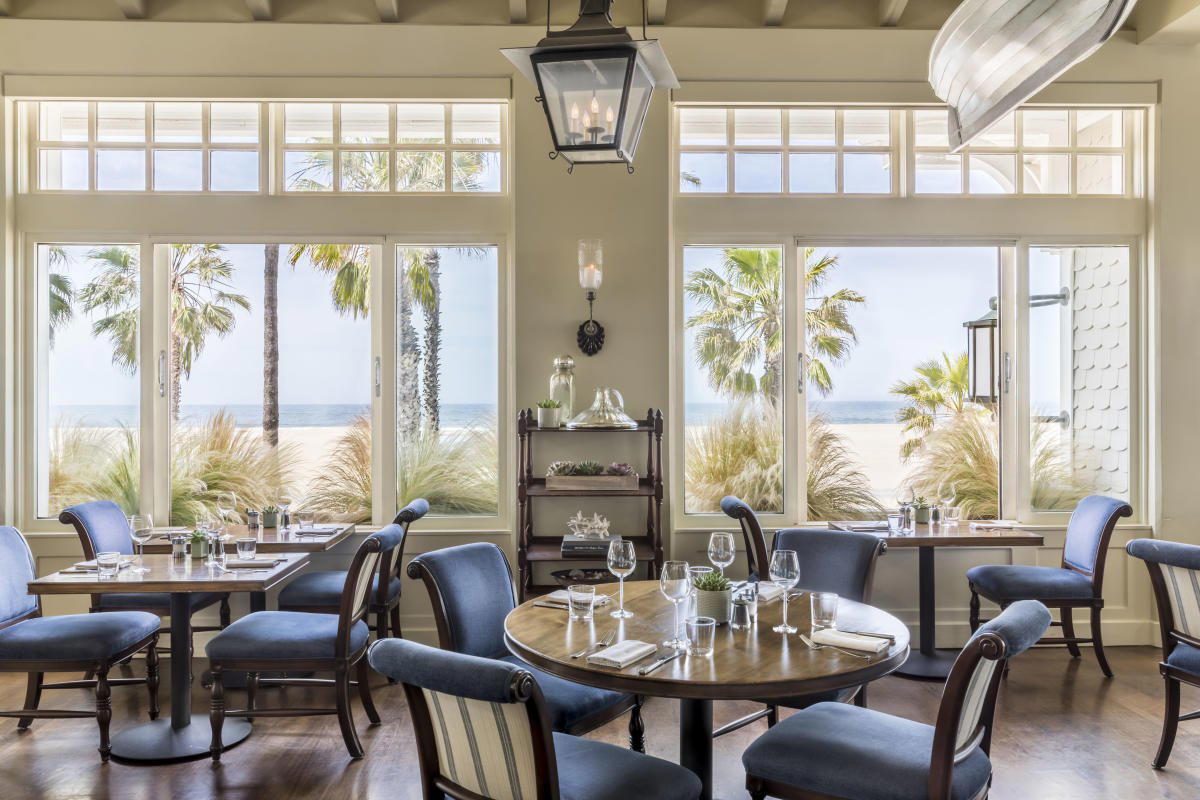
Restaurants in Los Angeles
Browse all →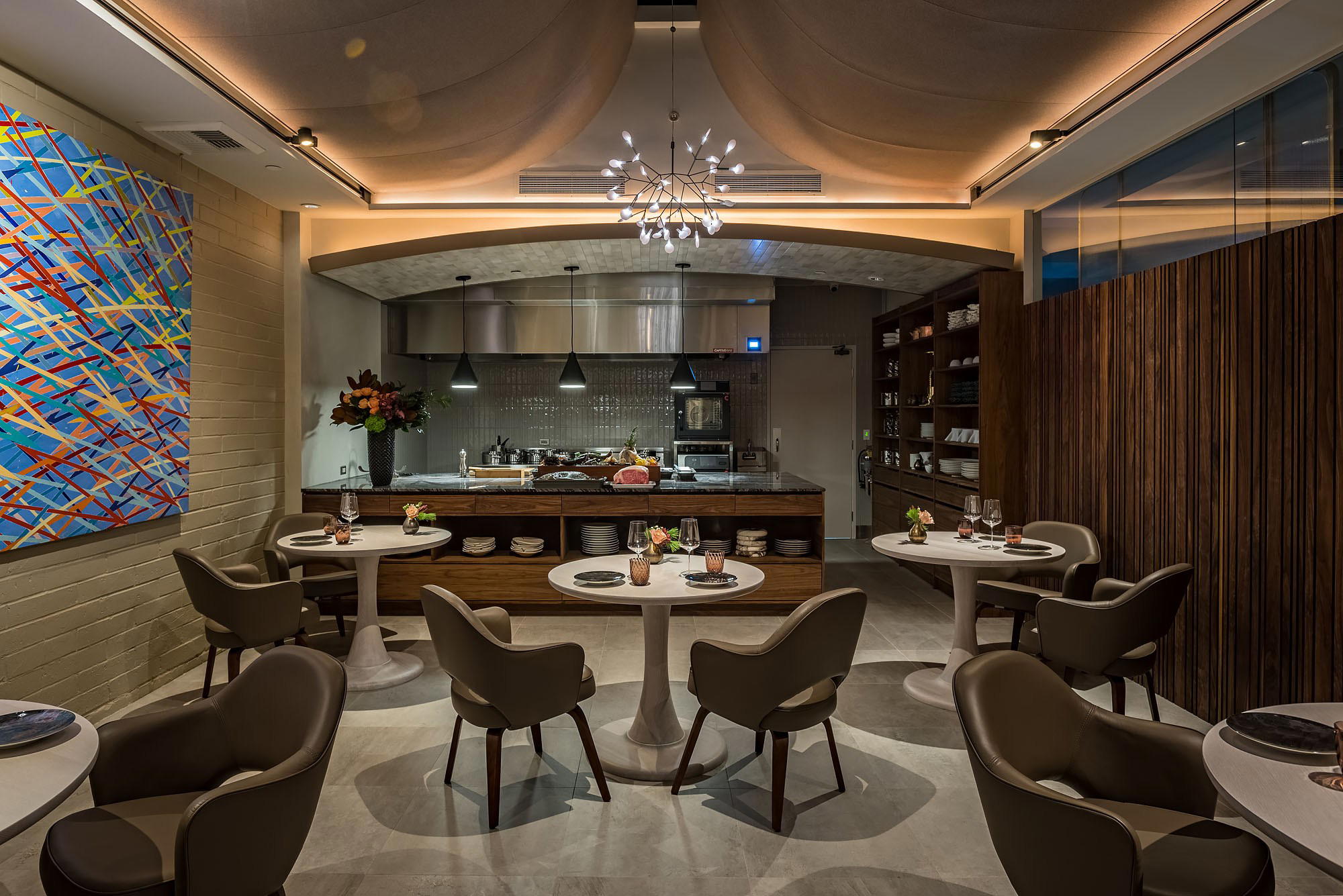
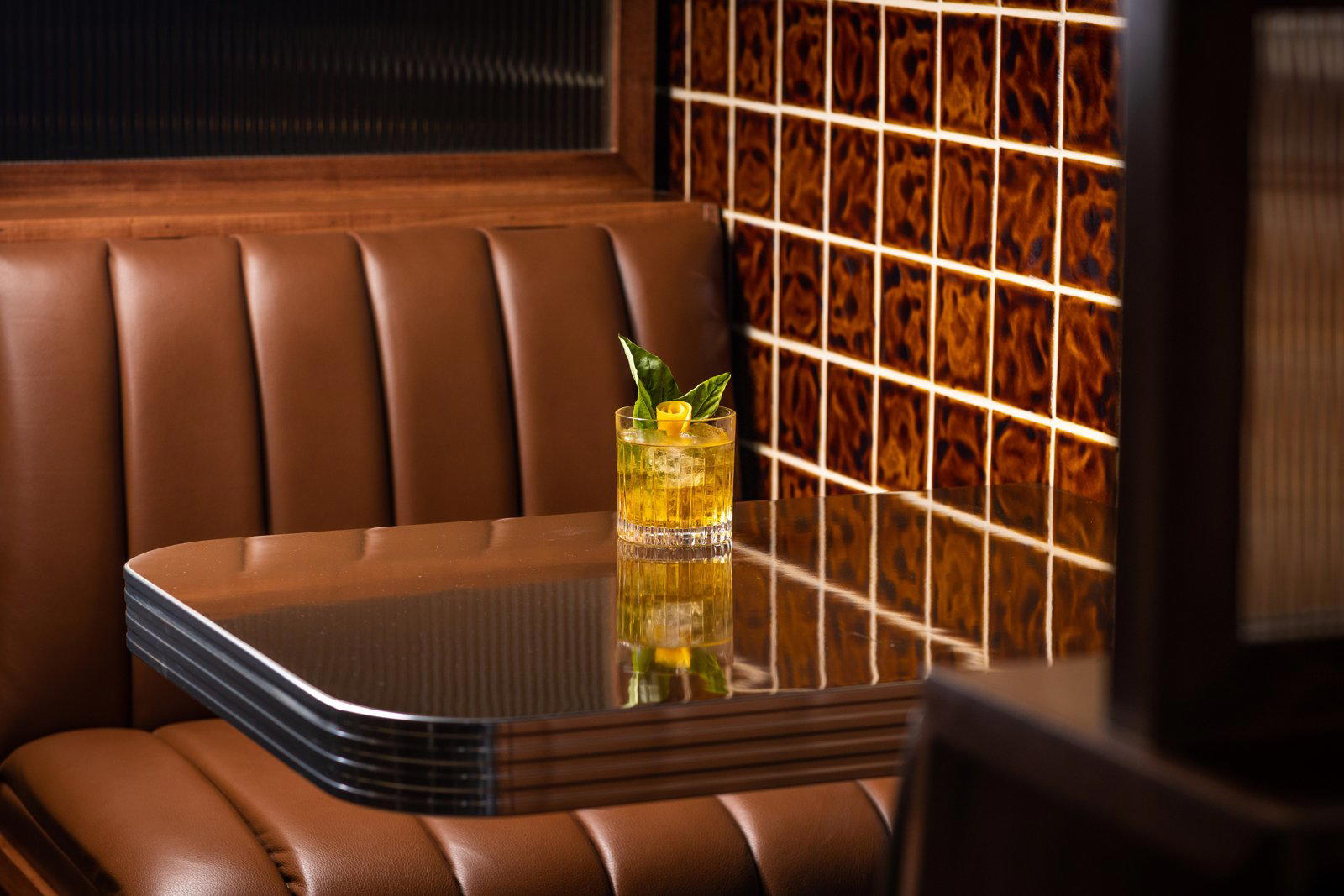
Bars in Los Angeles
Browse all →
Hotels in Los Angeles
Browse all →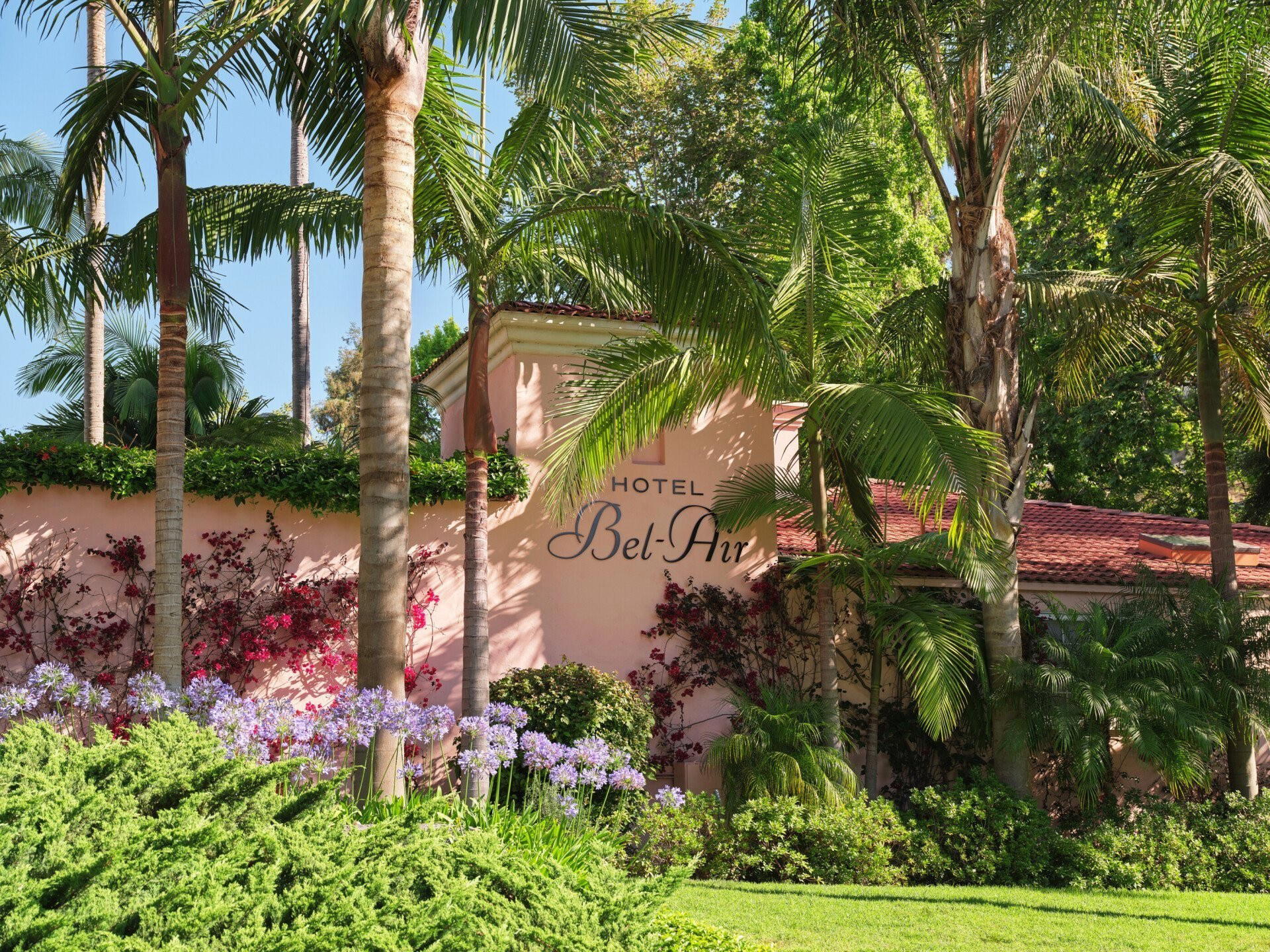
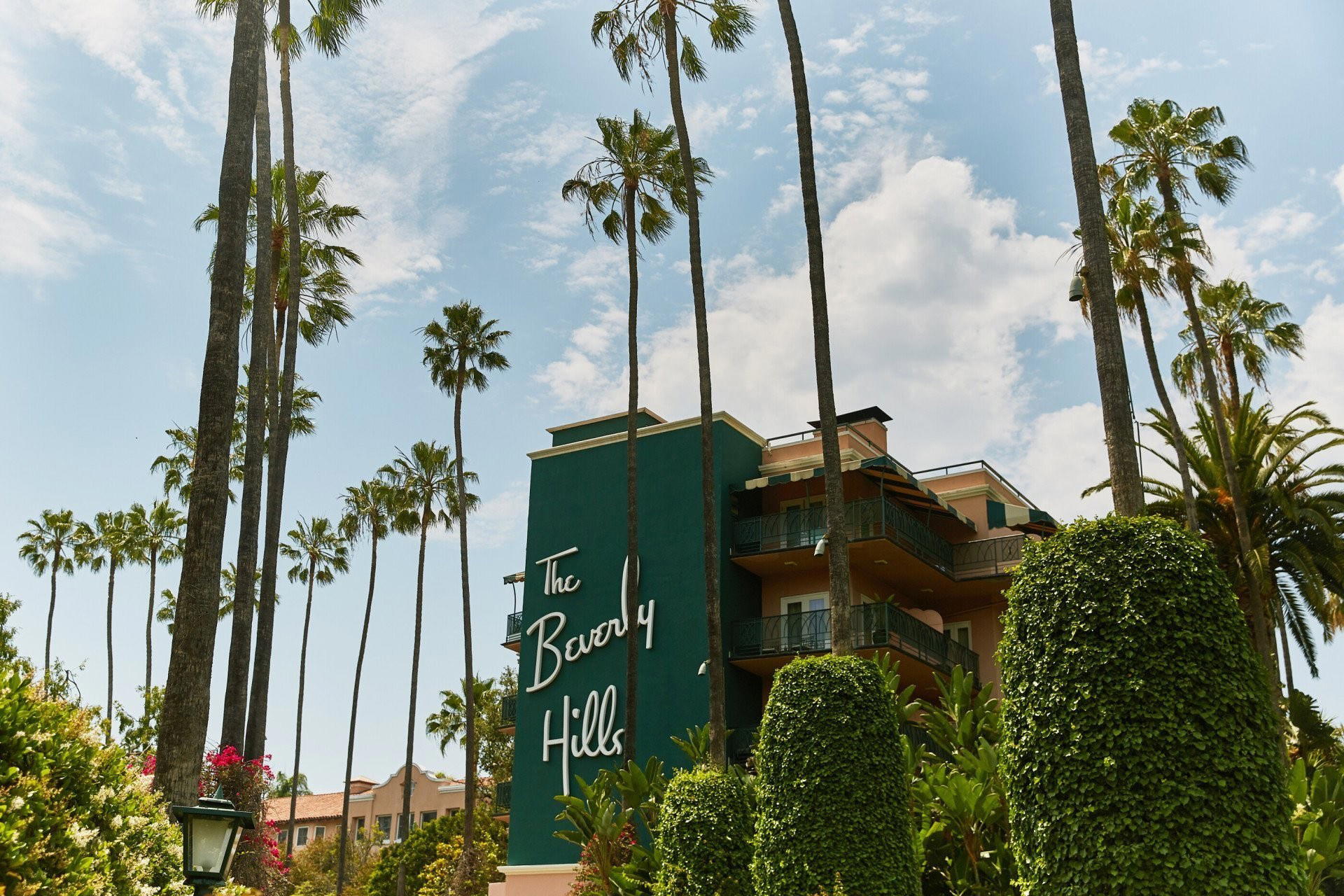
Wineries in Los Angeles
Browse all →
Details
- Elegant
- Romantic
- Scenic
- Modern
- Sophisticated
- Date Night
- Brunch
- Special Occasion
- Business Dinner
- Panoramic View
- Terrace
- Design Destination
- Private Dining
- Extensive Wine List
- Skyline
- Mountain
- A La Carte
- Prix Fixe
- Wine
- Vegetarian Friendly
- Vegan Options
- Gluten Free Options
Current opening hours
- Monday
- Closed
- Tuesday
- 11:30 AM–2:30 PM
- Wednesday
- 11:30 AM–2:30 PM
- Thursday
- 11:30 AM–2:30 PM
- Friday
- 11:30 AM–2:30 PM
- Saturday
- 11:30 AM–8 PM
- Sunday
- 11 AM–3 PM
Hours can change for holidays and private events. Last verified .
Elegant and contemporary with bright, naturally lit spaces featuring modern art installations and expansive windows; sophisticated yet approachable atmosphere.