The Rose Venice
Our verdict
On Rose Avenue in the heart of Venice, The Rose Venice sits at the quieter, neighbourhood-rooted end of LA's casual-fine dining conversation. The kitchen draws on California's coastal larder while the room operates with a front-of-house attentiveness that distinguishes it from the beachy-casual default. Bookings and walk-ins are both part of the daily rhythm here, making it one of Venice's more accessible addresses for considered dining.
- Address
- 220 Rose Ave, Venice, CA 90291
- Phone
- (310) 399-0711
- Website
- therosevenice.la
- Directions
- Get directions
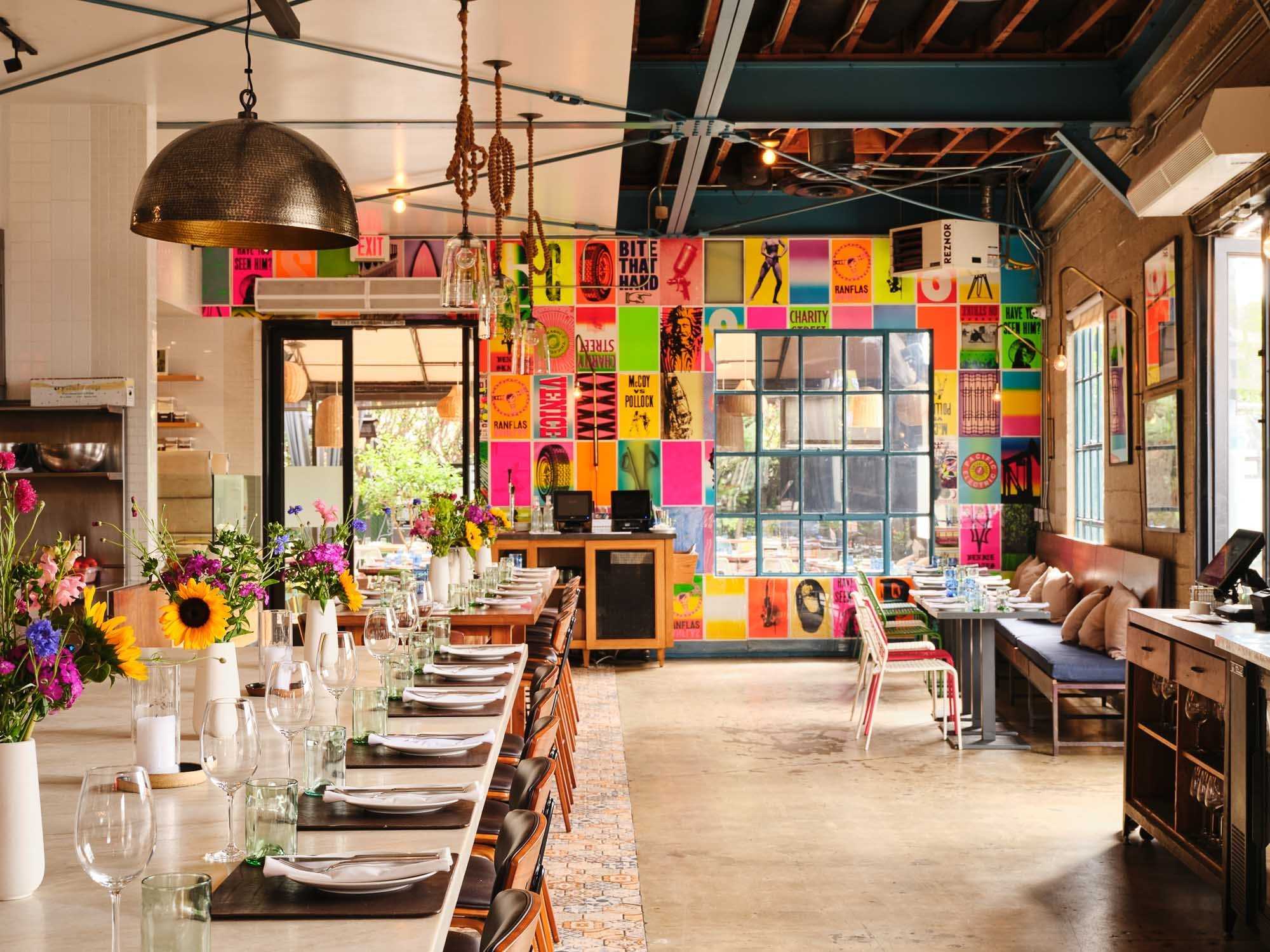
The menu
What to order
- Hearth-roasted challah French toast
- House-made pastries
- Kale salad
- Handmade pasta
- Raw bar oysters
- Yellowtail crudo
Where Venice's Neighbourhood Character Meets Considered Dining
Venice, CA has always occupied an odd position in Los Angeles dining. It is close enough to Santa Monica's polished restaurant row to feel the gravitational pull of that market, yet distinct enough in character to sustain a different kind of hospitality: looser, more residential, rooted in the block rather than the brand. Rose Avenue, running perpendicular to the beach grid, is one of the neighbourhood's anchoring streets — a corridor where coffee shops, wine bars, and kitchen-forward restaurants coexist without the self-consciousness that marks dining destinations built primarily for visibility. The Rose Venice, at 220 Rose Ave, occupies that local-institution register that Venice has always been capable of producing when it is not performing for tourists.
Los Angeles dining in 2024 operates across a wider range of formats and price tiers than most cities its size. At the upper end, counters like Hayato (Japanese, $$$$) and Kato (New Taiwanese, $$$$) have defined what a serious tasting-menu commitment looks like in the city. Somni represents the molecular end of that spectrum. Osteria Mozza holds the middle ground between occasion dining and daily relevance. The Rose Venice operates in a register that many of those addresses do not reach: the neighbourhood restaurant where the regulars know the floor staff and the kitchen has latitude to be seasonal without needing to justify it as a concept.
The Collaborative Architecture of a Room That Works
The editorial angle most useful for understanding The Rose Venice is not the menu or the physical space in isolation — it is the way the room operates as a system. In restaurants that sustain local loyalty over years, the relationship between kitchen, floor, and the people curating what goes into glasses is rarely accidental. Venice's better dining addresses share a trait: the front-of-house carries genuine knowledge rather than scripted hospitality, and that distinction is legible within minutes of being seated.
This matters more in a neighbourhood context than it does in a destination-dining context. At a counter like Providence on Melrose, the guest arrives with expectations shaped by awards and a clear category commitment, contemporary seafood at the highest local tier. The floor team there supports a format. At a neighbourhood address like The Rose Venice, the floor team is the format, because the restaurant's identity is less fixed by category than by consistency of execution and relationship. Guests return for the experience of being known, of having a recommendation land correctly, of a wine pour that reflects actual attention to what's on the plate.
Across American restaurants that have built durable neighbourhood reputations, from Frasca Food and Wine in Boulder to Smyth in Chicago, the common thread is a front-of-house culture that treats hospitality as craft rather than performance. The sommelier-floor dynamic at those addresses is visible in the confidence with which wine is matched to seasonal cooking without defaulting to the obvious. That same dynamic, at a more accessible price register, is what distinguishes a Venice neighbourhood restaurant that sustains itself from one that turns over every eighteen months.
California's Coastal Larder and the Seasonal Discipline It Requires
California's advantage as a dining region is not merely that the ingredients are good, it is that the seasonal calendar compresses and overlaps in ways that reward kitchens willing to respond quickly. The gap between what is available in late spring and what is available in early autumn is narrower here than almost anywhere else in the United States, which means the discipline required is not about scarcity management but about not defaulting to the same product week after week when something better has arrived. Restaurants along the coast, and Venice, despite its creative-industry reputation, is genuinely coastal in its sourcing culture, benefit from proximity to Santa Monica's farmers market, one of the most consistently stocked in the country.
That proximity shapes what a kitchen on Rose Avenue can do, even at price points that don't require a tasting menu to justify. The comparison relevant here is less with The French Laundry in Napa or Blue Hill at Stone Barns in Tarrytown, where farm provenance is the architectural premise, and more with the category of California casual-fine dining where seasonal cooking is the default rather than the differentiator. What separates the addresses that maintain quality from those that don't is how the team, kitchen and floor together, communicates the seasonal logic to a room that hasn't necessarily come in looking for it.
Venice in a Broader West Coast Context
The West Coast's dining culture has diverged from New York's in ways that are now structurally visible. New York rewards formality, density, and category clarity. A restaurant like Le Bernardin or Atomix operates within conventions that the city has reinforced for decades. The West Coast, and Los Angeles in particular, has built a different grammar, one where the distinction between a casual address and a serious one is measured less by format and more by intention. Lazy Bear in San Francisco demonstrated that communal seating and a prix fixe could coexist without a tablecloth in sight. Single Thread in Healdsburg showed that farm-to-table could operate at a precision level that rivalled any Japanese kaiseki format. Venice, in this geography, sits at the accessible end of serious: a neighbourhood where the cooking is considered but the room doesn't demand that you perform for it.
For the full range of what Los Angeles offers at every tier and format, see our full Los Angeles restaurants guide. Comparisons further afield, Addison in San Diego, Emeril's in New Orleans, The Inn at Little Washington, or Atelier Moessmer Norbert Niederkofler in Brunico, illustrate how different markets have solved the same problem: how to make a room feel earned without making it feel closed off.
Planning Your Visit
The Rose Venice is located at 220 Rose Ave, Venice, CA 90291. Street parking along Rose Avenue and the surrounding grid is available but competitive during weekend evenings; the nearby Lincoln Boulevard corridor has more consistent availability. The address is walkable from the Main Street retail strip and a short distance from the beach path, which makes it a natural end-point for an afternoon that begins at the water.
| Venue | Cuisine | Price Tier | Format | Neighbourhood |
|---|---|---|---|---|
| The Rose Venice | California / Coastal | Mid-range | Neighbourhood dining room | Venice |
| Kato | New Taiwanese | $$$$ | Tasting menu counter | West LA |
| Hayato | Japanese | $$$$ | Omakase counter | Downtown / Row DTLA |
| Osteria Mozza | Italian | $$$ | À la carte / occasion | Hollywood |
| Providence | Contemporary Seafood | $$$$ | Tasting menu / à la carte | Mid-Wilshire |
Frequently asked questions
How do I find The Rose Venice?
The Rose Venice is located at 220 Rose Ave, Venice, CA 90291, Los Angeles.
Is The Rose Venice a good fit for a working lunch or casual weekday meal in Venice?
Rose Avenue's dining corridor in Venice, CA runs at a noticeably different pace on weekdays than it does on weekend evenings, making it a practical choice for a midday or early-evening meal without the neighbourhood's weekend foot-traffic pressure. The Rose Venice's mid-range positioning at 220 Rose Ave places it within a price bracket suited to repeat visits rather than special-occasion spending. For visitors working from Venice's growing concentration of creative and tech offices nearby, the address is walkable from much of the canal district.
What do regulars order at The Rose Venice?
What the Rose Avenue address and Venice's produce-driven dining culture reliably suggest is a kitchen tuned to California's seasonal larder. For confirmed current dishes, checking the venue directly at 220 Rose Ave or through their front-of-house is the most accurate route.
Can I walk in to The Rose Venice?
Walk-ins are part of the operating rhythm at neighbourhood addresses along Rose Avenue in Venice, though weekend evenings draw consistent demand from both locals and visitors. Arriving early in the evening or timing a visit for a weekday lunch gives you the best chance without a reservation. The venue is at 220 Rose Ave, Venice, CA 90291.
What has The Rose Venice built its reputation on?
The Rose Venice has built its standing on the kind of consistency that sustains neighbourhood restaurants across years rather than awards cycles. Rose Avenue functions as one of Venice's more durable dining corridors, drawing regulars who value reliability over spectacle. That positioning, mid-tier in price and rooted in the neighbourhood rather than the LA tasting-menu circuit, is itself a deliberate stance.
Is The Rose Venice good for vegetarians?
California kitchens operating at this tier and in this neighbourhood are generally well-positioned for vegetable-forward cooking, given the depth of the Southern California produce calendar. EP Club does not have documented menu data for The Rose Venice, so confirming specific vegetarian options with the restaurant directly at 220 Rose Ave is the right step before visiting.
Should I splurge on The Rose Venice?
The Rose Venice sits in a mid-range price register rather than the $$$$ tier occupied by LA's tasting-menu counters, which reframes the question: this is less about whether to splurge and more about whether the neighbourhood bistro format fits what you're after on a given evening. For that format in Venice, Rose Avenue addresses tend to deliver consistent value relative to comparable Santa Monica options a few blocks west.
Price Lens
A small set of peers for context, based on recorded venue fields.
| Venue | Cuisine | Price | Awards | Notes |
|---|---|---|---|---|
| The Rose VeniceThis venue — the venue you are viewing | California Seasonal Cuisine with Bakery & Market | Not listed | Not listed | Not listed |
| Kato | Modern Taiwanese Fine Dining | $300–500 | 2 Michelin Stars · World's 50 Best #49 | New Taiwanese, Asian |
| Hayato | Traditional Japanese Kaiseki | $300–500 | 2 Michelin Stars · La Liste Top Restaurants | Japanese |
| Vespertine | Avant-Garde Tasting Menu | $200–300 | 2 Michelin Stars · La Liste Top Restaurants | Progressive, Contemporary |
| Holbox | Modern Mexican Seafood | $30–50 | 1 Michelin Star · World's 50 Best #26 | Mexican Seafood, Mexican |
| Sushi Kaneyoshi | Edomae Omakase | $300–500 | 1 Michelin Star · LA Times 101 Best Restaurants #24 | Sushi, Japanese |
Continue exploring
More in Los Angeles
Restaurants in Los Angeles
Browse all →
Bars in Los Angeles
Browse all →
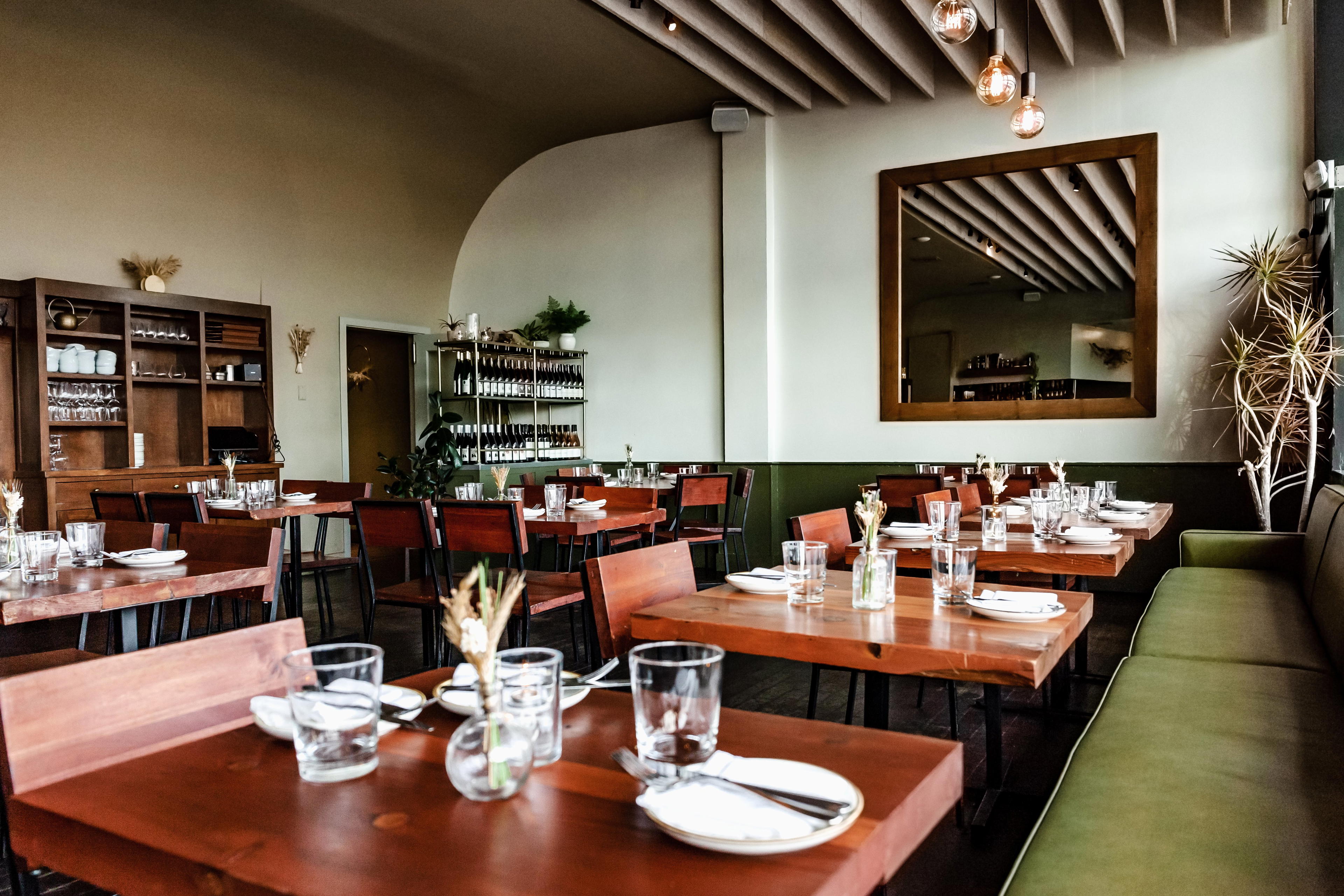
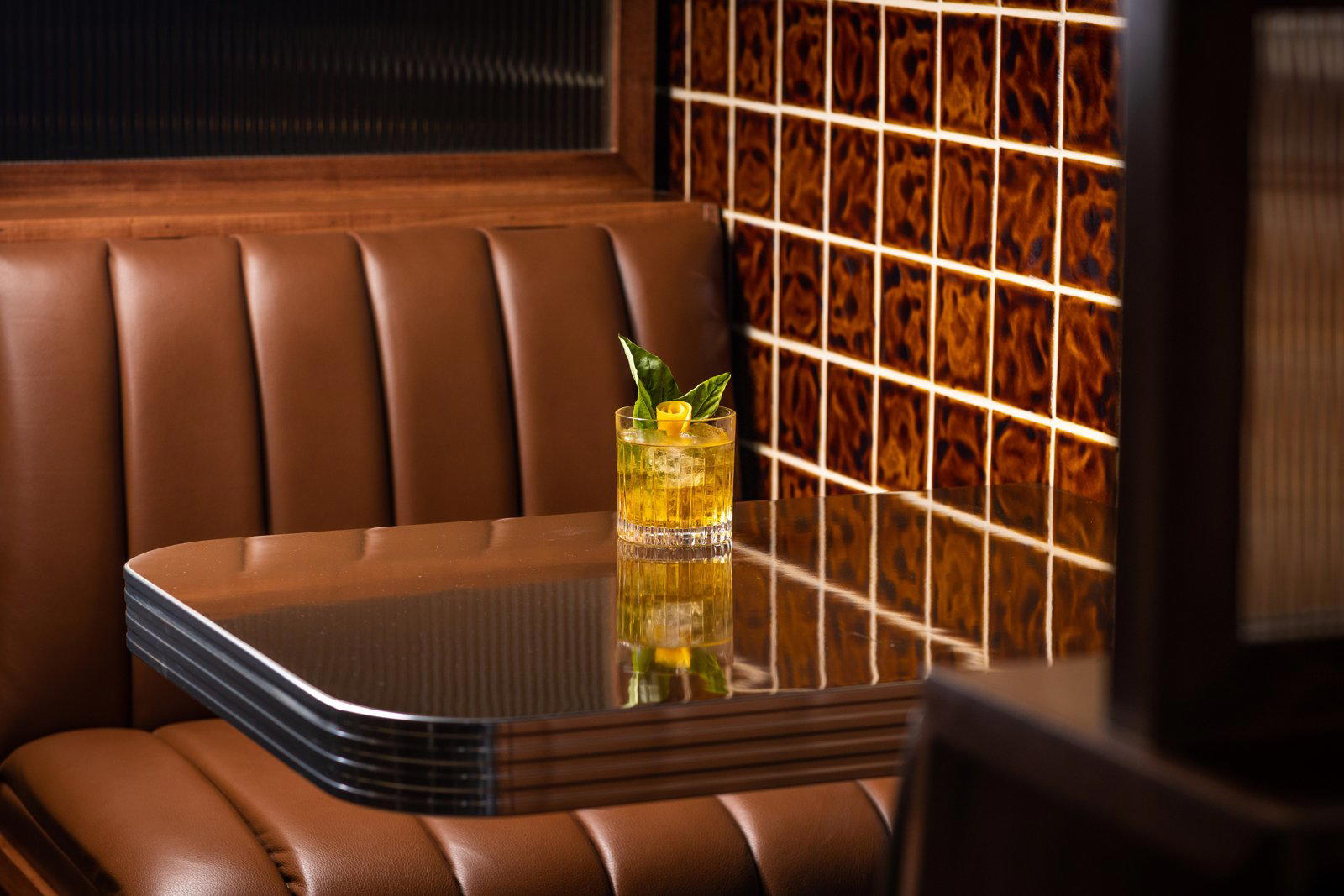
Hotels in Los Angeles
Browse all →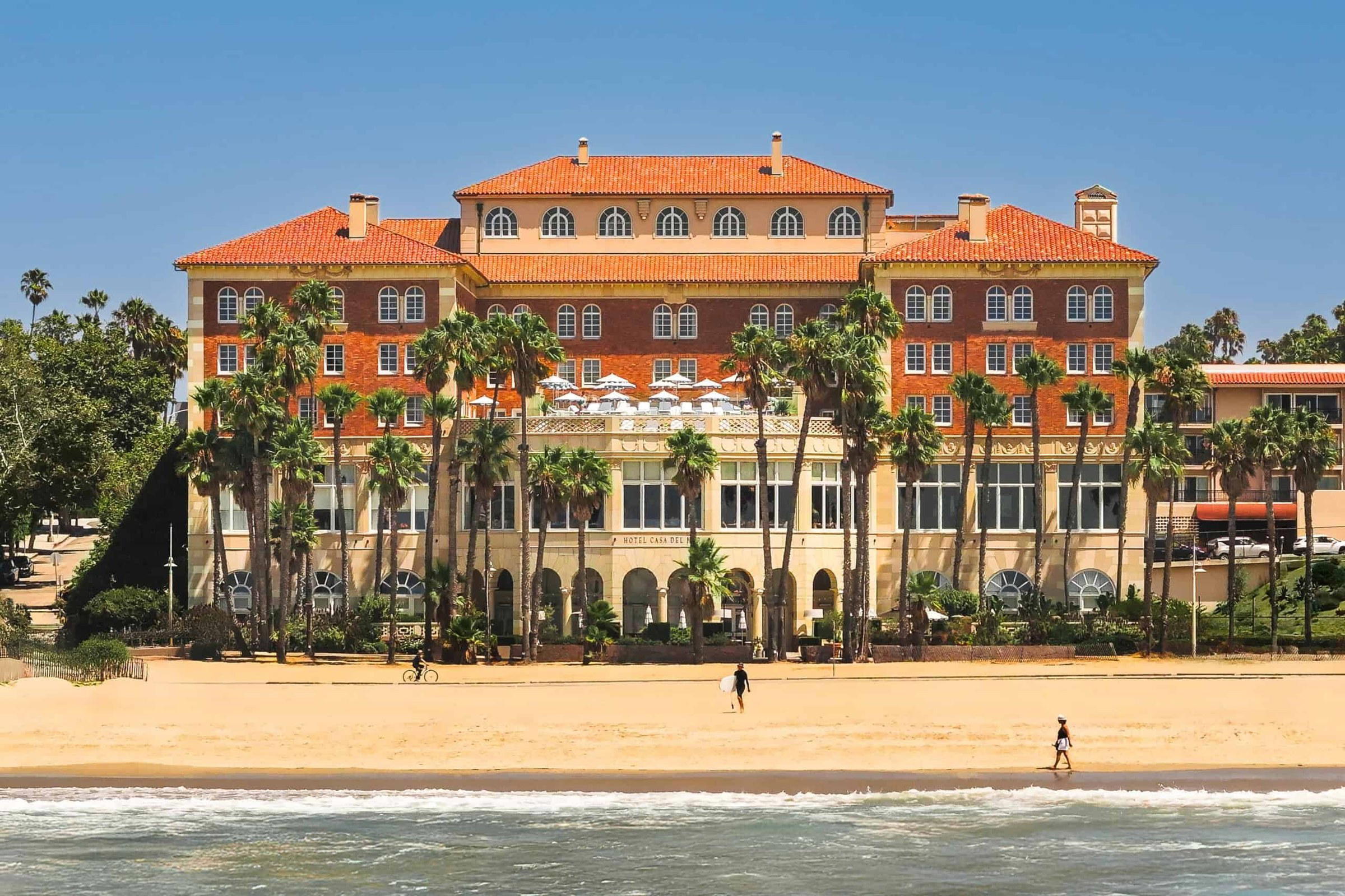
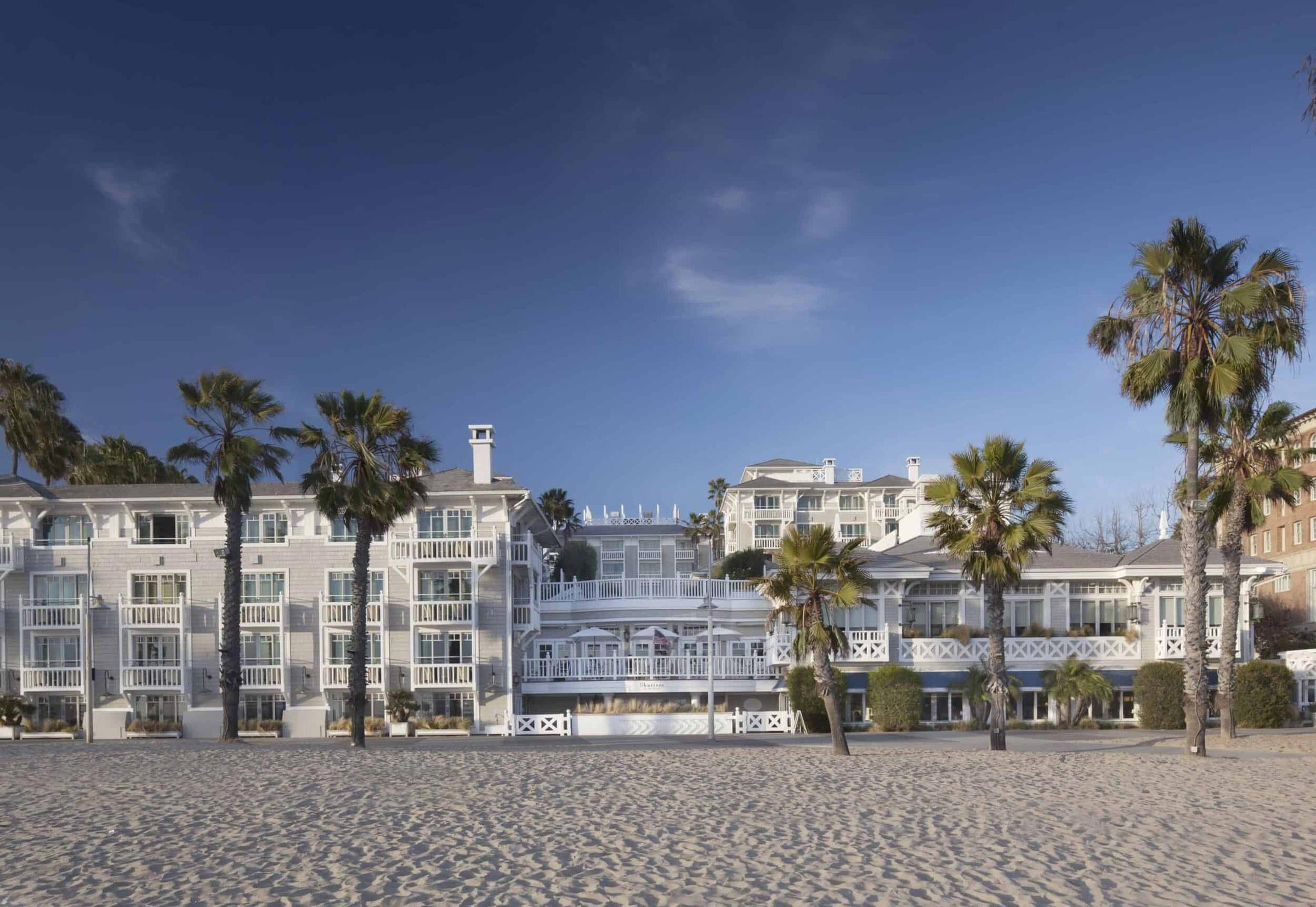
Wineries in Los Angeles
Browse all →
Details
- Well Known
- Bohemian
- Lively
- Classic
- Brunch
- Group Dining
- Casual Hangout
- Date Night
- Open Kitchen
- Garden
- Standalone
- Historic Building
- Craft Cocktails
- Beer Program
- Extensive Wine List
- Farm To Table
- Local Sourcing
- Organic
- A La Carte
- Family Style
- Craft Cocktails
- California Wine
- Coffee
- Tea
- Vegetarian Friendly
- Organic Focus
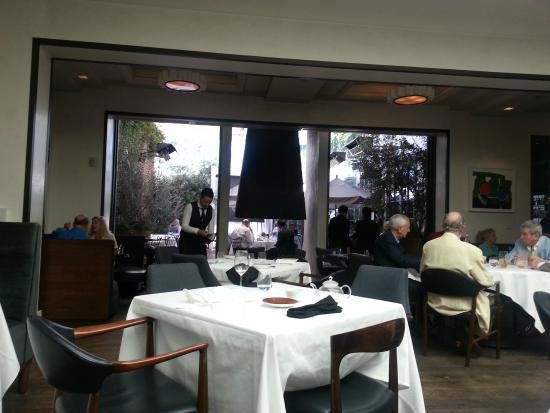
Sun-dappled, breezy California aesthetic with both indoor and outdoor dining spaces including a beer garden; energetic weekend atmosphere with an artistic neighborhood vibe.