Madera Kitchen
Our verdict
On North Cahuenga Boulevard in Hollywood, Madera Kitchen occupies a stretch of Los Angeles where casual creative dining and serious kitchen ambition coexist without friction. The cooking draws on ingredient sourcing as a structural principle rather than a marketing note, placing it in a tier of LA restaurants where provenance shapes the menu rather than decorates it. For a city that rewards exactly this kind of kitchen discipline, Madera Kitchen warrants close attention.
- Address
- 1835 N Cahuenga Blvd, Los Angeles, CA 90028
- Phone
- (213) 261-3687
- Website
- cahuengagroup.com
- Directions
- Get directions
The menu
What to order
- Goat cheese ravioli
- Oxtail flatbread
- Grilled octopus
Hollywood's Ingredient-Driven Middle Ground
North Cahuenga Boulevard runs through a part of Hollywood that has never quite settled into a single dining identity. It carries wine bars, casual ramen shops, and the occasional serious kitchen without announcing any of them too loudly. Madera Kitchen sits on this strip at 1835 N Cahuenga Blvd, and the address itself signals something about the restaurant's positioning: this is not the Westside, where ingredient-led restaurants tend to announce their sourcing philosophy in neon. Here, the provenance of the food does the talking on the plate rather than on a sandwich board outside.
In Los Angeles, the conversation about where ingredients come from has shifted substantially over the past decade. What was once a differentiator for a handful of farm-to-table pioneers is now table stakes across a wide band of the market. The interesting question is no longer whether a kitchen sources locally but how that sourcing actually structures the menu: does provenance shape what gets cooked, or does the kitchen cook what it wants and retrofit a sourcing story afterward? Madera Kitchen occupies the former camp. The name itself signals the orientation — madera, Spanish for wood or timber, suggests a rootedness in material rather than in concept.
Where Madera Kitchen Sits in the LA Dining Tier
Los Angeles has developed a recognizable band of restaurants where serious sourcing and accessible formats coexist — a tier distinct from the omakase-and-tasting-menu upper bracket occupied by venues like Hayato or Kato, and equally distinct from the casual neighborhood spot that sources without rigor. Madera Kitchen positions itself in that middle ground, where the kitchen's relationship with its suppliers is a structural fact rather than a seasonal decoration.
Across the broader American dining scene, this tier has produced some of the most durable restaurants of the last fifteen years. Blue Hill at Stone Barns in Tarrytown built its entire format around a working farm, making sourcing inseparable from the dining experience. Single Thread Farm in Healdsburg operates its own farm as the literal foundation of the menu. At the more urban end, restaurants like Lazy Bear in San Francisco and Bacchanalia in Atlanta have demonstrated that sourcing rigor can anchor a city restaurant without requiring a rural property. Madera Kitchen belongs to this lineage of urban kitchens where the supply chain is a creative decision, not an afterthought.
Peers in other cities reinforce how much the approach varies in execution. Addison in San Diego works within a more formally structured tasting format, while Emeril's in New Orleans draws heavily on Gulf Coast sourcing traditions that predate the farm-to-table branding era entirely. In that broader context, Madera Kitchen's Hollywood location is neither accidental nor incidental, LA's network of regional farms, ranches, and coastal fisheries gives kitchens here access to a sourcing depth that few American cities can match.
The Sourcing Argument in Los Angeles
California's agricultural geography gives Los Angeles restaurants a structural advantage that restaurants in most American cities cannot replicate. The Central Valley, the Santa Monica Mountains, the coastal waters between Malibu and Santa Barbara, and the high desert farms of the Inland Empire all sit within a few hours of the city. A Hollywood kitchen with direct relationships to those suppliers can rotate its menu in response to what is actually ready rather than what the broadline distributor has available. This is the foundation on which ingredient-driven restaurants in LA make their strongest case.
The comparison with other cities is instructive. Le Bernardin in New York and Alinea in Chicago operate with equivalent kitchen discipline but in markets where local sourcing has sharper geographic limits. Providence, which holds two Michelin stars for its contemporary seafood work in Los Angeles, has built its reputation in part on the same coastal sourcing networks that define what serious kitchens in this city can access. For a venue like Madera Kitchen, operating in Hollywood rather than in a high-design dining district, the sourcing argument is also a practical identity marker, it explains the menu's range and the kitchen's seasonal flexibility without requiring a tasting menu format to demonstrate it.
Restaurants that frame their kitchens around wood-fire cooking, as the name Madera implies, also operate within a specific sourcing logic: the fuel and the food share a material relationship. Wood-fire cooking favors proteins and vegetables that can withstand high, direct heat, which in turn favors sourcing from producers who grow or raise for texture and density rather than for shelf life and uniformity. It is a self-reinforcing system, and when it works, the cooking has a directness that technique-heavy or sauce-dependent kitchens struggle to match.
Hollywood as a Dining Address
The neighborhood context matters more than it might seem. Hollywood has never consolidated its dining identity the way that, say, the Arts District or Brentwood has. That diffusion works in favor of a restaurant like Madera Kitchen, which can draw from the neighborhood's density without competing in a tightly defined local scene. The Cahuenga Corridor attracts a mix of industry workers, local residents, and visitors staying in the area's hotels, a crowd that tends to reward kitchens that deliver on the plate without requiring a reservations system that books four months ahead.
For context, some of LA's most formally structured tasting-menu restaurants, including Somni and Osteria Mozza, operate with booking windows and format requirements that position them as destination dining rather than neighborhood anchors. Madera Kitchen's location on Cahuenga suggests a different kind of accessibility, even if the kitchen ambition sits in the same general register. Our full Los Angeles restaurants guide maps how different neighborhoods structure their dining identities, and Hollywood's looser character gives a sourcing-led kitchen room to operate without the overhead that comes with a more designed dining district.
Know Before You Go
- Address: 1835 N Cahuenga Blvd, Los Angeles, CA 90028
- Neighborhood: Hollywood / Cahuenga Corridor
- Booking: Check current availability directly with the venue
- Pricing: Confirm current pricing directly; no verified rate on file
- Hours: Verify current service times before visiting
- Parking: Street parking on Cahuenga; metered lots nearby
Frequently asked questions
Can I bring kids to Madera Kitchen?
Nothing in Madera Kitchen's positioning on North Cahuenga Boulevard signals a strictly adult-only environment. That said, the restaurant sits within a dining corridor aimed at guests invested in the food itself, so very young children may find the pacing less accommodating than a casual family chain. Calling ahead to gauge the current format and seating is the practical move.
What should I expect atmosphere-wise at Madera Kitchen?
North Cahuenga Boulevard hosts a mix of wine bars, casual spots, and concept-driven restaurants, and Madera Kitchen occupies a middle register within that corridor — engaged enough to attract guests who read a menu carefully, relaxed enough that a pre-show dinner from the nearby venues works. Expect a room calibrated around the food rather than spectacle. Hollywood's dining addresses tend toward informal confidence rather than formal ceremony.
Is Madera Kitchen a good option for dinner before a Hollywood show or event?
The 1835 N Cahuenga Blvd address places Madera Kitchen within a short reach of Hollywood's main entertainment venues, making a pre-event dinner a workable plan. The ingredient-driven format suggests a kitchen that runs on its own timing rather than quick-turn covers, so confirming your reservation window in advance is worth the call. Los Angeles kitchens in this tier generally accommodate pre-theatre pacing when flagged at booking.
What's the best thing to order at Madera Kitchen?
Specific dish recommendations require current menu access, which changes with California's seasonal agricultural calendar. The restaurant's sourcing orientation means produce and proteins tied to the state's growing regions are the through-line of the menu. Asking your server what came in that week is a more reliable guide than any fixed list.
What's the address for Madera Kitchen?
Madera Kitchen is located at 1835 N Cahuenga Blvd, Los Angeles, CA 90028, Los Angeles.
What's the best way to book Madera Kitchen?
Walk-in availability varies by night in this stretch of Hollywood, where weekend demand on Cahuenga can fill rooms quickly.
What makes Madera Kitchen worth seeking out?
Madera Kitchen occupies a specific and under-represented position in Los Angeles dining: ingredient-focused cooking at a format and price register that doesn't require a tasting-menu commitment. California gives Los Angeles restaurants access to agricultural supply chains that most American cities cannot match, and kitchens on Cahuenga that use that supply seriously represent genuine value within the Hollywood dining tier. It isn't the splashy reservation, but it's the kind of address that locals return to.
At a Glance
Comparable options at a glance, pulled from our tracked venues.
| Venue | Cuisine | Price | Awards | Notes |
|---|---|---|---|---|
| Madera KitchenThis venue — the venue you are viewing | New American Farm-to-Table | Not listed | Not listed | Not listed |
| Kato | Modern Taiwanese Fine Dining | $300–500 | 2 Michelin Stars · World's 50 Best #49 | New Taiwanese, Asian |
| Hayato | Traditional Japanese Kaiseki | $300–500 | 2 Michelin Stars · La Liste Top Restaurants | Japanese |
| Vespertine | Avant-Garde Tasting Menu | $200–300 | 2 Michelin Stars · La Liste Top Restaurants | Progressive, Contemporary |
| Camphor | Modern French with Southeast Asian influences | $150–200 | Michelin Plate · World Best Burgers World's 101 Best Burgers #15 | French-Asian, French |
| Gwen | Contemporary American Steakhouse | $50–100 | Michelin Plate · Wine Spectator Best of Award of Excellence | New American, Steakhouse |
Continue exploring
More in Los Angeles
Restaurants in Los Angeles
Browse all →
Bars in Los Angeles
Browse all →
Hotels in Los Angeles
Browse all →
Wineries in Los Angeles
Browse all →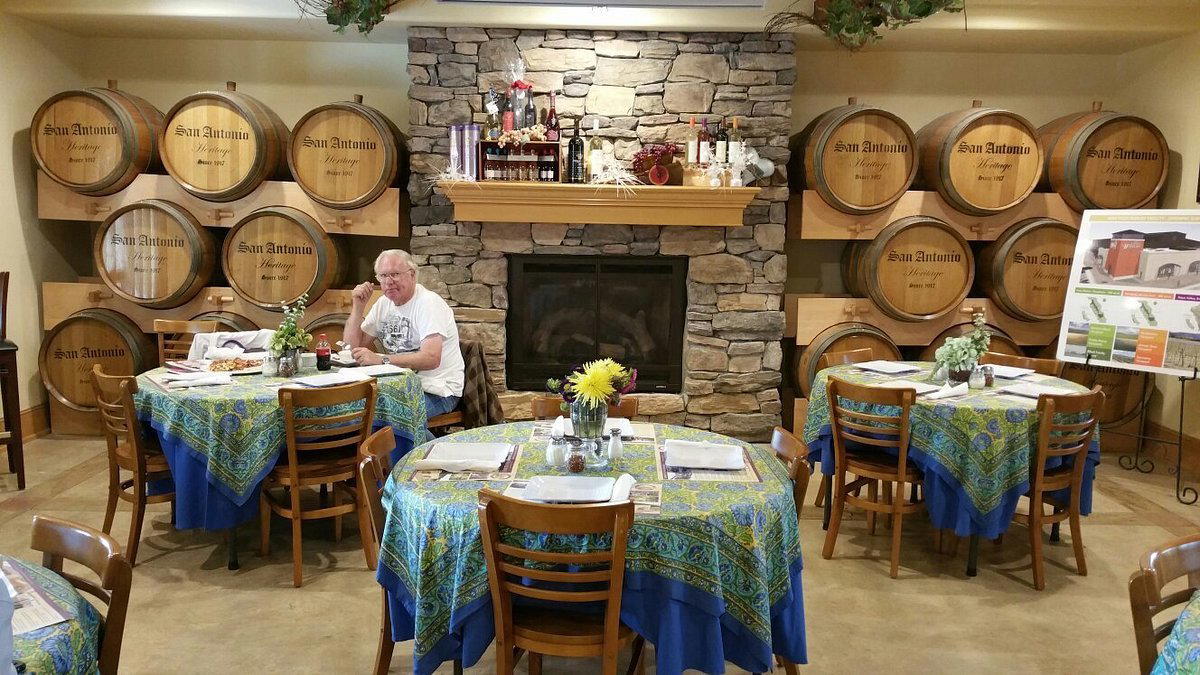
Details
- Rustic
- Cozy
- Trendy
- Date Night
- Group Dining
- Happy Hour
- Craft Cocktails
- Farm To Table
- Local Sourcing
- A La Carte
- Cocktails
- Gluten Free Options
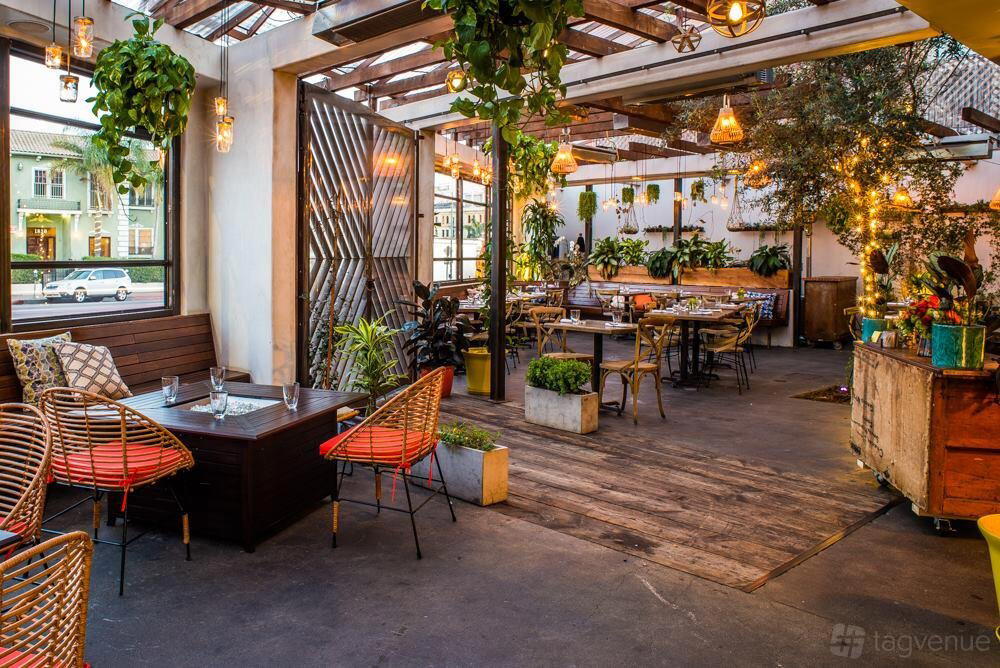
Rustic with wooden tables, funky light fixtures, outdoor fireplace, and abundant greenery.