Mallorquina
Our verdict
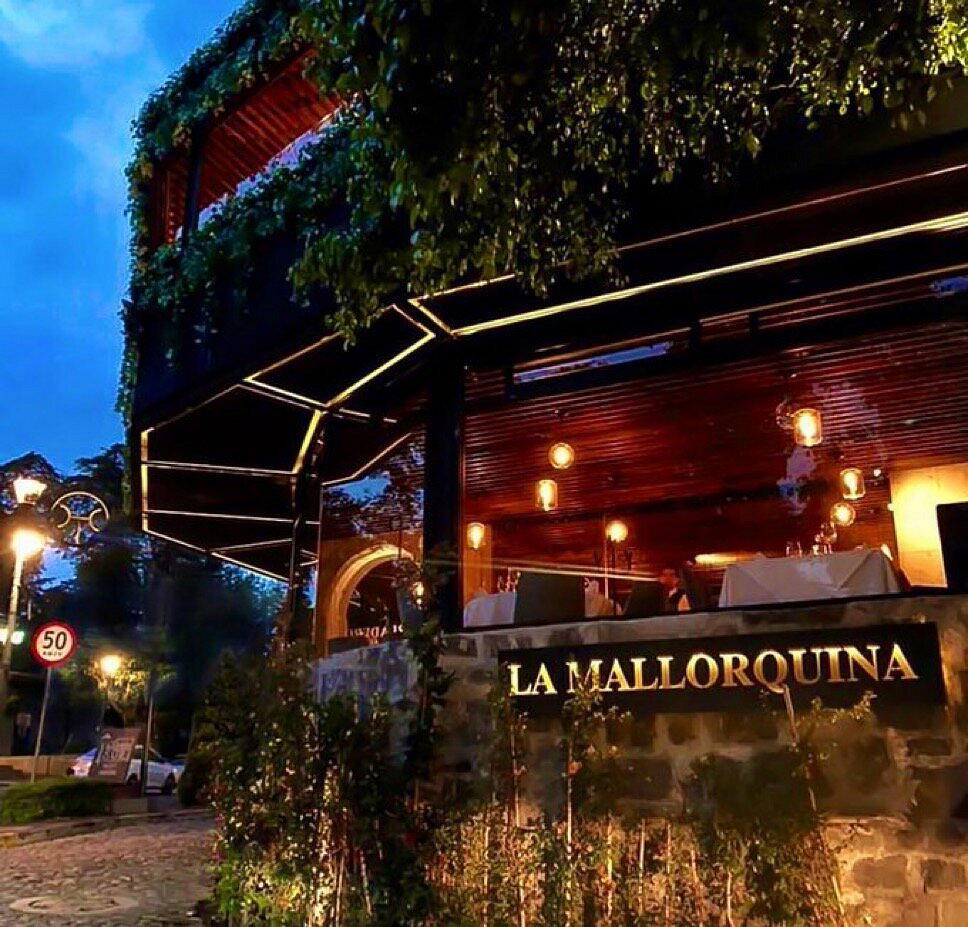
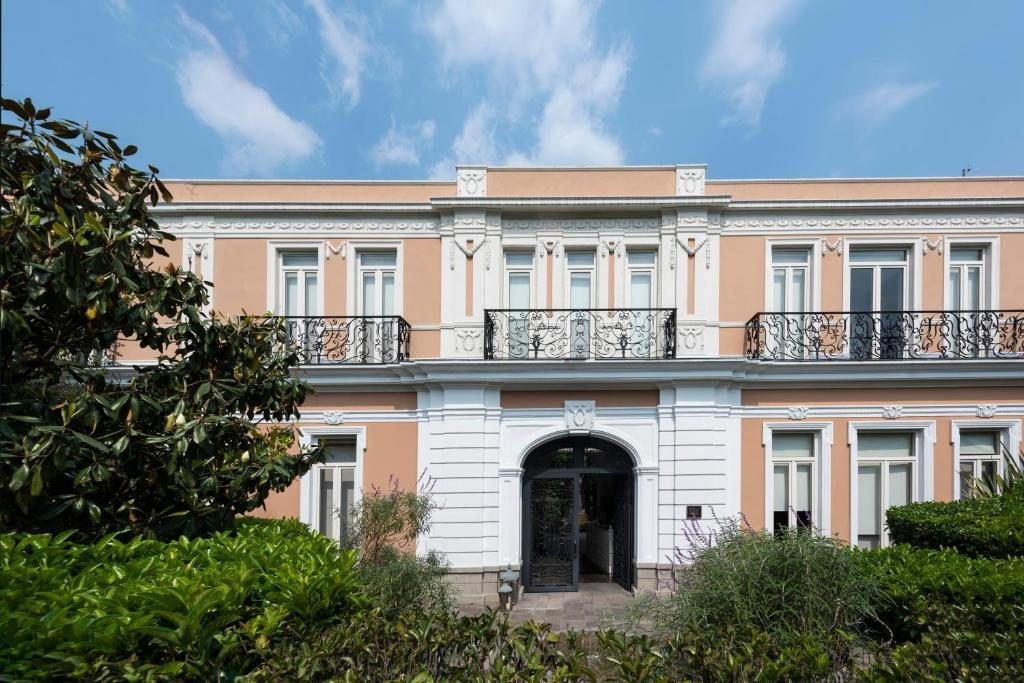
Mallorquina occupies a quiet address on Avenida Altavista in San Ángel, one of Mexico City's most architecturally composed southern neighbourhoods. The restaurant draws on the area's tradition of unhurried, neighbourhood-scale dining at a remove from the Centro and Polanco circuits. For visitors tracking the city's wine-forward dining rooms, it represents a distinct point on the map.

Pearl is the En Primeur Club membership app — saves, bookings, and concierge access live there. Same editors, same standards.
- Address
- Av. Altavista 207, San Ángel Inn, Álvaro Obregón, 01060 Ciudad de México, CDMX, Mexico
- Phone
- +52 55 8663 5649
- Hours
- Mon–Sat 1 PM–12 AMSun 1–6 PM
- Website
- mallorquina.com.mx
- Directions
- Get directions
- Booking
- Book on OpenTable
The menu
What to order
- Jamón Ibérico
- Croquetas de Jamón
- Pulpo a la Gallega
San Ángel and the Case for Dining South of the Ring Road
Mexico City's dining conversation tends to collapse into a few dense nodes: Polanco for the international-facing tasting menus, Roma Norte for the natural wine bars, Condesa for the all-day terraces. San Ángel sits outside that circuit, which is partly what defines it. The neighbourhood runs along Avenida Altavista through cobblestone streets and colonial-era architecture, and the restaurants that have taken root here tend to reflect that pace. The clientele skews local and residential rather than tourist-led. Reservations travel by word of mouth more than by algorithm. This is the context in which Mallorquina, at Av. Altavista 207, makes its case.
San Ángel has historically attracted a particular kind of dining room: one that prioritises the table experience over the media moment. That pattern holds in Mexico City more broadly, where the venues operating furthest from the PR cycle often turn out to have the deepest wine lists, the most considered food-and-drink pairing programmes, and the most durable reputations. Mallorquina fits that type. The address alone signals something about the audience it is pitching to.
The Wine Dimension in Mexico City's Southern Dining Rooms
Mexico City's wine culture has matured considerably over the past decade, and the shift is visible in how dining rooms outside the Michelin-tracked tier approach their cellars. The city's leading tables — Pujol, Quintonil, and Em — have invested heavily in sommeliers and list construction, bringing Burgundy, natural Rhône, and domestic Valle de Guadalupe producers onto lists that would hold their own in any European capital. What has followed, predictably, is a trickle-down effect into neighbourhood-scale rooms where serious wine is no longer a differentiator reserved for the four-figure tasting menu tier.
Neighbourhood restaurants in San Ángel and Coyoacán have become a quiet home for this secondary wine culture. The rooms are smaller, the price points lower, and the lists are often curated with more idiosyncrasy than the programmatic buying that characterises the prestige-tier places. Mallorquina occupies this bracket. Without a confirmed house sommelier on record or a published list to cite directly, what can be said with confidence is that the San Ángel context applies: restaurants at this address tend to attract an audience for whom wine is a serious part of the meal, not an afterthought, and that shapes the kind of list a room develops over time.
For comparison, Rosetta in Roma operates at a similar neighbourhood-dining register, approachable but considered, with a wine programme that punches above its price tier. Sud 777, further south in Pedregal, runs one of the city's more ambitious cellar programmes outside the Polanco axis. These are the peer references that contextualise what a wine-interested dining room south of the ring road can achieve.
Mexico's Wider Fine Dining Network: Where Mallorquina Sits
Understanding Mallorquina requires a working sense of where Mexico City sits within the country's broader restaurant infrastructure. The capital operates at the top of the hierarchy in terms of cellar depth and kitchen technique, but it no longer monopolises ambition. Alcalde in Guadalajara has built a programme that speaks directly to northern European fine dining influence. Pangea in San Pedro Garza García and KOLI Cocina de Origen in Monterrey represent the northern cities' push toward ingredient-led technique. In Oaxaca, Levadura de Olla grounds its programme in pre-colonial culinary tradition. On the coasts, HA' in Playa del Carmen, Le Chique in Puerto Morelos, and Huniik in Merida have staked out positions in the Yucatán dining circuit. Wine-country visitors tracking producer-driven cuisine should note Animalón in Valle de Guadalupe, Lunario in El Porvenir, and Olivea Farm to Table in Ensenada as the Baja California counterpoints to what the capital does with wine.
Within Mexico City itself, the neighbourhood-dining tier where Mallorquina operates is the one most likely to reward the visitor who has already covered the prestige circuit and is looking for a more granular read on where the city actually eats. See our full Mexico City restaurants guide for the complete picture across all price tiers and districts.
The San Ángel Setting: What the Address Signals
Avenida Altavista is one of the few streets in Mexico City where a slow walk between lunch and dinner still makes sense. The neighbourhood around San Ángel Inn is dominated by residential architecture, gallery spaces, and a handful of restaurants that have been operating long enough to feel woven into the local fabric rather than recently planted for a younger demographic. The Saturday Bazar del Sábado, an open-air artisan market held in Plaza San Jacinto, a short distance from Altavista, draws a crowd that feeds into the area's lunch trade, which means weekend afternoons here have a particular energy that weekday evenings do not. That seasonality of foot traffic shapes how restaurants in San Ángel time their service and think about their regulars.
For the wine-focused visitor, the neighbourhood's unhurried pace is an advantage. There is none of the table-turn pressure that characterises busier parts of the city, and the clientele tends toward the kind of lingering lunch or extended dinner that allows a list to be worked through properly. In that sense, San Ángel dining rooms occupy a similar space to what neighbourhood bistros do in Paris's outer arrondissements or trattorie in Rome's Prati district: the food is serious, the wine is taken seriously, and the room is not trying to be anywhere else.
Planning Your Visit
What follows is a comparative orientation against the restaurants most likely to be on the same itinerary.
| Venue | Neighbourhood | Price Tier | Format |
|---|---|---|---|
| Mallorquina | San Ángel, Altavista | Not confirmed | Not confirmed |
| Pujol | Polanco | $$$$ | Tasting menu / à la carte |
| Quintonil | Polanco | $$$$ | Tasting menu / à la carte |
| Rosetta | Roma Norte | $$ | À la carte |
| Em | Polanco | $$$ | Tasting menu |
Given the San Ángel context, Mallorquina is likely to reward a weekend visit timed around the Bazar del Sábado crowd, when the neighbourhood is at its most active.
Frequently asked questions
What should I eat at Mallorquina?
As a starting point, the San Ángel dining context, a neighbourhood with a strong tradition of classical Mexican and European-influenced cooking, suggests a kitchen oriented toward the kind of ingredient-led, unhurried food that suits the area's residential character. Visitors who have covered the prestige circuit at Pujol or Quintonil will find the register here likely different in scale and format. Confirming the current menu directly with the restaurant before visiting is recommended.
What is the ideal way to book Mallorquina?
If you are planning a visit alongside higher-demand rooms in the Polanco circuit, note that those venues often require reservations two to four weeks in advance, while neighbourhood-scale rooms in San Ángel tend to have more availability.
What makes Mallorquina worth seeking out?
The Altavista address places Mallorquina in a part of Mexico City that operates outside the tourist-tracked dining circuit, which is itself a credential of sorts. San Ángel's restaurant scene is largely sustained by local regulars rather than visitors following rankings, which tends to produce rooms with more personality and less performance than their Polanco counterparts. For the visitor who has already worked through the city's award-recognised tier, Pujol, Quintonil, Em, a neighbourhood room in San Ángel offers a different and complementary read on how Mexico City actually dines. Internationally, the contrast parallels what visitors find when they move from Le Bernardin or Atomix in New York to the city's neighbourhood-scale rooms: the ambition shifts register, but the interest does not disappear.
Does Mallorquina have a strong wine programme for a neighbourhood restaurant in San Ángel?
However, San Ángel's dining rooms have historically attracted an audience with serious wine expectations, and neighbourhood restaurants on Avenida Altavista have tended to develop programmes that reflect that clientele. The broader Mexico City wine culture, anchored by the prestige rooms in Polanco and extending into neighbourhood operations in Roma, Condesa, and the southern districts, has created a baseline of wine literacy and supplier access that smaller rooms benefit from. Visitors for whom wine is a priority should confirm the current list directly with the restaurant before booking.
Recognition, Side-by-Side
Comparable venues nearby, for context on price, style, and recognition.
| Venue | Cuisine | Price | Notes |
|---|---|---|---|
| MallorquinaThis venue — the venue you are viewing | Authentic Spanish Tapas | $30–50 | Not listed |
| La Quilla - Rio Lerma | Traditional Catalan Cuisine | $20–30 | Juarez |
| Capicua | Spanish Tapas | Not listed | Hipodromo |
| La Quilla - Condesa | Spanish Tapas and Iberian Specialties | $20–30 | Hipodromo |
| Septimo | Italian Pizza and Pasta | $20–30 | Villa Coyoacan |
| Casa Snoopy Condesa | Snoopy-Themed Mexican Coffee Shop | $10–20 | Napoles |
Continue exploring
More in Mexico City
Restaurants in Mexico City
Browse all →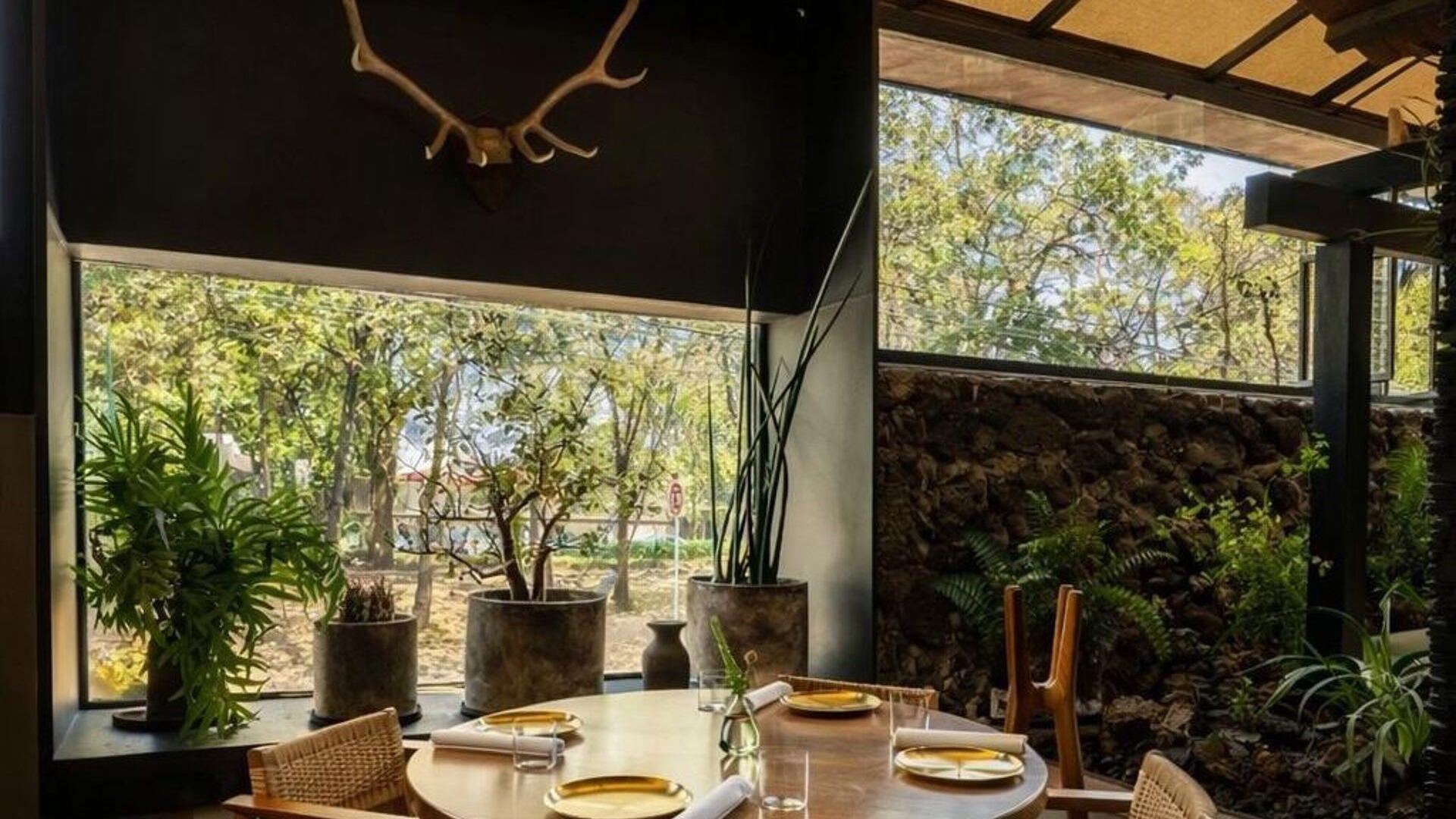
Bars in Mexico City
Browse all →
Mallorquina
The wine
- Wine program
- Curated wine list
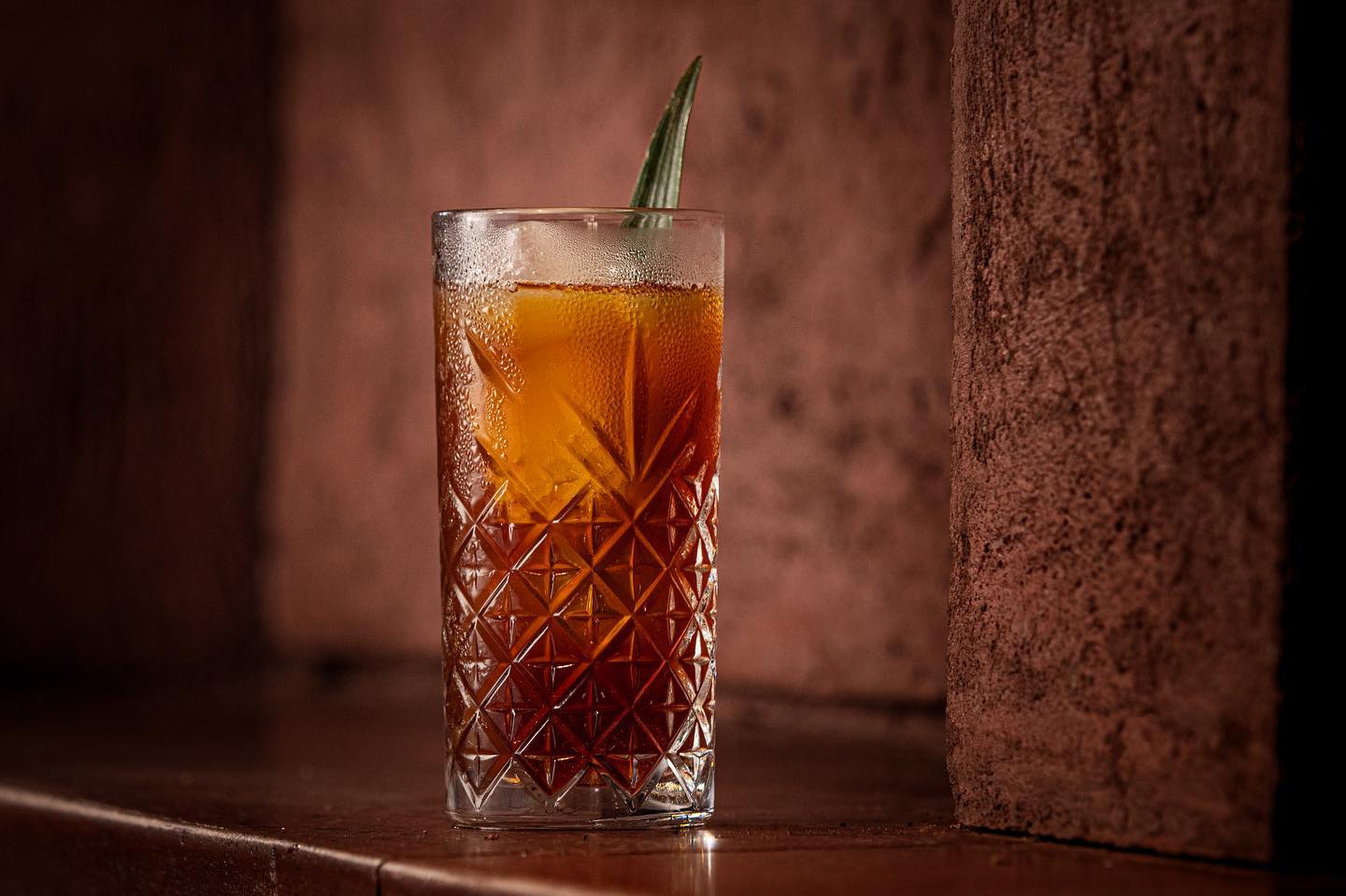
- Craft cocktails
Details
- Cozy
- Intimate
- Classic
- Date Night
- Open Kitchen
- Craft Cocktails
- A La Carte
- Small Plates
Current opening hours
- Monday
- 1 PM–12 AM
- Tuesday
- 1 PM–12 AM
- Wednesday
- 1 PM–12 AM
- Thursday
- 1 PM–12 AM
- Friday
- 1 PM–12 AM
- Saturday
- 1 PM–12 AM
- Sunday
- 1–6 PM
Hours can change for holidays and private events. Last verified .
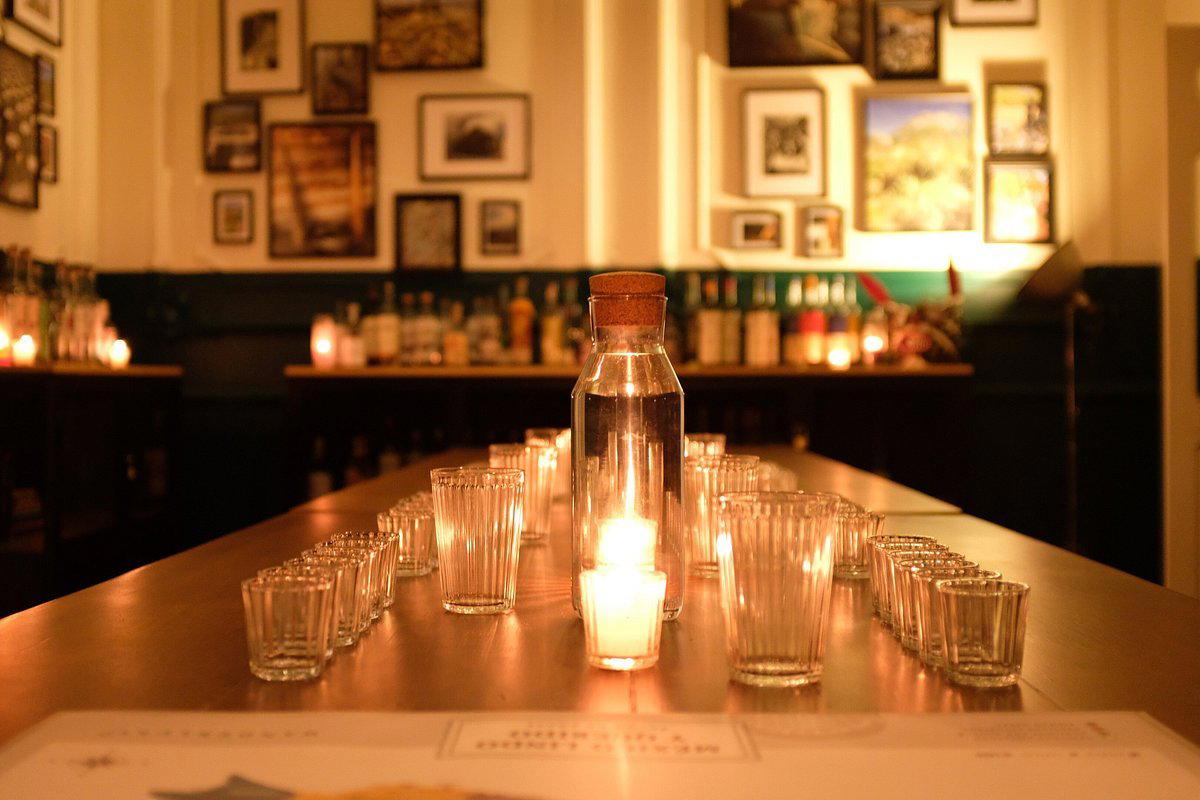
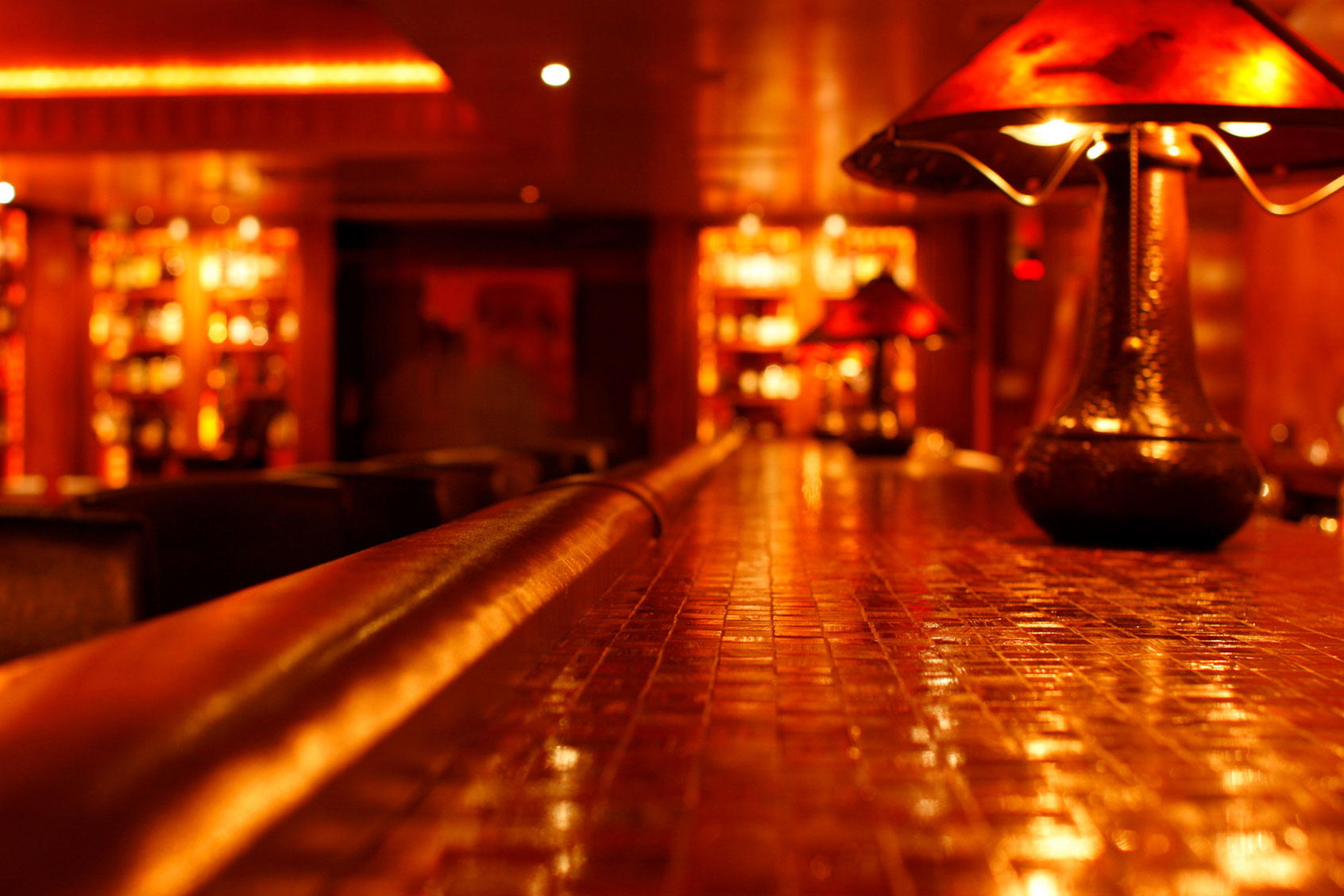
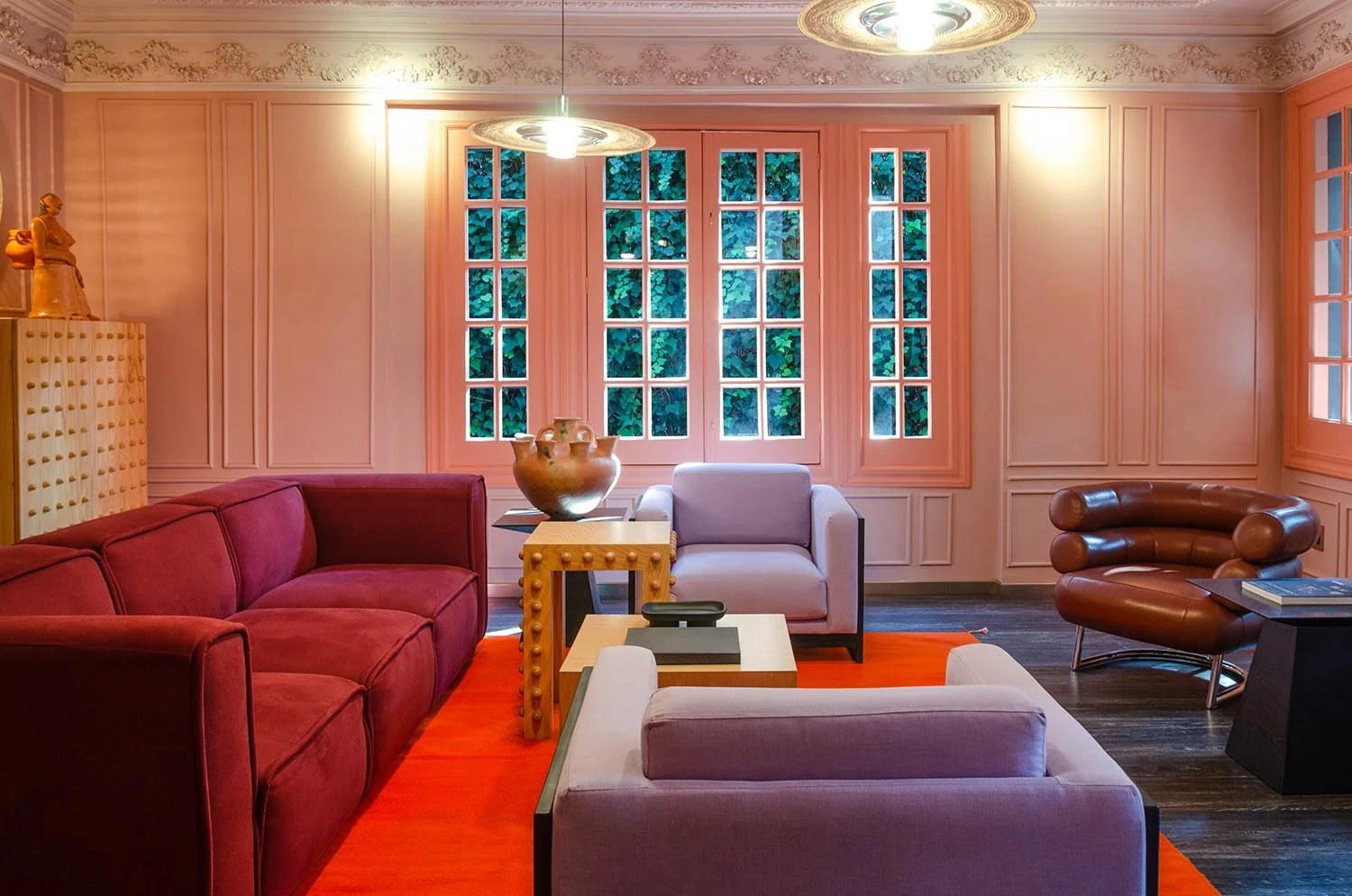
Cozy and intimate atmosphere with warm lighting and attention to detail in service.