Capicua
Our verdict
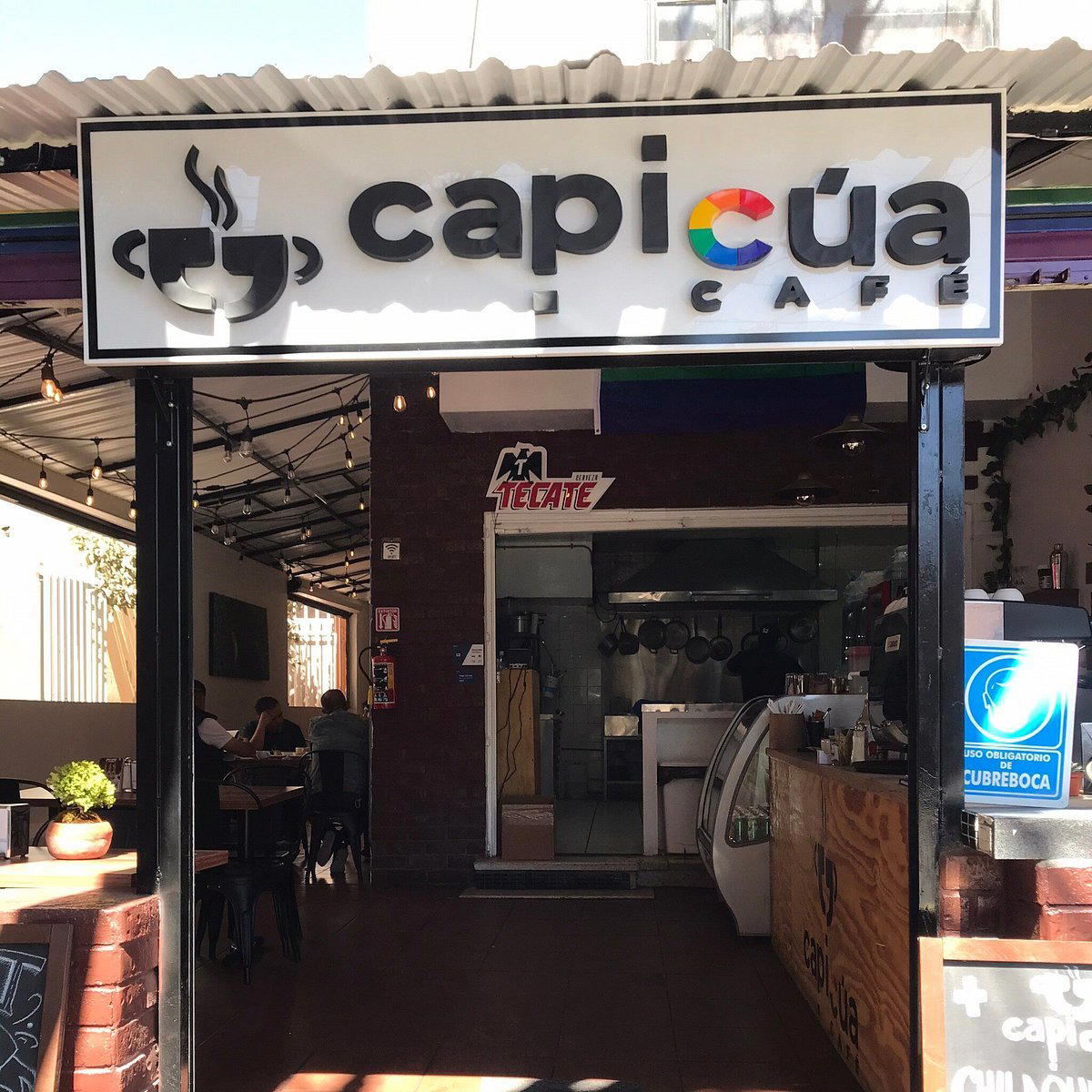
Capicua occupies a quiet stretch of Avenida Nuevo León in Hipódromo, one of Mexico City's most considered dining neighbourhoods. The address places it inside a cluster of restaurants that prioritise sourcing rigour and kitchen precision over scale or spectacle. For travellers working through the capital's mid-tier creative scene, it reads as a neighbourhood-rooted entry worth tracking.

Pearl is the En Primeur Club membership app, where members save venues, book tables and use the concierge.
The menu
What to order
- Arroz negro
- Revuelto de camarón y espárragos
- Jamón serrano
Hipódromo's Sourcing-Led Dining Scene
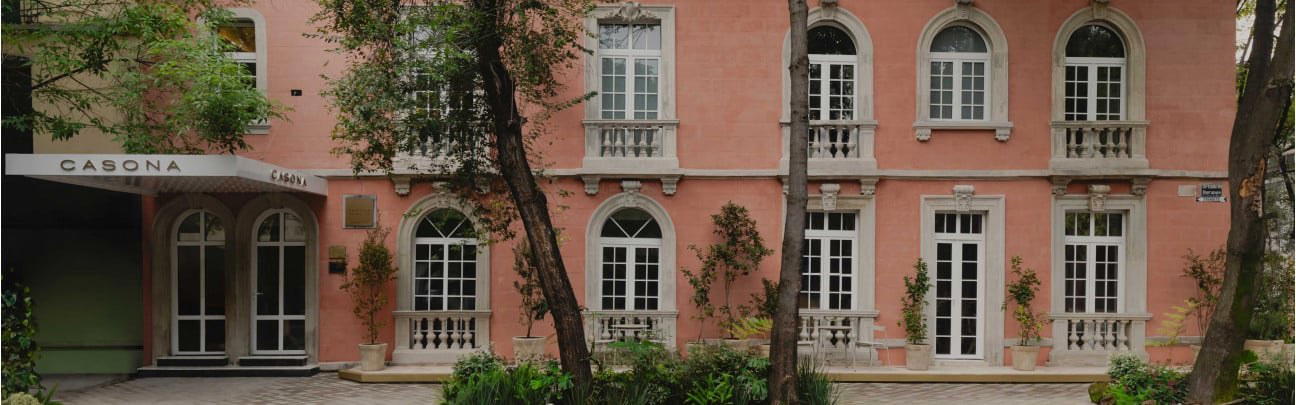
Avenida Nuevo León runs through Hipódromo Condesa with the unhurried tempo of a neighbourhood that has quietly become one of Mexico City's more serious dining corridors. The streets here don't announce themselves the way Polanco does, and that restraint is part of the draw. The blocks around Parque México attract a dining culture that tends to privilege produce relationships and kitchen craft over room design or celebrity chef cachet. Capicua, at number 66 on that avenue, sits inside that tradition.
The broader shift across Mexico City's creative mid-tier has been toward kitchens that can articulate where their ingredients come from and why those sourcing decisions shape the plate. This is not a new phenomenon globally, but in the Mexican context it carries additional weight: the country's agricultural biodiversity, from the highland milpas to the coastal fishing communities, gives chefs access to raw material that most European or North American kitchens would find prohibitively expensive to import. The restaurants that understand this, and build menus around it rather than around imported technique, tend to produce food with a specificity that places like Animalón in Valle de Guadalupe and Levadura de Olla in Oaxaca have demonstrated to considerable critical attention. Capicua operates within the same logic, at a neighbourhood scale.
Where Sourcing Becomes the Editorial Point
The ingredient-first approach that defines the more considered end of Mexico City dining is not simply a marketing stance. It reflects a structural reality: Mexico's agri-food system connects urban kitchens directly to regional producers in ways that remain underappreciated internationally. Heirloom corn varieties from Oaxaca and Guerrero, chiles sourced from specific altitudes, herbs that only grow in particular microclimates, seafood from the Gulf or Pacific landed and transported within tight windows, these are not interchangeable commodities. Restaurants that take sourcing seriously must maintain supplier relationships that are part logistics, part culinary research.
In Mexico City's Hipódromo and adjacent Condesa neighbourhoods, the dining addresses that have built reputations on this model tend to run with smaller menus that change frequently and avoid the kind of long, fixed repertoire that signals an indifference to seasonality. The trade-off is a dining room where the kitchen has genuine authority over what arrives at the table. For the visitor, that means the experience is tied to a specific moment in the growing calendar rather than to a laminated menu that could have been printed two years ago.
This positions Capicua alongside, though distinct from, heavier-hitter addresses in the city's sourcing-conscious tier. Quintonil has made ingredient provenance central to its identity at the $$$$ price point, working with Mexican wild plants and market produce in a format that has earned sustained international recognition. Em operates at a $$$ register with a similar emphasis on native ingredients processed through contemporary technique. Capicua reads as part of that continuum, with an address in Hipódromo that places it in a residential rather than trophy-restaurant context.
The Hipódromo Address in Peer Context
Mexico City's dining geography matters more than it often gets credit for. Polanco operates as the city's prestige dining district, home to Pujol and the highest concentration of tasting-menu restaurants at the $$$$ tier. Roma Norte carries a bohemian-creative energy, anchored by addresses like Rosetta, which has built one of the capital's more coherent Italian-Mexican ingredient crossovers. Hipódromo sits between those poles, with a residential density that keeps rents lower and encourages kitchens to invest in produce rather than premises.
The practical consequence for the diner is that the neighbourhood's better restaurants often deliver stronger ingredient quality per peso than their Polanco equivalents. The room is rarely the point; the plate is. That dynamic has produced a cluster of addresses along and around Avenida Nuevo León that merit attention from visitors who have already covered the obvious itinerary of Pujol, Quintonil, and Sud 777 and are looking for the next layer of the city's dining depth.
For comparison, KOLI Cocina de Origen in Monterrey and Pangea in San Pedro Garza García represent a similar sourcing-led ethos applied to northern Mexican ingredients and traditions. The Mexico City version of this model tends to draw on a wider supplier network given the capital's proximity to multiple agricultural zones, and Hipódromo's kitchens benefit from that geographic advantage.
Planning Your Visit
Capicua's address at Av Nuevo León 66 in Hipódromo puts it within walking distance of Parque México and the main Condesa dining strip, making it direct to combine with an afternoon in the neighbourhood before dinner. The area is well-served by Metrobús on Insurgentes, and rideshare from Polanco or Roma takes under fifteen minutes outside peak hours.
| Venue | Neighbourhood | Price Tier | Format | Booking Lead Time |
|---|---|---|---|---|
| Capicua | Hipódromo | Not confirmed | Not confirmed | Contact directly |
| Quintonil | Polanco | $$$$ | À la carte / tasting | 4–8 weeks ahead |
| Em | Juárez | $$$ | Tasting menu | 2–4 weeks ahead |
| Rosetta | Roma Norte | $$ | À la carte | 1–2 weeks ahead |
Our full Mexico City restaurants guide covers the broader context for planning a visit across the capital's neighbourhoods.
Travellers building a wider Mexico itinerary around ingredient-focused dining will find useful reference points at Alcalde in Guadalajara, Arca in Tulum, HA' in Playa del Carmen, Olivea Farm to Table in Ensenada, and Lunario in El Porvenir. For international context on kitchens where sourcing relationships define the cooking, Le Bernardin in New York City and Lazy Bear in San Francisco represent the northern equivalent of that approach, though through entirely different culinary traditions. Le Chique in Puerto Morelos applies similar rigour within a resort-adjacent format.
Frequently asked questions
How would you describe the vibe at Capicua?
Hipódromo operates at a different register than Polanco's prestige dining rooms. The streets around Avenida Nuevo León 66 have a residential rhythm to them, and restaurants here tend to draw a crowd that is returning rather than arriving for a special occasion. Expect a room where the cooking is taken seriously without the formality that comes with it.
How do I find Capicua?
Capicua is located at Av Nuevo León 66, Hipódromo, Cuauhtémoc, 06100 Ciudad de México, CDMX, Mexico, Mexico City.
How does Capicua fit into Mexico City's wider neighbourhood dining movement compared to Polanco?
Mexico City's dining geography has shifted noticeably over the past decade, with Hipódromo Condesa developing a reputation for kitchens that prioritise sourcing rigour over spectacle, sitting in contrast to Polanco addresses like Pujol where destination dining is the operating premise. That distinction shapes everything from portion philosophy to how menus change across the week.
What's the best thing to order at Capicua?
What the Hipódromo address signals is a kitchen likely working within Mexico City's active sourcing network, which connects urban restaurants to regional producers of heirloom corn, altitude-grown vegetables, and indigenous ingredients. When you visit, ask what has come in recently, that question tends to point toward whatever the kitchen is most focused on.
What's the best way to book Capicua?
Restaurants at this neighbourhood tier in Mexico City typically accept reservations by phone or through platforms such as Resy or direct Instagram contact. Arriving early on weeknights is a practical alternative if walk-ins are accepted, as Hipódromo dining rooms rarely hold large reserves for same-day slots.
A Quick Peer Check
| Venue | Cuisine | Price | Awards | Notes |
|---|---|---|---|---|
| CapicuaThis venue (the venue you are viewing) | Spanish Tapas | Not listed | Not listed | Not listed |
| Pujol | Modern Mexican Fine Dining | $200–300 | 2 Michelin Stars · World's 50 Best #60 | Mexican |
| Quintonil | Modern Mexican Fine Dining | $300–500 | 2 Michelin Stars · World's 50 Best #4 | Modern Mexican, Contemporary |
| Rosetta | Mexican-Italian Fusion Fine Dining | $30–50 | 1 Michelin Star · World's 50 Best #96 | Italian, Creative |
| Em | Modern Japanese-Mexican Fusion | $200–300 | 1 Michelin Star · World's 50 Best #71 | Mexican |
| Comedor Jacinta | Traditional Mexican | Not listed | Michelin Bib Gourmand | Mexico, Mexican |
Continue exploring
More in Mexico City
Restaurants in Mexico City
All restaurants in Mexico City →
Bars in Mexico City
All bars in Mexico City →


Details
- Trendy
- Lively
- Modern
- Date Night
- Casual Hangout
- Open Kitchen
- Extensive Wine List
- Small Plates
- A La Carte
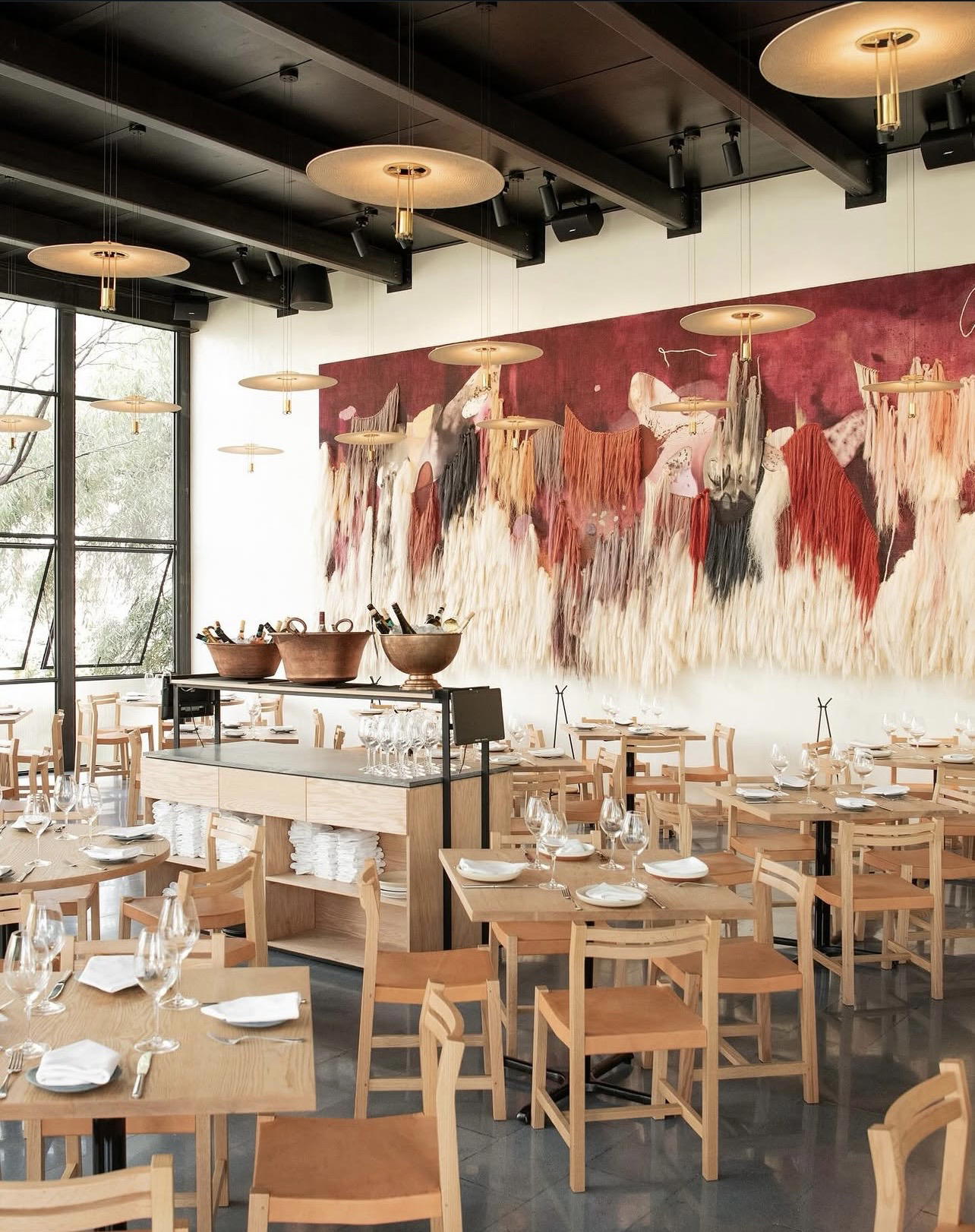
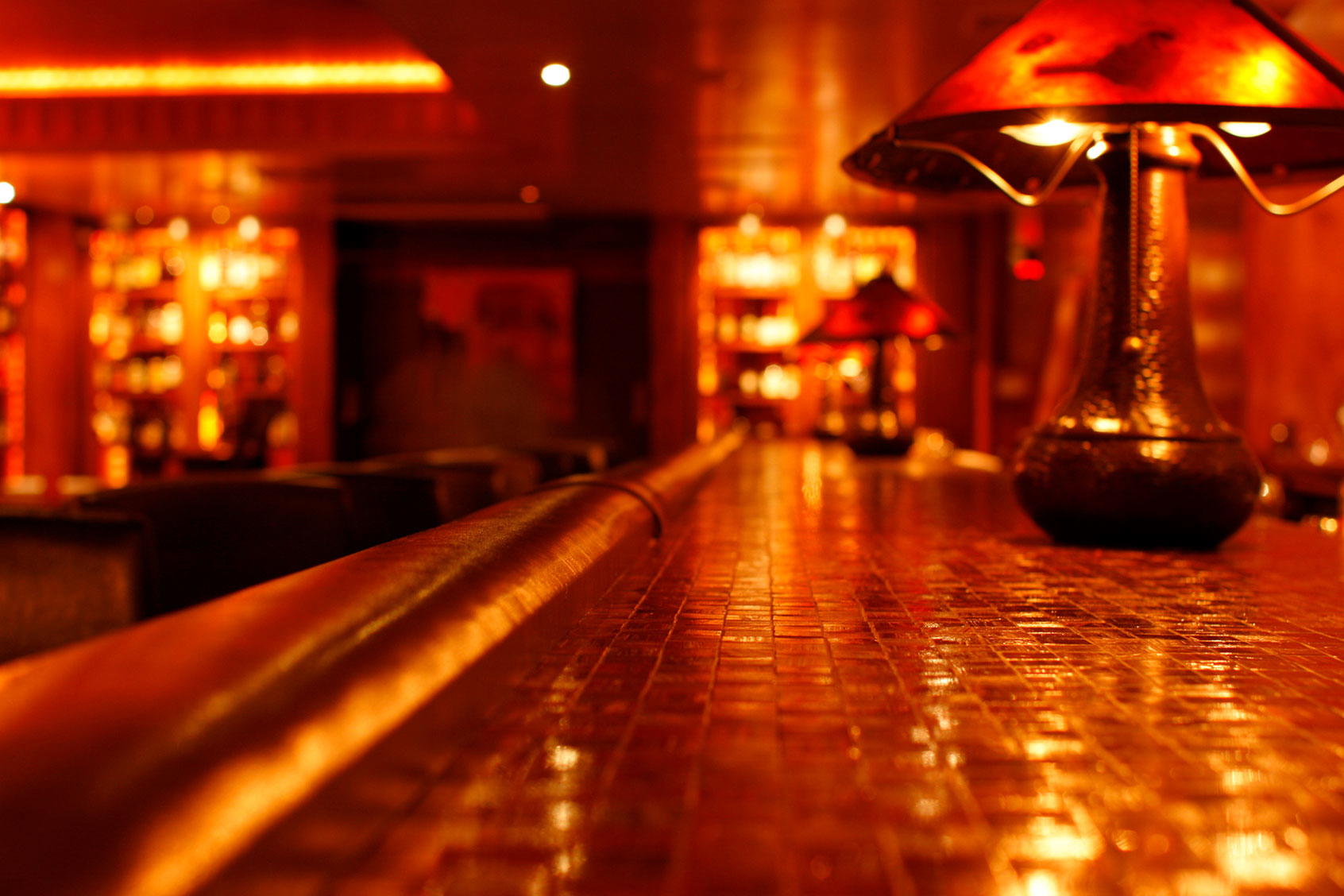
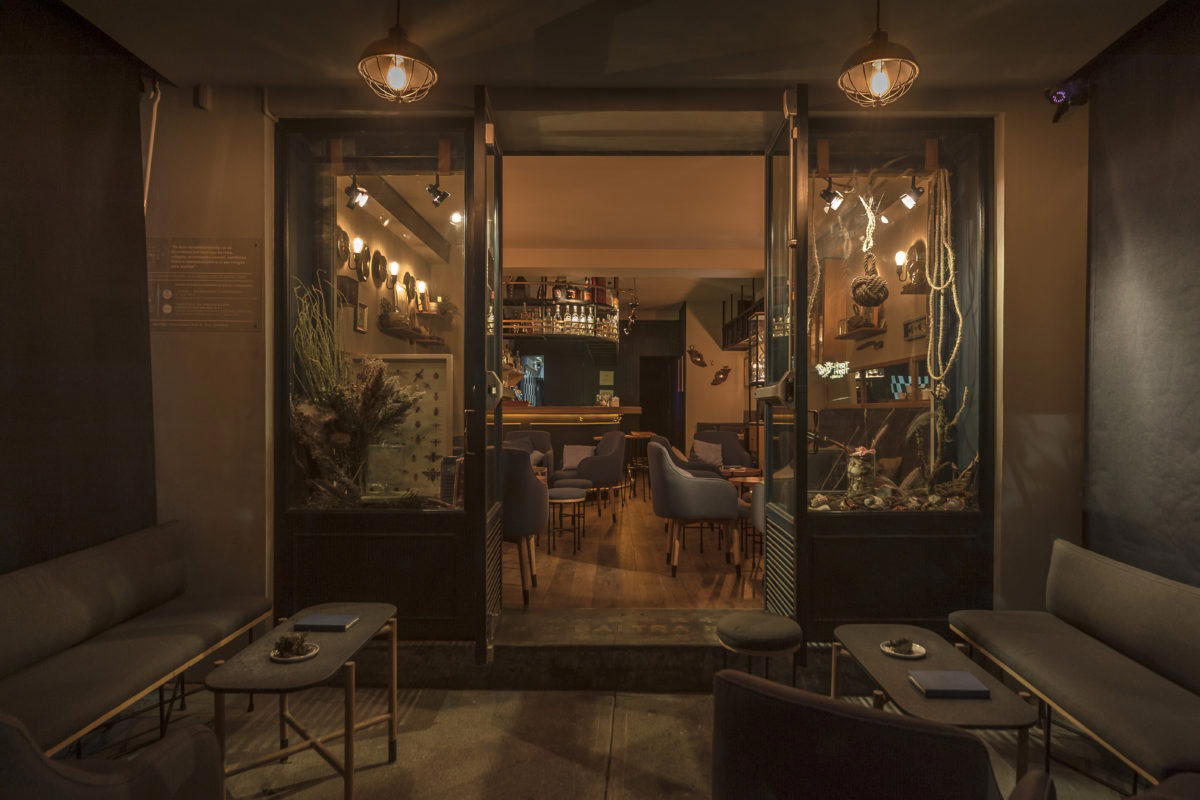
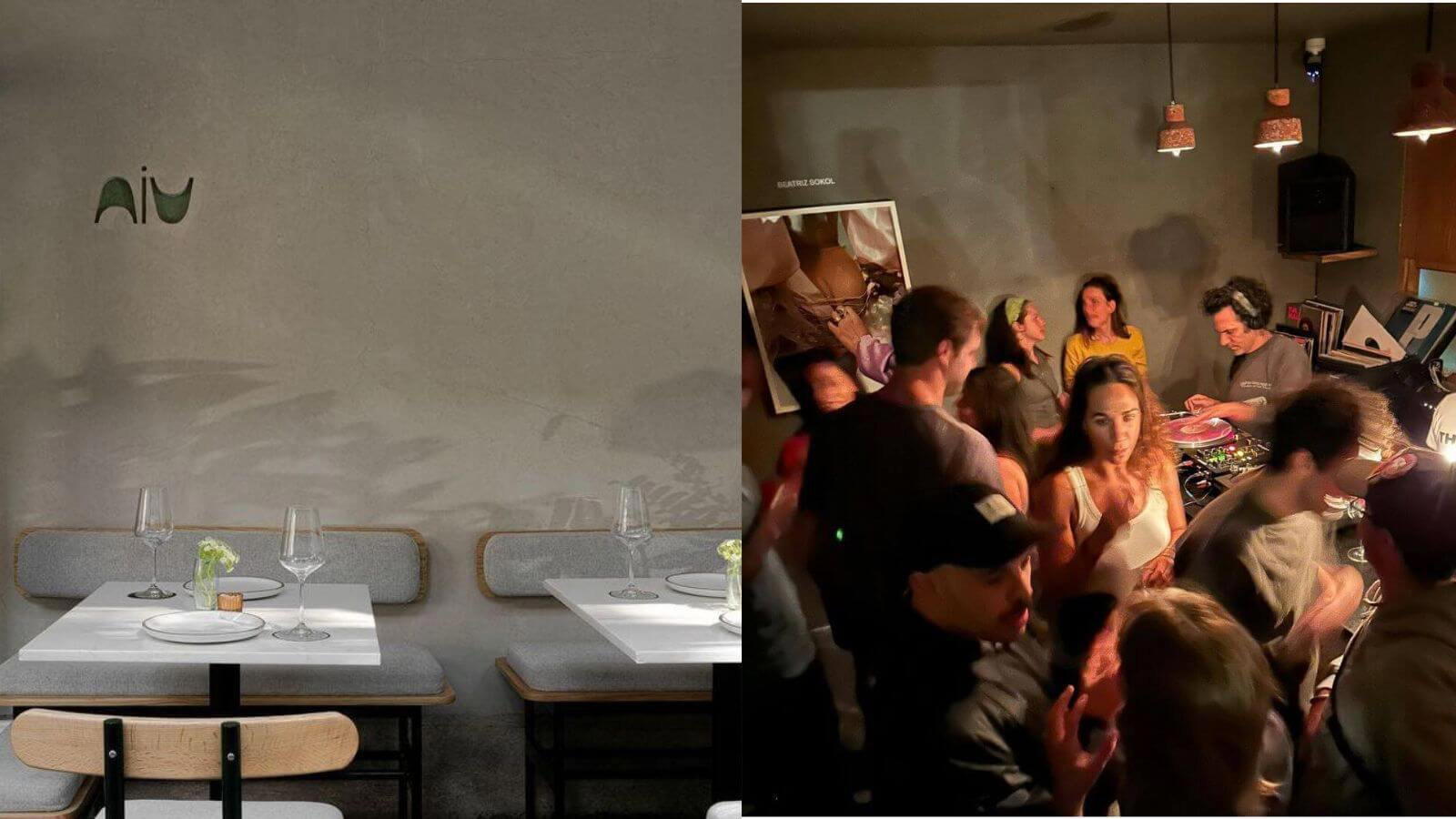
Cheerful dining room with sunlight filtering in during the afternoon, white tablecloths, black walls; turns lively with loud music at night.