Mala Tang
Mala Tang at 3434 Washington Blvd brings the numbing heat of Sichuan mala seasoning to the Arlington dining corridor, occupying a niche that few Northern Virginia addresses have committed to seriously. The format sits squarely in the casual-specialist tier, where flavour intensity and repetition of visit matter more than ceremony. It belongs to a broader shift in the area toward regional Chinese cooking with genuine technical intent.
Pearl is the En Primeur Club membership app — saves, bookings, and concierge access live there. Same editors, same standards.
- Address
- 3434 Washington Blvd, Arlington, VA 22201
- Phone
- +17032432381
- Website
- mala-tang.com
- Directions
- Get directions
 Saves & bookings on Pearl
Where the Heat Comes From
The stretch of Washington Boulevard running through Arlington's Clarendon and Lyon Park corridors has, over the past decade, shifted from a strip of interchangeable casual dining to something with more culinary specificity. Thai, Vietnamese, and Neapolitan pizza operations have each carved distinct positions here — Bangkok 54 Restaurant has held ground in the Thai category, while A Modo Mio Pizzeria Napoletana represents the Italian anchor — and Mala Tang at 3434 Washington Blvd occupies one of the more specific niches in that ecosystem: Sichuan-influenced mala hot pot and tang-style cooking, a format built around the interplay of numbing Sichuan peppercorn and chilli heat.
That combination, referred to in Mandarin as mala (literally "numbing and spicy"), has a long culinary lineage in Chongqing and Chengdu, where street-level tang stalls and larger communal hot pot restaurants have operated for generations. What makes the format interesting in a US suburban context is how it translates: the communal assembly-line logic of choosing protein, vegetable, and noodle components, then having them cooked in a seasoned broth at a specific heat level, requires the kitchen to maintain consistency across dozens of permutations rather than execute a fixed menu. It is a technically demanding format dressed in casual clothes.
The Evolution of a Category
Mala-style dining in the broader DC metro area has moved through several phases. The earliest wave, concentrated in Rockville and Falls Church, leaned on large-format communal tables and minimal English-language signage, catering primarily to a Chinese-speaking customer base. A second wave brought more accessible formats: menus with photographs, adjusted spice-level options for non-habituated diners, and a physical environment that reads less like an import and more like a considered neighbourhood address.
Mala Tang sits in that second wave, positioned at a Washington Boulevard address that places it within reach of the Metro-accessible Clarendon population as well as the denser residential blocks pushing south toward Rosslyn. That geography matters because it determines who the restaurant is actually talking to. Arlington's dining scene, unlike some of the more insular corridors in suburban Maryland, has consistently absorbed food-literate residents who bring prior exposure to regional Chinese cooking from time in larger coastal cities. That customer base sustains specificity; it doesn't require the format to dilute itself to survive.
Compared to the broader spectrum of what Arlington offers, Mala Tang occupies a different register than casual comfort operators like Bayou Bakery, Coffee Bar and Eatery or the pub-focused programming at Barley Mac. It also operates in a completely separate tier from the destination dining corridor that puts venues like The Inn at Little Washington at the top of the regional hierarchy alongside the formal American tasting-menu circuit that includes Alinea in Chicago, Le Bernardin in New York City, Lazy Bear in San Francisco, and The French Laundry in Napa. Mala Tang's value is not in competing with that register but in doing something those formats don't attempt: high-repetition casual dining built around a specific regional flavour logic.
What the Format Demands
The mala tang model puts the burden of curation on the diner. You select from a spread of raw components, proteins ranging from thinly sliced meat to tofu varieties and fish balls, vegetables, and starch options including glass noodles or rice noodles, which are then weighed or priced per item and cooked in the broth. The seasoning level is typically adjustable, which means a first visit functions partly as calibration: understanding what a medium spice level means in this particular kitchen before committing to higher heat on subsequent visits.
That iterative quality is central to how this style of restaurant builds a regular clientele. Unlike the single-visit destination logic of a tasting menu counter at venues such as Atomix in New York City or Single Thread Farm in Healdsburg, mala tang rewards return visits. The dish doesn't change, but your relationship to its heat and ingredient combinations does. This is closer to the logic of a neighbourhood ramen shop than a special-occasion restaurant.
For the Arlington corridor specifically, that positions Mala Tang alongside Angie, which draws its own repeat-visit audience from a French-influenced bistro format, as two addresses that have managed to build actual regulars rather than tourist traffic. The comparison is instructive: different cuisines, different price registers, same underlying mechanism of earned loyalty through consistent execution of a specific format.
Placing It in the Broader Regional Picture
Within the larger DC metro dining conversation, Sichuan-focused operations remain underrepresented relative to the region's Vietnamese and Korean segments. Pho 75, operating on its own entirely different logic as one of the area's established Vietnamese references, and Thai Square on the Thai side represent how deeply a single regional cuisine can root itself in a neighbourhood when the format is consistent and the price point is accessible. Mala Tang is attempting something similar for Sichuan cooking in the Arlington zip code.
That comparison extends further when you consider how regional Chinese cooking has developed in other American cities. In San Francisco and Los Angeles, Sichuan operations have moved from novelty to fixture over the past fifteen years; venues in those markets now compete on nuance within the category rather than simply introducing the format to new audiences. The DC corridor is at an earlier stage of that cycle. Mala Tang, positioned on Washington Boulevard rather than in the denser Rockville or Eden Center clusters, represents a western push for the category into a population that may be encountering the format seriously for the first time.
For readers who have spent time with the format in other cities, or who have encountered related regional cooking through the broader circuit of American fine dining venues that draw on Sichuan technique, Providence in Los Angeles, Blue Hill at Stone Barns in Tarrytown, Addison in San Diego, and 8 1/2 Otto e Mezzo Bombana in Hong Kong each apply precision to regional Asian flavour languages at a completely different price tier, Mala Tang offers something those addresses don't: the unmediated, casual version of that flavour logic at a neighbourhood price point. That contrast is worth noting, not as a hierarchy but as a reminder that Sichuan cooking exists across an enormous range of formats, and the casual end of that range has its own discipline. See our full Arlington restaurants guide for how this address fits the wider picture.
Planning Your Visit
Mala Tang is located at 3434 Washington Blvd, Arlington, VA 22201, a walkable distance from the Clarendon Metro station on the Orange and Silver lines. Given the casual, counter-service or self-select nature of the format, reservations are typically not required, and the address functions well as a spontaneous weekday option. First-time visitors are better served arriving with a specific intention around spice tolerance: the mala numbing effect accumulates through a meal and the heat level chosen at the start sets the trajectory. Emeril's in New Orleans built a different kind of reputation on bold seasoning at a completely different price tier; Mala Tang is operating on related flavour principles at a fraction of the investment. Budget and hours information is not currently published through EP Club's verified database, so confirming current operational details directly before visiting is advisable.
How Mala Tang Arlington compares with similar nearby venues.
| Venue | Cuisine |
|---|---|
| El Pollo Rico | Colombian |
Continue exploring
More in Arlington
Restaurants in Arlington
Browse all →
Bars in Arlington
Browse all →
Hotels in Arlington
Browse all →
At a Glance
- Modern
- Trendy
- Group Dining
- Casual Hangout
- Open Kitchen
- Sake Program
Current opening hours
- Monday
- 11:30 AM–9:30 PM
- Tuesday
- 11:30 AM–9:30 PM
- Wednesday
- 11:30 AM–9:30 PM
- Thursday
- 11:30 AM–10:30 PM
- Friday
- 11:30 AM–10:30 PM
- Saturday
- 12–10:30 PM
- Sunday
- 12–10:30 PM
Hours can change for holidays and private events. Last verified .
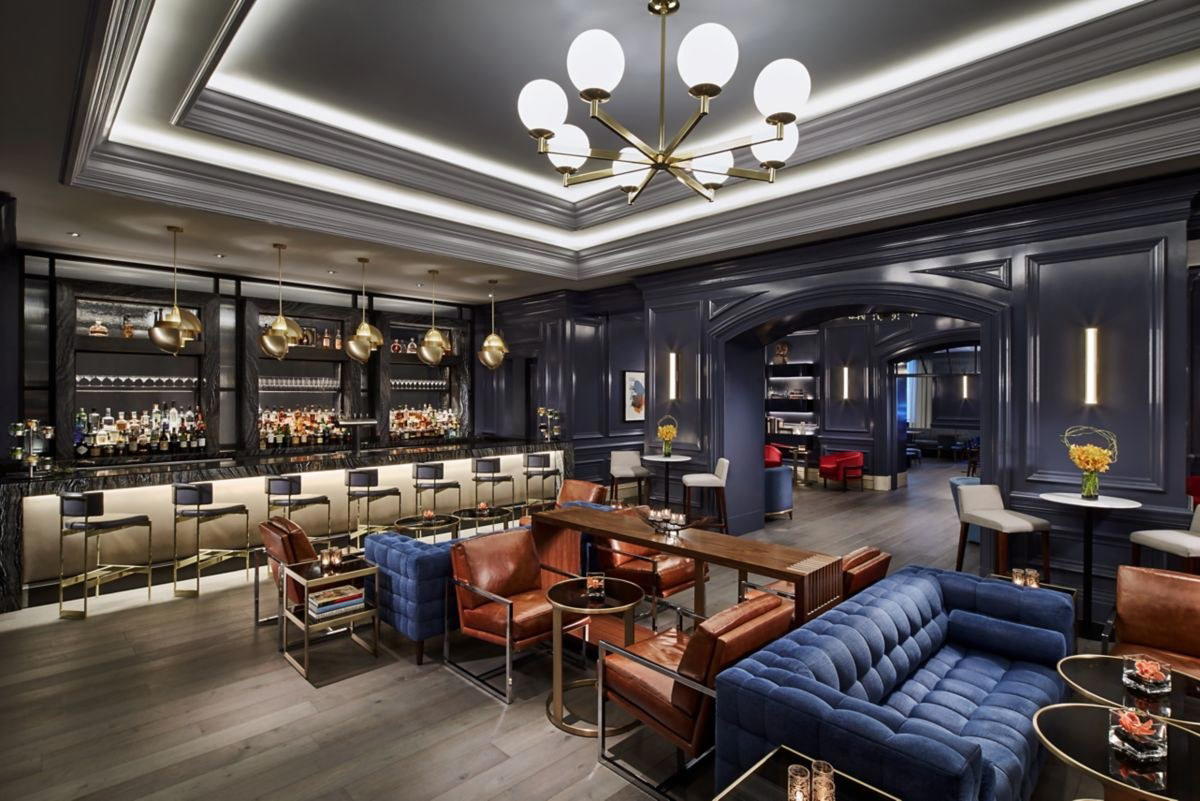
Slick, lounge-like space with moody techno soundtrack and contemporary Chinese setting.
Know Before You Go
- Getting there
- 3434 Washington Blvd, Arlington, VA 22201