La Tapa Del Coco

La Tapa Del Coco operates at the intersection of culinary preservation and contemporary technique, bringing Afro-Panamanian gastronomy into formal dining conversation. Led by Chef Isaac Villaverde, the project treats Afro-Antillean and Afro-Colonial traditions as living reference points rather than museum pieces. It sits among Panama City's most purposeful dining addresses, alongside places like Maito and Caleta, where national identity is the actual subject on the plate.
Pearl is the En Primeur Club membership app — saves, bookings, and concierge access live there. Same editors, same standards.
- Address
- Calle 68 Este, Panamá, Panama
- Phone
- +507 6856-5533
- Website
- latapadelcocopanama.com
- Directions
- Get directions
 Saves & bookings on Pearl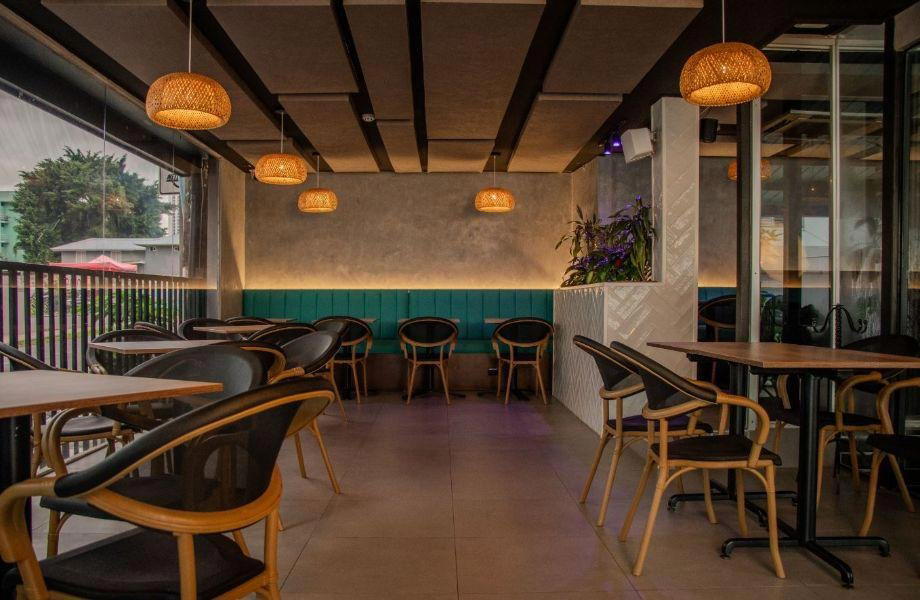
Where Panama City's African Heritage Comes to the Table
Calle 68 Este runs through one of Panama City's residential corridors, away from the polished towers of Punta Pacifica and the tourist-facing restaurants of Casco Viejo. The neighbourhood context matters here: dining in this part of the city tends to feel less performative than in the financial district, and the clientele skews local. La Tapa Del Coco is a restaurant in Panama City on Calle 68 Este. It fits that register. It operates as a dedicated cultural project as much as a restaurant, and its address in the working city rather than its showpiece districts is part of what gives the concept coherence. Panama City's dining scene has, over the past decade, split between internationalised menus aimed at business travellers and a smaller, more serious group of restaurants treating Panamanian culinary tradition as primary source material. La Tapa Del Coco sits firmly in the second camp, and within that camp, it occupies a specific lane: the recovery and reframing of Afro-Panamanian cooking traditions that formal dining culture has historically passed over.
The Culinary Tradition Behind the Concept
Afro-Panamanian gastronomy draws from two distinct historical streams. The Afro-Antillean tradition arrived through Caribbean-origin workers brought to Panama for the canal construction in the late nineteenth and early twentieth centuries, carrying with them Jamaican, Barbadian, and Trinidadian food practices. The Afro-Colonial tradition is older, rooted in the African communities established during the Spanish colonial period, particularly in Darién and along Panama's Pacific coast. Both strands shaped Panamanian food culture in ways that went largely unacknowledged in the country's restaurant industry until recently. Dishes built on coconut milk, root vegetables, slow-cooked proteins, and Antillean spice profiles became domestic kitchen staples while fine dining rooms reached for ceviche and corvina. The gap between what Panamanians actually ate at home and what their restaurants offered visitors was, for a long time, considerable.
Across Latin America, a parallel conversation has been underway. Restaurants like Maito in Panama City and internationally recognised addresses including Emeril's in New Orleans, which built its identity in part around Southern and Creole heritage recovery, have demonstrated that cuisine rooted in marginalised or overlooked communities can operate credibly at the formal dining level. La Tapa Del Coco applies that argument specifically to Panama's African culinary inheritance, treating it as a living body of knowledge that modern technique can extend rather than replace.
Chef Isaac Villaverde and the Kitchen's Direction
Panama City's current generation of serious restaurants tends to be led by chefs who have defined a clear position within local culinary history rather than simply importing trends. At the restaurant, Chef Isaac Villaverde leads what is described as a movement dedicated to rescuing and preserving Afro-Panamanian gastronomy. That framing is significant: the kitchen's mandate is preservation through activation, producing modern versions of traditional dishes rather than replicas or nostalgia pieces. Within Panama City's dining conversation, that places Villaverde in a peer group alongside the chefs behind Caleta and Fonda Lo Que Hay, where Panamanian identity is the active subject rather than the backdrop. Internationally, the methodological comparison points to chefs at restaurants like Atomix in New York City, where a cuisine's historical depth is the framework for contemporary plating decisions, or Lazy Bear in San Francisco, where culinary heritage informs technique without constraining it.
What the Menu Represents
The dishes at the restaurant are modern interpretations of Afro-Antillean and Afro-Colonial cooking, which means the reference points are specific: the coconut-forward stews of Caribbean Panama, the fufu and patacone preparations that connect to West African origins, the rondón fish stews and rice-and-peas combinations that arrived with Caribbean workers. Presenting these as a restaurant menu rather than a community meal is a deliberate act of cultural reframing, one that other cities with strong African culinary traditions have taken longer to make formal. The approach connects the restaurant to a broader hemispheric moment: restaurants across the Caribbean and South America are renegotiating which culinary traditions deserve restaurant-level attention, and Afro-diasporic cooking is increasingly central to that argument.
For visitors comparing Panama City's mid-to-upper dining tier, the orientation here is entirely different from the seafood-focused menus at Umi Restaurante Bar Izakaya or the cantina format at Cantina del Tigre. Those restaurants answer different questions about what Panama City eats. The restaurant answers a question about what Panama City has historically eaten and not fully acknowledged.
Planning Your Visit
The restaurant is located on Calle 68 Este in Panama City. The Calle 68 corridor is accessible by taxi and ride-share apps, which are the standard transport mode for most city dining trips. Visitors coming specifically for this restaurant should plan around it as a destination rather than a neighbourhood walk, as the surrounding streets do not have the restaurant density of Casco Viejo or Marbella. The restaurant is open daily from 12 to 10:30 PM. Panama City's dining culture generally supports early and late sittings, with peak dinner service running from 7pm onward.
Restaurants operating in the heritage-recovery register, whether Alléno Paris au Pavillon Ledoyen reinterpreting classical French technique or 8½ Otto e Mezzo Bombana in Hong Kong working within the Italian canon in an Asian context, share a commitment to treating culinary tradition as a productive constraint rather than a limitation. The restaurant belongs to that broader tendency, applied to a body of food culture that has, until recently, had few formal advocates.
The Minimal Set
Comparable venues nearby, for context on price, style, and recognition.
| Venue | Cuisine | Price | Notes |
|---|---|---|---|
| La Tapa Del CocoThis venue — the venue you are viewing | Dining | Not listed | Not listed |
| Fonda Lo Que Hay | Casco Antiguo, Modern Panamanian | $$ | Not listed |
| Cantina del Tigre | Not listed | $$$ | San Francisco, Modern Panamanian Caribbean |
| Caleta | Casco Viejo, Modern Panamanian Seafood | $$$ | Not listed |
| Umi Restaurante Bar Izakaya | Obarrio, Modern Japanese Izakaya | $$$$ | Not listed |
| Maito | Coco del Mar, Modern Panamanian Fusion | $$$$ | Not listed |
Recognition history
Dated appearances from independent guides and award organizations, with the underlying list record or original source where available.
World's 50 Best Latin America's Best Restaurants #61
World's 50 Best
Continue exploring
More in Panama City
Restaurants in Panama City
Browse all →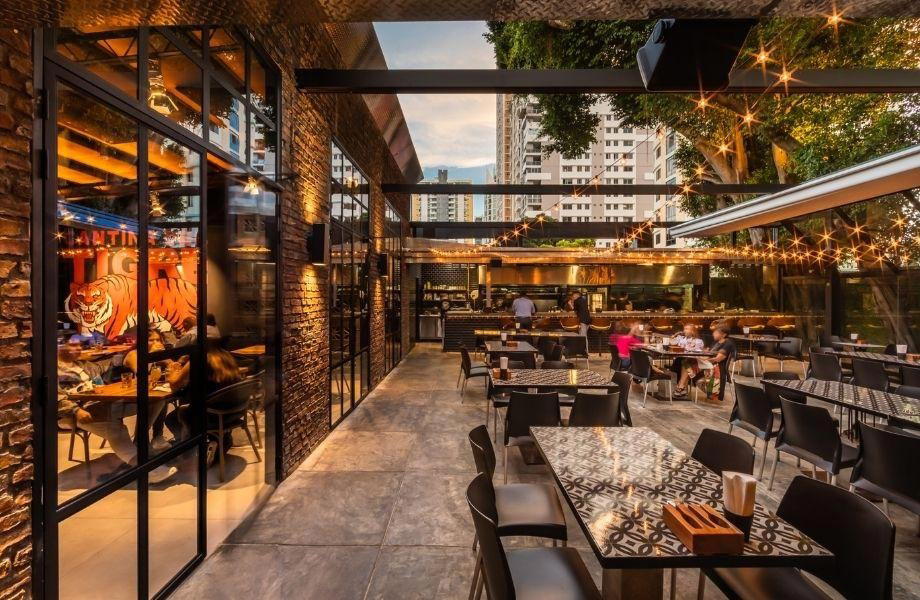
Bars in Panama City
Browse all →
At a Glance
- Lively
- Cozy
- Modern
- Energetic
- Casual Hangout
- Date Night
- Group Dining
- Standalone
- Open Kitchen
- Terrace
Current opening hours
- Monday
- 12–10:30 PM
- Tuesday
- 12–10:30 PM
- Wednesday
- 12–10:30 PM
- Thursday
- 12–10:30 PM
- Friday
- 12–10:30 PM
- Saturday
- 12–10:30 PM
- Sunday
- 12–10:30 PM
Hours can change for holidays and private events. Last verified .
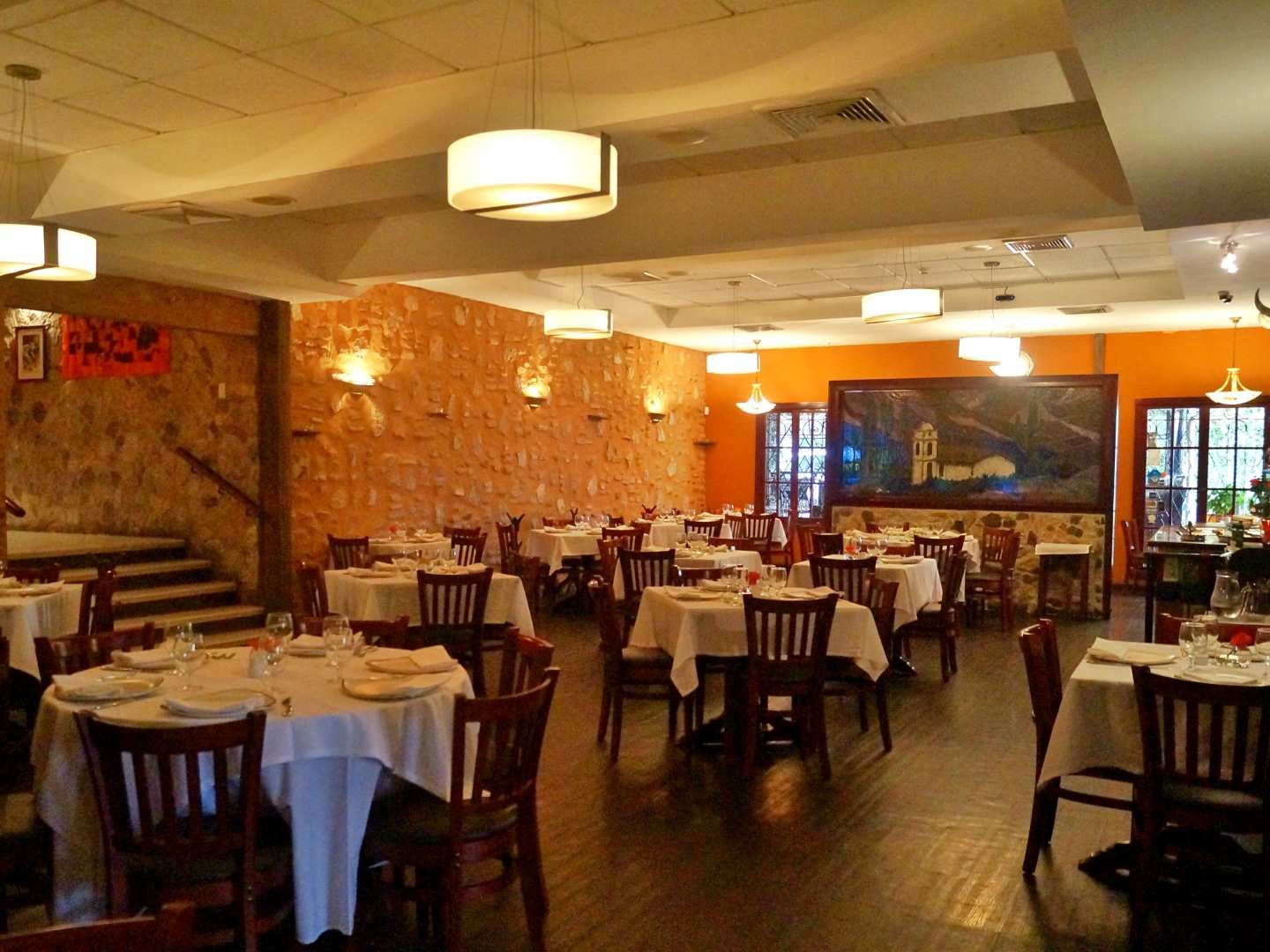
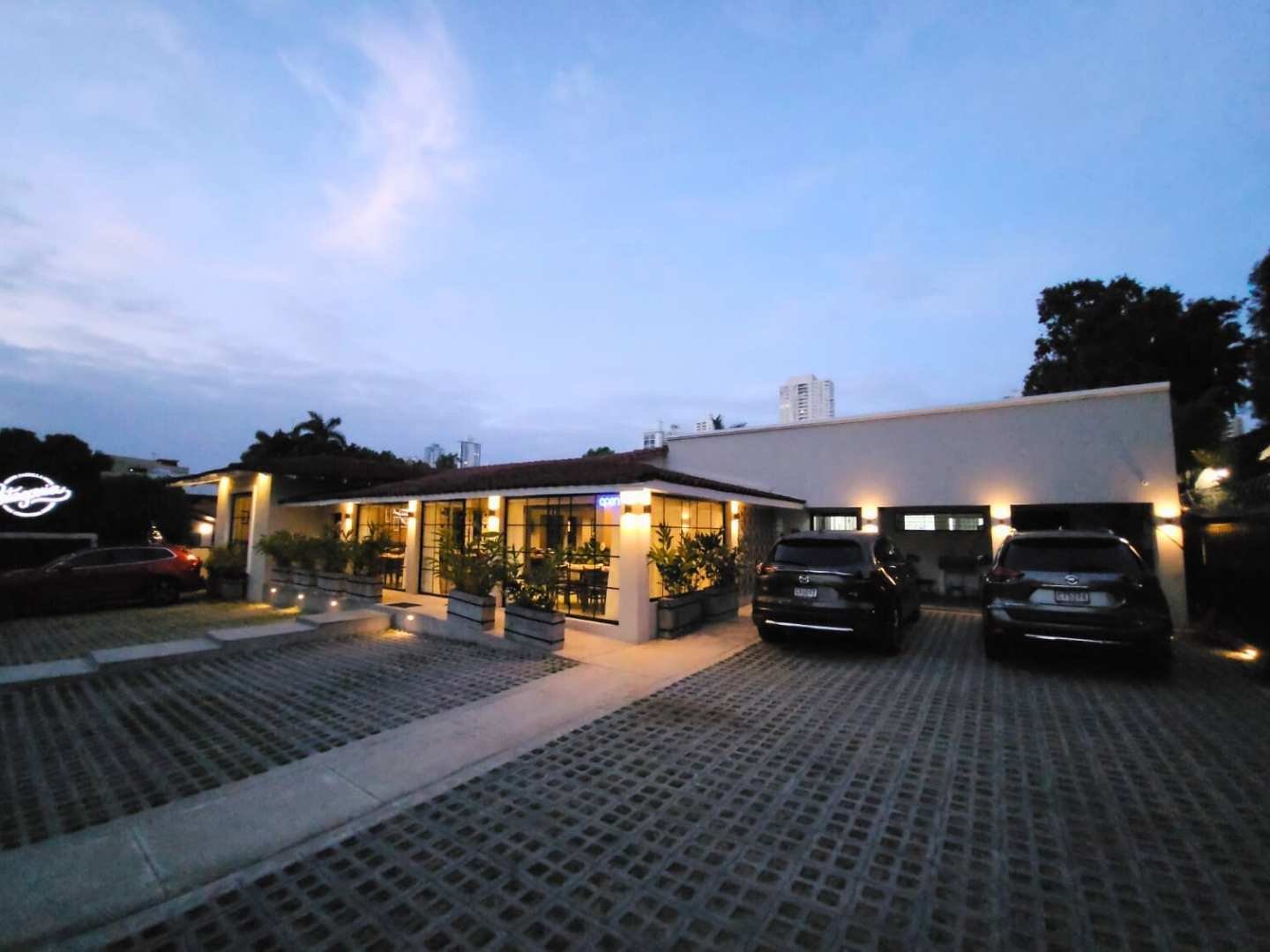
Casual, cozy and contemporary, with lively Afro-Caribbean music, a lively dining room, views of the busy kitchen and a coveted patio.