La Casa del Marisco
Our verdict
On Calle José María Icaza in Panama City's financial district, La Casa del Marisco holds a focused position in a city whose seafood tradition runs deep through both Pacific and Caribbean influences. The address places it within easy reach of Casco Viejo and the modern towers of Punta Pacifica, making it a practical anchor for anyone mapping the city's serious seafood options.

Pearl is the En Primeur Club membership app, where members save venues, book tables and use the concierge.
The menu
What to order
- Zarzuela de mariscos
- Fried ceviche
- Paella
- Lobster Thermidor
- Spider crab
- Seafood soup
Where the City's Seafood Tradition Lands
Panama City's relationship with seafood is not incidental. Positioned between two oceans, the country draws from Pacific waters rich in corvina, octopus, and red snapper, and from Caribbean coastlines that bring their own curing and cooking traditions inland. The city's better seafood restaurants have absorbed both influences over decades, building a dining culture that sits somewhere between the ceviches of Lima, the mariscos traditions of coastal Mexico, and a distinctly Panamanian sensibility that resists easy categorisation. La Casa del Marisco, addressed on Calle José María Icaza in the heart of the financial district, occupies that conversation.
The street itself is instructive. Calle José María Icaza runs through the commercial and banking core of Panama City, flanked by towers that house multinational firms and the transactional machinery of one of Latin America's most active trade hubs. Restaurants that survive and draw regulars here do so by offering something durable: a format, a price proposition, or a product quality that holds up against the lunch-crowd economics and the after-work dinner set. The seafood house format, when done with discipline, is well suited to that environment. It requires less theatrics than a tasting-menu counter and rewards ingredient quality more directly than almost any other kitchen approach.
The Neighbourhood and What It Demands
The financial district placement shapes the experience in ways that are worth understanding before you arrive. This is not the relaxed waterfront dining of the Amador Causeway, nor the heritage-restaurant atmosphere of Casco Viejo, where the colonial stonework and slower pace of tourism create a different frame for eating. On Icaza, the crowd is more likely to include Panamanian professionals and regional business travellers than international tourists following a curated itinerary. That affects pace, noise level, and the implicit contract between kitchen and table: efficiency matters, and so does consistency across visits.
For context, compare the geography to other parts of Panama City's dining map. Venues like Maito (Panamanian) and Atope operate in zones with more residential and creative-class foot traffic, which allows for longer menus, more experimental formats, and a slower dining tempo. The financial district demands something more direct. A seafood house in this location is making a deliberate bet on product and execution rather than on narrative or ambience as the primary draw.
Panama City's Seafood Tier: How the Market Is Structured
Panama City's seafood dining has not consolidated into a single dominant format the way, say, Lima's ceviche culture has. Instead, it spreads across several tiers and approaches. At one end, the city's ceviche counters and market stalls in places like the Mercado de Mariscos offer the rawest, most direct version of the Pacific catch, priced for volume and speed. At the other end, hotel restaurants and upscale brasseries such as BRIO Brasserie present seafood within a broader European or international framework, where the fish is one line item among many in a larger menu. Between those poles, standalone seafood houses occupy the territory that serious eaters tend to gravitate toward: focused product, lower overhead than a hotel dining room, and a kitchen whose identity is built around the catch rather than around a celebrity format.
La Casa del Marisco's name and address position it in that middle tier. The mariscos house format across Latin America has a long record of producing some of the most reliable seafood eating in any given city, precisely because the kitchen has nowhere to hide. There is no elaborate sauce architecture to compensate for an ageing fillet, no tasting-menu pacing to distract from a flat ceviche. The tradition rewards sourcing discipline and technical straightforwardness, and it tends to attract a repeat clientele that is harder to hold than the tourist trade.
For a sense of what serious seafood ambition can look like in a coastal-heritage context, consider the approach at Aponiente in El Puerto de Santa María, where the entire kitchen philosophy is built around marine products and the result carries three Michelin stars. Panama City is not operating at that register of institutional ambition, but the underlying logic of placing seafood at the absolute centre of a restaurant's identity is the same, scaled differently.
What to Eat and How to Approach the Menu
Given the venue's name and its position in a city with strong Pacific and Caribbean seafood access, the logical approach is to follow the daily catch rather than anchor to a fixed favourite. Panama's corvina, a firm white fish that holds well across cooking methods, is the country's signature seafood product and appears in virtually every serious mariscos kitchen. Ceviches, tiraditos, and grilled preparations built around the freshest available fish are the format's structural backbone. In a financial-district setting, lunch tends to be the more considered service: the kitchen is primed, the produce is fresh from morning deliveries, and the pace suits a focused meal.
Visitors arriving for the first time should treat the menu as a read on what the kitchen prioritises that day. A seafood house that rotates its offerings around market availability is making an implicit quality claim; one with an unchanging printed menu is making a different kind of bet. Both approaches have merit, but they require different strategies from the diner.
For broader context on where La Casa del Marisco sits in the city's dining geography, the EP Club Panama City restaurants guide maps the full range, from Caleta and Umi Restaurante Bar Izakaya to the more distant coastal options like Receta Michilá in Isla Carenero. Each represents a distinct node in a city whose dining ambitions have grown steadily over the past decade, even as its reputation outside Latin America remains underestimated relative to Lima or Buenos Aires.
Planning Your Visit
La Casa del Marisco sits on Calle José María Icaza, which is walkable from most of the financial district's hotel cluster and accessible by taxi or app-based car service from Casco Viejo in under fifteen minutes depending on traffic. Panama City's mid-day congestion can be significant on weekdays, so arrivals timed for noon rather than 12:30 tend to involve less friction.
Frequently asked questions
Would La Casa del Marisco be comfortable with kids?
The financial district address on Calle José María Icaza points toward a lunch-driven, professional crowd rather than a family-weekend format. Nothing in the venue's positioning rules children out, but the neighbourhood context skews adult. Families visiting Panama City's seafood scene may find a more relaxed fit at waterfront spots closer to Casco Viejo.
What's the overall feel of La Casa del Marisco?
The Calle José María Icaza location puts it squarely inside Panama City's financial district, which sets the tone: purposeful rather than leisurely, with a clientele shaped by proximity to nearby hotel clusters and office towers. This is seafood dining on a working-city schedule, not a long waterfront afternoon. Expect a pace and atmosphere more suited to a focused meal than an extended table.
Is La Casa del Marisco a good option for a business lunch in Panama City's financial district?
The address on Calle José María Icaza places it within walking distance of the financial district's main hotel cluster, making it a practical choice for a midday meal between meetings. Panama City's seafood-focused restaurants in this corridor tend to run efficient lunch services calibrated to office schedules. The venue's name and positioning suggest a focused, seafood-led menu rather than the broad international range found in hotel dining rooms nearby.
What should I eat at La Casa del Marisco?
Panama sits between the Pacific and Caribbean, giving the country's seafood restaurants access to corvina, octopus, and a rotating daily catch that shifts with season and source. At a venue named for the sea, the logical move is to follow whatever the kitchen is running fresh that day rather than anchoring to a fixed dish. Ask specifically about Pacific corvina preparations and any market-driven specials before ordering.
Where exactly is La Casa del Marisco?
La Casa del Marisco is located at Cl José María Icaza, Ciudad de Panamá, Panamá, Panama City.
Just the Basics
| Venue | Cuisine | Price | Awards | Notes |
|---|---|---|---|---|
| La Casa del MariscoThis venue (the venue you are viewing) | Spanish Seafood | $30–50 | Not listed | Not listed |
| Maito | Modern Panamanian Fusion | $50–100 | World's 50 Best #18 | Panamanian |
| Cantina del Tigre | Modern Panamanian Caribbean | $30–50 | World's 50 Best #47 · The Best Chef One Knife | Not listed |
| Umi Restaurante Bar Izakaya | Modern Japanese Izakaya | $50–100 | World's 50 Best #72 · Top 500 Bars Best Bars #494 | Not listed |
| Corcho | Mediterranean Wine Bar | $30–50 | Star Wine List | Not listed |
| Lazotea | Modern Latin American Rooftop | $50–100 | Star Wine List · Wine Spectator Award of Excellence | Not listed |
Continue exploring
More in Panama City
Restaurants in Panama City
All restaurants in Panama City →
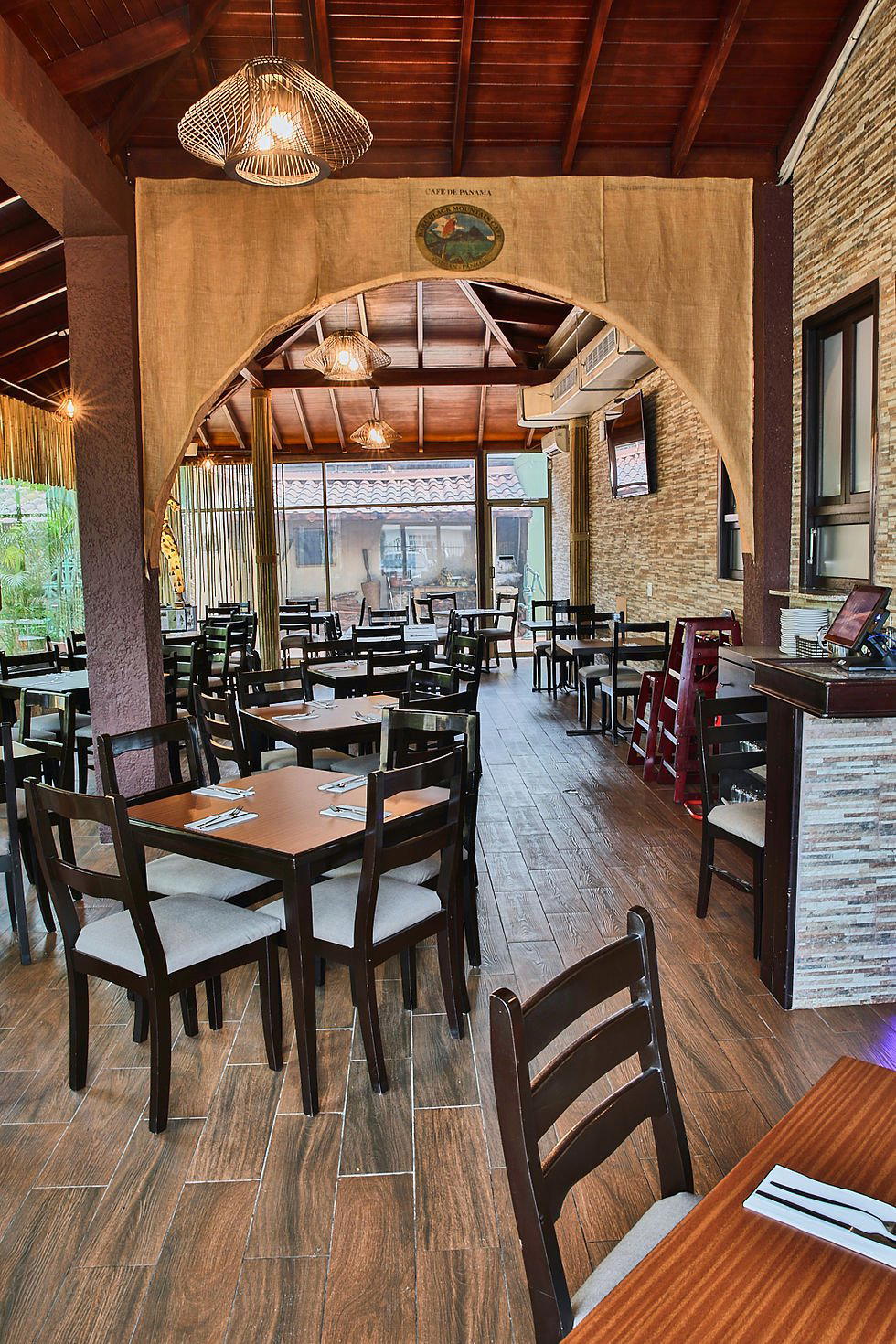

Bars in Panama City
All bars in Panama City →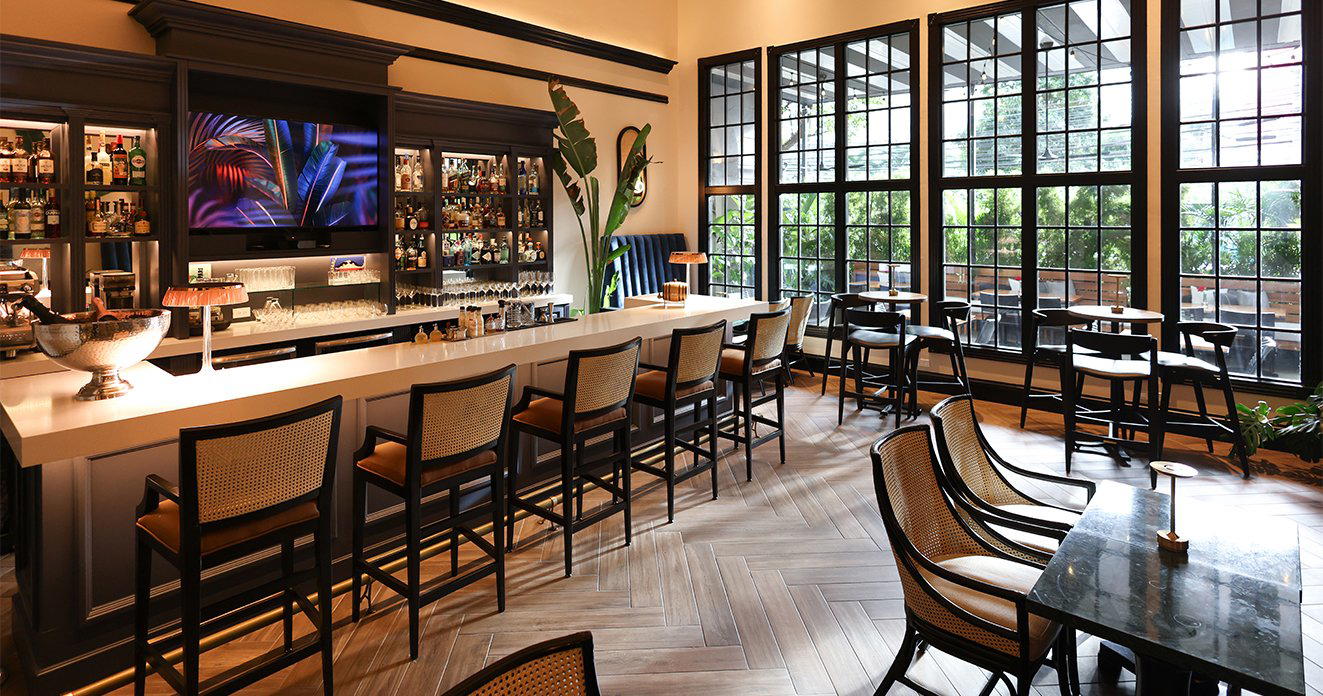
Details
- Elegant
- Well Known
- Classic
- Modern
- Special Occasion
- Celebration
- Business Dinner
- Family
- Standalone
- Craft Cocktails
- Beer Program
- Sustainable Seafood
- Local Sourcing
- A La Carte
- Cocktails
- Wine
- Beer
- Liquor
- Pescatarian Friendly
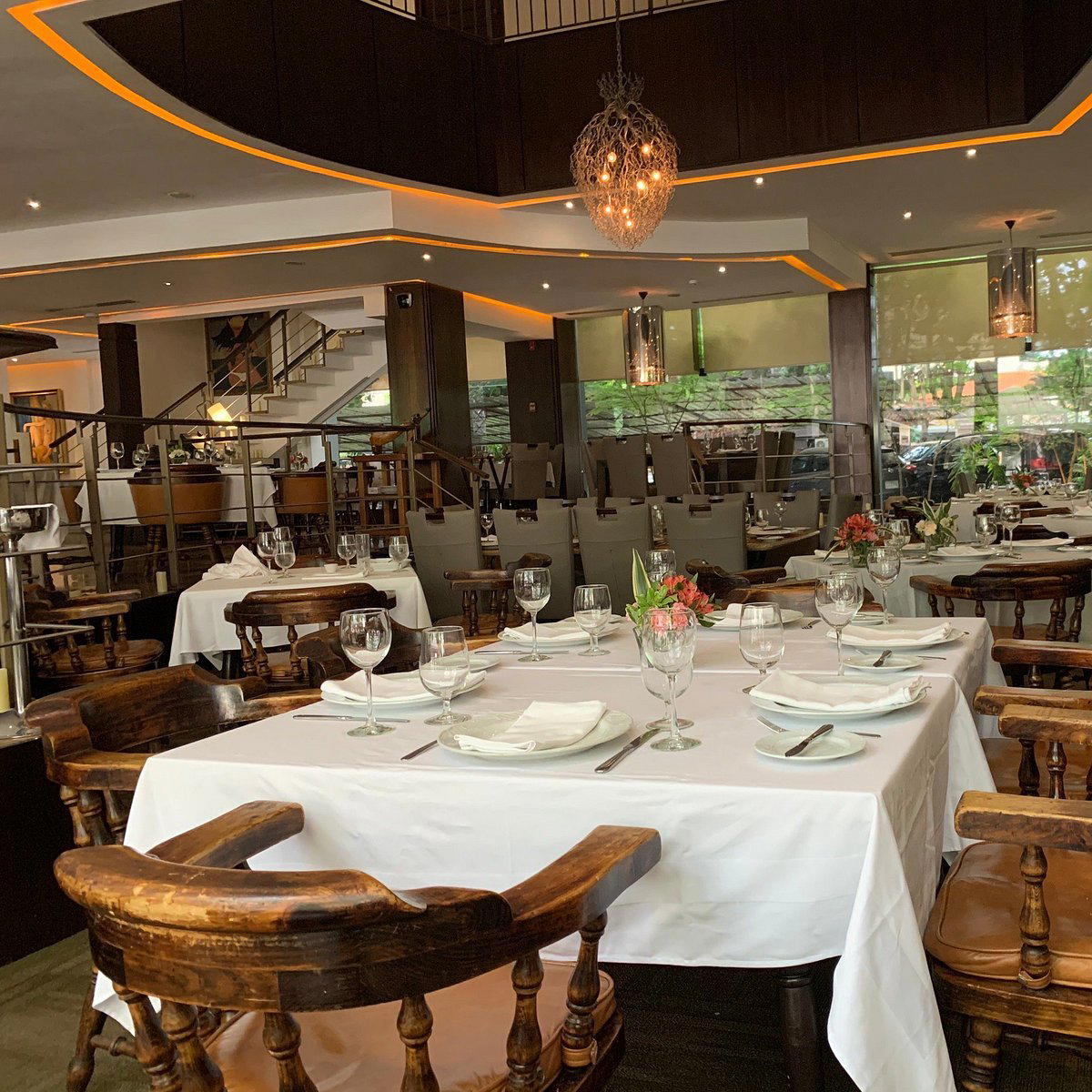
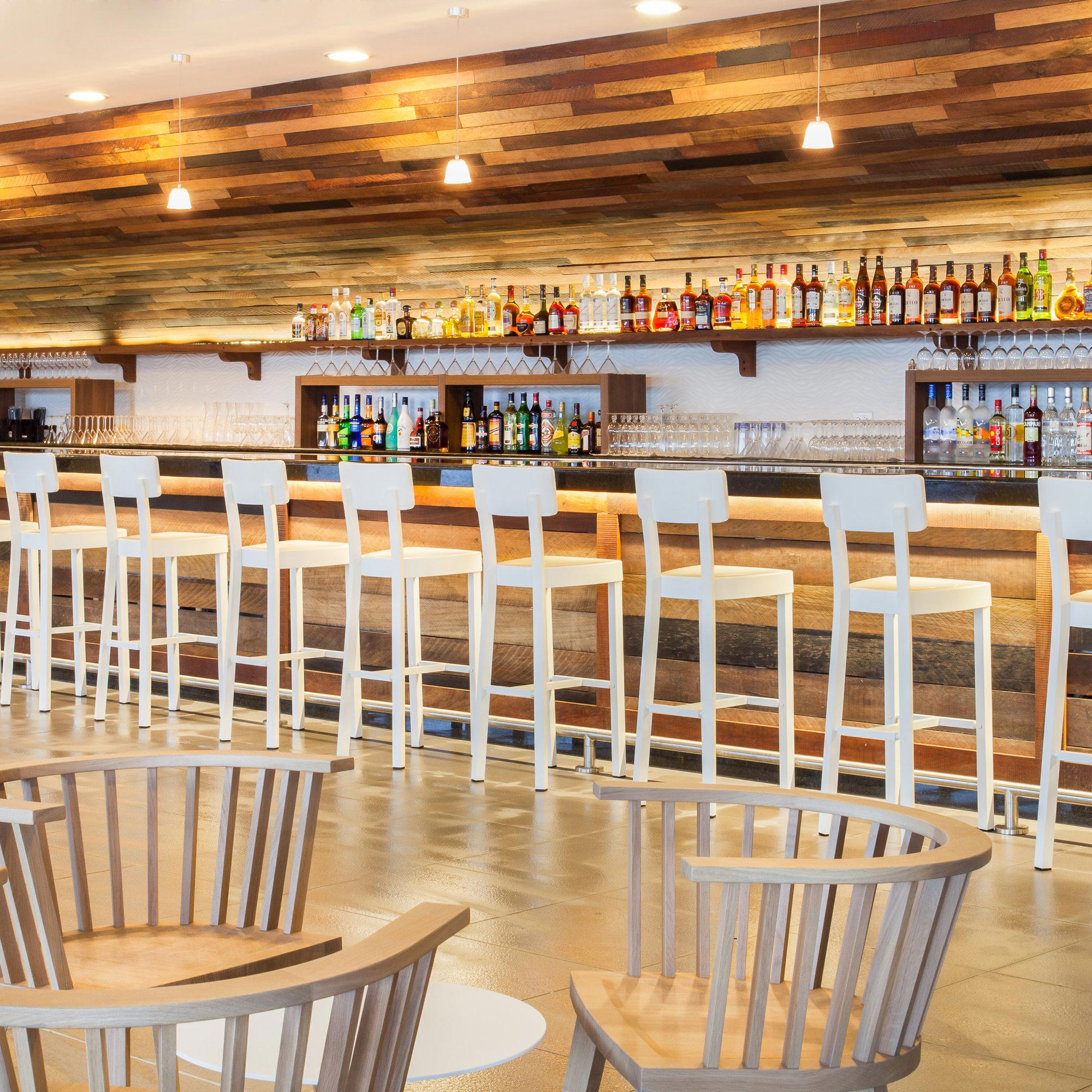
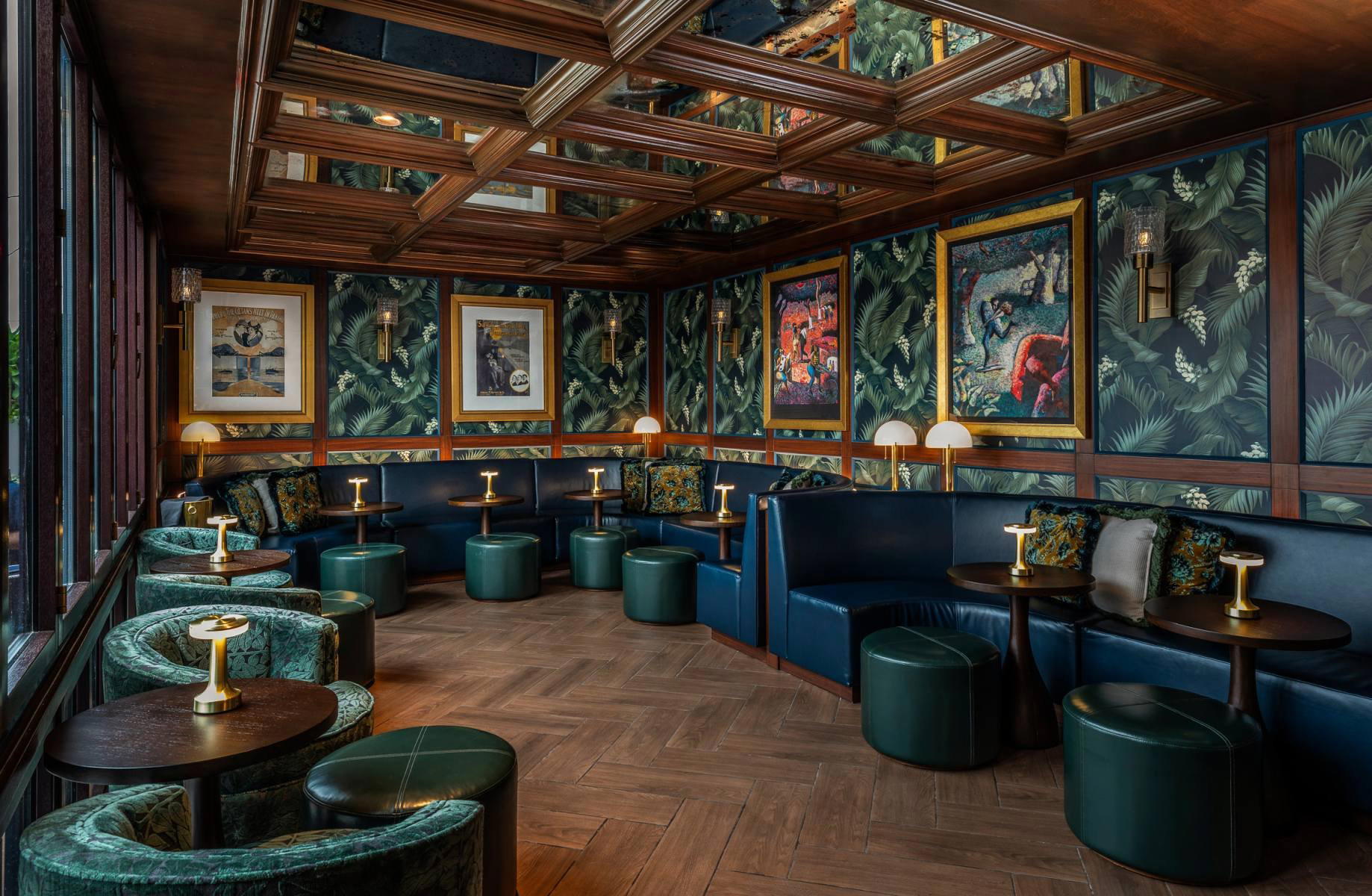
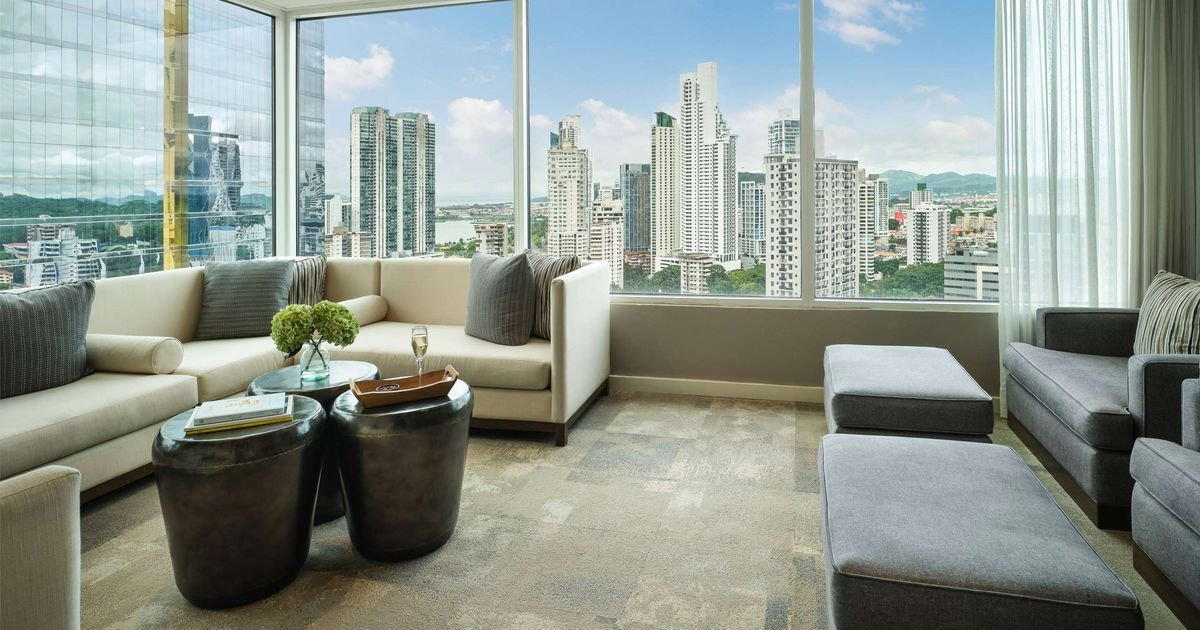
Warm, elegant and modern, with a calm, pleasant atmosphere and a prominent rectangular bar at the entrance.