Maketto


Michelin Bib Gourmand · Washingtonian 100 Very Best Restaurants #82
Our verdict
A Michelin Bib Gourmand recipient on Washington D.C.'s H Street corridor, Maketto serves borderless Asian cooking at an accessible price point, with share plates that move from Cantonese dumplings to five-spice fried chicken without apology. Chef-owner Erik Bruner-Yang runs the room as part restaurant, part retail space, and the combination works better than it has any right to on paper.

Pearl is the En Primeur Club membership app, where members save venues, book tables and use the concierge.
The menu
What to order
- Maketto Fried Chicken
- Gruyère Dumplings
- Scallion Pancakes
- Pork Shoulder Bao
Where the Storefront Ends and the Kitchen Begins
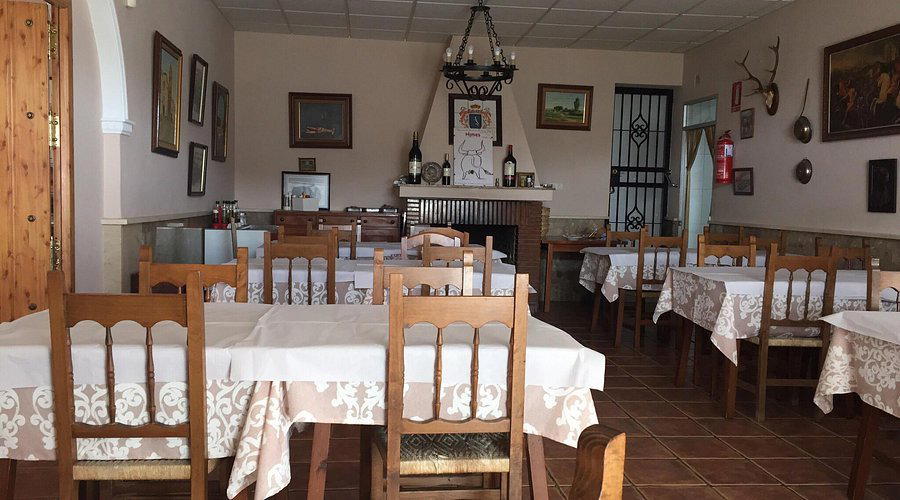
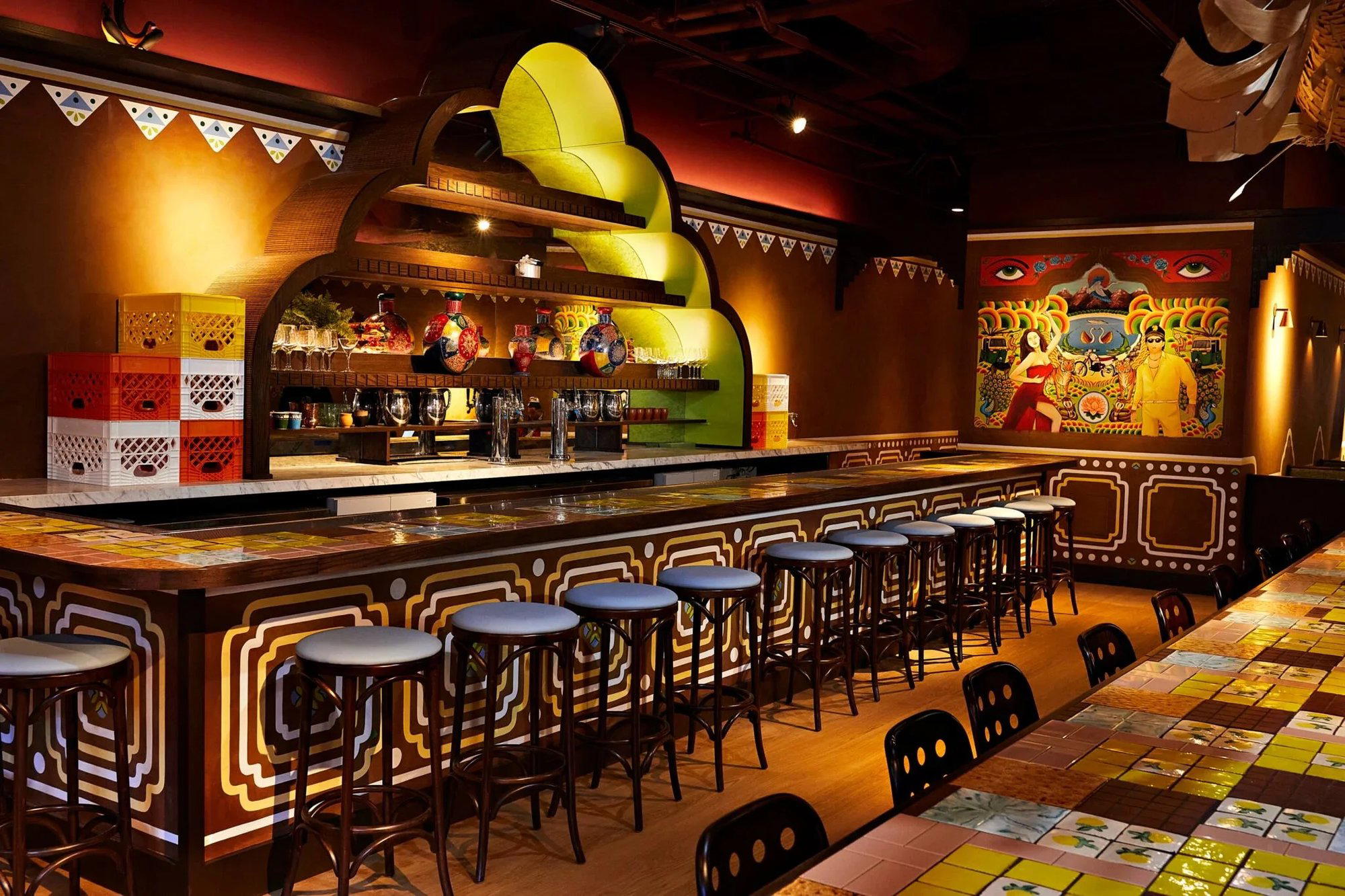
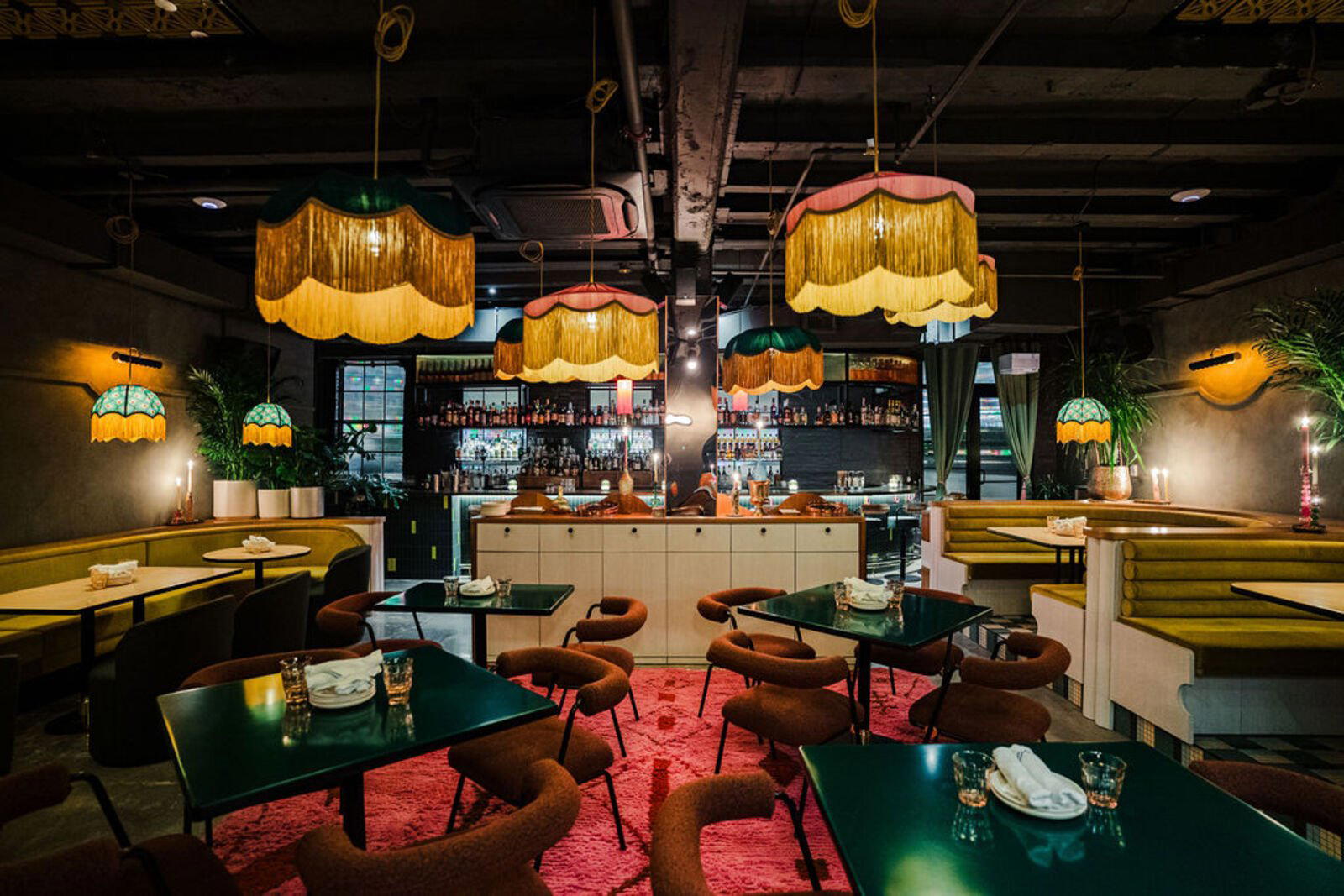
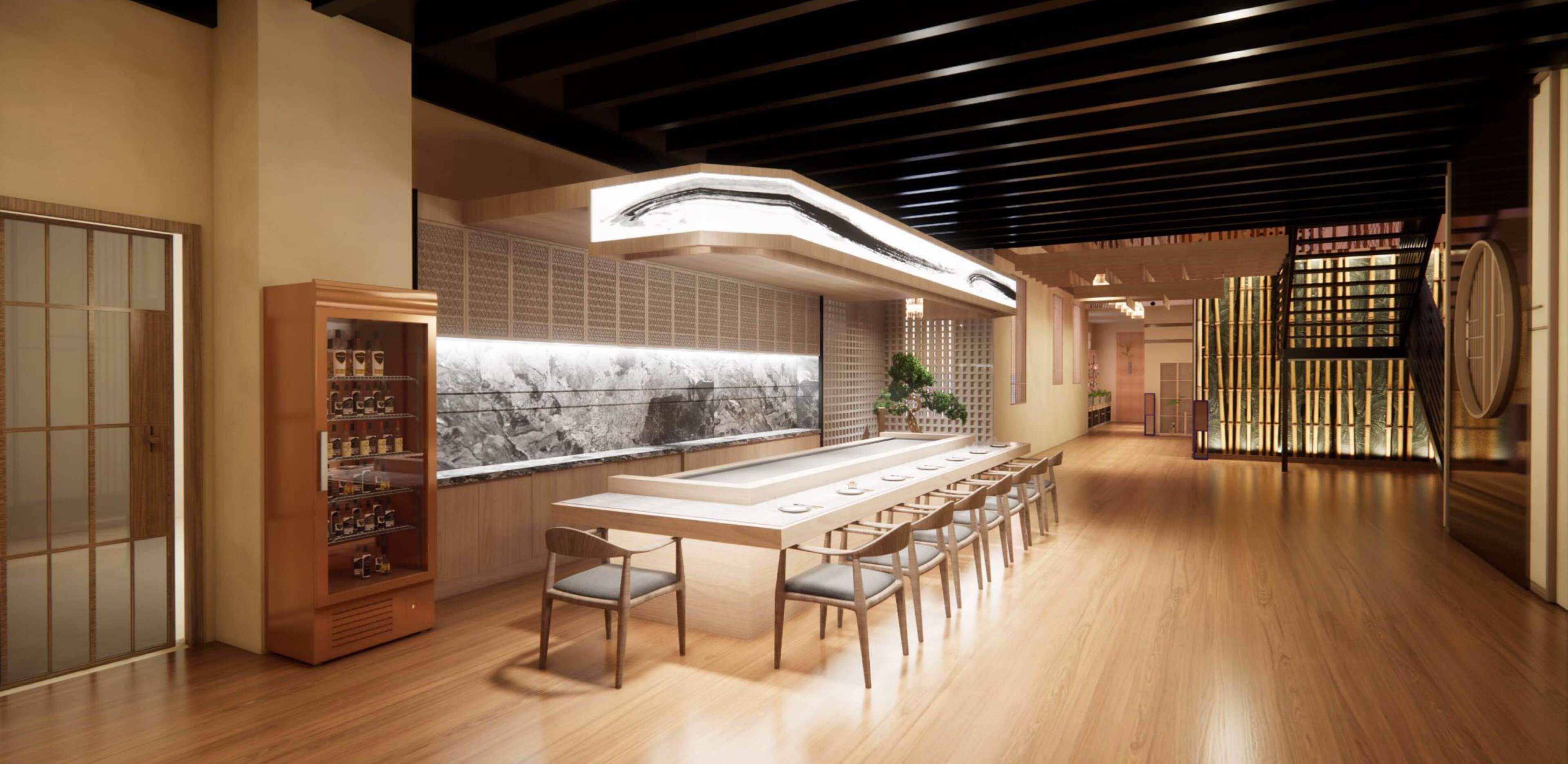
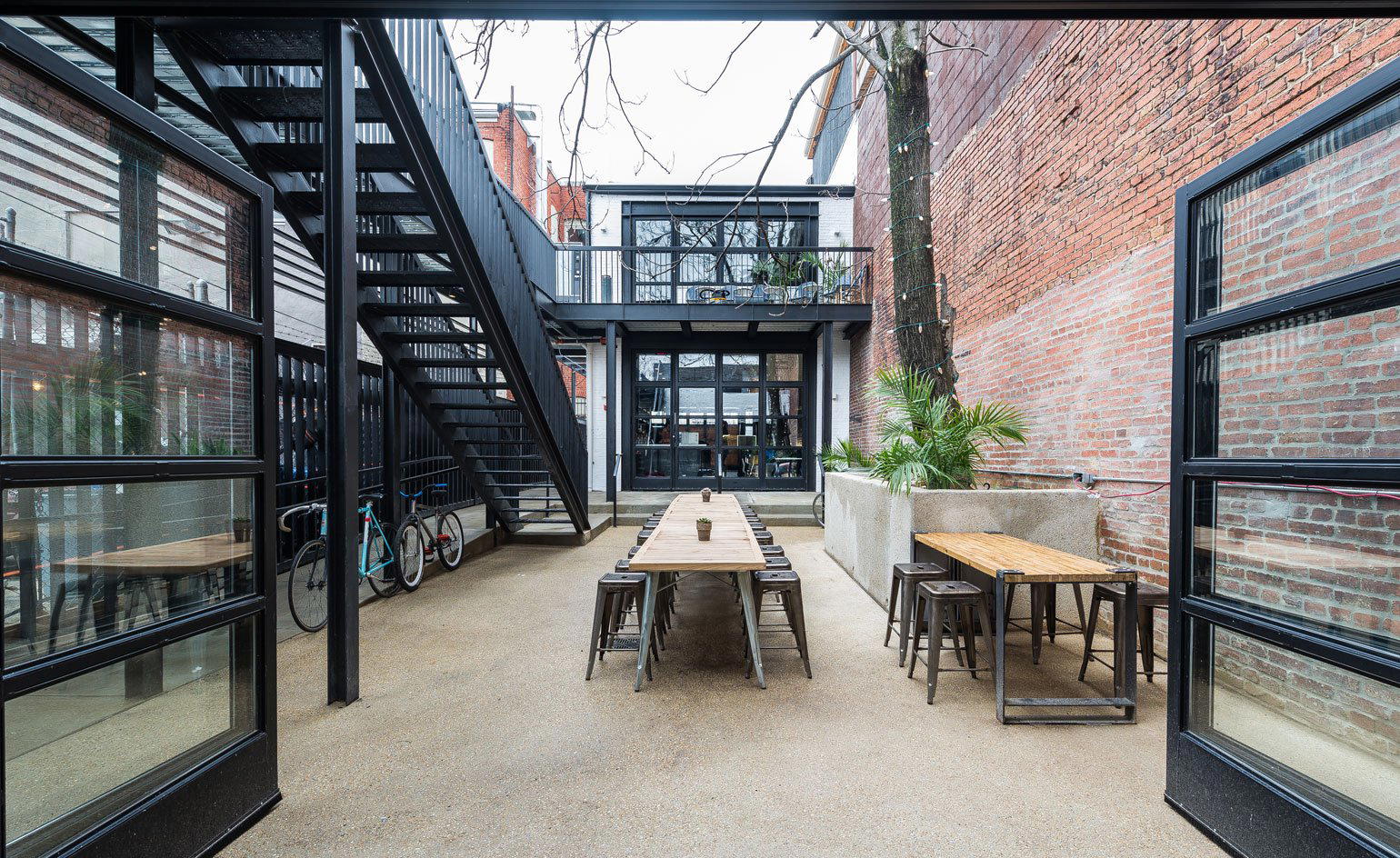
Walking into Maketto at 1351 H St NE, the first impression is merchandise: display cases stocked with clothing and accessories, the kind of curated retail that belongs in a Williamsburg side street. The restaurant reveal comes second, and that sequencing is deliberate. H Street's dining corridor has cycled through concepts at pace over the past decade, and Maketto has outlasted most of them by refusing to read as a conventional restaurant at all. The retail layer doubles as a cultural signal, locating the kitchen within a broader conversation about Asian-American identity that extends well past the plate.
That context matters for understanding what Erik Bruner-Yang is doing here. Washington D.C. has a deep infrastructure of high-ticket contemporary dining: Albi pressing Middle Eastern fire cooking into the $$$$ tier, Causa treating Peruvian technique as a premium proposition. Maketto operates at a deliberately different price point, the $$ bracket, and holds a Michelin Bib Gourmand for 2024 as its primary credential. The Bib Gourmand designation exists specifically to recognise cooking of genuine quality at accessible prices, and Maketto earns it by building a menu where ambition and affordability are not in tension.
The Value Case, Made Through the Plate
The Bib Gourmand category awards matter precisely because they are comparative: Michelin inspectors assess whether the price-to-quality ratio justifies distinction within a city's wider field. In Washington D.C. where mid-tier dining is often caught between casual fast-casual formats and aspirational prix-fixe territory, the middle ground is competitive. Maketto holds its position in that middle ground not through price alone but through the specificity of its cooking. Cantonese-style shrimp dumplings dressed with Cambodian fish sauce and finished with dill represent a kitchen drawing on distinct culinary traditions simultaneously, without flattening any of them into a generic pan-Asian register.
The menu is built around sharing, which at this price point is both a practical and editorial choice. Sharing formats distribute risk across the table: a dish that doesn't land costs a fraction of a misfired tasting course. But at Maketto the format is also an argument about how Asian food traditions are transmitted. The communal table logic runs through Cantonese dim sum, Cambodian family meals, Southeast Asian street eating. By defaulting to that structure, the kitchen operates closer to its source traditions than a plated fine-dining adaptation would allow.
Dishes cited in Michelin's recognition sketch the range: Thai-inflected pork laab reworked with bone marrow; fried chicken glazed in five-spice caramel. These are not fusion gestures in the diluted sense, where influences cancel each other out. They are the product of a kitchen that treats Asian culinary geography as a connected set of techniques and flavour logics rather than a series of isolated national cuisines. That approach is increasingly visible in cities like Bar Chinois and in internationally comparable formats: the taku restaurant in Cologne and Jun's in Dubai work from comparable premises, merging precision technique with pan-Asian reference in a way that has become a recognisable contemporary category.
H Street as Context
H Street NE has been Washington D.C.'s most discussed restaurant corridor for the better part of fifteen years, and its story is one of continuous revision. Restaurants open, build a following, then either consolidate or disappear as rent and competition rebalance. Maketto has been a consistent presence through several cycles of that churn, which is itself a form of evidence. Longevity on H Street requires either novelty that keeps refreshing, or cooking that is genuinely good enough to generate repeat visits. The Michelin recognition, applied in 2024, suggests the latter.
The neighbourhood dynamic is relevant to the value argument. H Street sits northeast of Capitol Hill, outside the downtown dining concentration and the Georgetown tourist circuit. Diners who come here are making a deliberate trip rather than defaulting to proximity. That self-selecting audience tends to be local and repeat rather than tourist-driven, which typically pushes kitchens toward consistency over spectacle. Maketto's menu evolves across visits, but its quality reference point appears stable enough to have held Michelin attention in a competitive cycle.
For travellers building a D.C. itinerary, H Street offers a different pitch from the conventional circuit. While restaurants like Astoria DC and Chaplin's operate in other registers, Maketto fills a specific slot: Asian cooking with genuine ambition at a price that does not require recalibrating the evening's budget. Within the D.C. field, that slot sits clearly below the investment required for Albi or Causa, and in different territory from comparable high-capital commitments elsewhere, including Le Bernardin in New York City, Lazy Bear in San Francisco, or Alinea in Chicago. Maketto is not competing in that tier, and it does not need to. The Bib Gourmand is the appropriate benchmark, and within it the restaurant earns its place.
The Retail Layer and What It Signals
The clothing and merchandise component is not incidental. Hybrid retail-restaurant formats have appeared across multiple cities as operators seek revenue diversification and cultural positioning beyond the dining room. At Maketto, the retail component does something more specific: it situates the restaurant within a Southeast Asian-American commercial tradition where the boundary between food business and general commerce is often fluid. The display cases read differently once you understand that framing. They are not a distraction from the restaurant; they are part of its argument.
At $$ pricing with Michelin recognition and a substantial review base, the customer profile at Maketto skews broad: the restaurant works for a first visit and holds up across returns.
Know Before You Go
- Address: 1351 H St NE, Washington, DC 20002
- Cuisine: Asian, share-plate format
- Price range: $$ (Michelin Bib Gourmand 2024)
- Hours: Confirm current hours directly with the restaurant before visiting
- Getting there: H Street NE corridor, northeast of Capitol Hill; street parking and rideshare are the practical options
How It Fits the Wider D.C. Picture
Washington D.C. carries significant depth across price tiers and cuisine categories. EP Club covers the full field: see our Washington D.C. restaurants guide for the broader picture, alongside our guides to D.C. hotels, D.C. bars, D.C. wineries, and D.C. experiences. For reference points at higher price tiers elsewhere, Emeril's in New Orleans, The French Laundry in Napa, and Single Thread Farm in Healdsburg illustrate where $$$$ investment points in the American dining field. Maketto makes its case at the opposite end of that spectrum: Michelin-recognised, consistently rated, and priced to make the trip easy to justify.
What's the Signature Dish at Maketto?
Maketto does not operate around a fixed signature in the conventional sense. The Michelin Bib Gourmand recognition for 2024 references a rotating roster that includes Cantonese-style shrimp dumplings finished with Cambodian fish sauce and dill, a Thai-spiced pork laab with bone marrow, and fried chicken glazed in five-spice caramel. The kitchen overseen by Erik Bruner-Yang treats the menu as a live document, so the leading approach is to order broadly across whatever is current rather than anchoring to one dish. The sharing format makes that strategy both practical and how the room is designed to be used.
Frequently asked questions
Is Maketto award-winning?
Maketto has received recognition including: Credit to chef-owner Erik Bruner-Yang and his team for keeping it fresh, as it were. On ever-changing H Street, this long-favored restaurant at first looks like a clothing store with its glittering display cases lined with chic merch. More ….
How do I find Maketto?
Maketto is located at 1351 H St NE, Washington, DC 20002, Washington, D.C.
What's the signature dish at Maketto?
Maketto doesn't anchor its identity to a single fixed dish. The 2024 Michelin Bib Gourmand recognition points to a rotating roster that has included Cantonese-style shrimp dumplings dressed in Cambodian fish sauce and garnished with dill, and crispy fried chicken finished with five-spice caramel. The menu draws from across Asia without geographic hierarchy, so the composition shifts, but the shareable format and cross-cultural layering remain consistent.
What should I expect cuisine-wise at Maketto?
Booking and Cost Snapshot
A quick peer list to put this venue’s basics in context.
| Venue | Cuisine | Price | Awards | Notes |
|---|---|---|---|---|
| MakettoThis venue (the venue you are viewing) | Cambodian-Taiwanese Fusion | $50–100 | Michelin Bib Gourmand · Washingtonian 100 Very Best Restaurants #82 | Not listed |
| Albi | Modern Levantine Fine Dining | $300–500 | 1 Michelin Star · World's 50 Best #6 | United States, Middle Eastern |
| Causa | Modern Peruvian Fine Dining | $150–200 | 1 Michelin Star · James Beard Award Best Chef: Mid-Atlantic | Peruvian |
| Oyster Oyster | Modern Vegetable-Focused Tasting Menu | Not listed | 1 Michelin Star · James Beard Award Outstanding Chef #1 | New American, Vegetarian, Vegetarian (Sustainable) |
| Bresca | Modern French Bistronomy | $150–200 | 1 Michelin Star · James Beard Award Semi Finalist | Modern French, Contemporary |
| Gravitas | Modern American Fine Dining | $150–200 | 1 Michelin Star | New American, Contemporary |
Recognition history
Dated appearances from independent guides and award organizations, with the underlying list record or original source where available.
Michelin Bib Gourmand
Michelin
Washingtonian 100 Very Best Restaurants #82
Washingtonian
Full recognition history (3 entries)
Michelin Bib Gourmand
Michelin