Bacoa Burger Kiosko sits on Avinguda del Marquès de l'Argentera in Barcelona's Ciutat Vella, operating as a hamburguesería within one of the city's most visited pedestrian corridors. The format positions it squarely in Barcelona's casual, counter-service burger segment, a category that has grown considerably alongside the city's broader appetite for quality fast-casual eating.
Pearl is the En Primeur Club membership app — saves, bookings, and concierge access live there. Same editors, same standards.
- Address
- Ronda de la Univ., 31, Eixample, 08007 Barcelona, Spain
- Phone
- +34 933 10 73 13
- Website
- bacoaburger.com
- Directions
- Get directions
 Saves & bookings on Pearl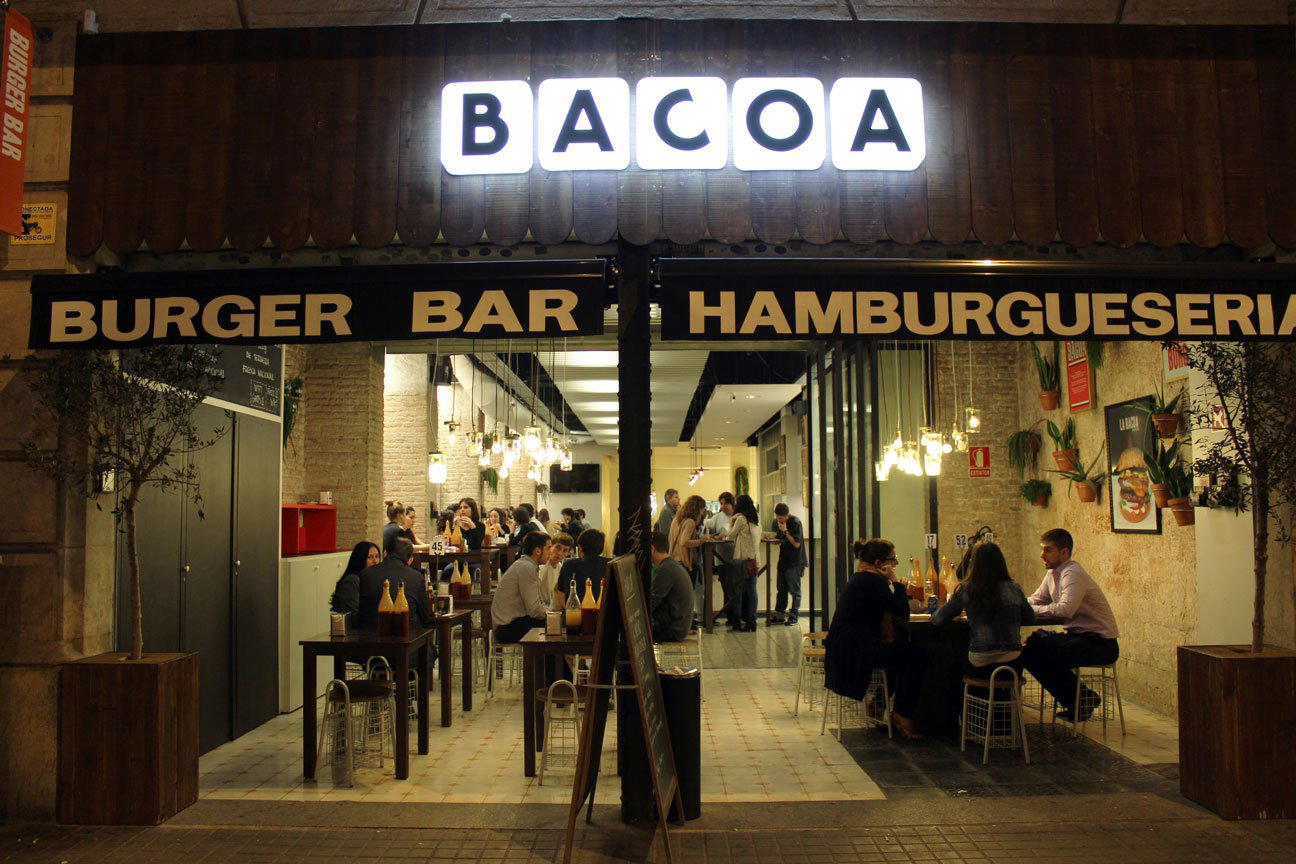
A Corner of Ciutat Vella Where Casual Eating Gets Taken Seriously
The approach along Avinguda del Marquès de l'Argentera tells you something about how Barcelona organises its eating. Broad, sun-exposed, and connecting the Barceloneta waterfront to the Estació de França, the avenue moves between tourist flow and working neighbourhood rhythm depending on the hour. Kiosko-format food operations along this kind of corridor have historically occupied a lower rung of the culinary pecking order, associated more with convenience than craft. Bacoa Burger Kiosko sits at Ronda de la Univ. 31, Eixample, 08007 Barcelona, Spain, and asks a different question of the format: whether a compact, counter-facing hamburguesería can carry some of the sourcing seriousness that Barcelona's broader dining culture has spent two decades building.
That question matters more now than it did a decade ago. Barcelona's fine-dining tier, represented by places like Disfrutar, Cocina Hermanos Torres, and Enigma, has spent years refining what responsible ingredient use looks like at the highest price point. The trickle-down effect on casual dining has been real. Across Spain, conversations about ethical sourcing and shorter supply chains have moved from tasting-menu kitchens into the burger segment, street food, and neighbourhood tapas bars. The hamburguesería format, once largely indifferent to provenance, has become a testing ground for those principles at accessible price levels.
The Sustainability Argument in Counter-Service Eating
Spain's food-conscious casual segment has developed a recognisable set of commitments over the past several years: local breed beef where possible, waste-reducing preparations, packaging choices that favour reduced single-use plastic, and sourcing relationships with producers who can be named rather than anonymised. These signals have become a kind of credentialing system within the better-quality burger category, distinguishing operations that treat the format as a craft from those treating it as pure throughput.
The kiosko format itself carries an interesting ecological logic. Smaller menus mean tighter ingredient rotation, which reduces spoilage in a way that large, sprawling menus structurally cannot. A hamburguesería that commits to a concise offering and high-turnover proteins is, in practice, operating with a lower waste profile than many restaurants with longer, more ambitious menus. That structural advantage is underused as a marketing or editorial point in the segment, but it is a genuine operational reality. For the eco-conscious traveller moving through Ciutat Vella, the format warrants more credit than it typically receives.
Barcelona has developed particular sensitivity around seafood sustainability, partly because the city's relationship with the Mediterranean is documented and visible. At the Michelin-starred end, operations like Aponiente in El Puerto de Santa María have built entire identities around marine resource ethics. That influence has not left the city's casual sector untouched. Beef sourcing conversations at burger operations increasingly echo the traceability questions being asked at the summit end of Spanish dining, from El Celler de Can Roca in Girona to Azurmendi in Larrabetzu, where producer relationships are treated as part of the editorial identity of the kitchen.
Where Bacoa Sits in Barcelona's Burger Category
Barcelona's burger market has stratified over the past decade. At the leading end are chef-driven burger concepts with plated ambitions and full table service. Below that, a mid-tier of quality-focused counter operations has grown, characterised by named beef sources, house-made sauces, and brioche or potato buns sourced from local bakeries. The kiosko format occupies a distinct position within that tier: high throughput, compact footprint, and pricing that reflects the stripped-back service model rather than the ingredient quality, which can be comparable to more elaborate operations.
Bacoa as a broader operation in Barcelona has been associated with the quality-conscious segment of that mid-tier, with sourcing conversations forming part of the brand's positioning. The Marquès de l'Argentera kiosko applies that framework to a location that serves both locals moving through the corridor and visitors arriving from the waterfront. The address places it near the Parc de la Ciutadella end of the avenue, within walking distance of El Born's denser concentration of eating and drinking options.
For context on how Barcelona's eating culture operates across price tiers, the city's full restaurant range runs from the kiosko and tapas end through to the tasting-menu operations that draw international attention: Lasarte, ABaC, and the creative progressive work happening at Disfrutar. Bacoa's kiosko occupies the opposite end of that spectrum by price and format, but not necessarily by the seriousness it brings to ingredient decisions.
Planning Your Visit
The Ronda de la Univ. 31 address puts Bacoa Burger Kiosko within easy reach of central Barcelona transit links. The kiosko format means no reservation is needed and no dress code applies. Expect counter-service logistics: order at the point, collect when called, eat at available outdoor or standing space depending on what the footprint offers at any given time. Peak hours align with Barcelona's lunch window, roughly 13:30 to 15:30, and early evening. This is a cash-and-card casual operation, not a booking-required destination.
Spain's casual eating culture remains one of the country's underappreciated strengths. The same country that produced the tasting-menu ambition of DiverXO in Madrid, the Basque precision of Arzak in San Sebastián, and the Mediterranean focus of Ricard Camarena in València also sustains a dense ecosystem of well-sourced, unpretentious eating at street level. The hamburguesería kiosko is part of that ecosystem. Quique Dacosta in Dénia and Atrio in Cáceres represent one axis of Spanish gastronomy; Bacoa's kiosko on a sun-lit Barcelona avenue represents another, no less Spanish for being more accessible. Both axes are worth understanding if you want to read the country's food culture accurately. See also: the community-driven tasting format at Lazy Bear in San Francisco and the seafood rigour of Le Bernardin in New York City for international parallels in format-with-purpose dining.
Cuisine and Awards Snapshot
Comparable venues nearby, for context on price, style, and recognition.
| Venue | Cuisine | Price | Notes |
|---|---|---|---|
| Bacoa Burger Kiosko | Hamburguesería en BarcelonaThis venue — the venue you are viewing | Gourmet Spanish-Inspired Burgers | $$ | Not listed |
| Brunch & Cake | American Brunch & Cafe | $$ | l'Antiga Esquerra de l'Eixample |
| The Benedict Bcn | American Brunch with Spanish Twists | $$ | Barri Gotic |
| Cafè del Centre | Traditional Catalan Tapas | $$ | la Dreta de l'Eixample |
| Thala | Authentic Peruvian | $$ | Sant Antoni |
| Ca l'Agut | Traditional Catalan | $$ | Barri Gotic |
Continue exploring
More in Barcelona
Restaurants in Barcelona
Browse all →
Bars in Barcelona
Browse all →
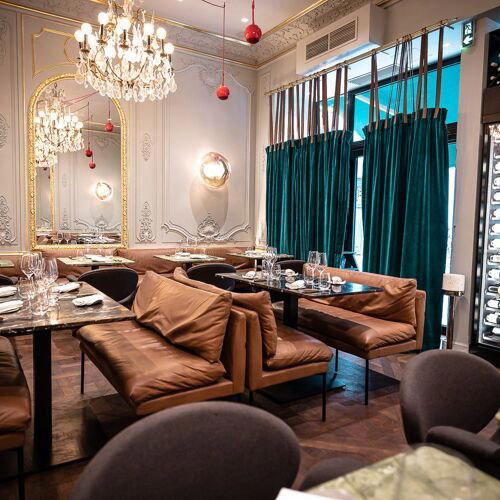
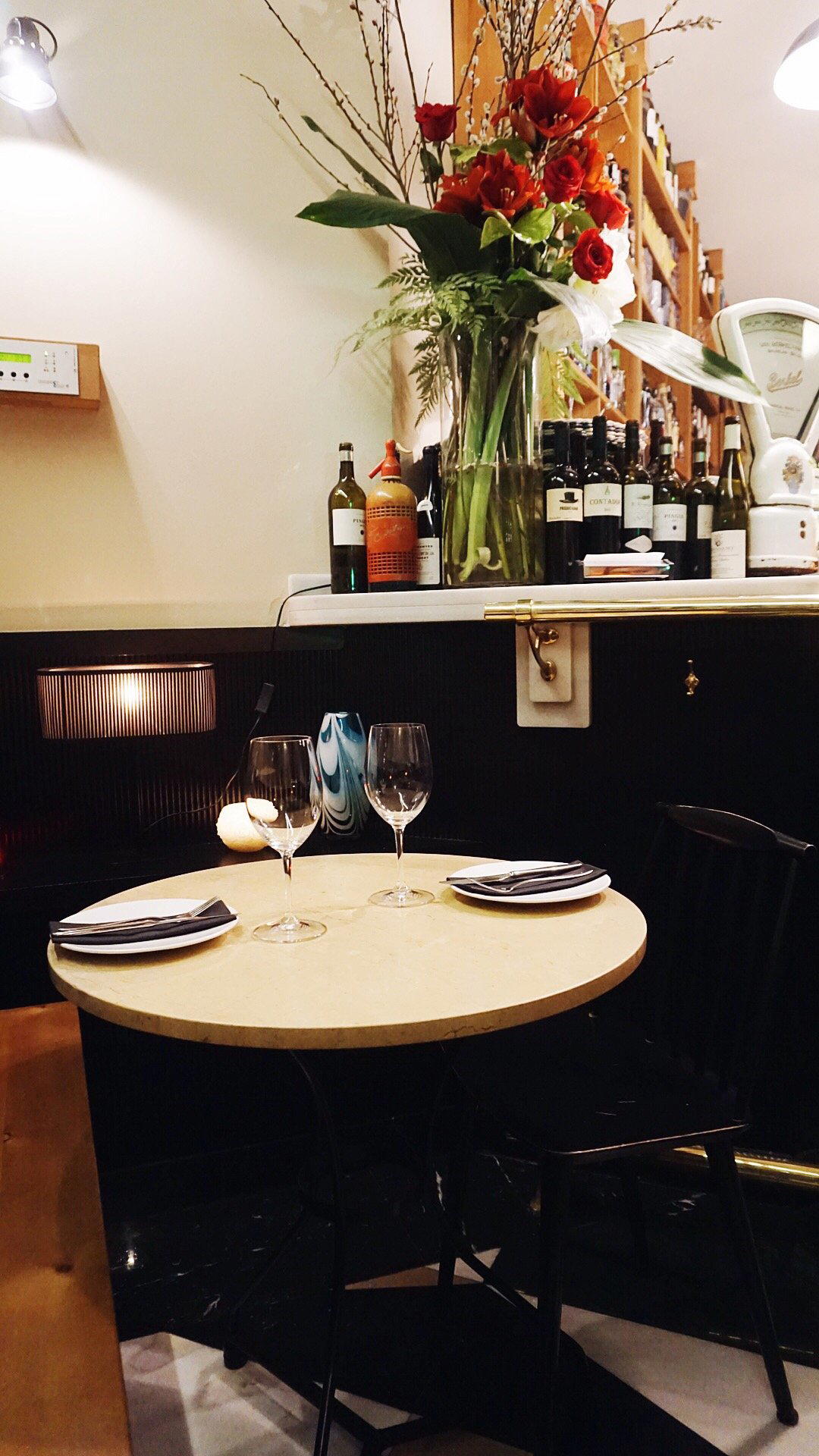
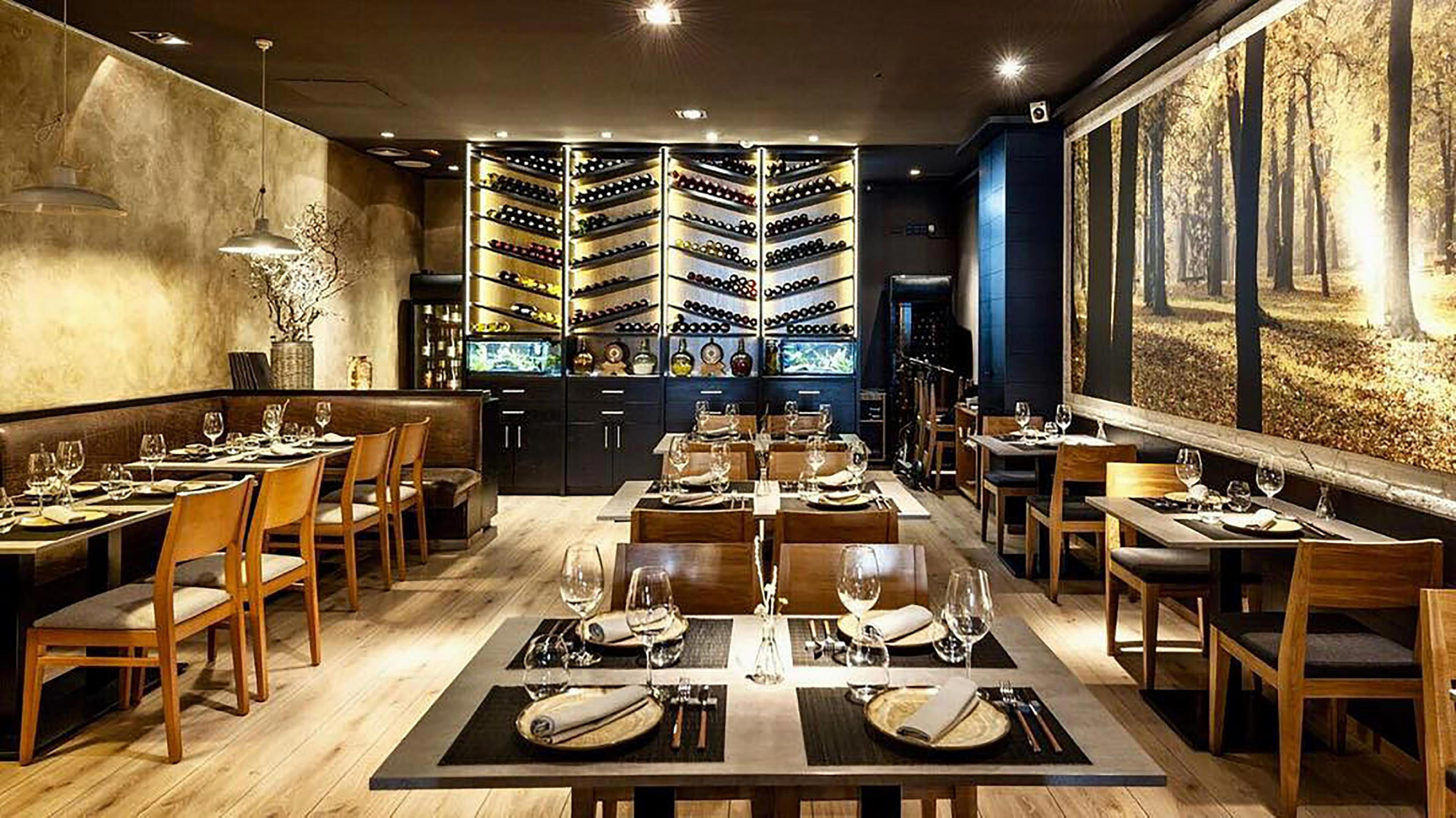
Hotels in Barcelona
Browse all →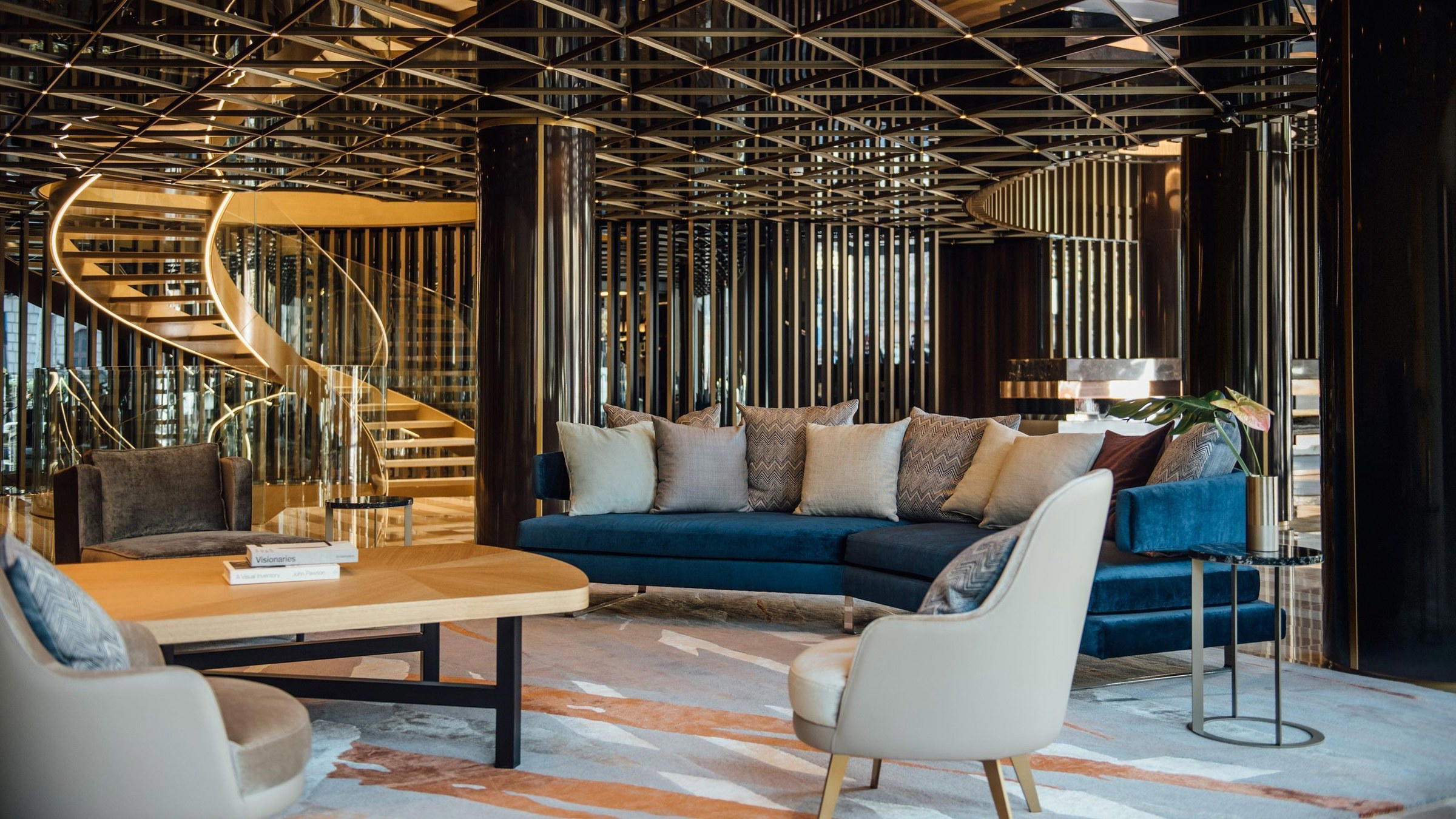
At a Glance
- Trendy
- Lively
- Modern
- Casual Hangout
- Late Night
- Open Kitchen
- Beer Program
- Local Sourcing
- Street Scene
Bright and welcoming interior with a casual, fast-paced burger joint atmosphere.