
Tabelog 100 #41
Our verdict
Amagasaki’s Thai and curry scene rarely draws the same attention as Osaka’s central dining districts, which is precisely why majide hamal matters: it shows how serious regional Asian cooking can thrive in a small neighbourhood format. Tabelog selected it for its Asian cuisine and ethnic cuisine WEST 100 list in 2022, 2023, and 2024, placing it among western Japan’s more closely watched casual specialists.

Pearl is the En Primeur Club membership app, where members save venues, book tables and use the concierge.
The menu
What to order
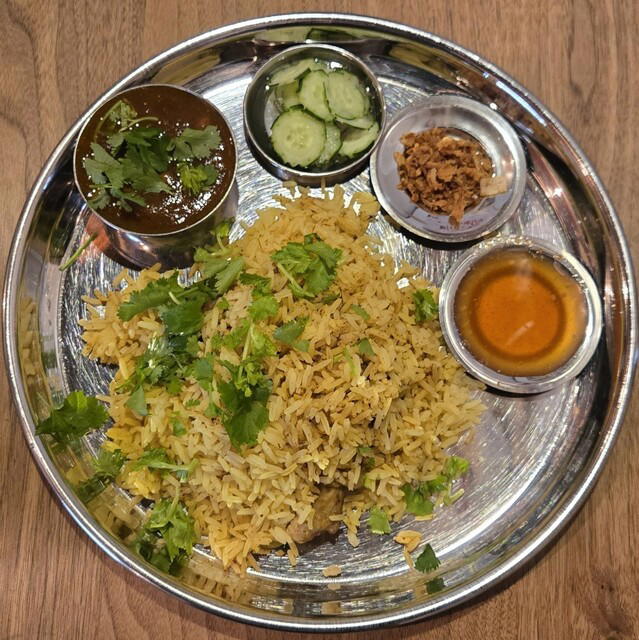
- Kao Mok Gai (Thai-style biryani)
- Thai curry with vegetables/beans
- Cucumber ajad (pickled cucumber)
- House sweet chili sauce
- Thai iced spice tea
- Coconut pudding
In Amagasaki, the dining rhythm can shift quickly: fewer destination-dining signals, more neighbourhood scale, with casual restaurants doing work that central-city dining often frames more formally. Here, Thai food and curry read less as imported novelty than everyday craft. The appeal is the promise of spice balance, clear flavour, and a kitchen making regional Asian cooking feel specific, not generic.
Amagasaki sits between Osaka and Kobe, but its restaurant culture has its own logic: practical, local, and price-sensitive. That makes recognition for a Thai and curry restaurant more telling. majide hamal received Tabelog Hyakumeiten recognition in 2024, a useful signal because the attention is attached to a focused casual format rather than a prestige template. For travellers using our full Amagasaki restaurants guide, it belongs to the small group of casual rooms worth considering for a suburban stop, not treating Amagasaki only as transit.
Thai cooking and curry in a neighbourhood that rewards precision
Japan’s Thai restaurants often split between accessible everyday plates and specialist kitchens attentive to aromatics, heat, rice, and curry structure. majide hamal is listed in the Thai and curry categories, a productive overlap: Thai layered aromatics and acidity meeting Japan’s comfort with curry as a daily meal. That overlap turns careless when reduced to sweetness and heat; here, Hyakumeiten recognition shows a restaurant noticed beyond simple local convenience.
The cooking question is central. Thai food depends on freshness and sequencing more than heaviness: herbs, chillies, citrus, fish sauce, coconut, toasted spices, and rice need to remain legible. Curry in Japan brings deeper body and a satisfying plate arc. A serious Thai-curry specialist has to make those logics meet without flattening either. That is the editorial reason to pay attention: handling is not decorative, but the difference between routine ethnic-food lunch and a meal with shape.
Amagasaki’s casual dining range sharpens the context. Ramen Senmon Nagomi Mukonosou ten operates in one local lane, Tenteko Mukonosou ten moves through another evening register, and Gyoraku Karakara sits in a different local dining tier. Against that spread, majide hamal reads as a specialist, not a general-purpose stop. The value is not a grand room or broad concept; it is a focused format concentrated around a cuisine where freshness, spice calibration, and rice matter.
A focused format, not a city-centre performance
The format is part of the argument. A focused casual restaurant changes the scale of Thai and curry dining: fewer signs of spectacle, more pressure on pacing and consistency. Japanese diners know close-range formats from sushi counters, ramen shops, and izakaya bars, but applying that sense of immediacy to Thai and curry gives the experience a different charge. The cooking can feel direct without needing to mimic fine dining.
That focus explains its appeal. Solo meals can make sense in this kind of setting; small groups can use it for a neighbourhood dinner; regulars may treat it as a practical local address rather than an occasion restaurant. The regular experience is more intimate in spirit than banquet-like, and that modest framing matters because aromatics and curry structure are easier to read when the meal stays close to the cooking.
The Amagasaki location anchors the experience in daily Kansai life rather than inbound-tourism choreography. Visitors building an Amagasaki day can pair it with other local dining in different registers, from ramen-led meals to noodle craft and casual neighbourhood tables. The comparison shows how the city’s stronger meals often come from tightly defined formats rather than broad, all-purpose restaurants.
How to place it in a wider Japan itinerary
For travellers, majide hamal is not replacing Kyoto, Osaka, or Tokyo’s grand dining rituals. Its relevance is narrower: it shows how a suburban Kansai restaurant can be visible through Thai and curry while staying tied to a low-key Amagasaki setting. That combination is common in Japan’s dining culture and easy to miss if an itinerary only follows hotel districts and tasting-menu counters.
The recognition gains weight because the category moves quickly, especially around curry, spice cooking, and Southeast Asian flavours. A restaurant earning attention here has to serve regulars, not only award-list curiosity. The Tabelog score of 3.60 sits in a Japanese review ecosystem where incremental differences can be meaningful, especially outside metropolitan trophy dining. Read with the 2024 recognition, it supports a meal built around consistency rather than novelty.
There is also a planning lesson: regional Asian restaurants can be as revealing as sushi counters or kappo rooms when they show how imported techniques enter local eating patterns. For category comparison, other specialist rooms in Japan and abroad raise related questions about adaptation, specialization, and local demand. The useful comparison is not cuisine-to-cuisine, but how small specialist formats travel, settle, and become everyday eating.
Within a Japan route, keep the decision simple. This is a focused stop for Thai and curry in Amagasaki, backed by 2024 Hyakumeiten recognition. It will appeal more to travellers interested in neighbourhood food culture than ceremony. For adjacent planning, our full Amagasaki hotels guide, full Amagasaki bars guide, full Amagasaki wineries guide, and full Amagasaki experiences guide are context, not evidence that the city needs a luxury apparatus. The stronger argument is smaller: Amagasaki rewards diners who look closely at specialist restaurants in everyday settings.
For broader editorial comparison across Japan and beyond, EP Club’s restaurant archive covers different dining formats, from formal meat-focused tables to casual cafes, bars, and regional restaurants. Those references are not peers in cuisine or price; they remind us Japan’s dining map is built from highly specific formats, and majide hamal’s strength lies in being specific enough to matter.
Frequently asked questions
Can I bring kids to majide hamal?
majide hamal is in Amagasaki. For suitability with children or mixed groups, check the venue's official channels for the latest details.
What's the vibe at majide hamal?
It is a focused Amagasaki restaurant rather than a theatrical destination room. The Thai and curry focus, plus Tabelog Hyakumeiten recognition in 2024, points to a place valued for consistency over spectacle.
Is majide hamal more mid-range or high-end?
Pricing at majide hamal is listed as Dinner: JPY 2,000 - JPY 2,999; Lunch: JPY 1,000 - JPY 1,999.
What is majide hamal known for?
majide hamal is known for Thai and curry in Amagasaki, with Tabelog Hyakumeiten recognition in 2024.
In Context: Similar Options
Comparable venues by cuisine and price in the same metro.
| Venue | Cuisine | Price | Awards | Notes |
|---|---|---|---|---|
| majide hamalThis venue (the venue you are viewing) | Thai-style biryani & curry house | $20–30 | Tabelog 100 #41 | Not listed |
| Miraku En | Yakiniku (Japanese BBQ) | Not listed | Tabelog 100 #52 | / Amagasaki Station area |
| Shin Chan | Chinese | Not listed | Tabelog 100 #29 | Amagasaki |
| Teuchi Udon Yoshino | Traditional handmade udon and katsu-don shop | $10–20 | Tabelog 100 #1 | Amagasaki |
| Taniguchi | Yakitori | $500+ | Tabelog Bronze #453 | Mukonoso |
| Tenteko Mukonosou ten | Okonomiyaki | Not listed | Tabelog 100 #13 | Mukonoso |
Recognition history
Dated appearances from independent guides and award organizations, with the underlying list record or original source where available.
Tabelog 100 #41 · No. 41
Tabelog · Tabelog 100 - Asian cuisine / Ethnic cuisine - WEST - 2024
Continue exploring
More in Amagasaki
Restaurants in Amagasaki
All restaurants in Amagasaki →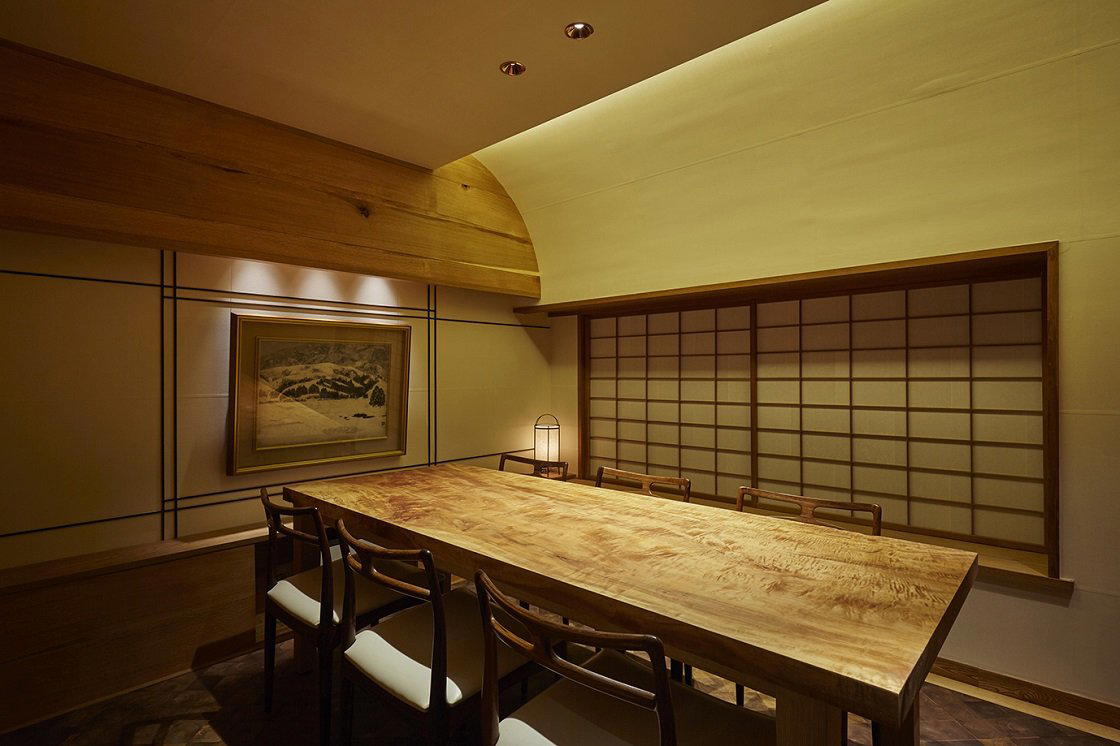

Bars in Amagasaki
Browse all →
Hotels in Amagasaki
Browse all →


Wineries in Amagasaki
Browse all →
Details
- Cozy
- Intimate
- Solo
- Date Night
- Family
- Casual Hangout
- Group Dining
- Standalone
- Design Destination
- Beer Program
- A La Carte
- Set Menu
- Beer
- Spirits
- Non Alcoholic Drinks
- Vegetarian Friendly
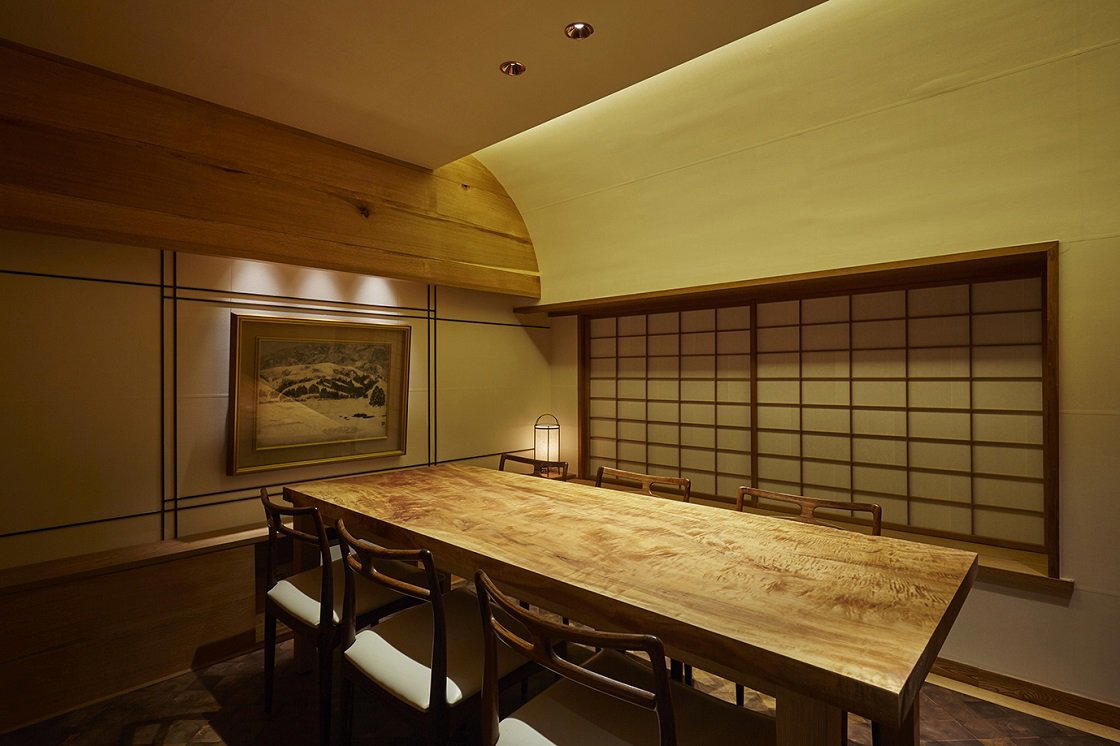
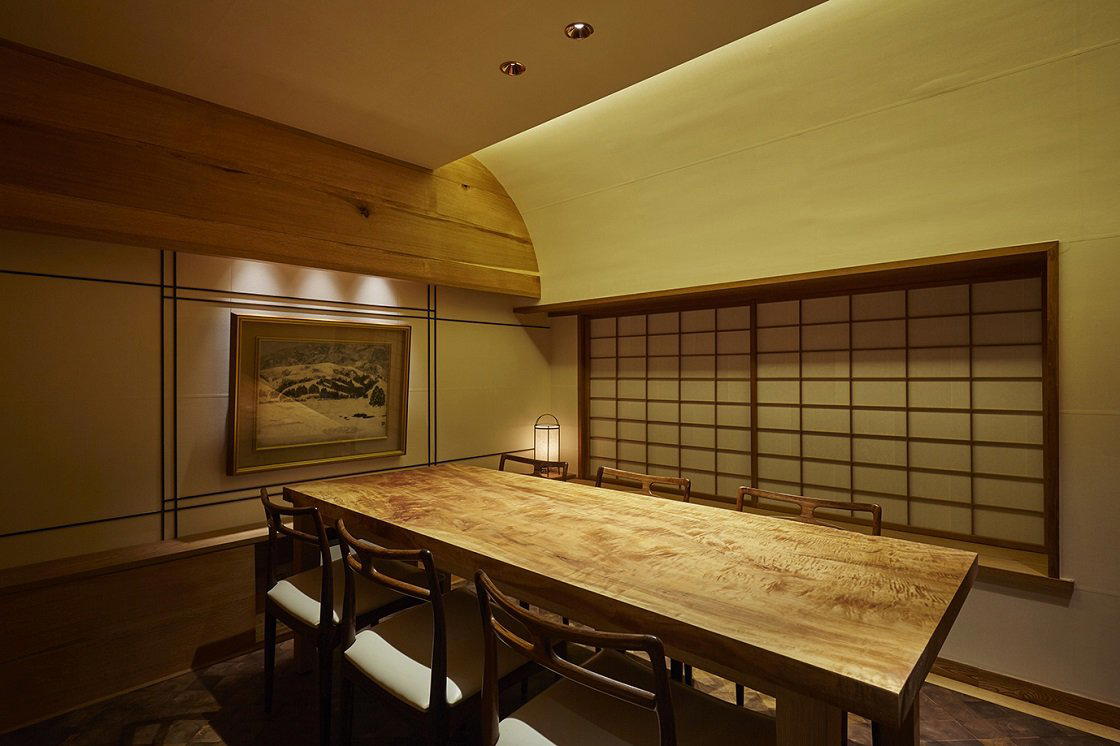
A small, cozy Thai-inspired space with warm lighting, birdcage fixtures and paper lanterns sourced from Thailand, and simple Asian-style wood-and-steel tables, designed to feel relaxed and ‘Thai-like’ without becoming overly folkish.