
Tabelog 100 #15
Our verdict
Gyoraku Karakara belongs to Amagasaki’s serious izakaya tier: seafood-led, sake-aware, and recognized in Tabelog’s Izakaya WEST 100 selection for 2024 and 2025. The appeal is not chef mythology but sourcing discipline, with fish, Japanese cooking, and tavern pacing placed above spectacle.

Pearl is the En Primeur Club membership app — saves, bookings, and concierge access live there. Same editors, same standards.
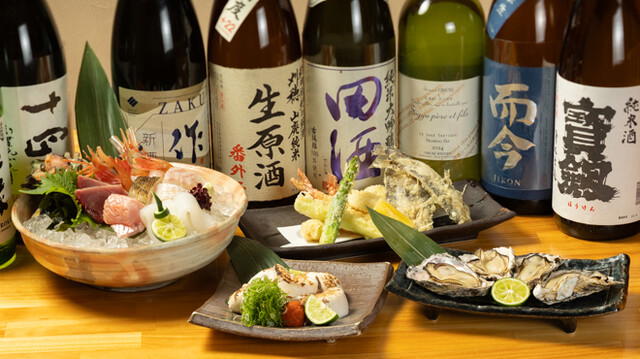
The menu
What to order
- Sashimi platter with seven kinds of seafood
- Seasonal seafood dishes from Hokkaido to Kyushu
Amagasaki is not the obvious place outsiders scan first when mapping western Japan’s izakaya culture, which is precisely why the better rooms here matter. The city’s rhythm is local, residential, and evening-led: shutters coming down, commuters thinning out, and small dining rooms filling with people who know the difference between a drinking place that serves food and an izakaya built around the table. Gyoraku Karakara belongs to the second camp.
Amagasaki sits between the gravitational pull of Osaka and Kobe, and that geography shapes its dining habits. The city does not need to perform destination dining in the way central Osaka often does; its stronger restaurants tend to be practical, ingredient-forward, and priced for repeat local use rather than one-off tourism. In that setting, a seafood-linked izakaya recognized in Tabelog’s Hyakumeiten coverage for 2025 signals more than casual popularity. It places the room inside a regional conversation about tavern cooking where quality, compatibility, and service rhythm decide the table.
Fish-led izakaya cooking, measured against western Japan's tavern standard
The defining idea here is category before spectacle. The listed categories are izakaya, Japanese cuisine, and seafood, but the useful reading is narrower: this is a fish-conscious tavern format rather than a broad drinking room padded with generic snacks. That distinction matters in Hyogo, where diners can move easily between Osaka’s volume-driven eating streets and neighbourhood counters where seafood is judged by freshness, cut, seasoning, and how well it carries an evening.
Gyoraku Karakara’s recognition in Tabelog’s 2025 Hyakumeiten context gives the place a clear regional credential without turning it into a formal fine-dining proposition. The average dinner spend sits in the JPY 8,000 to JPY 9,999 band, a level that sets expectations for a deliberate izakaya evening rather than an unplanned quick stop. Readers may compare the mood with other Amagasaki listings such as Tenteko Mukonosou ten or majide hamal, but Gyoraku Karakara’s listed budget is the useful anchor here.
The category profile reinforces the food logic. This is not best read as a bar with plates attached, or as a restaurant where drinks are an afterthought, but as an izakaya format where seafood and Japanese cooking are meant to carry the night together. For travelers using a wider Amagasaki restaurants guide, this is the kind of address to separate from ramen, casual noodles, cafés, and everyday local stops. Across Amagasaki, the strength is not one cuisine lane, but a cluster of specialists at different price points.
A local room with enough structure for a planned dinner
The format should be approached as a proper izakaya dinner rather than a grand destination room. That scale of expectation matters because it keeps the evening social without demanding the ceremony of a formal tasting-menu restaurant. The better expectation is a shared tavern atmosphere: friends, regulars, and small groups using the room as a real dinner setting rather than a late-night fallback.
That reading gives the restaurant a different position from stricter counter-led rooms common in Japan’s higher-end dining circuits. The core value is the full izakaya sequence: Japanese cooking, seafood, and the pacing of a meal across an evening. For visitors building an Amagasaki itinerary beyond dinner, the broader city pages for hotels, bars, wineries, and experiences can help clarify whether the meal is a standalone trip or part of a wider Kansai stop.
The location is best stated simply as Amagasaki, which makes it more plausible for a focused dinner than for casual city-hopping between central Osaka venues. Advance planning remains sensible for travelers treating the Tabelog recognition as the reason to cross town, especially because the listed dinner budget places it above the most casual local options. Read it as a planned izakaya meal rather than an improvised snack stop.
How to read it within Amagasaki's broader dining map
Amagasaki rewards diners who resist flattening it into a suburb between bigger names. The city’s better eating is dispersed, and its hierarchy is clearer when viewed by use case. Ramen specialists, lower-spend neighborhood restaurants, and quick casual rooms answer one need; a seafood izakaya in this price band answers another. Gyoraku Karakara is the more deliberate evening choice, particularly for diners who value the izakaya format over a chef’s tasting-menu script.
That makes it an instructive counterpoint to the way Japanese restaurants are often summarized abroad, where a single category, sushi, ramen, wagyu, or sake bar, gets asked to represent the whole field. A seafood izakaya in Hyogo sits in a more nuanced lane. It can be serious without being ceremonious, regional without needing folklore, and ingredient-led without naming a parade of signature dishes. Readers comparing Japanese dining formats can think in broader terms: Gyoraku Karakara is about the tavern table, while other dining in Amagasaki may serve different moods, budgets, and occasions.
The editorial case is clear: choose this address when the evening calls for a regional izakaya with documented recognition, a seafood emphasis, and enough dining-room structure to justify planning. It is not the low-spend Amagasaki option, and that is the point. The premium is attached to the category, the ingredient focus, and the confidence of a tavern format that has earned attention in western Japan’s izakaya field.
Frequently asked questions
What time does Gyoraku Karakara open and close?
Current opening hours are not provided here. Check the venue's official channels or call +81-6-6433-9883 for the latest details before visiting.
What price level is Gyoraku Karakara?
Pricing at Gyoraku Karakara is listed as JPY 8,000 - JPY 9,999 for dinner.
Where exactly is Gyoraku Karakara?
Gyoraku Karakara is located in Amagasaki.
What's the defining dish or idea at Gyoraku Karakara?
The core idea is izakaya dining with Japanese cuisine and seafood, backed by Tabelog Hyakumeiten recognition in 2025.
Can Gyoraku Karakara accommodate dietary restrictions?
Those details are not published here. Its listed categories are izakaya, Japanese cuisine, and seafood, with dinner pricing at JPY 8,000–JPY 9,999. Check the venue's official channels for the latest details.
Is Gyoraku Karakara suitable for children?
Those details are not provided here. Check the venue's official channels or call +81-6-6433-9883 for the latest guidance before visiting with children.
Snapshot
Comparable venues by cuisine and price in the same metro.
| Venue | Cuisine | Price | Awards | Notes |
|---|---|---|---|---|
| Gyoraku KarakaraThis venue (the venue you are viewing) | Seafood-focused Japanese Izakaya | $50–100 | Tabelog 100 #15 | Not listed |
| Taniguchi | Yakitori | $500+ | Tabelog Bronze #453 | Mukonoso |
| Butanohoshi | Tonkotsu Ramen | $1–10 | Tabelog 100 #93 | Nagasu Nishidori |
| Honkaku Sanuki Udon Honoka | Traditional Sanuki udon | $1–10 | Tabelog 100 #59 | Amagasaki |
| Teuchi Udon Yoshino | Traditional handmade udon and katsu-don shop | $10–20 | Tabelog 100 #1 | Amagasaki |
| Ramen Senmon Nagomi Mukonosou ten | Ramen counter near Mukonoso Station | $10–20 | Tabelog 100 #56 | Mukonoso |
Recognition history
Dated appearances from independent guides and award organizations, with the underlying list record or original source where available.
Tabelog 100 #15 · No. 15
Tabelog · Tabelog 100 - Izakaya - WEST - 2025
Continue exploring
More in Amagasaki
Restaurants in Amagasaki
All restaurants in Amagasaki →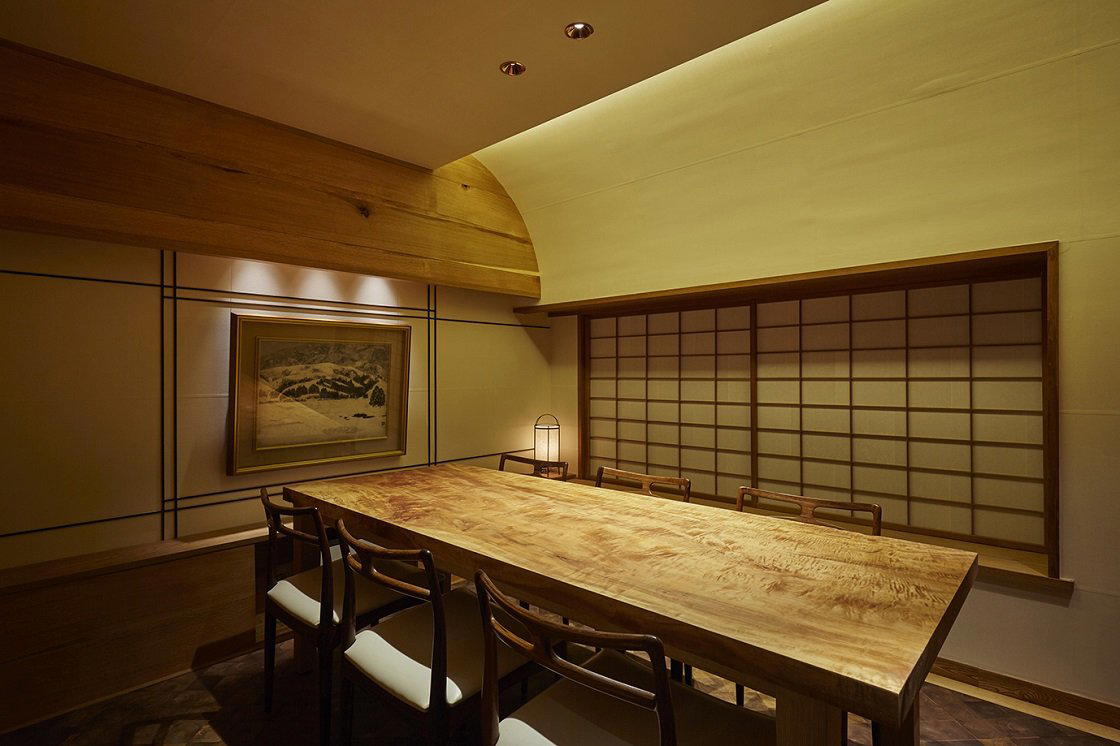


Bars in Amagasaki
Browse all →


Hotels in Amagasaki
Browse all →


Wineries in Amagasaki
Browse all →
Details
- Cozy
- Lively
- Classic
- Intimate
- After Work
- Group Dining
- Family
- Casual Hangout
- Celebration
- Business Dinner
- Standalone
- Chefs Counter
- Sake Program
- Beer Program
- Local Sourcing
- Sustainable Seafood
- A La Carte
- Small Plates
- Counter Dining
- Sake
- Beer
- Shochu
- Wine
- Pescatarian Friendly
Current opening hours
- Monday
- 5 PM–12 AM
- Tuesday
- Closed
- Wednesday
- 5 PM–12 AM
- Thursday
- 5 PM–12 AM
- Friday
- 5 PM–12 AM
- Saturday
- 5 PM–12 AM
- Sunday
- 5 PM–12 AM
Hours can change for holidays and private events. Last verified .
Warm and cozy Japanese-style interior with counter and table seating, relaxed lighting, and a welcoming atmosphere suited to casual drinks after work, dinners with friends, and celebratory gatherings.