On Jl. Pakubuwono VI in South Jakarta, MAISON TATSUYA Teppanyaki PAKUBUWONO brings the Japanese teppanyaki tradition to one of the city's more established dining corridors. The format, live-fire cooking on a steel griddle, executed at close range in front of seated guests, occupies a specific tier within Jakarta's Japanese dining scene, where spectacle and precision are expected to coexist.
Pearl is the En Primeur Club membership app — saves, bookings, and concierge access live there. Same editors, same standards.
- Address
- Jl. Pakubuwono VI, RW. No
- Phone
- +6282138000869
- Website
- arenacorp.com
- Directions
- Get directions
 Saves & bookings on Pearl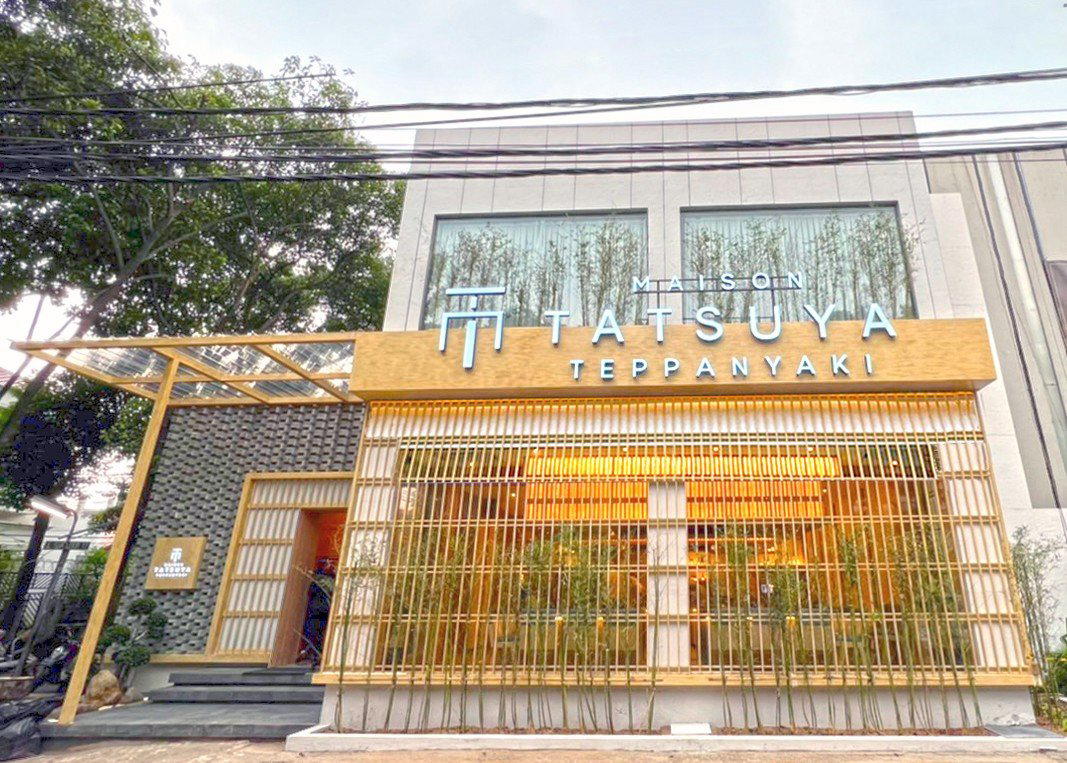
The Teppanyaki Format in a City That Takes Japanese Dining Seriously
Jakarta's appetite for Japanese cuisine runs deeper than most Southeast Asian capitals. The city supports a tiered ecosystem: neighbourhood ramen counters, mid-market sushi conveyor belts, omakase rooms priced against Tokyo benchmarks, and, occupying its own distinct category, teppanyaki houses where the cooking surface itself is the theatre. MAISON TATSUYA Teppanyaki PAKUBUWONO is a restaurant serving Japanese Teppanyaki on Jl. Pakubuwono VI in South Jakarta.
The teppanyaki format deserves some unpacking, because it is frequently misunderstood outside Japan. The word combines teppan (iron plate) and yaki (grilled or broiled), and the style has roots in the Kansai region, though it was Misono in Kobe that is credited with popularising it for a wider, non-Japanese audience in the postwar period. What distinguishes a serious teppanyaki house from a casual griddle restaurant is the discipline applied to heat management, the quality of protein sourced, and the choreography of the cook, who works at arm's length from guests seated around the flat iron surface. At its leading, the format collapses the distance between kitchen and table entirely.
South Jakarta's Premium Dining Corridor
The Pakubuwono address is not accidental. South Jakarta, and this stretch in particular, has become a reference point for residents seeking premium dining without the mall-bound format that dominates much of the city's F&B infrastructure. The neighbourhood draws comparisons to the Kemang belt, where Abunawas Restaurant - Kemang Branch anchors a more casual Indonesian tradition, but Pakubuwono skews toward higher price points and a more structured dining experience.
Within Jakarta's Japanese dining category, the teppanyaki sub-format sits alongside but distinct from the omakase and kaiseki rooms that have expanded significantly since 2018. The former tends toward intimacy and minimalism; teppanyaki counters, by contrast, are built around shared experience. A table of four watching a chef handle A5 wagyu on a seasoned steel surface is, by design, a communal event. That social architecture is part of what separates teppanyaki from other premium Japanese formats, and it helps explain why the style has translated so effectively across Southeast Asia, where dining is rarely a solitary pursuit.
For context on Jakarta's wider premium dining range, Aged + Butchered Jakarta represents the high-end steakhouse approach with Western grilling traditions, while Bistecca occupies the Italian beef format. MAISON TATSUYA sits in a different category entirely, the Japanese live-fire tradition, governed by a different set of sourcing expectations and service conventions.
What the Format Demands
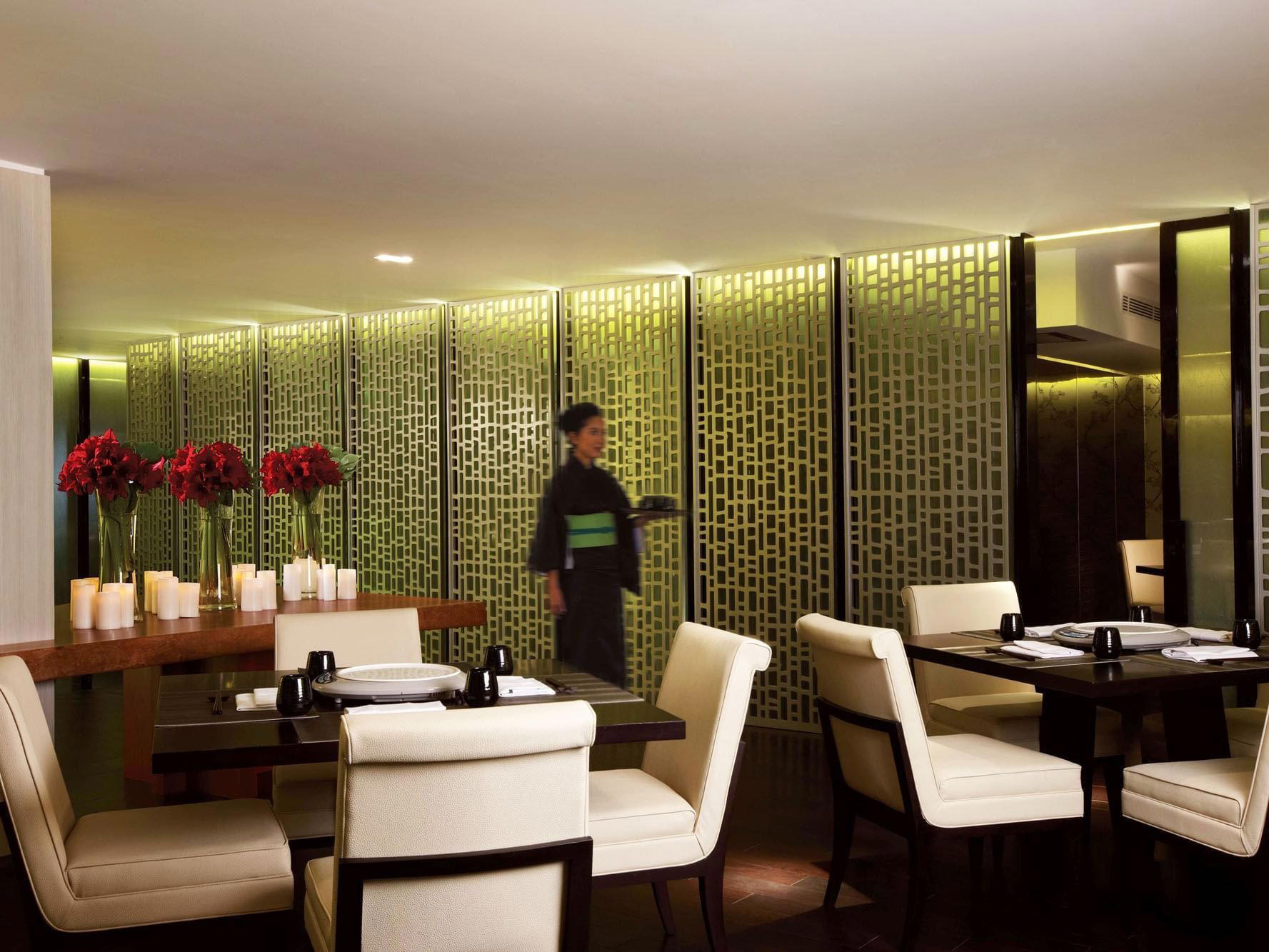
A teppanyaki counter makes certain demands of both kitchen and guest. On the kitchen side, the constraint is exposure: there is no back-of-house to correct errors, no plating station to finesse a dish before it reaches the table. Everything happens in front of the seated guest, which means timing, temperature control, and knife work are all performed under direct observation. This transparency is part of the format's appeal, but it also raises the stakes for execution.
On the guest side, the format asks for engagement. Unlike a multi-course tasting menu where dishes arrive sequentially from an unseen kitchen, as at August, one of Jakarta's more praised contemporary formats, teppanyaki unfolds in real time, with the cook setting pace and the guests responding. The leading teppanyaki sessions have a rhythm that builds across courses, typically from lighter preparations through to the main protein, then a palate-settling finish.
Jakarta's broader Asian dining scene offers comparable live-fire formats in other traditions. Chongqing Liuyishou Hotpot in South Jakarta and Hai Di Lao in Central Jakarta represent Chinese hotpot traditions where communal cooking at the table is similarly central. But the register is different: hotpot is participatory and informal; teppanyaki places the cook at the centre and the guests as audience and beneficiary. The distinction matters when calibrating expectations.
Cultural Roots and Regional Comparisons
Understanding teppanyaki's place in the Japanese culinary hierarchy requires some context. In Japan, the style sits outside the classical kappo or kaiseki traditions and is not typically the format associated with austere expressions of Japanese cooking. It developed as a populist format, designed to be accessible and entertaining, and its global spread through hotel dining rooms in the 1970s and 1980s gave it associations that serious practitioners have spent years working against. The better teppanyaki houses in Tokyo and Osaka now source wagyu at the same tier as the leading yakiniku addresses and compete on ingredient quality rather than theatrical flair.
That trajectory is reflected across Southeast Asia's premium teppanyaki tier. In Jakarta, as in Singapore and Kuala Lumpur, the more ambitious venues in this category have shifted emphasis toward sourcing credentials, the grade of beef, the provenance of seafood, the quality of the dashi-based accompaniments, rather than the showmanship that defined the format's earlier export phase. For travellers who have experienced comparable formats at high-end Japanese addresses in Bali, it is worth noting that venues like Locavore NXT in Ubud represent a different end of Indonesian fine dining, built on local sourcing and tasting-menu architecture rather than Japanese tradition.
Planning Your Visit
MAISON TATSUYA Teppanyaki PAKUBUWONO is located on Jl. Pakubuwono VI in South Jakarta. Given the format, counter seating, live-fire preparation, a structured meal sequence, advance booking is advisable, particularly for weekends. The Pakubuwono corridor can be approached from the Blok M area or via the inner city ring road, and ride-hailing services remain one practical way to reach it from central Jakarta hotels.
For Japanese-adjacent formats in the region, Kita 喜多 Restaurant And Bar in Kecamatan Menteng offers a further reference point within the city's Japanese-influenced dining category.
How It Stacks Up
Comparable venues nearby, for context on price, style, and recognition.
| Venue | Cuisine | Price | Notes |
|---|---|---|---|
| MAISON TATSUYA Teppanyaki PAKUBUWONOThis venue — the venue you are viewing | Japanese Teppanyaki | $$$ | Not listed |
| Sumibi Gandaria | Modern Japanese Robatayaki | $$$ | Kramat Pela |
| Kintaro Sushi Senopati | Modern Japanese Sushi | $$$ | Rawa Barat |
| Hachi Grill Ampera | Japanese Yakiniku & Shabu-Shabu All-You-Can-Eat | $$ | Ragunan |
| Mo-Mo-Paradise | Authentic Japanese Shabu-Shabu & Sukiyaki | $$$ | Central Jakarta |
| Kimukatsu Grand Indonesia | Layered Japanese Katsu | $$ | Gondangdia |
At a Glance
- Lively
- Trendy
- Elegant
- Group Dining
- Special Occasion
- Chefs Counter
- Open Kitchen
- Sake Program
Current opening hours
- Monday
- 11 AM–10 PM
- Tuesday
- 11 AM–10 PM
- Wednesday
- 11 AM–10 PM
- Thursday
- 11 AM–10 PM
- Friday
- 11 AM–10 PM
- Saturday
- 11 AM–10 PM
- Sunday
- 11 AM–10 PM
Hours can change for holidays and private events. Last verified .