Our verdict
Maison Park I Franco Corée Fusion serves Franco-Korean Fusion in Paris with a smart-casual, conversational pace for lunch or dinner.

Pearl is the En Primeur Club membership app — saves, bookings, and concierge access live there. Same editors, same standards.
The menu
What to order
- Carte Blanche tasting menu
- Pied de cochon revisité galette coréen
- Anguille grillée au barbecue coréen
Where the 15th Arrondissement Meets the Korean Table
Rue Desnouettes sits in the residential heart of the 15th arrondissement, a neighbourhood that operates largely outside the circuits traced by most Paris dining guides. The streets here are quieter than the grands boulevards, the storefronts more functional, and the dining room of Maison Park I Franco Corée Fusion arrives in that context as something genuinely considered: a space that takes the Franco-Korean fusion premise seriously, placing it in a part of the city where the pressure to perform for tourists is absent and the local clientele tends to be exacting about value and coherence.
Franco-Korean cooking as a category has grown considerably across European capitals over the past decade. In Paris specifically, the conversation has shifted from novelty pairings to something more structurally integrated, where Korean fermentation logic, the discipline of doenjang and ganjang, meets the French instinct for sauce construction and classical technique. The better addresses in this niche are not trading on cultural novelty alone; they are working out genuine compatibility between two very particular culinary systems. Maison Park sits within that more serious tier of the conversation.
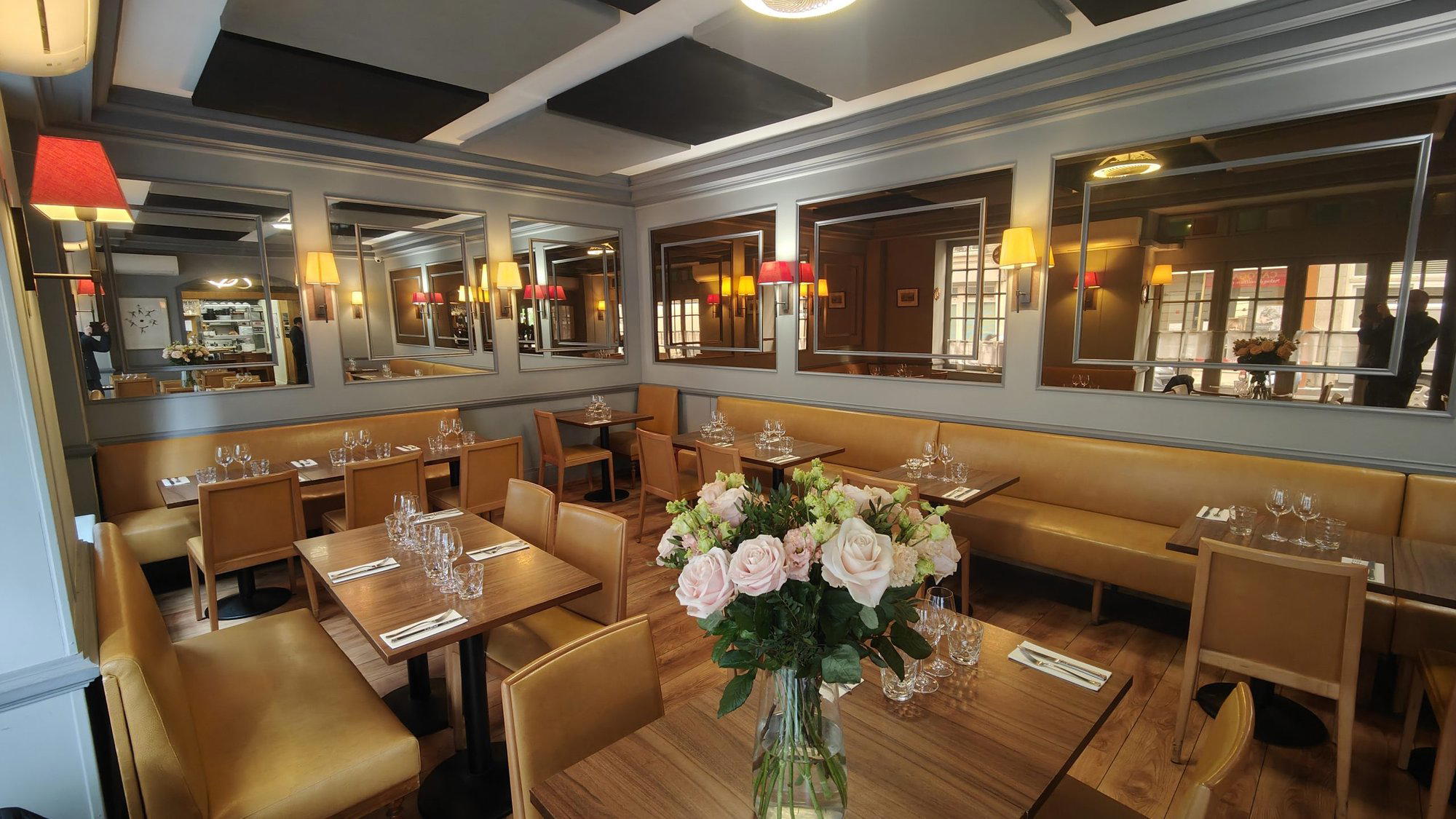
The Space and How It Frames the Food
In a city where dining rooms at the leading end tend toward either grand hôtel formality, as at Le Cinq at the Four Seasons George V, or the austere restraint that marks places like L'Ambroisie, the design language of a neighbourhood Franco-Korean address tells its own story. The physical container of a restaurant at this address and price point signals intent. Smaller rooms in the 15th tend to be built around intimacy rather than spectacle, with seating arrangements that keep tables close enough for conversation to carry but not so compressed that the room feels like a canteen. The Franco-Korean fusion format, particularly when it involves sharing formats or multi-course progression, benefits from that kind of calibrated proximity: dishes arrive in sequence, the table becomes a surface for composition rather than a tray for depositing plates.
The design logic of fusion restaurants in this register often mirrors the culinary argument: materials that reference both traditions, a palette that neither asserts Korea nor shouts France, but finds a visual middle ground that primes the diner before the first course arrives. How well Maison Park executes on this spatial promise is part of what distinguishes addresses that are serious about the format from those treating fusion as a marketing shortcut.
Franco-Korean Cooking in Paris: The Wider Scene
Paris has a long history of absorbing Asian culinary traditions and reconfiguring them through a French lens. The precedent set by Kei, where Japanese technique was integrated into a contemporary French framework earning three Michelin stars, demonstrated that fusion at the highest level requires more than ingredient swapping. It requires a coherent philosophical position: deciding which tradition leads structurally and which inflects. The Franco-Korean conversation is younger and less formally documented than the Franco-Japanese one, but it is gaining definition. Korean pantry staples, gochujang, doenjang, perilla, sesame oil, interact with French technique in ways that are still being charted by the better practitioners.
Beyond Paris, France’s most formally recognised restaurants, from the classical authority of Auberge de l'Ill to the radical terroir focus of Bras in Laguiole and the creative intensity of AM par Alexandre Mazzia in Marseille, have built their identities around singular, deeply rooted propositions. Fusion addresses occupy a different position in the French dining hierarchy: they are evaluated not against classical benchmarks but against the internal coherence of their own premise. Maison Park is assessed on whether the French and Korean elements genuinely speak to each other, or whether the menu reads as two separate kitchens sharing a pass.
Internationally, the Franco-Korean conversation has a compelling reference point in Atomix in New York City, where Korean fine dining has achieved formal recognition at the highest level, and in the broader question of how Korean culinary tradition travels and transforms when it meets European technique. The Paris version of this conversation is less codified, which is part of what makes addresses like Maison Park worth tracking as the category matures.
Positioning Within Paris Dining
The 15th arrondissement is not where Paris concentrates its Michelin-starred addresses. The 8th, with Alléno Paris au Pavillon Ledoyen and the concentrated weight of the golden triangle, and the 7th, where Arpège has operated for decades, hold more formal prestige. But neighbourhood restaurants in the 15th, particularly those with a specific and coherent identity, serve a clientele that tends to return regularly and pays attention. That dynamic rewards consistency over performance, which is precisely the condition under which fusion cooking either proves itself or stalls. A restaurant that cannot hold a regular local audience over multiple visits has not solved the core problem of fusion: making the combination feel natural rather than constructed.
For context on how France’s serious regional and destination restaurants approach coherence of identity, see addresses such as Flocons de Sel in Megève, Mirazur in Menton, Troisgros in Ouches, Assiette Champenoise in Reims, Au Crocodile in Strasbourg, Auberge du Vieux Puits in Fontjoncouse, and Paul Bocuse in Collonges-au-Mont-d'Or. The gap in formality between those addresses and a neighbourhood fusion table in the 15th is significant, but the underlying question of identity coherence is the same. For a broader survey of where Maison Park sits within the Paris dining scene, see our full Paris restaurants guide. The transatlantic comparison also has a useful French reference point in Le Bernardin in New York City, a restaurant with deep French roots that has maintained identity coherence across decades in a foreign context.
Is Maison Park I Franco Corée Fusion representative of a broader Korean dining shift in Paris?
Paris has seen a meaningful increase in Korean-influenced restaurants over the past five years, moving beyond Korean barbecue formats into more technique-driven territory. Maison Park sits within that shift, specifically in the sub-category that attempts structural integration with French cooking rather than parallel menus. The address on Rue Desnouettes in the 15th places it in a neighbourhood context where that premise has to earn its audience on merit, which makes it a useful data point for tracking how Franco-Korean cooking is consolidating in the city.
A Credentials Check
Comparable venues nearby, for context on price, style, and recognition.
| Venue | Cuisine | Price | Notes |
|---|---|---|---|
| Maison Park I Franco Corée FusionThis venue — the venue you are viewing | Franco-Korean Fusion | $50–100 | Not listed |
| ANDIA | Nikkei Fusion (Latin-Japanese-Andean) | $50–100 | Passy |
| Galia par Maxim Godigna | Franco-South American Fusion Bistro | $30–50 | 14th Arr. - Observatoire |
| Central Chapelle | Multi‑chef street‑food & bar hub | Not listed | La Chapelle / Paris 18e |
| Kong | Franco-Japanese Fusion | $50–100 | 1st arrondissement (Saint-Germain-l'Auxerrois) |
| La Plume Rive Droite | Contemporary French-Japanese Fusion | $100–150 | 1er Arrondissement |
Continue exploring
More in Paris
Restaurants in Paris
All restaurants in Paris →
Bars in Paris
All bars in Paris →



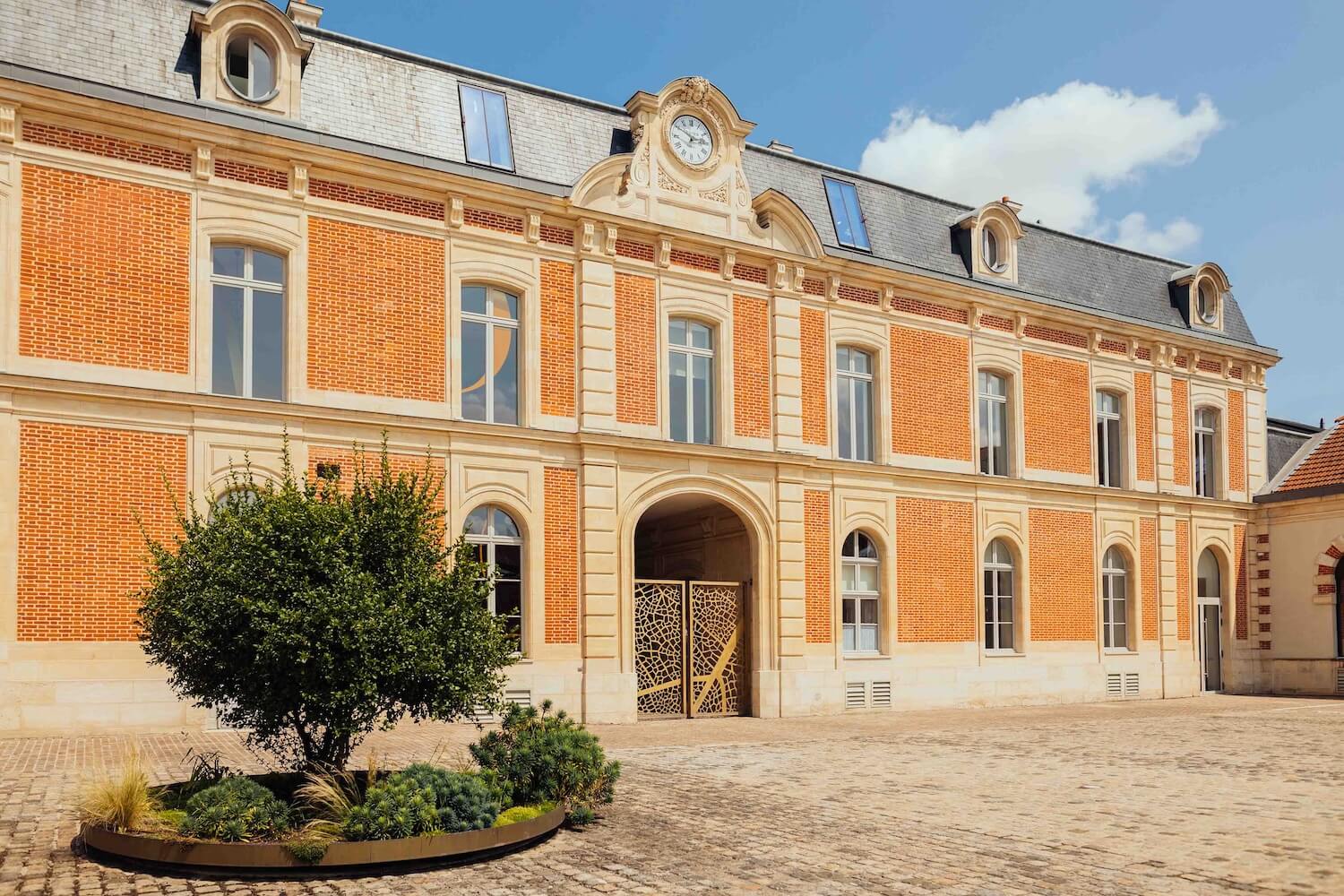
Maison Park I Franco Corée Fusion
The wine
- Wine program
- Curated wine list
Details
- Modern
- Intimate
- Elegant
- Sophisticated
- Date Night
- Special Occasion
- Standalone
- Local Sourcing
- A La Carte
- Tasting Menu
Current opening hours
- Monday
- 7–9:30 PM
- Tuesday
- 12–2 PM, 7–9:30 PM
- Wednesday
- 12–2 PM, 7–9:30 PM
- Thursday
- 12–2 PM, 7–9:30 PM
- Friday
- 12–2 PM, 7–9:30 PM
- Saturday
- 12:30–2 PM, 7–9:30 PM
- Sunday
- Closed
Hours can change for holidays and private events. Last verified .
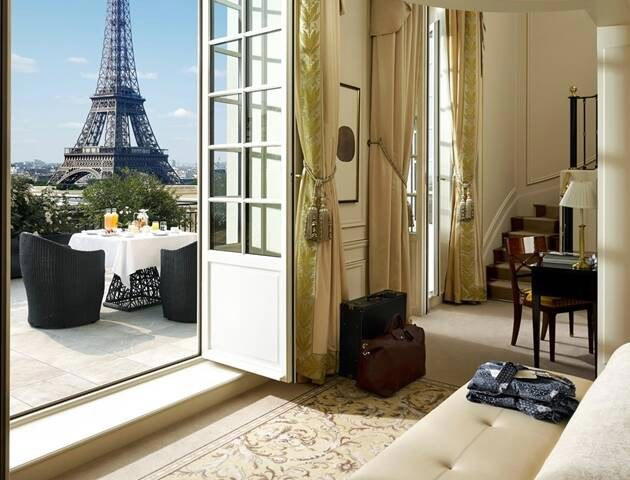
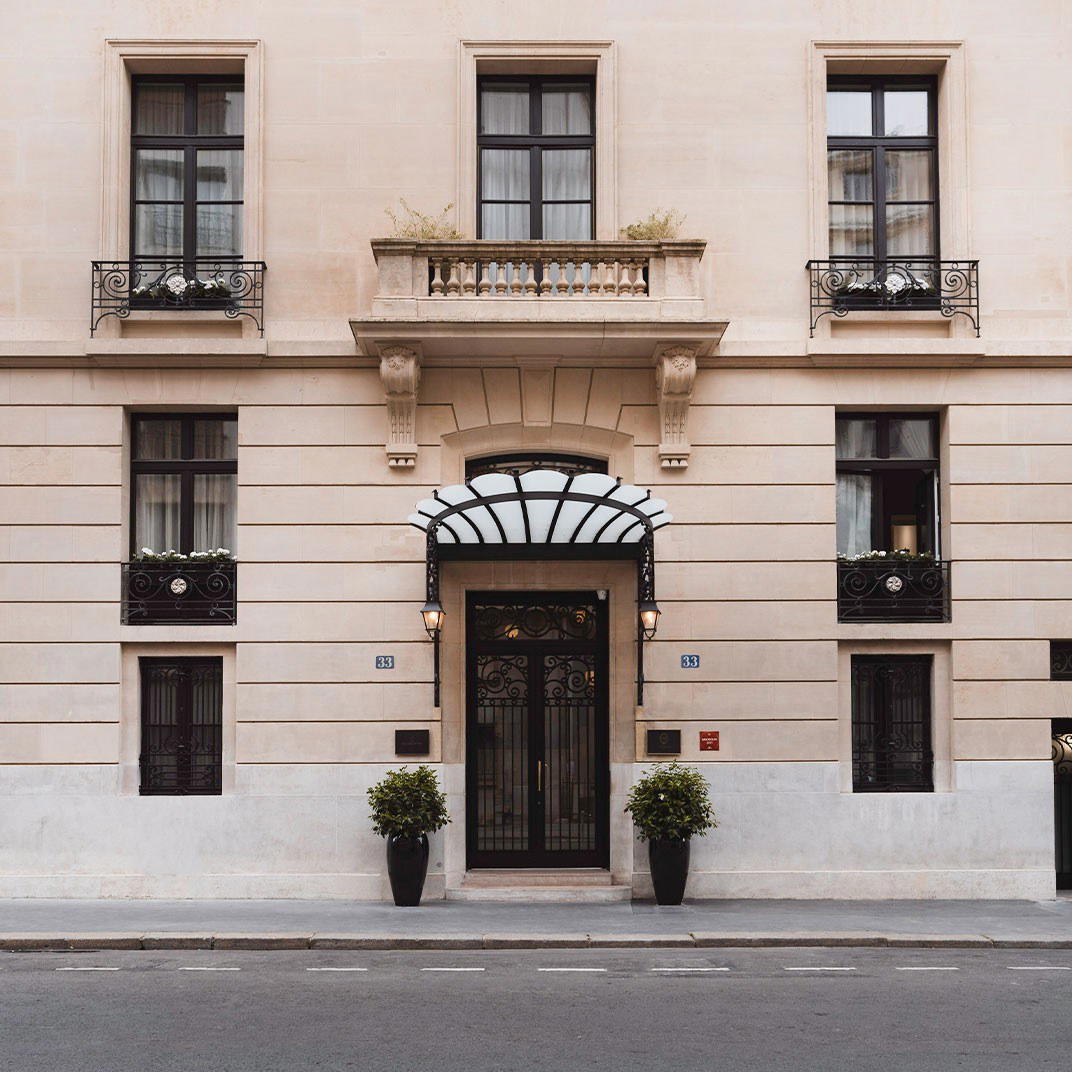
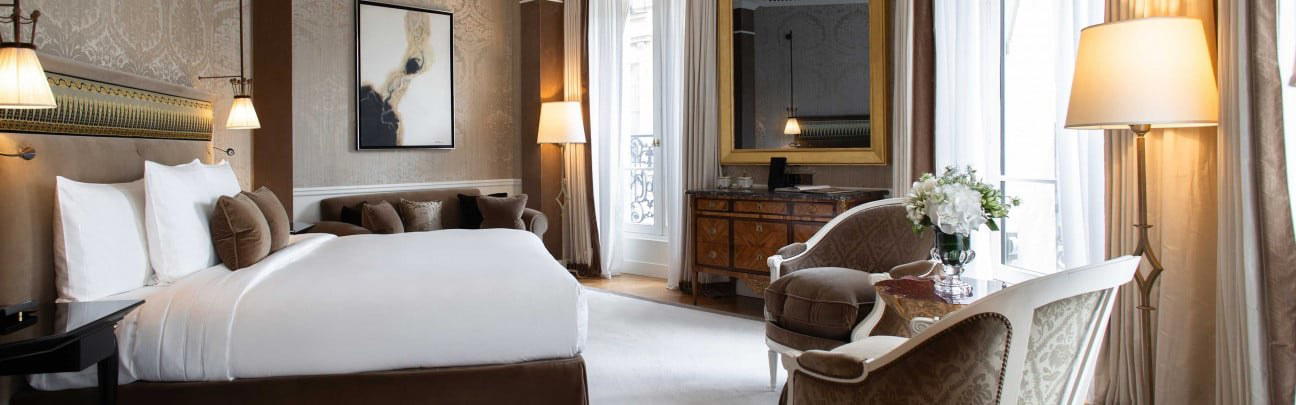
Raffiné and modern atmosphere in an intimate, discreet setting behind a subtle facade.