On Rue Bachaumont in the 2nd arrondissement, Aux Crus de Bourgogne occupies a corner of Paris where the bistro tradition and serious wine culture converge. The address sits within a neighbourhood that has shifted considerably over the past decade, drawing a crowd that reads wine lists the way others read menus. The kitchen operates in step with the cellar, making this a reference point for Burgundy-focused dining in the city.
Pearl is the En Primeur Club membership app — saves, bookings, and concierge access live there. Same editors, same standards.
- Address
- 3 Rue Bachaumont, 75002 Paris, France
- Phone
- +33142334824
- Website
- auxcrusdebourgogne.com
- Directions
- Get directions
 Saves & bookings on Pearl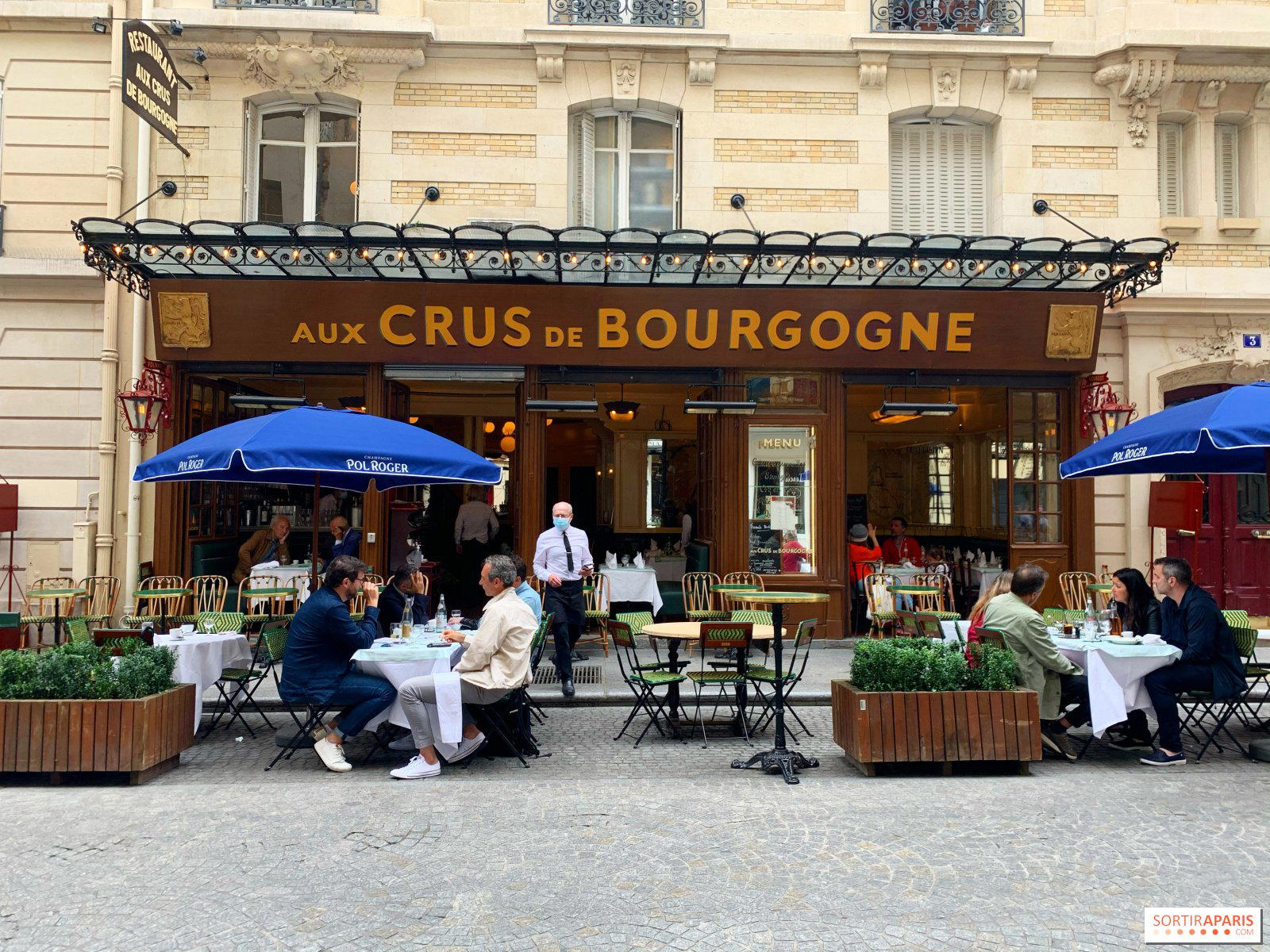
The 2nd Arrondissement and the Art of the Wine-Led Bistro
Paris has always maintained a category of restaurant where the wine list is, functionally, the menu. The kitchen produces creditable food, and the room has atmosphere, but the real reason a table is held is the depth of the wine list. Aux Crus de Bourgogne, on Rue Bachaumont in the 2nd arrondissement, belongs to that tradition. The address sits in a part of the Sentier neighbourhood that has evolved from its garment-district origins into something more mixed: independent coffee shops, small agencies, and old-school bistros that have survived precisely because they offer something the newer openings cannot replicate in a season or two.
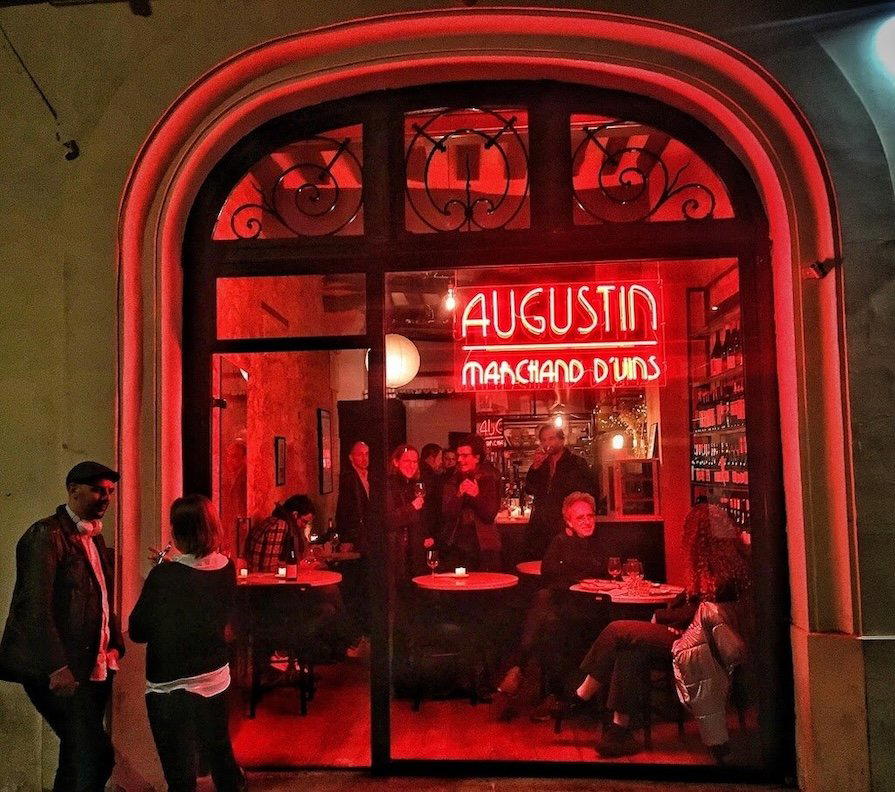
Approaching from the Rue Montmartre side, the streetscape is still recognisably working Paris rather than tourist Paris. The facade carries the kind of patina that comes from decades of service rather than from a designer's brief. Inside, the scale is intimate by the standards of the grands restaurants across the river at addresses like L'Ambroisie or Le Cinq at the Four Seasons Hôtel George V, where the architecture is part of the proposition. Here, the room is a frame for conversation and for the wine list rather than a spectacle in its own right.
What the Wine List Signals About a Room
In Paris, a Burgundy-focused cellar of any depth is a statement of intent. The appellation hierarchy that runs from regional Bourgogne through village, premier cru, and grand cru represents among the more granular classification systems in wine, and a cellar that tracks it seriously requires sustained investment over years. The name Aux Crus de Bourgogne is not incidental: it positions the restaurant within a specific tradition of French dining where the sommelier's knowledge and the cellar's stock define the experience as much as what arrives from the kitchen.
This matters in context. Paris's upper-tier restaurants, from Arpège to Alléno Paris au Pavillon Ledoyen, maintain cellars that skew toward comprehensive breadth, matching ambitious menus that draw from across France and beyond. A bistro named for Burgundy's crus operates on a different logic: depth over breadth, producer-specific knowledge, and a guest profile that arrives with a specific region in mind. The comparison is less to the palace restaurants and more to a specialist négociant who has decided to serve food alongside the bottles.
France's great wine-focused restaurant culture extends well beyond Paris. Houses like Troisgros in Ouches and Bras in Laguiole have built cellars that reflect their regional terroir with the same seriousness applied to the kitchen. In the provincial auberge tradition, represented by addresses such as Auberge de l'Ill in Illhaeusern and Auberge du Vieux Puits in Fontjoncouse, the cellar is inseparable from the identity of the house. What distinguishes a Paris bistro playing the same game is that it does so without the surrounding landscape as context, the case for Burgundy must be made entirely through what is in the glass.
The Kitchen's Role in a Wine-First Room
The classical bistro formula in France is deliberately legible: dishes that complement rather than compete, preparations that hold their line against a broad range of wines rather than demanding hyper-specific pairings. This is not a lesser ambition than the tasting-menu format deployed at Kei or the creative kitchens operating at the highest level in Paris, it is a different contract with the guest. The food exists to make the wine sing, and dishes that might read as simple on paper become more interesting in that frame.
France's broader dining tradition has always honoured this model. The recipe books of Paul Bocuse and the long family histories of houses like Georges Blanc in Vonnas demonstrate that classical French technique applied to regional produce is not a consolation prize for kitchens without Michelin ambitions. It is a discipline in its own right, one that demands consistency over spectacle and rewards repeat visits in a way that concept-heavy formats often do not.
Situating Aux Crus de Bourgogne in the Paris Wine-Dining Scene
Paris in the 2020s has seen a proliferation of natural wine bars, biodynamic-focused caves à manger, and high-concept cocktail-and-small-plates formats. The wine-bistro tradition that restaurant represents is, in relative terms, less fashionable than it was before that wave arrived, which is precisely what gives addresses in this category their resilience. Regulars are not trend followers; they are people who want a specific thing from a specific kind of place and return for it rather than chasing the next opening.
Within the 2nd arrondissement specifically, the combination of a genuine working neighbourhood and proximity to the grands boulevards has preserved a stratum of mid-century bistro culture that the more thoroughly gentrified parts of the Marais or Saint-Germain have largely lost. Rue Bachaumont itself has changed, but not entirely, and that partial survival is part of what the address sells.
For those planning a broader exploration of French restaurant culture, the EP Club guides to destinations like Mirazur in Menton, Flocons de Sel in Megève, Les Prés d'Eugénie in Eugénie-les-Bains, and La Table du Castellet in Le Castellet map the range of the French fine dining tradition outside the capital. And for those arriving from transatlantic reference points, the contrast with Le Bernardin in New York City or Lazy Bear in San Francisco underscores how distinctly French the bistro-with-cellar format remains, a model that has been imitated widely but rarely replicated with the same casual authority.
Reputation First
Comparable venues nearby, for context on price, style, and recognition.
| Venue | Cuisine | Price | Notes |
|---|---|---|---|
| Aux Crus de BourgogneThis venue — the venue you are viewing | Classic French Bistro with Burgundian Specialties | $$$ | Not listed |
| Porte 12 | Modern Neo-Bistro | $$$ | 10e |
| Sauvage | Modern French Bistronomic | $$$ | Saint-Germain-des-Prés |
| Market | French-Asian Fusion | $$$ | 8th Arr. - Élysée |
| Le W | Modern French Bistro | $$$ | 8th Arr. - Élysée |
| Cloche Paris | Modern French Brasserie with Wagyu Focus | $$$ | Les Halles (1st arrondissement) |
Continue exploring
More in Paris
Restaurants in Paris
Browse all →
Bars in Paris
Browse all →
Hotels in Paris
Browse all →

At a Glance
- Classic
- Elegant
- Cozy
- Historic
- Business Dinner
- Date Night
- Special Occasion
- Historic Building
- Terrace
- Extensive Wine List
- Street Scene
Current opening hours
- Monday
- 12–2:30 PM, 7:30–10:30 PM
- Tuesday
- 12–2:30 PM, 7:30–10:30 PM
- Wednesday
- 12–2:30 PM, 7:30–10:30 PM
- Thursday
- 12–2:30 PM, 7:30–10:30 PM
- Friday
- 12–2:30 PM, 7:30–10:30 PM
- Saturday
- 12:30–3 PM, 7:30–10:30 PM
- Sunday
- 12:30–3 PM, 7:30–10:30 PM
Hours can change for holidays and private events. Last verified .
Nostalgic 1930s brasserie decor featuring dark wood paneling, brass rails, mirrors, red velvet benches, and white tablecloths creating a charming, elegant atmosphere.