Der Schwarzacher
Der Schwarzacher sits on Schwarzacherweg 40 in Hinterglemm, part of the Saalbach Hinterglemm valley that has built a serious dining reputation alongside its ski credentials. The address places it within the broader Alpine culinary corridor where regional sourcing and mountain-kitchen tradition intersect. For context on the wider scene, see our full Saalbach Hinterglemm restaurants guide.
Pearl is the En Primeur Club membership app — saves, bookings, and concierge access live there. Same editors, same standards.
- Address
- Schwarzacherweg 40, 5754 Hinterglemm, Austria
- Phone
- +43654166339
- Website
- der-schwarzacher.at
- Directions
- Get directions
 Saves & bookings on Pearl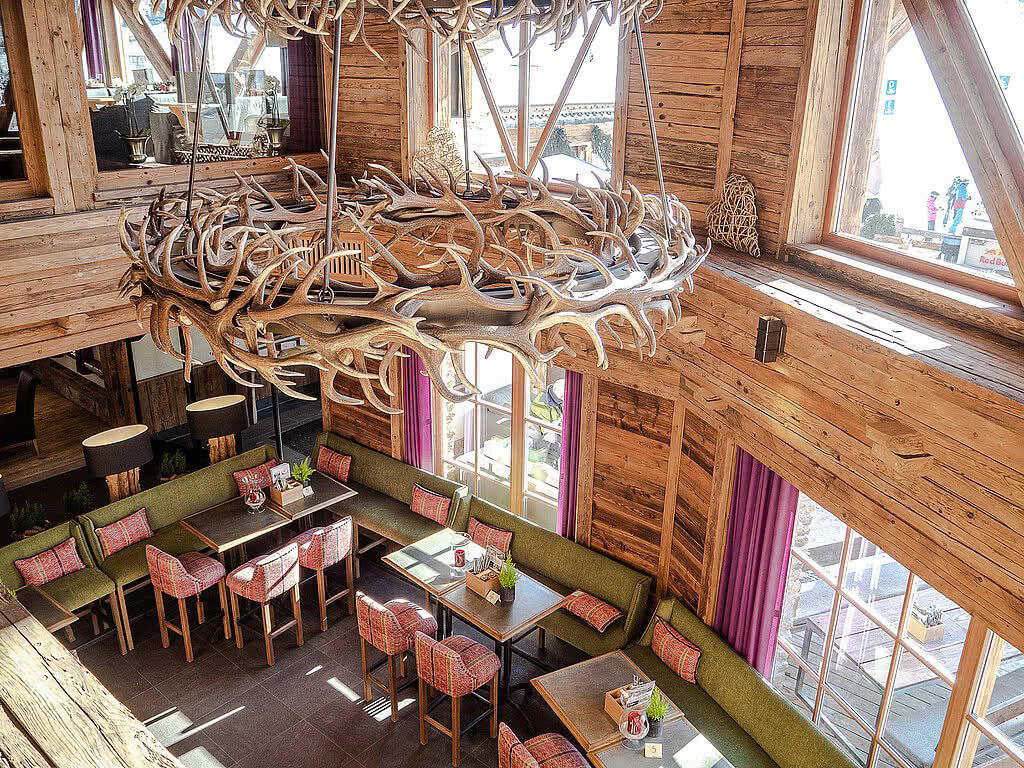
Where the Mountain Kitchen Meets the Valley Floor
Alpine dining in the Salzburgerland region has shifted considerably over the past decade. What was once a category defined almost entirely by hearty post-ski Hütte fare, schmaltz, dumpling, and dark bread, has fractured into tiers. At the lower end, volume-oriented ski lodges continue to serve the same Kaiserschmarrn rotation. At the upper end, a smaller group of valley-floor and slope-side addresses have begun treating regional sourcing with the same rigour you find at benchmark Austrian tables like Steirereck im Stadtpark in Vienna or Obauer in Werfen. Der Schwarzacher, at Schwarzacherweg 40 in Hinterglemm, sits within that more considered tier of the valley's dining offer.
The address itself signals something about positioning. Hinterglemm, the quieter western end of the Saalbach Hinterglemm valley, draws a visitor who tends to plan a little more carefully: resort guests who know which mountain to descend to reach a specific table, rather than whoever happens to be passing the nearest gondola station. That self-selecting audience shapes what kitchens in this part of the valley can reasonably attempt.
Sourcing as Structure: The Logic of Alpine Ingredients
In mountain kitchens across Austria's western corridors, from the Pinzgau down through the Pongau and into the Tyrol, the strongest argument for regional sourcing is not romantic localism but practical flavour logic. Milk from cows grazing at altitude carries a fat content and mineral character that lowland equivalents rarely match. Alpine herbs, many of which grow wild above the treeline, carry concentrations of volatile oils that shrink sharply once transported and refrigerated. The kitchens that understand this treat the mountain's seasonal calendar as a menu constraint rather than an inspiration board.
This sourcing discipline is visible across the better addresses of the Austrian Alpine belt. Kräuterreich by Vitus Winkler in Sankt Veit im Pongau has built its entire identity around Salzburgerland herb cultivation. Döllerer in Golling an der Salzach has formalised its mountain-produce approach into a recognisable house style with sustained Michelin recognition. Further west, Gourmetrestaurant Tannenhof in Sankt Anton am Arlberg and Stüva in Ischgl operate in comparable ski-resort contexts where the sourcing narrative carries genuine weight with a guest whose primary activity is outdoors. Der Schwarzacher occupies similar terrain, geographically and conceptually, in the Glemmtal valley.
The Saalbach Hinterglemm Dining Scene in Context
Saalbach Hinterglemm has always had food options. What it has developed more recently is genuine dining range. The valley now runs from approachable mountain tavern formats through to addresses where a reservation requires planning from outside Austria. Within that spread, a handful of names have emerged as reference points. Gold & Pepper has positioned itself toward the international palate, while Herzlstubn and Xandl Stadl maintain the traditional Hütte register that the valley's après-ski culture has always supported. Grill occupies a middle tier that serves both resort guests and locals with equal comfort. See our full Saalbach Hinterglemm restaurants guide for a complete mapping of the valley's dining options by format and occasion.
Der Schwarzacher's position within this competitive set is shaped by geography as much as cuisine. The Hinterglemm side of the valley has fewer high-density tourist touchpoints than Saalbach proper, which means the restaurants that succeed here tend to do so on repeat local trade and deliberate destination bookings rather than walk-in volume from ski-boot traffic.
The Wider Austrian Alpine Dining Corridor
To understand what a serious Alpine address in this part of Austria is working toward, it helps to look at the broader regional reference set. Schwarzer Adler in Hall in Tirol and Restaurant 141 by Joachim Jaud in Mieming represent the Tyrolean model: formal technique applied to Tyrolean produce, with wine lists weighted toward Austrian and South Tyrolean labels. In Lower Austria, Landhaus Bacher in Mautern an der Donau and Taubenkobel in Schützen am Gebirge show what happens when Austrian regional cooking is given a longer runway and a more stable year-round clientele. Ois in Neufelden has carved out a reputation in Upper Austria on a similar philosophy of restraint and place-specificity.
What these addresses share is a willingness to let the provenance of ingredients carry structural weight in the menu, rather than treating regional identity as branding applied after the fact. The ski-resort context in Saalbach Hinterglemm presents both a constraint and an advantage here: the season is defined, the produce window is specific, and a guest who has spent the day at altitude tends to be attuned to the environment in a way that a city-centre diner may not be. That attunement creates a natural audience for ingredient-forward cooking in a way that, say, Le Bernardin in New York City or Lazy Bear in San Francisco have to manufacture through experience design.
Planning a Visit
The restaurant is located at Schwarzacherweg 40, 5754 Hinterglemm, Austria. Hinterglemm sits at the western end of the Saalbach Hinterglemm valley, approximately ten minutes by road from Saalbach village. The valley is accessible by car via the B311 from Zell am See, which connects to the motorway network; the nearest railway station is Zell am See, from which the valley requires onward road transport. The ski season runs roughly from late November through early April, with a summer hiking season that extends the operational calendar for many valley restaurants. Visitors arriving during peak winter weeks should treat reservation lead times conservatively: the better-regarded valley addresses fill on a shorter window than their off-season equivalents.
At-a-Glance Comparison
Comparable venues nearby, for context on price, style, and recognition.
| Venue | Cuisine | Price | Notes |
|---|---|---|---|
| Der SchwarzacherThis venue — the venue you are viewing | Traditional Austrian Alpine | $$$ | Not listed |
| Herzlstubn | Authentic Austrian Cuisine | $$ | Saalbach-Hinterglemm |
| Xandl Stadl | Alpine Austrian | $$$ | Hinterglemm |
| Gold & Pepper | Alpine with Mediterranean Touch | $$$ | Saalbach center |
| Grill | Steakhouse Grill | $$$ | Hinterglemm |
| Maierl-Alm | Modern Tyrolean Alpine Cuisine | $$$ | Kirchberg in Tirol |
Continue exploring
More in Saalbach Hinterglemm
Restaurants in Saalbach Hinterglemm
Browse all →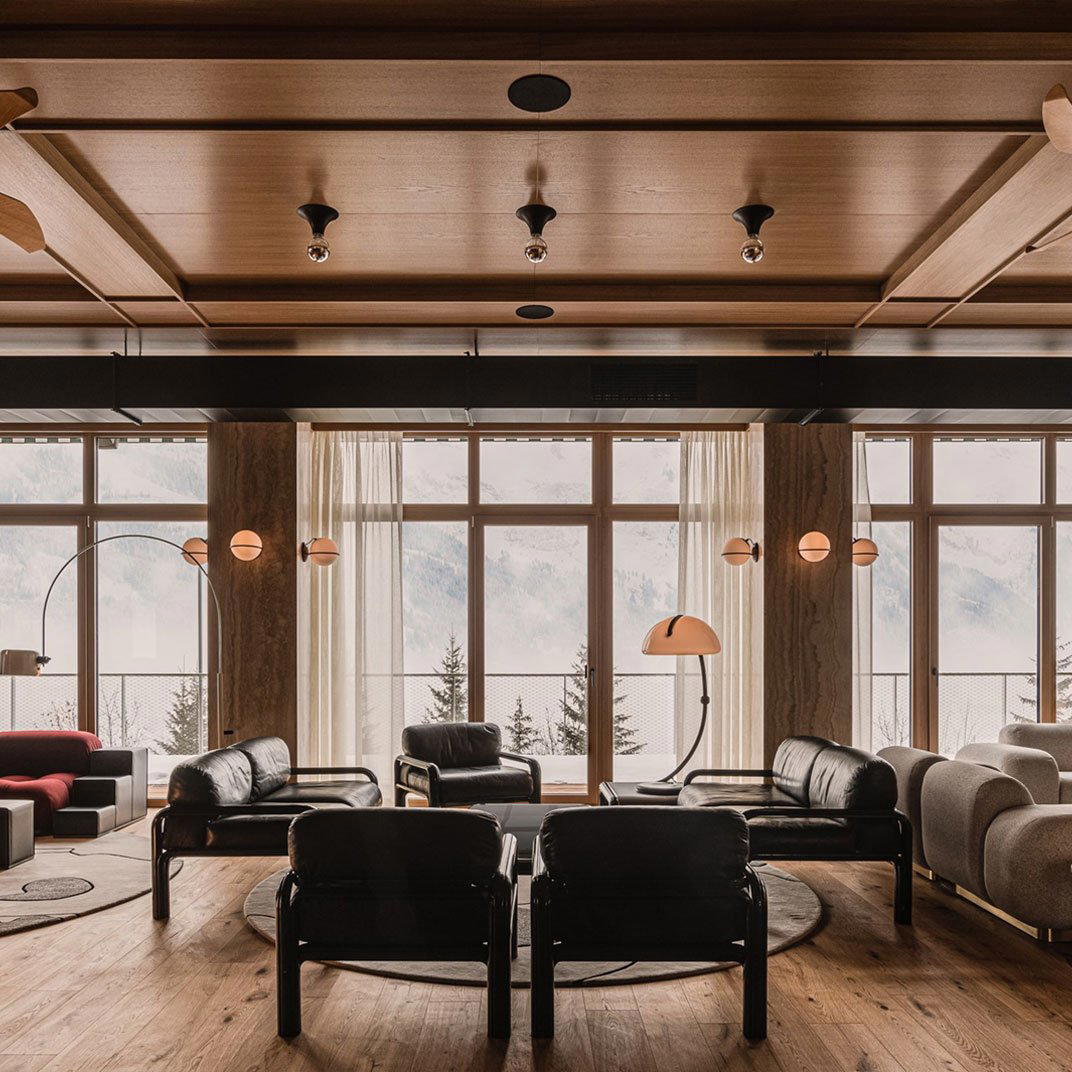
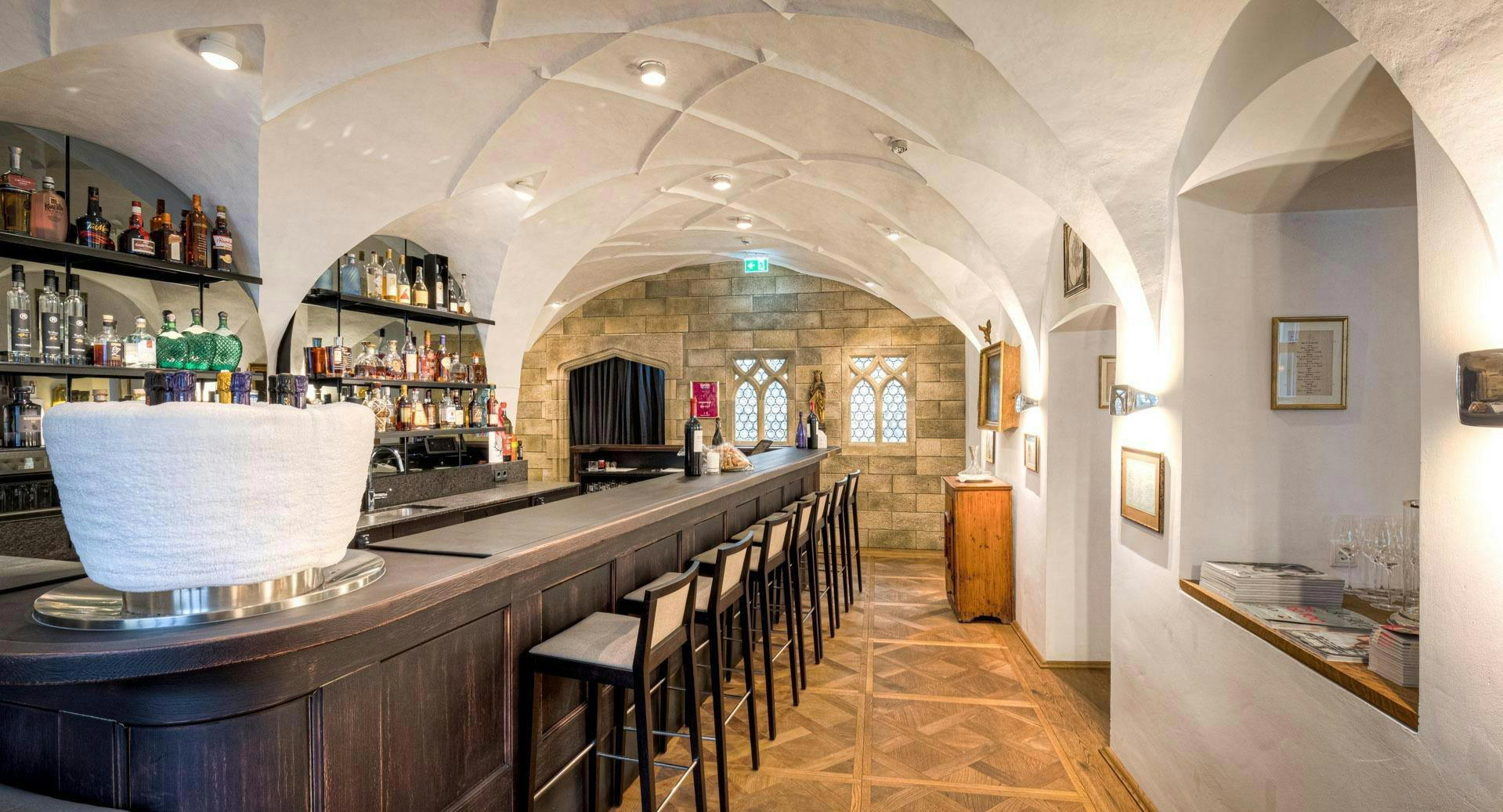
Bars in Saalbach Hinterglemm
Browse all →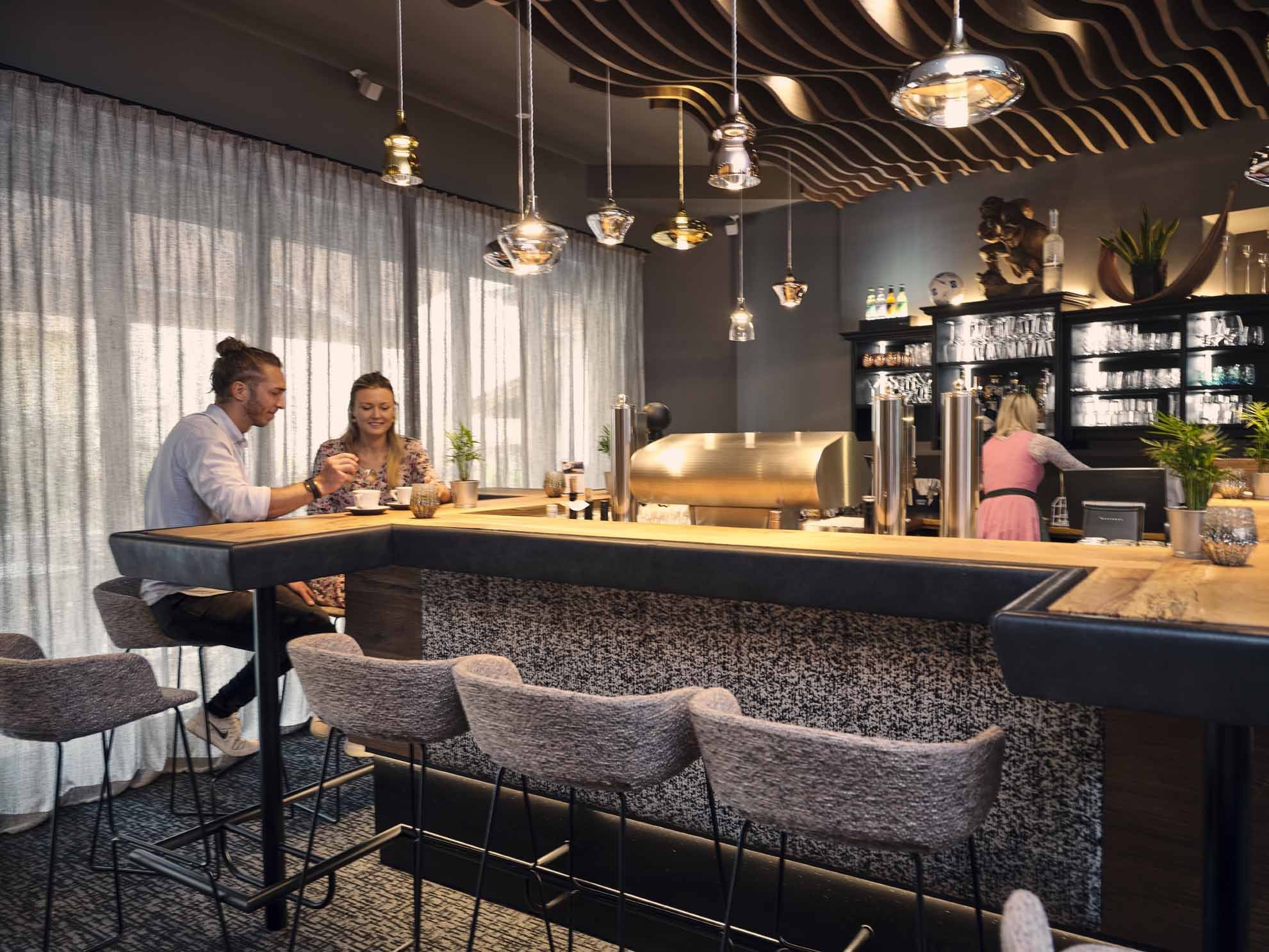
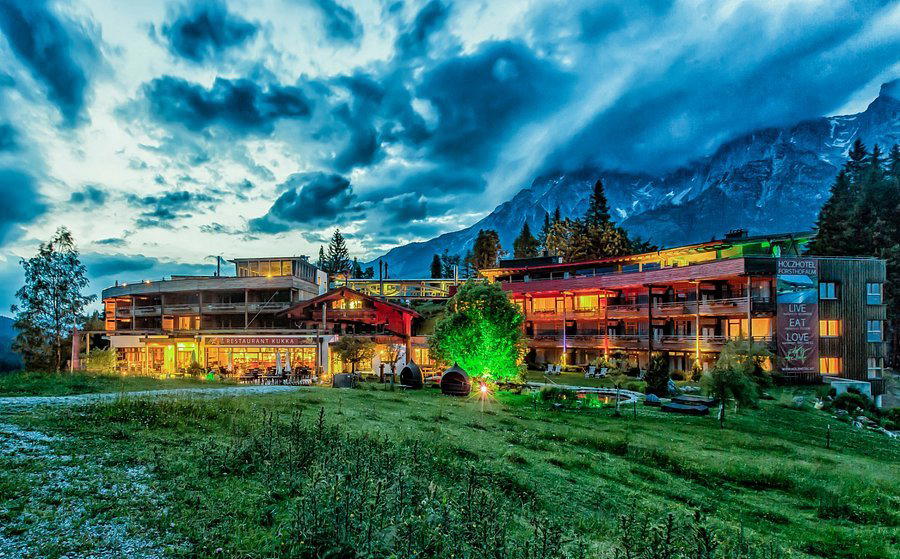


At a Glance
- Cozy
- Rustic
- Scenic
- Elegant
- Group Dining
- Family
- Celebration
- Special Occasion
- Terrace
- Panoramic View
- Open Kitchen
- Extensive Wine List
- Local Sourcing
- Mountain
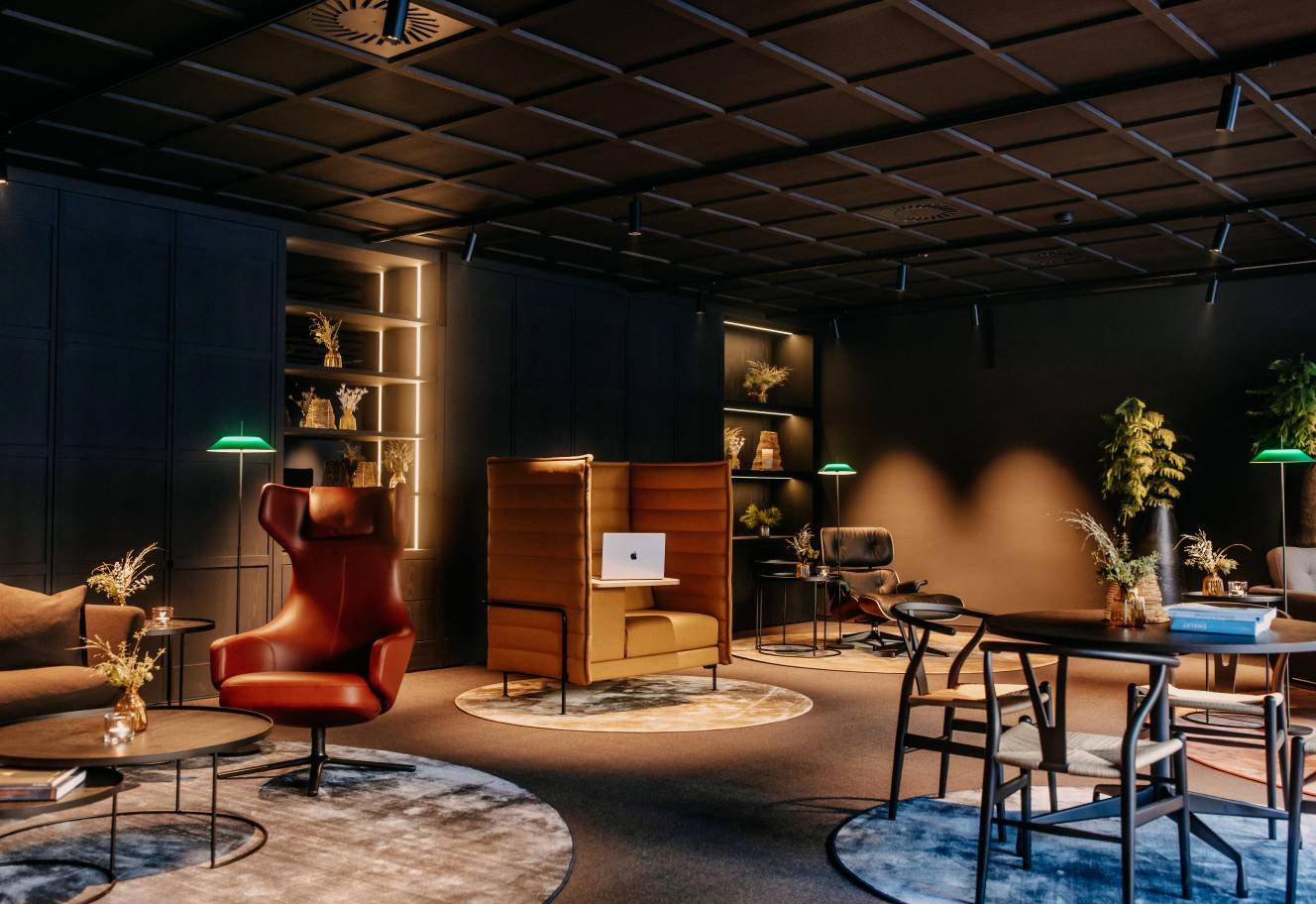
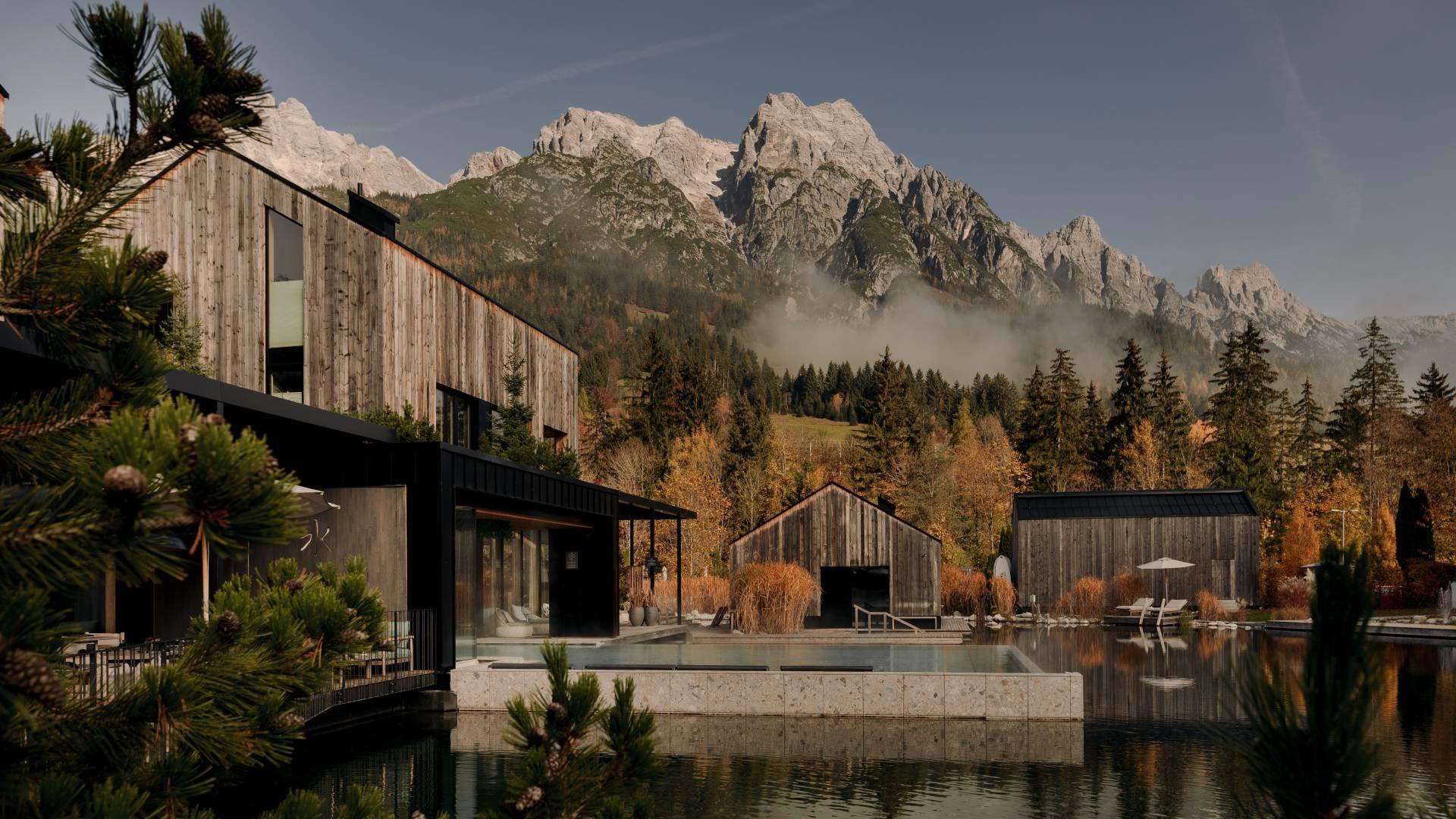
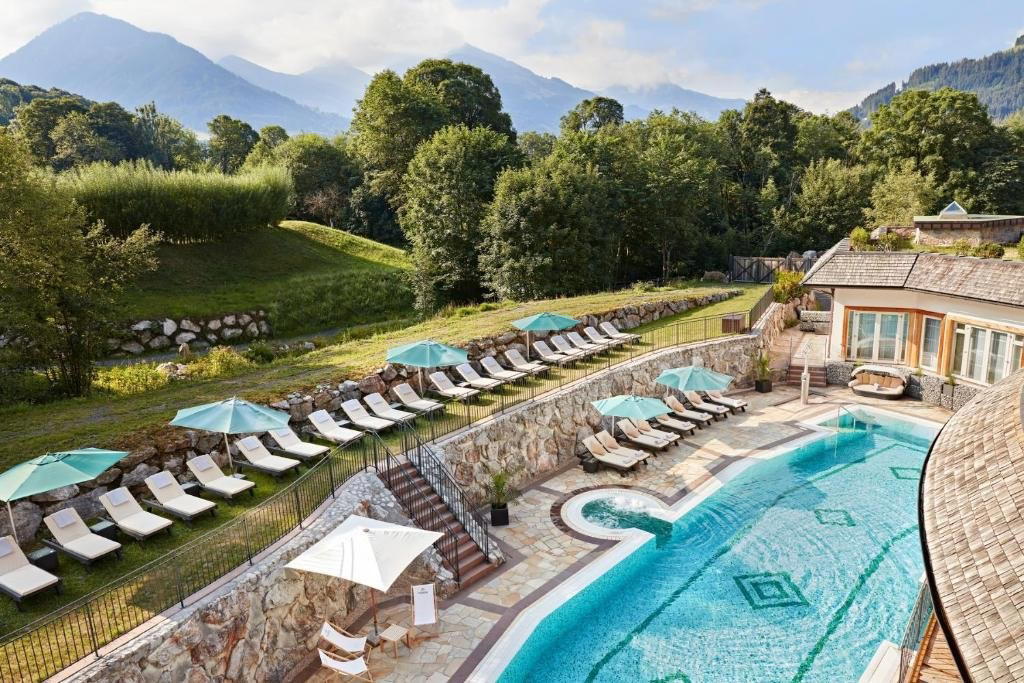
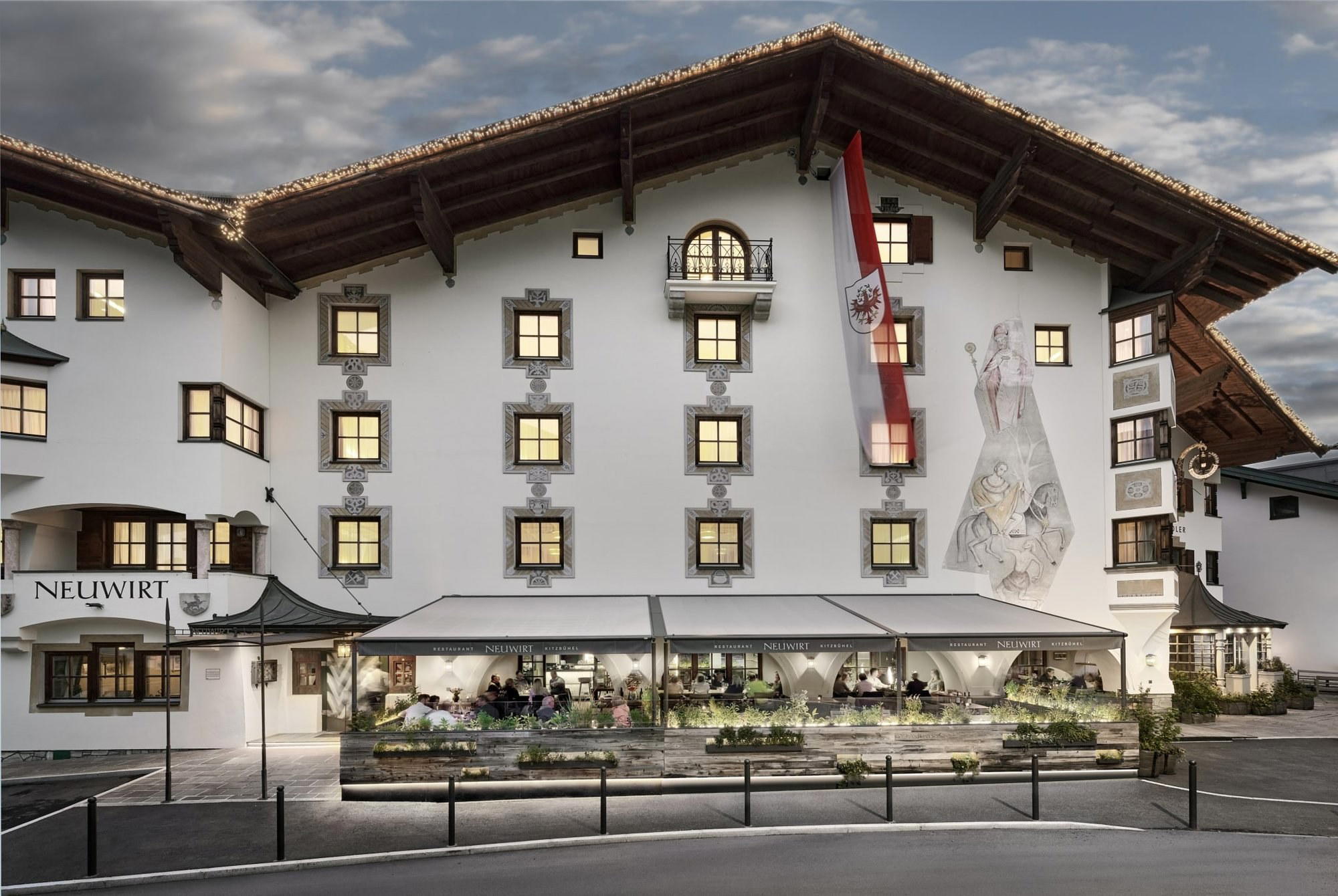
Cozy lounge with fireplace, stylish interiors, and relaxed evening atmosphere overlooking illuminated ski slopes.