
Magnifico da Umberto holds a Michelin Plate for 2024 and 2025, placing it among Heilbronn's most formally recognised Italian restaurants. Located in the Zukunftspark development at the city's northeastern edge, it operates at the €€€ price tier and carries. For Italian cooking in a German city better known for Swabian tradition, it represents a credible and decorated option.
Pearl is the En Primeur Club membership app — saves, bookings, and concierge access live there. Same editors, same standards.
- Address
- Im Zukunftspark 10, 74076 Heilbronn, Germany
- Phone
- +49 7131 74564140
- Website
- wtz-magnifico.de
- Directions
- Get directions
 Saves & bookings on Pearl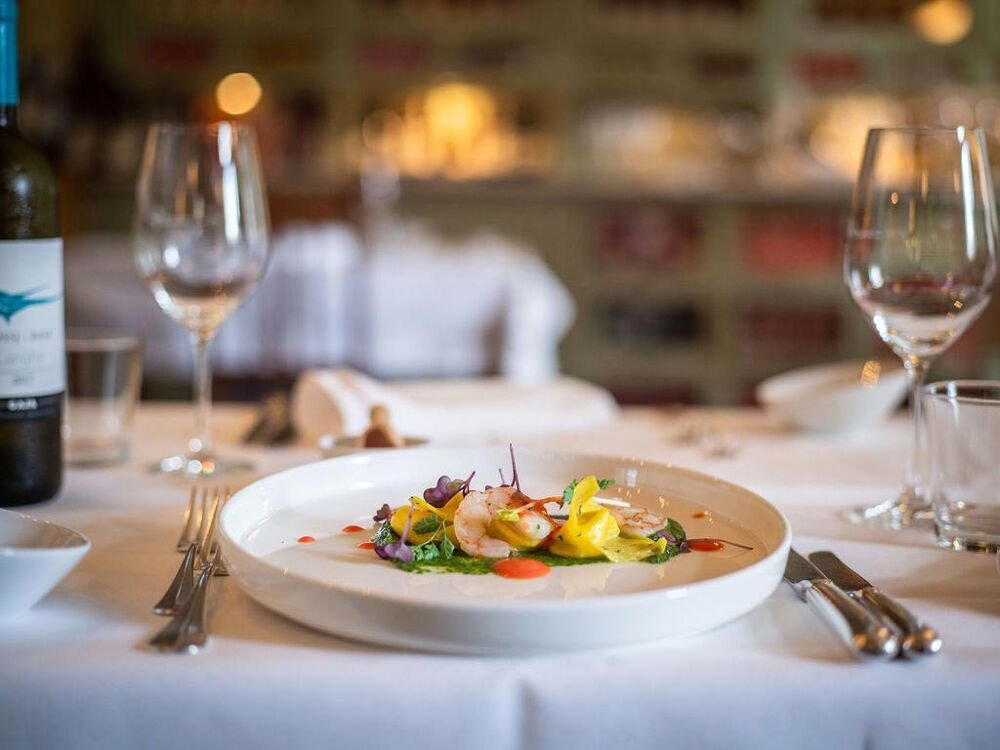
Italian Cooking in a City of Swabian Defaults
Heilbronn's dining identity has long been shaped by its Swabian inheritance: Maultaschen, Spätzle, and the Württemberg wine culture that runs through the Neckar Valley. Italian restaurants in this context occupy a specific position. They are not, as in Berlin or Munich, part of a dense competitive tier where a dozen credentialed kitchens compete for the same attention. In Heilbronn, a formally recognised Italian kitchen is a more isolated signal, and Magnifico da Umberto sits at that point on the map. Its two consecutive awards indicate consistent quality. That distinction, in a mid-sized German city, carries weight.
The address is Im Zukunftspark 10, placing the restaurant inside the Zukunftspark development on Heilbronn's northeastern edge. Zukunftspark is a relatively new district, built partly on land regenerated after the 2019 Federal Horticultural Show (Bundesgartenschau), and its architecture tends toward the contemporary and open. The approach is less the cobbled lane of an old-town trattoria and more the measured calm of a modern development, an environment that, in its own way, suits a kitchen built around precision rather than nostalgia.
The Italian Principle of Restraint
Italian cooking at its most serious is not a cuisine of accumulation. It is a cuisine of subtraction: fewer ingredients, better sourced, handled with less intervention. The philosophical core, that a tomato in season requires nothing more than good olive oil and salt, runs through everything from a Ligurian focaccia to a Piedmontese tajarin. The kitchens that hold this principle most firmly are often the hardest to execute, because they offer no hiding place. A complex sauce can mask a mediocre protein. A two-ingredient dish cannot.
This is the tradition in which Magnifico da Umberto operates, at least as suggested by its positioning and recognition. The €€€ price tier places it above the casual neighbourhood category. For context, the upper end of Germany's recognised Italian cooking, venues like Aqua in Wolfsburg, which integrates Italian influence into a multi-starred creative program, operates at €€€€ and is built around a fundamentally different format. Magnifico da Umberto's mid-range pricing suggests something closer to a traditional Italian service model: a menu with recognisable structure, priced to allow multiple visits rather than once-a-year occasions.
Germany has a long relationship with Italian cooking that goes beyond the obvious. The postwar Gastarbeiter migration brought southern Italian cuisine into German industrial cities, and over decades that presence evolved from workers' canteens into a diverse restaurant culture. Today's more formally recognised Italian kitchens in Germany, whether in Munich (see JAN in Munich for a related creative approach to ingredient focus) or further afield, tend to occupy a specific niche: Michelin-acknowledged, regionally rooted in Italy's culinary geography, and distinct from the undifferentiated pasta-and-pizza category that makes up the majority of Italian restaurants in any German city.
What the Michelin Plate Signals in Practice
The Michelin Plate, introduced as a formal designation in the Guide's restructuring of its recognition tiers, marks restaurants that prepare food to a good standard without yet reaching the single-star threshold. Two consecutive Plate awards, 2024 and 2025, indicate that the kitchen has maintained this standard over time, which is the more meaningful signal. A single-year award can reflect a good season. Consecutive recognition suggests a stable operation with consistent kitchen leadership and supply chain discipline.
, but its direction is consistent with the Michelin signal: the current reviewer base rates the experience highly. The small number of reviews also reflects the restaurant's position as a specialist address rather than a volume destination. Venues with hundreds of reviews at the €€€ tier often attract a broader and more varied audience; a smaller, higher-rated pool tends to suggest a more targeted visitor, the kind who arrives with a specific purpose.
For comparison within the broader German fine dining scene, the restaurants that hold multiple Michelin stars, Schwarzwaldstube in Baiersbronn, Vendôme in Bergisch Gladbach, Waldhotel Sonnora in Dreis, operate in a structurally different category: fixed menus, longer booking windows, price points that begin where €€€ ends. The restaurant's recognition places it in a different but legitimate tier, where the cooking is acknowledged and the format remains accessible.
Italian in Unlikely Contexts
One of the more interesting developments in international Italian cooking over the past decade has been how effectively the cuisine translates to contexts far removed from its origin. 8½ Otto e Mezzo Bombana in Hong Kong holds three Michelin stars for Italian cooking in a Chinese city. Cenci in Kyoto applies Italian structure to Japanese produce. These are extreme examples, but they illustrate a principle: Italian cooking's discipline around ingredient quality and simple construction travels well, because its requirements are philosophical rather than geographic.
In Heilbronn, the dynamic is different but the principle holds. Baden-Württemberg produces some of Germany's better agricultural output, including wines from the Württemberg region and market produce from the Neckar Valley. A kitchen working within the Italian tradition of letting ingredients carry the dish has good raw material to work with locally, without needing to import everything from the peninsula.
Planning Your Visit
The restaurant is located at Im Zukunftspark 10, 74076 Heilbronn, in the Zukunftspark district on the city's northeastern side. The €€€ price tier positions it as a considered dinner rather than a casual drop-in, and the Michelin Plate recognition makes a reservation advisable rather than optional, particularly on weekends. Current hours are Mon: Closed; Tue: Closed; Wed through Sat: 6 PM to 12 AM; Sun: Closed.
Booking and Cost Snapshot
Comparable venues nearby, for context on price, style, and recognition.
| Venue | Cuisine | Price | Awards | Notes |
|---|---|---|---|---|
| Magnifico da UmbertoThis venue — the venue you are viewing | Zukunftspark, Modern Italian Fine Dining | $$$ | Michelin Plate | Not listed |
| Bachmaier | Modern German Fine Dining | $$$ | Michelin Plate | Not listed |
| Nabatian Restaurant & Catering - Heilbronn | Böckingen, Persian | $$ | Not listed | Not listed |
| THAMARAI Restaurant Heilbronn | Not listed | $$ | Not listed | Heilbronn, Sri Lankan Tamil & Jaffna Cuisine |
| Mauritius Restaurant Heilbronn | Marktplatz, International Beach Food | $$ | Not listed | Not listed |
| Indisches Restaurant Ganesha Heilbronn | Authentic Indian | $$ | Not listed | Not listed |
Recognition history
Dated appearances from independent guides and award organizations, with the underlying list record or original source where available.
Michelin Plate
Michelin · 2026 Michelin Plate
Michelin Plate
Michelin
Michelin Plate
Michelin
Continue exploring
More in Heilbronn
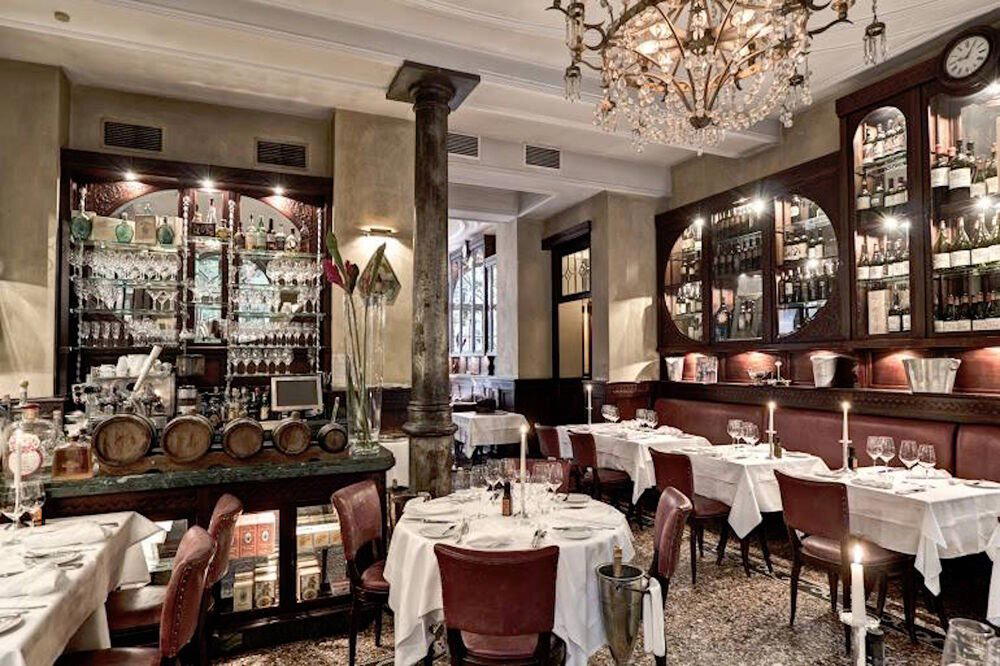
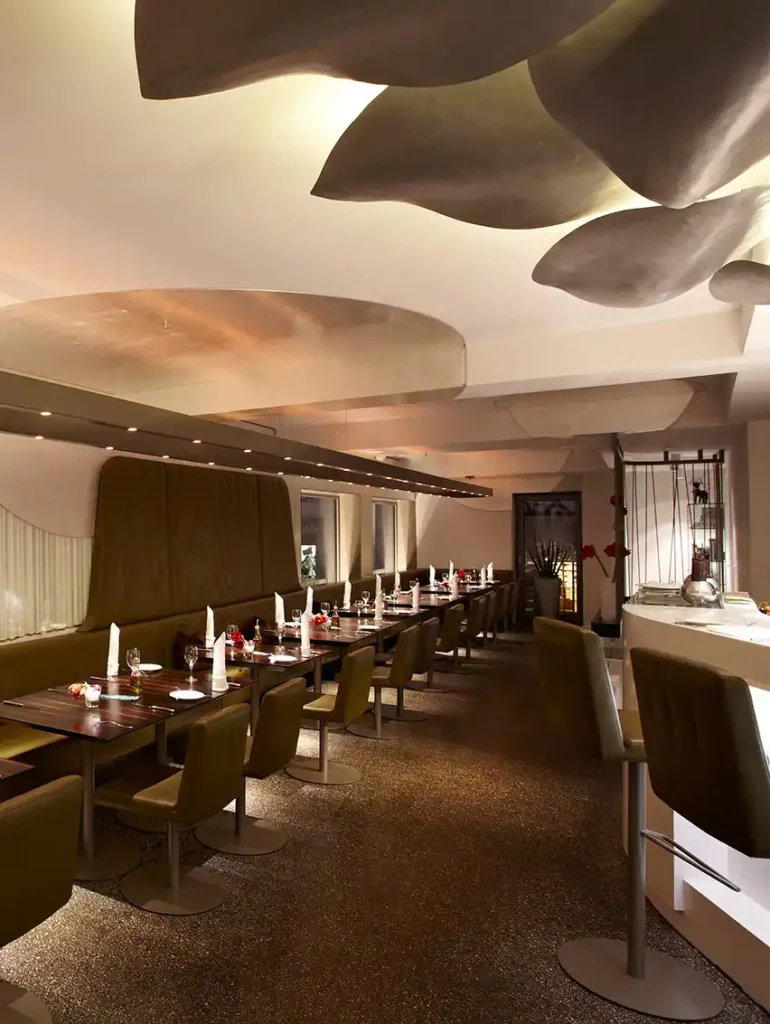
Restaurants in Heilbronn
Browse all →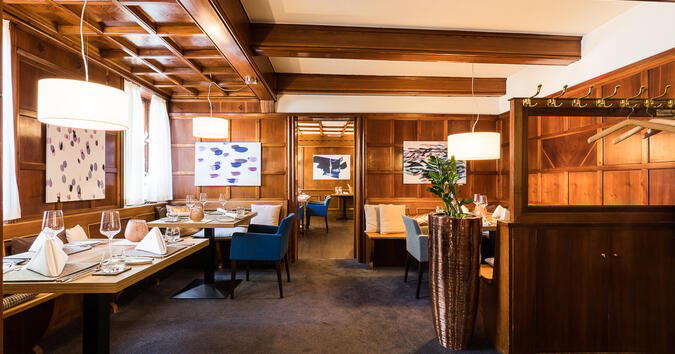
Bars in Heilbronn
Browse all →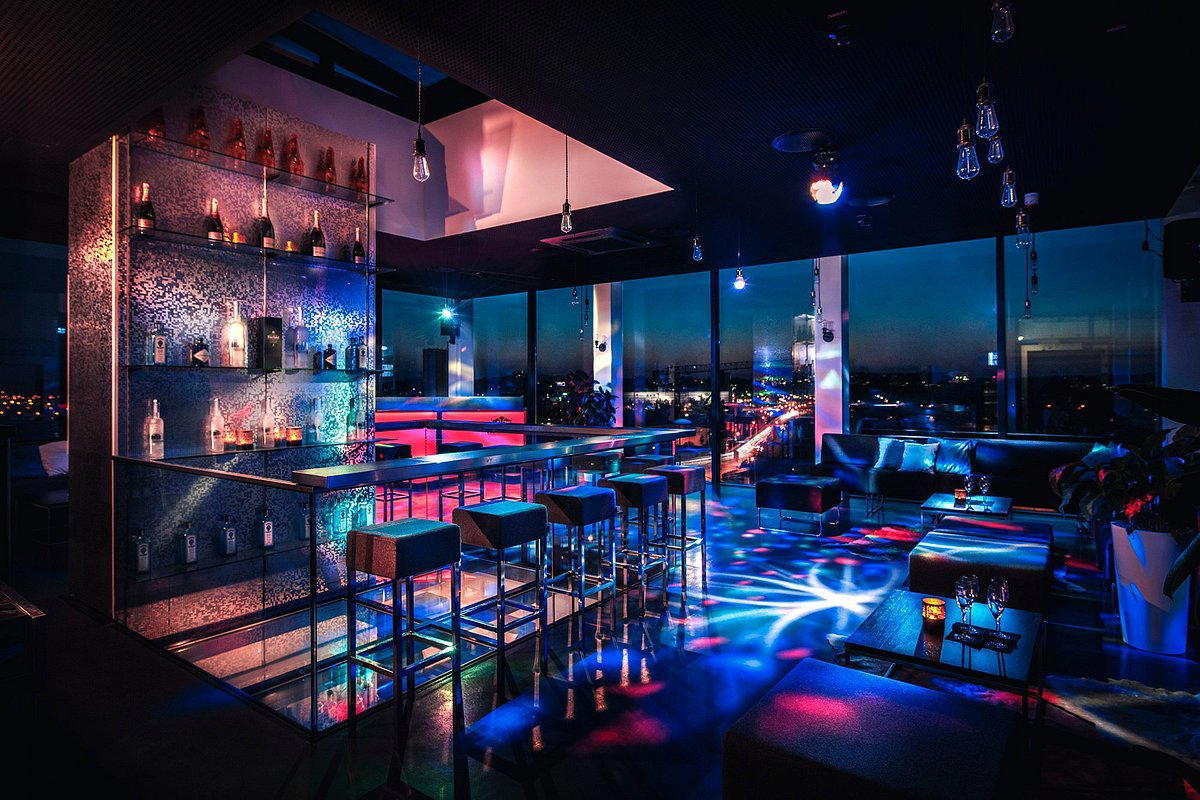
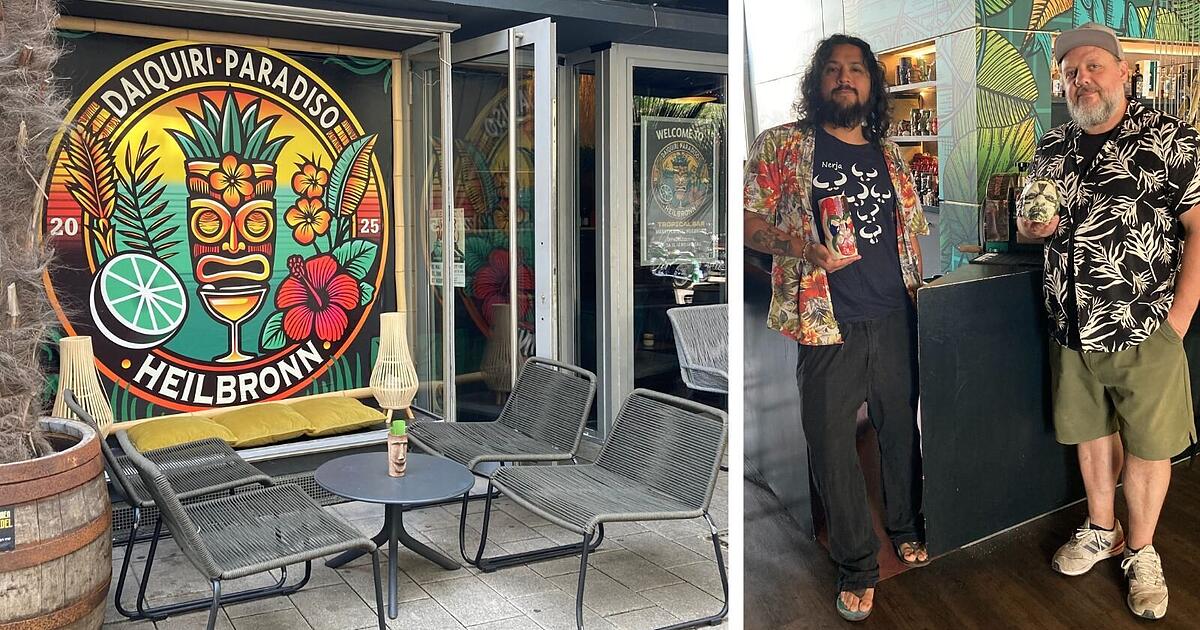

Hotels in Heilbronn
Browse all →

At a Glance
- Elegant
- Sophisticated
- Minimalist
- Intimate
- Date Night
- Special Occasion
- Business Dinner
- Panoramic View
- Extensive Wine List
- Skyline
Current opening hours
- Monday
- Closed
- Tuesday
- Closed
- Wednesday
- 6 PM–12 AM
- Thursday
- 6 PM–12 AM
- Friday
- 6 PM–12 AM
- Saturday
- 6 PM–12 AM
- Sunday
- Closed
Hours can change for holidays and private events. Last verified .
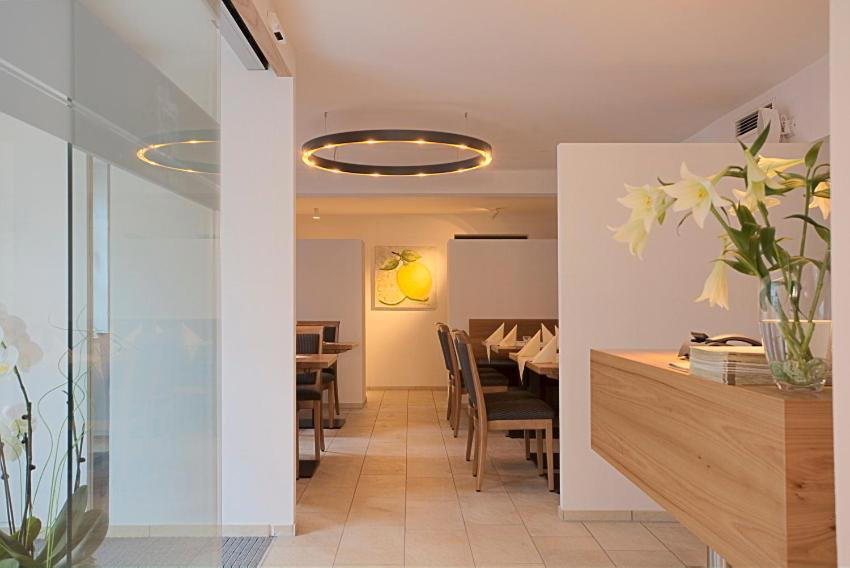
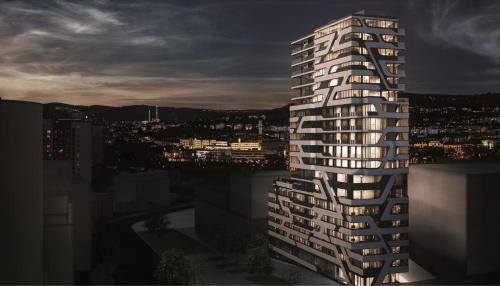
Minimalist-style with relaxed yet elegant atmosphere and spectacular city views from the tower.