Indisches Restaurant Ganesha brings Indian cooking to Allee 57 in central Heilbronn, operating within a city whose restaurant scene increasingly favours imported culinary traditions alongside its German foundations. For diners seeking subcontinental flavour in a mid-sized Baden-Württemberg city, Ganesha represents one of the more established Indian options in the local market.
Pearl is the En Primeur Club membership app — saves, bookings, and concierge access live there. Same editors, same standards.
- Address
- Allee 57, 74072 Heilbronn, Germany
- Phone
- +4971318974905
- Website
- ganesha-heilbronn.de
- Directions
- Get directions
 Saves & bookings on Pearl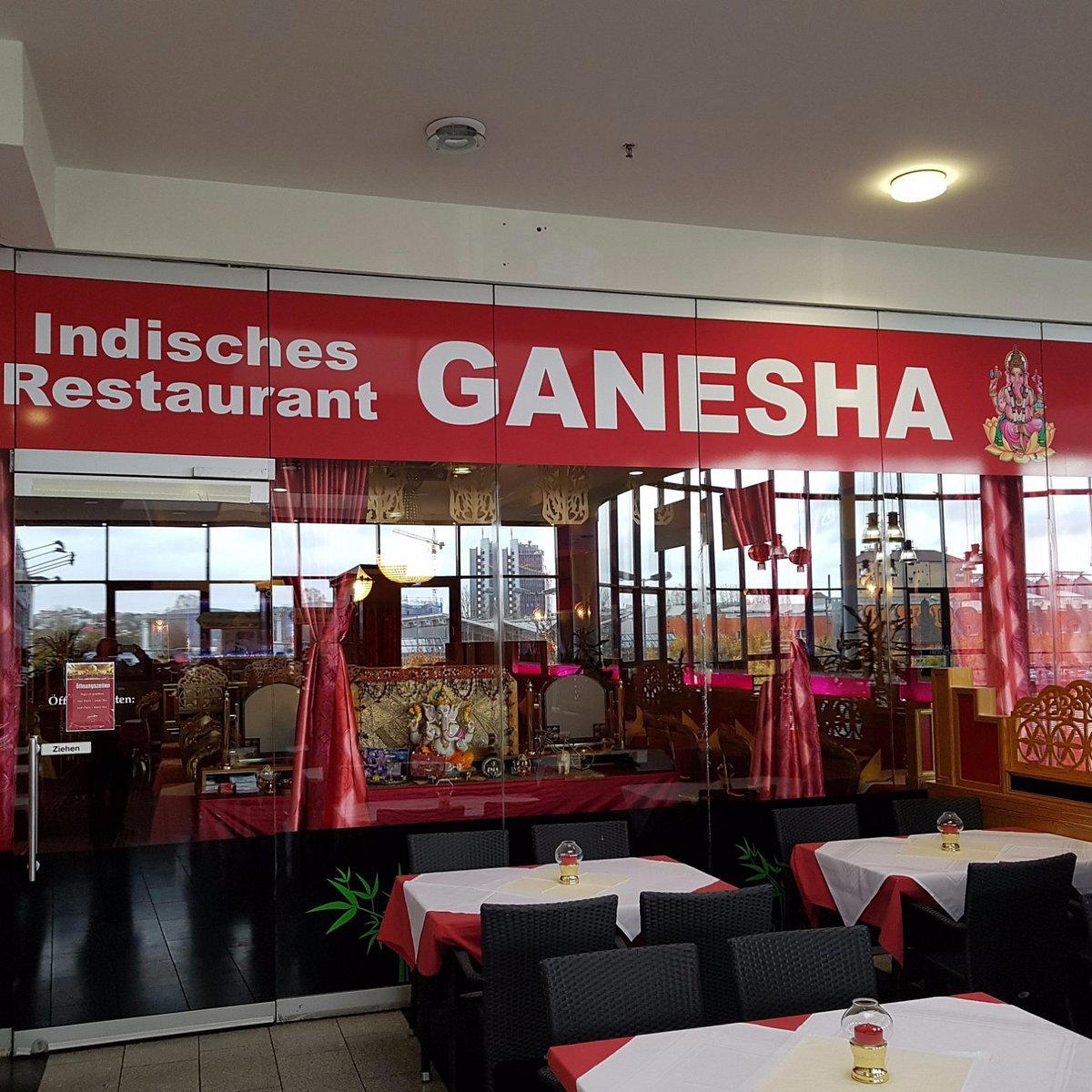
Indian Cooking in a Baden-Württemberg Context
Heilbronn is not a city that typically draws international food commentary, but its dining scene reflects something common across mid-sized German cities: a core of traditional regional cooking supplemented by a growing range of imported cuisines that arrived with successive waves of migration and urbanisation. Indian restaurants occupy a specific tier in that supplementary layer. They tend to serve communities that have long established subcontinental food as part of the everyday eating vocabulary, while also attracting German diners for whom the spice register and sauce-led cooking represent a deliberate departure from local norms. Indisches Restaurant Ganesha, at Allee 57 in the city centre, sits within that established tier of Indian dining in Heilbronn.
The address on Allee places it along one of Heilbronn's more trafficked central corridors, an area that sees both daytime foot traffic and evening restaurant-goers. Approaching the building, the surrounding architecture is typical of a reconstructed German city centre, Heilbronn was heavily damaged in the Second World War and rebuilt in the postwar decades, giving its centre a functional, modernist character rather than a preserved old-town feel. In that context, the restaurant's presence signals something about how Indian cuisine has embedded itself in German urban life: not as an exotic outlier but as a regular fixture in the mainstream dining geography of a working city.
What Indian Sourcing Traditions Mean in Practice
The ingredient conversation around Indian restaurants in Germany tends to focus on a specific challenge: spice sourcing. Authentic Indian cooking depends on a spice palette, cardamom, black mustard seed, curry leaf, fenugreek, asafoetida, dried chillies of particular regional varieties, that does not exist in the German agricultural tradition. Restaurants operating at any level of seriousness either import these directly from subcontinental suppliers or source from specialist wholesalers who maintain supply chains into South Asia. The difference in flavour between fresh-ground whole spices sourced from origin and pre-ground commodity blends is significant and detectable to anyone familiar with the cuisine.
This matters in a city like Heilbronn because the diner base is diverse enough to include people with direct experience of subcontinental cooking at home. The Indian and South Asian diaspora in Baden-Württemberg is substantial, and any restaurant in this category is implicitly benchmarked against home cooking and against restaurants in larger cities like Stuttgart, which has a more competitive Indian dining market. Ganesha's positioning within Heilbronn's more limited Indian dining options means it serves a function that restaurants in denser markets do not: it is often the primary accessible option for a particular flavour tradition, which places greater weight on sourcing discipline and cooking consistency.
Germany's broader food import infrastructure has improved access to subcontinental ingredients significantly over the past two decades. Indian grocery suppliers now operate across major German cities, and the supply chain for key spices, lentils, rice varieties, and specialty flours has matured enough that a committed restaurant operation in a city like Heilbronn can access ingredients that would have been difficult to procure reliably thirty years ago. Whether a specific operation acts on that access is a question of kitchen discipline and owner investment rather than structural limitation.
Ganesha Within Heilbronn's Wider Restaurant Scene
Heilbronn's restaurant scene spans a reasonable range of price points and traditions. At the higher end of locally-sourced German cooking, Bachmaier represents a farm-to-table approach that connects cooking directly to regional produce networks. Italian dining is covered by Magnifico da Umberto, which operates in a similar price bracket. Elsewhere in the city, Mauritius Restaurant Heilbronn, Nabatian Restaurant and Catering, and THAMARAI Restaurant Heilbronn extend the diversity of the scene into African-influenced, Middle Eastern, and Southeast Asian territory respectively. The fuller picture of what Heilbronn offers is mapped in our Heilbronn restaurants guide.
Indian dining in this context occupies a distinct niche. Unlike Italian food, which has been thoroughly domesticated into German eating culture and is available at multiple price tiers across the city, Indian cooking retains a specificity that makes each restaurant's approach more consequential. The spice logic, the bread traditions (whether a kitchen maintains a tandoor, for instance, has structural implications for the menu), and the regional differentiation within Indian cuisine itself, North Indian, South Indian, coastal, vegetarian-dominant, all shape what a restaurant can and cannot offer.
For context on what fine dining looks like elsewhere in Germany, the Michelin-recognised tier runs from operations like Aqua in Wolfsburg and JAN in Munich through to multi-starred addresses like Schwarzwaldstube in Baiersbronn, Vendôme in Bergisch Gladbach, and Victor's Fine Dining by Christian Bau in Perl. Conceptually adventurous formats like CODA Dessert Dining in Berlin and precision-driven regional houses like ES:SENZ in Grassau, Schanz in Piesport, Waldhotel Sonnora in Dreis, and Restaurant Haerlin in Hamburg define what serious ambition looks like at the national level. Internationally, the standard of technical rigour at addresses like Le Bernardin in New York City and the ingredient-driven precision of Atomix frame what the global conversation around sourcing and technique looks like. Ganesha operates in a different register entirely, neighbourhood restaurant rather than destination dining, but the broader frame matters for understanding where any restaurant sits in the hierarchy of intent and execution.
Planning a Visit
Ganesha is located at Allee 57, 74072 Heilbronn, making it accessible from the city centre on foot or by local transit. No booking data, pricing information, or hours are available through this record, so contacting the restaurant directly before visiting is advisable, particularly for larger groups or if you are planning around specific dietary requirements. As a general pattern for Indian restaurants operating in German mid-sized cities, weekday evenings tend to be less pressured than Friday and Saturday dinner services. For allergy and dietary enquiries, speaking directly with the kitchen before arrival gives the clearest picture of what substitutions or omissions are possible, the complexity of spice blends in Indian cooking means that allergen management is more involved than in simpler European kitchen formats.
Comparable Spots, Quickly
Comparable venues nearby, for context on price, style, and recognition.
| Venue | Cuisine | Price | Awards | Notes |
|---|---|---|---|---|
| Indisches Restaurant Ganesha HeilbronnThis venue — the venue you are viewing | Authentic Indian | $$ | Not listed | Not listed |
| THAMARAI Restaurant Heilbronn | Sri Lankan Tamil & Jaffna Cuisine | $$ | Not listed | Heilbronn |
| Nabatian Restaurant & Catering - Heilbronn | Persian | $$ | Not listed | Böckingen |
| Mauritius Restaurant Heilbronn | International Beach Food | $$ | Not listed | Marktplatz |
| Bachmaier | Modern German Fine Dining | $$$ | Michelin Plate | Heilbronn |
| Magnifico da Umberto | Modern Italian Fine Dining | $$$ | Michelin Plate | Zukunftspark |
Continue exploring
More in Heilbronn
Restaurants in Heilbronn
Browse all →
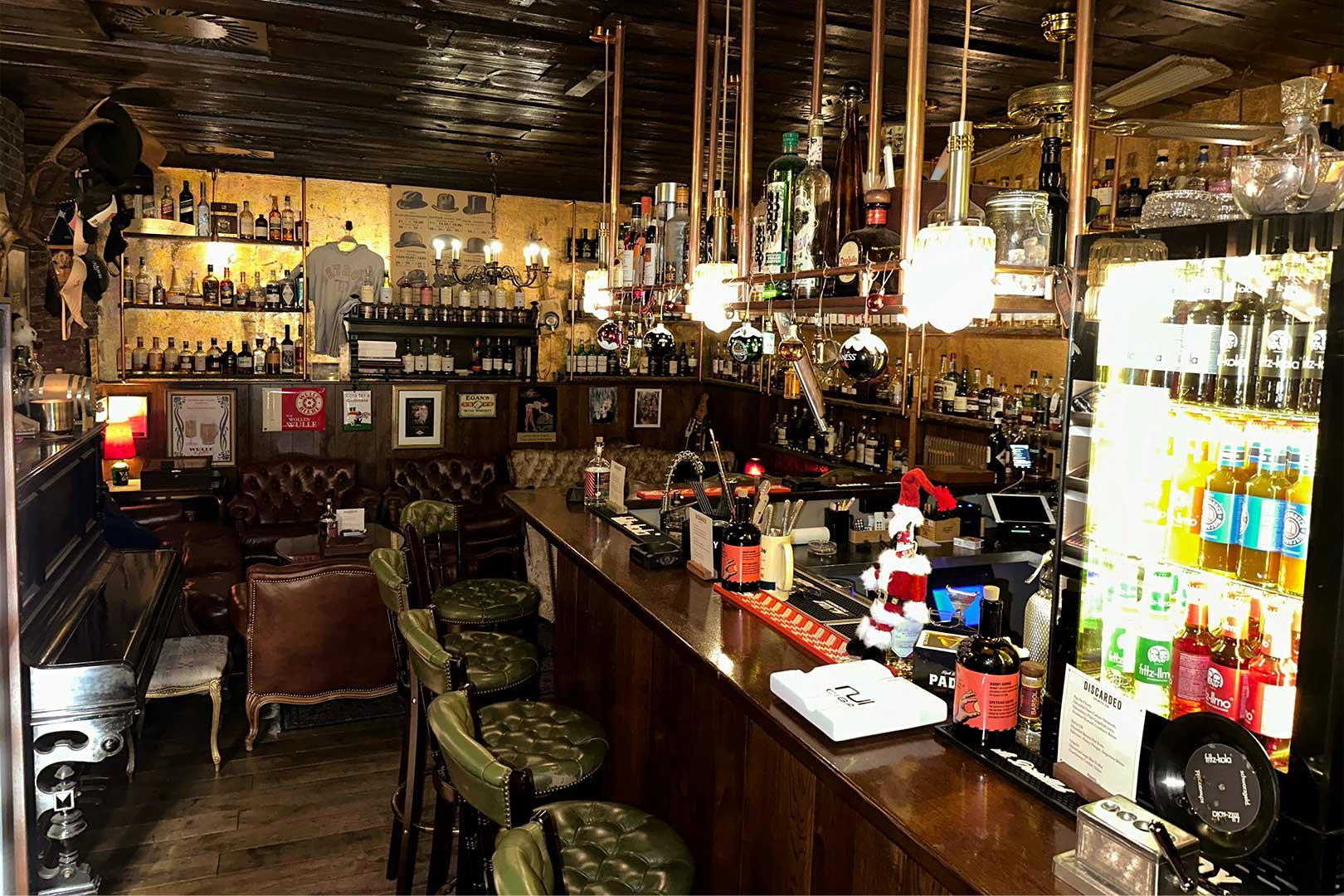
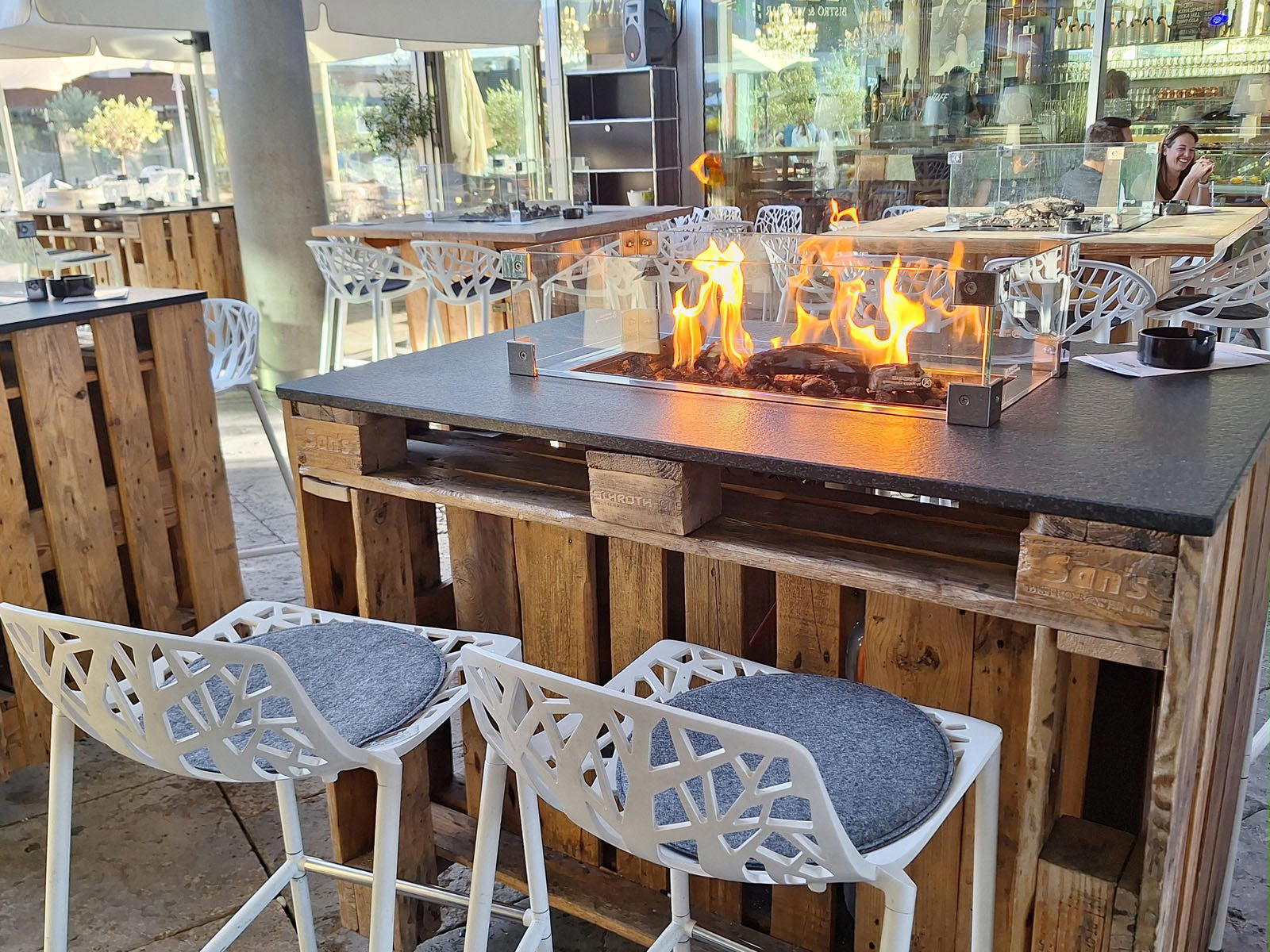
Bars in Heilbronn
Browse all →

Hotels in Heilbronn
Browse all →

At a Glance
- Cozy
- Family
- Casual Hangout
Current opening hours
- Monday
- Closed
- Tuesday
- 10:45 AM–2:30 PM, 4:45–11 PM
- Wednesday
- 10:45 AM–2:30 PM, 4:45–11 PM
- Thursday
- 10:45 AM–2:30 PM, 4:45–11 PM
- Friday
- 10:45 AM–2:30 PM, 4:45–11 PM
- Saturday
- 10:45 AM–2:30 PM, 4:45–11 PM
- Sunday
- 10:45 AM–2:30 PM, 4:45–11 PM
Hours can change for holidays and private events. Last verified .
Warm and welcoming atmosphere with polite staff, making guests feel at home.