Maggies Farm
Maggies Farm occupies a corner of Harford Road in Baltimore's Lauraville neighborhood, a corridor where independent operators have quietly built one of the city's more interesting off-the-beaten-path dining stretches. The venue sits in a part of northeast Baltimore that rewards the curious reader willing to look beyond the Inner Harbor circuit. Details on format, cuisine, and current programming are best confirmed directly at 4341 Harford Rd.
Pearl is the En Primeur Club membership app — saves, bookings, and concierge access live there. Same editors, same standards.
- Address
- 4341 Harford Rd, Baltimore, MD 21214
- Phone
- +14102542376
- Website
- maggiesfarmmd.com
- Directions
- Get directions
 Saves & bookings on Pearl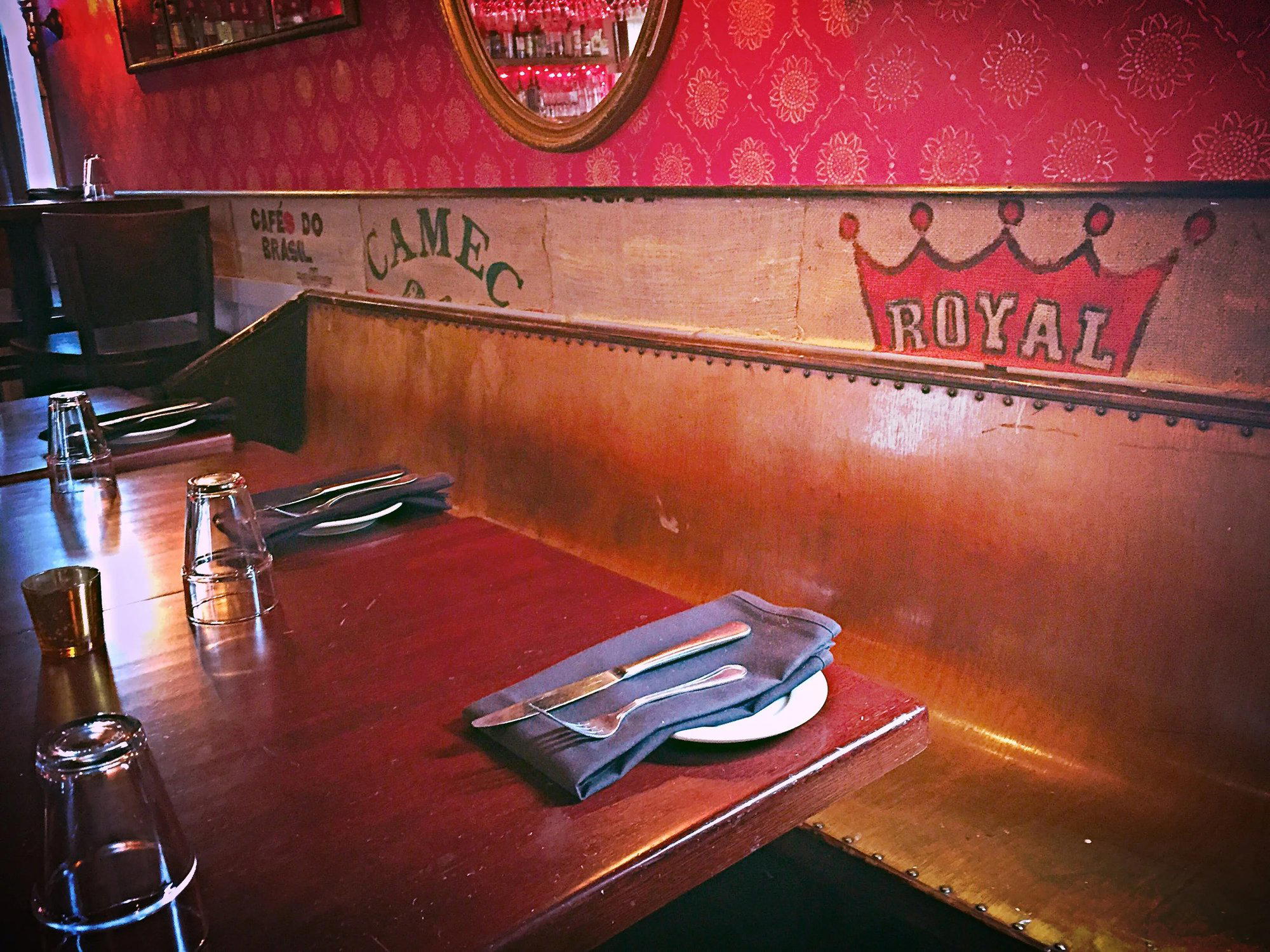
Northeast Baltimore and the Harford Road Corridor
Baltimore's dining conversation tends to collapse around a handful of well-documented zip codes: the waterfront blocks near Fells Point, the Mount Vernon corridor, Federal Hill. What that framing misses is the slow accumulation of independent operators along arteries like Harford Road, where the economics favor smaller, owner-driven concepts over the kind of capital-intensive buildouts that dominate downtown. Maggies Farm, at 4341 Harford Rd in the Lauraville area, sits inside that northeast corridor, a stretch that has changed character incrementally over the past decade as the neighborhood's residential base stabilized and foot traffic from local households began to support a more varied retail and hospitality mix.
That pattern, independent spots maturing alongside their neighborhoods rather than ahead of them, tends to produce a different kind of venue from the ones that open with press coverage and Michelin speculation baked in. The evolution is slower, more contingent on community relationship than on critical positioning. It also tends to be more durable. For context on how Baltimore's broader restaurant scene maps across neighborhoods and price tiers, the our full Baltimore restaurants guide tracks the city's most significant openings and long-running operators.
The Shape of the Northeast Baltimore Scene
Harford Road runs northeast from the city center through a sequence of neighborhoods, Waverly, Ednor Gardens, Lauraville, each with its own demographic texture and its own pace of commercial development. The corridor is not a dining destination in the way that Thames Street or South Charles Street function as planned circuits for visitors. It is residential-primary, which means the operators who survive there are doing so on repeat local custom rather than tourist volume.
That distinction matters when thinking about how a venue like Maggies Farm fits into Baltimore's wider picture. The city has a well-documented higher end, represented by places like Cindy Wolf's Charleston, which has held its position at the top of the local fine-dining tier for years, and a growing middle register that includes operators such as dede (Turkish) and Angeli's Pizzeria. Neighborhood operators on corridors like Harford Road occupy a different register entirely: they are not competing for the same diner as Charleston or dede. Their competitive set is local, their pricing tied to neighborhood income patterns, and their success measured in years of tenure rather than in award cycles.
That said, the northeast corridor has been part of a broader pattern visible in American cities over the past decade, where secondary and tertiary neighborhood strips begin attracting serious independent operators priced out of more established dining districts. Baltimore has seen versions of this in Hampden, in Remington, and incrementally along Harford Road itself. The trajectory in those areas suggests that operators who arrived early and built local loyalty have tended to compound that advantage over time.
How Neighborhood Venues Evolve in Baltimore
The editorial angle on a venue like Maggies Farm is less about a single moment of conception and more about the long arc of adaptation that neighborhood restaurants in American cities typically undergo. A venue on Harford Road in 2024 is operating in a materially different context from what that same address would have meant in 2014. Neighborhood demographics shift. Rental economics change. The composition of the local dining public, their expectations around format, price, and food sourcing, evolves. Venues that survive those shifts tend to do so by reading their community accurately and adjusting incrementally rather than executing a single fixed concept across a decade.
That kind of evolution rarely produces the dramatic pivot narratives that food media prefers. It tends instead to produce gradual refinement: a tightened menu, a recalibrated price point, a shift in hours that reflects where the local demand actually sits. The venues that manage it well become fixtures, places that regulars stop explaining to visitors because they assume everyone already knows. That status, quiet tenure backed by neighborhood loyalty, is harder to achieve than a strong opening review and in many ways more meaningful as a signal of operational health.
For comparison, consider how Baltimore's more documented operators have navigated similar pressures. Akbar and 16 On The Park each represent a version of this long-term neighborhood positioning, where sustained presence has built a form of institutional familiarity that newer entrants cannot replicate quickly. Maggies Farm's address on Harford Road places it in a similar structural position, if in a different part of the city and presumably at a different price register.
Positioning Against the Broader American Scene
It is worth situating Baltimore's neighborhood dining tier against the national context. The venues that generate the most editorial attention in American dining, places like Le Bernardin in New York City, Alinea in Chicago, The French Laundry in Napa, Lazy Bear in San Francisco, and Single Thread Farm in Healdsburg, operate in a tier defined by tasting menus, multi-month booking windows, and price points that put them beyond the regular reach of most households. Below that tier sits the vast majority of American dining: neighborhood restaurants operating at accessible price points, building their businesses on repeat custom rather than destination traffic.
That majority tier is where most of the country's actual dining culture lives, and where cities like Baltimore produce their most durable operators. Venues elsewhere on the national map, Blue Hill at Stone Barns in Tarrytown, Providence in Los Angeles, Addison in San Diego, Emeril's in New Orleans, The Inn at Little Washington in Washington, Atomix in New York City, and 8 1/2 Otto e Mezzo Bombana (Hong Kong) in Hong Kong, attract coverage precisely because they represent the best of a very steep pyramid. The broader base of that pyramid, neighborhood restaurants on corridors like Harford Road, rarely gets equivalent coverage, but collectively constitutes a much larger share of how people actually eat in American cities.
Planning a Visit
Maggies Farm is at 4341 Harford Rd, Baltimore, MD 21214, in the Lauraville section of northeast Baltimore. Neighborhood corridors like Harford Road tend to reward the visitor who arrives with low expectations around atmosphere and high tolerance for the kind of unpolished, locally specific experience that does not photograph well but tends to stick in memory. The venue sits in a part of the city that is accessible by car from downtown Baltimore in under twenty minutes, and is leading approached as part of a broader northeast Baltimore exploration rather than as a standalone destination visit.
Continue exploring
More in Baltimore
Restaurants in Baltimore
Browse all →
Bars in Baltimore
Browse all →
At a Glance
- Cozy
- Rustic
- Intimate
- Date Night
- Brunch
- Casual Hangout
- Open Kitchen
- Craft Cocktails
- Farm To Table
- Local Sourcing
Current opening hours
- Monday
- Closed
- Tuesday
- 4–10 PM
- Wednesday
- 4–10 PM
- Thursday
- 4–10 PM
- Friday
- 4–10 PM
- Saturday
- 11 AM–3 PM, 4–10 PM
- Sunday
- 11 AM–4 PM
Hours can change for holidays and private events. Last verified .
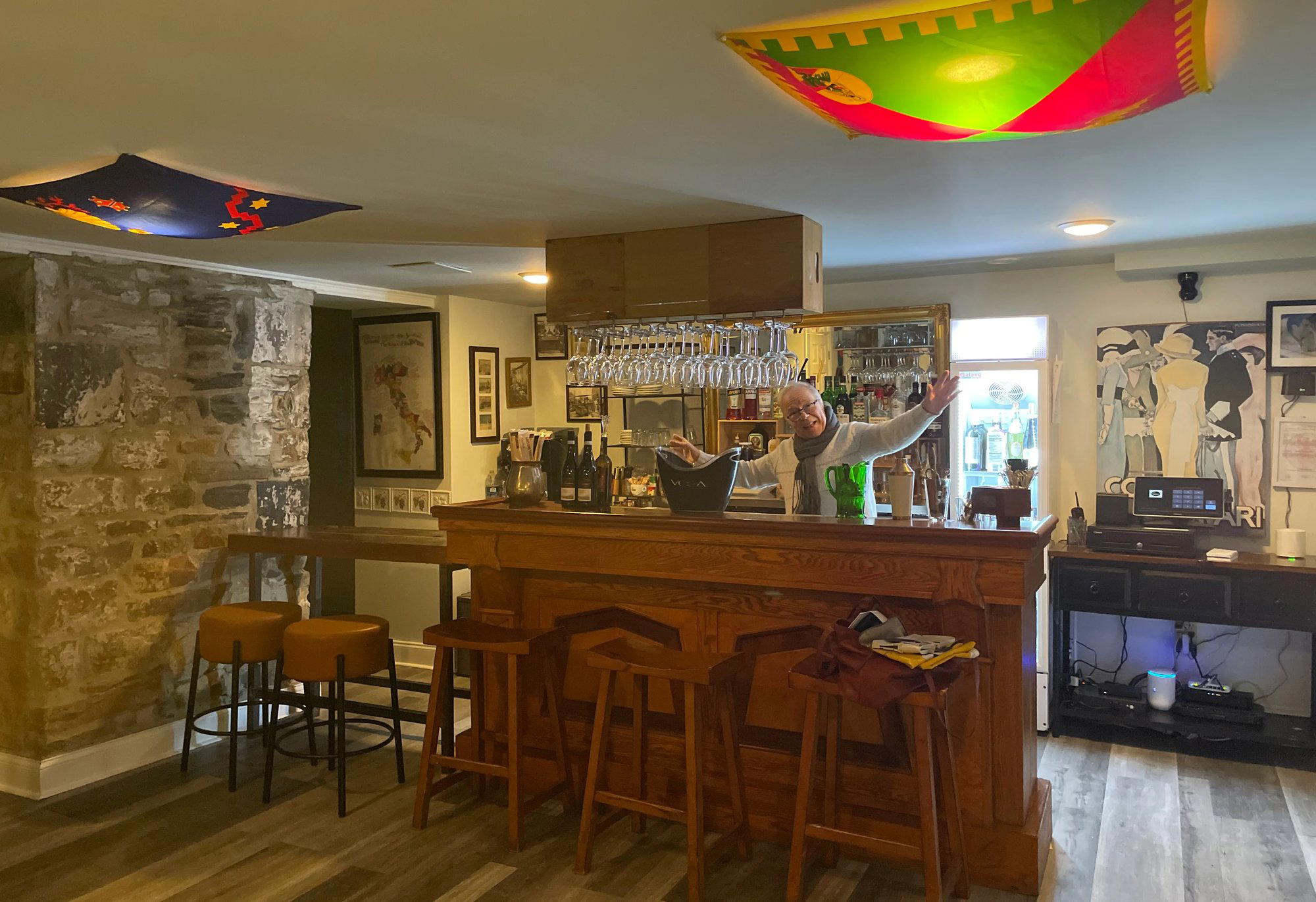
Charming living room-style decor that creates a cozy, at-home atmosphere.
Know Before You Go
- Getting there
- 4341 Harford Rd, Baltimore, MD 21214