Maestro Pasta
On MacDougal Street in Greenwich Village, Maestro Pasta occupies a stretch of lower Manhattan where Italian-American cooking has held ground for generations. The address places it in a neighbourhood dense with pasta traditions and competing interpretations, from red-sauce institutions to more recent hand-rolled formats. For those working through New York City's Italian dining tier, it sits as a Village reference point worth understanding in context.
Pearl is the En Primeur Club membership app — saves, bookings, and concierge access live there. Same editors, same standards.
- Address
- 102 MacDougal St, New York, NY 10012
- Phone
- +16464846446
- Website
- maestropasta.com
- Directions
- Get directions
 Saves & bookings on Pearl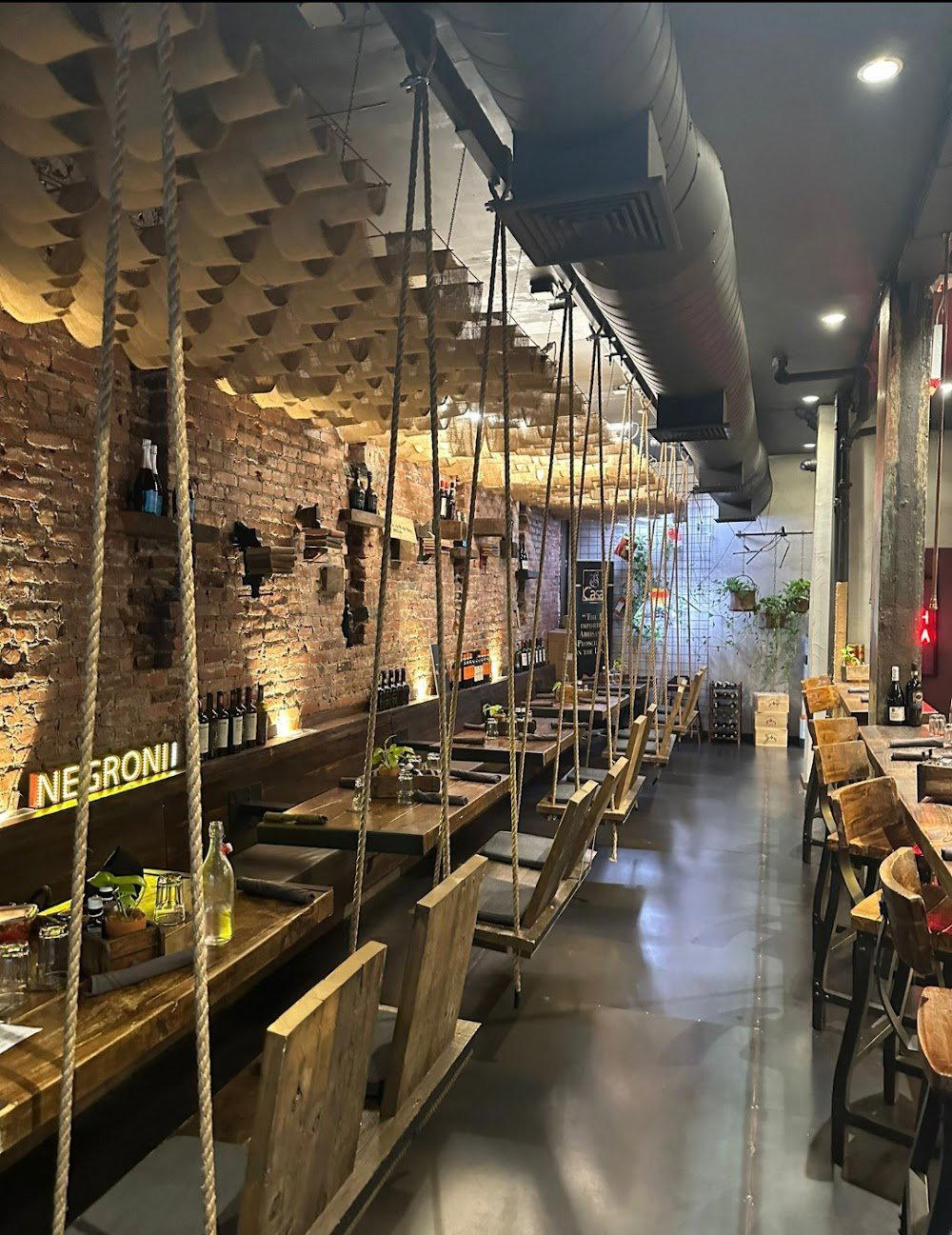
MacDougal Street and the Weight of Pasta Tradition
Greenwich Village's MacDougal Street carries more Italian-American dining history per block than almost any other corridor in Manhattan. The street has been feeding the neighbourhood since the mid-twentieth century, and at 102 MacDougal, Maestro Pasta occupies a position that comes with that accumulated context. Arriving here, you notice the worn storefronts, the narrow sidewalks crowded with foot traffic from NYU and the surrounding residential blocks, and the sense that this stretch has absorbed and outlasted dozens of dining trends without fundamentally changing its character.
That physical setting matters for how you read any pasta-focused operation in the Village. New York's Italian dining scene has split over the past decade into at least three distinct tiers: the high-formality, cellar-deep operations that compete with tasting-menu restaurants for the same expense-account diner; the mid-register trattorias leaning on regional Italian identity and natural wine programs; and the neighbourhood staples that derive authority from longevity and local familiarity rather than critical recognition. MacDougal Street has historically housed the third category, though newer openings have blurred those lines.
Pasta in New York City: Where the Category Stands
To understand any pasta-focused address in lower Manhattan, it helps to map the broader category. New York's Italian dining has long spanned several distinct traditions. The red-sauce tradition of the Village and Little Italy coexists with a wave of more technically demanding pasta formats, imported directly from specific Italian regions, that have reshaped expectations over the past fifteen years. Hand-rolled formats, fermented-grain doughs, and hyper-regional preparations from Emilia-Romagna, Campania, and Sardinia now appear on menus across the city, from the East Village to the Upper West Side.
What separates the pasta operations that hold long-term critical attention from those that function primarily as neighbourhood conveniences is usually two things: sourcing specificity and the approach to the wine program. In the upper tier of New York Italian dining, wine lists have become as much a differentiator as the pasta itself. Sommeliers with deep knowledge of lesser-known Italian appellations, from Etna Rosso to Timorasso to the orange wines of Friuli, now anchor programs at addresses that compete on cellar depth as much as plate quality. This editorial angle matters for any pasta-focused venue in a city where the dining conversation has moved decisively toward wine-as-context.
The Wine Dimension: How Italian Pasta Venues Earn Cellar Credibility
The strongest Italian pasta restaurants in New York currently treat the wine list as a primary editorial statement, not an afterthought. The logic is direct: pasta formats are intensely regional, and a list that mirrors those regional identities, matching, say, a Pugliese orecchiette course with a Primitivo from Manduria or a tonnarelli cacio e pepe with a Cesanese from Lazio, signals genuine curatorial intent. Venues that achieve this alignment earn a different kind of loyalty from wine-attentive diners than those offering generic Italian variety packs dominated by Chianti and Pinot Grigio.
This is the standard against which pasta-focused venues in New York are increasingly measured. At the summit end of the city's dining tier, you have addresses like Le Bernardin and Per Se setting expectations for cellar depth and sommelier expertise. Italian-focused venues operate in a different register but face analogous pressure: diners who spend serious money on pasta in New York in 2024 often arrive with specific wine knowledge and expectations to match.
For context on what wine-forward Italian dining looks like internationally, 8 1/2 Otto e Mezzo Bombana in Hong Kong and Alain Ducasse at Louis XV in Monte Carlo demonstrate how Italian dining can be expressed at high formality with cellar programs to match. The Village operates at a different price point, but the underlying logic of wine-cuisine alignment transfers across tiers.
The Greenwich Village Italian Tier: Competitive Context
Pasta venues on and around MacDougal Street compete in a dense field. The Village and nearby SoHo together contain enough Italian-adjacent addresses to constitute their own micro-scene, with differentiation driven by format (counter versus tablecloth), sourcing signals (imported flour and cheese versus domestic), and the composition of the drinks list. Venues that lean into natural Italian producers, particularly those working with minimal-intervention wines from southern Italy and the islands, have captured a younger wine-curious audience that the traditional red-sauce houses have found harder to reach.
For readers building a broader picture of New York City dining, the city map places the Italian scene alongside the Korean, French, and Japanese tiers, where addresses like Atomix, Jungsik New York, and Masa set the standard for their respective categories.
Comparable formats in other cities provide useful reference points. Alinea in Chicago and Lazy Bear in San Francisco illustrate how ambitious American dining rooms have approached the question of Italian influence differently, absorbing specific techniques rather than wholesale regional identity. Single Thread Farm in Healdsburg, The French Laundry in Napa, and Providence in Los Angeles each demonstrate the degree to which wine program depth has become inseparable from fine dining credibility on the West Coast, a standard that increasingly applies to East Coast Italian venues competing for the same well-travelled diner. Blue Hill at Stone Barns in Tarrytown, Addison in San Diego, The Inn at Little Washington, Emeril's in New Orleans, and Bacchanalia in Atlanta round out the national picture of how regional American dining addresses the Italian influence question at varying formality levels.
Visit Details
Maestro Pasta is located at 102 MacDougal Street in Greenwich Village, accessible from nearby subway stops.
| Venue | Cuisine | Price Tier | Neighbourhood | Booking |
|---|---|---|---|---|
| Le Bernardin | French, Seafood | $$$$ | Midtown | Advance reservation required |
| Per Se | French, Contemporary | $$$$ | Columbus Circle | Advance reservation required |
| Atomix | Modern Korean | $$$$ | Midtown South | Advance reservation required |
Reputation Context
Comparable venues nearby, for context on price, style, and recognition.
| Venue | Cuisine | Price | Notes |
|---|---|---|---|
| Maestro PastaThis venue — the venue you are viewing | Emilian Italian Pasta | $$ | Not listed |
| Bicchiere | Northern Italian Wine & Pasta Bar | $$ | Upper East Side |
| L’Industrie | Neapolitan-Style New York Pizza | $$ | Little Italy |
| Noodle Pudding | Traditional Italian | $$ | Brooklyn Heights |
| Mama Mia 44SW | Authentic Southern Italian | $$ | Hell's Kitchen |
| Becco | Regional Italian Trattoria | $$ | Hell's Kitchen |
Continue exploring
More in New York City
Restaurants in New York City
Browse all →

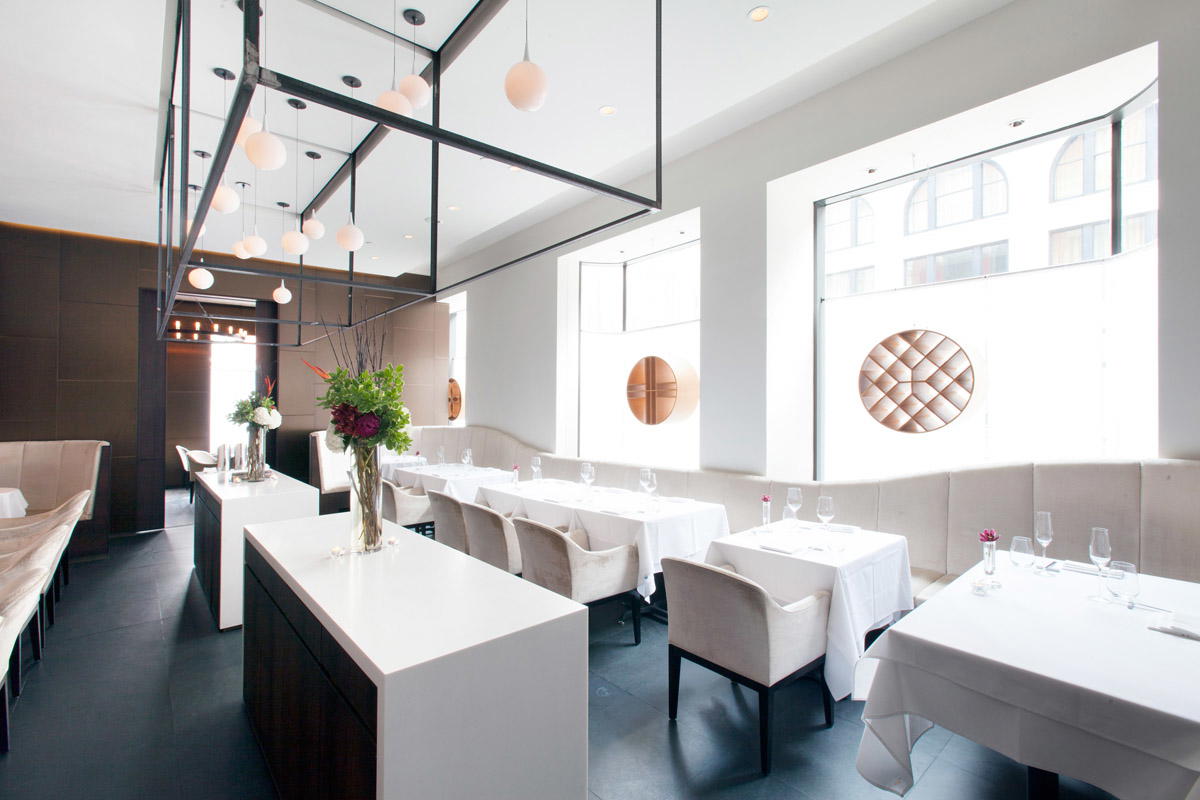
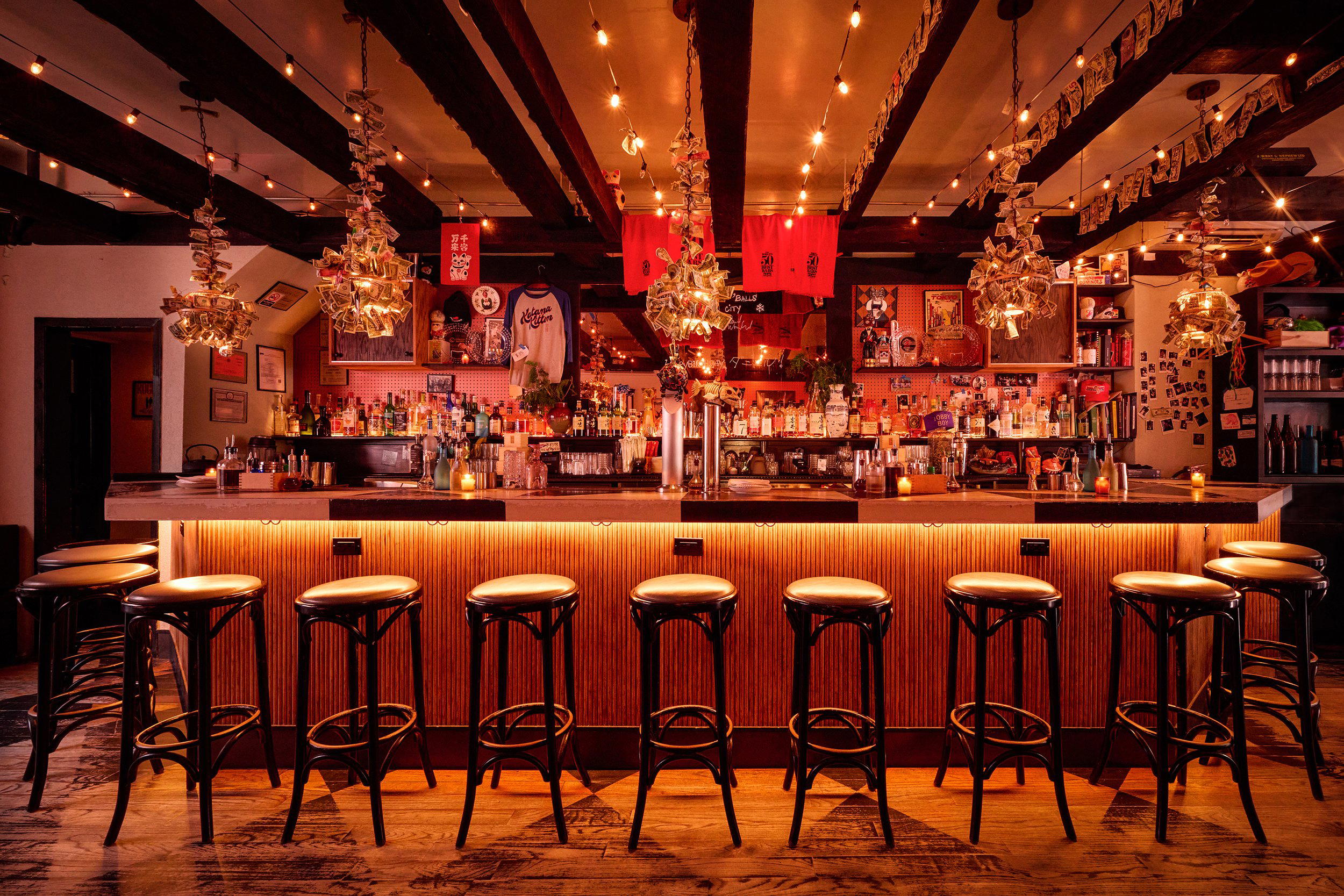
Bars in New York City
Browse all →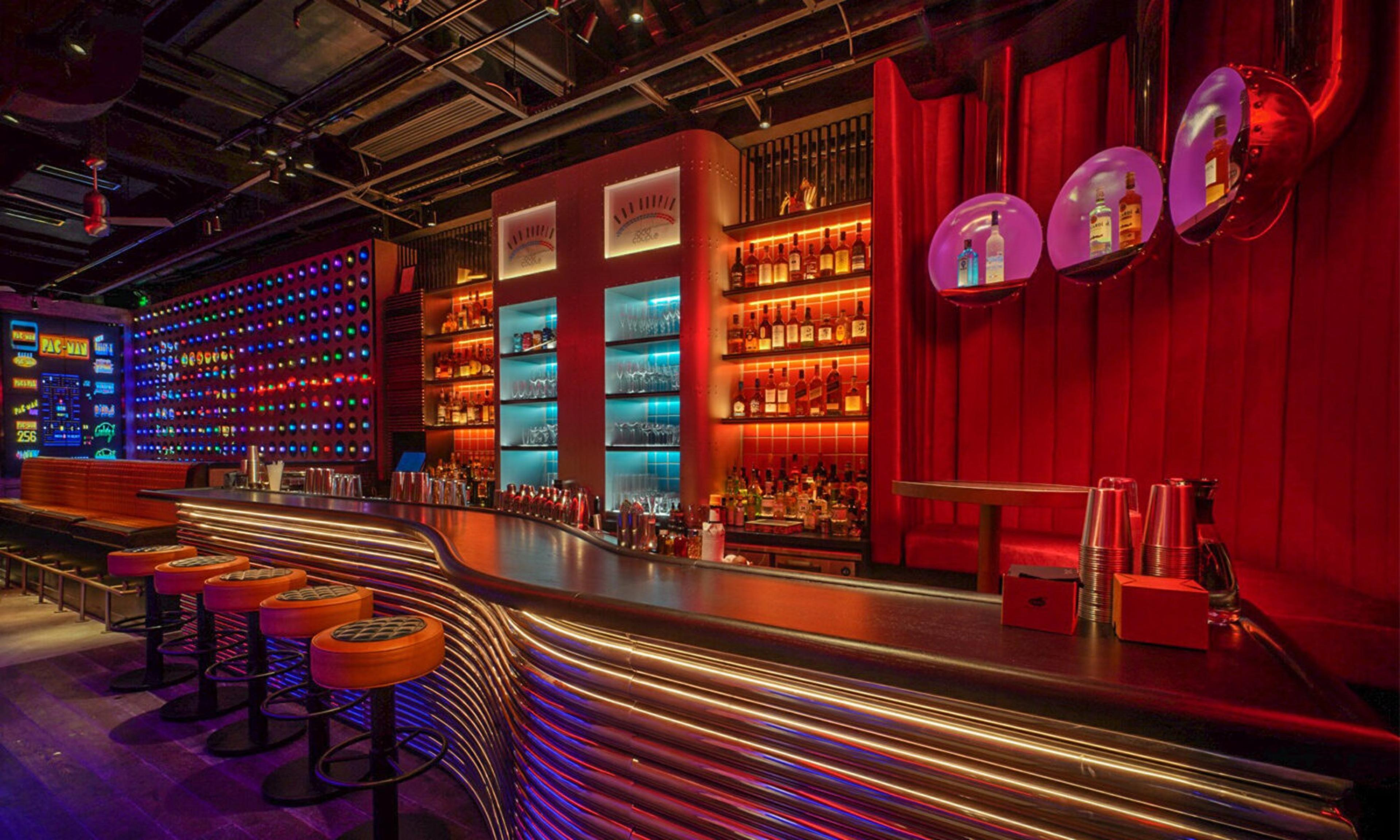
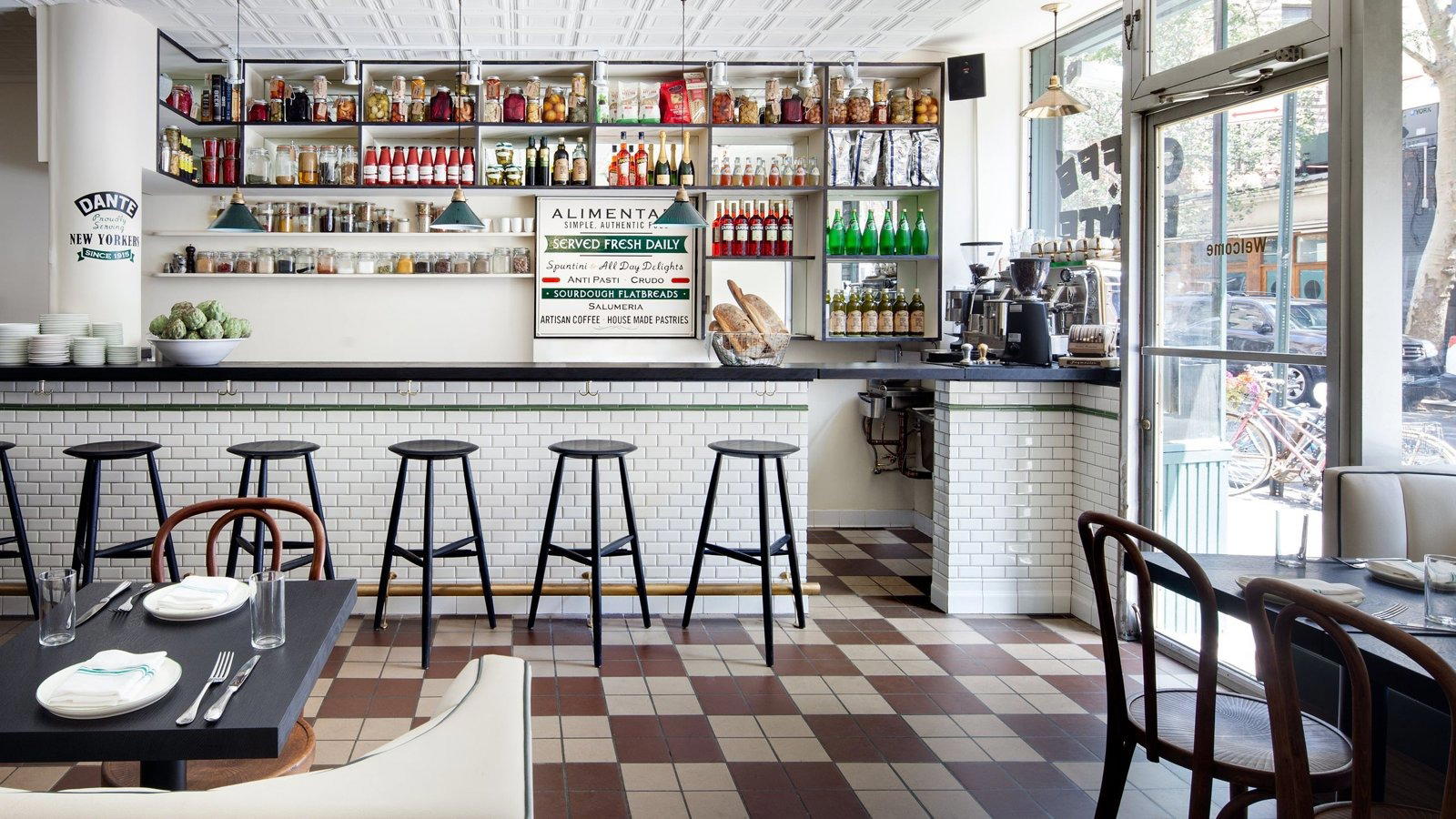
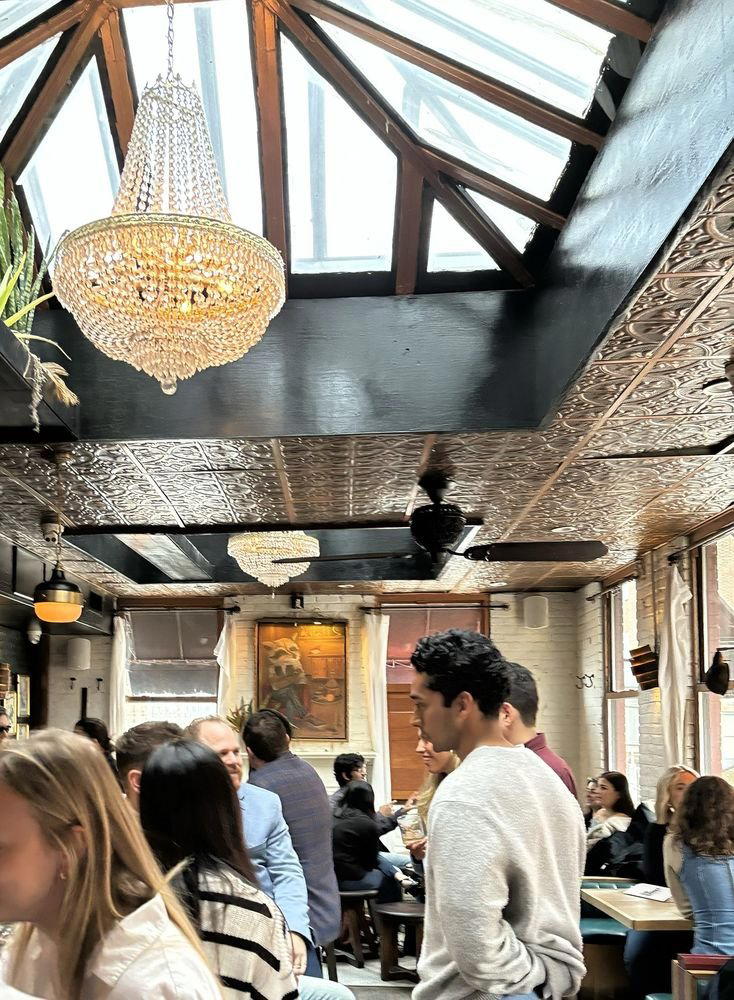
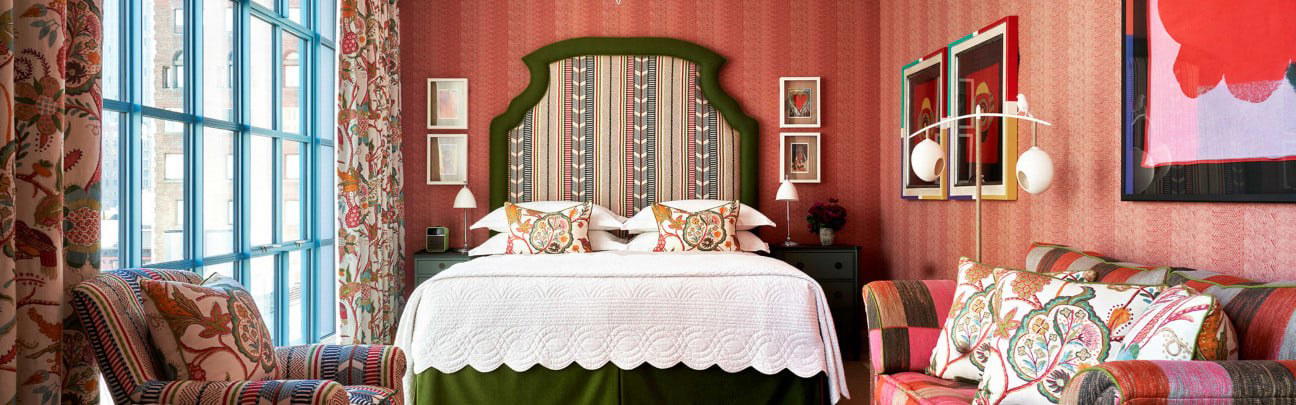
Hotels in New York City
Browse all →








At a Glance
- Cozy
- Trendy
- Intimate
- Date Night
- Casual Hangout
- Open Kitchen
- Organic
Current opening hours
- Monday
- 5–10:30 PM
- Tuesday
- 12–10:30 PM
- Wednesday
- 12–10:30 PM
- Thursday
- 12–10:30 PM
- Friday
- 12–11 PM
- Saturday
- 12–11 PM
- Sunday
- 12–10:30 PM
Hours can change for holidays and private events. Last verified .
Original, quiet atmosphere with swings as seats and a full bar.