Madre Nostra

Michelin Plate
Our verdict
Madre Nostra brings Italian kitchen discipline to one of the Alps' most demanding dining markets.

Pearl is the En Primeur Club membership app, where members save venues, book tables and use the concierge.
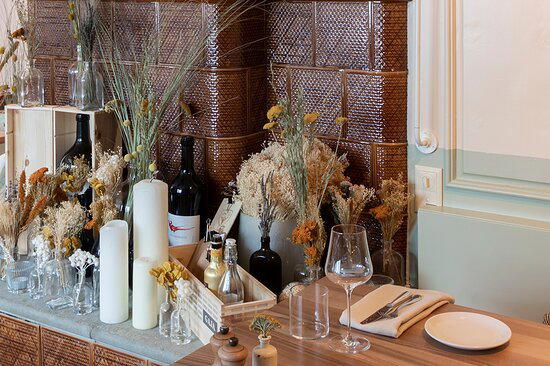
Madre Nostra Zermatt
Italian Cooking at Altitude: Where the Produce Has to Travel Further
In a car-free Swiss mountain resort that relies entirely on rail access and helicopter freight for its food supply, the sourcing question behind any serious kitchen is less abstract than in most cities. Everything that arrives in Zermatt's restaurant district has passed through Täsch or come down from the slopes, which means the gap between a kitchen that thinks carefully about its ingredients and one that doesn't shows up sharply on the plate.
Italian restaurants in alpine resorts occupy a complicated niche. The cuisine sits comfortably alongside Swiss alpine food in terms of simplicity and ingredient respect, northern Italian cooking, in particular, shares a logic with Swiss mountain fare, but it also carries the pressure of comparison with the Italian kitchen's own high-water marks. Zermatt's version of this category runs a wide range: Capri occupies the leading Italian bracket in the resort at €€€€, while Madre Nostra sits at the €€€ tier, a meaningful price distance in a resort where dining costs track closely to accommodation premiums.
A Michelin Plate, awarded in both 2024 and 2025, is a precise marker. It means the inspectorate found cooking worth documenting without reaching the threshold for a Star recommendation.enprimeurclub.com/restaurants/hotel-de-ville-crissier-crissier-restaurant">Hotel de Ville Crissier in Crissier and Schloss Schauenstein in Fürstenau define the country's upper strata, a Plate in an alpine resort is a substantive signal rather than a participation award. It places Madre Nostra in a documented tier of kitchens that are executing at a consistent technical level, held to an inspectorate standard that covers quality of produce, skill, and coherence of cooking style.
The two consecutive Plate years suggest consistency rather than a one-season spike. In a resort context where staff turnover can be severe, seasonal hospitality in alpine ski towns rarely retains the same kitchen team year-round, sustaining Michelin recognition across back-to-back seasons is a logistical achievement as much as a culinary one. Swiss alpine dining peers with recognised Michelin-level cooking include 7132 Silver in Vals and Memories in Bad Ragaz, though both operate in different formats and price structures. Within Zermatt itself, After Seven and Alpine Gourmet Prato Borni represent the creative fine-dining tier, while Madre Nostra's Plate positions it as the Italian specialist with documented recognition.
The Case for Italian in an Alpine Destination
Italian cooking at altitude has a geographic logic that's easy to overlook. The Valle d'Aosta and Piedmont lie directly south of the Swiss Valais, connected by the same mountain corridors that make Zermatt accessible from Italy by rail. The produce chains that supply serious Italian kitchens in the Aosta Valley, cured meats, aged cheeses, olive oils from Liguria or the Lazio hills, pasta made to regional specifications, are not categorically further from Zermatt than they are from Milan or Turin. What changes is the final leg of the supply route and the cost of transport into a car-free village.
In that context, an Italian kitchen in Zermatt that takes sourcing seriously is working within an ingredient geography that is plausible rather than contrived. The broader Italian diaspora of quality restaurants operating in non-Italian markets, from 8½ Otto e Mezzo Bombana in Hong Kong to cenci in Kyoto, demonstrates that Italian kitchen discipline translates across very different supply conditions when the sourcing work is done seriously. Madre Nostra's position in an alpine resort is less anomalous than it might first appear.
Reading the Guest Signal
Alpine resort restaurants often accumulate reviews quickly during peak ski season, December through April, and again in summer hiking season, meaning the review base reflects a range of visitor types rather than a narrow local regular crowd. A 4.7 average across that volume, in a context where disappointed ski tourists are notoriously vocal, indicates a kitchen and front-of-house operation that is reliably delivering against guest expectations. In the €€€ category in Zermatt, where guests are comparing their experience against a menu spend that is not incidental, that consistency matters.
For comparison, Brasserie Uno and Chez Vrony represent different models in Zermatt's broader restaurant picture, the former a contemporary hotel-anchored format at €€€€, the latter a regional cuisine address that leans into Valais alpine identity. Madre Nostra's Italian positioning occupies a distinct niche within that mix, appealing to guests who want a specific culinary framework rather than a Swiss or pan-European menu. Zermatt is car-free: all arrivals come via the Matterhorn Gotthard Bahn from Visp or Täsch, or by helicopter for freight. The resort operates two high seasons, ski season from late November through April, and the summer trekking and climbing season from July through September, with the shoulder months of May, June, and October offering quieter conditions and sometimes reduced restaurant hours or closures. The €€€ price tier sits below Capri at €€€€ but above the resort's casual dining options, placing a meal here in the mid-upper range for Zermatt. Booking ahead is advisable during both peak seasons; high-demand periods in alpine resorts can compress table availability significantly even at mid-tier priced restaurants. Phone and online booking details are best confirmed directly with the venue before travel. For a fuller picture of what else is open in the resort, our full Zermatt restaurants guide, hotels guide, bars guide, wineries guide, and experiences guide cover the resort across categories. For wider Swiss fine dining context, Cheval Blanc by Peter Knogl in Basel and Colonnade in Lucerne offer reference points at different points in the country's culinary geography.
Frequently asked questions
What dish is Madre Nostra famous for?
No specific signature dish is documented in the public record for Madre Nostra. What the Michelin Plate recognition across 2024 and 2025 signals is that the kitchen, under Chef Davide Cretoni, is executing Italian regional cooking at a consistent technical level sufficient to hold inspectorate attention. For confirmed current menu details, contacting the restaurant directly before visiting is the reliable approach.
How would you describe the vibe at Madre Nostra?
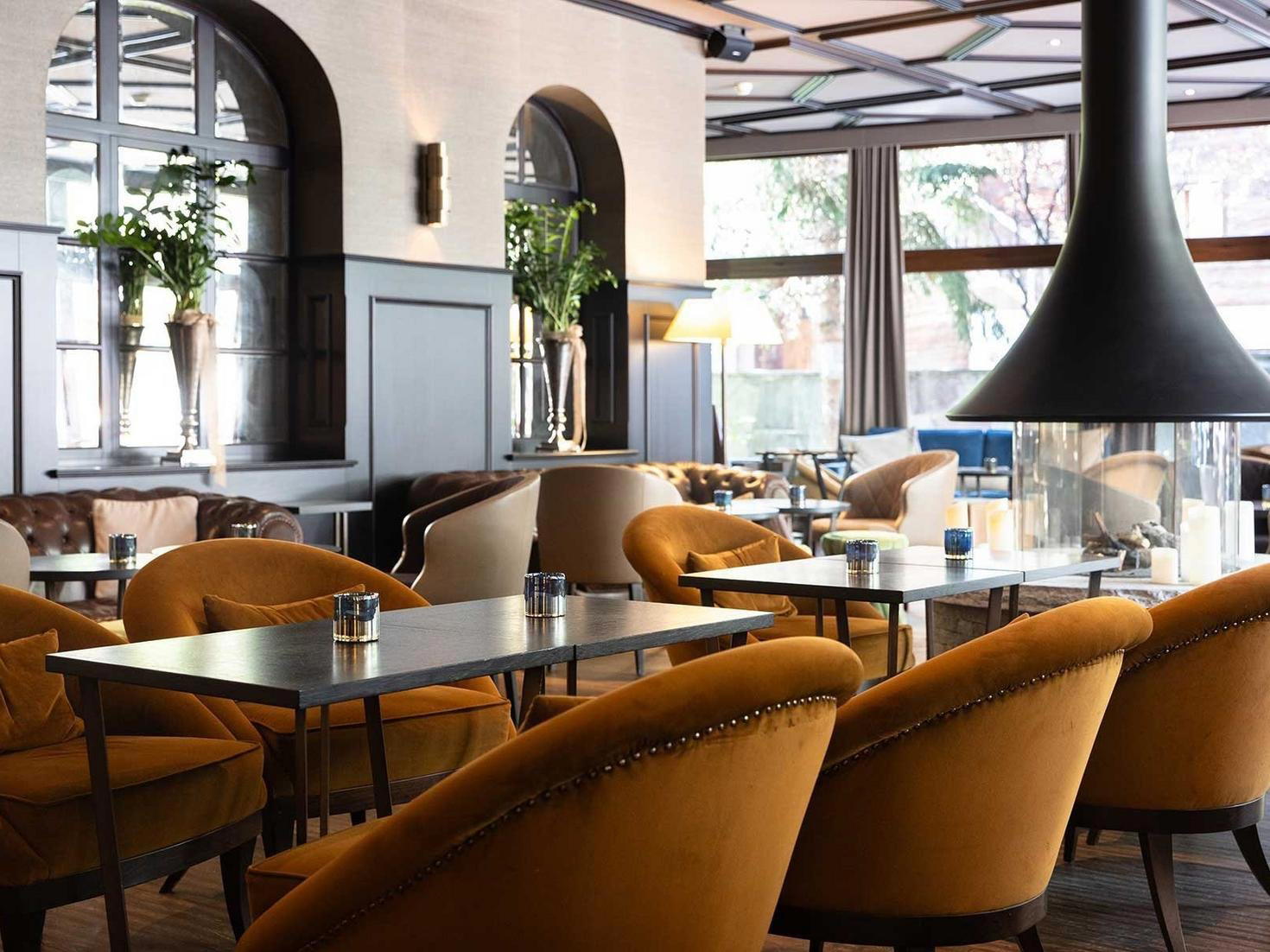
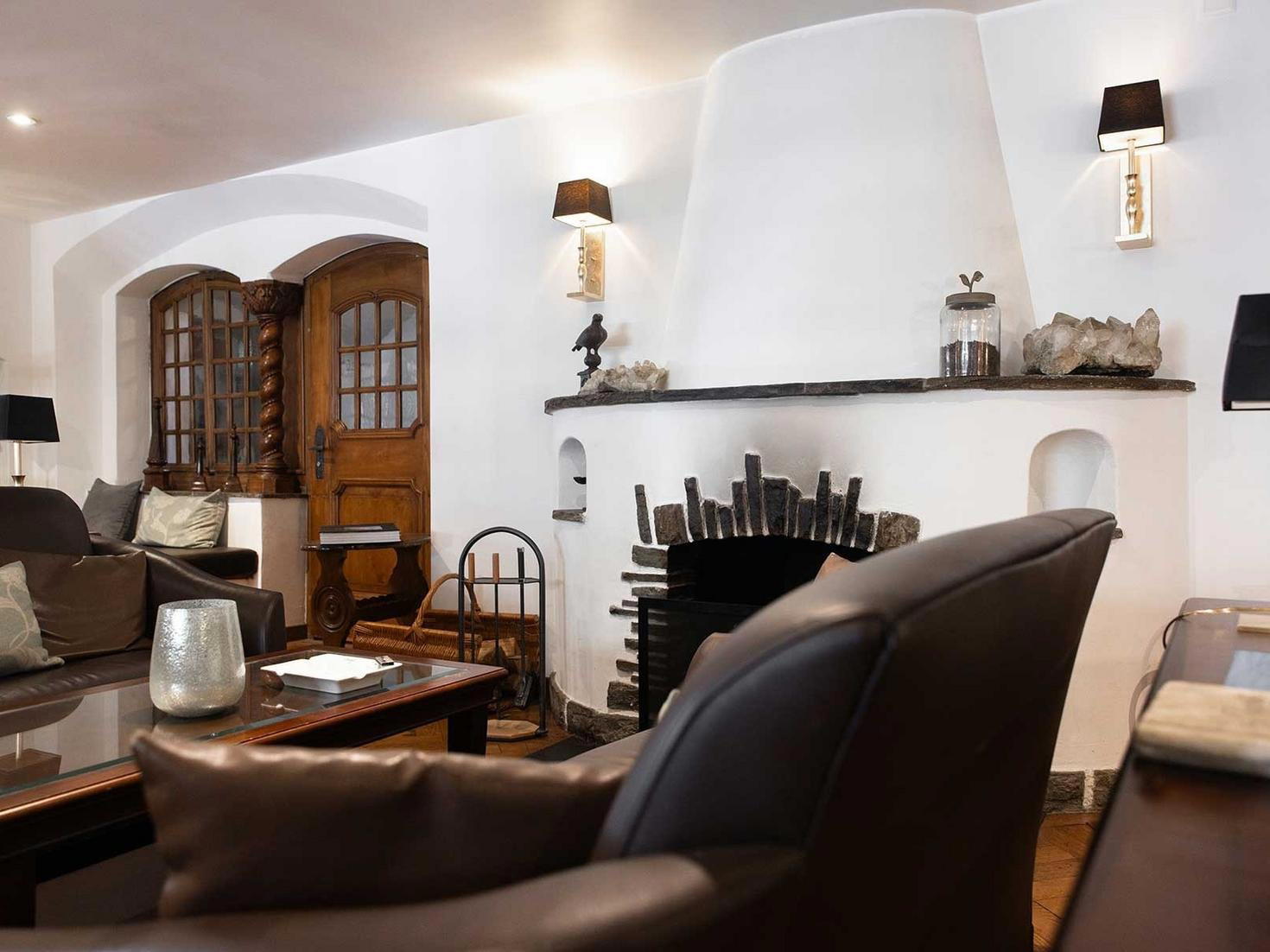
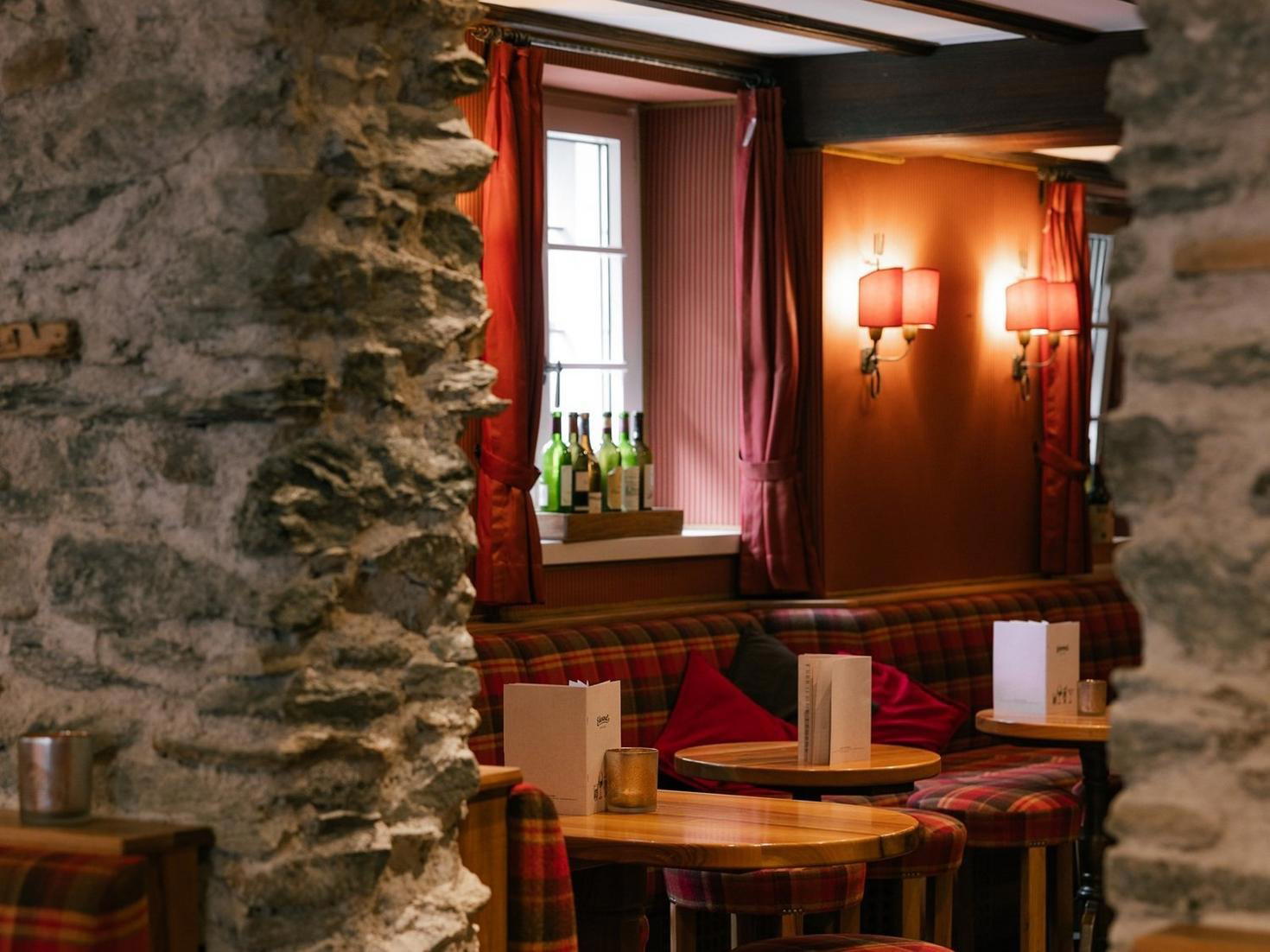
Madre Nostra sits at the €€€ tier in a Swiss alpine resort that attracts international guests across both ski and summer seasons. The Italian kitchen framework gives it a warmer, more familiar dining tone than the resort's creative fine-dining addresses. It reads as a considered dinner destination rather than a celebratory tasting-menu format.
Is Madre Nostra okay with children?
No specific family or children's policy is documented for Madre Nostra. As a Michelin Plate Italian restaurant at the €€€ price point, the atmosphere leans toward a dinner-focused adult dining environment, though Italian restaurant culture is generally more relaxed about family dining than formal French or tasting-menu formats. For families visiting Zermatt, confirming suitability directly with the restaurant ahead of booking is advisable, particularly during high-season periods when the room may be fully committed to advance reservations.
The Essentials
| Venue | Cuisine | Price | Awards | Notes |
|---|---|---|---|---|
| Madre NostraThis venue (the venue you are viewing) | Modern Italian | $50–100 | Michelin Plate | Not listed |
| After Seven | Modern European Fine Dining | $200–300 | 1 Michelin Star · Falstaff Restaurant - 93 Falstaff Points | Creative |
| Brasserie Uno | Rustic Fine Dining International | $150–200 | 1 Michelin Star · Wine Spectator Best of Award of Excellence | Contemporary |
| Aroleid Restaurant | Modern International | Not listed | Michelin Plate | Creative |
| Bazaar | Eastern-Inspired Vegetarian Fusion | $50–100 | Michelin Bib Gourmand | International |
| Capri | Classic Italian Fine Dining | $200–300 | 1 Michelin Star | Italian |
Recognition history
Dated appearances from independent guides and award organizations, with the underlying list record or original source where available.
Michelin Plate
Michelin
Full recognition history (2 entries)
Michelin Plate
Michelin
Continue exploring
More in Zermatt
Restaurants in Zermatt
All restaurants in Zermatt →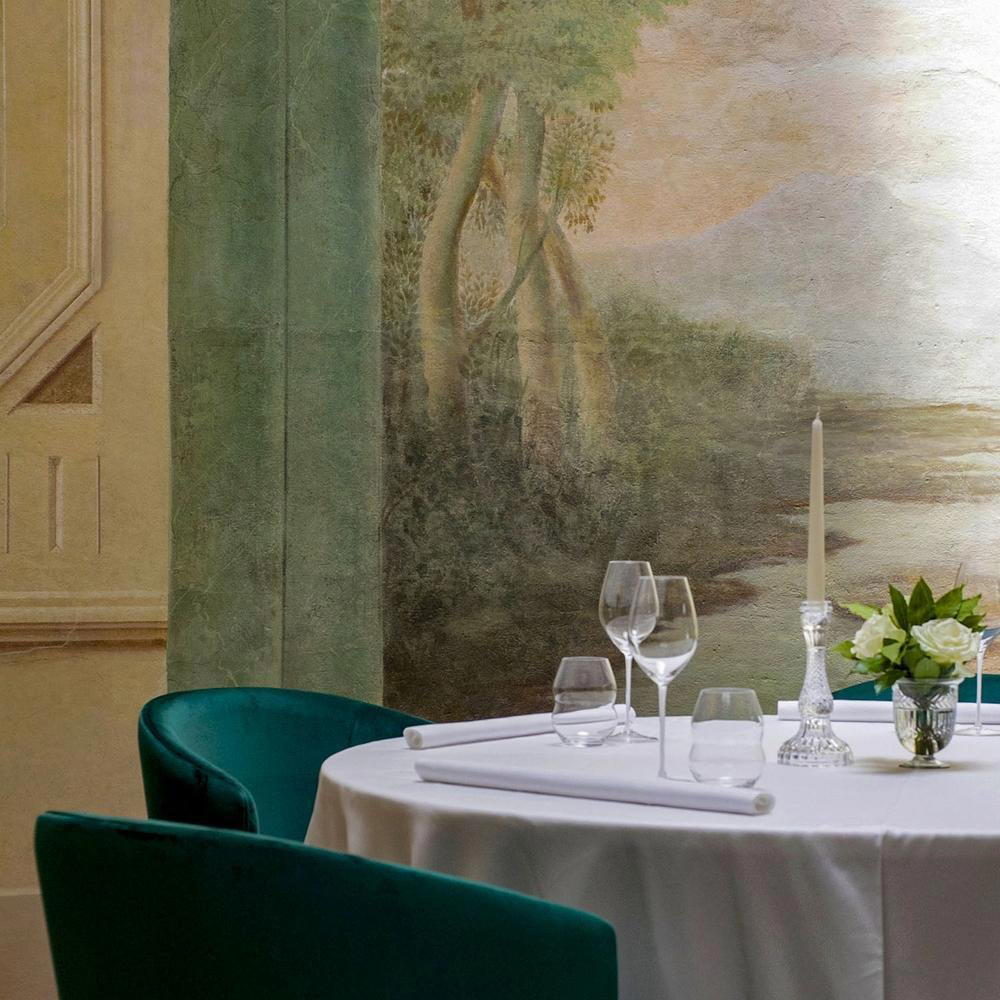
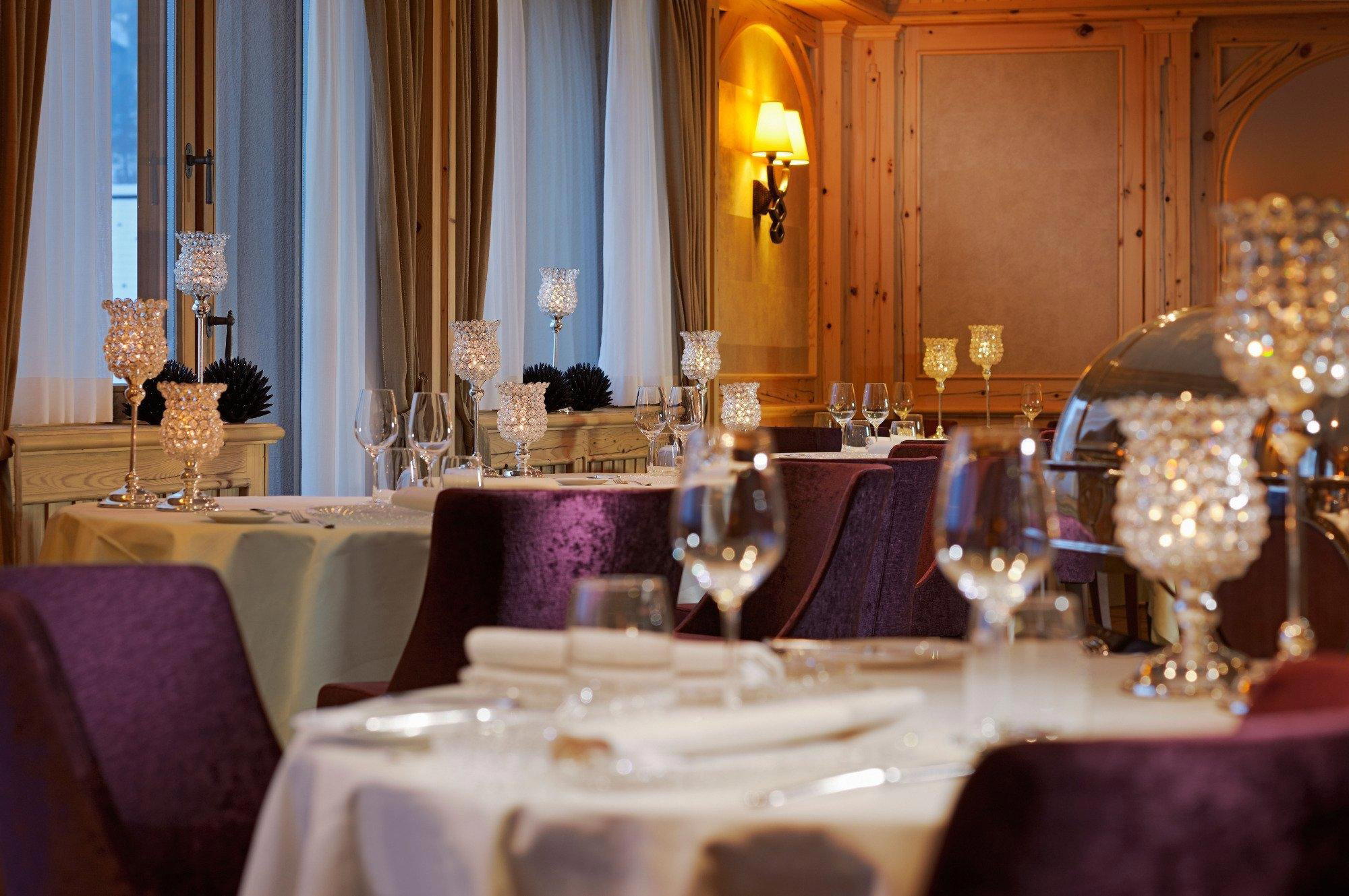
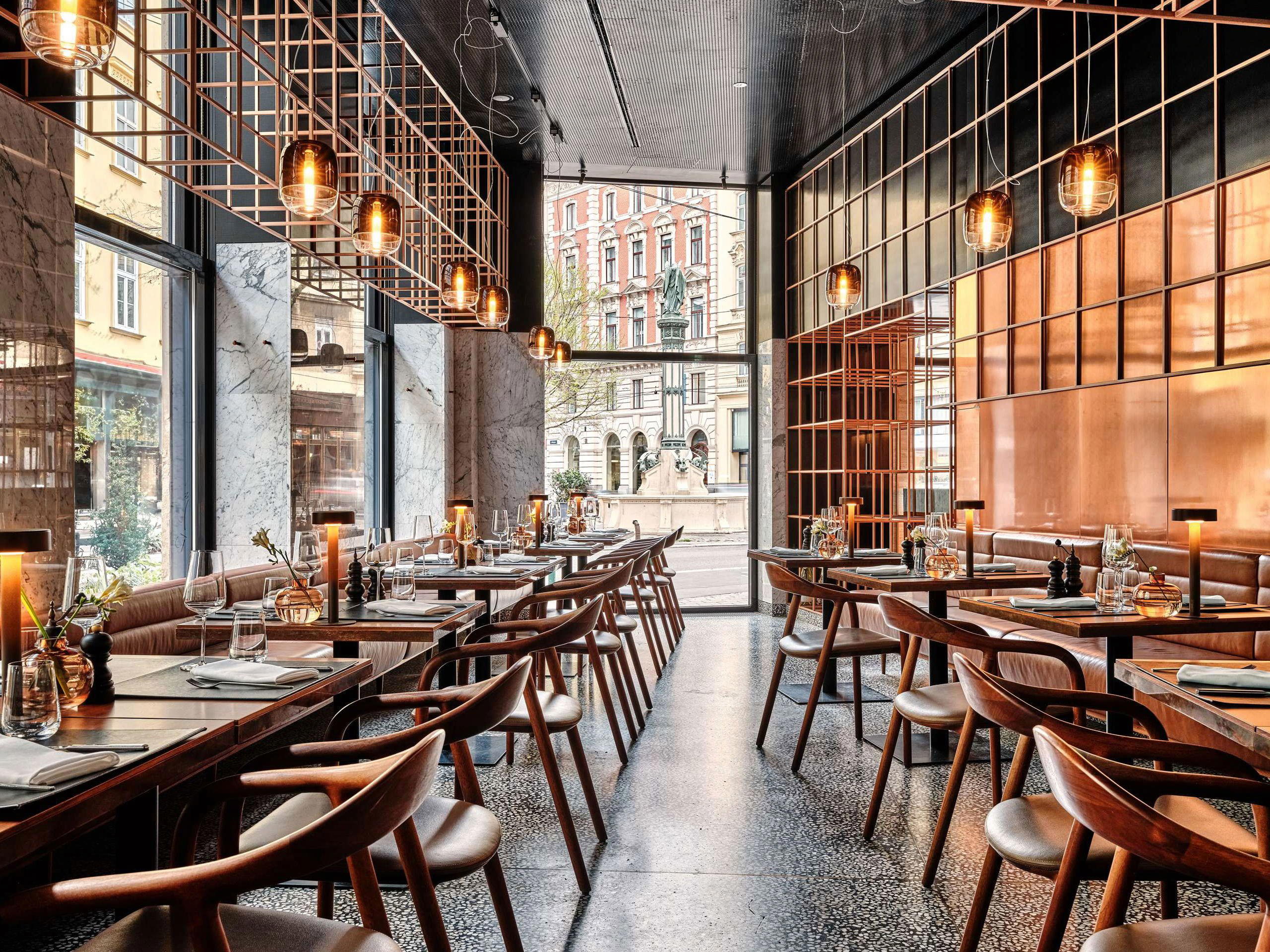
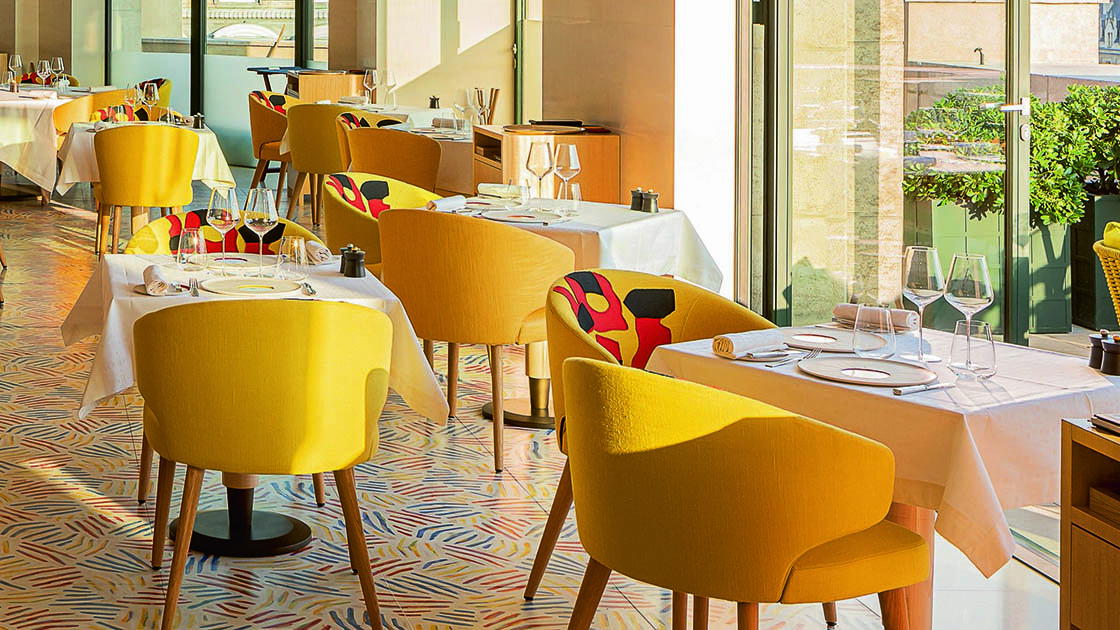
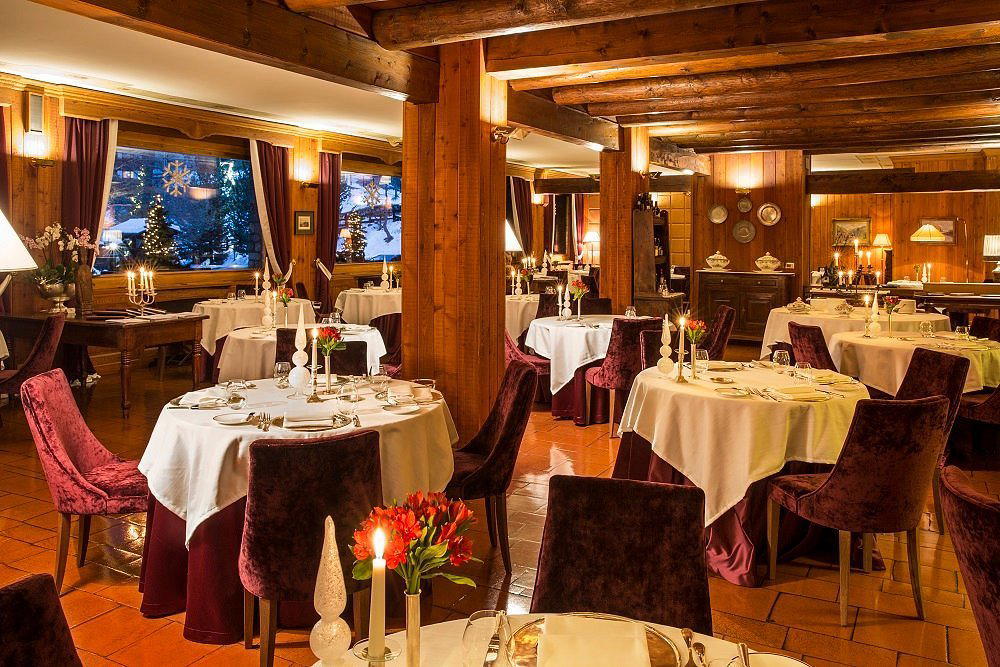
Bars in Zermatt
All bars in Zermatt →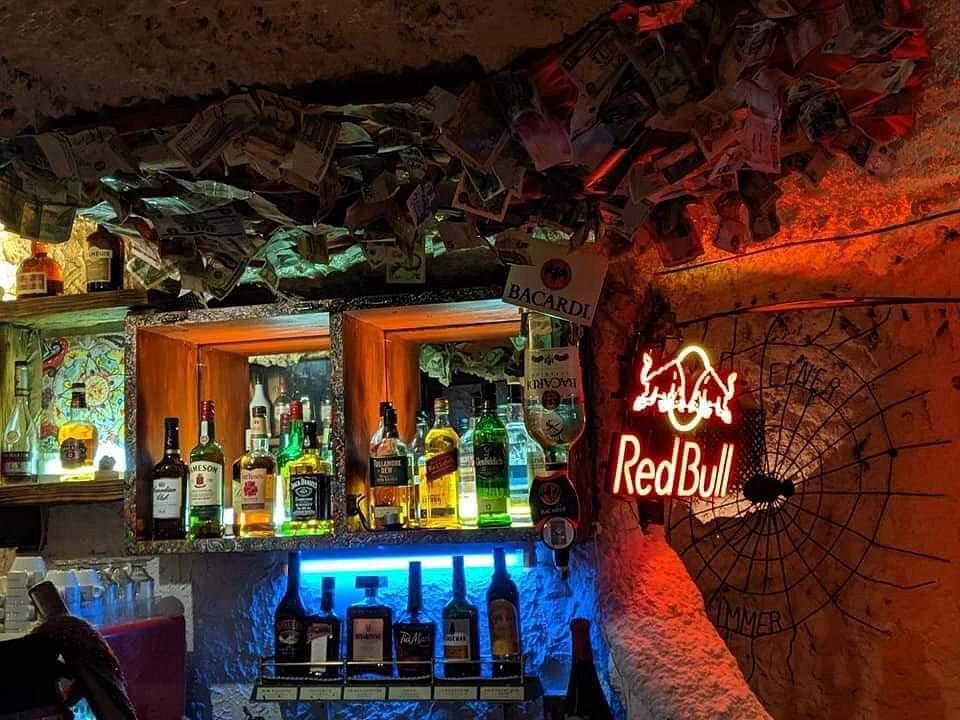
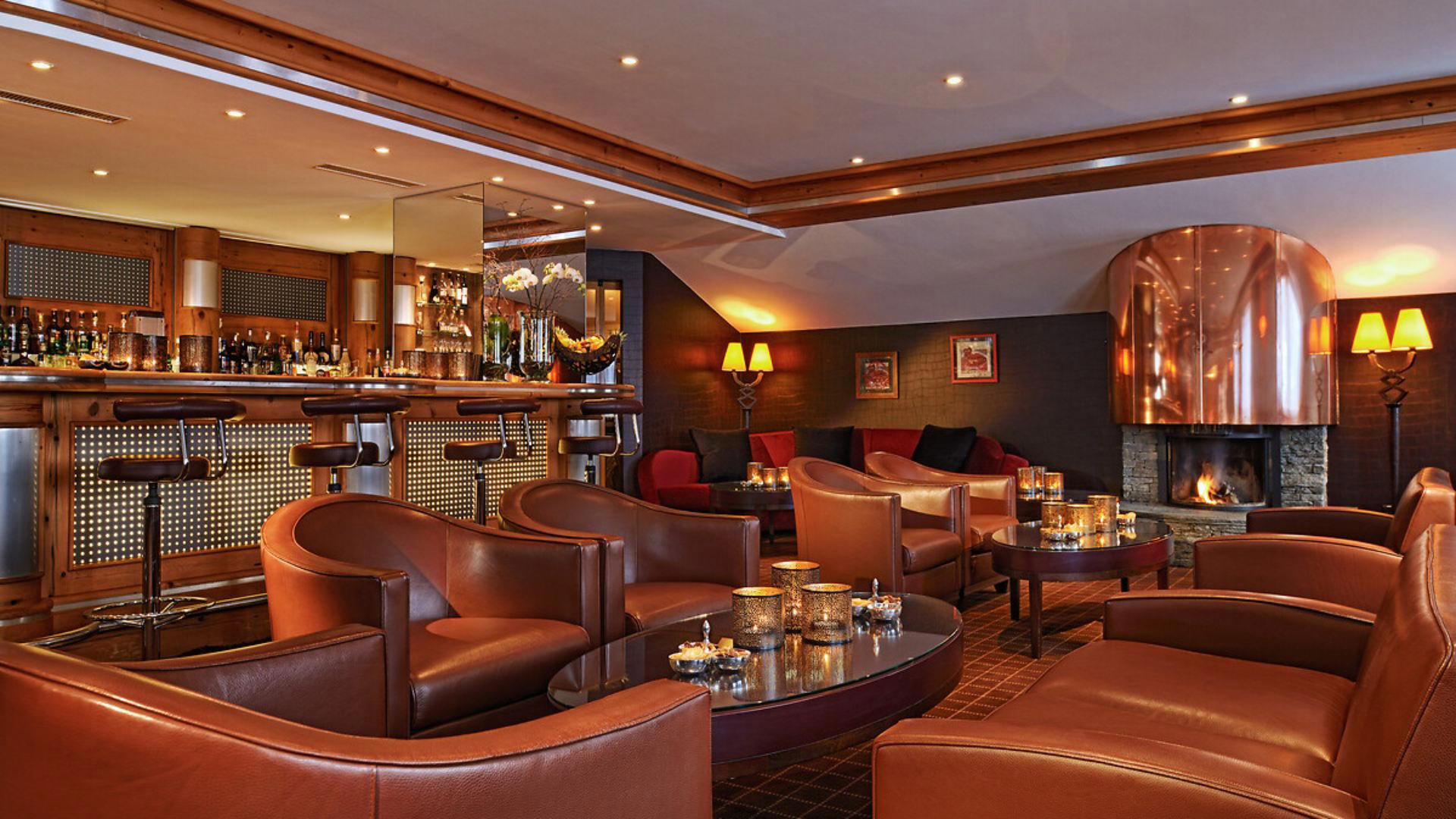
Madre Nostra
The wine
- Selections
- 640
- Bottles in cellar
- 2,950
- List strengths
- Italy, France, Burgundy, Piemonte, Tuscany
- Wine director
- Luca De Marzio
- Extensive wine list
Details
- Elegant
- Cozy
- Sophisticated
- Scenic
- Date Night
- Special Occasion
- Group Dining
- Terrace
- Panoramic View
- Hotel Restaurant
- Private Dining
- Extensive Wine List
- Local Sourcing
- Mountain
- A La Carte
- Vegetarian Friendly
- Vegan Options
- Gluten Free Options
Current opening hours
- Monday
- 11:30 AM–10 PM
- Tuesday
- 11:30 AM–10 PM
- Wednesday
- 11:30 AM–10 PM
- Thursday
- 11:30 AM–10 PM
- Friday
- 11:30 AM–10 PM
- Saturday
- 11:30 AM–10 PM
- Sunday
- 11:30 AM–10 PM
Hours can change for holidays and private events. Hours as of .
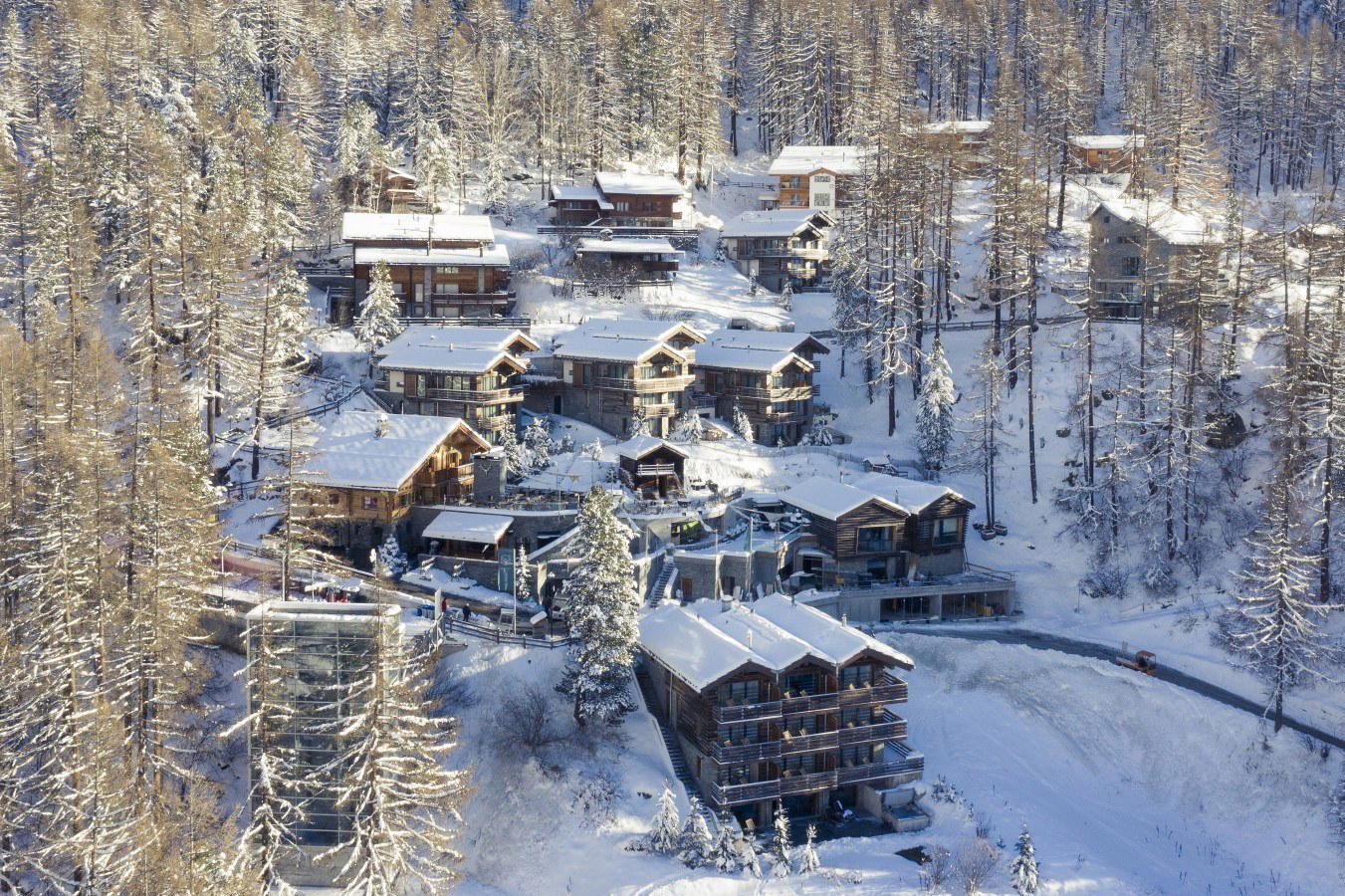
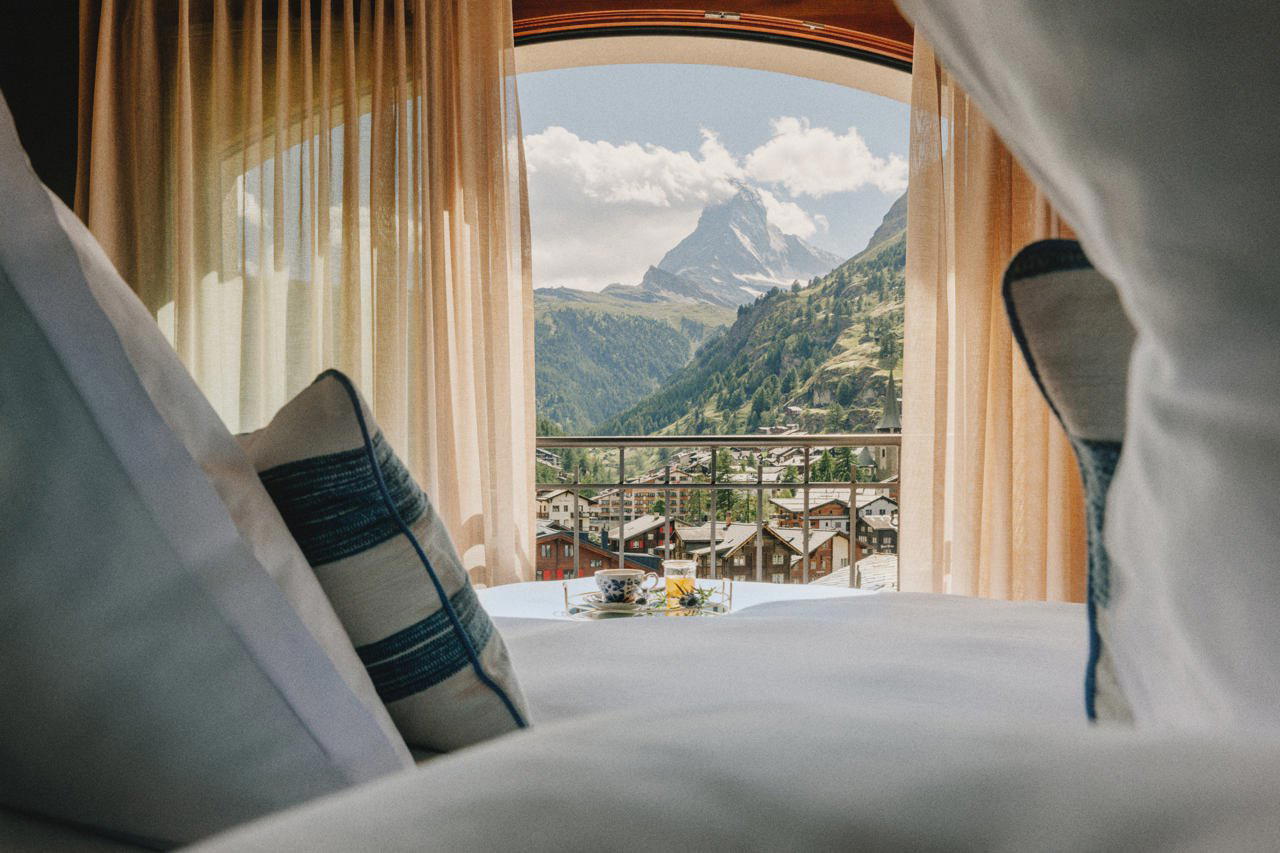
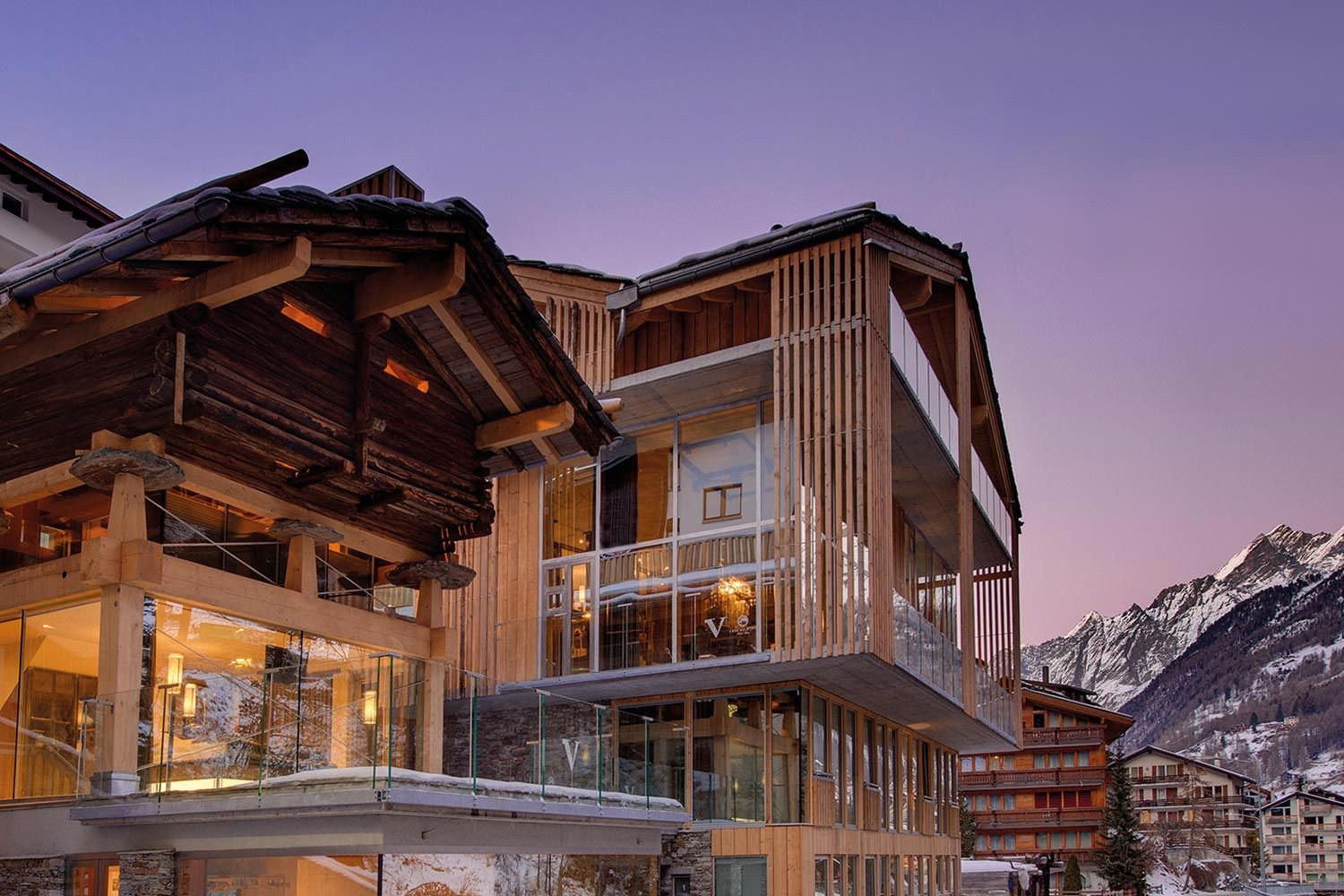
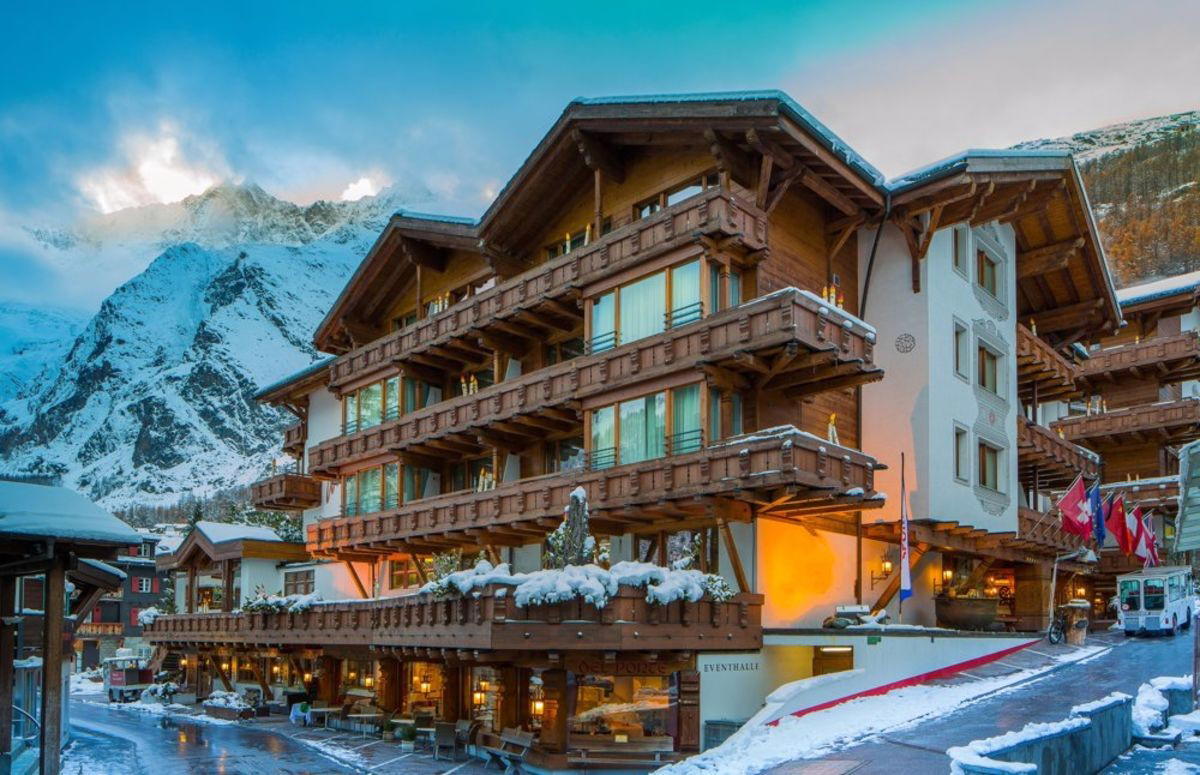
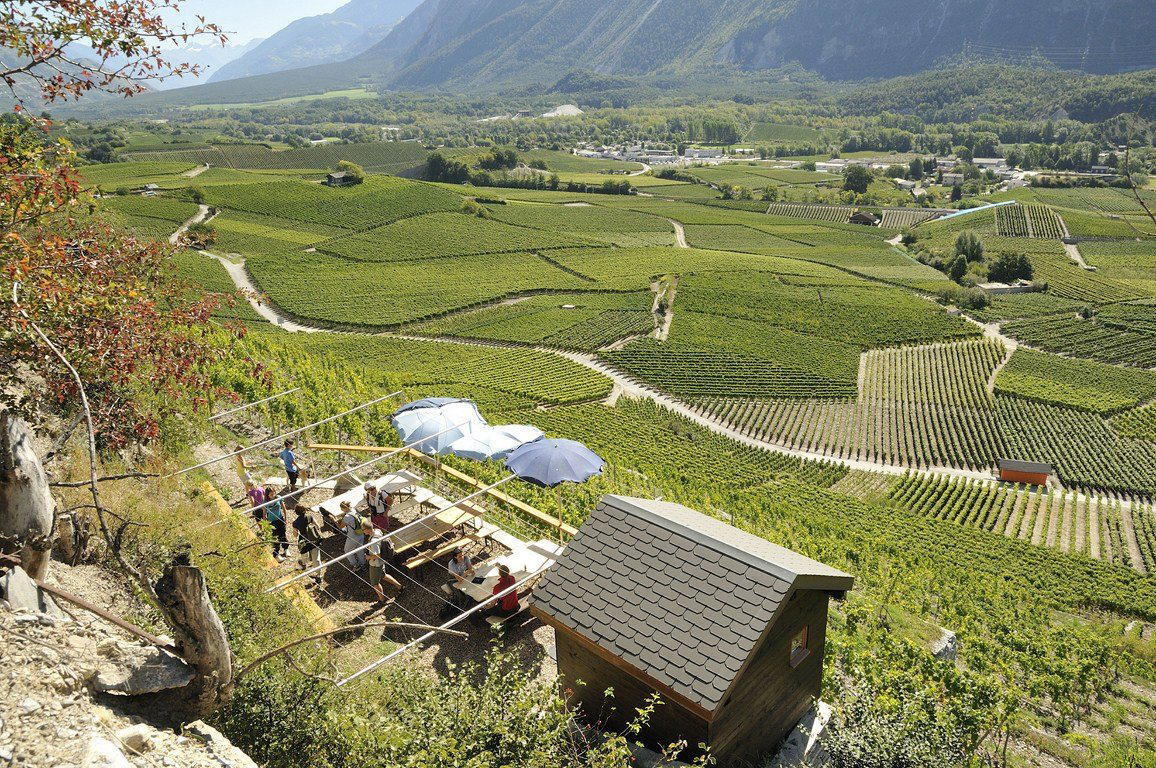
Relaxed yet refined atmosphere with cozy yet magnificent environment, light wood paneling, and dramatic mountain vistas.