Madklubben Copenhagen
Our verdict
Madklubben Copenhagen operates at Store Kongensgade 66 in the Frederiksstaden quarter, sitting within a city that has redefined how ingredient sourcing shapes a dining culture. Where Copenhagen's tasting-menu circuit pitches at four-figure price points, Madklubben occupies a more accessible register while drawing on the same Nordic larder ethos that defines the city's broader restaurant conversation.

Pearl is the En Primeur Club membership app — saves, bookings, and concierge access live there. Same editors, same standards.
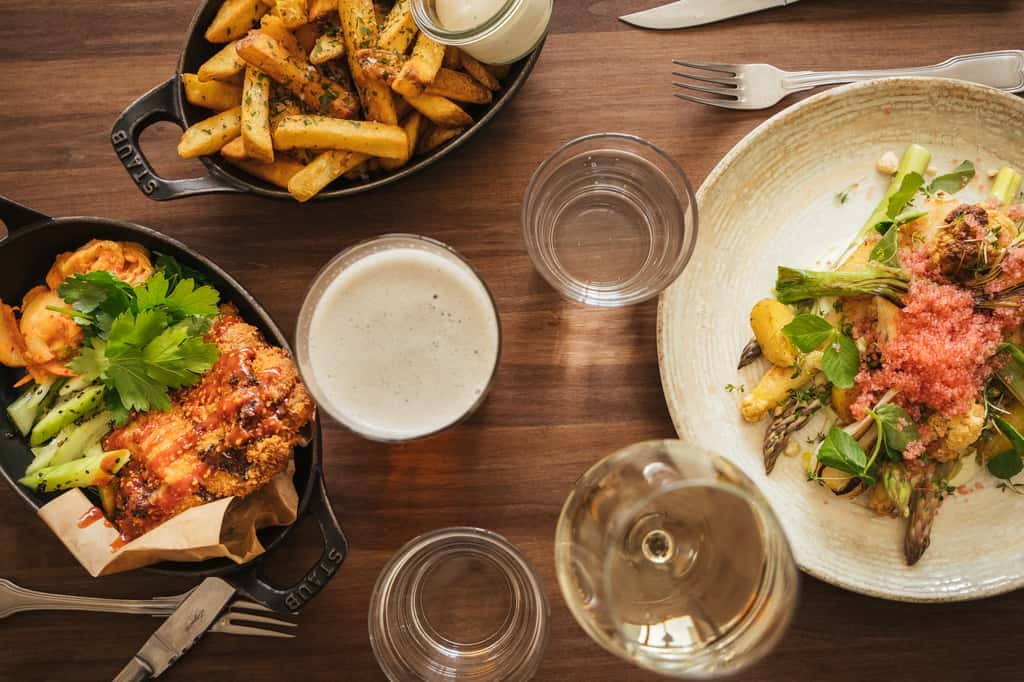
The menu
What to order
- Steak Tartare
- Roasted Cauliflower
- Ost Burger
- Ribeye Steak
- Fish of the Day
A Street Address in a City That Changed How Europe Eats
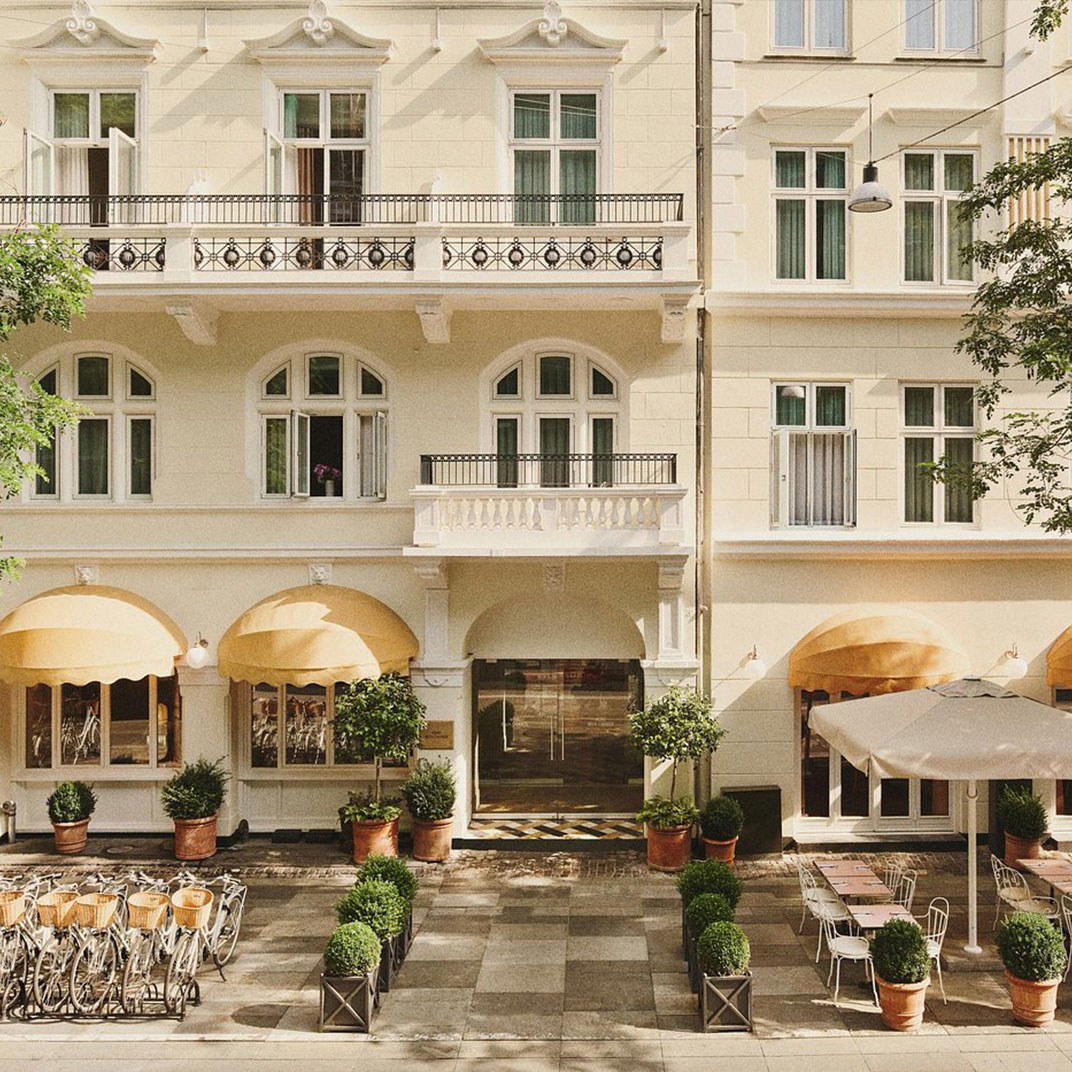
Store Kongensgade runs through one of Copenhagen's more composed neighbourhoods, the Frederiksstaden grid of pale facades and orderly streetscapes that connects the King's Garden to the harbour. The street does not announce itself as a dining destination in the way that Vesterbro or the Meatpacking District might, and that relative quietness is part of its character. Restaurants on this stretch tend to serve residents and returning visitors rather than first-night tourists following a list, which shapes the kind of establishment that takes root here.
Madklubben Copenhagen sits at number 66 on that street, and the address places it inside a broader story about what Copenhagen has become as a dining city over the past two decades. The city now hosts Geranium (New Nordic, Creative), Noma (Creative), Alchemist (Progressive, Creative), and Koan (New Nordic, Kaiseki, Creative) at its ceiling, each operating at price points and reservation pressures that place them in a different register entirely. But the philosophies those rooms developed — around sourcing from Danish producers, building menus from what the season offers rather than from what a supplier catalogue proposes — have filtered down through the city's dining culture at large. Madklubben is part of that wider ecosystem.
What the Nordic Sourcing Shift Actually Looks Like at Street Level
The argument that Copenhagen transformed European dining is well-documented, but the transformation that matters most for most diners is not what happens at a twelve-course counter with a three-month waiting list. It is what happened to the mid-range. The same insistence on Danish dairy, coastal fish landed within the country, root vegetables from named farms, and foraged additions from identifiable landscapes became a baseline expectation across the city's restaurants, not just its flagships.
That expectation is what places a restaurant like Madklubben in an interesting position. The Danish restaurant scene has effectively democratised a sourcing rigour that elsewhere remains confined to fine dining. The fisherman supplying a two-Michelin-star kitchen in Copenhagen is often supplying restaurants at a fraction of that price point in the same city, because the distribution infrastructure built around New Nordic demand now runs at scale. Seasonal menus, producer relationships, and regional specificity are not premium add-ons in Copenhagen; they are the operating standard that diners have come to expect regardless of where they sit on the price curve.
That broader shift in sourcing culture is the relevant frame for Madklubben. Where a comparable address in Paris or London might signal a certain distance from ingredient origin, the same address in Copenhagen implies participation in a city-wide commitment to the Danish larder. That commitment is now infrastructural rather than ideological.
Copenhagen's Price Tiers and Where This Fits
The Danish capital's restaurant market has stratified sharply in recent years. At the leading sits a cluster of destination restaurants, Geranium, Kadeau, and Alchemist among them, where a dinner for two with wine crosses into territory that competes with a short-haul flight. Below that tier, a confident mid-market operates with shorter menus, à la carte options, and a more casual physical format, but it draws on the same sourcing logic and seasonal discipline that defined the city's reputation.
Madklubben has operated as part of that mid-market for years, with the Frederiksstaden location among a handful of addresses the brand has held across the city. The format serves a function that Copenhagen does particularly well: serious food at a price that allows regulars rather than just special-occasion visitors. For travellers arriving from cities where the equivalent sourcing rigour is confined to restaurants at the top of the price range, the value proposition of Copenhagen's mid-tier is consistently surprising.
For comparison, Jordnær in Gentofte and Frederikshøj in Aarhus represent what Denmark's regional fine dining looks like at the opposite end of the ambition and price curve, while Henne Kirkeby Kro in Henne and Dragsholm Slot Gourmet in Hørve demonstrate how the sourcing ethos extends far beyond the capital into rural Denmark, where proximity to raw ingredients is the format's entire premise.
The Neighbourhood and How to Approach a Visit
Frederiksstaden is not a neighbourhood that rewards rushed itineraries. The quarter around Store Kongensgade tends toward longer evenings rather than quick turnovers, and the surrounding streets, with Kongens Nytorv and the Nyhavn canal within walking distance, suit a pre-dinner or post-dinner circuit on foot. The logistics of reaching the address are manageable from central Copenhagen; the nearest Metro stop at Kongens Nytorv places the restaurant within a ten-minute walk from the interchange that connects the city's two main lines.
For visitors structuring a broader Denmark itinerary, the capital's mid-range dining scene pairs well with excursions to addresses like Frederiksminde in Præstø, LYST in Vejle, MOTA in Nykøbing Sjælland, or Alimentum in Aalborg and ARO in Odense, all of which represent the same sourcing philosophy applied in smaller cities with shorter supply chains and more direct producer access. Domæne in Herning operates on a similar axis further west.
Copenhagen dining, including at the mid-market level, benefits from advance planning particularly in summer. The city's short, light-filled season between June and August pulls significant visitor numbers, and popular addresses in residential neighbourhoods tend to fill midweek as well as on weekends. Contacting the restaurant directly to check availability before arrival is advisable for any evening visit during peak months.
For the full picture of where Madklubben sits within Copenhagen's dining hierarchy, our full Copenhagen restaurants guide maps the city's tiers from neighbourhood locals through to destination counters. International reference points for the sourcing-led mid-market format include Le Bernardin in New York City at the fine-dining end of ingredient-focused cooking, and Atomix in New York City for how a different cultural tradition applies similar producer rigour at tasting-menu level.
Frequently asked questions
Where exactly is Madklubben Copenhagen?
Madklubben Copenhagen is located at Store Kongensgade 66, 1264 København K, Denmark, Copenhagen.
How does Madklubben Copenhagen compare to other casual dining options in Frederiksstaden?
Frederiksstaden is not a neighbourhood dense with casual options — the quarter around Store Kongensgade 66 leans formal, with several higher-end addresses in the vicinity. Madklubben's bistro positioning makes it one of the more approachable choices in the immediate area, which is a practical distinction for diners staying nearby or visiting the quarter's museums and palaces. For a broader cross-section of Copenhagen's casual dining, the meatpacking district (Kødbyen) and Nørrebro offer more concentrated options.
What do people recommend at Madklubben Copenhagen?
Madklubben has built its reputation in Copenhagen around straightforward Nordic cooking without the tasting-menu formality that defines much of the city's upper tier. Regulars tend to favour the core menu over daily specials, which aligns with the bistro format the address on Store Kongensgade 66 has established over time.
Should I book Madklubben Copenhagen in advance?
Copenhagen's mid-range dining options fill quickly, particularly in Frederiksstaden, where evening trade concentrates into longer, unhurried sittings rather than fast table turns. Booking ahead by several days is sensible for weekend evenings. The venue's website or a reservation platform will give the most current availability picture.
What's Madklubben Copenhagen best at?
Madklubben occupies a specific and useful position in Copenhagen's stratified restaurant market: accessible Nordic cooking in a neighbourhood, Frederiksstaden, that otherwise skews toward formal dining. The format rewards diners who want the city's ingredient-led sourcing culture without the price and ceremony of destination restaurants like Geranium or Alchemist. That positioning is the clearest argument for choosing this address on Store Kongensgade 66.
Can Madklubben Copenhagen accommodate dietary restrictions?
Copenhagen restaurants generally operate with reasonable awareness of common dietary requirements, but confirming specifics directly with the restaurant before arrival is the only reliable method, particularly for serious allergies.
Is eating at Madklubben Copenhagen worth the cost?
Copenhagen's restaurant market runs from neighbourhood bistros through to multi-hundred-euro tasting menus, and Madklubben sits in the accessible mid-range rather than the destination tier. Value depends on whether the Nordic mid-market register matches what you're after.
Similar Picks
Comparable venues nearby, for context on price, style, and recognition.
| Venue | Cuisine | Price | Awards | Notes |
|---|---|---|---|---|
| Madklubben CopenhagenThis venue — the venue you are viewing | Modern Danish Classics | $10–20 | Not listed | Not listed |
| Cafe Oscar | Danish Comfort Food & Cafe | $20–30 | Not listed | Indre By |
| Wulff & Konstali - Islands Brygge | Danish Brunch Cafe | $20–30 | Not listed | Amager Vest |
| Orangeriet | Traditional Danish Smørrebrød | $30–50 | Star Wine List | Indre By |
| Vespa | Traditional Italian Osteria | $30–50 | Not listed | Indre By |
| WOK Østerbro | Authentic Thai | $20–30 | Not listed | Østerbro |