Orangeriet

Set inside Copenhagen's Kongens Have royal garden, Orangeriet carries a quietly significant place in the city's dining history as the space where Geranium first took shape. The kitchen draws on Danish and classic European traditions, framed by a setting that shifts character with the seasons — from pale winter light filtering through the orangery glass to the full green canopy of a Nordic summer.
Pearl is the En Primeur Club membership app — saves, bookings, and concierge access live there. Same editors, same standards.
- Address
- Kronprinsessegade 13, 1306 København, Denmark
- Phone
- +45 33 11 13 07
- Website
- restaurant-orangeriet.dk
- Directions
- Get directions
 Saves & bookings on Pearl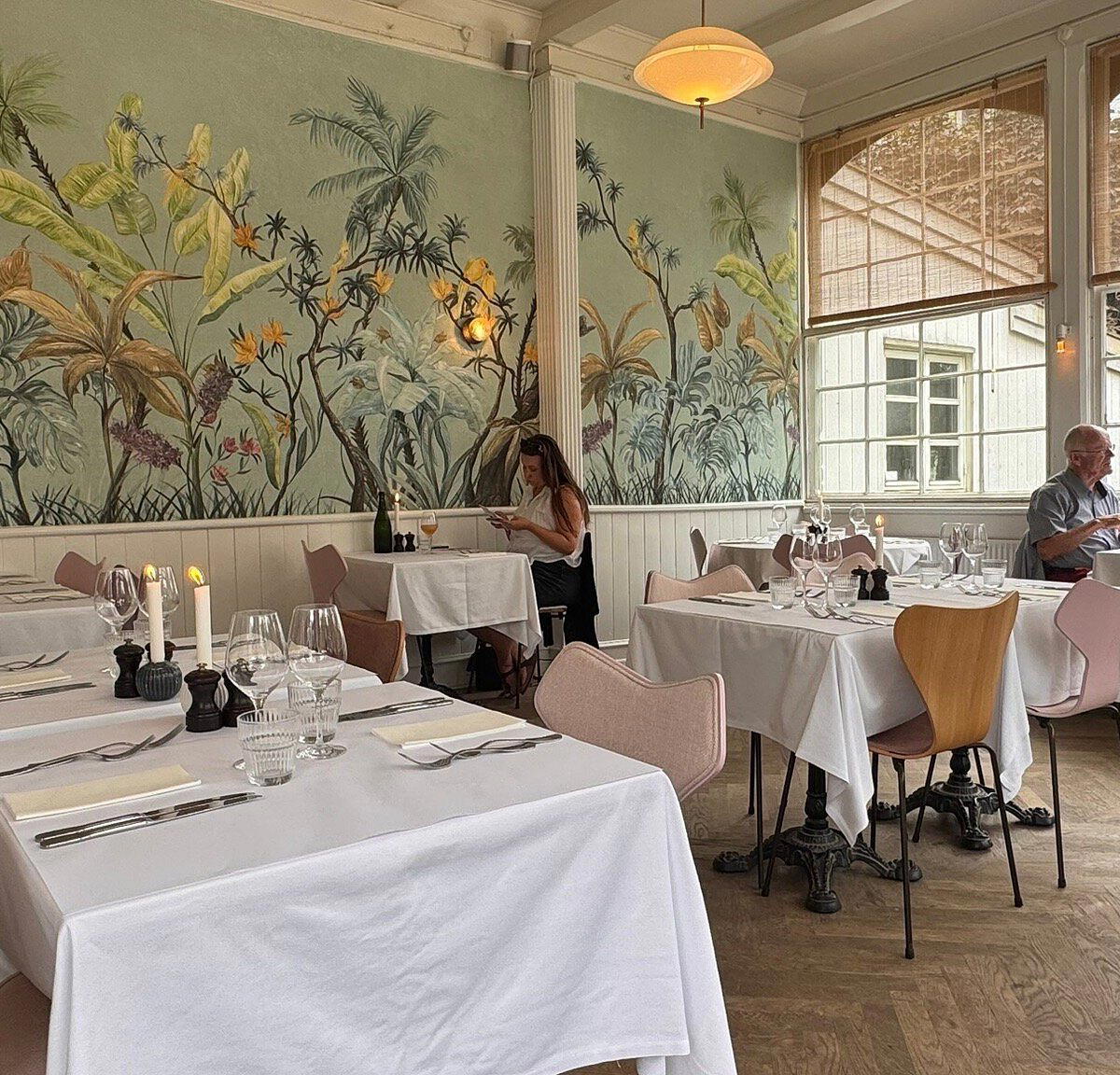
A Garden Address With a Particular History
Kongens Have, the oldest royal park in Copenhagen, changes the terms of arrival in a way few restaurant addresses can manage. You approach Orangeriet along gravel paths through formal beds and old linden trees, the city noise dropping away before you reach the door. The building itself is a historic orangery, and the glass-and-stone structure holds light differently across the seasons: pale and diffuse in January, almost green-tinted in June when the canopy outside fills in. That physical setting shapes everything about how the meal reads before a single dish arrives.
The address on Kronprinsessegade 13 places the restaurant within the park's perimeter, which means the usual Copenhagen dining calculus — neighbourhood density, proximity to the Inner City bar scene — doesn't quite apply. Orangeriet occupies its own pocket, more contemplative than the Vesterbro and Nørreport clusters that anchor most of the city's restaurant activity. For visitors working through our full Copenhagen restaurants guide, it represents a deliberately different register from the high-intensity tasting-menu circuit.
The Historical Thread: Where Geranium Started
Copenhagen's position in global fine dining rests substantially on a handful of addresses, and those addresses have their own genealogies. Geranium, now operating from its eighth-floor perch in Fælledparken and consistently placed among the world's reference-point restaurants, began its life at Orangeriet before relocating. That origin matters as more than trivia. It means the physical space at Kongens Have has hosted serious kitchen work, the kind of testing, iteration, and standard-setting that precedes a restaurant reaching the tier where Noma, Alchemist, and Koan now compete. Orangeriet carries that lineage without performing it.
This is relevant because Copenhagen's fine-dining scene tends to reward institutional memory. Kitchens like Kadeau built credibility over years of consistent sourcing and seasonal discipline before reaching their current recognition. Orangeriet operates within that same culture of accumulated seriousness, even if its current positioning is more accessible than its one-time tenant.
The Atmosphere in Practice
The editorial angle on Orangeriet is primarily sensory and situational, because the setting does work that most urban restaurant rooms cannot. The orangery structure means natural light is not a design choice added to a conventional interior, it is the interior logic. In winter, when Copenhagen operates under three or four hours of usable daylight, eating inside a glass-walled garden building takes on a specific character: the warmth and enclosure feel earned rather than manufactured. By contrast, summer service, particularly at the longer end of the Nordic evening, when light persists past ten o'clock, gives the room an almost greenhouse quality, with the park visible on multiple sides.
Sound behaves differently here than in the tightly packed dining rooms that define much of the city's high-end offer. The park perimeter insulates against street-level noise, and the building's proportions absorb rather than amplify conversation. The sensory register is closer to a country house than a city restaurant, which is an unusual thing to be able to say about an address ten minutes from Strøget.
Danish and European Kitchen Work
The kitchen's declared orientation toward Danish and classic European cuisine places Orangeriet in a different competitive set from the New Nordic laboratories that brought Copenhagen its international reputation. Where Koan applies kaiseki precision to Nordic ingredients and Alchemist operates as a multi-act conceptual performance, Orangeriet's reference points are older and more Continental. Danish cooking's traditional relationship with the seasons, game in autumn, preserved and fermented produce through winter, fresh herbs and vegetables from late spring, maps naturally onto the European classical tradition, and a kitchen positioned at this intersection has access to both the locality of New Nordic sourcing and the technical vocabulary of French and broader European methods.
This is a positioning that a number of the stronger regional Danish restaurants also occupy. Jordnær in Gentofte, Frederikshøj in Aarhus, and Henne Kirkeby Kro in Henne all work within a similar classical-meets-Nordic framework, each finding their own balance between local produce and European technique. What distinguishes Orangeriet's version of that balance is the setting it operates from: the garden context makes seasonal signaling immediate and legible in a way that an urban dining room cannot replicate.
Planning Your Visit
Orangeriet sits at an address that rewards advance planning on logistical grounds as much as demand ones. Kongens Have closes its gates according to seasonal schedules, so arrival times matter in a way they don't at street-level restaurants. The park environment means that the experience of getting there is part of the meal's texture, particularly in late spring and early summer when the garden is at its most active. For visitors combining the restaurant with other Copenhagen priorities, the proximity to the King's Garden and the Rosenborg Castle area makes it a natural anchor for an afternoon that extends into dinner.
Those building a wider Copenhagen itinerary can reference our full Copenhagen hotels guide for accommodation positioned near the Inner City and Kongens Have area, along with our full Copenhagen bars guide and our full Copenhagen experiences guide for programming around the meal. For those extending to other Danish cities, Alimentum in Aalborg, ARO in Odense, and Domæne in Herning represent the kind of regional kitchen seriousness that makes Denmark's dining scene broader than its Copenhagen concentration suggests. Internationally, the Danish-meets-European register at Orangeriet finds loose parallels in technically grounded institutions like Le Bernardin in New York City and the Southern American hospitality tradition of Emeril's in New Orleans, though the Danish garden setting has no direct equivalent. Consulting our full Copenhagen wineries guide may also be useful for those interested in the wine context that frames Danish fine dining more broadly.
How Orangeriet Copenhagen compares with similar nearby venues.
| Venue | Cuisine | Price | Awards |
|---|---|---|---|
| Orangeriet | Not listed | Not listed | Star Wine List (2026) |
| Alouette | Modern Cuisine | €€€€ | Not listed |
Recognition history
Dated appearances from independent guides and award organizations, with the underlying list record or original source where available.
Star Wine List
Star Wine List
Continue exploring
More in Copenhagen
Restaurants in Copenhagen
Browse all →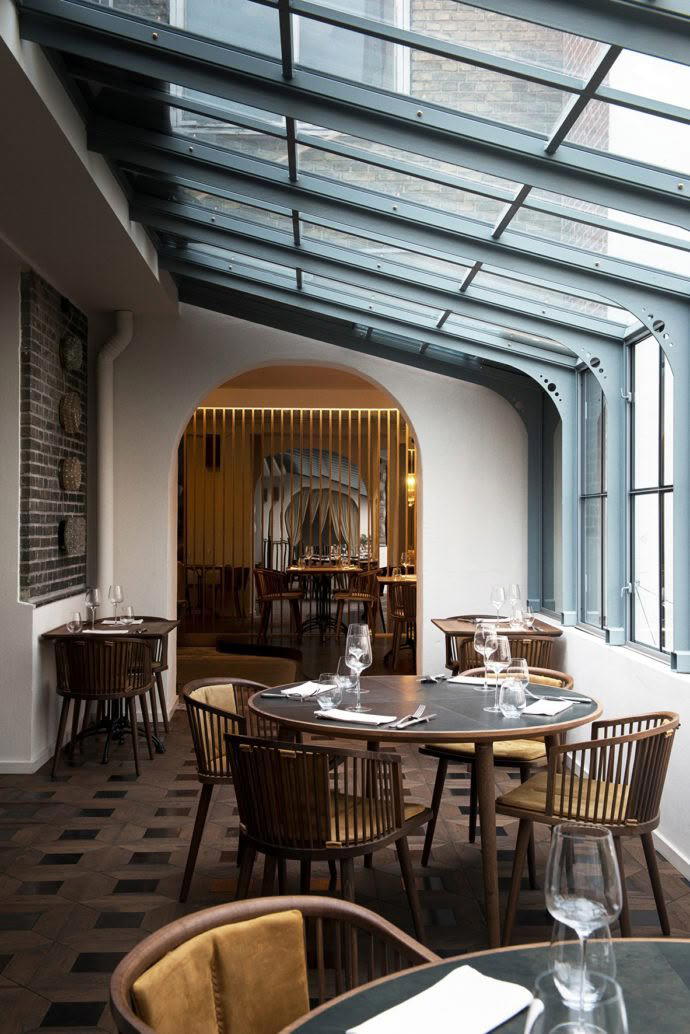
Bars in Copenhagen
Browse all →
Hotels in Copenhagen
Browse all →

At a Glance
- Cozy
- Elegant
- Scenic
- Romantic
- Casual Hangout
- Special Occasion
- Garden
- Terrace
- Local Sourcing
- Garden
Current opening hours
- Monday
- 11:30 AM–3 PM
- Tuesday
- 11:30 AM–3 PM
- Wednesday
- 11:30 AM–3 PM
- Thursday
- 11:30 AM–3 PM, 6–11 PM
- Friday
- 11:30 AM–3 PM, 6–11 PM
- Saturday
- 11:30 AM–3 PM, 6–11 PM
- Sunday
- 12–4 PM
Hours can change for holidays and private events. Last verified .
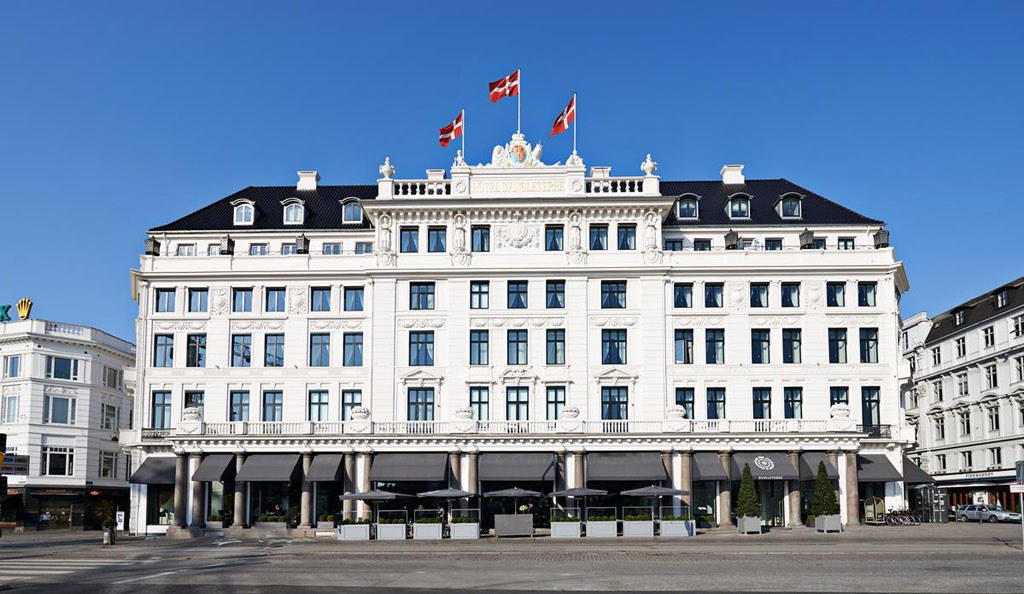
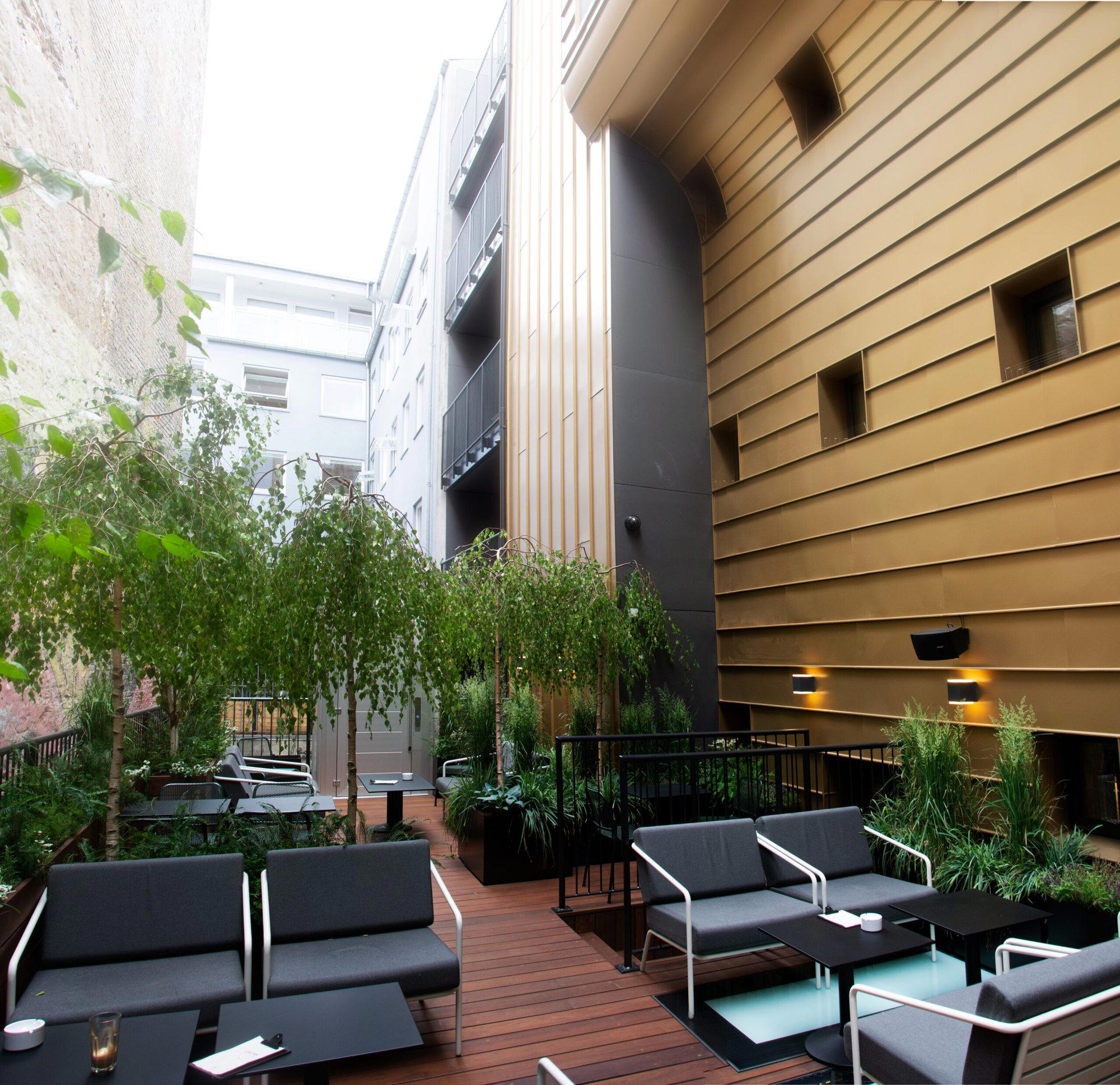
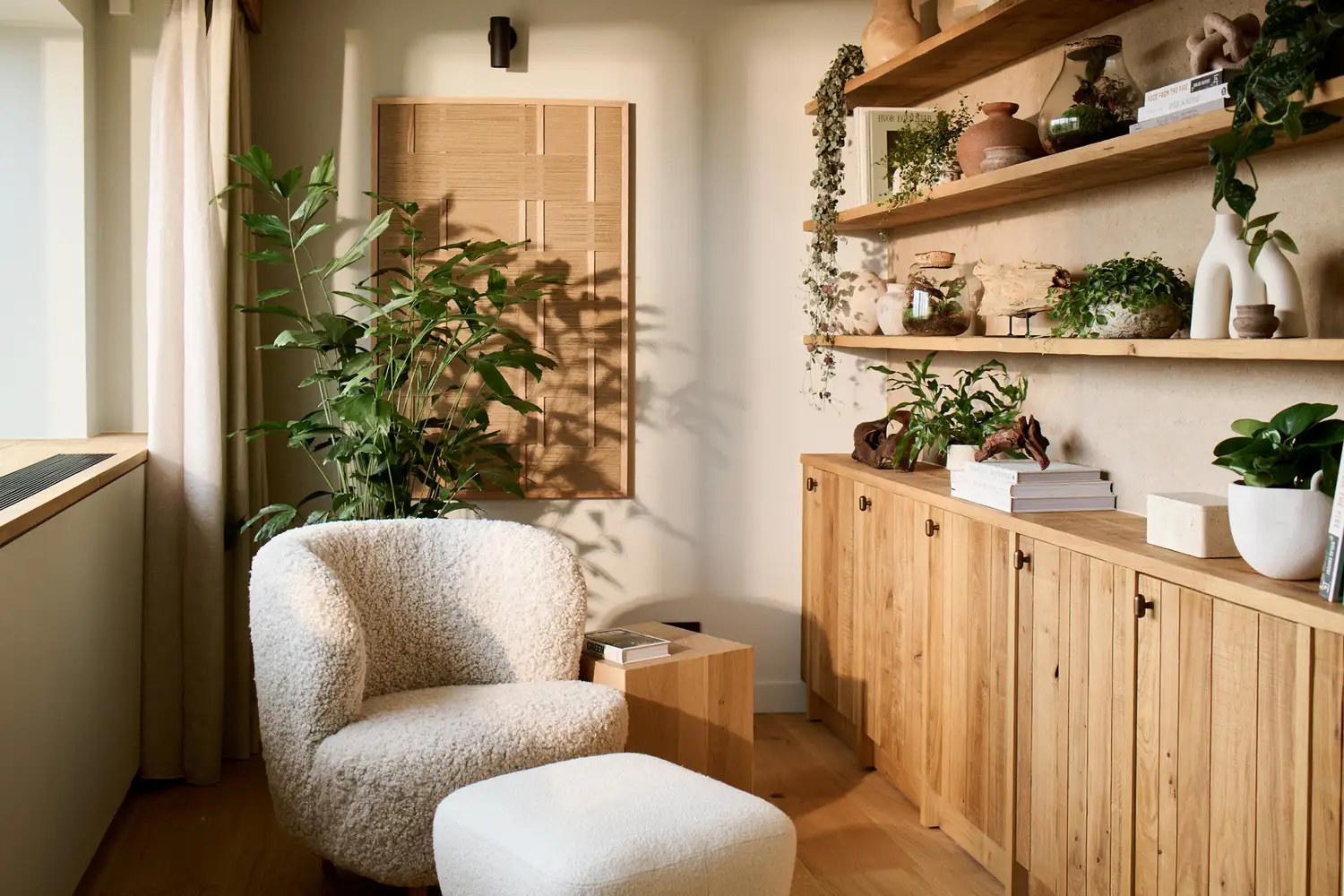
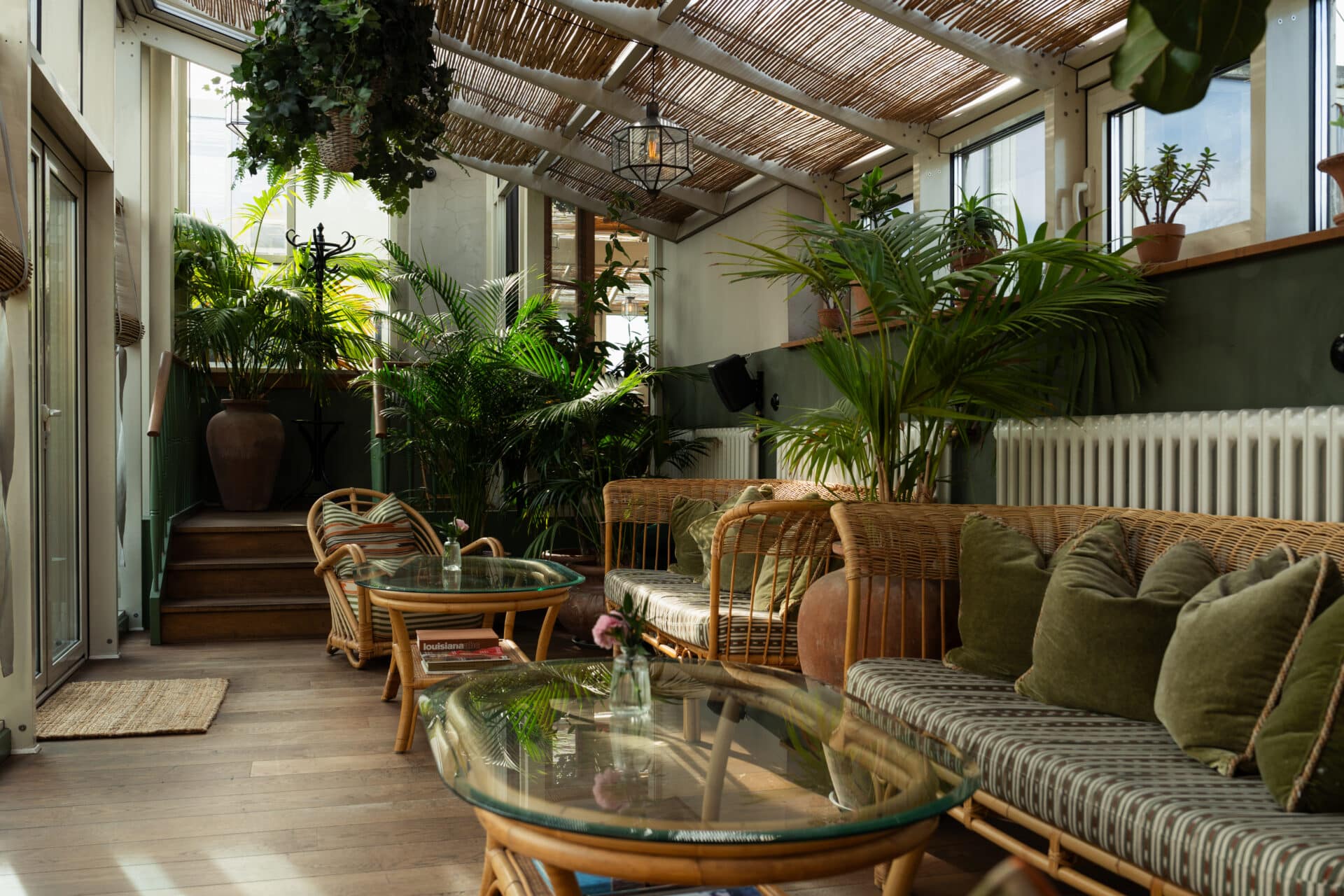
Cozy orangerie with elegant decor, botanical motifs, and bright lighting, offering a relaxed yet sophisticated atmosphere with garden views from indoor and terrace seating.
Know Before You Go
- Getting there
- Kronprinsessegade 13, 1306 København, Denmark