Made's Warung serves Traditional Indonesian Warung at Bandara Ngurah Rai, with Nasi Campur and Gado-Gado for lunch or dinner in a casual, conversational setting.
Pearl is the En Primeur Club membership app — saves, bookings, and concierge access live there. Same editors, same standards.
- Address
- Bandara Ngurah Rai, Denpasar, Bali
 Saves & bookings on Pearl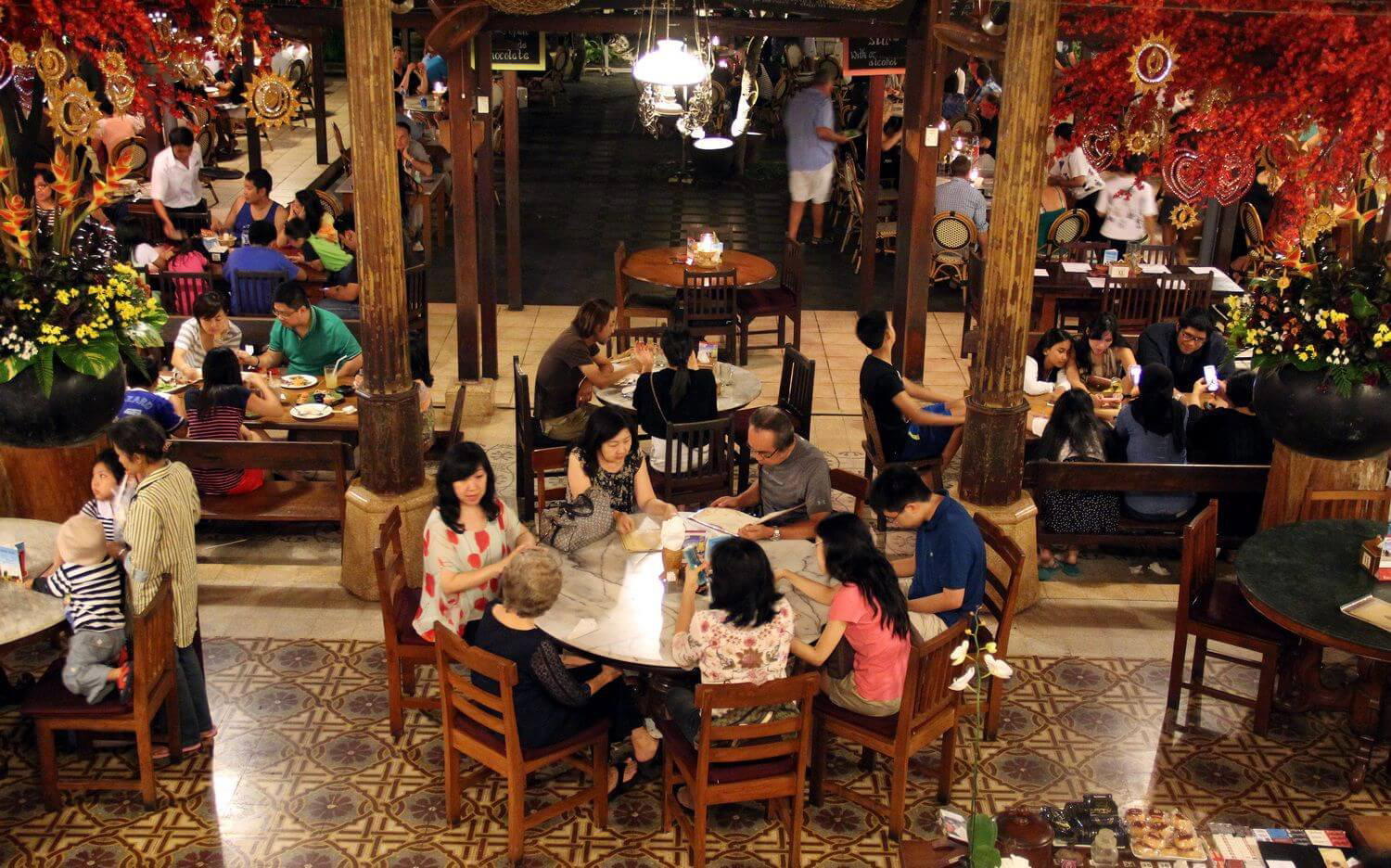
Where Bali's Airport Corridor Meets Warung Tradition
Made's Warung is a restaurant in Denpasar, Bali, serving traditional Indonesian warung cooking for about $8 per person. The road running toward Ngurah Rai International Airport is not where most visitors expect to find a meal worth remembering. It is a corridor of transit logistics, rental car depots, and the low-grade anxiety of departure schedules. Against that backdrop, Made's Warung operates as a reminder that Bali's warung tradition, casual, open-sided, ingredient-forward, does not require a rice-terrace backdrop to function. The setting is direct: an open-air structure that admits the warm coastal air of southern Bali and the ambient noise of a working city rather than a resort enclave. There are no water features engineered for Instagram. What there is, and what has kept this address on the radar of travellers moving through Denpasar rather than retreating to Seminyak or Ubud, is a commitment to the cooking logic that defines the Balinese warung at its most functional: fresh sourcing, recognisable spice, and portions calibrated for real appetite rather than presentation.
The Warung Format and What It Means for Sourcing
Across Bali, the warung occupies a specific structural position in the food ecosystem. It sits below the restaurant in formality and price, but at its leading it sits above many restaurants in ingredient integrity, because the economics of a warung depend on turnover and freshness rather than on a wine list or a tasting menu margin. Produce does not sit in a walk-in cold store for four days; it moves. The island's proximity to small-scale agriculture in the Gianyar and Tabanan regencies, and to the fishing activity along the southern coast, means that a well-run warung has supply-chain advantages that more polished operations sometimes trade away in exchange for consistency and scale. Made's Warung sits inside this tradition. The Balinese kitchen vocabulary it draws from, base genep spice paste, proteins grilled or braised with aromatics sourced from the island's interior markets, rice from local paddies, reflects a sourcing logic that predates the farm-to-table framing that newer restaurants in Ubud, such as Locavore NXT in Ubud, have built into explicit editorial identity. At Made's Warung, that sourcing is structural rather than marketed.
This matters particularly in the Denpasar context. The city is Bali's administrative and commercial centre, not its culinary showcase, and the restaurants that succeed here without resort backing do so because they serve a local logic rather than a tourist expectation. Denpasar's dining scene rewards pragmatism: places that cook from the available supply rather than engineering a concept around imported produce tend to outlast the concept restaurants that arrive during peak development cycles and vanish when visitor numbers shift.
Made's Warung in Its Competitive Set
On the Bali spectrum that runs from hawker-casual to destination-formal, the restaurant occupies the accessible middle ground that most visitors to the island actually need. It is not competing with Mozaic or Nusantara By Locavore on tasting-menu ambition, and it is not competing with Ibu Oka on the narrow specialisation of a single ceremonial dish. Its comparable set is the category of reliable, locally-grounded warung and casual restaurant that serves both Indonesian visitors and international travellers without adjusting the cooking register for either audience. In that category, its airport-adjacent location gives it a practical advantage that the more scenically positioned competitors in Seminyak or Canggu cannot replicate: it is genuinely useful at the beginning and end of a trip, when the appetite for a long drive to dinner is low and the desire for honest Balinese food is high.
Comparable casual Indonesian cooking in other parts of the archipelago, from the heritage warung culture represented by Gudeg Yu Djum in Yogyakarta to the broader regional dining documented in Kunyit Restaurant in Bandung, demonstrates that the warung format is not regionally specific to Bali. It is a national mode of eating, adapted to local ingredient supply and spice tradition. What distinguishes the Balinese variant is the base genep, a spice compound that appears in some form across the cooking, and the ceremonial food culture that has historically driven ingredient quality at the community level. The restaurant operates within that Balinese specificity without turning it into a tourist exhibit.
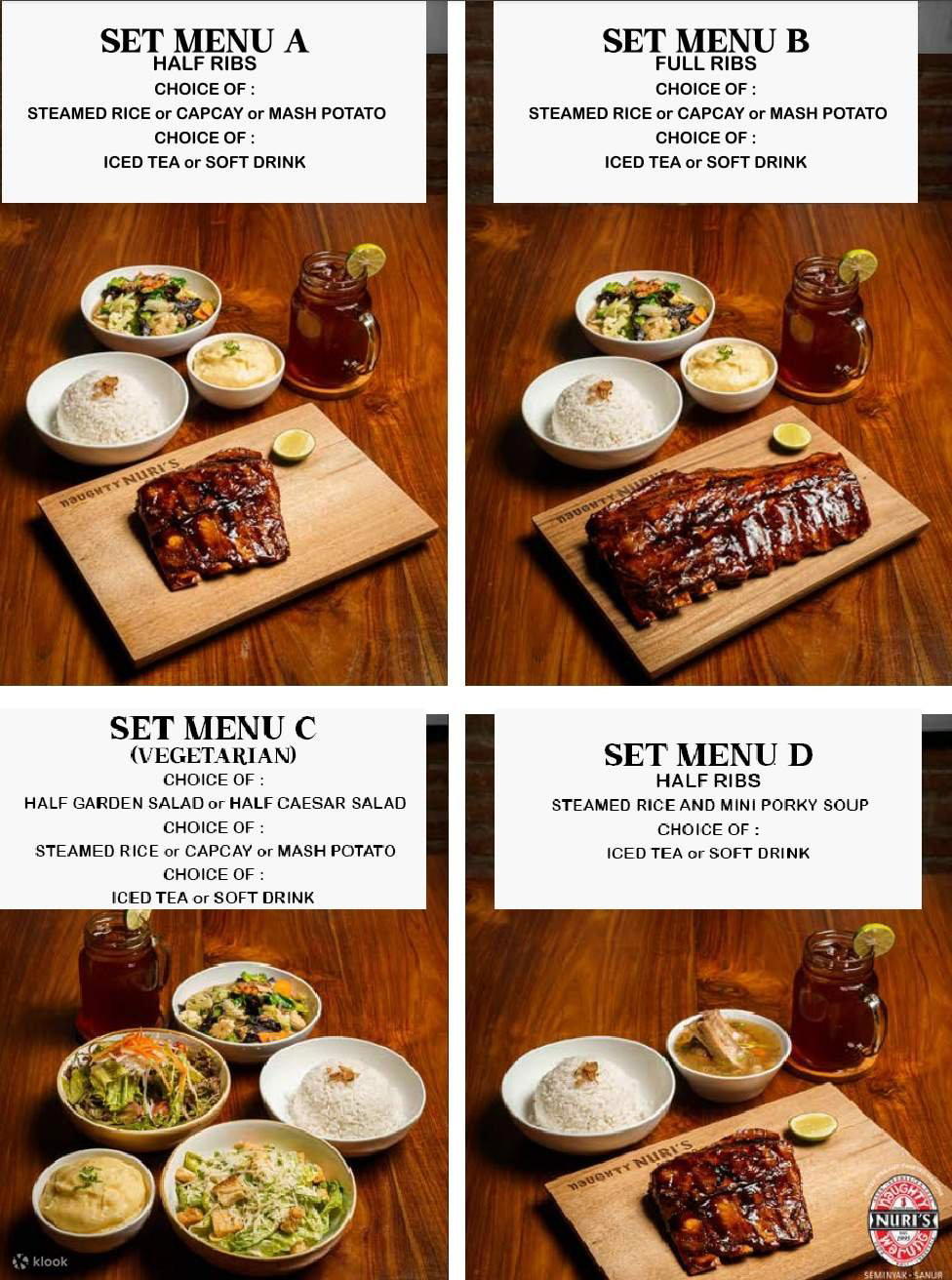
Among Bali's casual dining options with beach-adjacent or resort-facing positioning, the comparison with Naughty Nuri's Warung in Sanur is useful. Both addresses serve an accessible price point to a mixed local-and-visitor clientele, and both operate in the southern Bali corridor. The distinction is primarily in culinary orientation: Naughty Nuri's built its reputation specifically on ribs and a cocktail identity, while the restaurant holds to a broader Balinese cooking register.
For those who want to triangulate Bali's casual dining against its more ambitious end, Bikini Restaurant Bali in Badung and Jungle Fish Bali in Gianyar represent a different tier of the island's food offer, built around location and concept rather than warung-format accessibility. The Indonesian restaurant scene beyond Bali also provides useful context: operations like August in Jakarta and Kita in Kecamatan Menteng sit at the formal end of Indonesian dining, while addresses such as Hwang Fu Dimsum in Tangerang, Hai Di Lao in Central Jakarta, and Chongqing Liuyishou Hotpot in South Jakarta show the breadth of casual dining formats available across the country. The restaurant fits into this national picture as a specifically Balinese entry point rather than an anomaly.
Planning a Visit
The address at Bandara Ngurah Rai places the restaurant in immediate proximity to the international terminal, which makes it logistically relevant for layovers, pre-departure meals, and arrivals where the instinct to reach a resort immediately can reasonably be deferred for an hour. The warung format means dress code expectations are low and the pace of service is suited to travellers who may be working around a schedule. Other Indonesia-wide casual dining options worth knowing, for travellers moving between islands, include Istanbul Kebab in Lombok Utara, Kimukatsu in Manado City, Agreya Coffee in Bogor, and Kynd Community in Bali for plant-focused eating. For those whose interest in Indonesian cooking eventually leads them to compare it against high-end international reference points, Le Bernardin in New York and Atomix in New York represent the kind of technical ambition that contextualises what the warung format deliberately is not.
A Quick Peer Check
Comparable venues nearby, for context on price, style, and recognition.
| Venue | Cuisine | Price | Notes |
|---|---|---|---|
| Made's WarungThis venue — the venue you are viewing | Traditional Indonesian Warung | $$ | Not listed |
| Naughty Nuri's Warung, Sanur | Balinese BBQ Ribs | $$ | Sanur |
| Daun Muda Soulfood by Peresthu - Wolter Monginsidi | Modern Indonesian Soulfood (Palembang & Manado) | $$ | Selong |
| Canary Restaurant | Indonesian | $$ | Pasar Minggu |
| Pondok Desa Traditional Restoran Batu | Traditional Indonesian | $$ | Beji, Junrejo |
| Madame Djeli | Indonesian Peranakan | $$ | Bogor |
At a Glance
- Lively
- Rustic
- Well Known
- Family
- Casual Hangout
- Group Dining
- Standalone
Casual open-air warung atmosphere with simple interiors, bustling with domestic and international visitors.