
Michelin Plate
Our verdict
A Michelin Plate-recognised piola on Via Ormea, Madama Piola serves classical Piedmontese cooking at the €€ tier in a setting that reads as a neighbourhood inn rather than a destination restaurant. Stuffed onion, vitello tonnato, braised cheeks, and hot zabaglione anchor a menu built around regional producers, while the wine list tilts heavily toward Piedmontese labels with a solid selection by the glass.

Pearl is the En Primeur Club membership app, where members save venues, book tables and use the concierge.
The menu
What to order
- Plin con sugo di arrosto
- Stuffed onion
- Vitello tonnato
- Braised cheeks
The Piola Tradition and What It Preserves
Turin has always maintained a parallel dining culture to its grander, tablecloth-and-theatre restaurants. The piola, a term rooted in Piedmontese dialect for a village inn or simple tavern, represents a different set of values: proximity to the producer, restraint in technique, and a wine list that reflects the region rather than the world. In a city where the €€€€ tier has expanded to include progressive Italian addresses such as Casa Vicina and creative operators pulling from a modernist playbook, the piola format has held its ground as a counterweight. Madama Piola, on Via Ormea in the Nizza Millefonti quarter, sits firmly in that tradition, with a Michelin Plate recognition in both 2024 and 2025 confirming that the format, when executed with discipline, carries critical weight.
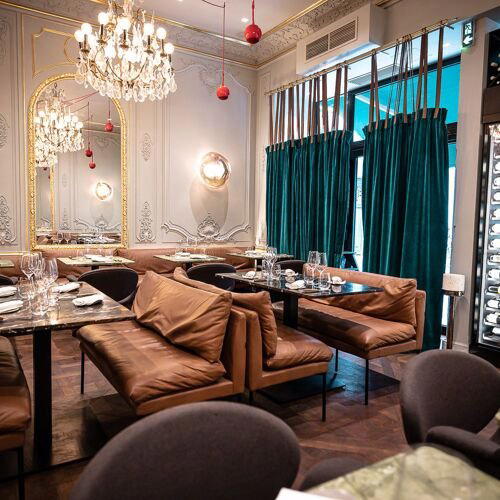
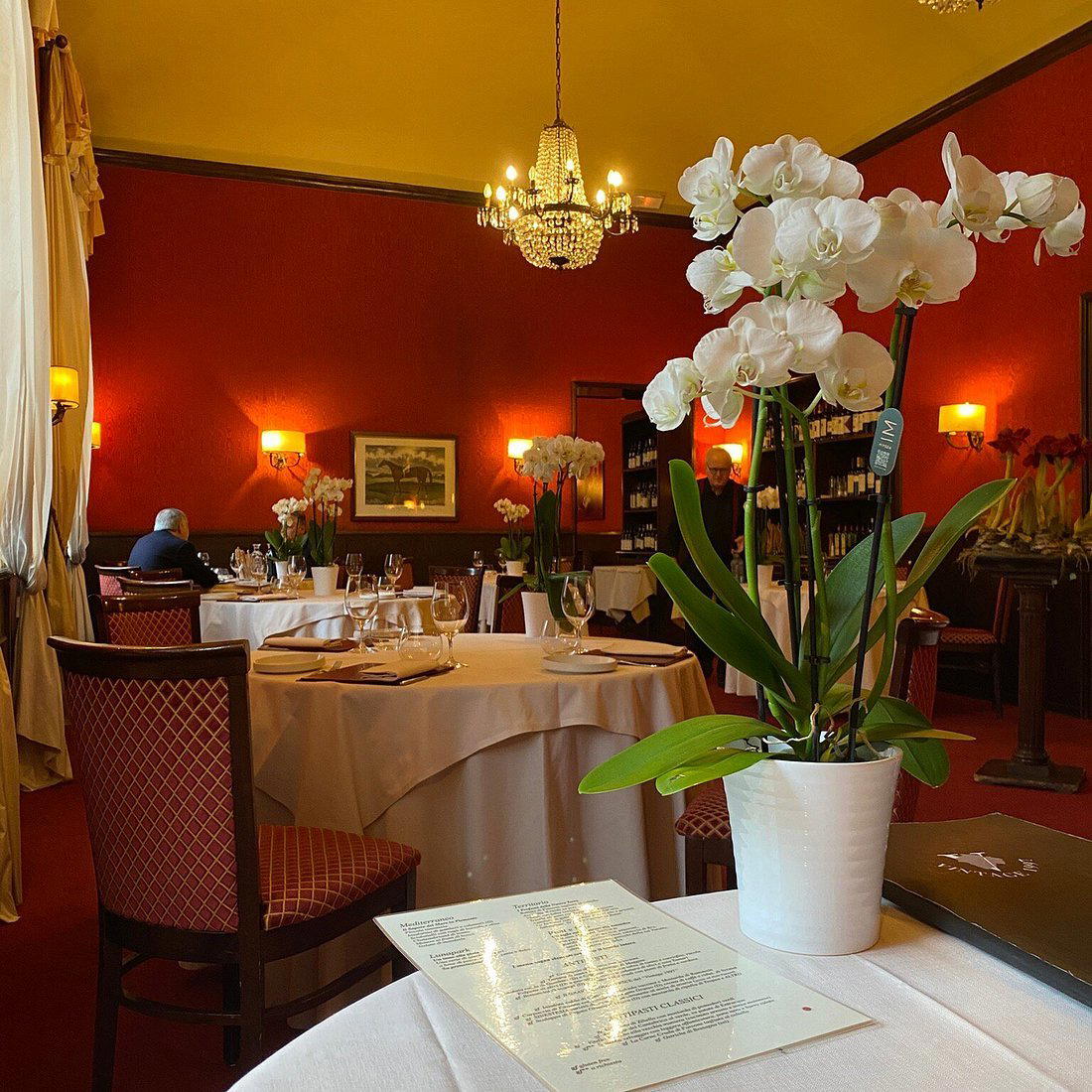
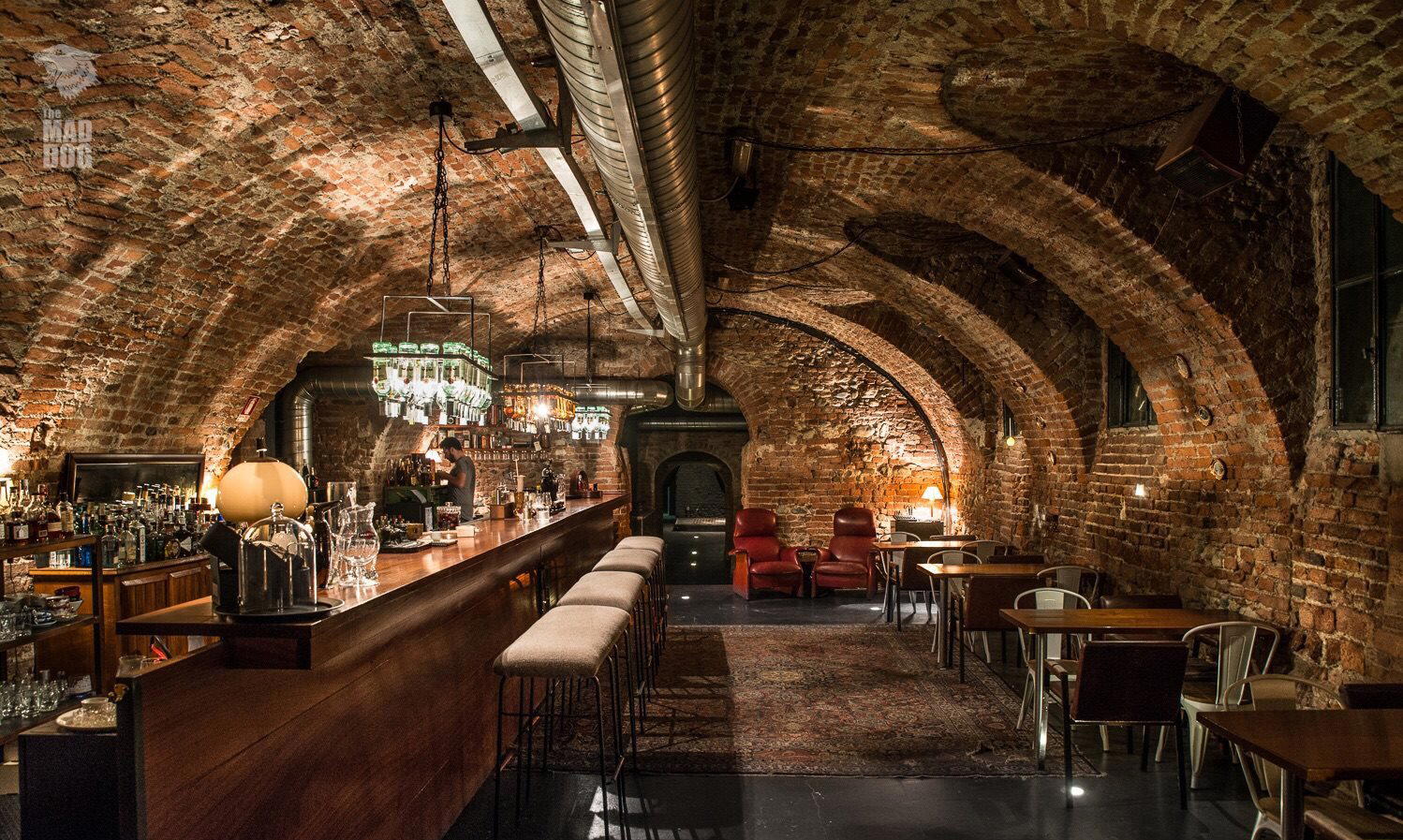
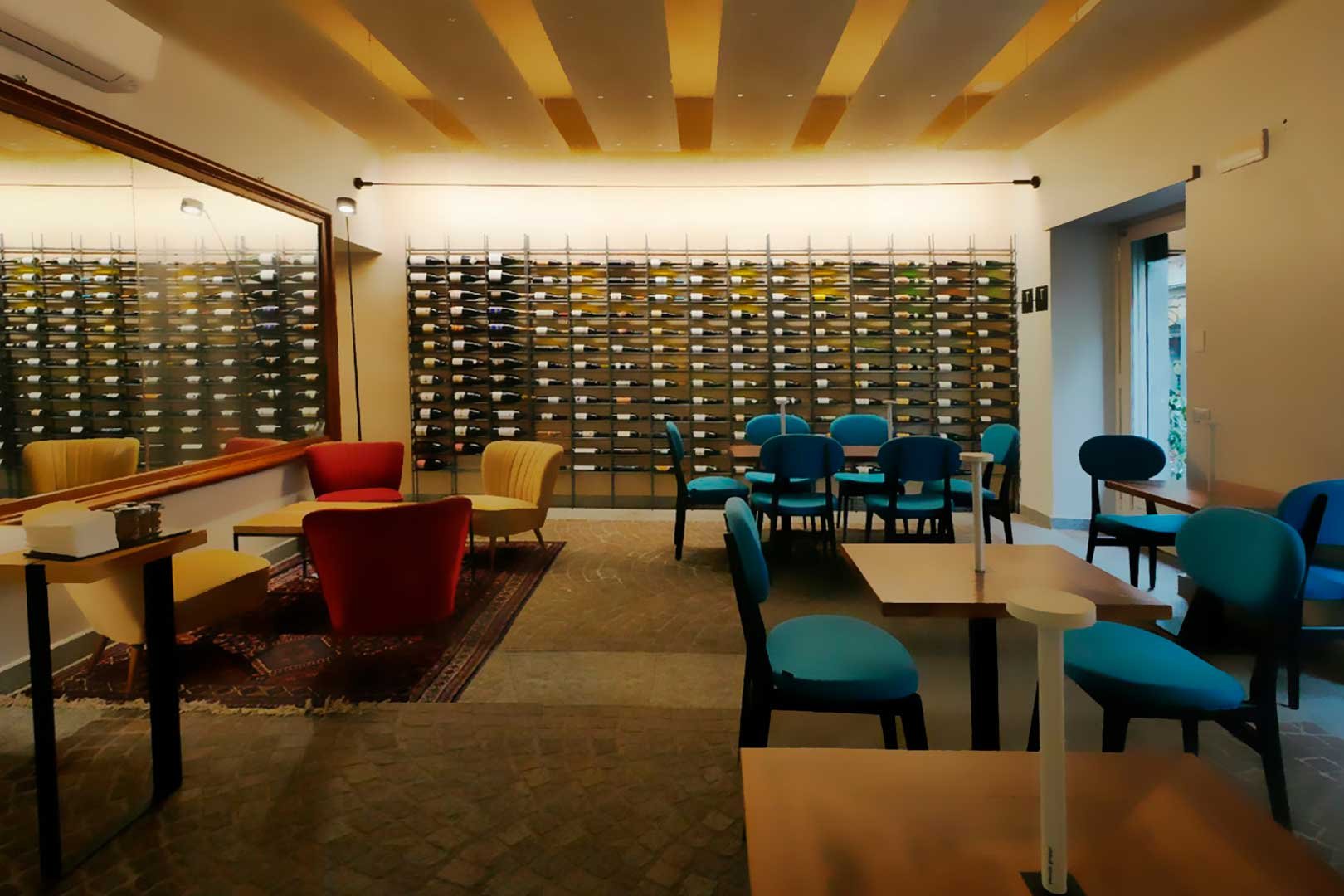
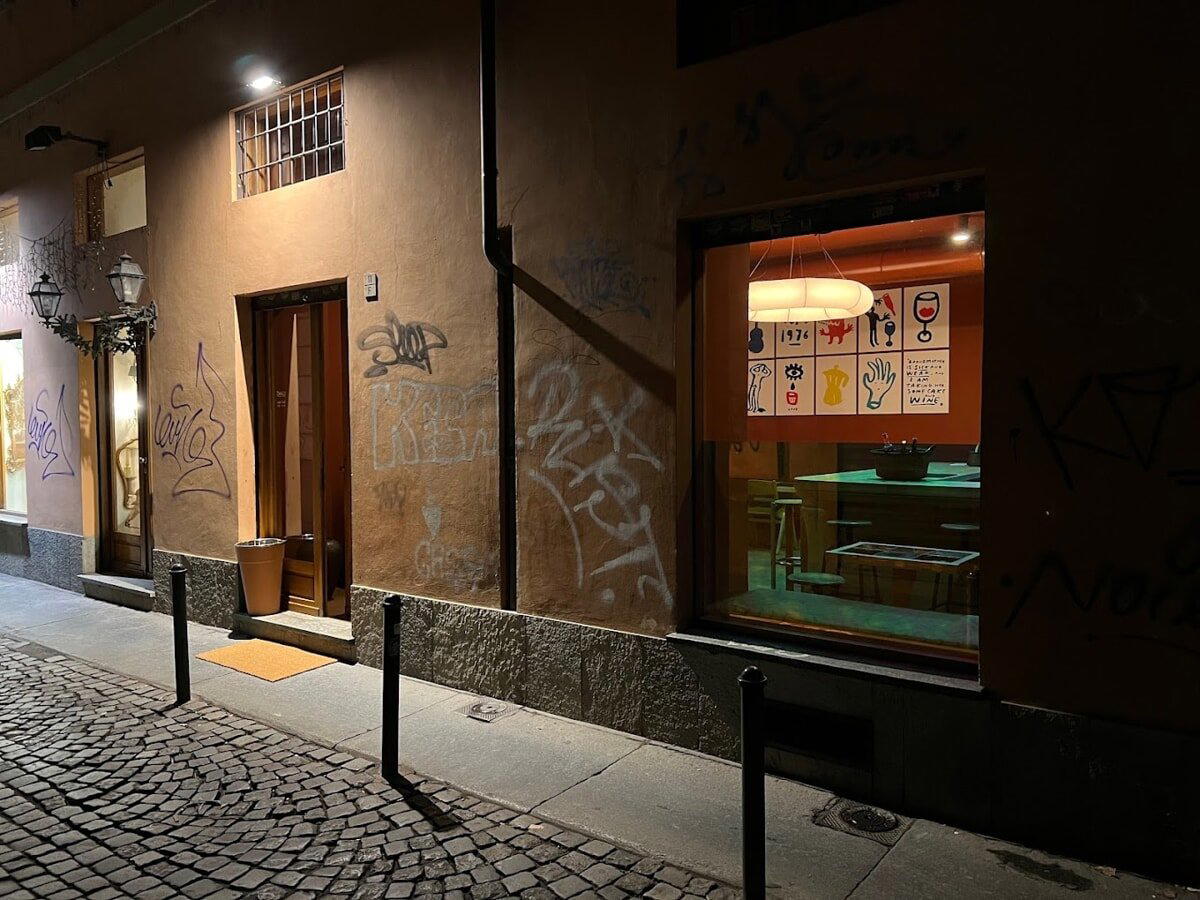
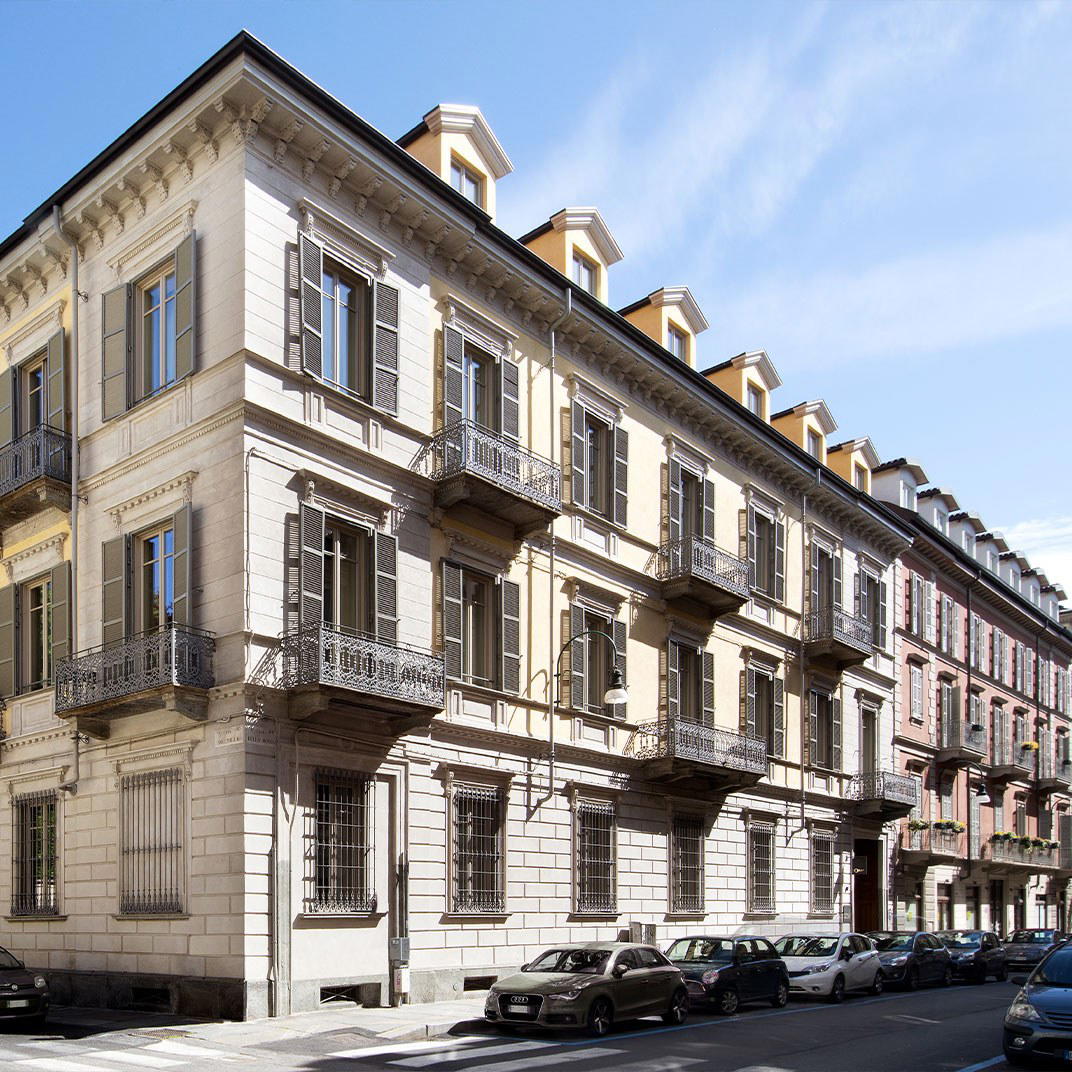
The address is a practical one: Via Ormea 6bis places the restaurant south of the city centre, close enough to the Po riverfront to feel residential rather than touristy. The physical environment reflects the name, a friendly and relatively unadorned room that signals intent through its simplicity. There is no design statement to parse here. The room functions as context for the cooking, and the cooking is built around Piedmontese ingredients and preparations that have remained consistent across decades of regional tradition.
Seasonal Eating, Regional Sourcing, and a Quiet Sustainability Logic
The Piedmontese kitchen has always operated on a logic that contemporary sustainability discourse has had to rediscover. Before zero-waste became a positioning strategy, the cucina povera of this region was making use of secondary cuts, slow braises, and vegetable preparations that most European cuisines had long abandoned. The braised cheeks on Madama Piola's menu are a direct expression of that tradition: the cheek is a working muscle, slow-cooked to extract flavour through time rather than premium input. Similarly, the stuffed onion, described by Michelin as one of the venue's notable dishes, is a preparation that takes an inexpensive allium, fills it with a forcemeat typically made from leftovers or offal, and treats it with the same care given to more expensive cuts elsewhere.
This approach aligns with a broader shift in how serious diners and critics think about responsible eating. Restaurants at the upper end of the sustainability conversation, such as Atelier Moessmer Norbert Niederkofler in Brunico, have built entire tasting programmes around Alpine locality and waste reduction as explicit editorial statements. Madama Piola operates at a different price tier and without that level of programmatic declaration, but the underlying logic is the same: cook what the region produces, use the whole animal, and let the seasons determine the menu rather than forcing year-round availability through imports. At the €€ price point, that philosophy becomes accessible to a much wider audience than the tasting-menu format allows.
The wine list reinforces this regional commitment. Piedmont produces some of Italy's most age-worthy reds, and a list that prioritises local labels over international variety signals confidence in the region's depth. The availability of Piedmontese wines by the glass matters here: it allows a mid-week diner eating alone or with one companion to explore Barbera, Dolcetto, or a younger Nebbiolo without committing to a full bottle, which is both economically sensible and a practical expression of the region's breadth. For comparison, L'Acino takes a similarly wine-forward approach at the same price tier, suggesting this is a defining characteristic of Turin's more considered casual dining.
The Menu as Regional Record
Vitello tonnato, the cold veal dish dressed with a tuna-and-caper sauce that has become Piedmont's most exported preparation, appears here as it should: as a local reference point rather than a curiosity. The dish divides visitors who expect it to be more elaborate, but its restraint is the point. The same applies to the zabaglione served hot, a preparation that requires timing and attention and that most kitchens have replaced with simpler desserts. Serving it hot means the kitchen is making it to order, which implies a level of technical care that the simple room does not immediately signal.
These dishes connect Madama Piola to a longer arc of Piedmontese culinary preservation. Further up the price scale, addresses like Antica Corona Reale in Cervere and Locanda Sant'Uffizio Enrico Bartolini in Cioccaro work within the same regional tradition but with greater ceremony and higher spend. The piola format at Madama Piola strips the ceremony away without abandoning the substance, which is a harder balance to maintain than it appears. Among Turin's €€ Piedmontese addresses, the closest comparator in format and intent is Antiche Sere, though the two occupy slightly different neighbourhoods and draw different local regulars.
Where Madama Piola Sits in Turin's Current Dining Picture
Turin's restaurant scene has diversified considerably since the city's Slow Food identity first drew international attention. The upper tier now includes the progressive Italian cooking at Fratelli Bruzzone and wine-bar-adjacent formats like San Tommaso 10, as well as the city's own contribution to Italy's broader fine dining circuit. For context on how ambitious Italian cooking reads at the national level, Osteria Francescana in Modena, Enoteca Pinchiorri in Florence, and Enrico Bartolini in Milan define the ceiling. Madama Piola operates far below that ceiling by design, and the Michelin Plate, awarded for good cooking rather than for spectacle or innovation, is the appropriate recognition for what it does.
Planning Your Visit
Madama Piola is at Via Ormea 6bis, 10125 Turin. The €€ pricing makes it one of the more accessible Michelin-recognised addresses in the city. Autumn and winter are the seasons where the braised preparations and hot zabaglione make most sense, though vitello tonnato is a year-round fixture. Given the neighbourhood location and the format, booking ahead for weekend evenings is the practical approach. The restaurant does not appear to have a current website listed, so direct contact by phone or a third-party booking platform is the likely route for reservations.
For a fuller picture of where Madama Piola fits within Turin's dining offer, see our full Turin restaurants guide. For accommodation context, our full Turin hotels guide covers the city's current range. Additional city planning is available through our full Turin bars guide, our full Turin wineries guide, and our full Turin experiences guide. For broader Italian reference points at the upper end of the country's restaurant register, Dal Pescatore in Runate and Quattro Passi in Marina del Cantone offer useful comparisons in terms of how regional tradition operates at higher spend levels.
Frequently asked questions
What should I eat at Madama Piola?
The dishes flagged by Michelin as highlights are the stuffed onion, vitello tonnato, braised cheeks, and hot zabaglione. These four preparations cover the range of classical Piedmontese technique: a slow-cooked vegetable preparation, a cold dressed meat dish, a secondary cut braise, and a made-to-order egg-based dessert. Together they form a coherent argument for the regional kitchen rather than a random selection. The wine list, which focuses on Piedmontese labels and includes a solid selection by the glass, is the natural companion to those choices, particularly if the visit falls during the autumn truffle season or the winter months when Barolo and Barbaresco are at their most appropriate.
Comparable Spots
A small set of peers for context, based on recorded venue fields.
| Venue | Cuisine | Price | Awards | Notes |
|---|---|---|---|---|
| Madama PiolaThis venue (the venue you are viewing) | Traditional Piedmontese | $30–50 | Michelin Plate | Not listed |
| Condividere | Modern Italian Fine Dining with Global Influences | $50–100 | Michelin Bib Gourmand | Progressive, Italian Contemporary |
| Del Cambio | Modern Piedmontese Fine Dining | $200–300 | 1 Michelin Star · La Liste Top Restaurants | Progressive Italian, Contemporary |
| Unforgettable | Modern Italian Tasting Menu | $150–200 | 1 Michelin Star · We're Smart World 4 Radishes | Modern Italian, Innovative |
| Consorzio | Traditional Piedmontese Trattoria | $30–50 | Michelin Bib Gourmand | Piemontese, Piedmontese |
| Cannavacciuolo Bistrot | Modern Italian Fine Dining Bistro | $100–150 | 1 Michelin Star | Creative |
Recognition history
Dated appearances from independent guides and award organizations, with the underlying list record or original source where available.
Michelin Plate
Michelin
Full recognition history (3 entries)
Michelin Plate
Michelin
Michelin Plate
Michelin
Continue exploring
More in Turin
Restaurants in Turin
All restaurants in Turin →
Bars in Turin
All bars in Turin →
Details
- Cozy
- Elegant
- Classic
- Date Night
- Casual Hangout
- Open Kitchen
- Extensive Wine List
- Local Sourcing
- A La Carte
- Regional Wines
- Vegetarian Friendly
Current opening hours
- Monday
- 7:30 PM–12 AM
- Tuesday
- Closed
- Wednesday
- 7:30 PM–12 AM
- Thursday
- 7:30 PM–12 AM
- Friday
- 7:30 PM–12 AM
- Saturday
- 12:30–2 PM, 7:30 PM–12 AM
- Sunday
- 12:30–2 PM, 7:30 PM–12 AM
Hours can change for holidays and private events. Hours as of .
Simple yet attractive and friendly ambience with well-renovated space blending ancient details like exposed vaults with modern style.