On a quiet residential street in central Parma, Maccheroni sits inside the food capital of northern Italy, where the surrounding province dictates what ends up on the plate. The kitchen works with the geography Parma has long exported to the world: cured meats, aged cheeses, hand-rolled pasta. For anyone tracing Emilian cooking to its source, this address is a logical start.
Pearl is the En Primeur Club membership app — saves, bookings, and concierge access live there. Same editors, same standards.
- Address
- Via Ernesto Ghirarduzzi, 2, 43122 Parma PR, Italy
- Phone
- +39521927806
- Website
- social.quandoo.com
- Directions
- Get directions
 Saves & bookings on Pearl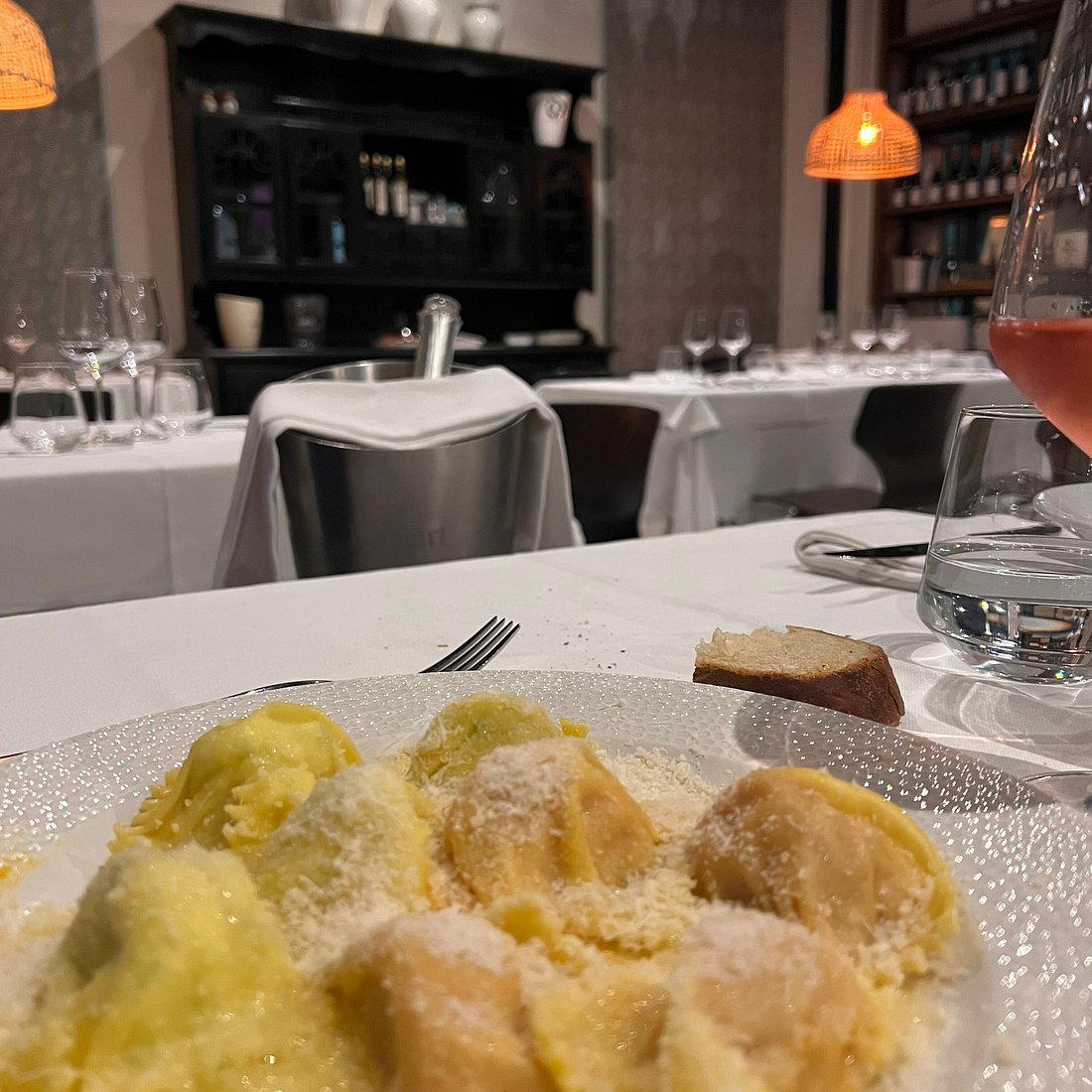
Where Parma's Pantry Becomes the Menu
Via Ernesto Ghirarduzzi is not the kind of street that appears on tourist maps. It runs quietly through a residential pocket of central Parma, close enough to the city's historic core to feel connected but removed from the cathedral-district foot traffic that draws crowds in summer. Approaching Maccheroni, the visual cues are low-key: a neighbourhood address in a city that has always preferred substance over display. Maccheroni is a traditional Emilian trattoria in Parma, at Via Ernesto Ghirarduzzi, 2, with an average price of about $25 per person. That restraint is, in itself, a form of editorial positioning. Parma does not need to shout. It is the city whose name is attached to two of Italy's most exported food products, Parmigiano-Reggiano and Prosciutto di Parma, and where the relationship between raw ingredient and finished dish is, by long tradition, treated with a seriousness that coastal food capitals rarely match.
This matters for how you read a place like Maccheroni. In cities where sourcing is a marketing strategy, restaurants announce their supply chains on chalkboards and websites. In Parma, provenance is assumed. The province's DOP-protected products, the network of local producers, the seasonal rhythms of the Po Valley, these are the background conditions of cooking here, not a differentiating feature. What distinguishes individual kitchens is how they handle that shared inheritance.
The Emilian Tradition Maccheroni Sits Within
Emilian cooking is, at its core, a cuisine of patience and precision. Fresh pasta, tagliatelle, tortellini, anolini, maltagliati, requires the kind of repetitive hand skill that takes years to develop to a consistent standard. The fillings and sauces that accompany them are built on stocks reduced over hours, on aged fats rendered slowly, on cheeses grated at the last moment. It is a tradition that resists shortcuts precisely because its primary ingredients are already so good that shortcuts become obvious.
Within Parma specifically, the pasta tradition leans toward anolini in broth, a dish associated with Sunday family tables and feast days, and toward trofie and maccheroni formats that carry the city's name outward. The name Maccheroni itself is a signal: this is a kitchen that aligns with the pasta-centred identity of the region rather than positioning against it. Compared to Inkiostro, Parma's Modern French and creative fine dining address at the €€€€ tier, or the more experimental work being done at ATIPICO osteria moderna, Maccheroni occupies the trattoria-adjacent register where tradition is the point rather than the departure.
That register has its own competitive set in Parma. Brisla, Cocchi, and I Tri Siochètt all operate in the Emilian tradition at accessible price points, and together they form the backbone of what residents actually eat rather than what visiting food writers tend to photograph. The gap between these everyday Emilian tables and the region's celebrated fine dining tier, places like Osteria Francescana in Modena or Dal Pescatore in Runate, is not simply one of price. It is a difference in ambition and register. Maccheroni belongs to the former category: honest cooking in a city where honest cooking has a high floor.
Ingredient Geography: What the Po Valley Supplies
The sourcing logic that underlies Parma's restaurant culture is determined largely by geography. The city sits at the northern edge of the Apennines, close enough to the mountains for air-curing conditions that make Prosciutto di Parma possible, and embedded in the Po Valley's agricultural flatlands that supply grain, dairy, and pork at scale. Parmigiano-Reggiano, produced in wheels that age between 12 and 36 months depending on designation, is available locally at a price and freshness point that makes it a default seasoning rather than a garnish. Culatello di Zibello, the prized cured product in the region, comes from pigs raised in the river lowlands a short distance from the city.
A kitchen in Parma that works within this ecosystem does not need to import prestige. The ingredients are already credentialed. What the kitchen must do is not diminish them, which is, in the Emilian view, the harder discipline. The flour-to-egg ratio in fresh pasta, the broth used to cook anolini, the length of time a ragù is left to reduce: these are the decisions that separate kitchens at this tier from one another. Across northern Italy's trattoria culture, the restaurants that earn local loyalty over decades tend to be the ones that have found their version of these ratios and defended them consistently.
For context on how ingredient-focused cooking scales upward in northern Italy, the work at Le Calandre in Rubano and Piazza Duomo in Alba shows what happens when the same Po Valley and Piedmont pantry is filtered through technically sophisticated fine dining kitchens. At the other end of Italy's geography, Uliassi in Senigallia and Quattro Passi in Marina del Cantone demonstrate how coastal sourcing logic produces a different but parallel seriousness. Maccheroni occupies none of those refined tiers, but it operates in the same national tradition of Italian cooking that treats the local supply chain as the primary creative constraint.
Planning a Visit
Maccheroni's address on Via Ernesto Ghirarduzzi places it in a walkable part of central Parma, accessible from the main historic districts without requiring transport. Parma's restaurant culture skews toward lunch as the serious meal of the day, a pattern consistent with Emilian cities where the midday table remains important for residents and visitors alike. For anyone building a fuller picture of where Parma fits within Italian dining, the EP Club Parma restaurants guide maps the city's options across price tiers and styles.
Those wanting to extend across the region's fine dining tier should note that Atelier Moessmer Norbert Niederkofler in Brunico represents the mountain end of northern Italy's ingredient-focused cooking, while Enoteca Pinchiorri in Florence and Enrico Bartolini in Milan show how Italian fine dining exports itself to urban settings. For international comparison, Le Bernardin and Atomix in New York City illustrate how sourcing discipline functions at the summit of different culinary traditions. Reale in Castel di Sangro rounds out the picture of how southern Italian kitchens apply similar ingredient logic to a different pantry.
Side-by-Side Snapshot
Comparable venues nearby, for context on price, style, and recognition.
| Venue | Cuisine | Price | Awards | Notes |
|---|---|---|---|---|
| MaccheroniThis venue — the venue you are viewing | Traditional Emilian Trattoria | $$ | Not listed | Not listed |
| ATIPICO osteria moderna | Modern Emilian Osteria | $$ | Not listed | southern residential belt |
| Parma Rotta | Traditional Emilian Trattoria with Wood-Fired Meats | $$$ | Michelin Plate | Strada Langhirano |
| La Greppia | Modern Parmigiana Trattoria | $$ | Not listed | historic center |
| Cocchi | Traditional Emilian Trattoria | $$ | Michelin Plate | Parma |
| Osteria del 36 | Traditional Emilia-Romagna Osteria | $$ | Michelin Plate | centro storico |
Continue exploring
More in Parma
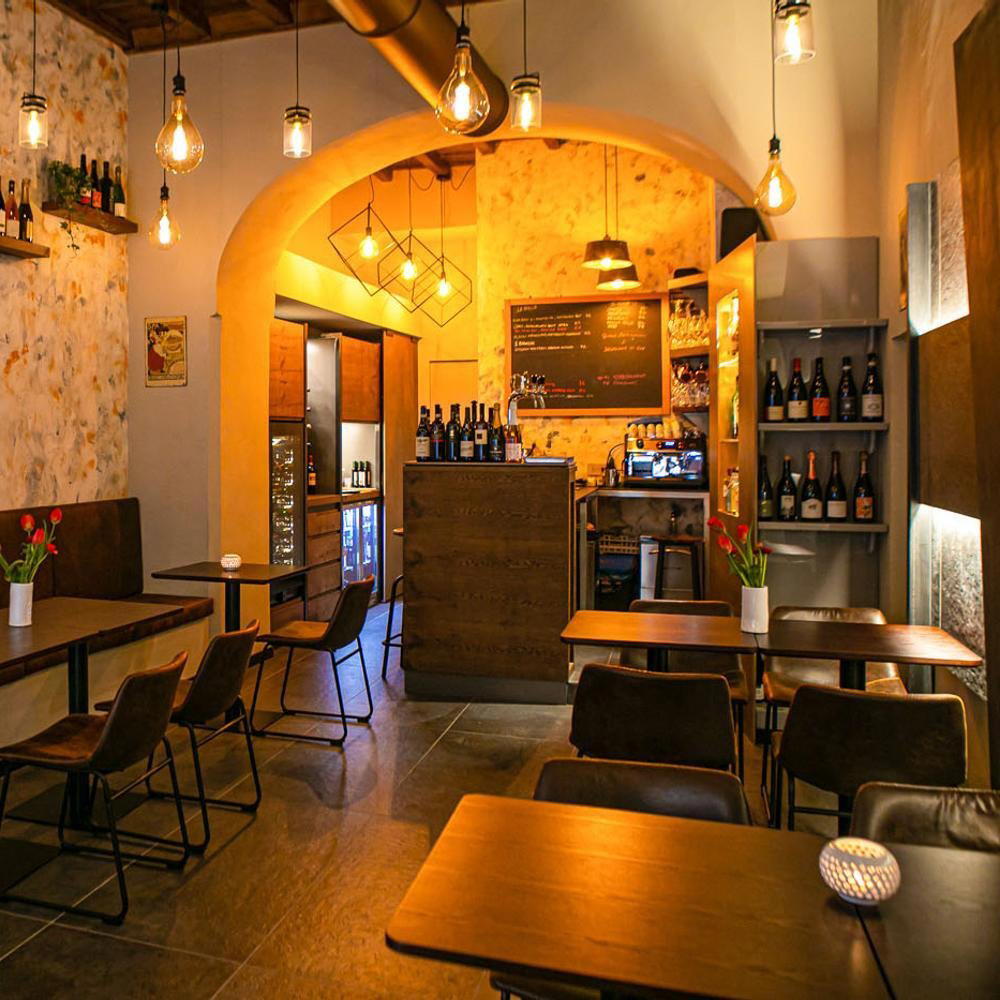
Restaurants in Parma
Browse all →
Hotels in Parma
Browse all →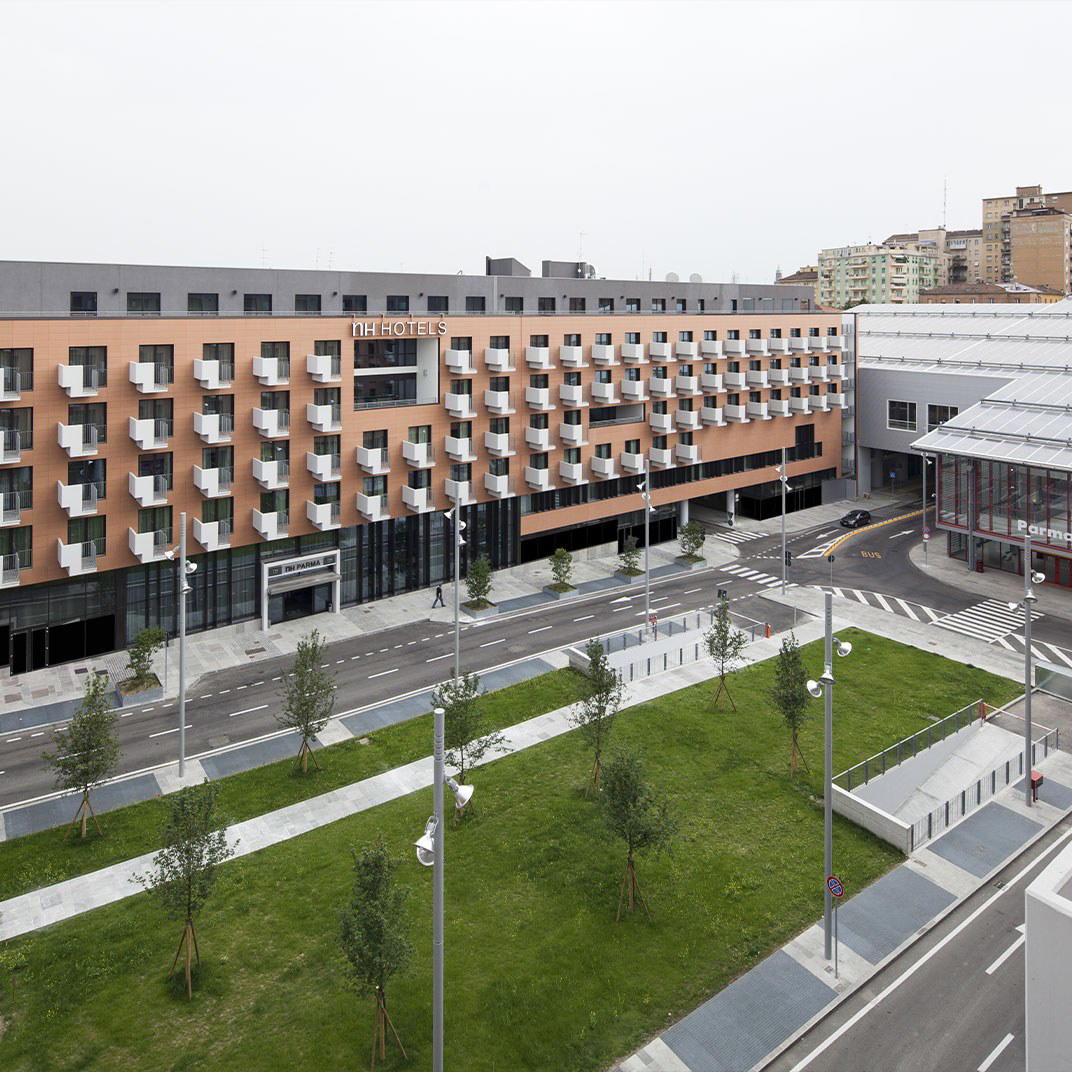
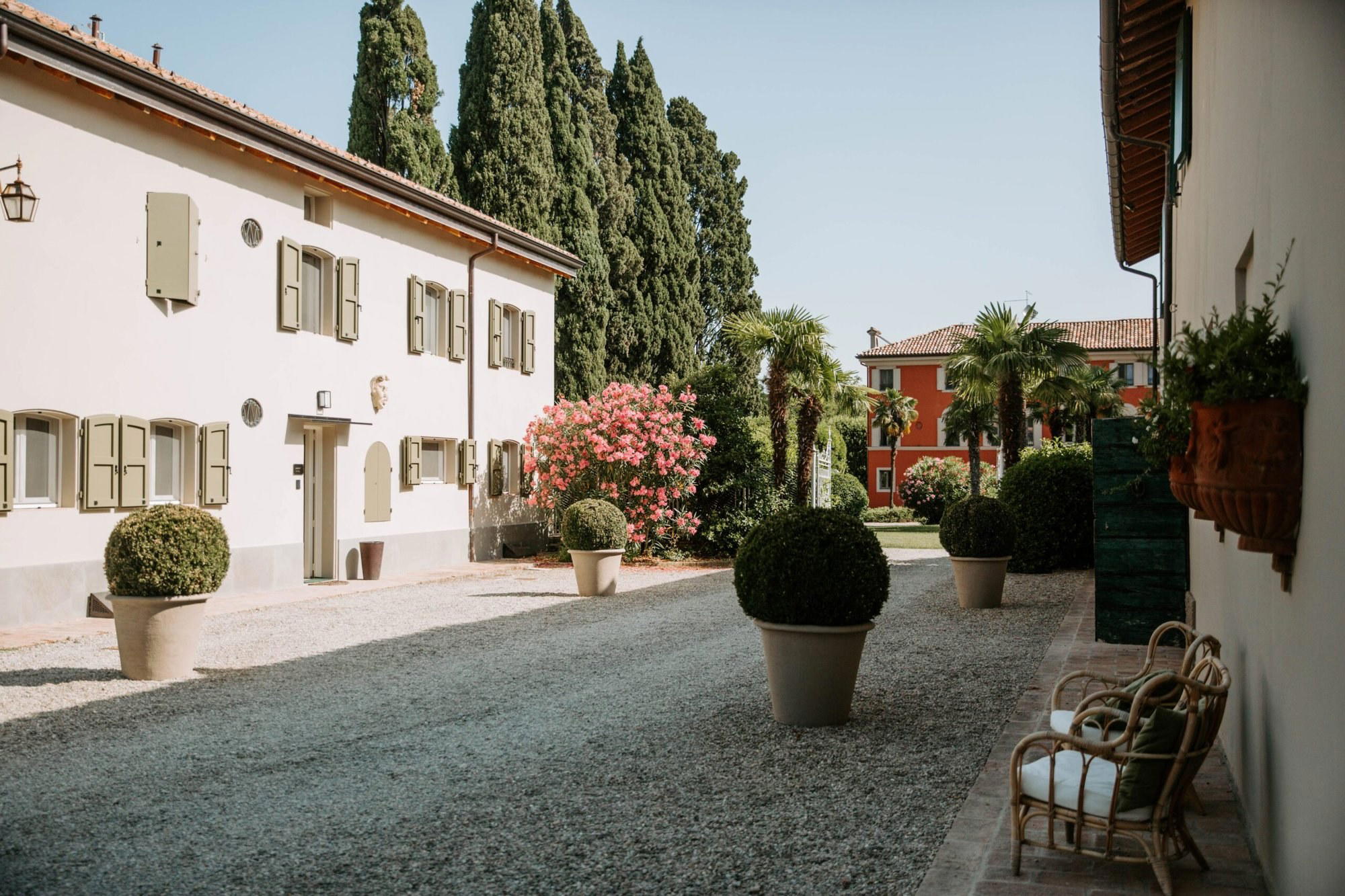
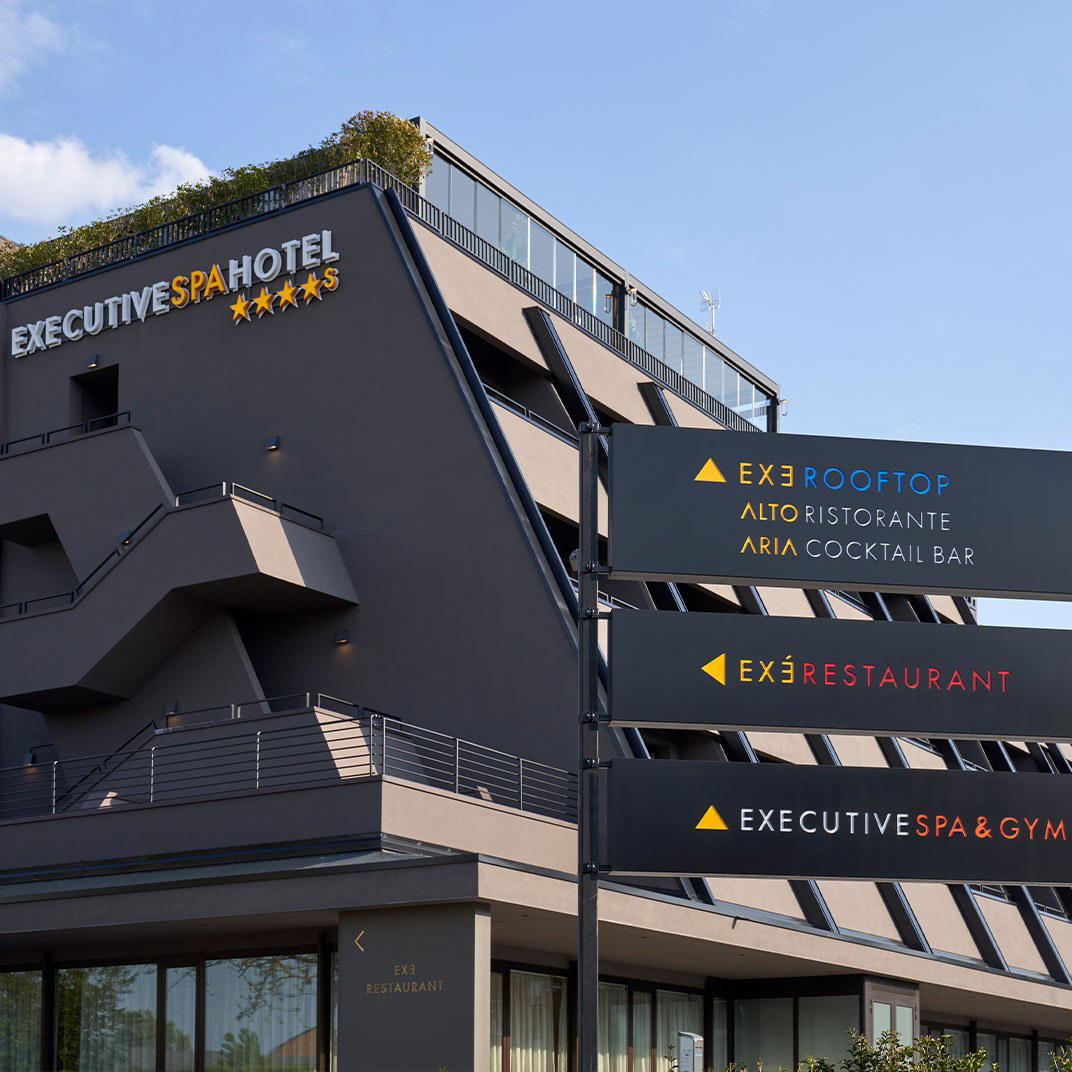
Wineries in Parma
Browse all →
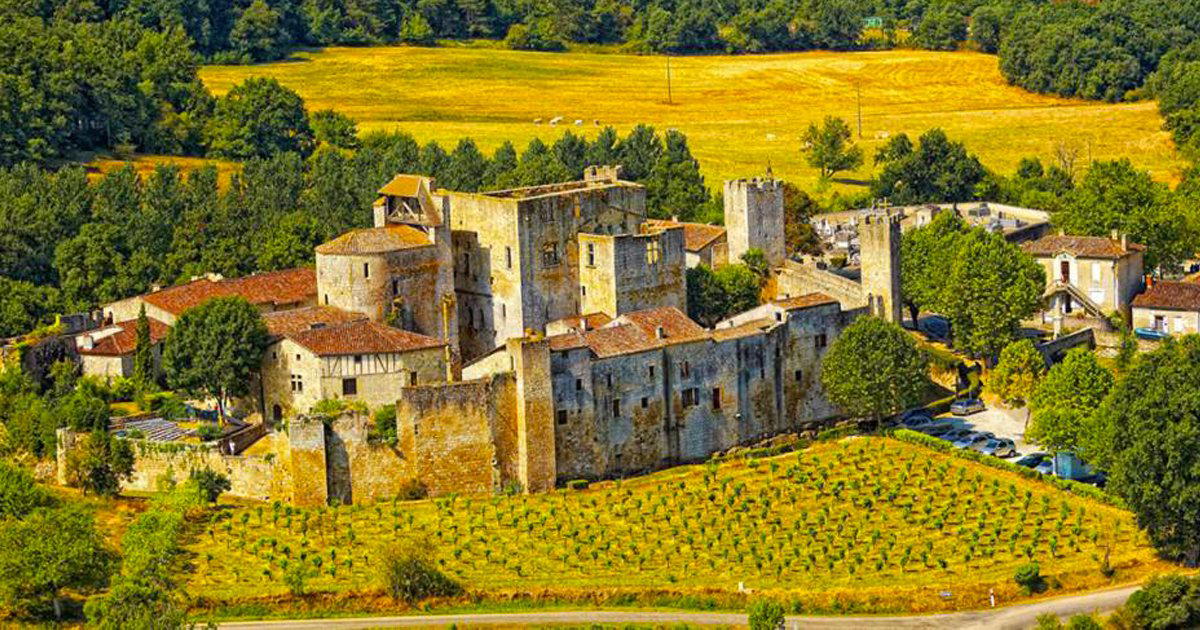
At a Glance
- Classic
- Rustic
- Cozy
- Casual Hangout
- Family
- Group Dining
- Standalone
- Local Sourcing
Current opening hours
- Monday
- 12–3 PM, 7:30–11 PM
- Tuesday
- 12–3 PM, 7:30–11 PM
- Wednesday
- 12–3 PM, 7:30–11 PM
- Thursday
- 12–3 PM, 7:30–11 PM
- Friday
- 12–3 PM, 7:30–11 PM
- Saturday
- 12–3 PM, 7:30–11 PM
- Sunday
- 12–3 PM, 7:30–11 PM
Hours can change for holidays and private events. Last verified .
Warm and welcoming traditional Italian trattoria atmosphere with a focus on regional comfort and culinary authenticity.