
On the southern edge of Parma, where the river once overflowed its banks, Parma Rotta is a trattoria built around open-fire cooking over wood and herbs. The menu runs meat-only for main courses, with a broad selection grilled using one of the oldest techniques in the kitchen.
Pearl is the En Primeur Club membership app — saves, bookings, and concierge access live there. Same editors, same standards.
- Address
- Str. Langhirano, 158, 43124 Parma PR, Italy
- Phone
- +39 0521 966738
- Website
- parmarotta.it
- Directions
- Get directions
 Saves & bookings on Pearl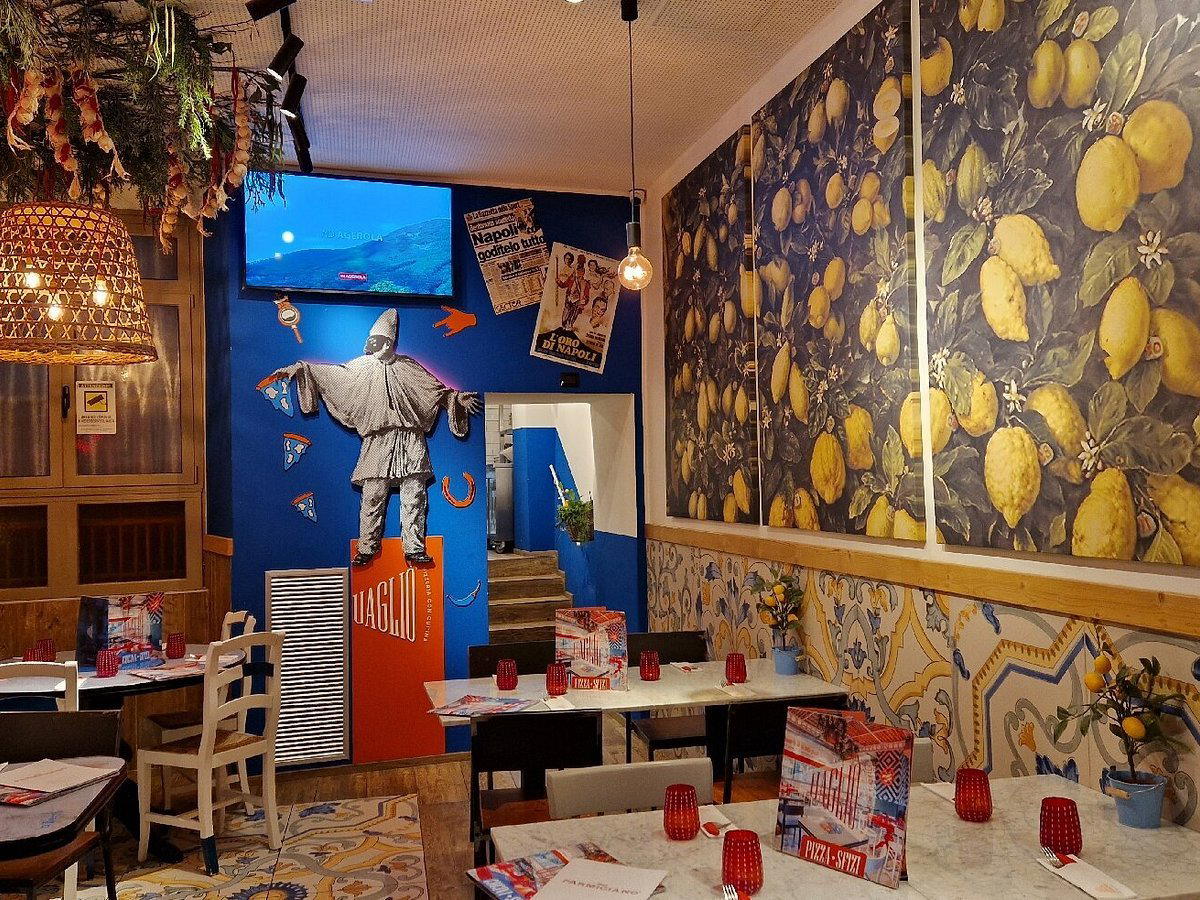
Where the River Broke and the Fire Still Burns
Drive south from Parma's historic centre along Strada Langhirano and the city gradually loosens its grip: the dense medieval blocks give way to wider roads, agricultural periphery, and eventually a stretch of the valley where the Parma river has historically marked the boundary between the urban and the rural. Parma Rotta is a restaurant in Parma, Italy, at Str. It is here, in a setting that carries the quiet authority of a place that has absorbed many seasons, that Parma Rotta sits. The name is not incidental. It references the point where the river once broke its banks, and that geographical memory lends the trattoria something the more polished dining rooms of the city centre rarely possess: a sense of ground-level continuity with the land around it.
The dining rooms are attractive rather than theatrical, the kind of interior where the room exists to serve the meal rather than compete with it. In a region where trattoria culture runs deep, that is a considered choice. At the €€ price point, Parma Rotta sits in the same tier as Cocchi and I Tri Siochètt, restaurants that share a commitment to regional tradition without the formal-dining overhead of somewhere like Inkiostro at the €€€€ end of the Parma spectrum.
The Fire as Technique, Not Theatre
The global conversation around live-fire cooking has accelerated sharply over the past decade. From the wood-burning programs at restaurants like Humo in London to the embers-and-charcoal work at A de Totó in Trasmonte, fire-led kitchens now occupy a recognised tier in contemporary European dining, with chefs citing control of combustion, smoke intensity, and fuel selection as a distinct culinary discipline. The techniques, however, are ancient. Cooking over wood and herbs represents one of the oldest methods in the human kitchen, and what the premium end of the market has rediscovered, the trattoria tradition of Emilia-Romagna largely never abandoned.
At Parma Rotta, the wood and herb fire is not a concept positioned for the dining-out market; it is simply how the food is cooked. That distinction matters. In the broader European grill category, particularly credible live-fire operators tend to share a common characteristic: they treat the fuel and the flame as primary ingredients rather than as equipment. The choice of herbs thrown onto the fire, the particular woods used, the timing of when meat meets heat, these are decisions that shape a dish's character as directly as any sauce or marinade.
A Menu Built Around Meat
The editorial angle on premium grill culture internationally tends to circle around a narrow set of reference points: A5 wagyu from Japan, Australian wagyu programs, USDA prime aging, and the imported cuts that now appear on high-end menus from Seoul to São Paulo. That global steak market trades on provenance documentation, marbling scores, and breed identity. The restaurant operates from a different premise. The extensive meat-only main course selection is rooted in Italian grilling tradition, where the quality argument runs through local breed selection, the specific character of the fire, and the restraint of letting good raw material carry the plate.
This is not a critique of the wagyu-and-beyond model; it is a useful contrast. Particularly interesting live-fire restaurants in Europe right now are those that have a clear philosophical position on what fire should do to meat. At the high-intervention end, that means precise temperature control, resting protocols, and service at specific internal temperatures. At the trattoria end, it means a more direct, less mediated relationship between fire and ingredient. The restaurant's approach, with its wood and herb combustion and its broad menu of meat-only mains, sits firmly in the latter category. For a reader navigating the grill category across Italy, the comparison with more architecturally ambitious fire programs at destinations like Atelier Moessmer Norbert Niederkofler in Brunico or the refined regional seriousness of Dal Pescatore in Runate is instructive: different price points, different philosophical registers, the same underlying Italian commitment to ingredient primacy.
Beyond the Grill: The Dessert Question
Trattorie in Emilia-Romagna are not primarily known for their dessert programs, and the restaurant does not appear to be positioning itself as a destination for pastry. But the fior di latte ice cream served with a selection of sauces is noted specifically in the Michelin commentary, which is worth registering. Fior di latte is a cow's milk gelato with a clean, slightly sweet dairy character that reads as a counterpoint to the smokiness that precedes it in a meal built around fire. Its presence as a dessert worth noting suggests a kitchen that thinks about contrast and sequence as well as about the main event.
Parma Rotta in the City's Dining Spread
Parma's dining identity is shaped by its role as the capital of a food-producing region with global recognition: Parmigiano-Reggiano, Prosciutto di Parma, and culatello are not local curiosities but internationally traded commodities with protected designation status. Restaurants in the city operate in the shadow of that reputation, and the better ones either engage with it directly or carve out a distinct register. The restaurant, with its fire-cooking focus and meat-only mains, occupies a specific niche in that spread: it is not a cured-meat showcase or a modern Emilian tasting menu, and it is not a seafood room like Meltemi. That scale of review base at that rating is a more reliable signal than a smaller sample at a higher average.
For visitors building a Parma itinerary that includes the broader regional table, Brisla covers the Emilian register at a similar price point, while the fine-dining end of the city is represented by Inkiostro. The restaurant fills the fire-cooking gap in that matrix.
The restaurant is located at Strada Langhirano 158, south of the city centre on the road toward the Langhirano cured meat corridor.
Italy's Grill Tradition in a Wider Frame
It is worth placing the restaurant in the context of Italian fire cooking more broadly. While the international market for premium grilled meat has consolidated around imported Japanese and Australian product, Italy's grill tradition runs through specific regional practices: the Florentine bistecca, the Romagna piadina grill culture, and the wood-fire trattorie of the Po Valley, where the combination of local livestock breeds and herbed fires produces a result that is fundamentally different from the wagyu-centric model. None of these are lesser for being different; they represent a separate logic of quality, one grounded in local breed and fuel rather than in imported marbling scores. The restaurant is a working example of that logic, operating at a price point that keeps it accessible while maintaining a standard of execution that has earned consistent Michelin acknowledgement. Among Italy's fire-cooking addresses, from the ambition of Enoteca Pinchiorri in Florence to the contemporary edge of Enrico Bartolini in Milan and the southern precision of Quattro Passi in Marina del Cantone, the trattoria grill occupies its own quiet tier, and the restaurant holds a credible position within it.
A Pricing-First Comparison
Comparable venues nearby, for context on price, style, and recognition.
| Venue | Cuisine | Price | Awards | Notes |
|---|---|---|---|---|
| Parma RottaThis venue — the venue you are viewing | Grills | $$$ | Michelin Plate | Not listed |
| Cocchi | Traditional Emilian Trattoria | $$ | Michelin Plate | Not listed |
| Osteria del 36 | Not listed | $$ | Michelin Plate | centro storico, Traditional Emilia-Romagna Osteria |
| Parizzi | Not listed | $$$ | Michelin Plate | central Parma, Modern Emilian Fine Dining |
| I Tri Siochètt | Not listed | $$ | Bib Gourmand | Parma countryside, Traditional Emilian Trattoria |
| Y's Bistrò | Italian-Asian Fusion Bistro | $$$ | Not listed | Not listed |
Recognition history
Dated appearances from independent guides and award organizations, with the underlying list record or original source where available.
Michelin Plate
Michelin
Michelin Plate
Michelin
Michelin Plate
Michelin
Continue exploring
More in Parma
Restaurants in Parma
Browse all →
Hotels in Parma
Browse all →
Wineries in Parma
Browse all →
At a Glance
- Rustic
- Cozy
- Classic
- Date Night
- Group Dining
- Special Occasion
- Open Kitchen
- Extensive Wine List
- Local Sourcing
Current opening hours
- Monday
- Closed
- Tuesday
- 12–2 PM, 7:30–10 PM
- Wednesday
- 12–2 PM, 7:30–10 PM
- Thursday
- 12–2 PM, 7:30–10 PM
- Friday
- 12–2 PM, 7:30–10 PM
- Saturday
- 12–2 PM, 7:30–10 PM
- Sunday
- Closed
Hours can change for holidays and private events. Last verified .
Rustic farmhouse with old stone walls and beams, relaxed and welcoming atmosphere.