ATIPICO osteria moderna sits on Viale Osacca in Parma, operating in one of Italy's most ingredient-saturated food cities where Parmigiano-Reggiano, culatello, and locally grown produce set the baseline expectation. The name, atipico, meaning atypical, signals a deliberate departure from the region's deeply conservative osteria tradition, placing it in the city's smaller cohort of modern-leaning dining rooms that reinterpret Emilian ingredients rather than simply reproduce them.
Pearl is the En Primeur Club membership app — saves, bookings, and concierge access live there. Same editors, same standards.
- Address
- Viale Osacca, 3/c, 43126 Parma PR, Italy
- Phone
- +393663813506
- Website
- sites.google.com
- Directions
- Get directions
 Saves & bookings on Pearl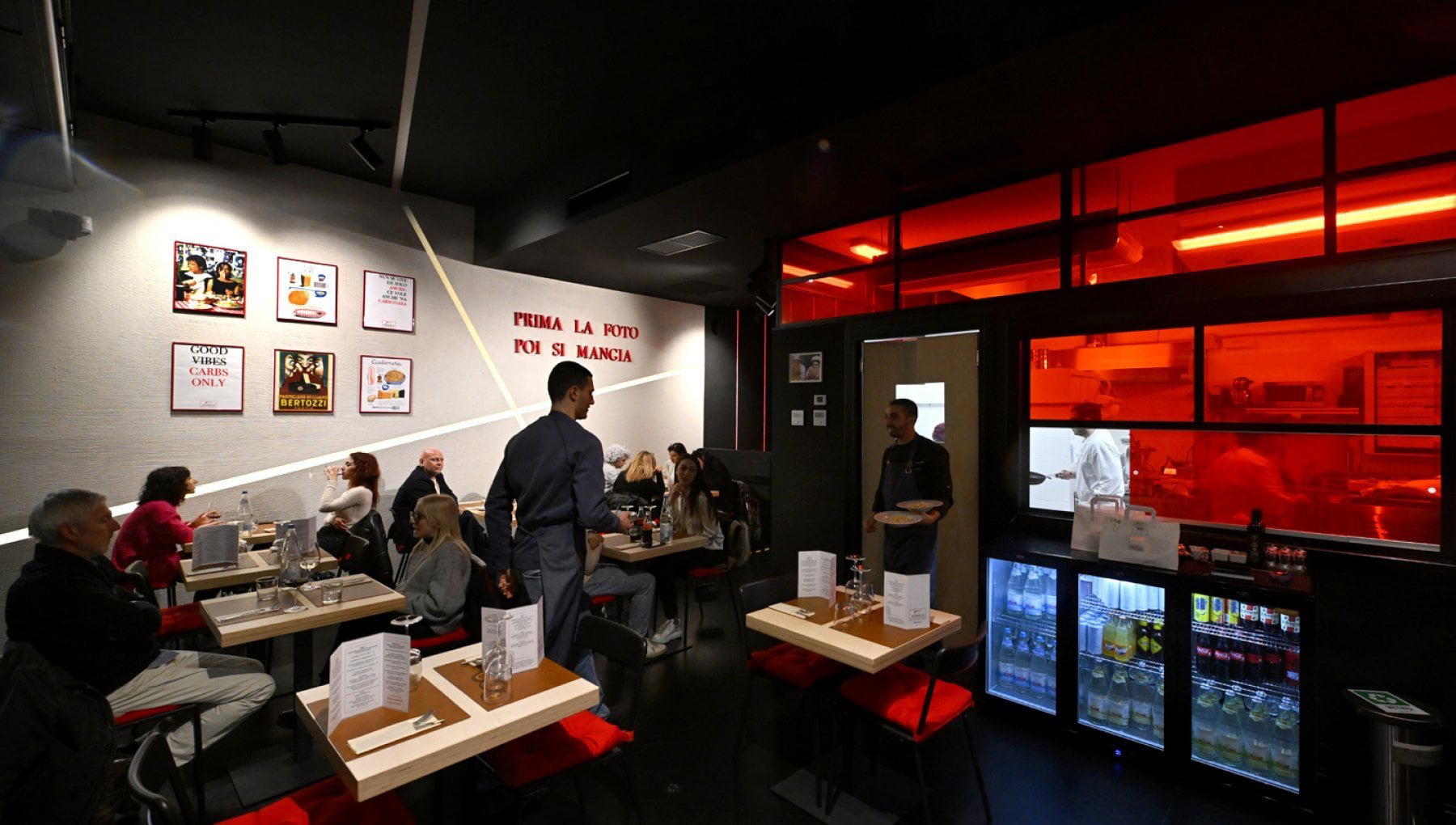
Parma's Ingredient Inheritance and Where ATIPICO Fits
Few cities in Italy carry the weight of their own pantry quite like Parma. The Po Valley's mist-softened winters and rich alluvial flatlands produce Parmigiano-Reggiano aged to crystalline intensity, culatello di Zibello cured along the river, and prosciutto di Parma that the rest of the world has spent decades imitating. In this context, every restaurant in the city is implicitly in conversation with those ingredients, either reproducing them faithfully or, as a smaller cohort has chosen, reframing them through a more contemporary lens. ATIPICO osteria moderna, a Modern Emilian Osteria in Parma at Viale Osacca, 3/c, positions itself in the second camp. The name, atipico, meaning atypical, is a declaration of intent in a city where tradition commands considerable loyalty.
Parma's dining scene has historically split along a clear line: the old-guard trattorie and osterie that keep the Emilian canon intact, and a smaller tier of modern rooms experimenting with format and technique. Inkiostro represents stronger examples from that experimental tier, a Michelin-starred operation in a design hotel with a French-influenced creative menu priced at €€€€. At the other end, I Tri Siochètt and Cocchi anchor the city's honest Emilian middle ground at €€. ATIPICO sits between these poles, using the word moderna to stake out a position without abandoning the osteria format that gives it warmth and approachability.
What It Means to Source in Emilia-Romagna
The osteria moderna format, as it has evolved across northern Italy, tends to treat regional sourcing not as a marketing posture but as a structural constraint. In Emilia-Romagna, this means working within one of the world's most codified ingredient landscapes: Protected Designation of Origin products, Parmigiano-Reggiano DOP, Prosciutto di Parma DOP, Culatello di Zibello DOP, set the ceiling for what good looks like before any cook touches a pan. The discipline required is different from, say, a chef in Milan sourcing freely across regions. Here, the raw material is already famous. The creative challenge is deciding what to do with it that the region's grandmothers haven't already perfected.
This is precisely why the modern osteria as a format has gained traction in Parma over the past decade. It offers a structural compromise: the intimacy and informality of a traditional osteria, the pricing accessibility that a gastronomia or enoteca might not offer, but with technique and presentation that engage diners looking for more than replication. Across Italy, similar formats have emerged in cities where ingredient heritage is strong, the difference between Parma and, say, Modena's Osteria Francescana model is scale and ambition: Parma's modern osterie tend to remain neighbourhood-facing, not destination-facing. That is not a limitation; it is a different kind of purpose.
The Room and Its Setting
Viale Osacca is not Parma's centro storico. That distinction matters for how you encounter ATIPICO: this is a local address, away from the tourist circuit that clusters around the Duomo and the Galleria Nazionale. Arriving here is a deliberate act, which tends to shape the room's clientele. Restaurants off the main circuit in Italian food cities often attract regulars with high baselines, people who eat at Brisla and La Greppia with equal comfort, who know what good culatello costs and won't accept a compromise version. That audience is an asset: it keeps quality discipline sharp in ways that tourist-facing rooms are not always required to maintain.
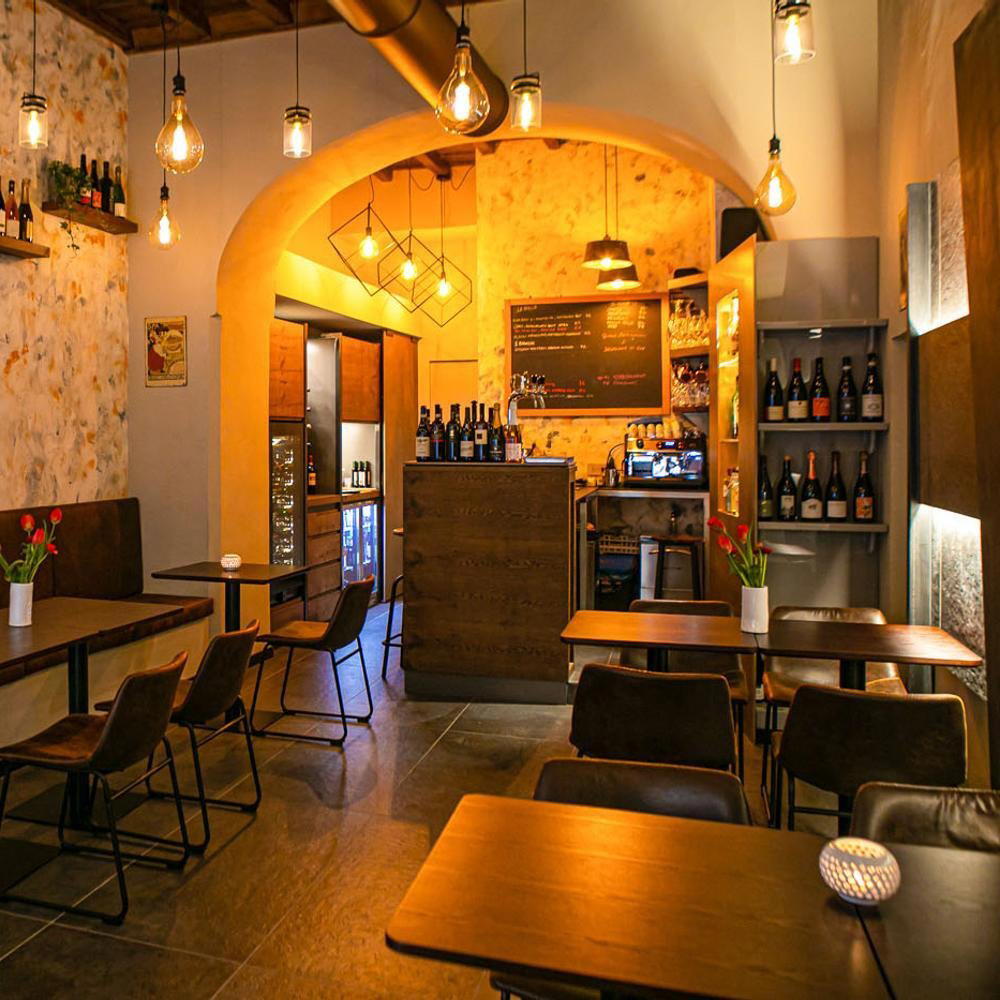
The osteria format itself communicates before the menu arrives. Smaller room, fewer covers, a pace that isn't rushed. Northern Italian dining rooms of this type share certain ambient characteristics: a warmth that comes from proximity and low acoustic ceilings, service that is attentive without being performative, wine poured with regional bias. Those signals are not accidental, they are part of the osteria moderna contract with its guests.
Where ATIPICO Sits in a Broader Italian Context
Italy's modern osteria movement has a wide spectrum of execution. At the summit of the national conversation, kitchens like Reale in Castel di Sangro or Uliassi in Senigallia have pushed the Italian trattoria and osteria inheritance into genuinely experimental territory. Dal Pescatore in Runate demonstrates that family-run formality and Michelin-level execution can coexist within a traditional room. Further north, Atelier Moessmer in Brunico has built an entire philosophy around hyper-local alpine sourcing. What these varied examples share is a commitment to place as the primary argument on the plate.
ATIPICO's positioning, osteria moderna in a non-touristic Parma postcode, aligns it with the neighbourhood end of this spectrum. The ambition is not to enter the national conversation directly but to hold a specific role within its city's dining ecosystem: a room where the region's ingredients are treated with respect and some curiosity, at prices that allow for regular patronage rather than occasional ceremony. That role is not lesser than the destination format; it is different, and harder to sustain, because it must earn loyalty visit after visit rather than once on a special occasion.
For context on what the highest tiers of modern Italian cuisine look like, the linked pages on Le Calandre in Rubano, Piazza Duomo in Alba, and Enoteca Pinchiorri in Florence offer useful calibration. For international comparison, Enrico Bartolini in Milan shows how Italian technique travels when removed from regional ingredient constraints. And for non-European analogues to the neighbourhood-forward modern format, Lazy Bear in San Francisco and Quattro Passi in Marina del Cantone each demonstrate how a defined point of view scales without institutional formality. Even Le Bernardin in New York City is instructive as a counter-example: a room where ingredient sourcing is equally central but where ceremony and price tier sit at the opposite extreme from what an osteria moderna is built to offer.
Planning Your Visit
ATIPICO osteria moderna is at Viale Osacca, 3/c, 43126 Parma, a residential address that requires intent to reach, leading by taxi or car from the city centre. Treat reservations as recommended and check current hours before you go. In a city like Parma, where serious food rooms at the modern end of the spectrum often fill midweek as well as at weekends, booking ahead is the practical default, particularly for Friday and Saturday evening service.
Comparable Spots, Quickly
Comparable venues nearby, for context on price, style, and recognition.
| Venue | Cuisine | Price | Awards | Notes |
|---|---|---|---|---|
| ATIPICO osteria modernaThis venue — the venue you are viewing | Modern Emilian Osteria | $$ | Not listed | Not listed |
| Maccheroni | Traditional Emilian Trattoria | $$ | Not listed | Parma |
| I Tri Siochètt | Traditional Emilian Trattoria | $$ | Bib Gourmand | Parma countryside |
| La Greppia | Modern Parmigiana Trattoria | $$ | Not listed | historic center |
| Cocchi | Traditional Emilian Trattoria | $$ | Michelin Plate | Parma |
| Brisla | Modern Emilian Trattoria | $$ | Bib Gourmand | central Parma |
Continue exploring
More in Parma
Restaurants in Parma
Browse all →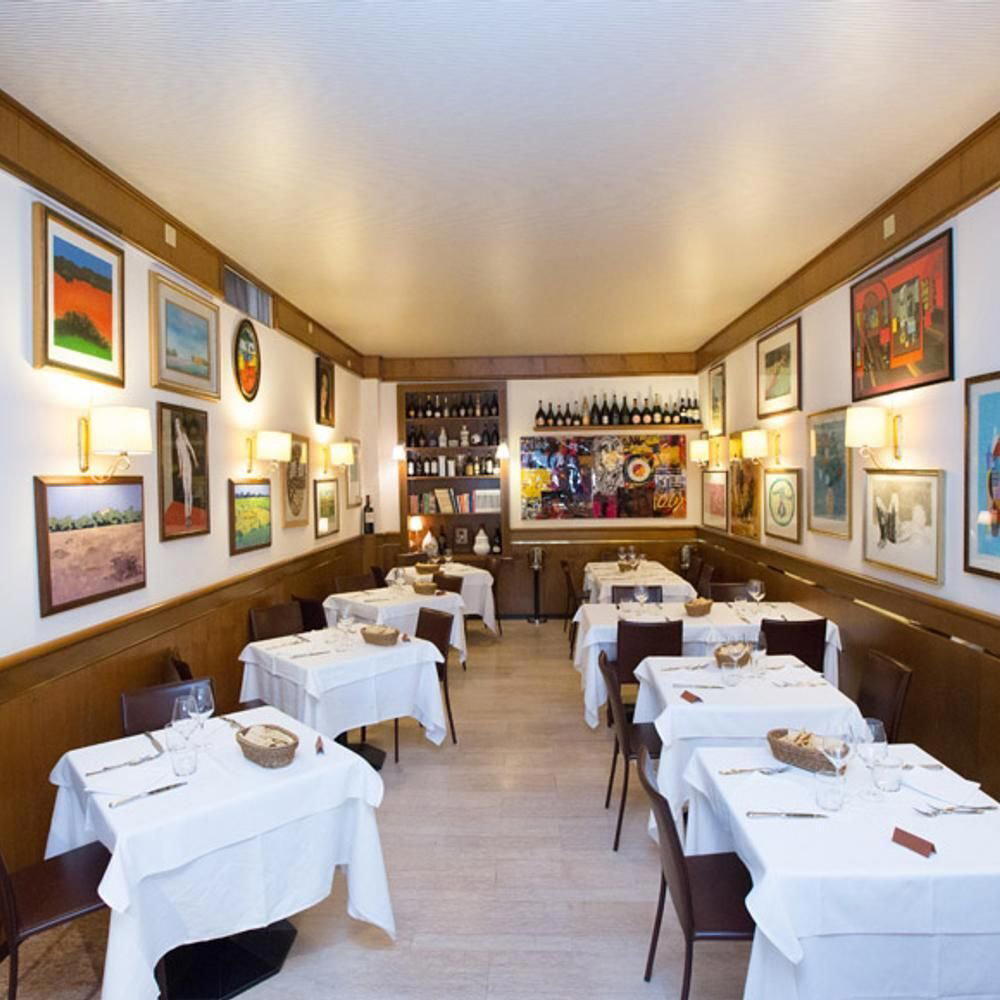
Hotels in Parma
Browse all →
Wineries in Parma
Browse all →
At a Glance
- Modern
- Elegant
- Date Night
- Special Occasion
- Open Kitchen
- Extensive Wine List
- Local Sourcing
Current opening hours
- Monday
- Closed
- Tuesday
- 12:30–3 PM, 7:30–10 PM
- Wednesday
- 12:30–3 PM, 7:30–10 PM
- Thursday
- 12:30–3 PM, 7:30–10 PM
- Friday
- 12:30–3 PM, 7:30–11 PM
- Saturday
- 12:30–3 PM, 7:30–11 PM
- Sunday
- 12:30–3:30 PM
Hours can change for holidays and private events. Last verified .
Modern and welcoming ambiance with a refined, clean, and tidy room.