
Michelin Bib Gourmand
Our verdict
I Tri Siochètt in Parma presents Traditional Emilian cuisine with a focus on local ingredients and convivial sharing plates. Must-try dishes include torta fritta served with mixed cured meats, creamed risotto with figs and raw ham, and the house zuppa inglese. The kitchen delivers generous portions and careful technique in a relaxed countryside trattoria just beyond Parma’s ring-road. Recognised with a Michelin Bib Gourmand and Tripadvisor Travelers’ Choice 2024, I Tri Siochètt pairs hearty, authentic flavours with an extensive regional wine list. Expect warm service, large dining rooms and a summer garden where the aromas of frying dough and simmering sauces make every visit memorable.

Pearl is the En Primeur Club membership app — saves, bookings, and concierge access live there. Same editors, same standards.
- Address
- Strada Comunale Farnese, 74/A, 43125 Parma PR, Italy
- Phone
- +39 0521 968870
- Hours
- Mon ClosedTue–Thu 12–2:30 PM, 7:30–10:30 PMFri 12–2:30 PM, 7:30–11 PMSat 12–3 PM, 7:30–11 PMSun 12–3 PM
- Website
- itrisiochett.it
- Directions
- Get directions
The menu
What to order
- Tortelli d'erbetta alla Parmigiana
- Salume misto con torta fritta
- Anolini con panna e Parmigiano Reggiano
- Culatello di Zibello
Beyond the Ring Road: Trattoria Culture on Parma's Edge
Drive out past Parma's ring road and the city's well-documented food heritage takes on a different register. The white-tablecloth temples and tasting-menu rooms give way to something older and more direct: large, humming dining rooms where the food is local because that is simply what the kitchen does, not because it is a positioning statement. I Tri Siochètt sits in this tradition, occupying a roadside address on Strada Comunale Farnese that places it physically and philosophically at a remove from the centro storico restaurant circuit.
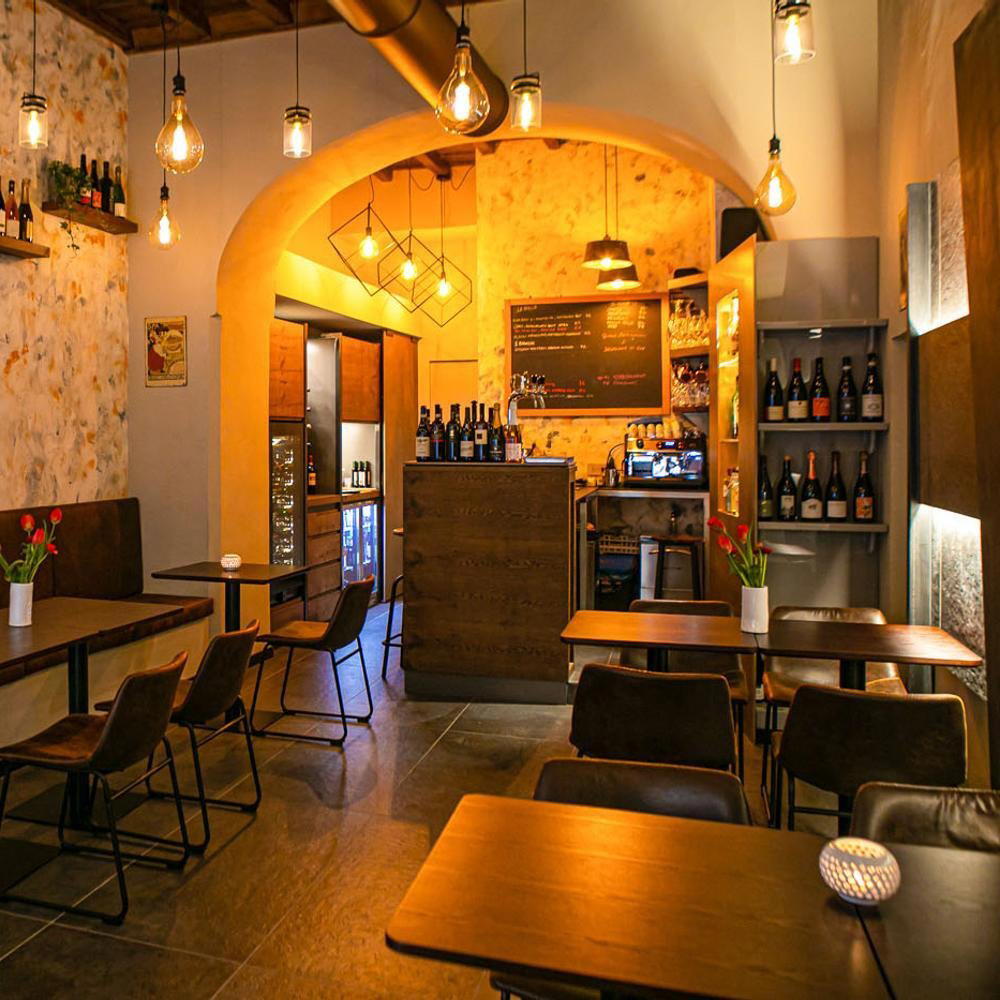
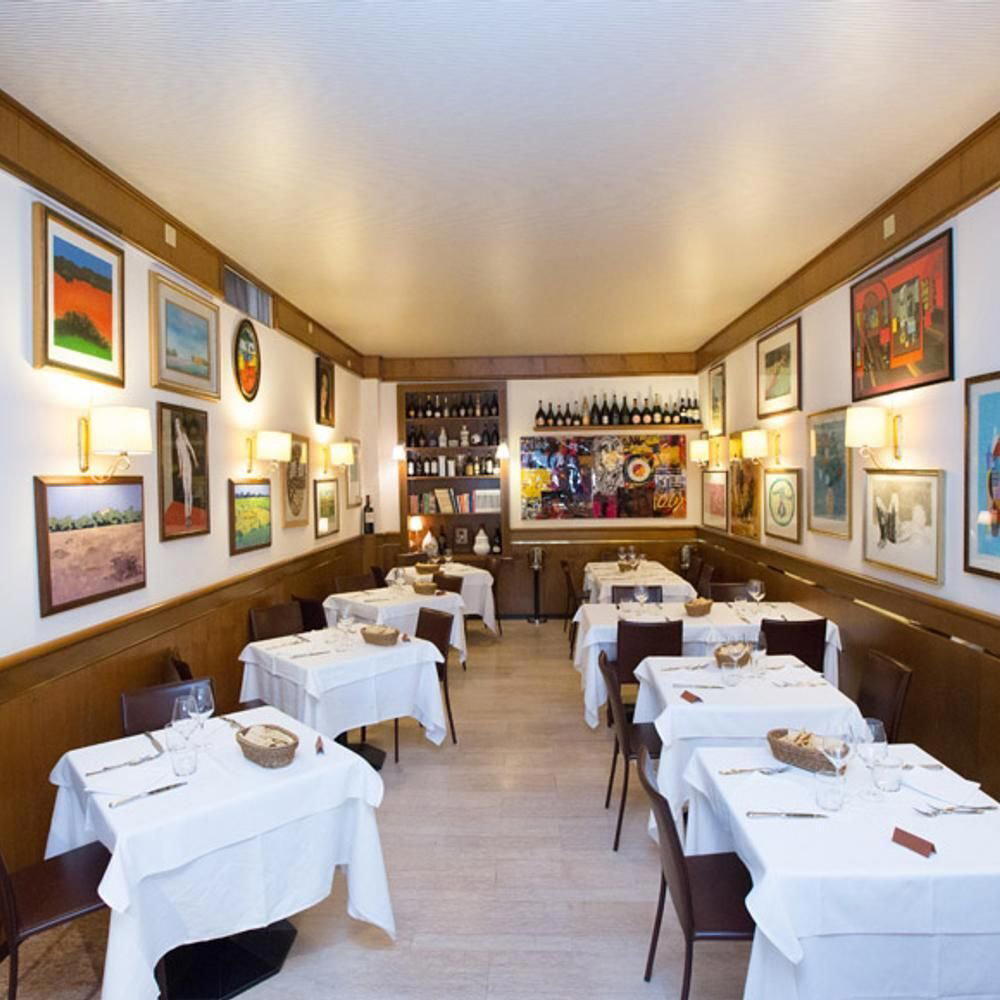
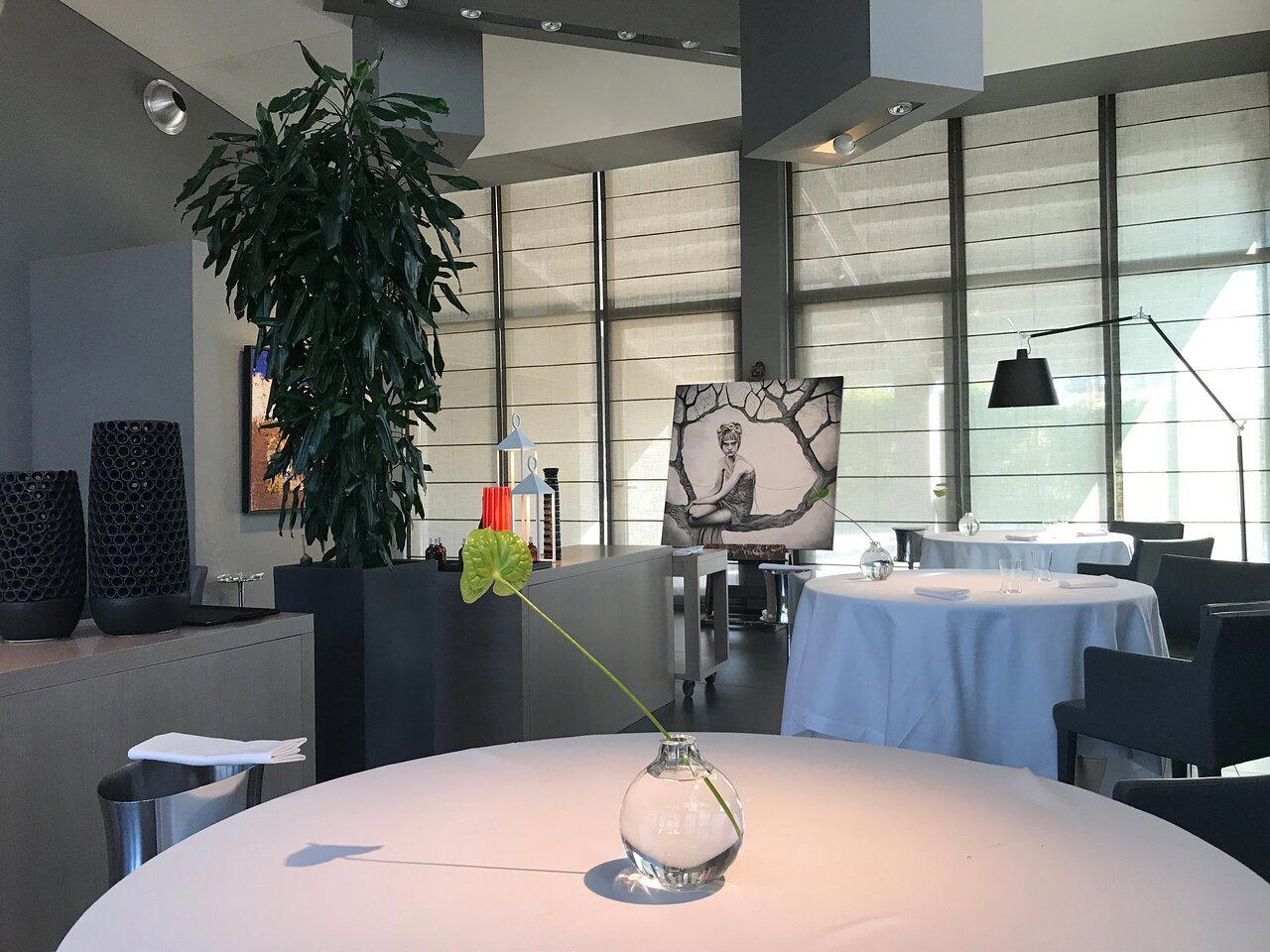
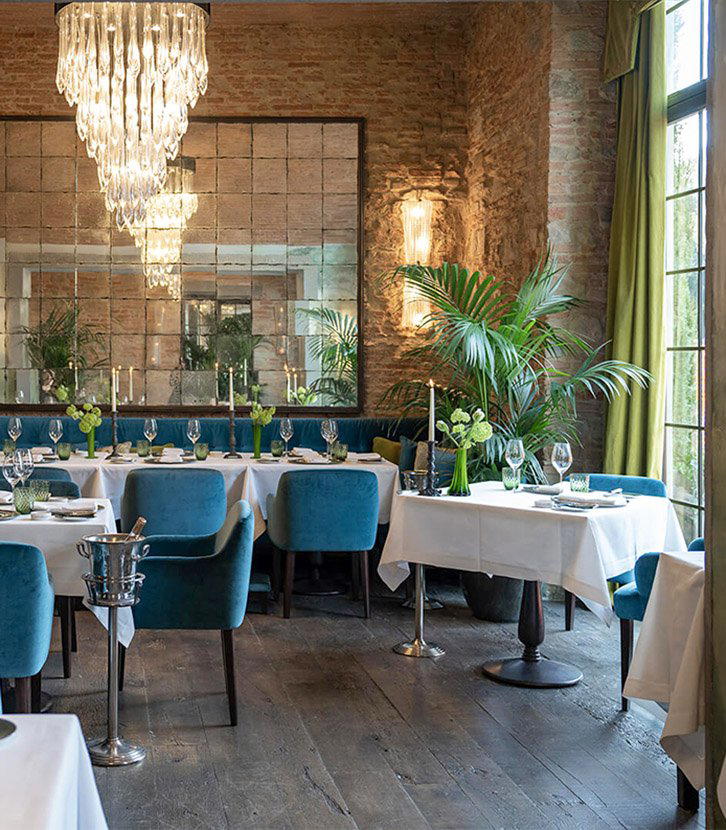
The atmosphere inside runs toward the informal end of the Emilian trattoria spectrum. Large dining rooms, a friendly floor, and the ambient noise of tables that have been filling since lunch service — this is the setting in which Parma's cured-meat culture, its fresh pasta discipline, and its deep larder of local ingredients make the most sense. There is no minimalism here, no architectural restraint to signal seriousness. The seriousness lives in the sourcing and the technique, which is consistent with how the region's leading everyday dining has always operated.
The Emilian Table: Why Parma's Cuisine Produces Restaurants Like This
Understanding I Tri Siochètt requires a brief account of what Emilian cuisine actually demands of a kitchen. The region around Parma operates under one of the most demanding local food cultures in Italy. Parmigiano Reggiano, Prosciutto di Parma, culatello di Zibello, and several other products carry protected designation status — not as marketing instruments, but as legal and agricultural frameworks that govern how they are produced. A trattoria drawing on these ingredients is working within constraints that make quality either compulsory or immediately detectable in its absence.
The result is that Parma's better mid-range restaurants occupy a different position than their equivalents in cities with less regulated food cultures. When a kitchen uses predominantly local ingredients in this context, it is accountable to a standard that diners at the table can benchmark precisely. That accountability is part of what separates a Bib Gourmand-level trattoria here from casual dining in a city with a less codified culinary identity.
I Tri Siochètt has held the Michelin Bib Gourmand in both 2024 and 2025, a designation that specifically identifies good cooking at moderate prices, rather than complexity or creative reach. In the Michelin framework, Bib Gourmand restaurants are assessed on the same criteria as starred properties but recognized for value at the €€ price tier. Consecutive years of that recognition across two full inspection cycles is a signal of consistency, which in trattoria terms matters more than any single outstanding meal.
Torta Fritta, Cured Meats, and the Logic of Parma's Antipasto
The house specialities at I Tri Siochètt are a useful map of Emilian priorities. Torta fritta, fried dough served alongside mixed cured meats, is a dish that functions as both welcome and orientation at any serious Parma table. The format is ancient, tied to the pig-slaughtering calendar and the tradition of preserving meat through curing rather than refrigeration. Lard rendered during slaughter was used to fry the dough; the cured meats alongside it represented months of patient aging. The modern version retains that logic without the seasonal necessity, and it remains one of the clearest expressions of what Parma's food culture prioritizes: fat, salt, time, and restraint.
What distinguishes torta fritta at a kitchen running on local ingredients is the calibre of the accompanying meats. The difference between supermarket salume and a properly aged Prosciutto di Parma or a culatello sliced to order is not subtle. In a restaurant context where the dish appears as a house speciality, it signals that the kitchen has chosen to anchor its identity to ingredient quality rather than technical elaboration. That is an Emilian position, not a universal one.
Zuppa inglese, listed among the house specialities, sits at the other end of the meal. The dessert's name is a point of ongoing regional argument, whether it originated in Emilia or arrived via diplomatic channels in the nineteenth century is debated, but its current home is firmly in the Po Valley, where alchermes-soaked sponge layered with custard cream appears on trattoria menus with the same frequency and local loyalty as tiramisù does further northeast. It is not a fashionable dessert, which is precisely why its presence here reads as conviction rather than trend-following.
Placing I Tri Siochètt in Parma's Restaurant Spectrum
Parma's dining scene runs a wider price range than its compact historic centre might suggest. At the high end, Inkiostro operates at the €€€€ level with a Michelin star and a Modern French, Creative orientation that places it in a different competitive set entirely. The mid-range trattoria tier, where I Tri Siochètt operates, is where Emilian identity is most legibly expressed. Brisla and Cocchi occupy comparable price points (€€) with Emilian or mixed Tuscan-Emilian menus, while Osteria del 36 operates at the entry (€) tier. Meltemi represents the seafood alternative at the same price level, though seafood is structurally peripheral to Parma's landlocked culinary tradition.
What separates I Tri Siochètt within the €€ trattoria group is its consecutive Bib Gourmand recognition, its out-of-centre location (which filters its clientele toward regulars and intentional visitors rather than tourist foot traffic), and its explicit commitment to local-ingredient sourcing.
The broader context for Emilian cooking of this type extends well beyond Parma. Arnaldo - Clinica Gastronomica in Rubiera and Osteria del Viandante in Rubiera represent the tradition in its Reggiano iteration, while in Modena, Osteria Francescana has reconstituted Emilian references through an entirely different creative lens. The distance between Massimo Bottura's approach and a trattoria on Strada Comunale Farnese is not simply a matter of price; it is a philosophical difference about whether regional cuisine is a starting point or a destination. I Tri Siochètt operates on the premise that it is a destination.
For travelers building a longer itinerary through northern Italy's dining culture, the wider region offers considerable reference points: Dal Pescatore in Runate, Le Calandre in Rubano, Enrico Bartolini in Milan, Enoteca Pinchiorri in Florence, and Atelier Moessmer Norbert Niederkofler in Brunico each represent distinct expressions of Italian culinary identity at different price and ambition levels.
Planning a Visit: What to Know Before You Go
I Tri Siochètt sits at Strada Comunale Farnese, 74/A, on the outer edge of Parma beyond the ring road, a location that makes it more accessible by car than on foot from the city centre. Arriving without a booking on busy evenings carries more risk than the large-format space might imply. The €€ price tier places it among Parma's accessible mid-range tables, covering a meal with wine well within reach of the city's other tracked dining options.
For a fuller account of where I Tri Siochètt sits within Parma's wider food and drink scene, see our full Parma restaurants guide. Complementary resources cover hotels, bars, wineries, and experiences across the city and its surrounding province.
Frequently asked questions
What price level is I Tri Siochètt?
Pricing at I Tri Siochètt is listed as €€.
Who's behind the kitchen at I Tri Siochètt?
The chef associated with I Tri Siochètt is Xavier Beaudiment.
Where It Fits
| Venue | Cuisine | Price | Awards | Notes |
|---|---|---|---|---|
| I Tri SiochèttThis venue — the venue you are viewing | Traditional Emilian Trattoria | $30–50 | Michelin Bib Gourmand | Not listed |
| Inkiostro | Modern Italian Fine Dining | $50–100 | 1 Michelin Star · The Best Chef One Knife | Modern French, Creative |
| Cocchi | Traditional Emilian Trattoria | $30–50 | Michelin Plate | Tuscan, Emilian |
| Brisla | Modern Emilian Trattoria | Not listed | Michelin Bib Gourmand | Emilian |
| Meltemi | Seafood Pesceria | $50–100 | Michelin Plate | Seafood |
| Osteria del 36 | Traditional Emilia-Romagna Osteria | $30–50 | Michelin Plate | Emilian |
Recognition history
Dated appearances from independent guides and award organizations, with the underlying list record or original source where available.
Michelin Bib Gourmand
Michelin
Full recognition history (3 entries)
Michelin Bib Gourmand
Michelin
Michelin Bib Gourmand
Michelin
Continue exploring
More in Parma
Restaurants in Parma
Browse all →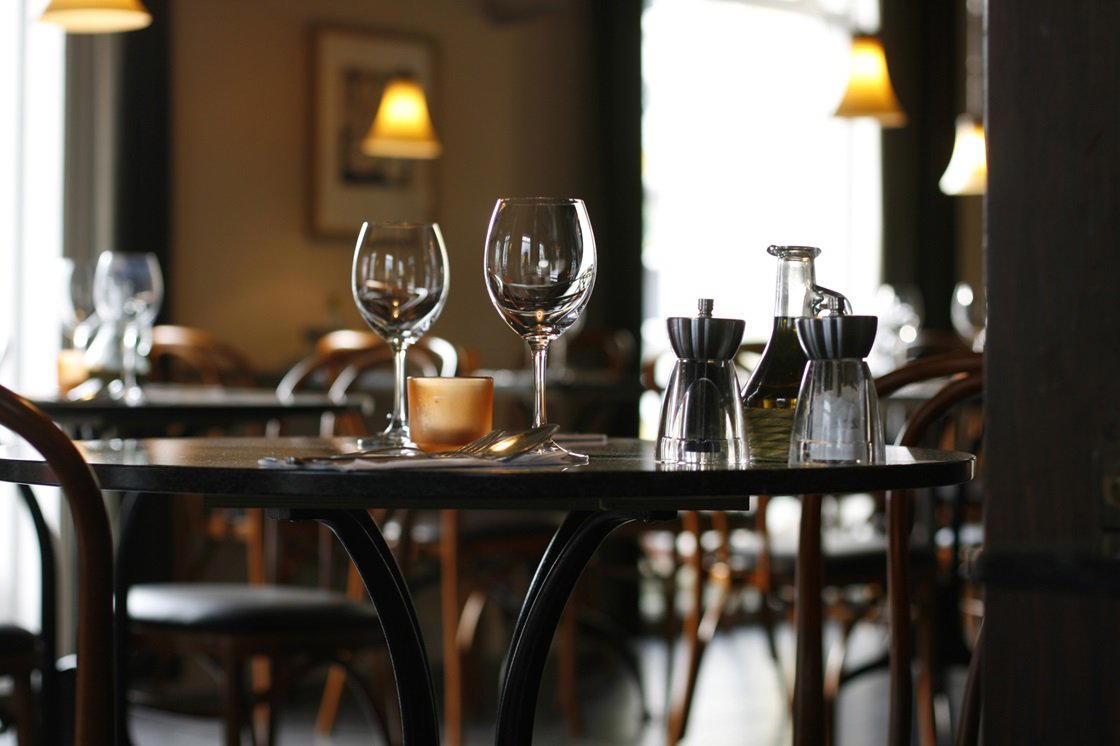

Details
- Rustic
- Classic
- Cozy
- Group Dining
- Celebration
- Family
- Casual Hangout
- Garden
- Private Dining
- Standalone
- Beer Program
- Local Sourcing
- Garden
- A La Carte
- Set Menu
- Family Style
- Lambrusco
- Regional Wines
- Vegetarian Friendly
Current opening hours
- Monday
- Closed
- Tuesday
- 12–2:30 PM, 7:30–10:30 PM
- Wednesday
- 12–2:30 PM, 7:30–10:30 PM
- Thursday
- 12–2:30 PM, 7:30–10:30 PM
- Friday
- 12–2:30 PM, 7:30–11 PM
- Saturday
- 12–3 PM, 7:30–11 PM
- Sunday
- 12–3 PM
Hours can change for holidays and private events. Last verified .
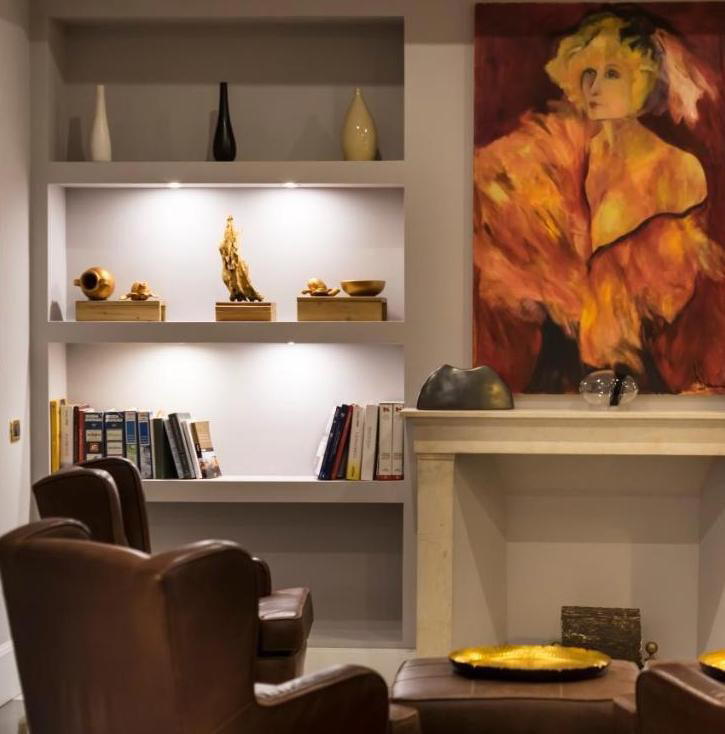
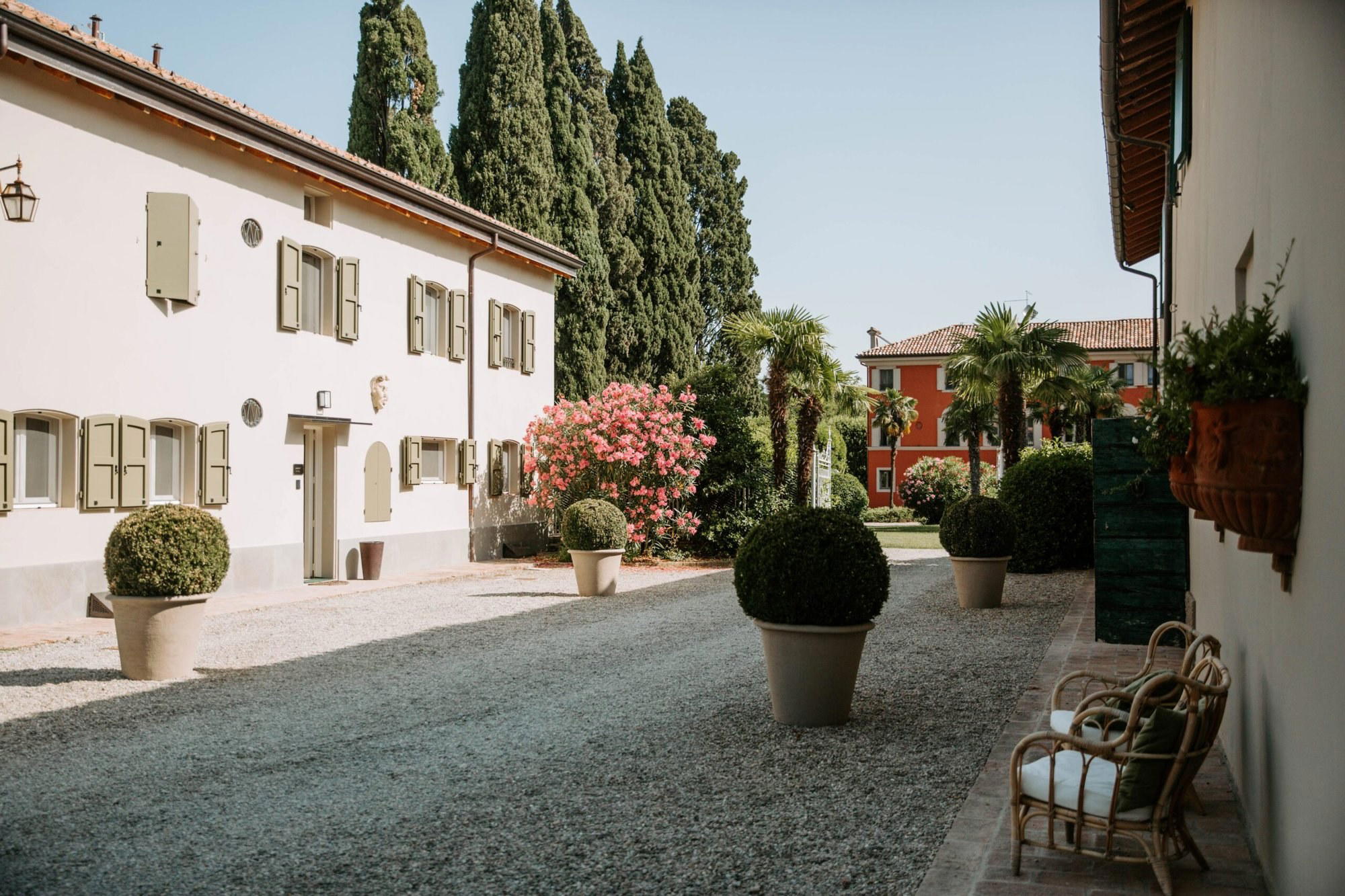
Warm, family-oriented atmosphere with traditional décor across two floors; spacious and welcoming with a relaxed countryside feel enhanced by summer garden seating.