Our verdict
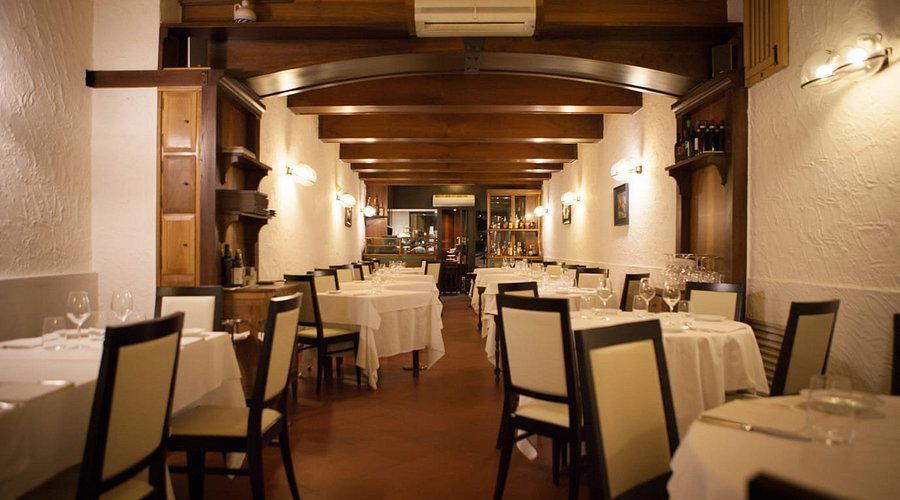
La Greppia runs as a Modern Parmigiana Trattoria in a historic building on Str. Giuseppe Garibaldi, with an extensive wine list, local sourcing, and a leisurely pace for lunch or dinner.

Pearl is the En Primeur Club membership app — saves, bookings, and concierge access live there. Same editors, same standards.
- Address
- Str. Giuseppe Garibaldi, 39, 43121 Parma PR, Italy
- Phone
- +39521233686
- Hours
- Daily 12–2:30 PM, 7–10:30 PM
- Website
- lagreppiaparma.com
- Directions
- Get directions
The menu
What to order
- Anolini in brodo
- Culatello Tagliolini
- Parmesan risotto with black truffle and culatello
- Homemade pastas
Where Parma's Table Manners Begin
Strada Garibaldi is one of the older commercial arteries in central Parma, a city that has spent several centuries quietly assembling one of the most self-assured food cultures in Europe. The street runs through a part of town where the architecture carries enough age to remind you that Parmigiano-Reggiano and culatello were not invented by a marketing department. La Greppia sits on this street at number 39, and the address alone places it within a dining tradition that takes its obligations seriously: this is the Parma of long lunches, of first courses that require attention, of a kitchen culture built around local product rather than imported technique.
Emilian cuisine at this latitude is not a single thing. Parma sits roughly at the midpoint of a food corridor that runs from the flatlands of the Po Valley to the foothills of the Apennines, and the local table reflects that geography. Cured pork from the hills, aged cheese from the plains, egg-based pasta in every format the dough will allow — the repertoire is narrow by intention, deep by execution. Restaurants in this category are not competing on novelty. They are competing on fidelity and craft, and those are harder standards to meet consistently over time.
The Emilian Dining Tradition in Context
Parma's restaurant scene occupies a distinctive position in northern Italian dining. At one end, you have trattorie where the menu changes by season and the wine list rarely extends beyond Lambrusco and Malvasia. At the other, places like Inkiostro, which operates in a modern French and creative register at the leading price tier, offer a version of Parma filtered through contemporary technique. Between those poles sits a middle category of established Emilian restaurants that carry the weight of local expectation — places where regulars return not for surprise but for reliability, and where a visitor who eats well will understand something about the city that a museum cannot convey.
La Greppia belongs to this middle tier, and it is a tier that Parma takes with particular seriousness. The city's relationship with its own ingredients is proprietary: Parmigiano-Reggiano is produced under a consortium with strict geographic controls, Prosciutto di Parma carries its own denomination, and culatello di Zibello, the cured rump of the pig, aged in the foggy cellars near the Po, is arguably the most place-specific product in Italian charcuterie. Any restaurant on Strada Garibaldi that takes these ingredients seriously is operating within a framework that has centuries of precedent behind it.
Parma's Emilian peers in the mid-range bracket, including Cocchi, I Tri Siochètt, and Brisla, compete on the same axis: how faithfully the kitchen executes the canon and how well the room frames the experience. None of these places are trying to be Osteria Francescana in Modena or Le Calandre in Rubano. They operate in a register closer to the civic dining room, institutions in the everyday sense, not the rarefied one.
The Cultural Weight of a Parma Address
To understand why a restaurant on this street carries weight, it helps to understand what Parma expects of its own kitchen culture. The city sits in a region, Emilia-Romagna, that has long been described as Italy's larder, not as a romantic formulation but as a functional description. The food here is not about simplicity in the artless sense. The production of tortelli d'erbetta, the city's signature stuffed pasta, requires a specific balance of ricotta, Parmigiano, and herbs; the pasta sheet itself should be thin enough to transmit texture without dissolving. These are technical achievements dressed in modest clothing.
Wider Italian fine dining has moved in several directions at once. At the northern European-influenced end, chefs like Norbert Niederkofler in Brunico and Niko Romito in Castel di Sangro have built high-concept programs around local ecologies. At the classical end, Enoteca Pinchiorri in Florence and Dal Pescatore in Runate maintain a different kind of standard, one rooted in formal service and wine depth. Parma's mid-tier Emilian restaurants are doing something harder to categorize and arguably harder to sustain: they are maintaining a regional vernacular without becoming museums of it.
The comparison to more internationally visible programs is not entirely apt. Places like Enrico Bartolini in Milan, Piazza Duomo in Alba, or Uliassi in Senigallia operate with award infrastructure and international press attention that changes the nature of the dining contract. A restaurant like La Greppia operates without that pressure and, in consequence, without the distortions it creates. The audience is primarily local, the expectations are calibrated accordingly, and the kitchen has no obligation to perform for a guide inspector's rubric.
Placing La Greppia in the Room
For a visitor arriving from a different dining culture, say, the New York of Le Bernardin or Atomix, where the meal is also an aesthetic proposition, the shift in register that Parma's traditional restaurants require can take a course or two to absorb. The point here is not the narrative around the dish. The point is the dish. Parma's kitchen culture is unusually resistant to explanation and unusually dependent on execution, which makes it difficult to translate into the language of contemporary food media and easy to underestimate if you are looking for a more legible kind of excellence.
For context on what else Parma's dining scene offers across formats and price points, the full Parma restaurants guide maps the city across categories. ATIPICO osteria moderna represents a newer, more contemporary reading of the Emilian format if that register suits you better. Quattro Passi in Marina del Cantone offers a useful point of contrast for how a different Italian region, the Amalfi coast, handles the relationship between place and plate with equal seriousness but very different ingredients.
Planning Your Visit
La Greppia is located at Strada Giuseppe Garibaldi 39 in central Parma, walkable from the historic core and direct to reach on foot from the main train station, which sits about ten minutes away. Parma is well-served by high-speed rail from Milan and Bologna, making it a viable day trip or a natural overnight stop on a northern Italian itinerary. For a restaurant of this type and address, arriving at lunch rather than dinner is the more local approach; Parma's traditional restaurants tend to be fuller and more animated at midday.
Frequently asked questions
Is La Greppia okay with children?
Parma's dining culture is family-oriented in ways that differ sharply from restaurant cities like Milan or Rome, and La Greppia sits on Strada Garibaldi in a neighbourhood used to local families eating out. The overall format — a seated, table-service Emilian address — is more accommodating than a tasting-counter format, but this is a room that takes its food seriously.
What's the overall feel of La Greppia?
La Greppia occupies a position on one of Parma's older commercial streets, Strada Giuseppe Garibaldi, which sets a particular tone before you walk in. Parma holds itself to a high standard in the kitchen, and restaurants on this artery have historically operated within that expectation rather than against it. The feel is closer to a serious regional table than a contemporary tasting-menu room — the kind of place where the cooking is the focus and the room exists to serve it.
Does La Greppia represent the kind of Parma dining that locals actually use, rather than tourist-facing Italian?
Its address on Strada Giuseppe Garibaldi — a longstanding commercial artery in central Parma rather than a tourist circuit — points toward a local orientation. Parma's own residents apply considerable scrutiny to their city's restaurants, and a kitchen that survives on that street over time does so by meeting those standards first.
What's the must-try dish at La Greppia?
What can be said with confidence is that La Greppia operates in Parma, a city where tortelli d'erbetta, anolini in brodo, and local cured meats set the standard every kitchen is measured against. Any order anchored in those Emilian fundamentals is likely to reflect the kitchen's core competency.
A Pricing-First Comparison
Comparable venues nearby, for context on price, style, and recognition.
| Venue | Cuisine | Price | Awards | Notes |
|---|---|---|---|---|
| La GreppiaThis venue — the venue you are viewing | Modern Parmigiana Trattoria | $30–50 | Not listed | Not listed |
| ATIPICO osteria moderna | Modern Emilian Osteria | $30–50 | Not listed | southern residential belt, Modern Emilian Osteria |
| Maccheroni | Traditional Emilian Trattoria | $20–30 | Not listed | Not listed |
| Osteria del 36 | Traditional Emilia-Romagna Osteria | $30–50 | Michelin Plate | centro storico, Traditional Emilia-Romagna Osteria |
| Cocchi | Traditional Emilian Trattoria | $30–50 | Michelin Plate | Not listed |
| I Tri Siochètt | Traditional Emilian Trattoria | $30–50 | Michelin Bib Gourmand | Parma countryside, Traditional Emilian Trattoria |


Details
- Elegant
- Cozy
- Classic
- Date Night
- Special Occasion
- Open Kitchen
- Historic Building
- Extensive Wine List
- Local Sourcing
- A La Carte
- Vegetarian Friendly
- Vegan Options
- Gluten Free Options
Current opening hours
- Monday
- 12–2:30 PM, 7–10:30 PM
- Tuesday
- 12–2:30 PM, 7–10:30 PM
- Wednesday
- 12–2:30 PM, 7–10:30 PM
- Thursday
- 12–2:30 PM, 7–10:30 PM
- Friday
- 12–2:30 PM, 7–10:30 PM
- Saturday
- 12–2:30 PM, 7–10:30 PM
- Sunday
- 12–2:30 PM, 7–10:30 PM
Hours can change for holidays and private events. Last verified .
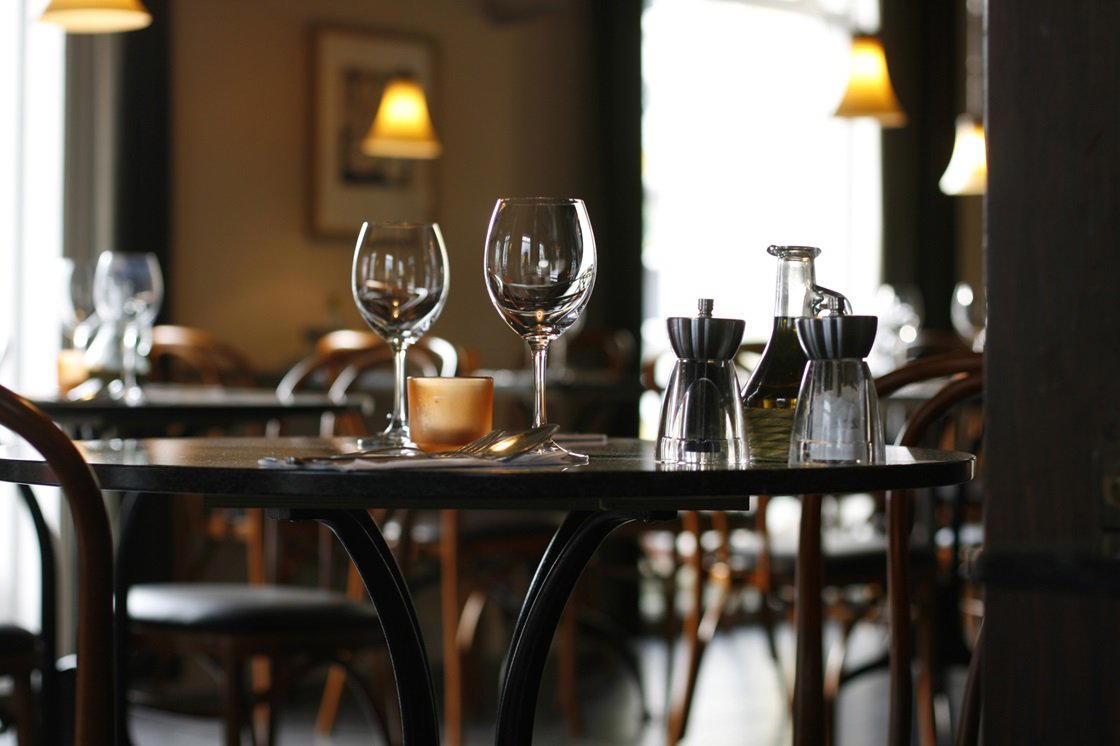
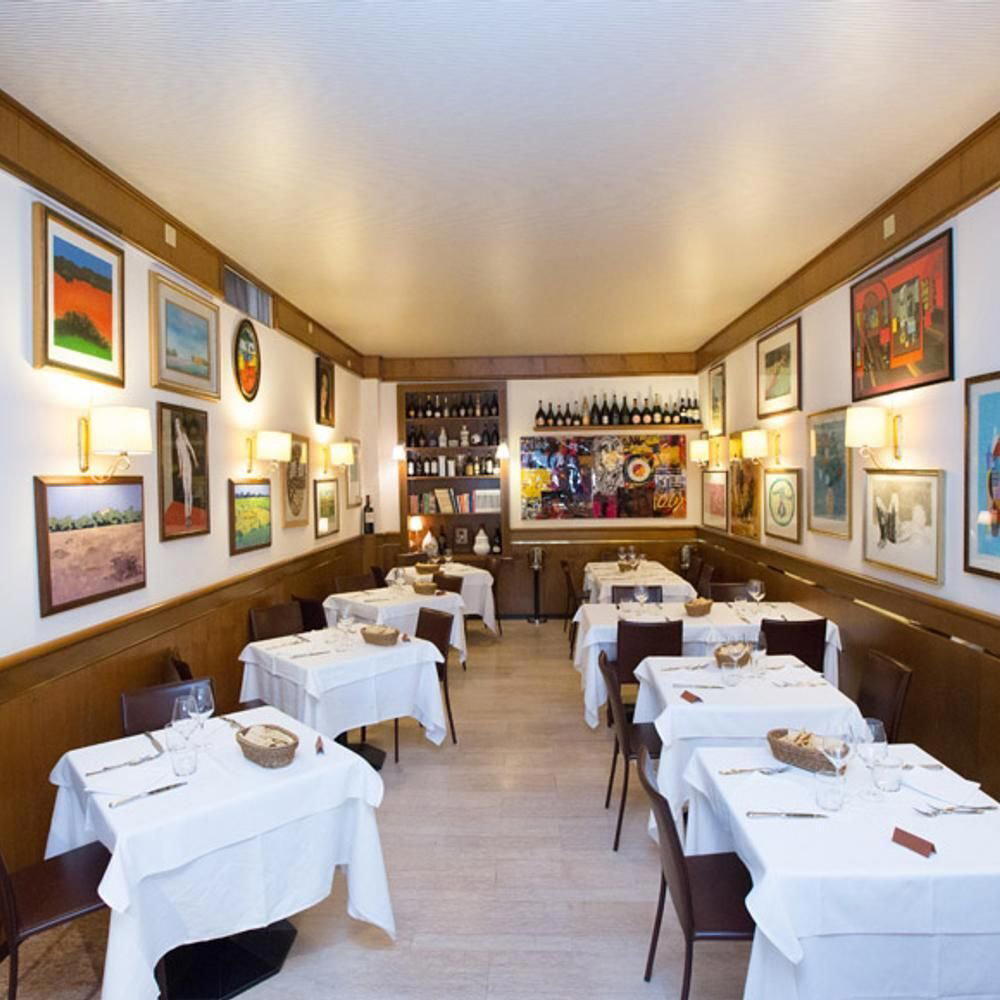
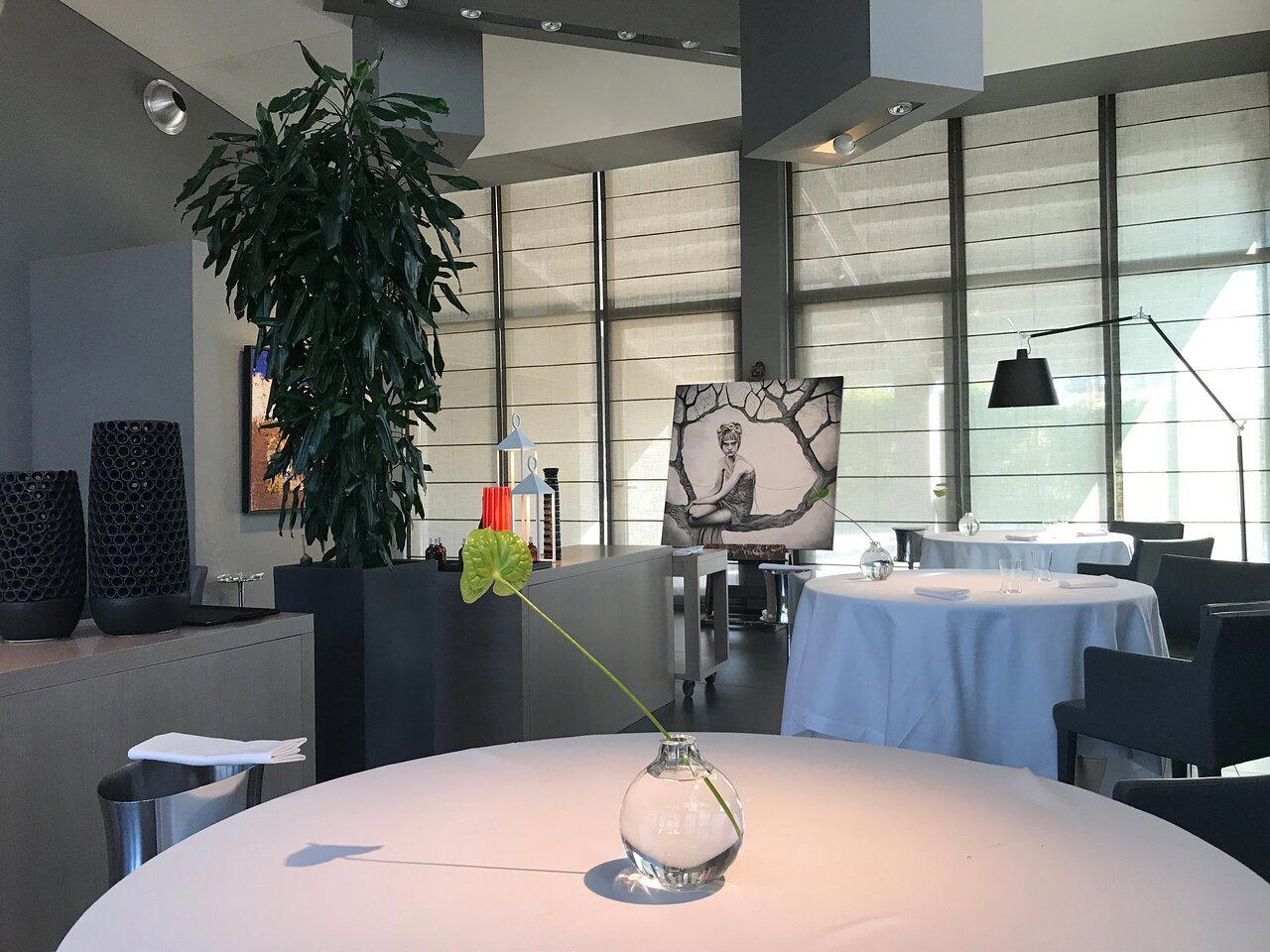
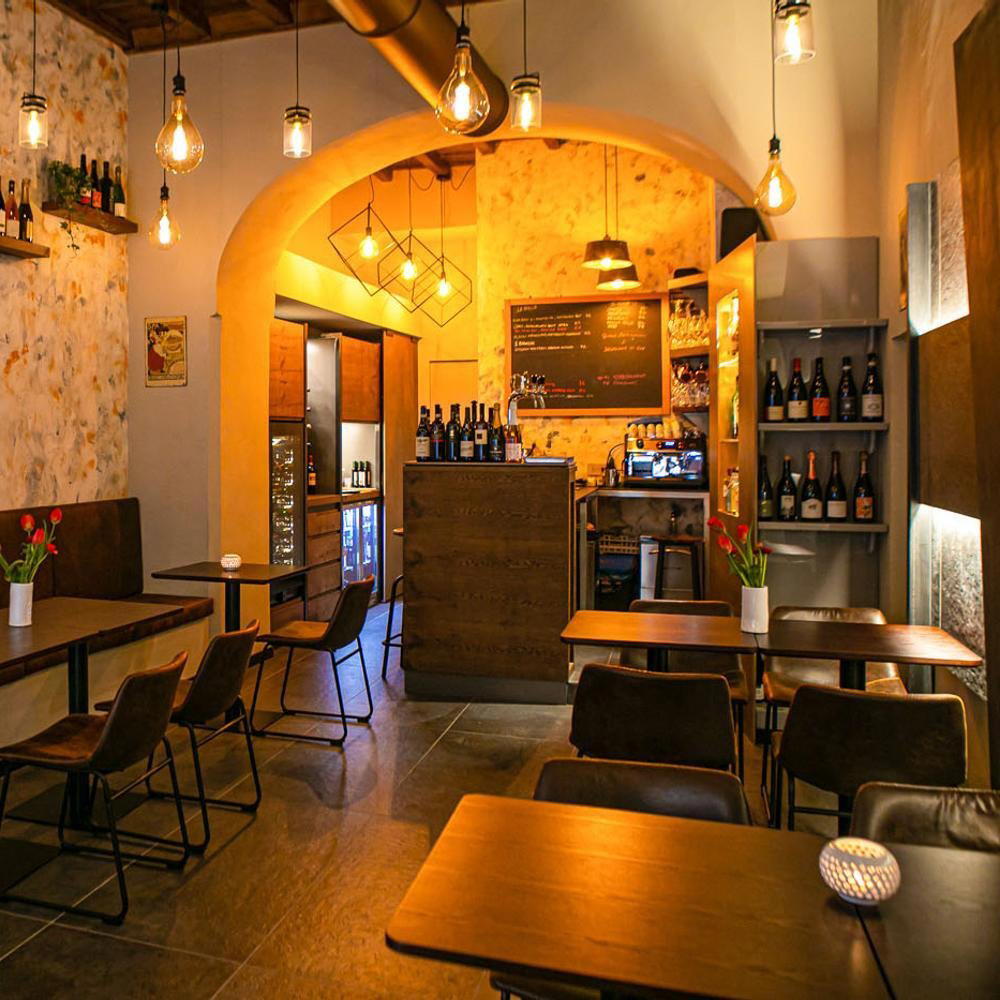
Elegant atmosphere with visible kitchen, calm and contented dining room featuring warm lighting.