Lutnia Continental Cafe
Lutnia Continental Cafe serves Polish and Eastern European food at 5532 W Belmont Ave, with Roast Duck Flambe and live music in a quiet, leisurely setting.
Pearl is the En Primeur Club membership app — saves, bookings, and concierge access live there. Same editors, same standards.
- Address
- 5532 W Belmont Ave, Chicago, IL 60641
- Phone
- +17732825335
- Website
- lutniarestaurant.com
- Directions
- Get directions
 Saves & bookings on Pearl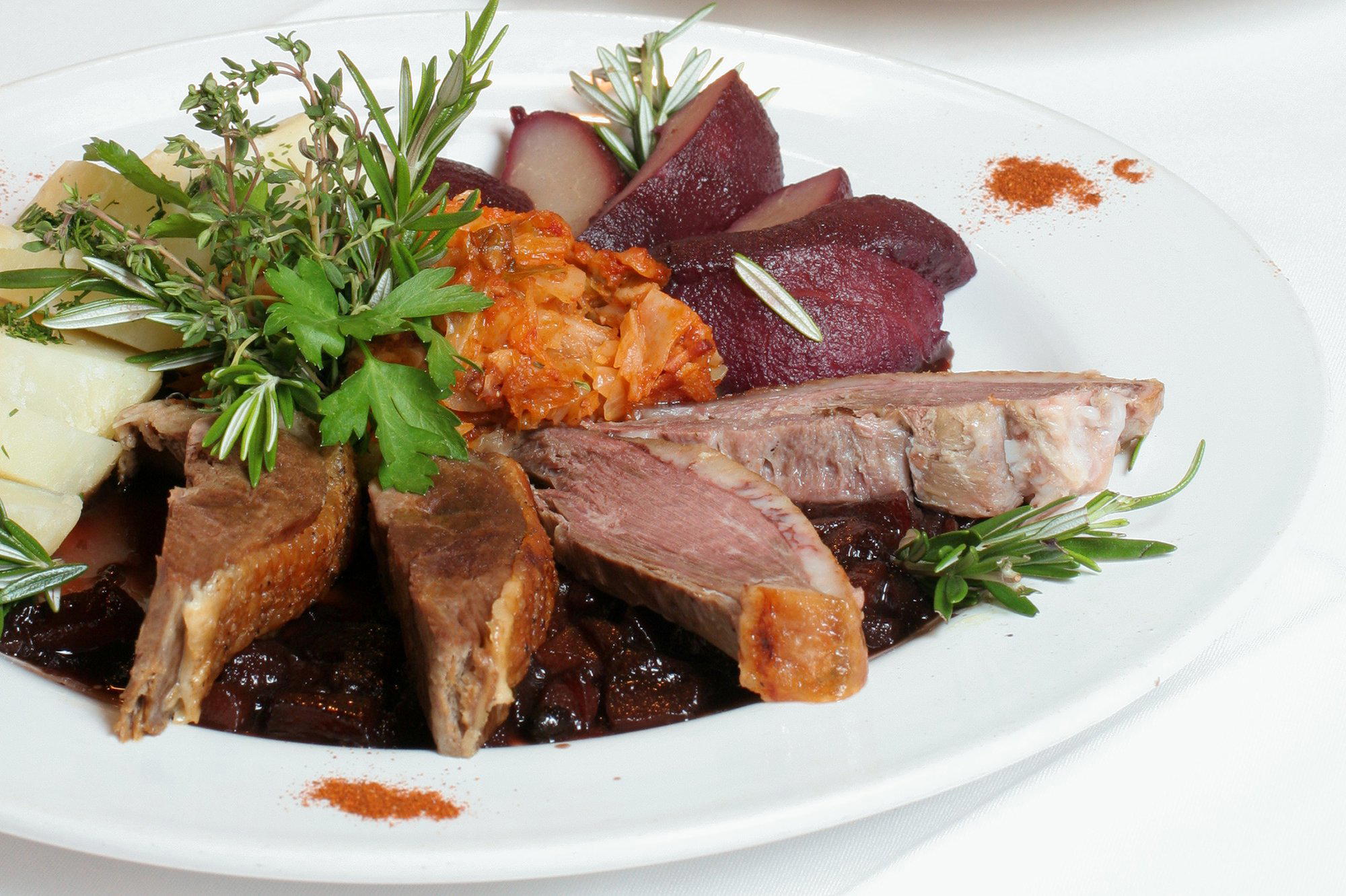
Belmont Avenue and the Polish-American Cafe Tradition
On the Northwest Side of Chicago, where Belmont Avenue runs through the Belmont Cragin and Portage Park neighborhoods, a particular kind of institution has survived that most American cities lost decades ago: the Continental cafe, a format rooted in Central European immigration patterns and built around a different relationship to time, food sourcing, and the act of eating itself. Lutnia Continental Cafe, at 5532 W Belmont Ave, occupies that tradition. This stretch of Belmont sits well outside the downtown dining circuit, in a corridor shaped by Polish, Czech, and broader Slavic community life, where the ingredient logic runs through European-style delis, rye bread bakeries, and housemade preparations rather than the farm-to-table branding infrastructure that defines Chicago's higher-profile restaurant neighborhoods.
Chicago's Polish community, concentrated historically in neighborhoods like this one, built a food culture around preservation, cured meats, fermented vegetables, and slow-cooked preparations that predate the current sourcing-transparency movement by generations. The Continental cafe format that Lutnia represents draws on that lineage. Where a contemporary Chicago restaurant might source heritage pork from a named Illinois farm and describe the supply chain on the menu, an establishment like Lutnia operates in a tradition where sourcing knowledge was embedded in the community itself, passed between butchers, bakers, and cafe owners rather than printed on cardstock.
What Continental Means in This Context
The term "Continental" in a cafe name in this part of Chicago carries specific meaning. It signals a European-inflected format: coffee and pastry in the morning, a midday meal built around soups and composed plates, afternoon hours that function as much for conversation as for eating. It is a hospitality model that predates the American lunch counter and the fast-casual category, and it survives in relatively few American cities outside of neighborhoods with intact immigrant community structures. Chicago, with its historically significant Polish population, is one of the cities where this format has had the longest uninterrupted run.
This matters for understanding what to expect when approaching Lutnia. The physical environment on Belmont's Northwest Side reflects this heritage: storefronts built for foot traffic from residents rather than destination diners, signage in both English and Polish still visible in the surrounding blocks, and a pace of commerce that is deliberate rather than optimized for throughput. For visitors coming from the city's more frequented dining districts, this stretch of Belmont reads as distinctly residential and unhurried, which is precisely the point.
Ingredient Sourcing and the Community Supply Chain
Rather than publicized partnerships with single farms, the Continental cafe format historically relied on a dense network of neighborhood suppliers: Polish and Central European delicatessens, specialty importers, and family-operated processors who maintained the specific cured, smoked, and preserved products that define the cuisine. In Chicago, that supplier network remains partially intact on the Northwest Side, giving cafes in this corridor access to ingredients that are functionally unavailable to restaurants operating in, say, the West Loop or River North.
The sourcing at a Continental cafe on Belmont is not performed for the diner's benefit; it is simply the way that community has always procured food. That distinction matters. One tradition makes sourcing visible as a value proposition; the other treats it as unremarkable infrastructure.
Chicago operates as two distinct restaurant cities that rarely intersect. The first is the nationally recognized fine dining circuit, anchored by places like Alinea, Smyth, and Oriole, all operating at the $$$$ tier with Michelin recognition and booking windows measured in weeks or months. Kasama has brought Filipino tasting menu cuisine into that conversation, and Next Restaurant has spent years exploring the outer edges of concept-driven dining. These are restaurants that travel writers and food critics fly in to cover.
The second Chicago is older, denser with community identity, and almost entirely absent from national food media. It is the city of Polish cafes on Belmont, of Vietnamese pho shops on Argyle, of Mexican carnicerias doubling as lunch counters on 26th Street. Lutnia belongs to this second city. That is not a criticism; it is a description of what the place is and where it sits. For a reader whose Chicago dining reference points are the West Loop or Michelin-starred tasting menus, Lutnia represents a genuinely different category of institution, one that serves a specific community with specific tastes and has no particular orientation toward outside visitors.
For comparison at a national scale, the gap between these two traditions mirrors the distance between The French Laundry in Napa or Le Bernardin in New York and the neighborhood bistros that sustained French communities in American cities for the better part of the twentieth century. Both have value; they serve different purposes and different communities.
Nationally, the pattern repeats: Lazy Bear in San Francisco, Providence in Los Angeles, Addison in San Diego, Bacchanalia in Atlanta, The Inn at Little Washington, Emeril's in New Orleans, and Atomix in New York all represent one pole of American dining ambition. Community-rooted cafes like Lutnia represent a quieter, more durable pole. Neither cancels the other out. For global context, the same structural divide exists between institutions like 8 1/2 Otto e Mezzo Bombana in Hong Kong and the neighborhood cha chaan tengs that have fed Hong Kong residents for generations.
Know Before You Go
Address: 5532 W Belmont Ave, Chicago, IL 60641
Neighborhood: Belmont Cragin / Portage Park, Northwest Side
Cuisine tradition: Polish-Continental cafe format
Price tier: $$, about $40 per person
Booking: Reservations are recommended
Hours: Check directly with the cafe before visiting
Cost Snapshot
Comparable venues nearby, for context on price, style, and recognition.
| Venue | Cuisine | Price | Notes |
|---|---|---|---|
| Lutnia Continental CafeThis venue — the venue you are viewing | Not listed | $$ | Not listed |
| ArePA George | Not listed | $$ | Humboldt Park, Authentic Colombian with Vegan Twists |
| Brennan’s Gourmet Burger Shack | Edison Park, Gourmet Smashburgers | $$ | Not listed |
| Antepli Mediterranean Grill | Not listed | $$ | Ravenswood, Authentic Turkish Mediterranean Grill |
| Stay Cafe | Not listed | $$ | Logan Square, American Breakfast & Brunch Café |
| Bistro Campagne | Lincoln Square, French Bistro | $$ | Not listed |

At a Glance
- Romantic
- Elegant
- Cozy
- Intimate
- Date Night
- Special Occasion
- Live Music
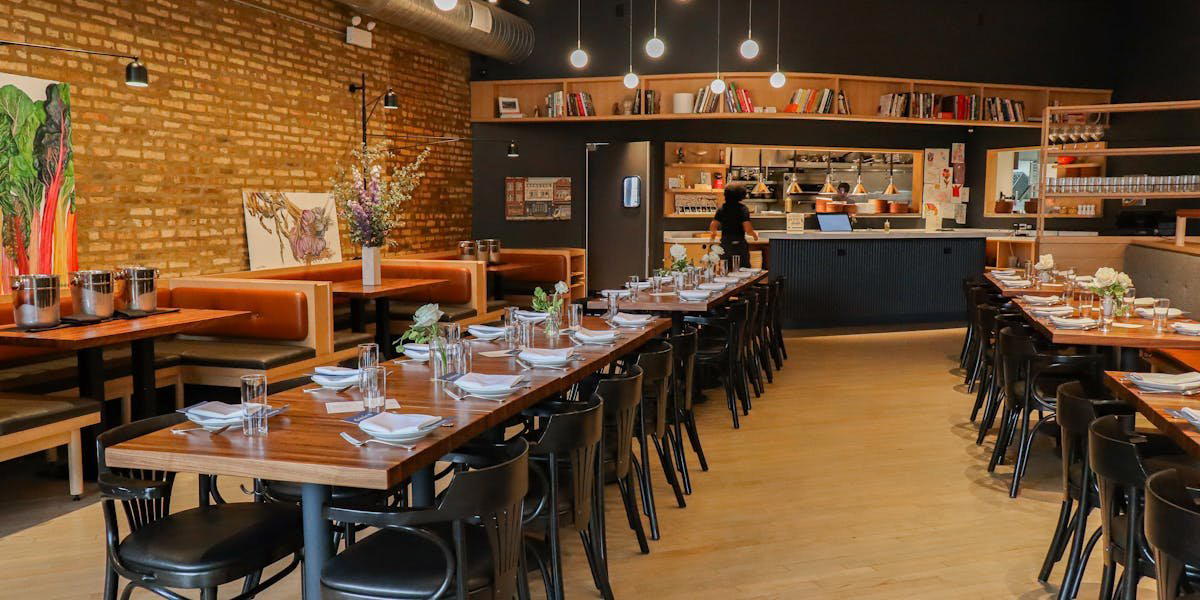
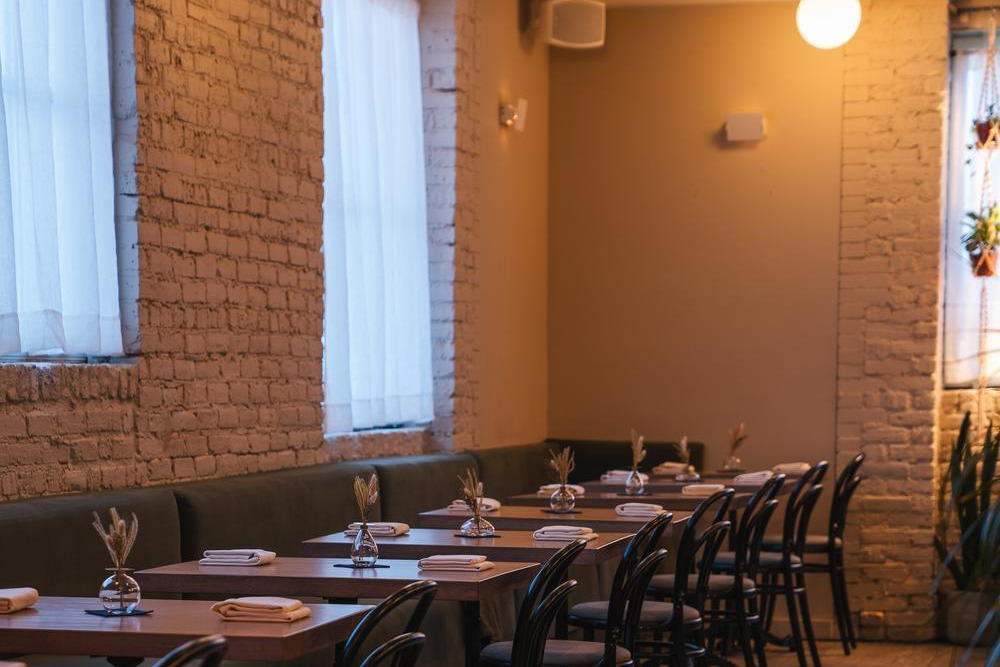
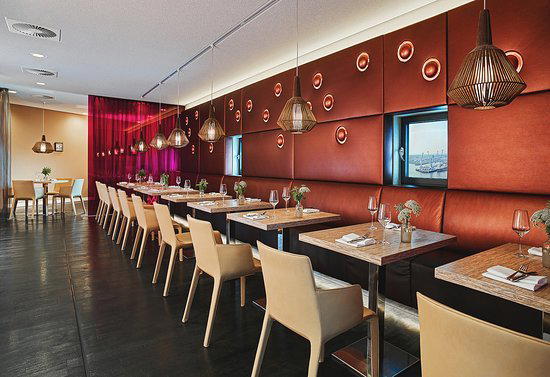
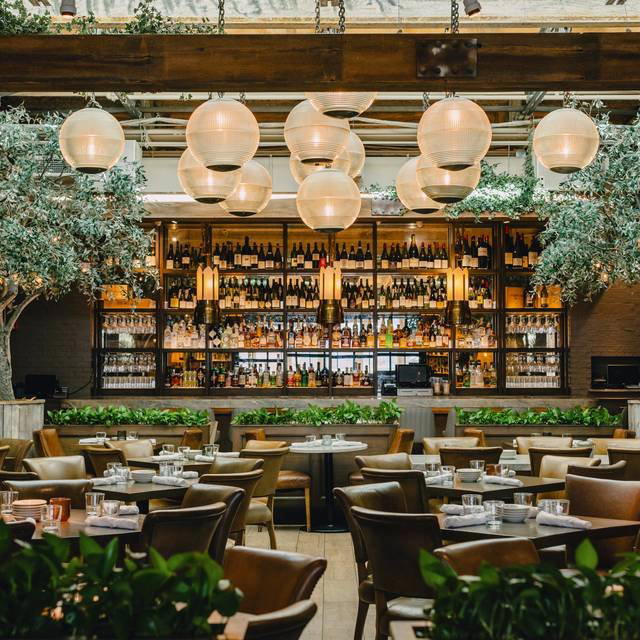
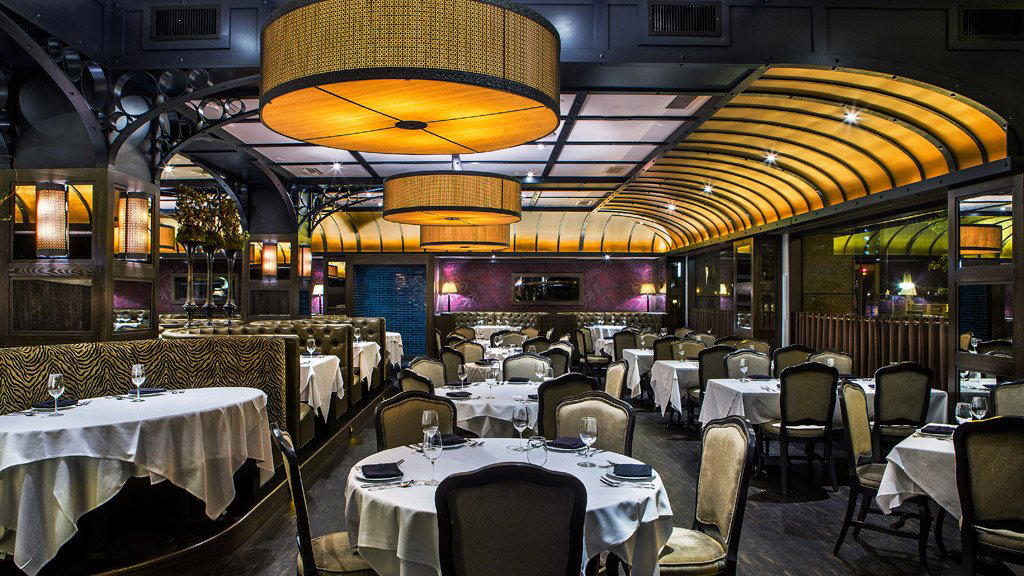
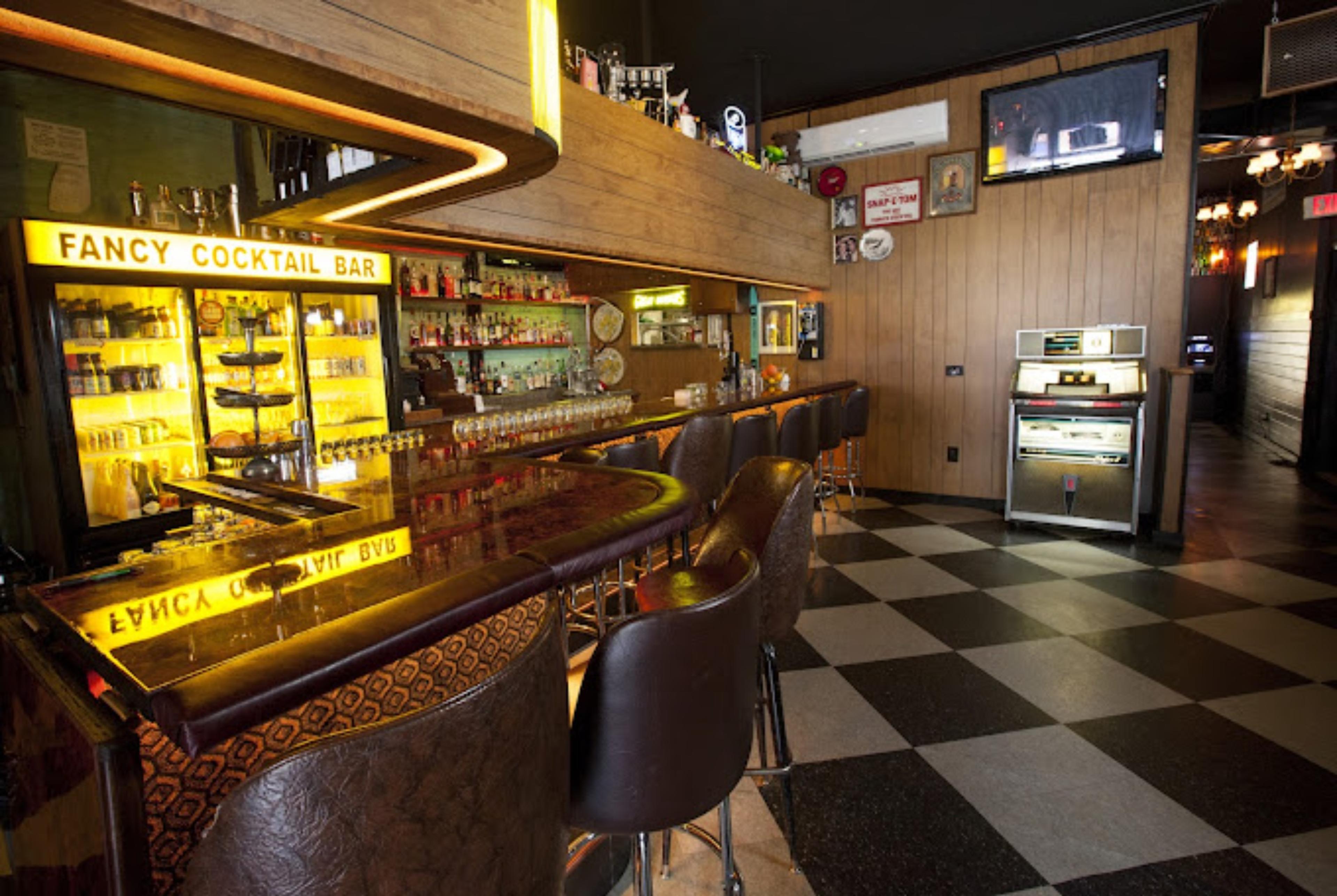
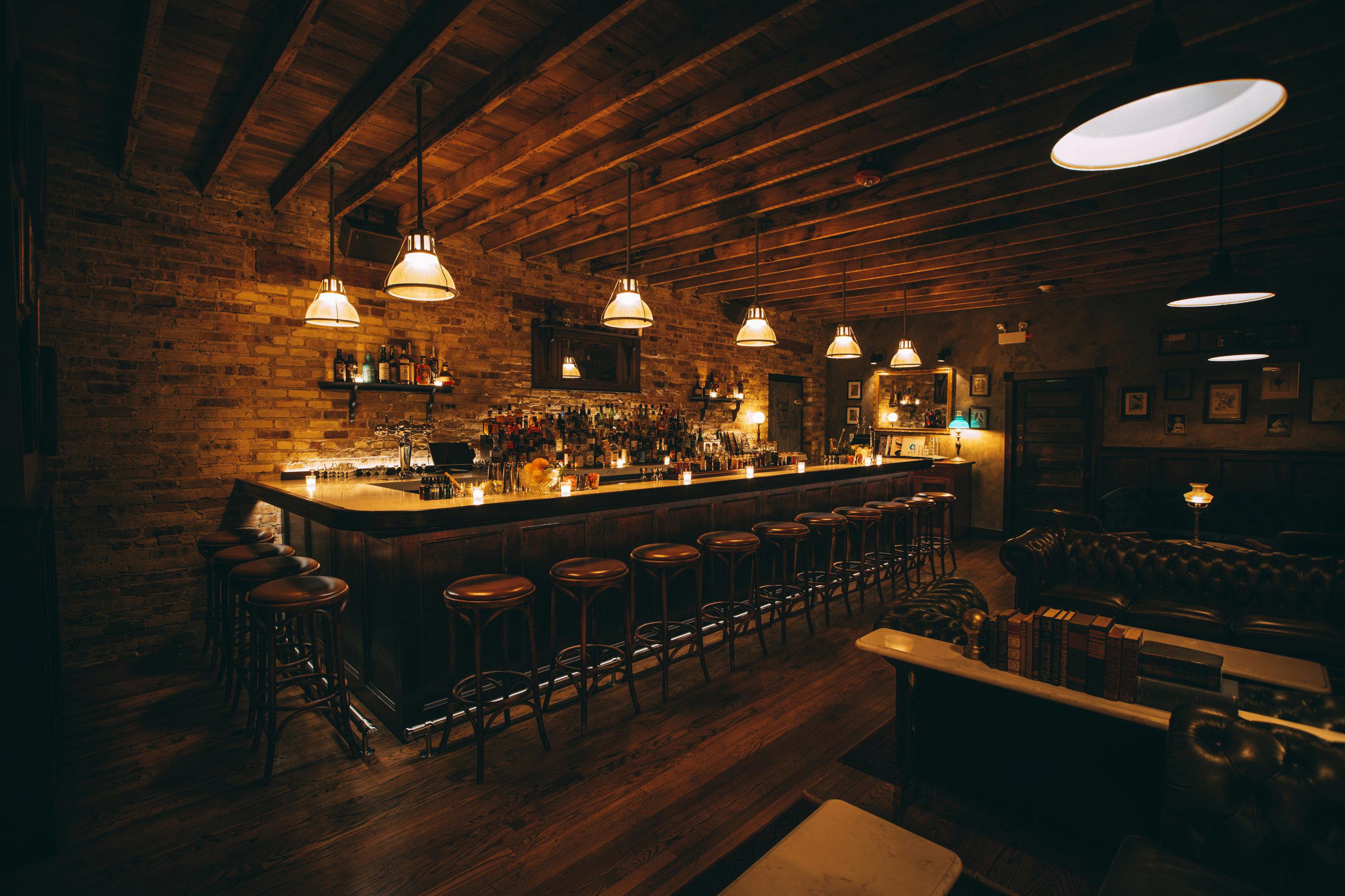
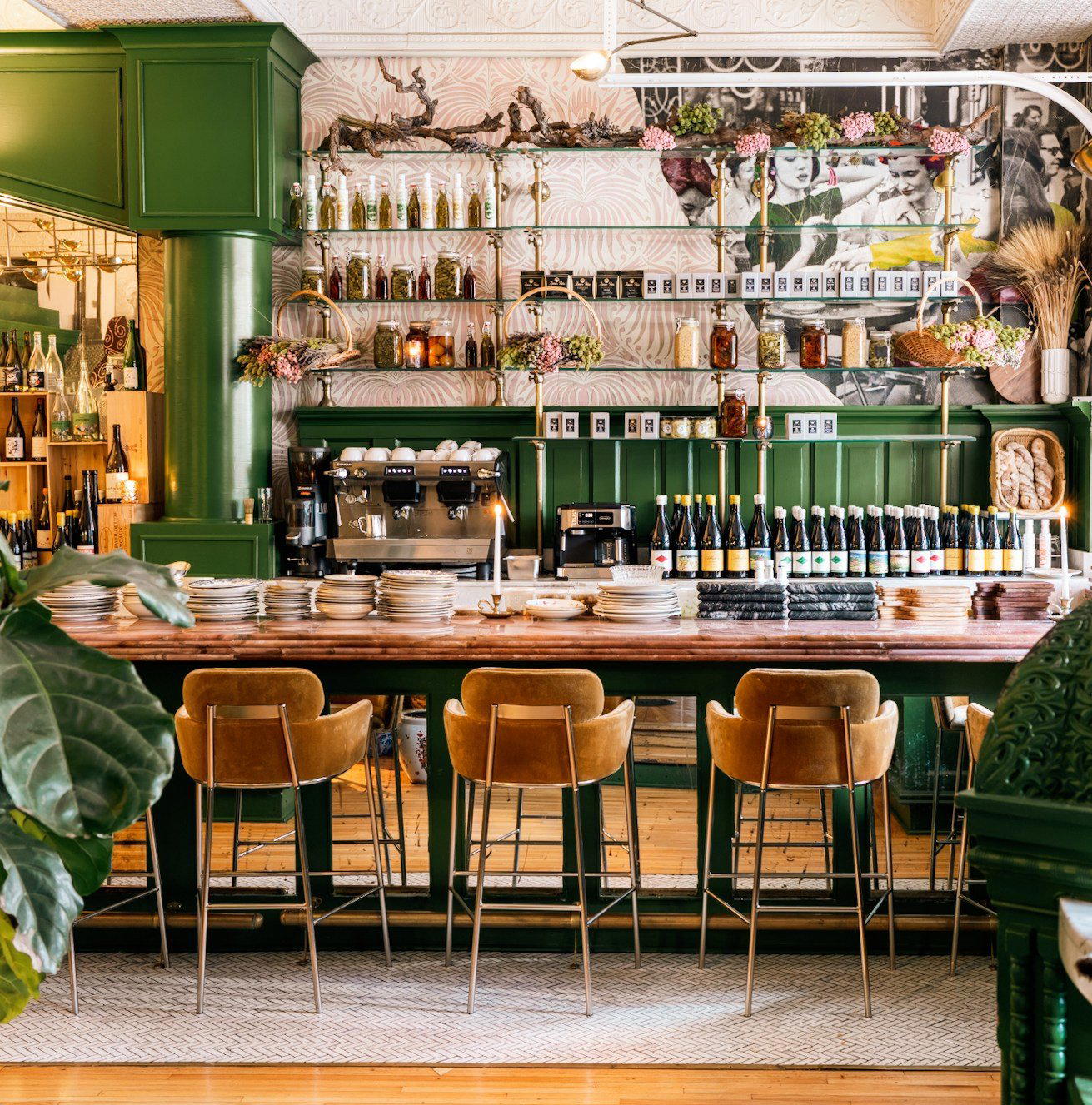
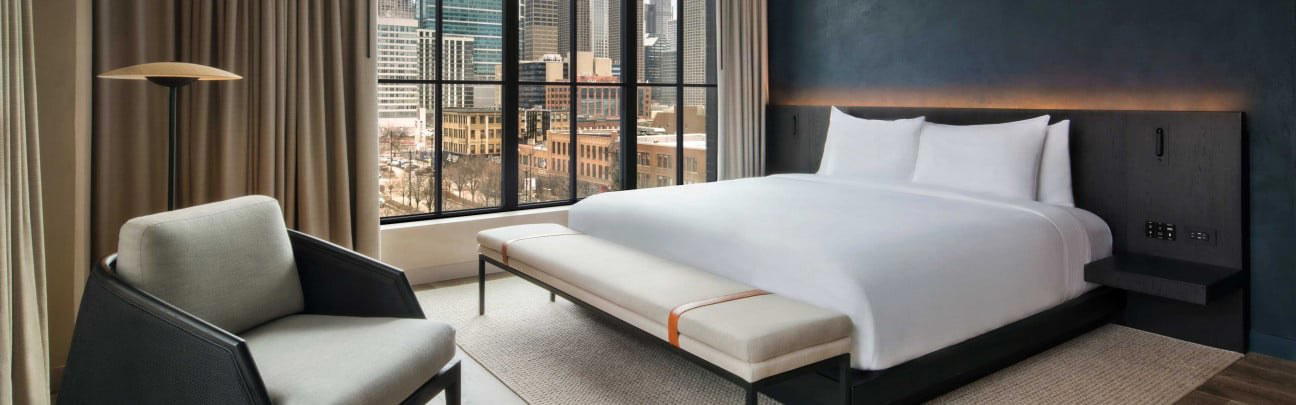
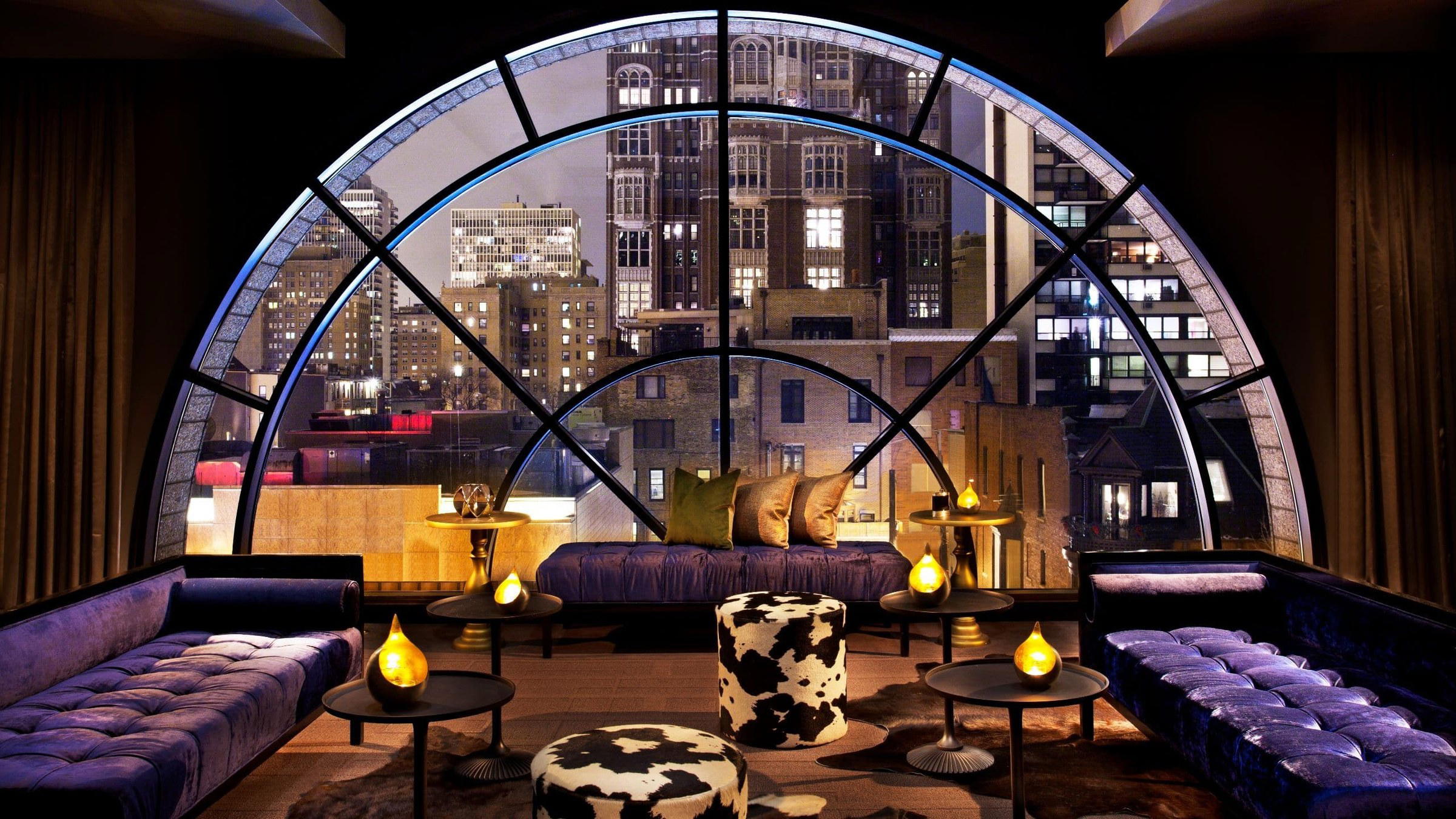
Beautiful, elegant, and romantic atmosphere enhanced by live piano music.