How the Menu Is Built
The architecture of a French bistro menu carries its own logic, one that French cooking has refined over generations. Starters orient around charcuterie, composed salads, and soups that function as both technique demonstrations and seasonal signals. The centre of the menu holds braised proteins, duck preparations, and fish dishes that reflect what the kitchen does well under sustained heat rather than what photographs dramatically. Desserts close in the pastry tradition: tarts, crèmes, and chocolate preparations that prioritise texture over visual engineering.
This kind of menu structure tells you something specific about the restaurant's intent. Unlike the open-ended tasting formats at Kasama or the theatrically sequenced courses at Alinea, the bistro format gives the diner agency. You build the meal yourself from a fixed list, and the kitchen's skill shows in how well each component holds its own when ordered in isolation or in sequence. The menu at a serious bistro is also a document of restraint: the absence of trend-chasing items is itself an editorial position. French-influenced neighbourhood restaurants that have survived multiple dining cycles in American cities tend to maintain menus that signal confidence rather than anxiety about relevance.
Comparisons with French-inflected rooms in other American cities are instructive. Le Bernardin in New York City operates at the formal end of French technique in the United States. Frasca Food and Wine in Boulder applies northern Italian rigour through a similar neighbourhood-first philosophy. The bistro register sits between those poles, trading formal precision for warmth without sacrificing culinary discipline.
The Room and What It Tells You
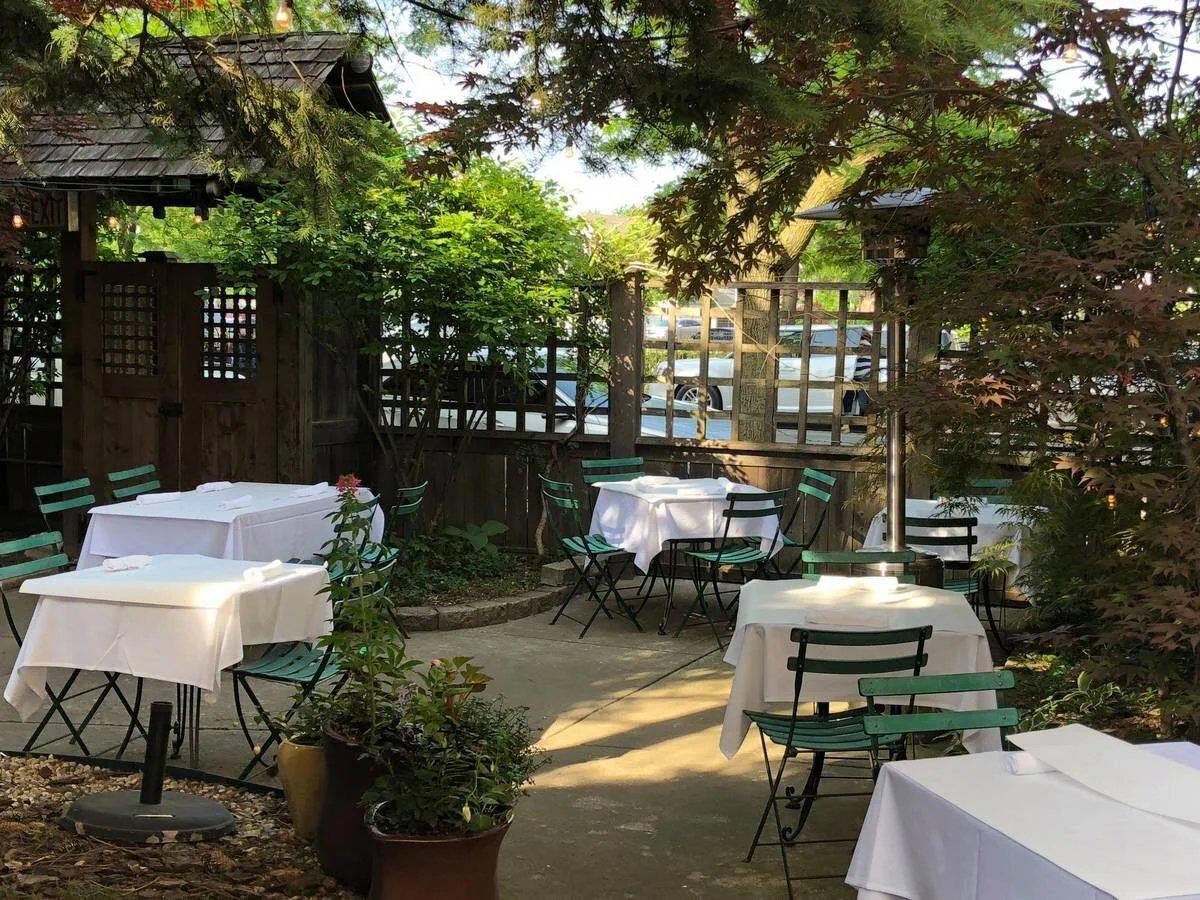
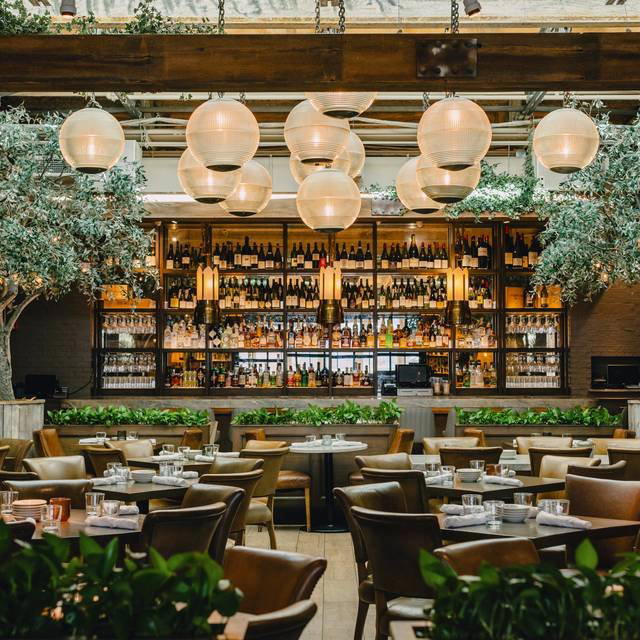
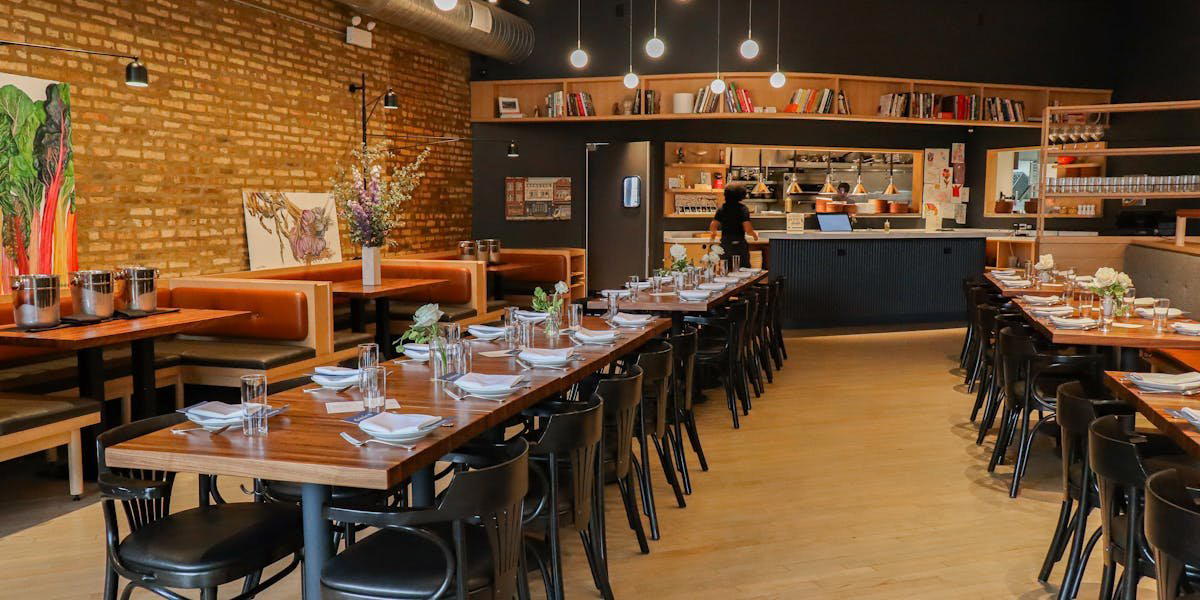
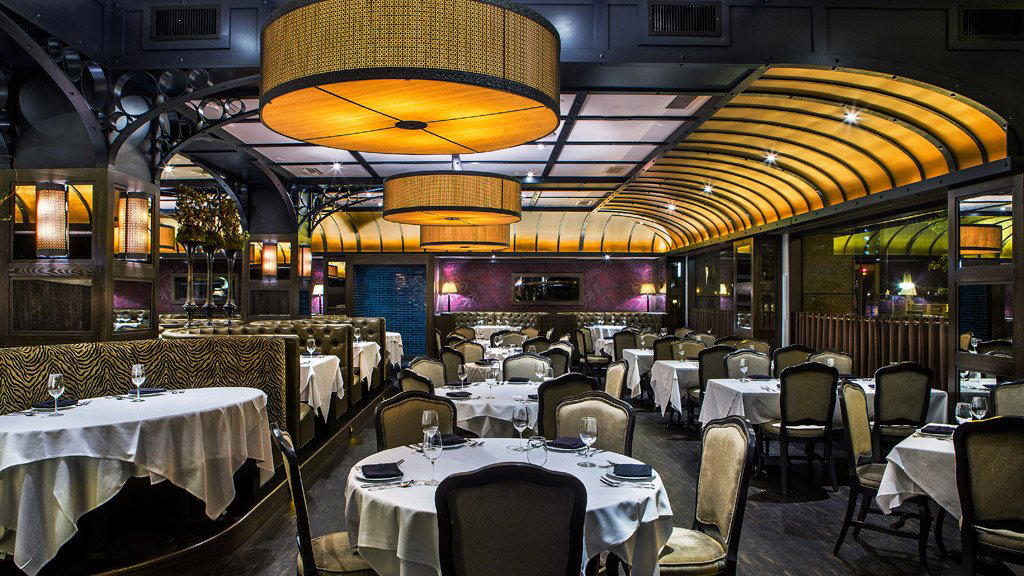
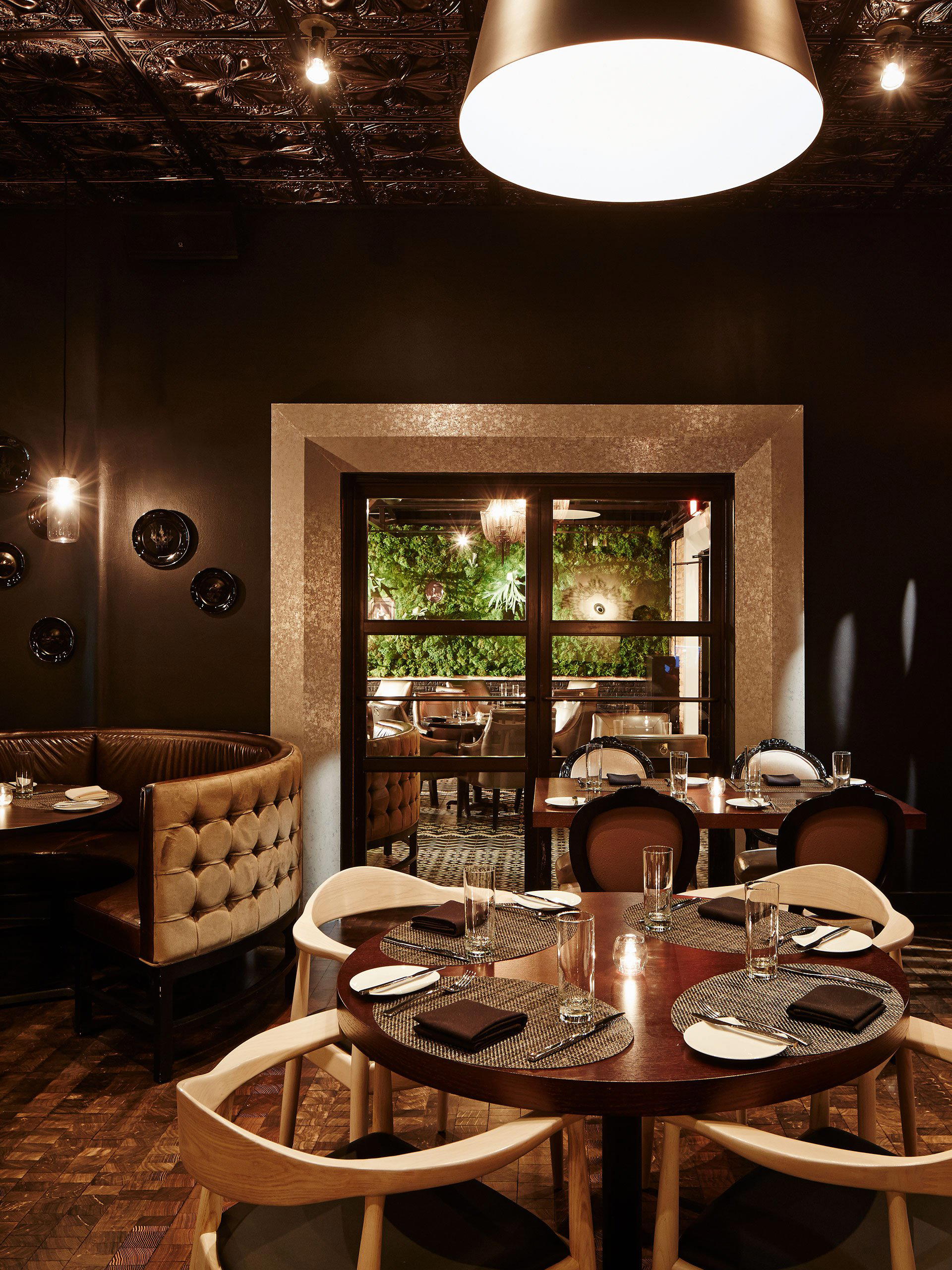
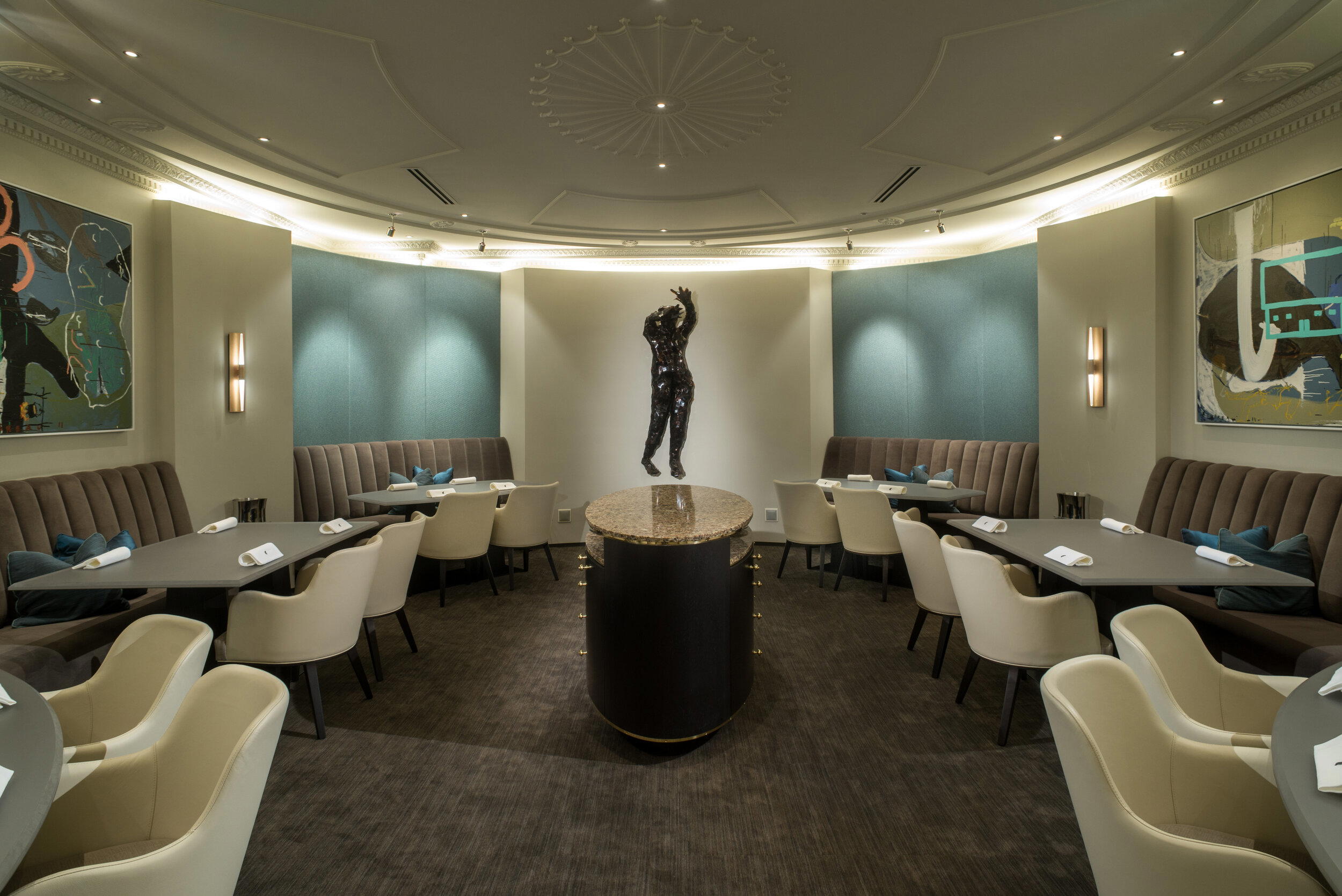
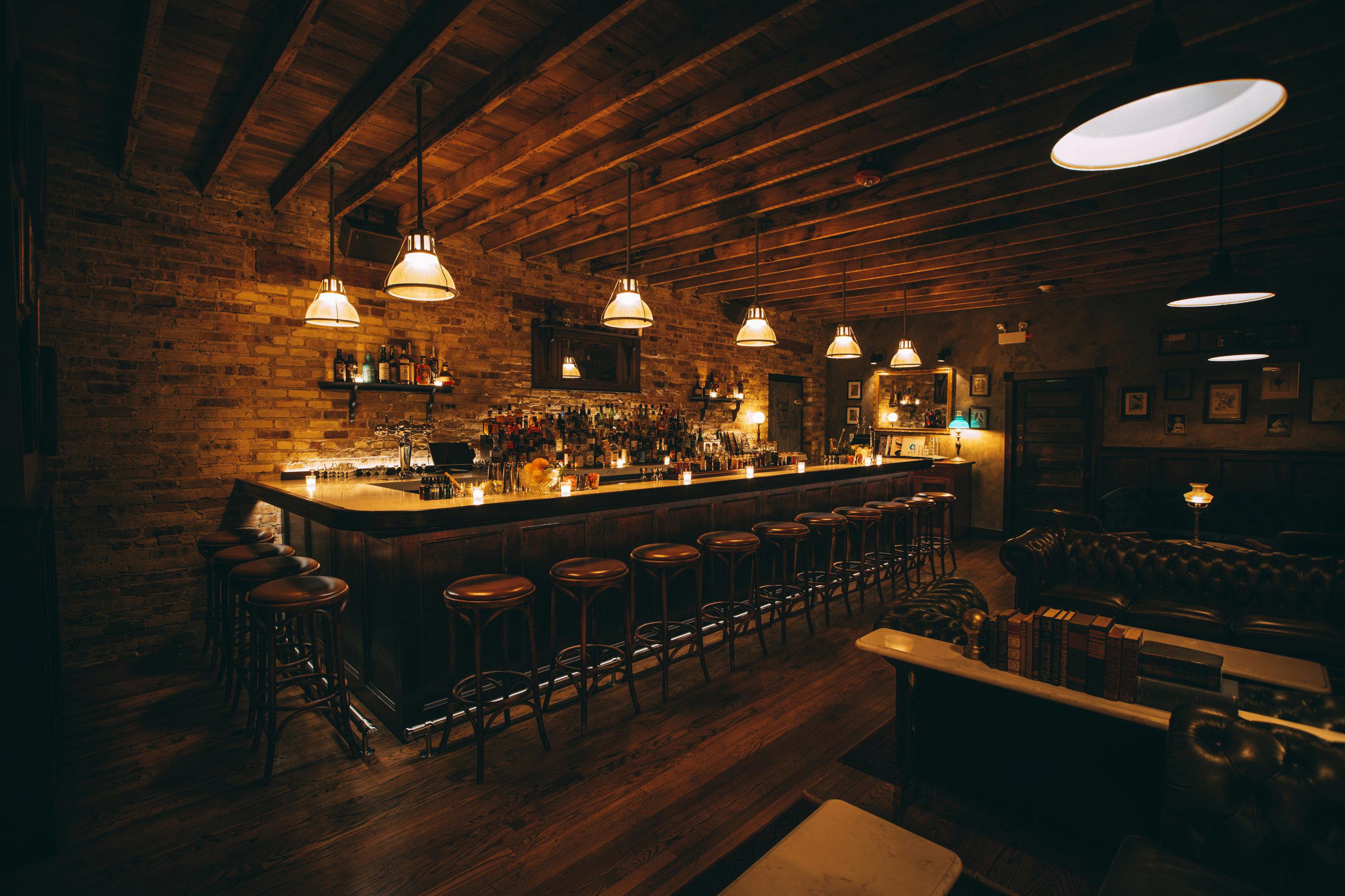
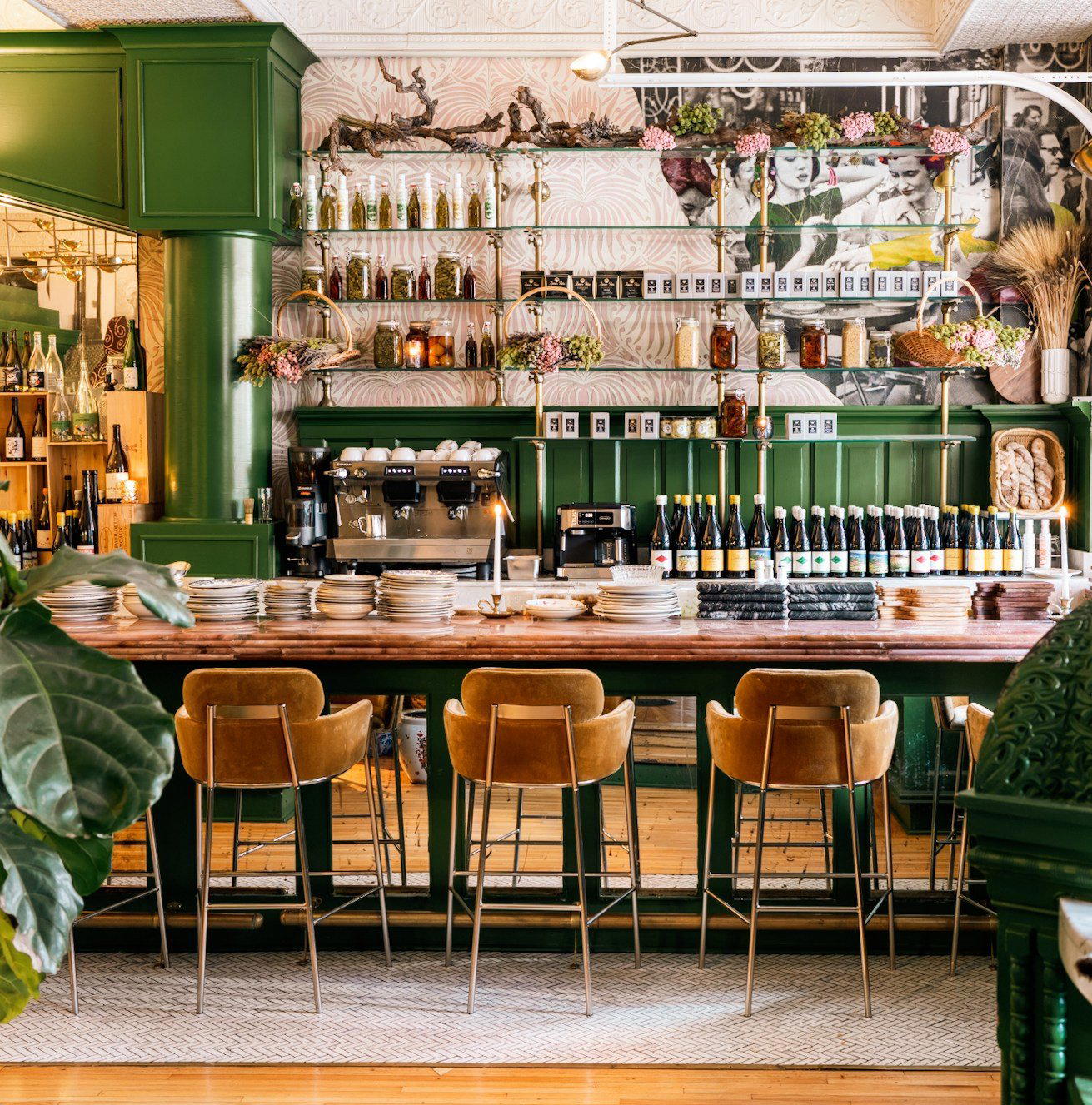
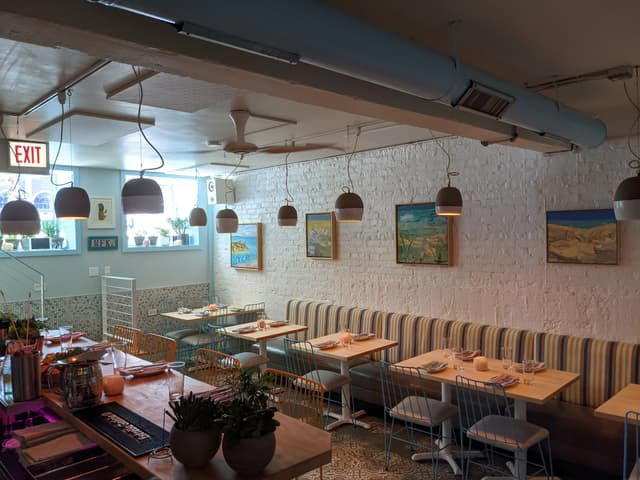
Approaching 4518 N Lincoln Avenue, the room presents as a low-key proposition. The exterior does not announce itself with the kind of design signalling that has become standard in Chicago's premium dining corridor. Inside, the bistro format tends toward warm wood, candlelight or soft overhead lighting, tiled floors or close facsimiles, and seating arrangements that prioritise intimacy over spectacle. These are not accidental choices. The French bistro room is a studied format, one that makes a specific promise to the diner: that the evening will be about the food and the company, not the setting as a performance.
This atmospheric register is increasingly uncommon in American cities, where new openings tend toward dramatic interiors as a differentiator. Rooms like this, quiet and consistent, represent a different kind of confidence. They attract a repeat clientele who know what they want and return for exactly that. The neighbourhood location reinforces this: Lincoln Square diners are not primarily destination seekers arriving from across the city for a single occasion. They come back, and the room is built accordingly.
For context on how design-led versus format-led dining rooms differ across international markets, the approach at Single Thread Farm in Healdsburg or Blue Hill at Stone Barns in Tarrytown represents the opposite end of the register, where the environment is as deliberate as the menu. Both approaches can be serious. They simply address different reader questions.
Where Bistro Campagne Sits in the Chicago Dining Tier
Chicago's dining scene spans a wide range of format and price. At the summit of the market, multi-course tasting menus at Smyth and Oriole run at price points that place them in peer conversation with rooms like Providence in Los Angeles or Addison in San Diego. Below that tier, the city has a strong mid-range with serious culinary intent, and the restaurant occupies a position in that band. It is not priced or positioned as a competitor to the tasting-menu circuit. It addresses a different need entirely: a reliable, skilled French kitchen accessible to regular use, not reserved for milestone occasions.
That positioning has strategic value in a city where the mid-range has historically been squeezed between casual dining and the high-concept tier. Neighbourhood French bistros with long tenures, and the restaurant has long been on Lincoln Avenue, tend to develop a kind of institutional gravity. Regulars plan around their calendar. The room draws steady business through the week. This is the mark of a place that has solved the neighbourhood restaurant problem, which is harder than it looks when the alternative is a city full of options.