Lum Lum
Lum Lum sits on Jagtvej in Copenhagen's Nørrebro district, where the city's most restless dining scene continues to push beyond the New Nordic template. With cuisine rooted in Southeast Asian culinary tradition and a neighbourhood setting that places it well outside the Michelin circuit's usual geography, it represents a strand of Copenhagen dining that rewards curiosity over reservation clout.
Pearl is the En Primeur Club membership app — saves, bookings, and concierge access live there. Same editors, same standards.
- Address
- Jagtvej 101, 2200 København, Denmark
- Phone
- +4553867066
- Website
- lumlum.dk
- Directions
- Get directions
 Saves & bookings on Pearl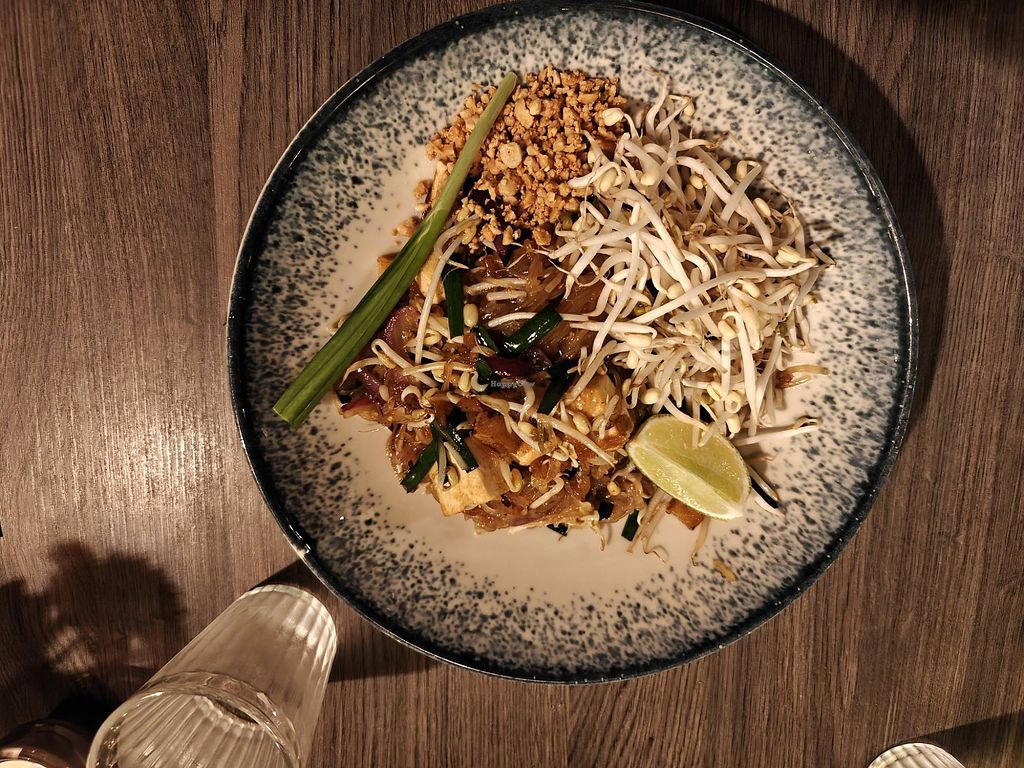
Nørrebro and the Dining Shift Beyond the Centre
Copenhagen's reputation as a dining destination was built in the inner city and on the waterfront, at addresses like Geranium, Noma, and Alchemist, where tasting menus run to twenty-plus courses and the booking queues stretch months out. That tier still defines how the city is understood internationally. But a quieter shift has been under way in the outer neighbourhoods, particularly in Nørrebro, where the density of independent restaurants per square metre has made Jagtvej and its surrounding streets a more interesting proposition than the polished centre for a certain kind of eater.
Nørrebro has always been Copenhagen's most culturally layered district, shaped by successive waves of migration that have left a food culture distinct from the rest of the city. The neighbourhood is where you find Sri Lankan, Thai, Lebanese, and Vietnamese kitchens operating at a register that has nothing to do with the New Nordic orthodoxy that still anchors most of Copenhagen's fine dining conversation. Lum Lum, at Jagtvej 101, sits inside that tradition rather than against it.
Southeast Asian Roots in a Nordic Context
The cultural significance of Southeast Asian cuisine in Copenhagen is easy to understate. In cities like London, Sydney, and New York, Thai and Vietnamese restaurants have long been absorbed into the broader premium dining conversation, with kitchens at addresses like Atomix in New York demonstrating how Asian culinary traditions can hold their own in competitive dining markets. Copenhagen has been slower to recognise that shift at an institutional level, but the ground-level reality in Nørrebro has moved faster than the guides.
Southeast Asian cooking traditions carry specific demands that distinguish them from the New Nordic format that dominates Copenhagen's awards circuit. The reliance on fermented pastes, fresh aromatics, and high-heat wok technique requires a different kind of kitchen discipline than the preservation-led, slow-extraction approach of Kadeau or the kaiseki-inflected precision of Koan. These are not competing philosophies so much as parallel traditions, each with their own logic of seasonality, technique, and sourcing.
Lum Lum operates within that Southeast Asian frame on a stretch of Jagtvej that has become one of the more interesting food corridors in the city precisely because it is not trying to be anything other than what it is. The address places it in a neighbourhood context rather than a destination-dining context, which changes the dynamics of how you arrive, how you book, and what you expect when you get there.
The Neighbourhood as Context
Approaching Jagtvej from the south, the street reads as a working commercial strip: bakeries, phone repair shops, a handful of bars. The restaurant sits within that grain rather than announcing itself against it. In cities with mature neighbourhood dining scenes, this kind of integration is understood as a positive signal rather than a limitation. The Paris bistro tradition, the London neighbourhood restaurant model, the casual-serious format that has defined a generation of eating in cities from Melbourne to Copenhagen: all of them assume that physical modesty and culinary seriousness are not in conflict.
Copenhagen's own neighbourhood dining scene has deepened considerably over the past decade, as chefs trained at the city's leading tables have opened smaller, more personal addresses in Nørrebro, Vesterbro, and Frederiksberg. The model at those addresses is typically casual in format but serious in sourcing, the kind of kitchen that does not require a tasting menu to demonstrate its credentials. Lum Lum fits within that broader pattern.
Where Lum Lum Sits in the Copenhagen Picture
To understand the restaurant's position, it helps to map Copenhagen's dining tiers clearly. The upper tier, where Geranium and Alchemist operate, is Michelin-weighted, tasting-menu-led, and priced at a level that puts it in competition with the leading tables in Paris and Tokyo. The middle tier, which includes addresses like Kadeau and Koan, is still formally serious but somewhat more accessible in format. Then there is the neighbourhood tier, where the cooking is often as technically accomplished but the frame is looser, the price points lower, and the atmosphere closer to the texture of the surrounding streets.
The restaurant operates in that third tier, which is not a lesser category but a different one. Denmark's dining scene beyond the capital has developed its own points of gravity, at Jordnær in Gentofte, Frederikshøj in Aarhus, Henne Kirkeby Kro, Alimentum in Aalborg, ARO in Odense, Domæne in Herning, Dragsholm Slot Gourmet, Frederiksminde in Præstø, LYST in Vejle, and MOTA in Nykøbing Sjælland, showing that serious cooking in Denmark is no longer exclusively a Copenhagen story. Within the capital, the same geographic diversification is under way at the neighbourhood level, and Nørrebro is where much of that energy is concentrated.
Planning a Visit
Jagtvej 101 is in the northern section of Nørrebro, reachable from the city centre by bicycle in under fifteen minutes or by bus from Nørreport Station. The address is on a main arterial road with good foot traffic, which means walk-in possibilities are more realistic here than at the tightly booked tasting-menu addresses in the inner city.
Price and Recognition
Comparable venues nearby, for context on price, style, and recognition.
| Venue | Cuisine | Price | Notes |
|---|---|---|---|
| Lum LumThis venue — the venue you are viewing | Nørrebro, Thai Street Kitchen | $$ | Not listed |
| WokXpress Vesterbrogade | Not listed | $$ | Vesterbro-Kongens Enghave, Authentic Thai Wok Cuisine |
| WOK Christianshavn | Indre By, Authentic Thai | $$ | Not listed |
| WokXpress Store Kongengade | Indre By, Thai Wok Cuisine | $$ | Not listed |
| Khun Juk | Indre By, Authentic Thai | $$ | Not listed |
| Graziano | Nørrebro, Rustic Tuscan Peasant Food | $$ | Not listed |
Continue exploring
More in Copenhagen
Restaurants in Copenhagen
Browse all →

Bars in Copenhagen
Browse all →

At a Glance
- Lively
- Trendy
- Casual Hangout
- After Work
- Open Kitchen
Current opening hours
- Monday
- 4–8:30 PM
- Tuesday
- 4–8:30 PM
- Wednesday
- 4–8:30 PM
- Thursday
- 4–8:30 PM
- Friday
- 4–8:30 PM
- Saturday
- 4–8:30 PM
- Sunday
- 4–8:30 PM
Hours can change for holidays and private events. Last verified .
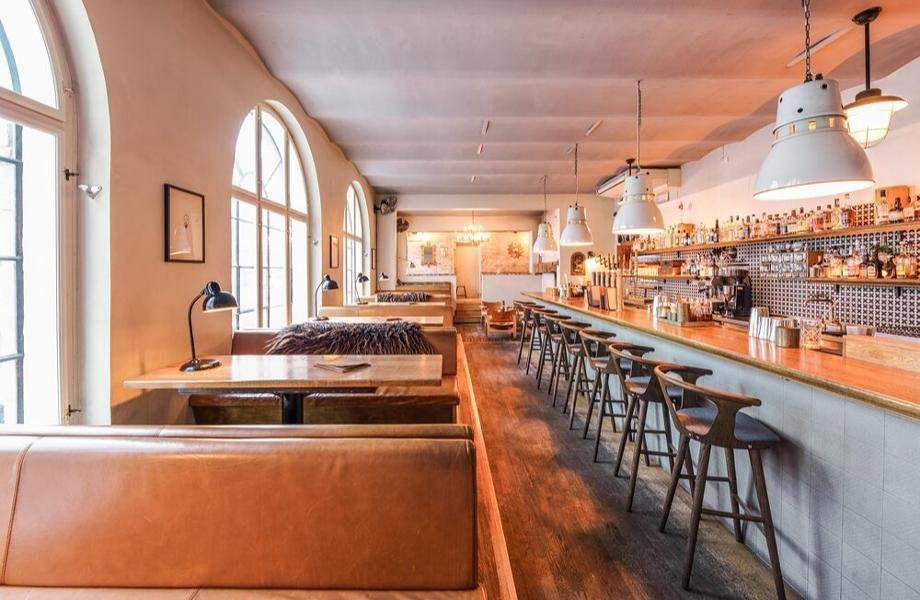
Lively and welcoming atmosphere evoking Thai street markets with a casual, energetic feel.