Lucca Ristorante
Our verdict
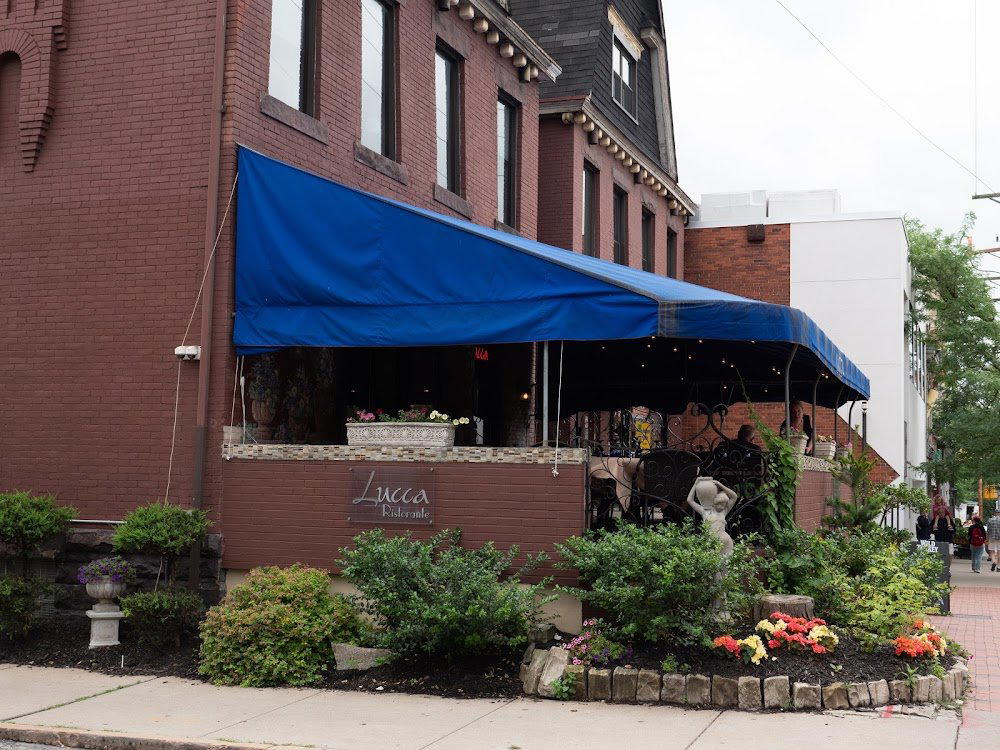
On South Craig Street in Pittsburgh's Oakland neighbourhood, Lucca Ristorante holds a quiet but consistent presence among the city's Italian dining options. The room carries the warmth typical of serious neighbourhood trattorias, pitched at a register between casual and considered. For Pittsburgh diners looking for Italian cooking without the theatrical fanfare, it occupies a reliable position on the Craig Street corridor.
- Address
- 317 S Craig St, Pittsburgh, PA 15213
- Phone
- (412) 682-3310
- Website
- luccaristorante.com
- Directions
- Get directions
The menu
What to order
- Frutti di Mare con Rigatoni
- Tagliatelle Bolognese
South Craig Street and the Case for Quiet Italian
Oakland's dining strip along South Craig Street operates at a different register than Pittsburgh's flashier corridors in the Strip District or East Liberty. The neighbourhood runs on a steadier rhythm, shaped by the presence of Carnegie Mellon, the University of Pittsburgh, and a residential density that rewards consistency over spectacle. Restaurants here don't survive on novelty alone. Lucca Ristorante, at 317 S Craig St, has found its footing in that environment, sitting among a cluster of neighbourhood-scale venues where the room's character and the kitchen's reliability matter more than opening-week buzz.
The immediate stretch of South Craig offers a useful frame of reference. This is not the kind of block where you find high-concept tasting menus or aggressive natural wine programs. The draw is something closer to the European idea of a neighbourhood restaurant as a fixture rather than a destination: somewhere with a settled atmosphere, a familiar menu register, and a room that rewards repeat visits. Lucca reads within that tradition.
The Atmosphere on Craig Street
Italian restaurants in American cities have split, in recent years, into two broadly legible camps. One camp chases the red-sauce nostalgia format, leaning into checkered tablecloths and the theatrical trappings of mid-century Italian-American dining. The other pursues a cleaner, more contemporary read on regional Italian cooking, with restrained interiors and shorter menus. Lucca occupies the space between those poles, as do most of the durable neighbourhood trattorias that survive more than a decade in competitive mid-sized American cities.
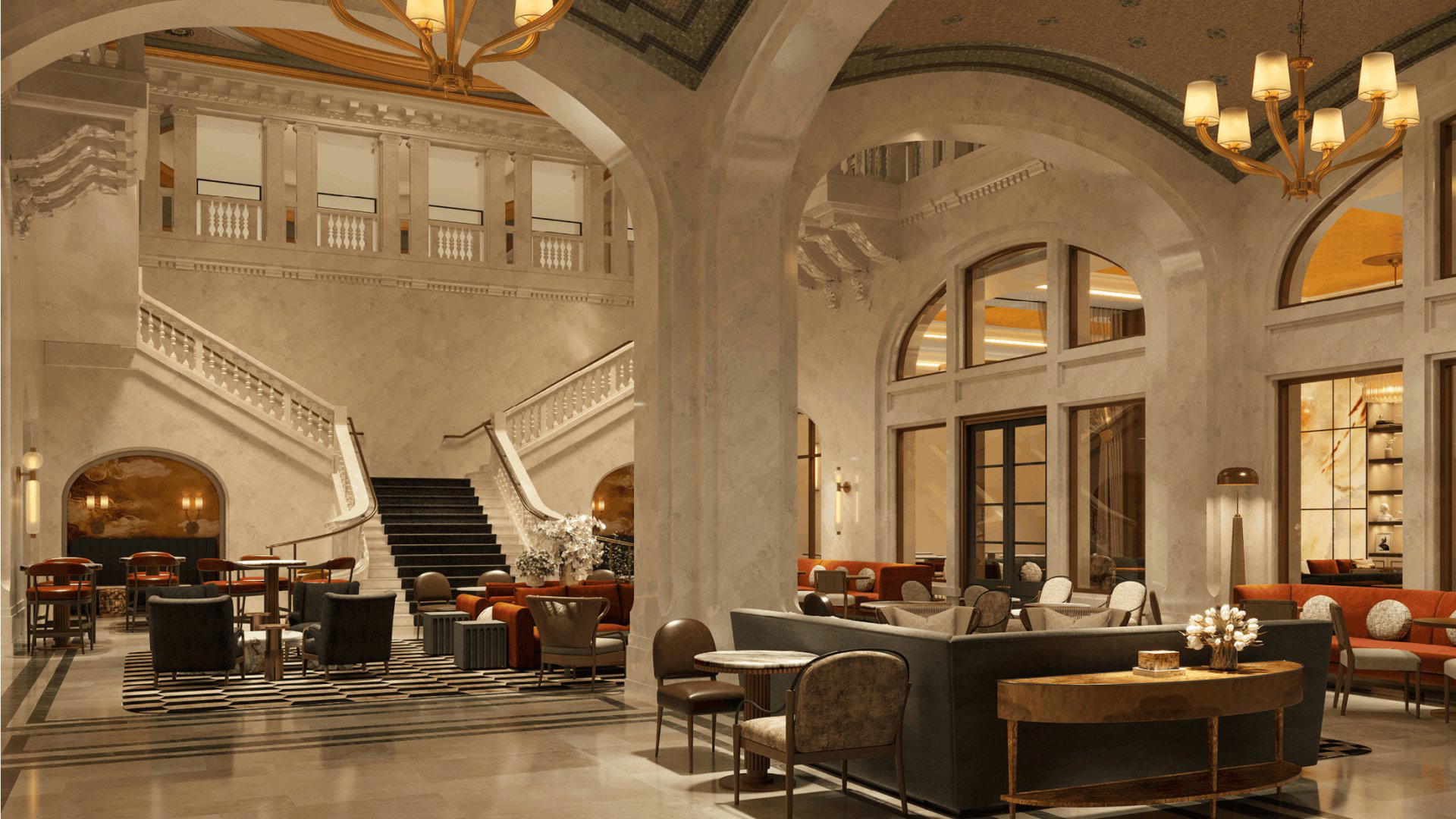
The physical environment on this part of Craig Street tends toward warmth: low light, close tables, and the ambient sound of a room in comfortable use. In the colder months, when Pittsburgh's winters push people indoors between October and March, the atmospheric premium that a well-run Italian room provides becomes particularly legible. A dining room that feels settled rather than staged is not a small thing in a city that gets serious winter. That seasonal dimension shapes how regulars relate to restaurants like Lucca: not as event dining but as somewhere to be, reliably, when the city pulls inward.
For comparison, Pittsburgh's Italian dining scene spans a wide range. At one end, newer openings like Alfabeto pursue a more contemporary Italian format. At the other end, places like 1930 by Atria's anchor themselves in the city's longer Italian-American tradition. Lucca sits between those positions geographically and temperamentally, occupying the neighbourhood-trattoria tier that most major American cities sustain as the backbone of their everyday Italian dining.
Pittsburgh's Italian Dining Tier in Context
Pittsburgh's relationship with Italian cooking is long and specific. The city's historically significant Italian-American communities, concentrated in areas like Bloomfield and the Strip District, established a dining culture that has persisted through multiple waves of restaurant fashion. What that means practically is that the city's diners bring a level of familiarity with Italian-American cooking that raises the baseline expectation: pasta needs to taste of something; sauces need body; portions need to reflect the seriousness with which the city treats its food.
Across the broader American restaurant scene, the neighbourhood Italian category has faced pressure from both directions. At the fine-dining end, Italian cooking has been absorbed into multi-course tasting formats at places like Le Bernardin in New York City or pushed into avant-garde territory at Alinea in Chicago. At the casual end, the category has been commoditised by chains. The mid-register neighbourhood Italian, which offers something more considered than fast-casual without the formality of a tasting room, is the tier that venues like Lucca inhabit, and it is a tier that requires genuine kitchen consistency to hold.
For readers tracking Pittsburgh's restaurant scene more broadly, our full Pittsburgh restaurants guide maps the city's dining across neighbourhoods and price tiers. Oakland specifically is underrepresented in most coverage, which skews toward the Strip District and East Liberty, making the Craig Street corridor worth understanding on its own terms.
The Oakland Neighbourhood Context
Restaurants in Oakland serve a different mix than most Pittsburgh neighbourhoods. The student population creates volume at lunch and early evening, while the residential and professional population around Fifth and Craig provides the steadier dinner trade that sustains a room like Lucca's. The neighbourhood also sits within reasonable reach of Shadyside and Squirrel Hill, two of Pittsburgh's more affluent residential areas, which expands the potential dinner demographic beyond the immediate block.
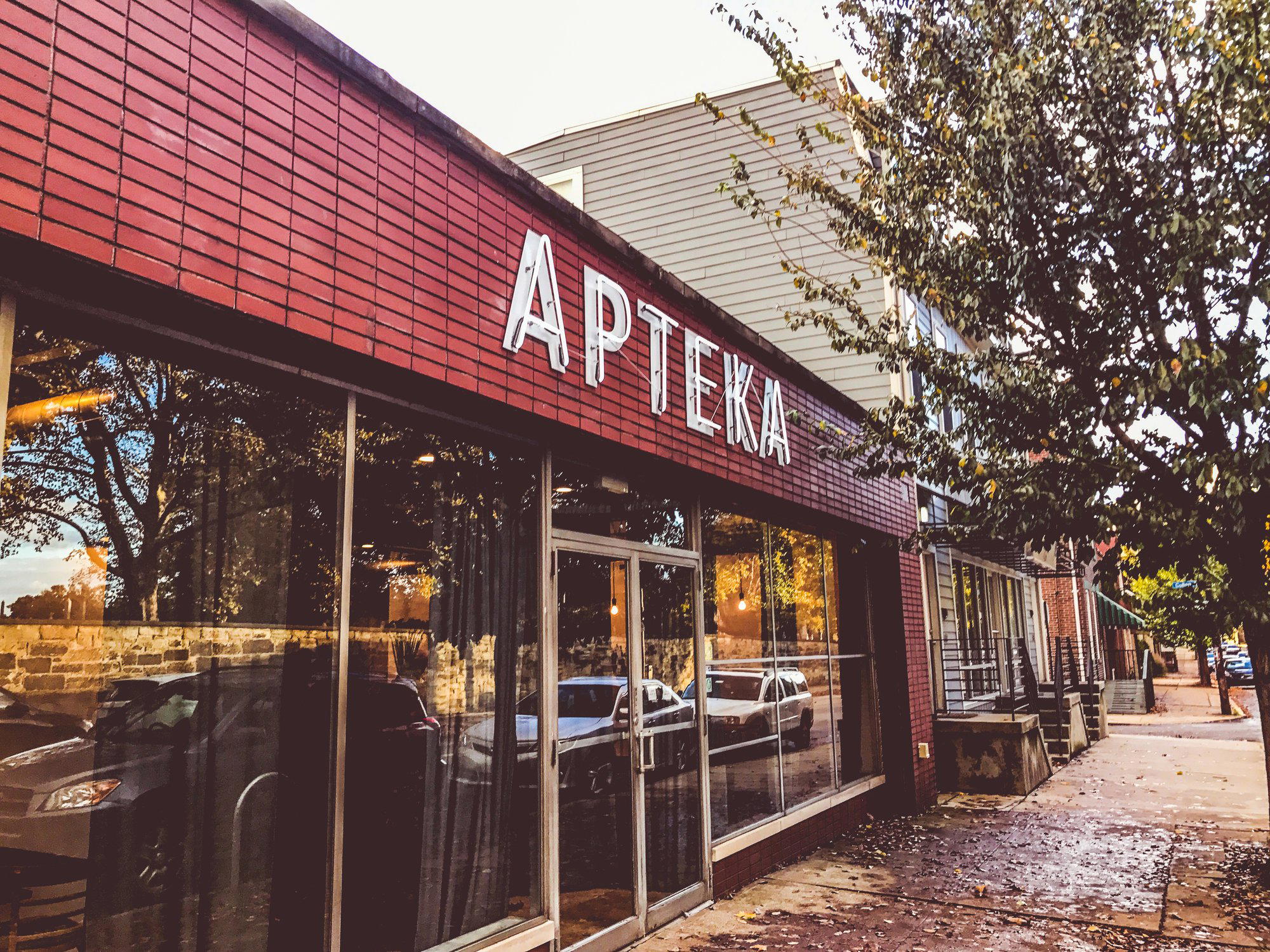
Other dining options in the broader Pittsburgh scene worth knowing include Altius, which operates at a considerably higher price point with panoramic city views, and Apteka, which has built a strong reputation as a plant-forward Central European venue in Polish Hill. The contrast between those two and a neighbourhood Italian like Lucca illustrates the range Pittsburgh now sustains across its dining scene, from the destination-level ambition of a place like Altius to the quieter, more embedded role that Craig Street venues play.
For diners approaching Pittsburgh from outside, the city's Italian dining also sits in a useful national frame. The serious commitment to ingredient sourcing and preparation discipline you find at farm-anchored venues like Blue Hill at Stone Barns in Tarrytown or the technical precision at Single Thread Farm in Healdsburg sets one end of the American dining spectrum. Neighbourhood Italian in a mid-sized American city like Pittsburgh occupies a different but equally legitimate position: its value is not in technical spectacle but in consistency, atmosphere, and the kind of settled cooking that rewards familiarity.
Planning a Visit
317 S Craig Street places Lucca within walking distance of Carnegie Mellon's campus and a short drive from the cultural district around Fifth Avenue. Oakland is accessible by bus from downtown Pittsburgh, and street parking along Craig Street is available, though tighter during peak evening hours on weekdays when the neighbourhood draws both student and residential traffic. For dining in this part of the city, weekday evenings tend to offer a more settled room than weekend nights, when Craig Street sees higher foot traffic from across the university neighbourhood. Visitors combining dinner with a visit to the Carnegie Museums of Art and Natural History, which sit a short walk away on Forbes Avenue, will find the timing works naturally: the museums close in the early evening, leaving Craig Street's restaurants well-positioned for a follow-on dinner.
For those building a broader Pittsburgh itinerary, pairing a Craig Street evening with exploration of the Strip District the following morning, or a visit to Bakersfield Penn Ave for a more casual counter-format experience, creates a useful cross-section of how the city's food culture operates across neighbourhoods and price points.
Frequently asked questions
Is Lucca Ristorante okay with children?
Nothing in the available record excludes families, and South Craig Street's Oakland setting draws a broad mix of diners. That said, the neighbourhood's academic character and the restaurant's positioning toward quieter, considered Italian dining suggests the experience suits older children more comfortably than toddlers. check the venue's official channels at 317 S Craig St to confirm any specific arrangements.
What is the atmosphere like at Lucca Ristorante?
Lucca sits on South Craig Street in Pittsburgh's Oakland neighbourhood, a corridor that operates at a lower volume than the Strip District or East Liberty. The surrounding context — university buildings, cultural institutions along Fifth Avenue — shapes a dining room that skews toward conversation rather than spectacle. It represents the quieter camp of Italian dining rather than the red-sauce-nostalgia format common elsewhere in the city.
How does Lucca Ristorante fit into Pittsburgh's Italian dining scene?
Lucca, at 317 S Craig St in Oakland, positions itself apart from that neighbourhood axis — serving a mixed crowd of academics, cultural-district visitors, and South Craig Street regulars rather than the traditional community dining format. That distinction makes it a useful entry point for visitors who want Italian cooking in Pittsburgh without the red-sauce-nostalgia framing that defines many of the city's longer-established Italian addresses.
What's the must-try dish at Lucca Ristorante?
The editorial context of the restaurant's coverage positions it within Pittsburgh's more considered Italian tier, which typically means housemade pasta and regionally grounded preparations take precedence over American-Italian standards.
How do I find Lucca Ristorante?
Lucca Ristorante is located at 317 S Craig St, Pittsburgh, PA 15213, Pittsburgh.
Do I need a reservation for Lucca Ristorante?
The Oakland dining strip on South Craig Street draws consistent volume from the Carnegie Mellon and University of Pittsburgh communities, with lunch and early evening seeing the highest foot traffic. Booking ahead is a sensible precaution for dinner, particularly on weekends when the neighbourhood's broader dining public fills the corridor. Reach out to Lucca at 317 S Craig St, Pittsburgh, PA 15213 to check availability.
What's the standout thing about Lucca Ristorante?
Lucca's position on South Craig Street in Pittsburgh's Oakland neighbourhood is itself a distinguishing factor: it operates in an area shaped by academic and cultural institutions rather than the city's more overtly commercial dining corridors. Pittsburgh has a long and specific history with Italian-American cooking, concentrated in neighbourhoods like Bloomfield, and Lucca occupies the contemporary side of that tradition rather than trading on nostalgia. That register — quiet, deliberate Italian in a neighbourhood built around ideas — is relatively uncommon in the city.
Peers You’d Cross-Shop
| Venue | Cuisine | Price | Awards |
|---|---|---|---|
| Lucca RistoranteThis venue — the venue you are viewing | Italian Trattoria | Not listed | Not listed |
| Apteka | Vegan Eastern European | $30–50 | James Beard Award Semi Finalist · We're Smart World 3 Radishes |
| FET-FISK | Nordic-Appalachian Seafood | $50–100 | James Beard Award Semi Finalist · Bon Appétit The 20 Best New Restaurants #3 |
| Fig & Ash | Modern American Wood-Fired | $50–100 | Not listed |
| Tupelo Honey - Pittsburgh | Southern Kitchen & Bar | $20–30 | Not listed |
| Bigelow Grille | New American Grill | $20–30 | Not listed |
Continue exploring
More in Pittsburgh
Restaurants in Pittsburgh
Browse all →
Bars in Pittsburgh
Browse all →
Details
- Cozy
- Intimate
- Classic
- Date Night
- Group Dining
- Special Occasion
- Private Dining
- Terrace
- Open Kitchen
- Extensive Wine List
- Local Sourcing
- Street Scene
- A La Carte
- Wine
- Vegetarian Friendly
- Gluten Free Options
Cozy casual atmosphere with Italian-style artwork, soothing fountain, and terrace for aperitivo.