Joseph Tambellini
Our verdict
A Pittsburgh institution on Bryant Street in the Point Breeze neighborhood, Joseph Tambellini occupies the space where Italian-American dining traditions meet the city's evolving appetite for ingredient-led cooking. The restaurant draws on decades of local loyalty and a menu structure that rewards familiarity as much as discovery. For visitors mapping Pittsburgh's serious dining options, it belongs in the same conversation as the city's most committed full-service tables.
- Address
- 5701 Bryant St, Pittsburgh, PA 15206
- Phone
- (412) 665-9000
- Website
- josephtambellini.com
- Directions
- Get directions
The menu
What to order
- Tambellini's Famous Fried Zucchini
- Crab Balls
Bryant Street and the Weight of Expectation
Point Breeze sits at an interesting remove from Pittsburgh's more photographed dining corridors. The neighborhood runs quieter than Lawrenceville or the Strip District, and restaurants that take root here tend to do so because the food earns the detour rather than the foot traffic providing cover for mediocrity. At 5701 Bryant Street, Joseph Tambellini has occupied that position for long enough that it has become, for many Pittsburgh diners, a reference point rather than a discovery. That kind of longevity in a mid-sized American city is not decorative. It reflects a menu logic and a service posture that has kept regulars returning while remaining legible to first-time visitors.
Pittsburgh's Italian-American dining tradition runs deep, shaped by the immigrant communities that moved through the city's industrial decades and left behind a culinary infrastructure that still organizes where people eat on significant occasions. Joseph Tambellini sits squarely within that tradition while operating at a pitch that places it above the red-sauce neighborhood staple category. The distinction matters when you're trying to understand where the restaurant fits in the city's current dining order, which has become considerably more competitive over the past decade with the arrivals tracked in our full Pittsburgh restaurants guide.
How the Menu Is Built, and What That Tells You
Italian-American menus in the United States tend to organize around one of two philosophies: the greatest-hits model, which leans on known crowd pleasers executed at a consistent baseline, and the ingredient-driven model, which uses Italian structure as a framework but makes the sourcing the editorial voice. The more interesting tables in this category operate somewhere between both, using familiar architecture to reduce the cognitive load on diners while sharpening the execution at each course to the point where familiarity becomes precision rather than repetition.
Joseph Tambellini's menu follows the classic course progression that Italian-American formal dining has inherited from its source traditions: antipasti to build the table, pasta as a structural midpoint, and proteins as the anchor of the main course. What distinguishes kitchens that handle this format well is restraint at each stage. A menu that overloads the antipasti section leaves diners fatigued before the pasta arrives. One that treats pasta as a transitional formality rather than a destination undersells the category's expressive potential. The restaurants that earn sustained loyalty in this format are the ones where each section has a reason to exist beyond menu padding.
This architecture also creates a useful signal for the kitchen's ambitions. Compare it to what's happening at a place like Alfabeto, which takes a more compressed, modern Italian approach, or 1930 by Atria's, which operates with its own historical reference point. Each represents a different interpretation of what Italian cooking means in a Pittsburgh context. Joseph Tambellini's version is the one most invested in the formal occasion format, where the meal has a duration and a sequence rather than arriving as a series of small decisions.
Pittsburgh's Formal Dining Tier, Mapped
To understand what Joseph Tambellini offers, it helps to understand the broader tier it occupies. Pittsburgh's upper-middle dining bracket has expanded since the city's economic reinvention gathered pace, with tables like Altius anchoring the view-driven special-occasion category and Apteka representing the plant-forward progressive end of the city's serious dining. Joseph Tambellini competes in a different register from either: it is the table you choose when the occasion calls for a certain formality and when Italian-American cooking in the fuller, course-structured sense is the specific appetite in play.
That positioning has a national parallel. The American Italian dining tradition at its upper tier produces some of the country's most technically demanding kitchens. Le Bernardin in New York City and 8 1/2 Otto e Mezzo Bombana in Hong Kong represent the category at its most decorated end globally. Domestically, the benchmark tables for Italian-inflected fine dining include venues like Alinea in Chicago and The French Laundry in Napa, though those operate in a different format and price tier entirely. The comparison is not equivalence but orientation: Pittsburgh's leading Italian-American restaurants are evaluated against the standards the genre sets nationally, and the ones that survive decades of increasing competition do so by maintaining rigor within the format rather than abandoning it for novelty.
For a sense of how other American cities handle the formal Italian occasion format, Emeril's in New Orleans provides a useful reference for how chef-driven heritage restaurants hold their position across changing dining cultures. Providence in Los Angeles and Addison in San Diego illustrate how sustained critical investment reads on a national level. Joseph Tambellini operates without that level of national recognition, but within Pittsburgh's dining ecology, it occupies a comparably reliable position for diners who know what they are looking for.
Planning Your Visit
Point Breeze is accessible from central Pittsburgh by car in under fifteen minutes from most downtown addresses, and the Bryant Street location offers parking that larger urban dining corridors cannot. For visitors staying in the East End or the Shadyside area, the restaurant sits within easy reach and pairs sensibly with exploration of the neighborhood's quieter blocks. Those coming from further afield and building a Pittsburgh dining itinerary should note that the formal occasion format here suits an evening commitment rather than a quick dinner between other plans. The course progression rewards patience.
Given the restaurant's standing as a local institution, reservations are the sensible approach for weekend evenings and for any Friday that falls near a local event calendar. The neighborhood's lower foot-traffic profile means weeknight tables are generally more available, and weeknight dining here tends to carry the room's more settled rhythm. Visitors also building out Pittsburgh's broader dining picture might consider pairing a meal here with something in a contrasting register: Bakersfield Penn Ave for a more casual counterpoint, or the progressive edge represented by tables like Lazy Bear in San Francisco as a benchmark for what the opposite end of the American dining spectrum currently looks like. Locally, anyone building a picture of where Pittsburgh's dining is heading should also look at Atomix in New York City and Blue Hill at Stone Barns in Tarrytown for a sense of how ingredient narrative is reshaping the special-occasion format nationally, and at The Inn at Little Washington and Single Thread Farm in Healdsburg for the estate-driven hospitality model that increasingly defines serious dining at the top tier.
Frequently asked questions
Where exactly is Joseph Tambellini?
Joseph Tambellini is located at 5701 Bryant St, Pittsburgh, PA 15206, Pittsburgh.
Is Joseph Tambellini a good choice for a business dinner in Pittsburgh?
The course-structured format and the restaurant's long-standing reputation in Pittsburgh's Point Breeze neighborhood make it a functional setting for a business dinner where the meal itself is expected to hold some weight. The Bryant Street location at 5701 Bryant St sits outside the downtown corridor, which can work in its favor for hosts who want separation from the usual convention-hotel circuit. Italian-American course dining at this register tends to allow conversation to move at a natural pace between courses, which suits business contexts better than tasting-menu formats.
What should I eat at Joseph Tambellini?
The pasta section is the most informative part of the menu in any course-structured Italian-American format, and that holds at Joseph Tambellini. Across this style of kitchen, housemade or slow-cooked pasta dishes tend to reflect the kitchen's actual ambition more accurately than appetizers or mains. Start there, treat the pasta as a course rather than a side, and let the rest of the meal build around it. The Bryant Street address has sustained this format through Pittsburgh's dining shifts, which is itself an indicator of where the kitchen's confidence sits.
How far ahead should I plan for Joseph Tambellini?
Weekend tables at Joseph Tambellini, particularly Friday and Saturday evenings, move through a combination of regulars and occasion diners who know the room's standing in Pittsburgh's formal dining tier. Booking at least one to two weeks ahead for weekend dinners is a reasonable baseline. For holidays, anniversaries, or any Saturday near a Pittsburgh event weekend, extend that to three or four weeks. The restaurant's decades-long position as a Point Breeze institution means it draws a loyal repeat clientele that competes for the same peak slots.
Recognition, Side-by-Side
Comparable venues nearby, for context on price, style, and recognition.
| Venue | Cuisine | Price | Notes |
|---|---|---|---|
| Joseph TambelliniThis venue — the venue you are viewing | Italian Fine Dining | Not listed | Not listed |
| Senti Restaurant | Modern Italian | Not listed | Lower Lawrenceville |
| The Terrace Room | Classic American Fine Dining | $50–100 | Central Business District |
| Palm Palm | Modern Coastal American Small Plates | $30–50 | East Liberty |
| Nancettas Ristorante | Authentic Italian | $30–50 | Lincoln-Lemington-Belmar |
| LA Dolce Vita | Traditional Italian Trattoria | $30–50 | South Side Slopes |
Continue exploring
More in Pittsburgh
Restaurants in Pittsburgh
Browse all →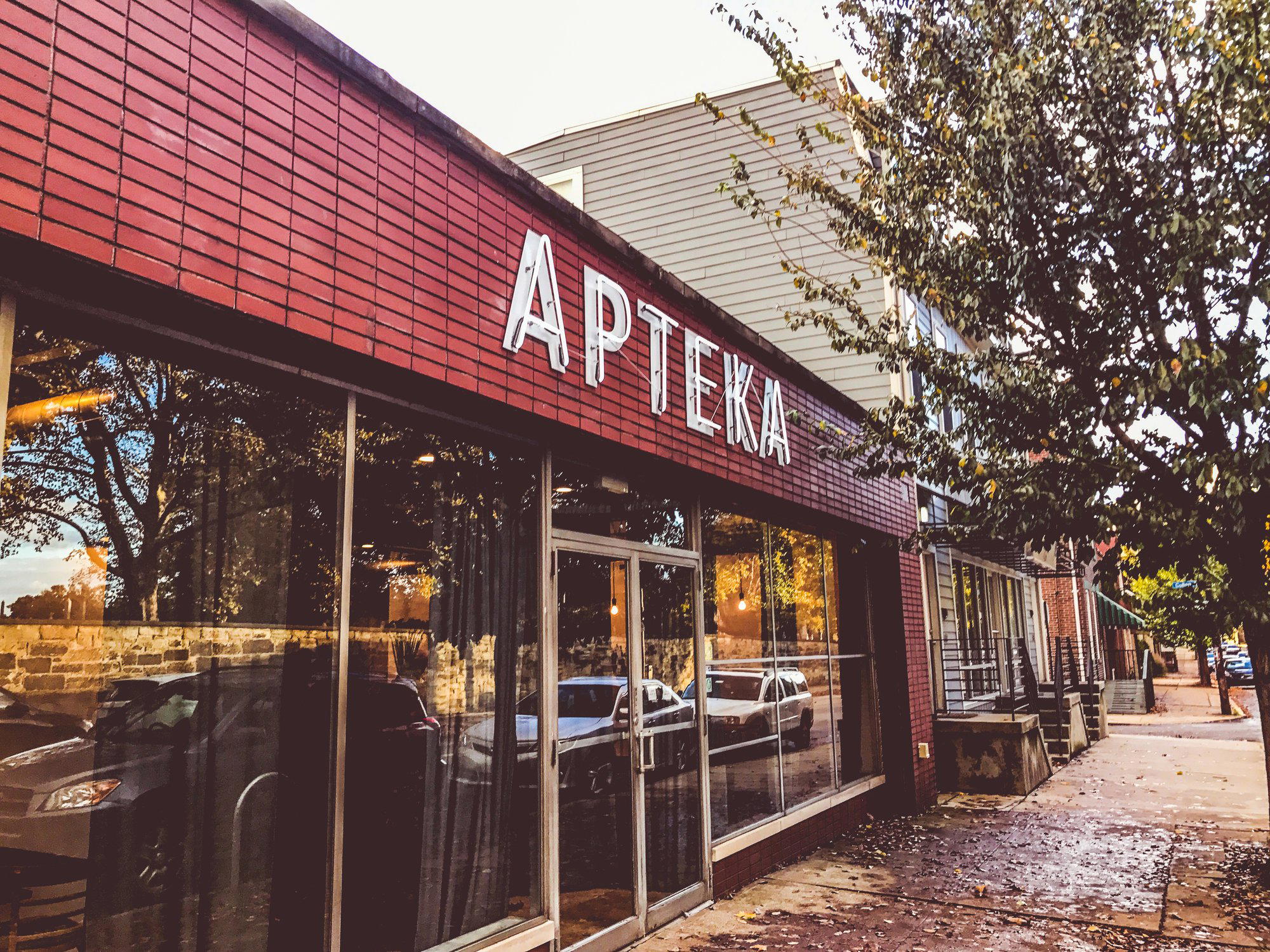
Bars in Pittsburgh
Browse all →
Details
- Elegant
- Sophisticated
- Classic
- Intimate
- Date Night
- Special Occasion
- Business Dinner
- Private Dining
- Extensive Wine List
- A La Carte
- Vegetarian Friendly
- Gluten Free Options
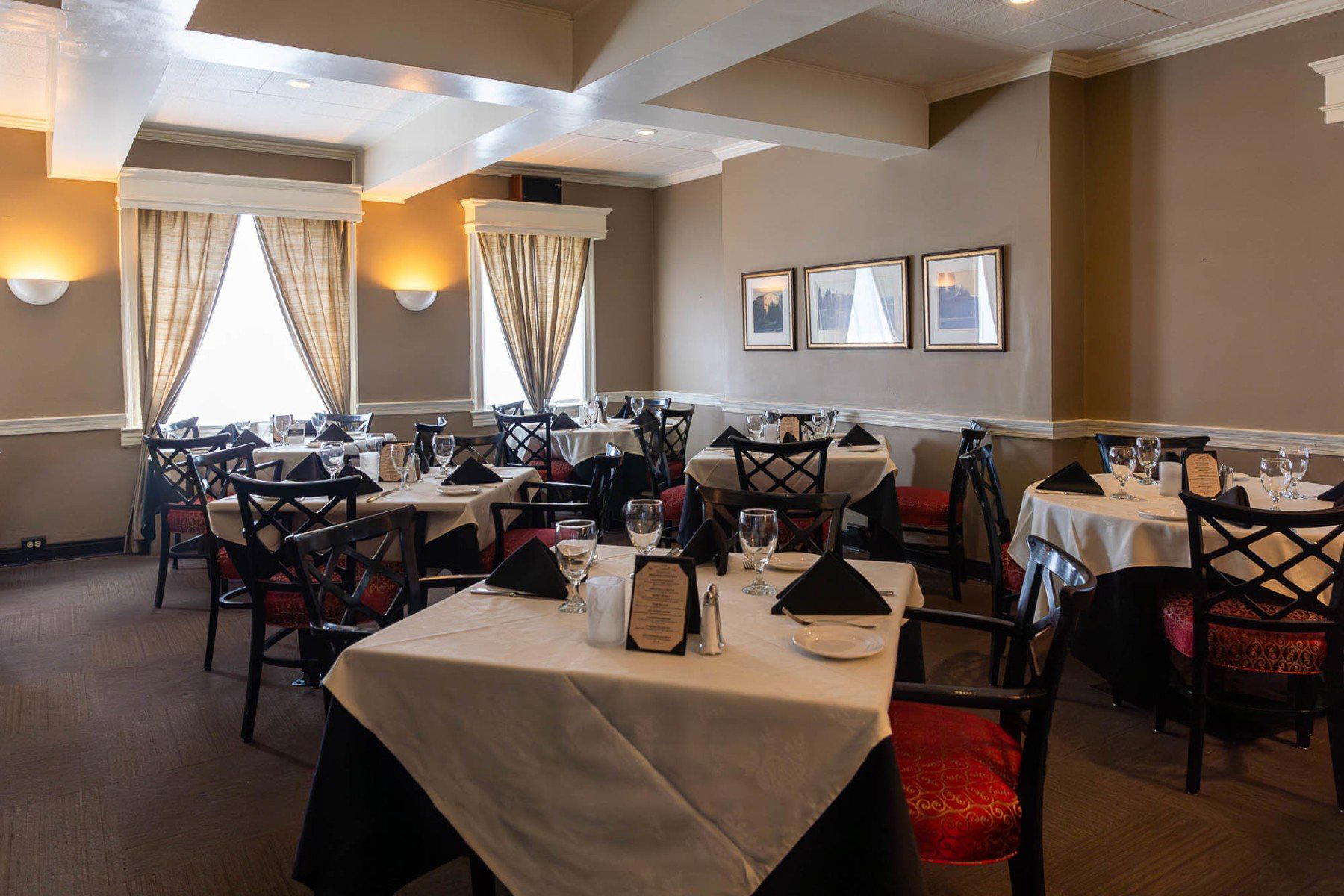
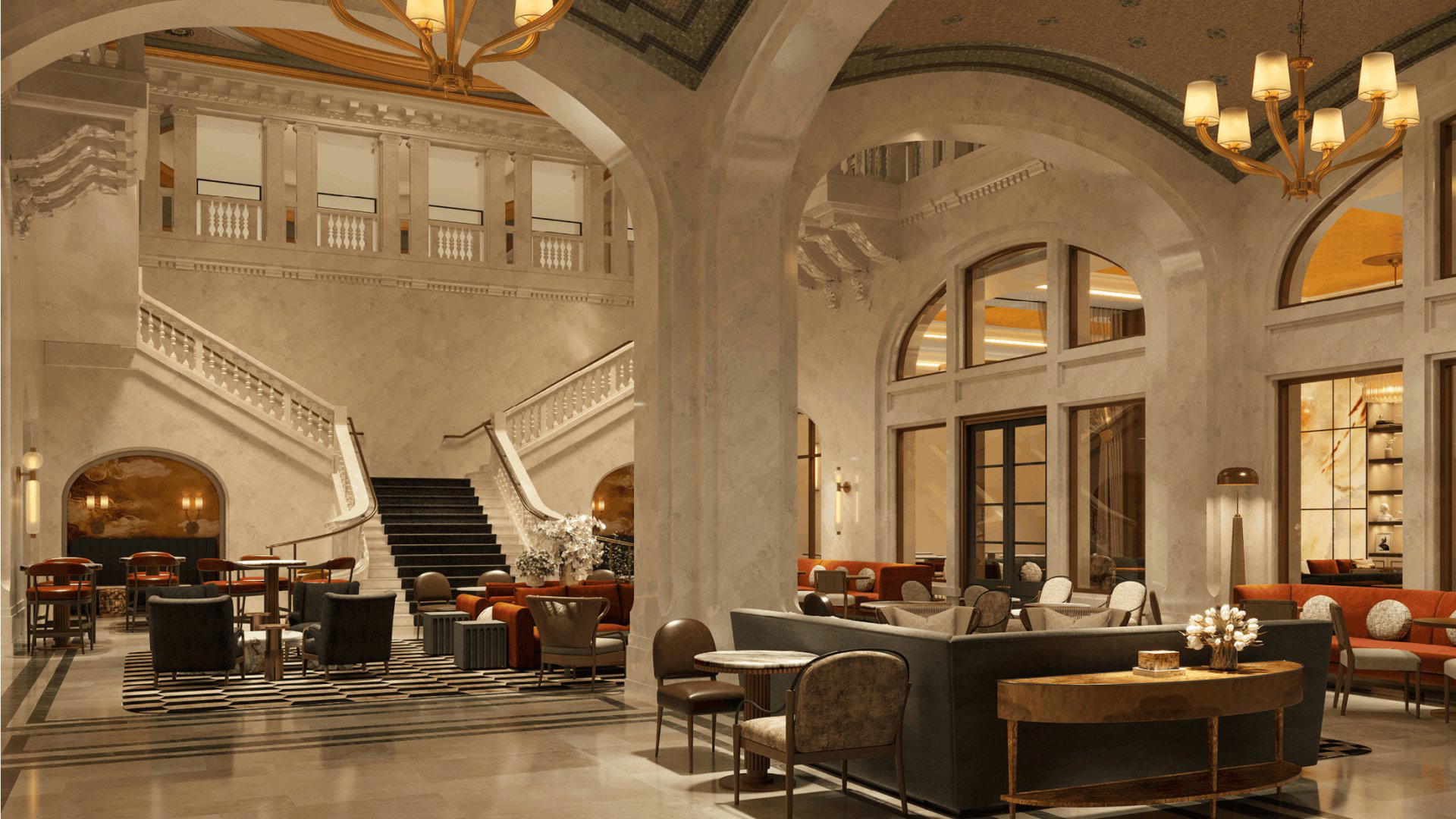
Pleasant and relaxing with elegant, fine dining atmosphere across multiple floors each with distinctive character.