Lucali

Our verdict
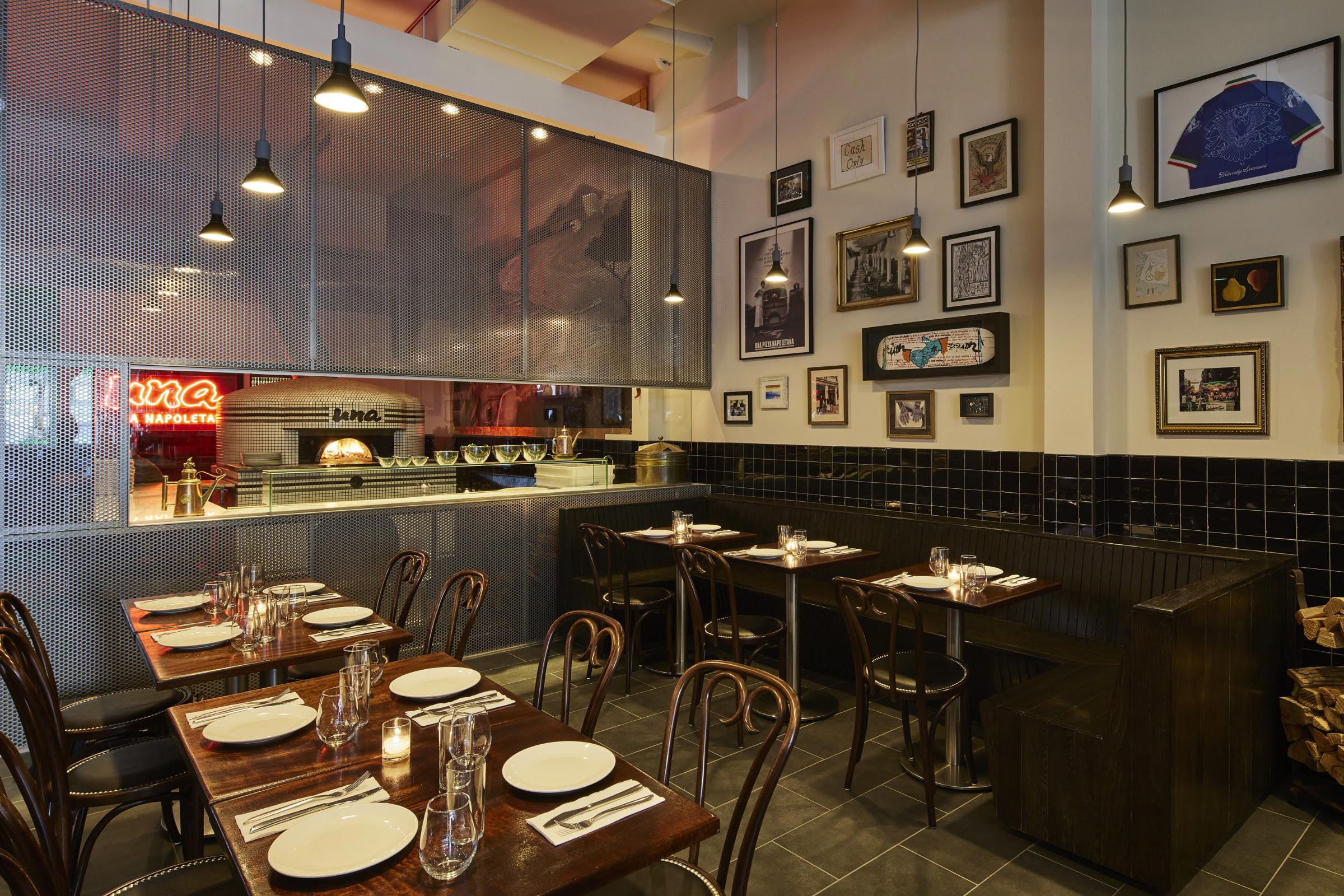
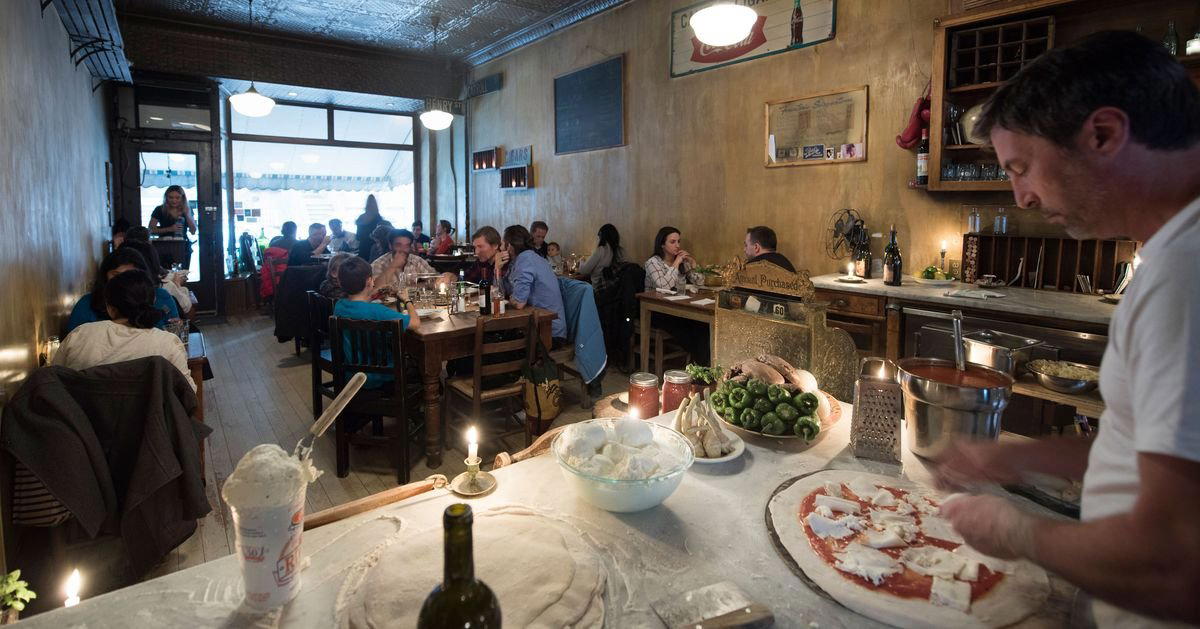
On a quiet Carroll Gardens block, Lucali has spent nearly two decades redefining what a New York pizza can be. The coal-fired pies here occupy a different tier than the city's fast-casual slice culture, drawing queues that form hours before the doors open. Cash-only, no reservations at the door, and a spare room with candles on the table: the format is as deliberate as the product.

Pearl is the En Primeur Club membership app, where members save venues, book tables and use the concierge.
New York's pizza culture splits along several axes. There is the fold-and-walk slice, the Neapolitan import with its certified 00 flour and wood-fired protocol, and then a smaller category of neighbourhood institutions where technique, format, and reputation have compounded over time into something that draws visitors from across the five boroughs and beyond.
Evening as the Default Mode
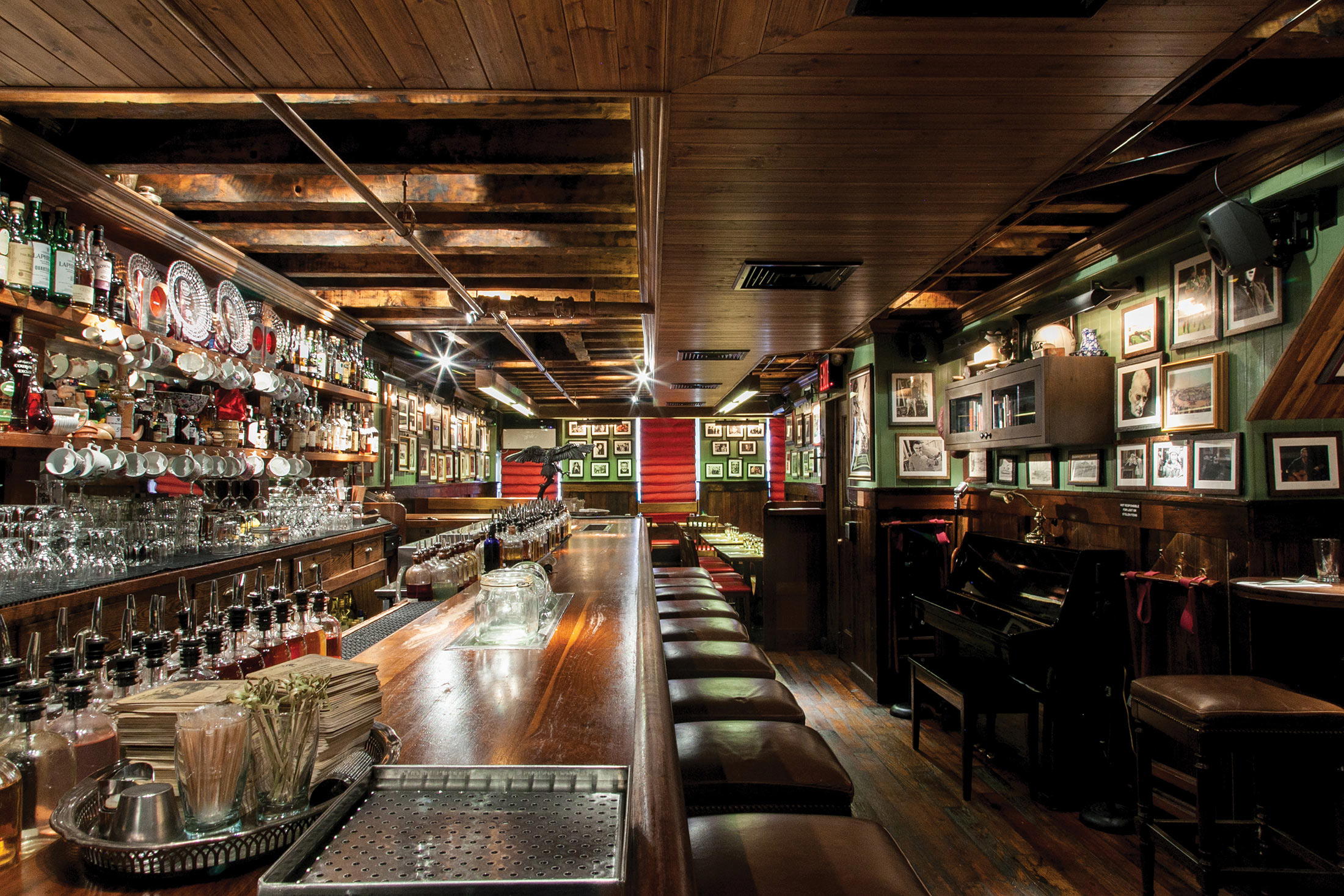
Lucali does not operate a lunch service in the conventional sense. The evening format defines the place: doors open in the late afternoon, the room fills quickly, and the combination of candlelight, BYOB bottles, and a long wait for a table gives the meal a tempo that is closer to a dinner event than a casual drop-in. The editorial angle of lunch versus dinner is largely moot here because the room exists primarily in its evening register. That means the relevant comparison is not between a brisk midday meal and a leisurely night out, but between the experience of arriving early versus arriving late.
Early service, before the room reaches capacity, carries a quieter rhythm. The candles are freshly lit, the noise level has not yet climbed, and the pies arrive with slightly less wait time between order and table. Later arrivals, particularly those who join the queue after opening, face longer holds but enter a room already humming with the particular social energy that comes from a shared, slightly inconvenient commitment to the same meal. Both versions are recognisably Lucali, but the early window rewards patience with a more contemplative version of the same experience.
The BYOB policy shapes both modes considerably. Without a bar program to anchor the room, guests arrive with their own bottles, which changes the pace and the economics of the meal in ways that a standard wine list cannot replicate. It also redistributes value: a table at Lucali costs less per head than the tasting menu tiers occupied by restaurants like Le Bernardin, Atomix, or Masa, but the ritual of sourcing and bringing your own wine introduces a different kind of deliberateness to the planning.
The Pizza in Its Category Context
The pies at Lucali are coal-fired and thin-crusted, made to order and sized for sharing. The menu is short by design: pizza and calzone, with a limited set of topping additions. That compression is a strategic position, not a limitation. In a city where many kitchens compete on elaboration and novelty, a menu this spare places all evaluative weight on the base product. Crust texture, sauce balance, cheese pull, char distribution: these become the only variables, and there is nowhere to hide if any of them falters.
That constraint connects Lucali to a broader tradition of pizzerias that have built reputations on a single format executed at a high level over many years. The model has parallels in other American cities with strong pizza cultures, though New York's version carries the additional pressure of a particularly opinionated dining public. In that context, sustaining a multi-year queue culture without expanding into multiple locations or a fast-casual offshoot represents a deliberate choice about scale and quality control.
For readers who follow the full range of New York dining at the serious end, the comparison set for Lucali is not the same as it is for Eleven Madison Park or Per Se. Those rooms operate in the formal tasting-menu register where price, service protocol, and kitchen ambition are all calibrated together. Lucali occupies a different position entirely, one where informality, scarcity of access, and product purity form the competitive logic. Both traditions are credible; they are simply solving different problems for different diners.
Across the broader American dining map, the single-focus, reputation-driven format appears in different guises: Lazy Bear in San Francisco, Smyth in Chicago, and Blue Hill at Stone Barns in Tarrytown each represent a version of the high-commitment, destination-dining proposition. Lucali's version is less formal and lower in price, but the psychological dynamic for the guest is similar: you plan around it, you wait, and the experience is partly constituted by that anticipation.
For a broader view of where Lucali sits within the city's full dining range, our full New York City restaurants guide maps the scene across neighbourhood, format, and price tier. Further comparisons can be drawn from destination-driven restaurants across the country, including The French Laundry in Napa, Providence in Los Angeles, Addison in San Diego, Single Thread Farm in Healdsburg, Emeril's in New Orleans, The Inn at Little Washington, and Frasca Food & Wine in Boulder. For European parallels in the single-product, craft-first tradition, Atelier Moessmer Norbert Niederkofler in Brunico and Dal Pescatore in Runate offer instructive contrasts in how restraint and focus operate in different culinary cultures.
Planning Your Visit
Carroll Gardens is accessible via the F and G trains at Carroll St station. Reservations: Lucali does not take advance reservations in the conventional sense; the standard approach is to arrive early and add your name to a walk-in list, with waits that can extend to two hours or more on busy evenings. Payment: Cash only; plan accordingly. Drinks: BYOB with no corkage fee, which makes wine selection a pre-arrival task rather than a table decision. Timing: The early window after doors open represents the lowest-friction entry point; later arrivals trade wait time for a fuller, louder room.
Frequently asked questions
What part of town is Lucali in?
Lucali is located at 575 Henry St, Brooklyn, NY 11231, New York City.
Is Lucali only known locally, or does it draw visitors from outside Brooklyn?
Lucali at 575 Henry St draws from well outside Carroll Gardens, the walk-in queue on any given evening includes regulars from across the boroughs alongside visitors who have specifically routed a New York City trip through Brooklyn for it. That pull is sustained without Michelin recognition or a formal awards profile, which places it in a category of reputation built entirely on word-of-mouth and press attention rather than institutional credentials.
What do people recommend at Lucali?
The plain pizza is the standard first order at 575 Henry St, it establishes the baseline of the coal-fired crust before any toppings complicate the read. The calzone runs a close second in terms of repeat orders. The menu is short enough that there is no wrong direction, but the pie is the point.
Can I walk in to Lucali?
Walk-ins are how Lucali actually works. There is no conventional advance reservation system, so the move is to arrive early, add your name to the list, and expect a wait that can stretch into the evening depending on how many others had the same idea. Carroll Gardens is a residential block, not a dining strip, so there is no queue infrastructure, just the door on Henry Street.
Price and Positioning
Comparable venues nearby, for context on price, style, and recognition.
| Venue | Cuisine | Price | Awards | Notes |
|---|---|---|---|---|
| LucaliThis venue (the venue you are viewing) | Thin-Crust Pizza | $30–50 | Not listed | Not listed |
| Jr & Son | Modern Italian-American Tavern | $50–100 | The New Yorker The Best Things I Ate | Williamsburg, Modern Italian-American Tavern |
| Best Pizza | Classic New York wood-fired pizza | $10–20 | Not listed | Williamsburg, Classic New York wood-fired pizza |
| Falansai | Vietnamese-Mexican Fusion | $30–50 | Michelin Bib Gourmand · Star Wine List | Bushwick, Vietnamese-Mexican Fusion |
| Pizza Secret | Authentic Neapolitan Pizza | $20–30 | 50 Top Pizza World #95 | Park Slope, Authentic Neapolitan Pizza |
| Gigi Curry & Noodle Bar | Thai Curry & Udon Noodles | $10–20 | Star Wine List | Bushwick, Thai Curry & Udon Noodles |
Recognition history
Dated appearances from independent guides and award organizations, with the underlying list record or original source where available.
Opinionated About Dining Cheap Eats in North America Ranked #40
Opinionated About Dining