
Michelin Plate
Our verdict
A Michelin Bib Gourmand recipient in Ixelles, L'épicerie Nomad serves a format-free Mediterranean menu where ceviche, zarzuela, and shakshuka appear on the same slate without hierarchy. Tightly packed tables, a wine list curated to match the kitchen's range, and a price point well inside the Ixelles mid-tier make it one of the neighbourhood's more practical arguments for Bib Gourmand recognition.

Pearl is the En Primeur Club membership app, where members save venues, book tables and use the concierge.
The menu
What to order
- Sea_bream_fillet
- Beef_carpaccio
- Tuna_tataki
Where the Format Disappears
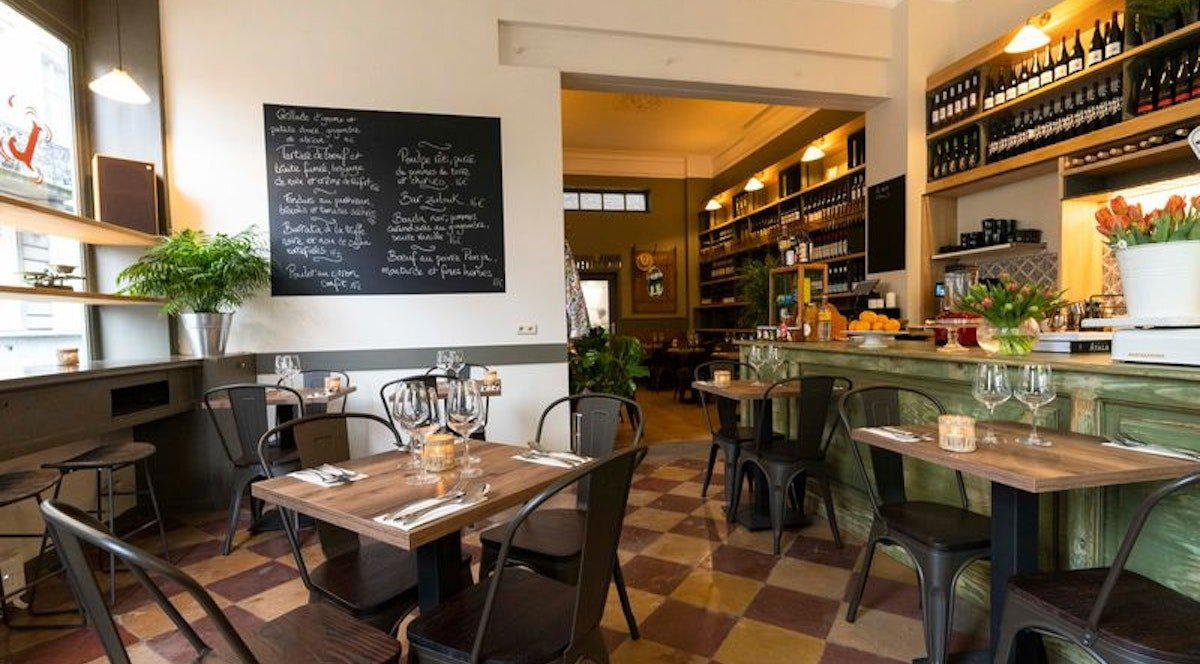
Along Rue Keyenveld in Ixelles, the modest frontage of L'épicerie Nomad gives little away. Inside, tables press close together in the manner of a neighbourhood bistro that has run out of room precisely because it works. The room carries that particular Brussels energy: multilingual, unhurried at the table but attentive in the kitchen. It is the kind of space where the geography of a dish matters less than whether it holds together on the plate.
The structural decision that defines the menu here is the absence of a starter-main distinction. The slate arrives as a single list, and the expectation is that diners compose their own sequence. This is a format that has become more common across mid-tier European dining over the past decade, partly as a practical response to kitchen economies, partly as a genuine philosophical position. At L'épicerie Nomad, it functions because the food across that slate is genuinely varied in weight and temperature rather than uniform in portion size with the labels removed.
Mediterranean Reach, Brussels Sensibility
The Mediterranean label covers considerable ground, and what chef Mathias Dandine uses it to mean at L'épicerie Nomad is worth examining. The kitchen draws across the full arc of that coastline: North African shakshuka, Spanish zarzuela of seafood, Peruvian-inflected ceviche of seabass with mango and passion fruit. The approach is pluralist without being scattered. Dishes from different traditions sit on the same menu because the flavour logic connecting them is more important than the flag of origin.
That kind of cooking is harder to execute than it reads on a menu. The risk in spanning multiple culinary traditions on a single slate is a loss of coherence, the sense that the kitchen is assembling references rather than cooking. For context within Ixelles, the neighbourhood's Michelin-recognised tables include Humus x Hortense at the starred tier and a price point several brackets higher. L'épicerie Nomad's Bib Gourmand sits in different company, alongside value-focused recognition that rewards cooking quality relative to price rather than absolute complexity.
The Wine Programme and Why It Matters Here
The editorial angle on L'épicerie Nomad's wine list is that it has to do real work. A kitchen that moves from North African egg dishes to Spanish seafood stews to citrus-forward South American-influenced ceviche in a single service creates a demanding matching context. The programme, described in the Michelin citation as carefully curated, is a claim that deserves scrutiny: in Mediterranean-range kitchens at this price tier, wine lists frequently default to the familiar southern French or Italian anchor points and leave the wider menu fending for itself.
What the format of the menu encourages, logistically, is that diners think about their drink choice in relation to the full table rather than a single main course. The by-the-glass range becomes more relevant than in a conventional multi-course format, because two people ordering from opposite ends of the flavour spectrum at the same table need the list to offer genuine flexibility. Wines from the broader Mediterranean basin, from Greece, Lebanon, southern Italy, and the Iberian coast, typically handle this range better than Burgundy-anchored lists, and there are enough producers working at accessible price points across those regions to populate a coherent programme without drifting into curiosity-catalogue territory.
For readers who approach a meal here with the wine-first instinct, the practical advice is to communicate early. A kitchen operating without a fixed course structure means the pacing of service is more fluid, and a good front-of-house team will sequence glasses around that rather than applying a fixed pairing logic designed for a different menu shape.
L'épicerie Nomad in the Ixelles Context
Ixelles positions itself as Brussels' most internationally varied dining neighbourhood, a claim borne out by the range on Rue Keyenveld and the surrounding streets. The €€ price range at L'épicerie Nomad places it below Kamo and Amen, which operate at the €€€ tier, and well below the Humus x Hortense starred bracket. It sits closer in positioning to Chou and above the entry-level tier represented by Car Bon. Within that mid-tier, the Bib Gourmand carries specific weight because it requires a price ceiling alongside cooking quality, making it a more useful signal for value-to-quality ratio than a star, which carries no price obligation.
Across Belgium more broadly, starred kitchens set a high benchmark: Hof van Cleve in Kruishoutem, Boury in Roeselare, Zilte in Antwerp, Willem Hiele in Oudenburg, and Bartholomeus in Heist represent a range that extends well beyond Brussels. In that national context, the capital's Bib Gourmand addresses like L'épicerie Nomad represent a distinct category: cosmopolitan, accessible in price, and oriented toward the kind of daily dining that starred addresses rarely attempt. Within Brussels itself, Bozar Restaurant represents the capital's higher-register formal dining, reinforcing how different L'épicerie Nomad's register and ambition are.
Elsewhere in the Mediterranean genre, comparison addresses like La Brezza in Ascona and Arnaud Donckele & Maxime Frédéric at Louis Vuitton in Saint-Tropez operate at entirely different price registers and scale of production. The category is broad enough to encompass both, but the cooking logic at L'épicerie Nomad belongs to a street-level neighbourhood tradition rather than to resort or grand-restaurant Mediterranean.
Planning a Visit
L'épicerie Nomad is located at Rue Keyenveld 56 in the 1050 postcode, which puts it in walking distance of the Place Fernand Cocq axis and the main Ixelles commercial corridor. At the €€ price point with Bib Gourmand recognition, the room fills. Walk-in availability varies with the day and season; the tightly packed format means turnover exists, but arriving without a reservation on a Friday or Saturday evening carries real risk. Reaching the restaurant is direct by metro or tram via the Ixelles stops on the pre-metro network, or a short walk from the Etterbeek or Matonge areas. For those building a broader stay around the neighbourhood, the Ixelles hotels guide, bars guide, wineries guide, and experiences guide map out what the neighbourhood offers on either side of the table. The full Ixelles restaurants guide places L'épicerie Nomad inside the broader dining picture.
Frequently asked questions
Who is the chef at L'épicerie Nomad?
The chef associated with L'épicerie Nomad is Mathias Dandine.
Can I walk in to L'épicerie Nomad?
L'épicerie Nomad's Bib Gourmand recognition for 2025 has sharpened demand at Rue Keyenveld 56, and the compact room fills quickly. Walk-ins are possible during quieter service windows, but turning up without a reservation on a weekend evening carries real risk of a wait or a refusal. Arriving early at the start of a service shift gives the best chance of securing a table without a booking.
| Venue | Cuisine | Price | Awards | Notes |
|---|---|---|---|---|
| L'épicerie NomadThis venue (the venue you are viewing) | Global Fusion Small Plates | $20–30 | Michelin Plate | Not listed |
| Kamo | Modern Japanese Fine Dining | $100–150 | 1 Michelin Star | Japanese |
| Humus x Hortense | Plant-Based Gastro-Botanical Fine Dining | $200–300 | 1 Michelin Star · We're Smart World Top 100 #10 | Creative |
| Amen | Modern European | $50–100 | Michelin Plate | Not listed |
| Car Bon | Authentic Sichuan Chinese | $20–30 | Michelin Bib Gourmand | Not listed |
| Le Saint Boniface | Bouchon Lyonnais & Southwest French | $50–100 | Michelin Plate | Not listed |
Recognition history
Dated appearances from independent guides and award organizations, with the underlying list record or original source where available.
Michelin Plate
Michelin
Full recognition history (3 entries)
Michelin Bib Gourmand
Michelin
Michelin Bib Gourmand
Michelin
Continue exploring
More in Ixelles
Restaurants in Ixelles
All restaurants in Ixelles →
Bars in Ixelles
Browse all →
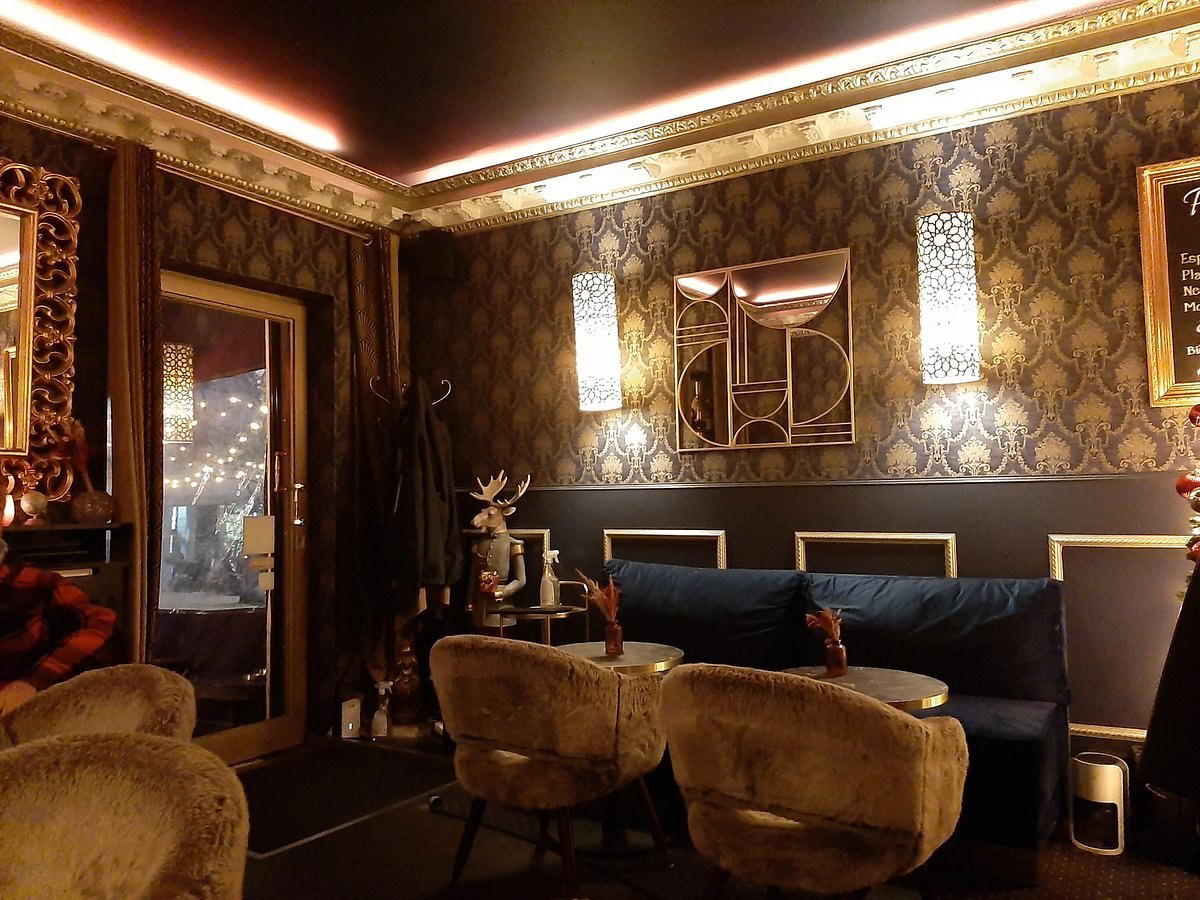
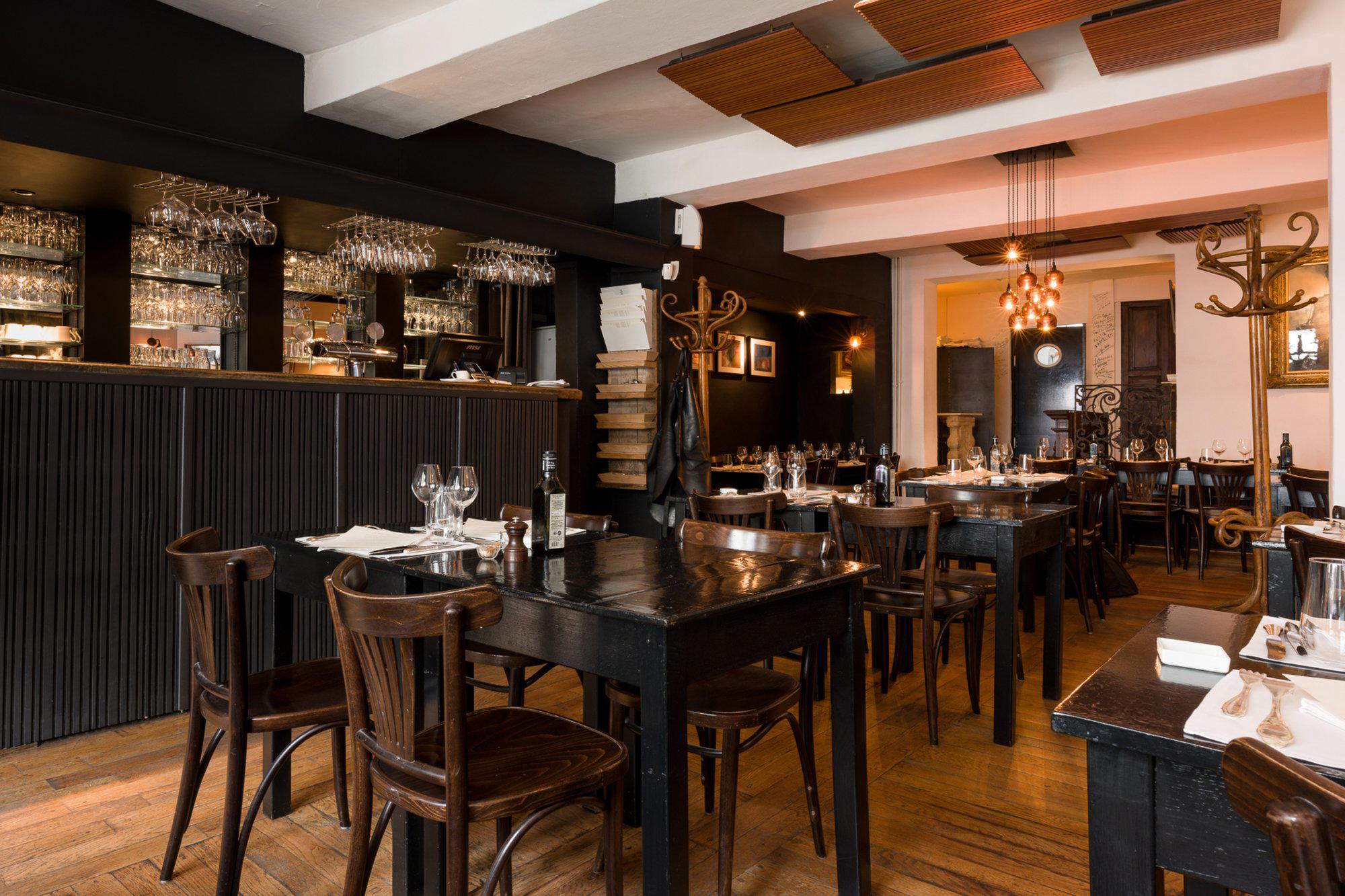
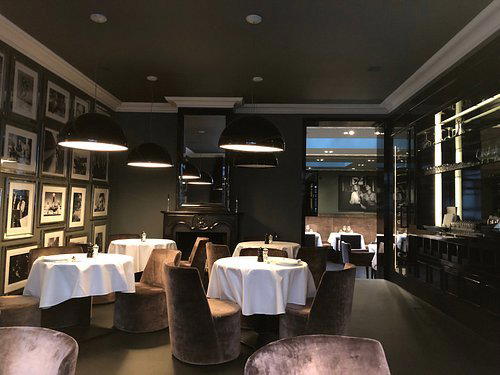
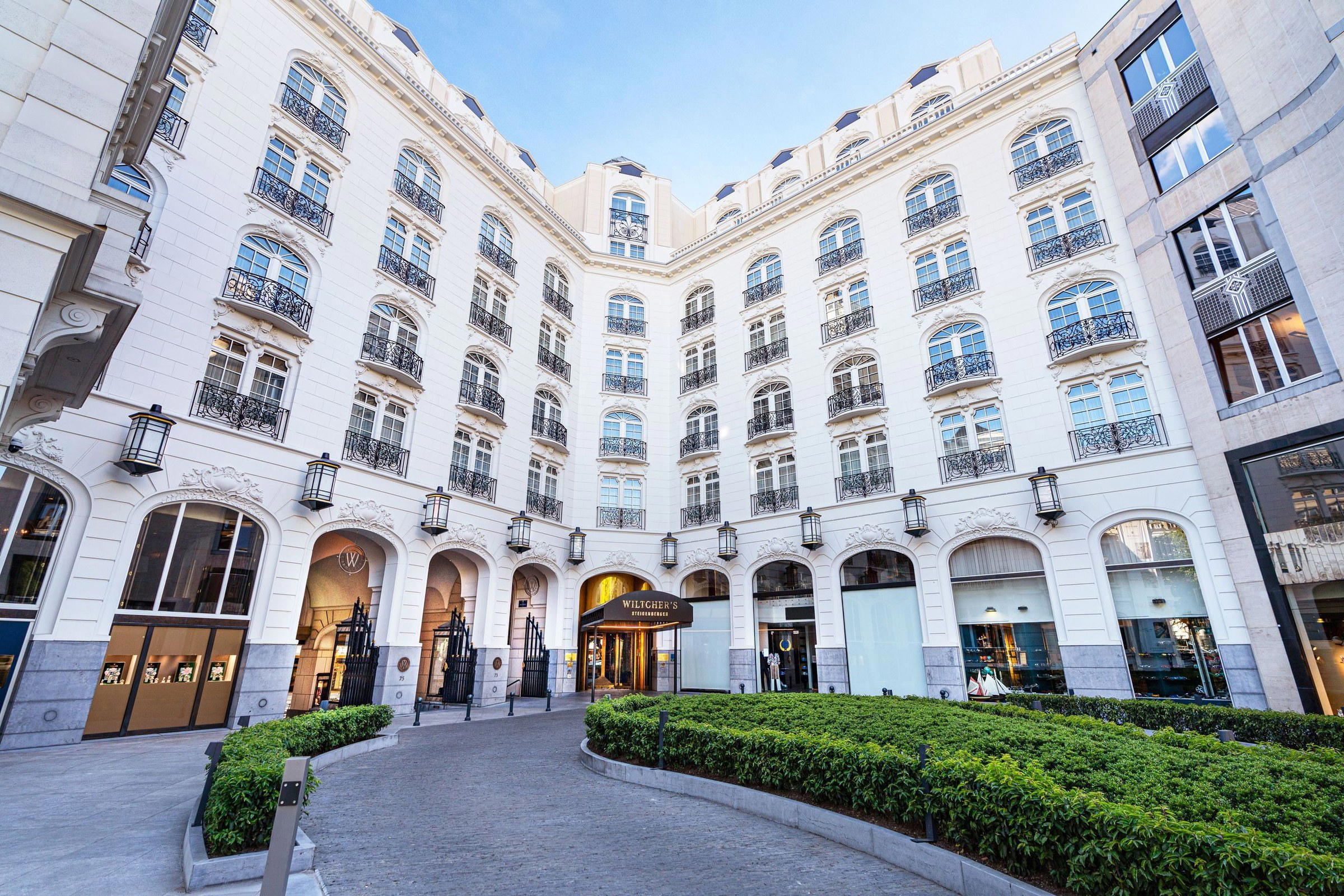
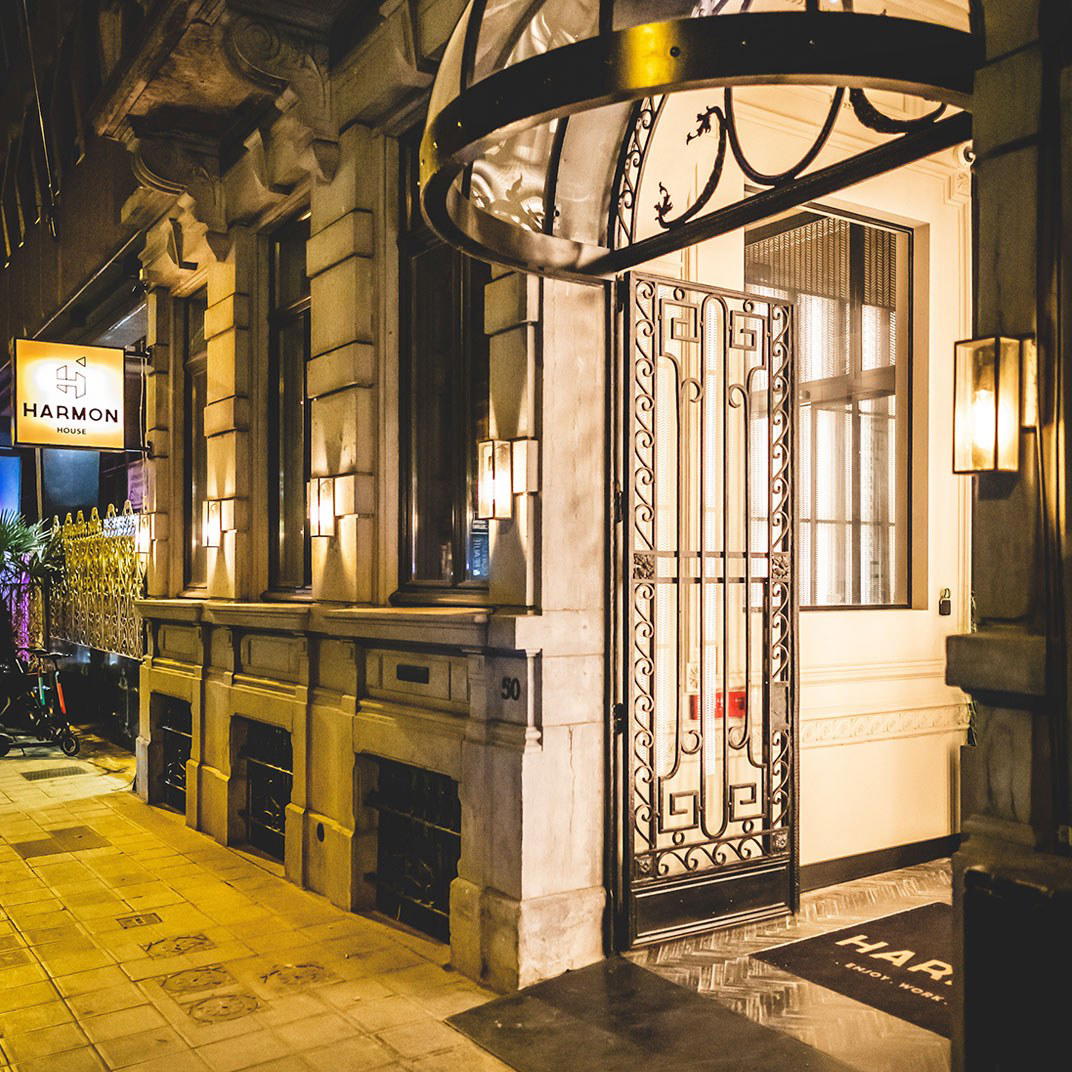
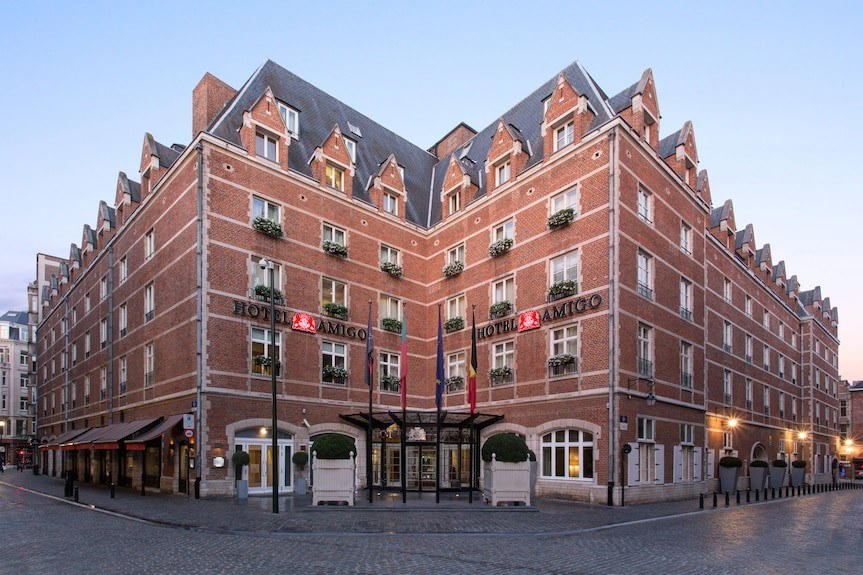
Hotels in Ixelles
All hotels in Ixelles →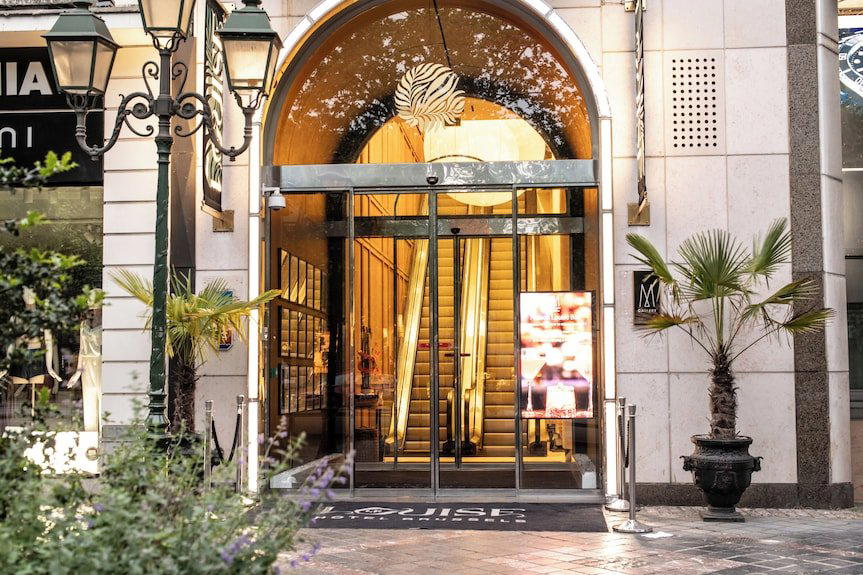
Wineries in Ixelles
Browse all →
Details
- Cozy
- Trendy
- Lively
- Date Night
- Casual Hangout
- Business Dinner
- Open Kitchen
- Terrace
- Extensive Wine List
- Small Plates
- A La Carte
- Vegan Options
Current opening hours
- Monday
- 11:30 AM–10:30 PM
- Tuesday
- 11:30 AM–10:30 PM
- Wednesday
- 11:30 AM–10:30 PM
- Thursday
- 11:30 AM–10:30 PM
- Friday
- 11:30 AM–10:30 PM
- Saturday
- 11:30 AM–10:30 PM
- Sunday
- 12–9 PM
Hours can change for holidays and private events. Hours as of .
Cozy grocery store decor with warmly lit vintage elements, bustling and lively atmosphere from closely packed tables.