
Los Pinchos places Spanish cooking inside Fukuoka’s broader appetite for compact, wine-led restaurants rather than hotel-dining formality. Its Tabelog 100 selection for Spanish cuisine in 2026 and earlier 2024 recognition give it a clear credential in a category that remains smaller than the city’s ramen, seafood, and izakaya circuits.
Pearl is the En Primeur Club membership app — saves, bookings, and concierge access live there. Same editors, same standards.
- Address
- 6-9 Tsunabamachi, Hakata Ward, Fukuoka, 812-0024, Japan
- Phone
- +81 92-262-7789
- Website
- los-pinchos.com
 Saves & bookings on Pearl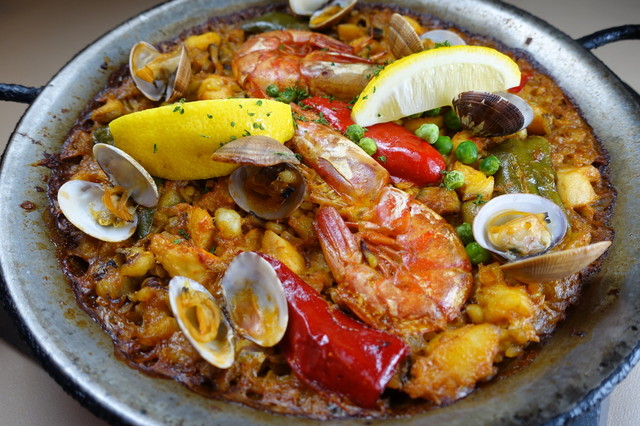
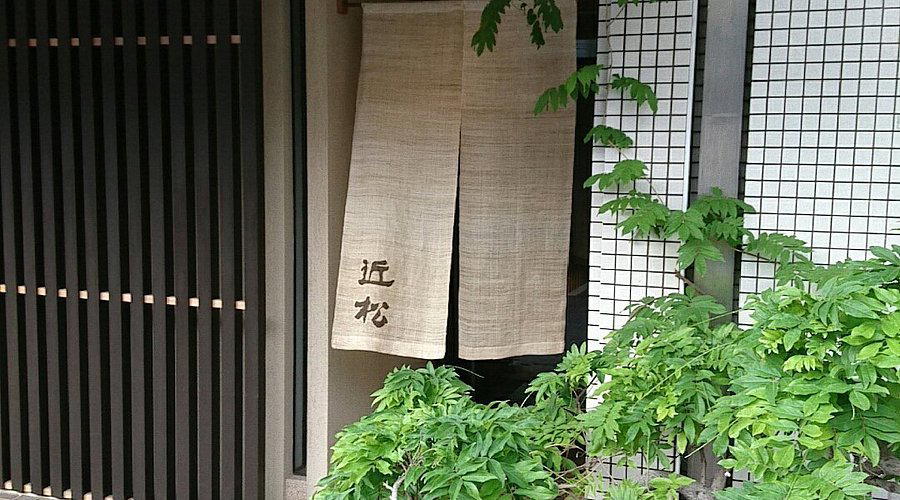
Approaching the Tsunabamachi address, the signal is not grand restaurant theatre but a yellow paella-pan sign, a useful marker in a part of Hakata where small dining rooms sit between offices, old merchant streets, and evening drinking routes. Inside this kind of Fukuoka room, Spanish cooking reads less as imported spectacle than as a shared-table language of wine, rice, seafood, grilled ingredients, and plates built for conversation.
That matters because Fukuoka’s dining identity is often reduced to tonkotsu ramen, mentaiko, yatai, and market-driven fish. Those categories deserve their reputation, but can obscure a second layer of compact, chef-led or owner-led restaurants that borrow from abroad while staying calibrated to local scale. Los Pinchos belongs to that layer. Its selection for Tabelog 100 Spanish cuisine in 2026, following selection in 2024, places it in a national Spanish-restaurant conversation rather than a purely neighbourhood one.
Spanish cooking scaled to Hakata's small-room dining culture
Spanish restaurants in Japan tend to split into two broad camps. One leans toward formal tasting menus and Iberian technique as fine-dining vocabulary. The other stays closer to the taberna and wine-bar model: many dishes, shared pacing, and a room built for groups who want dinner to unfold around bottles rather than ceremonial courses. The Spanish and wine-bar classification here points to the latter tradition, a format that fits Fukuoka well.
Hakata has long rewarded restaurants that compress seriousness into modest rooms. The city’s stronger casual addresses are rarely careless; they are precise about sourcing, timing, and repeat custom, but avoid the stiff choreography of destination dining. A Spanish wine-bar format can feel natural here because tapas culture and Fukuoka’s izakaya grammar share a social logic: multiple plates, flexible sequencing, and a table that measures the night by rhythm rather than one main course.
The Tabelog score of 3.61 is useful context, but the 100-list recognition carries more editorial weight because Spanish cuisine is a comparatively narrow field in Japan. A place can be locally liked without shaping a category. Selection for a national Spanish list signals that the restaurant has crossed from neighbourhood familiarity into category relevance. It does not make the room formal or turn Spanish food into a luxury code. It marks consistency in a cuisine where Japan’s audience has become more fluent, from paella and pintxos to regional Spanish wine.
That category lens also sets expectations. This is not the same decision as chasing Fukuoka’s seafood specialists, curry counters, or yatai culture. A reader comparing the city’s range might look at Aji Furai Shokudo Kaba for narrow fried-fish focus, Aji no Katsueda for local comfort-food gravity, or Afterglow for spice-driven cooking. Los Pinchos answers a different question: where Spanish food can sit convincingly inside a Fukuoka evening without feeling transplanted whole from Madrid or Barcelona.
Wine-bar logic, not destination-menu theatre
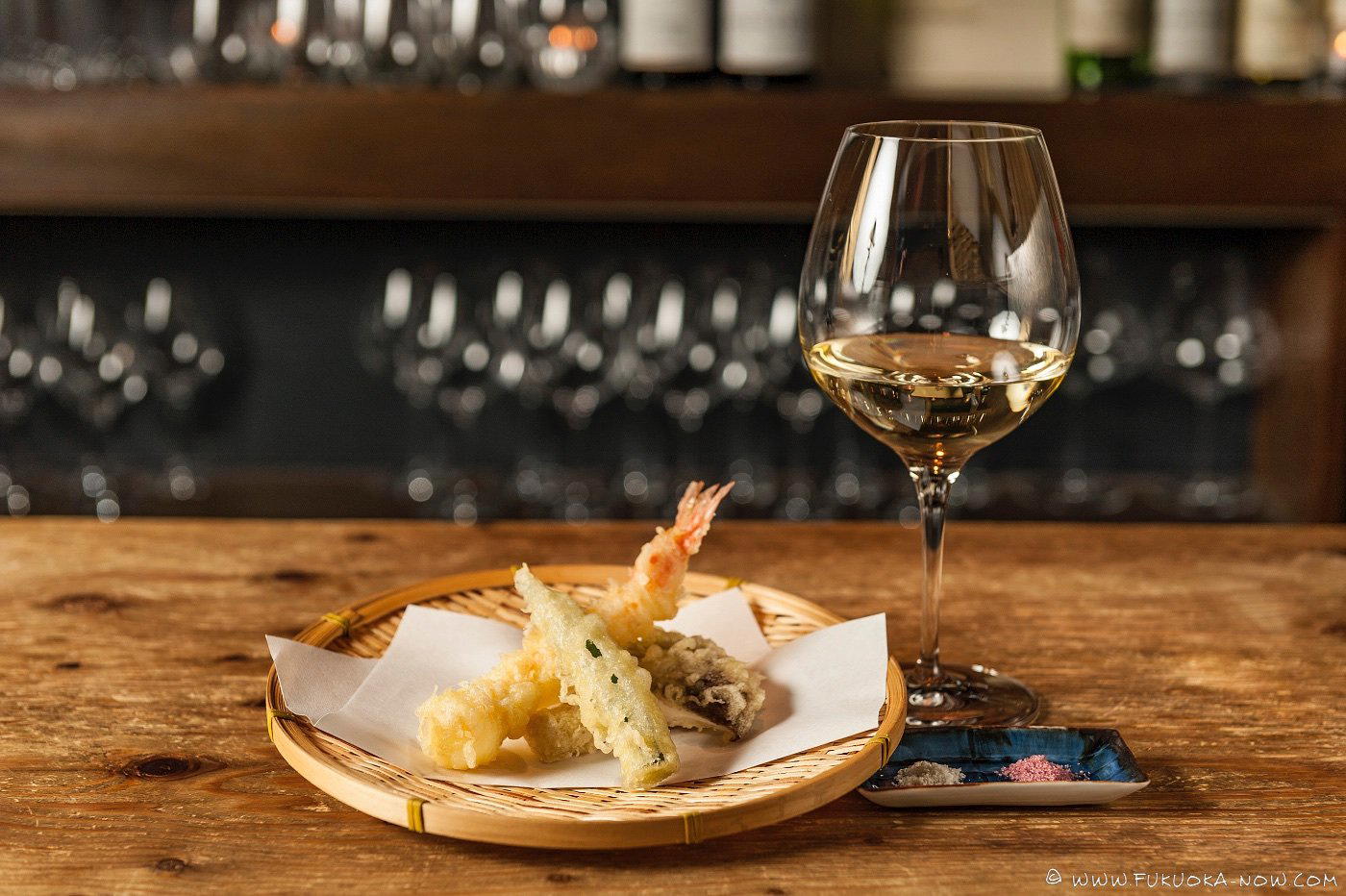
The wine emphasis is not a side note. In Japan, Spanish restaurants that last understand wine as part of the cuisine’s structure, not an add-on. Sherry, cava, Rioja, Galician whites, and modern regional bottles each change how small plates behave at the table. Even without named bottles, the category frames the meal: pacing, pairing, and grazing rather than rigid sequence.
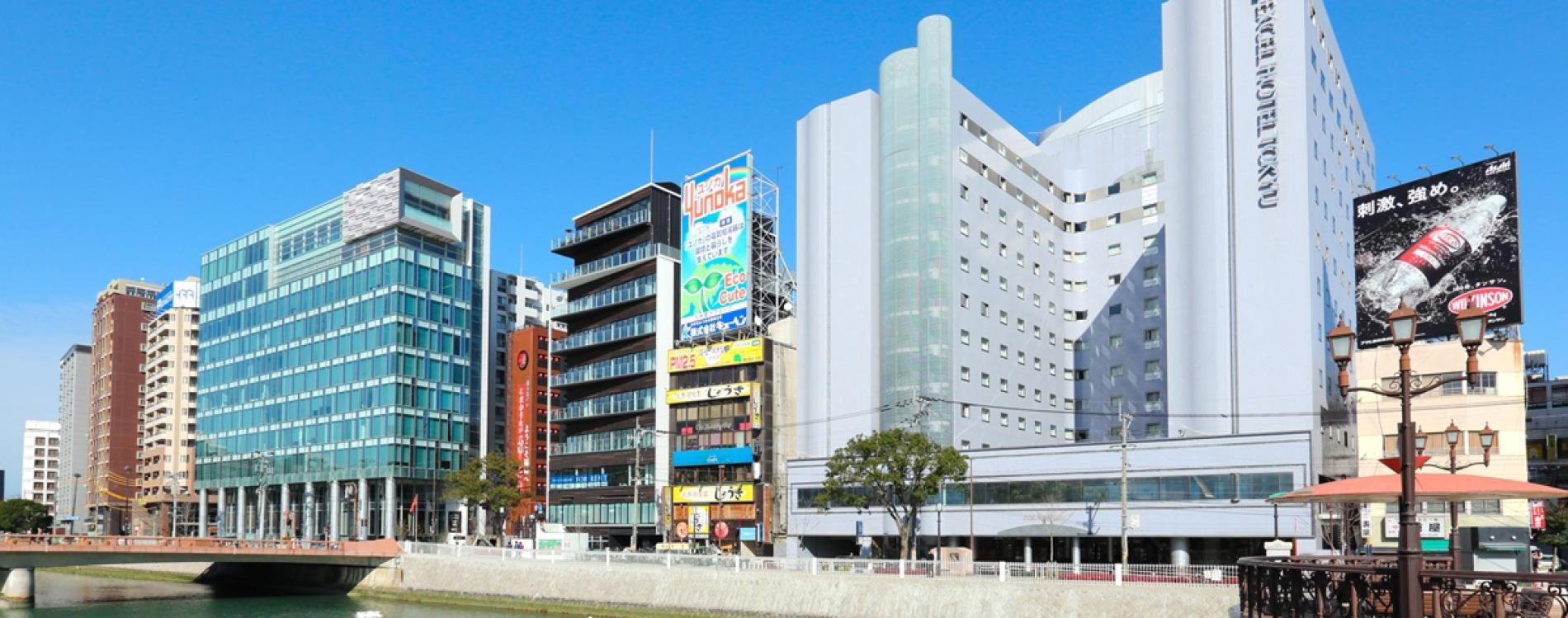
Fukuoka’s restaurant geography reinforces that reading. Tsunabamachi and nearby Gofukumachi sit slightly apart from the city’s more obvious nightlife zones, close enough to Nakasu-Kawabata to join an evening route but removed from the full glare of tourist traffic. That gives the room a useful dual role: planned dinner, or part of the older Hakata pattern of moving between compact addresses, where a night might begin with wine and Spanish plates before turning toward a bar, yatai, or late seafood counter.
For travellers mapping a broader stay, the address makes more sense against the city’s categories than as an isolated pin. The full dining spread sits in Our full Fukuoka restaurants guide, while overnight planning belongs in Our full Fukuoka hotels guide. Drink-led evenings can be built from Our full Fukuoka bars guide, with wider regional planning through Our full Fukuoka experiences guide and Our full Fukuoka wineries guide.
How it fits a Fukuoka itinerary
The sharper editorial use of Los Pinchos is as a counterweight. Fukuoka trips often become a sequence of local signatures, satisfying but narrow. Spanish cooking adds another register: olive oil rather than pork broth, wine rather than beer-first drinking, rice in Iberian form rather than Japanese set-meal structure. The point is not to leave Fukuoka’s food culture behind, but to see how the city absorbs outside cuisines without losing its preference for intimacy and pace.
That comparative thinking helps avoid category confusion. Visitors seeking South Asian heat might choose 106 South Indian Fukuoka tenjin ten; those chasing established Japanese dining rooms can look at Aji Dokoro Taro Gen Sougyou ten. The Spanish choice is stronger when the evening calls for wine, shared plates, and a room with a national-category credential.
Fukuoka also sits within a broader Japan dining map where narrow specialisation travels well. Readers building multi-city itineraries might compare that logic with -Grilled beef Sukiyaki- KAMAKURA TANUKIAN 鎌倉 たぬき庵 in Kamakura. 鮪と炭火焼き うお炭 秋葉原店 in Tokyo.cafe in Osaka.know in Kumamoto, (Shoku) Vietnam in Kawasaki, and [Curry Senmon Ten] Maruyama Kyoju. in Sapporo. Across the Pacific, similarly focused formats appear at Jōdo Saké Bar in Los Angeles and Onigiri Time in Pasadena, though the cultural grammar changes with the city.
The verdict is simple: the restaurant is for the traveller who has already accounted for Fukuoka’s local staples and wants a credible, wine-led Spanish dinner within Hakata’s compact restaurant culture. Its value lies in category assurance rather than novelty. The room’s reputation, national Spanish-cuisine recognition, and neighbourhood scale make it a useful booking for an evening that should feel social, adult, and specific to Fukuoka’s way of dining.
Price and Positioning
Side-by-side context: comparable cuisine and price.
| Venue | Cuisine | Price | Notes |
|---|---|---|---|
| Los PinchosThis venue — the venue you are viewing | Hakata, Spanish Tapas & Paella | $$$ | Not listed |
| Inakaan | Not listed | $$$ | Kokura, Traditional Grilled Eel (Unagi) |
| Shin-shin Nishinakasu shop | Chūō, Traditional Japanese Izakaya | $$$ | Not listed |
| ginmi | Chūō, Kyushu Izakaya | $$$ | Not listed |
| comodo | Chūō, Casual Spanish Bar & Tapas | $$ | Not listed |
| Wagyu Steak TEPPANYAKI 10 FUKUOKA | Chūō, Wagyu Teppanyaki Steakhouse | $$$ | Not listed |
Recognition history
Dated appearances from independent guides and award organizations, with the underlying list record or original source where available.
Tabelog 100 #49 · No. 49
Tabelog · Tabelog 100 - Spanish cuisine - 2026

At a Glance
- Quiet
- Cozy
- Classic
- Intimate
- Date Night
- Celebration
- Special Occasion
- Solo
- Standalone
- Private Dining
- Extensive Wine List
Current opening hours
- Monday
- 5–10 PM
- Tuesday
- 5–10 PM
- Wednesday
- 5–10 PM
- Thursday
- 5–10 PM
- Friday
- 5–10 PM
- Saturday
- 5–10 PM
- Sunday
- Closed
Hours can change for holidays and private events. Last verified .
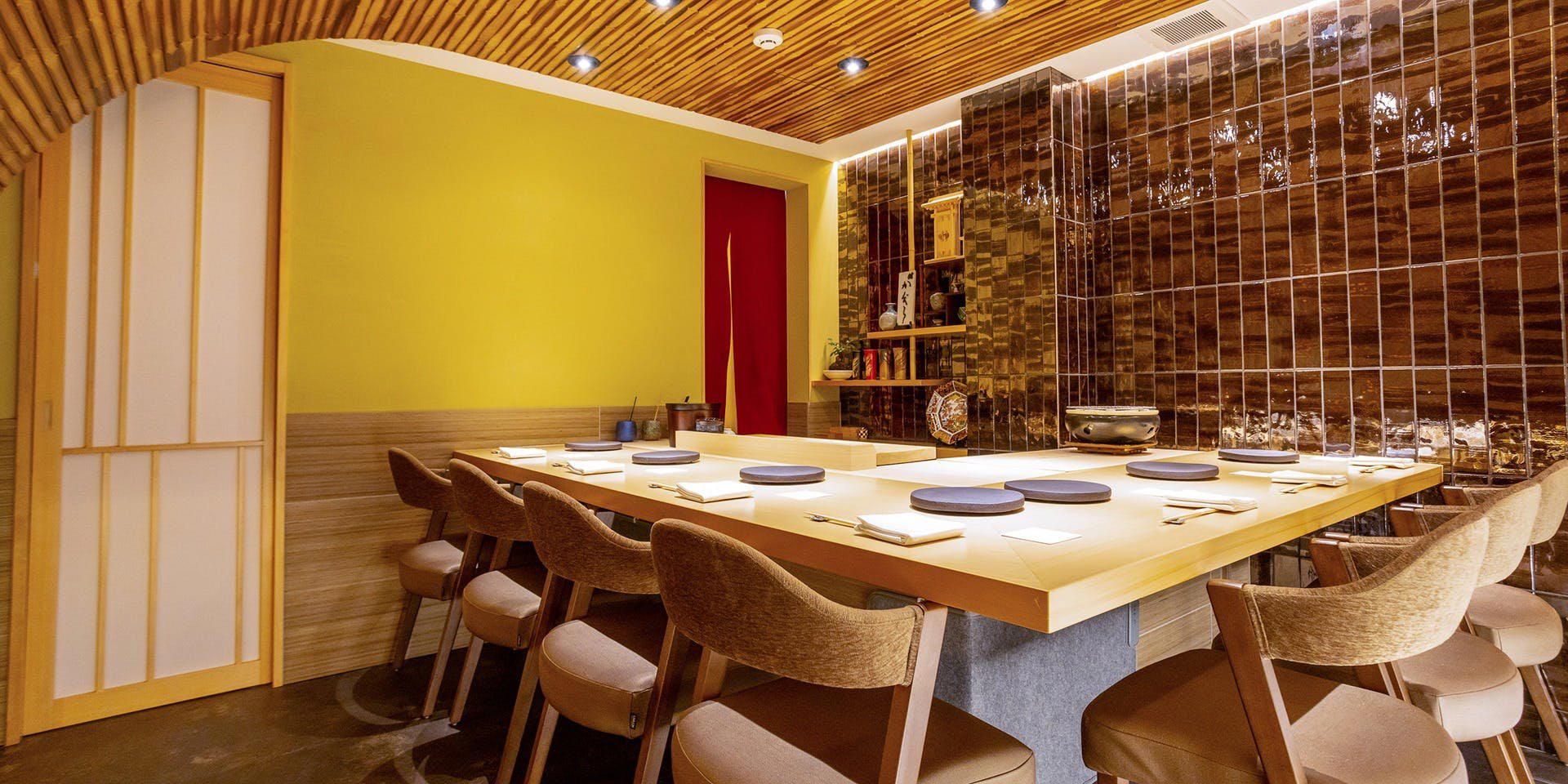
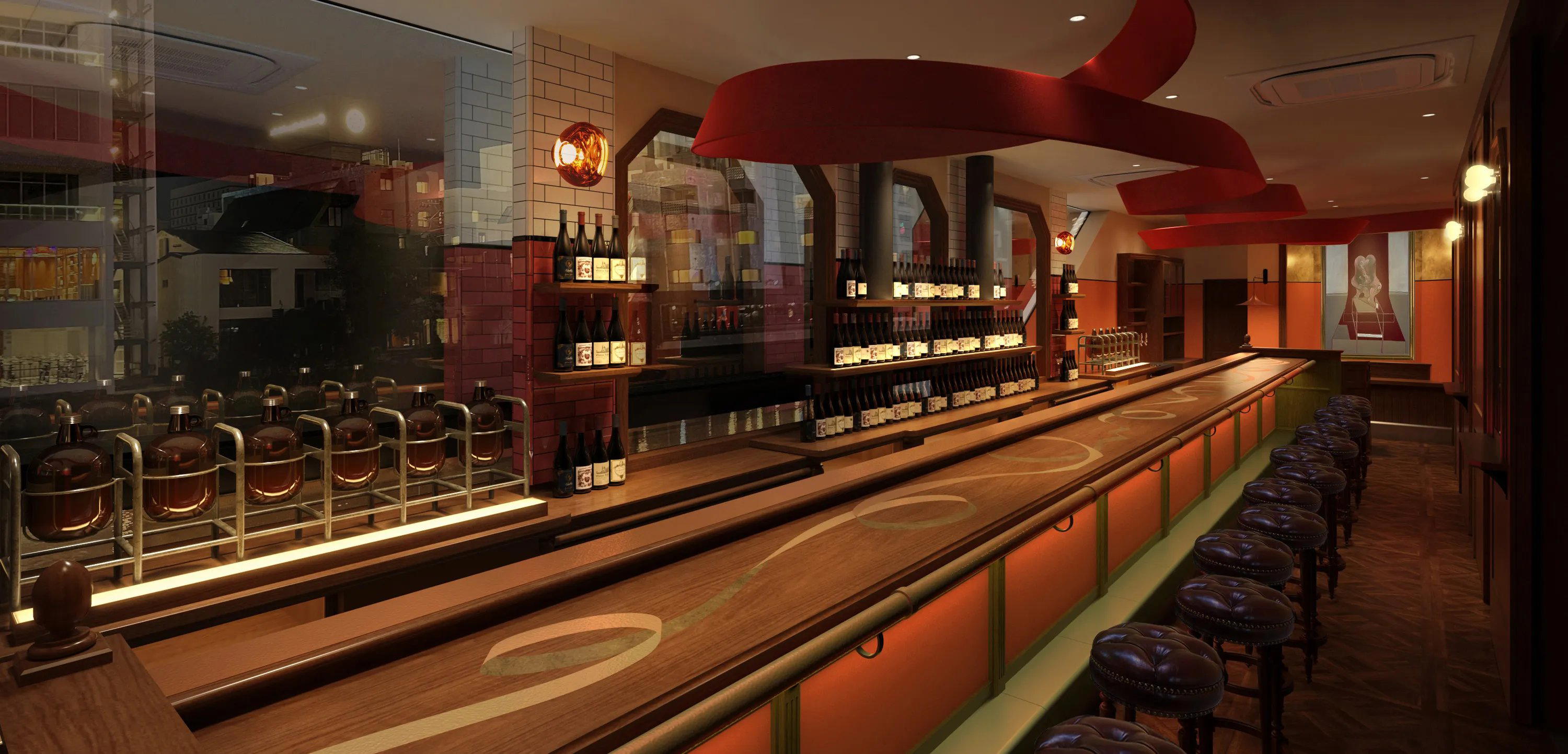
Bright, relaxed, and welcoming, with a spacious feel, decorative posters and objects on the walls, and an atmosphere designed for unhurried dining.