Los Balcones
Our verdict
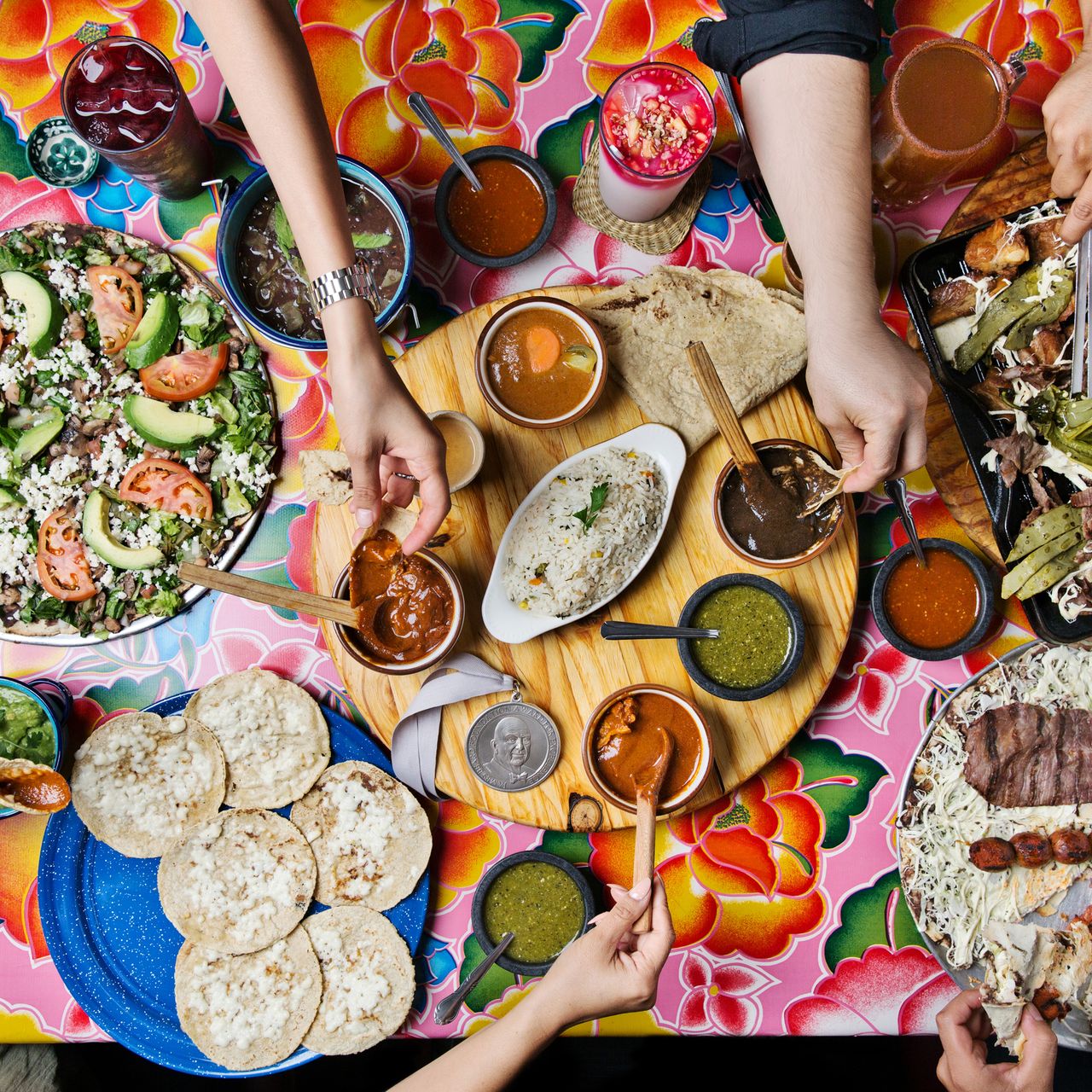
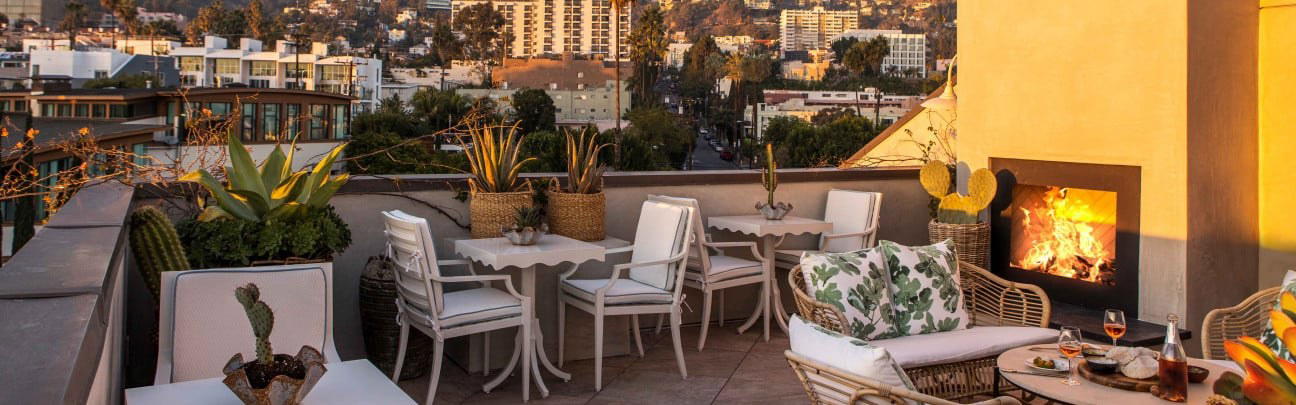
Los Balcones at 1360 Vine St serves Modern Mestizo Peruvian cooking, from ceviche frito to quinotto, with craft cocktails and a leisurely, conversational pace.

Pearl is the En Primeur Club membership app — saves, bookings, and concierge access live there. Same editors, same standards.
- Address
- 1360 Vine St, Los Angeles, CA 90028
- Phone
- (323) 871-9600
- Hours
- Mon ClosedTue–Thu 5–10 PMFri–Sat 5–11 PMSun 12–7 PM
- Website
- losbalconesperu.com
- Directions
- Get directions
- Booking
- Book on Resy
The menu
What to order
- Ceviche frito
- Quinotto
- Sweet potato gnocchi
- Pan-seared sea bream
- Oysters with uni ponzu
Vine Street After Dark: What Peruvian-Californian Cooking Looks Like in Hollywood
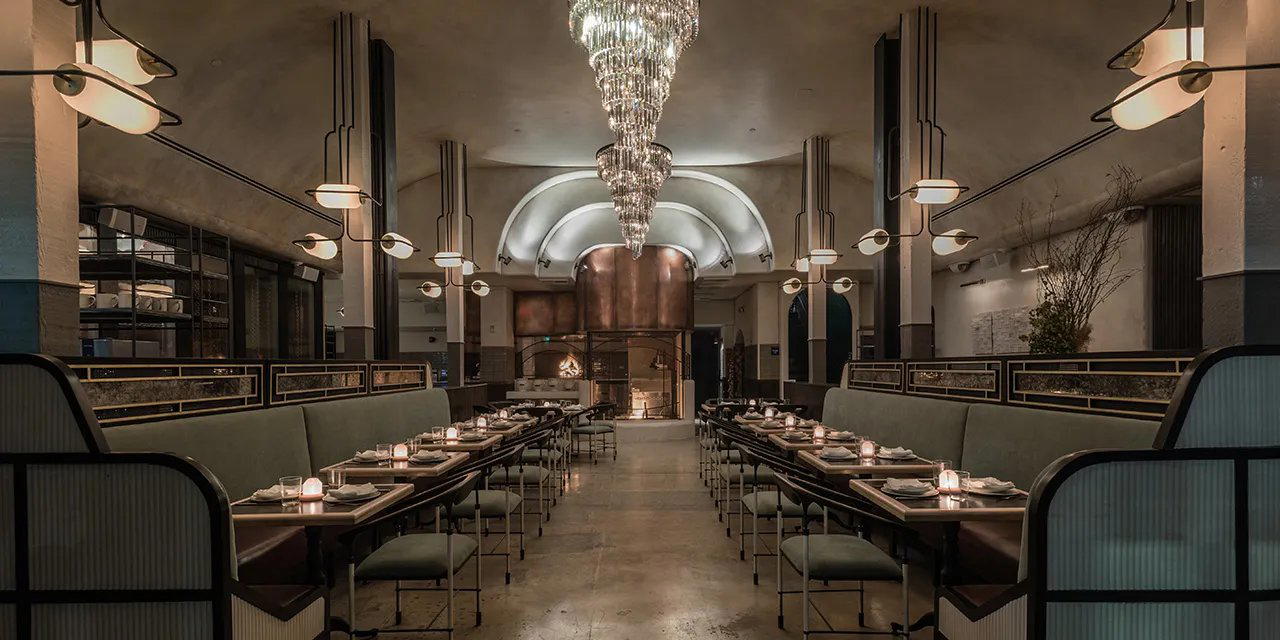
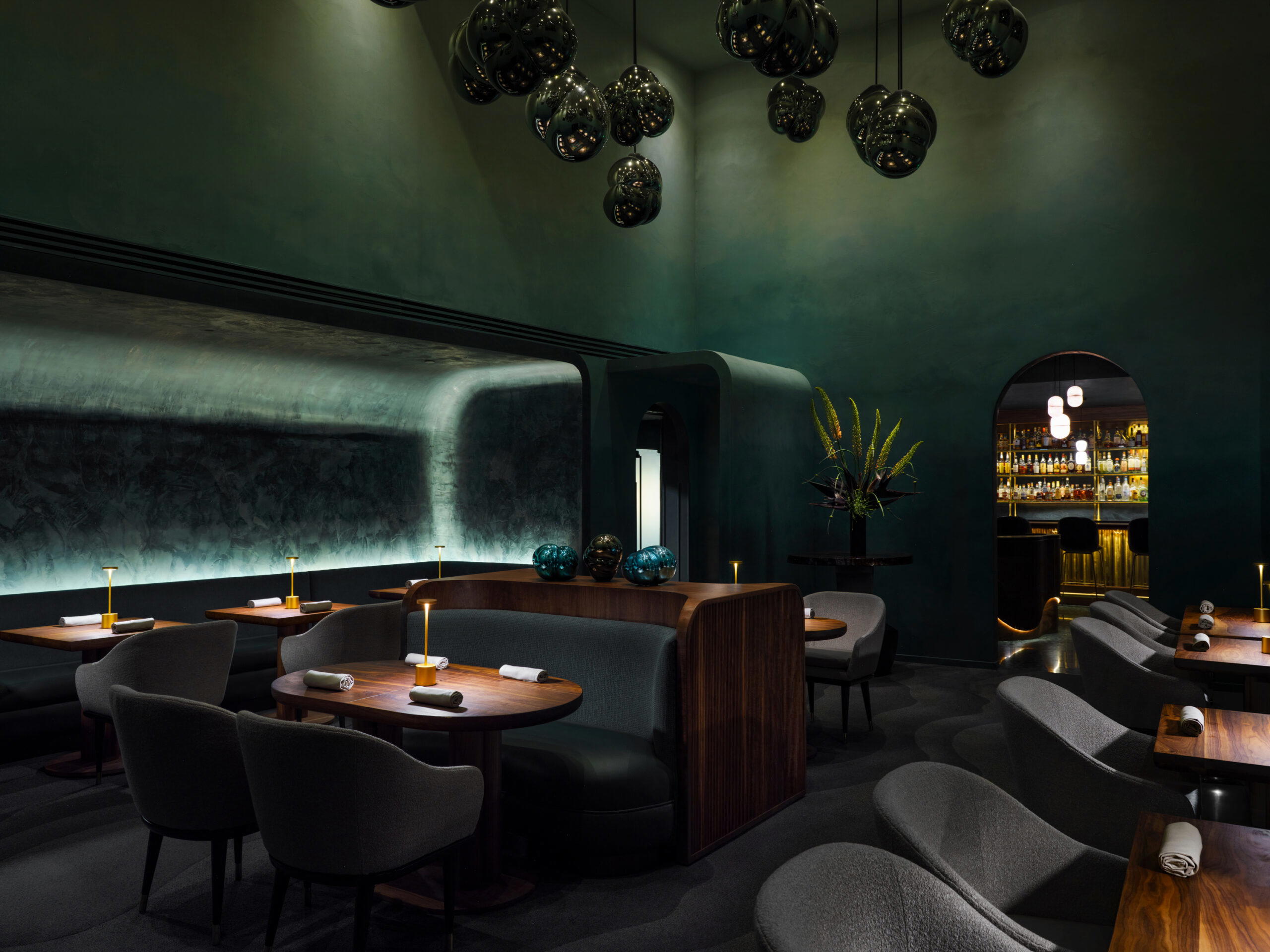
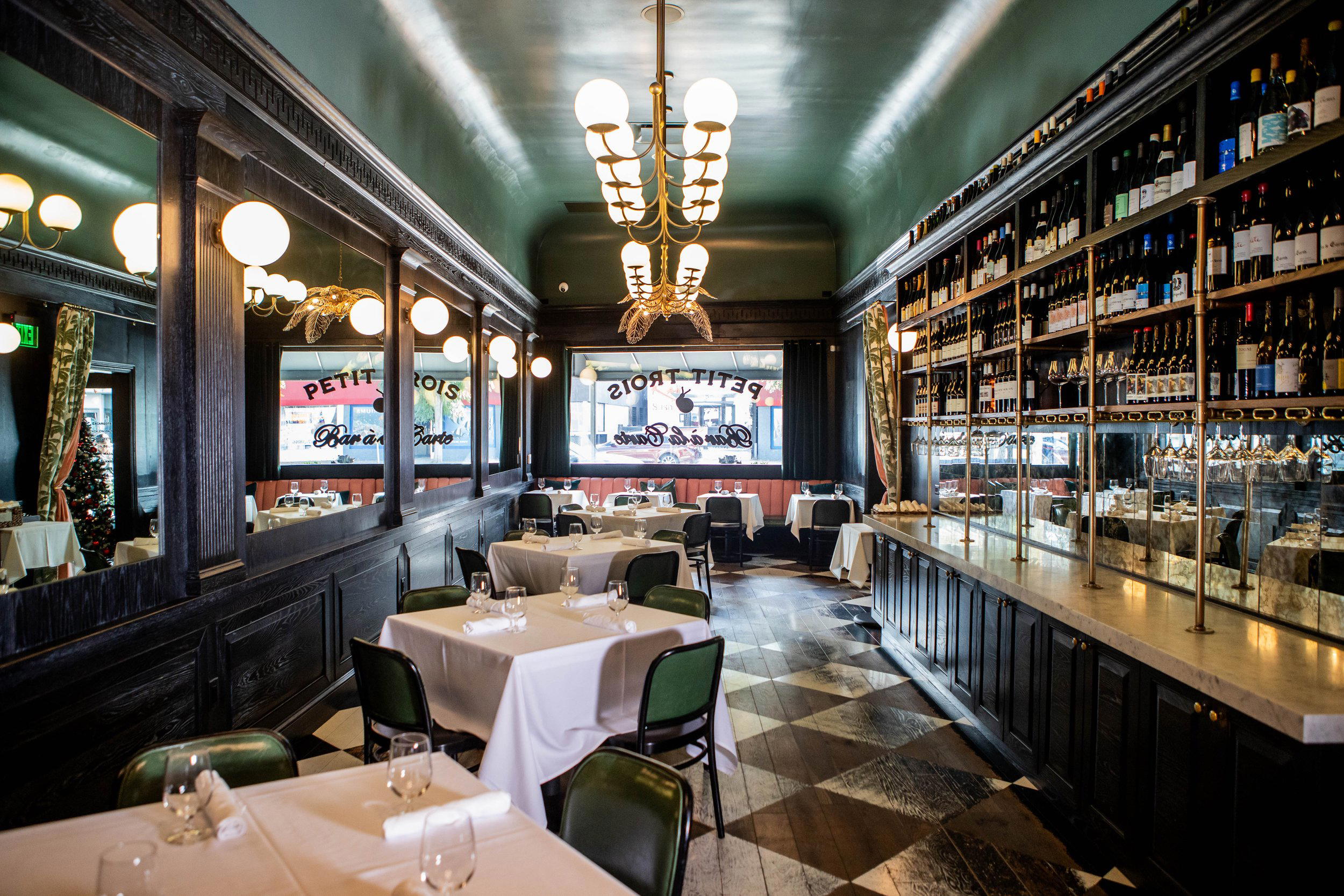
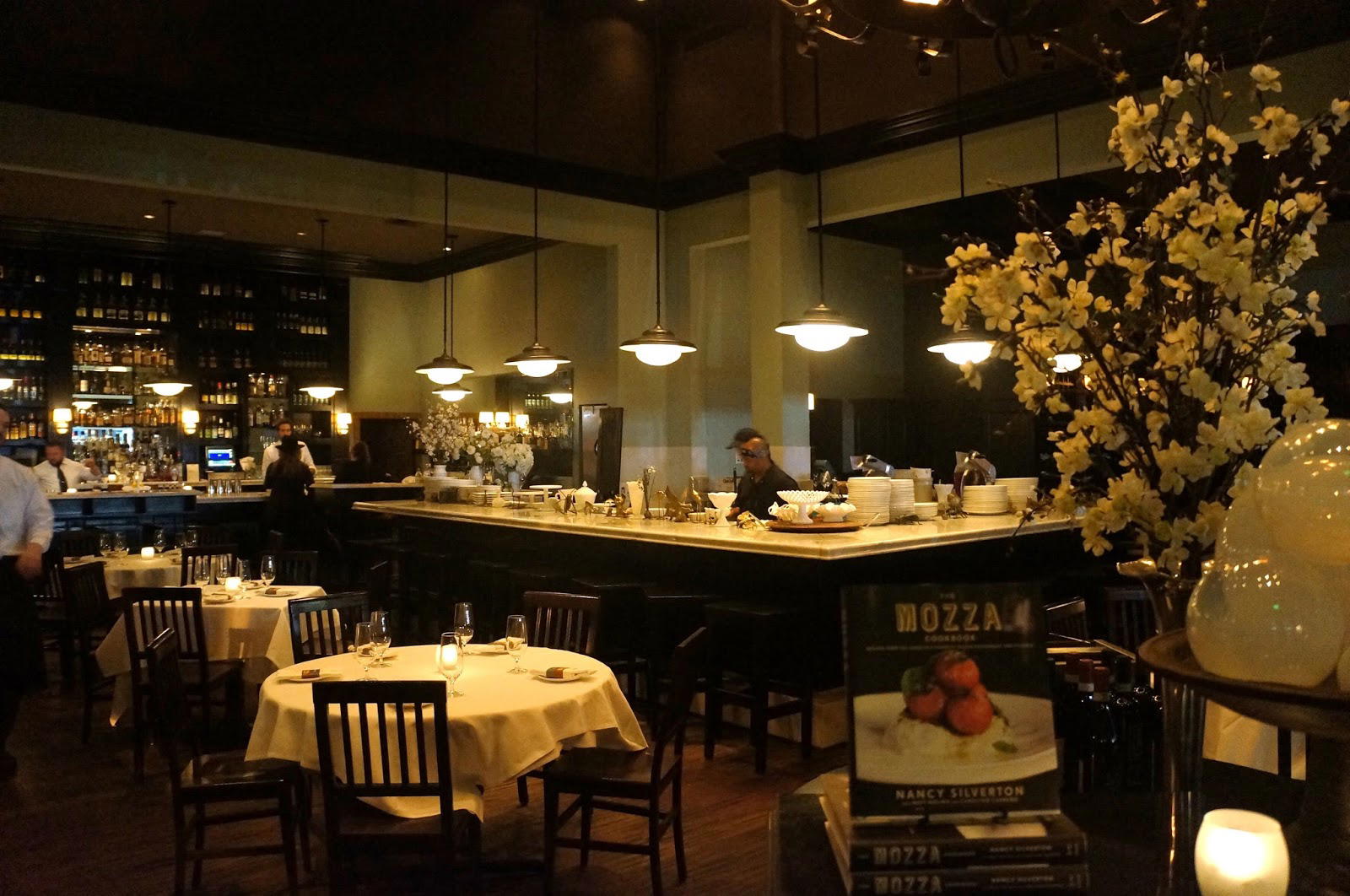
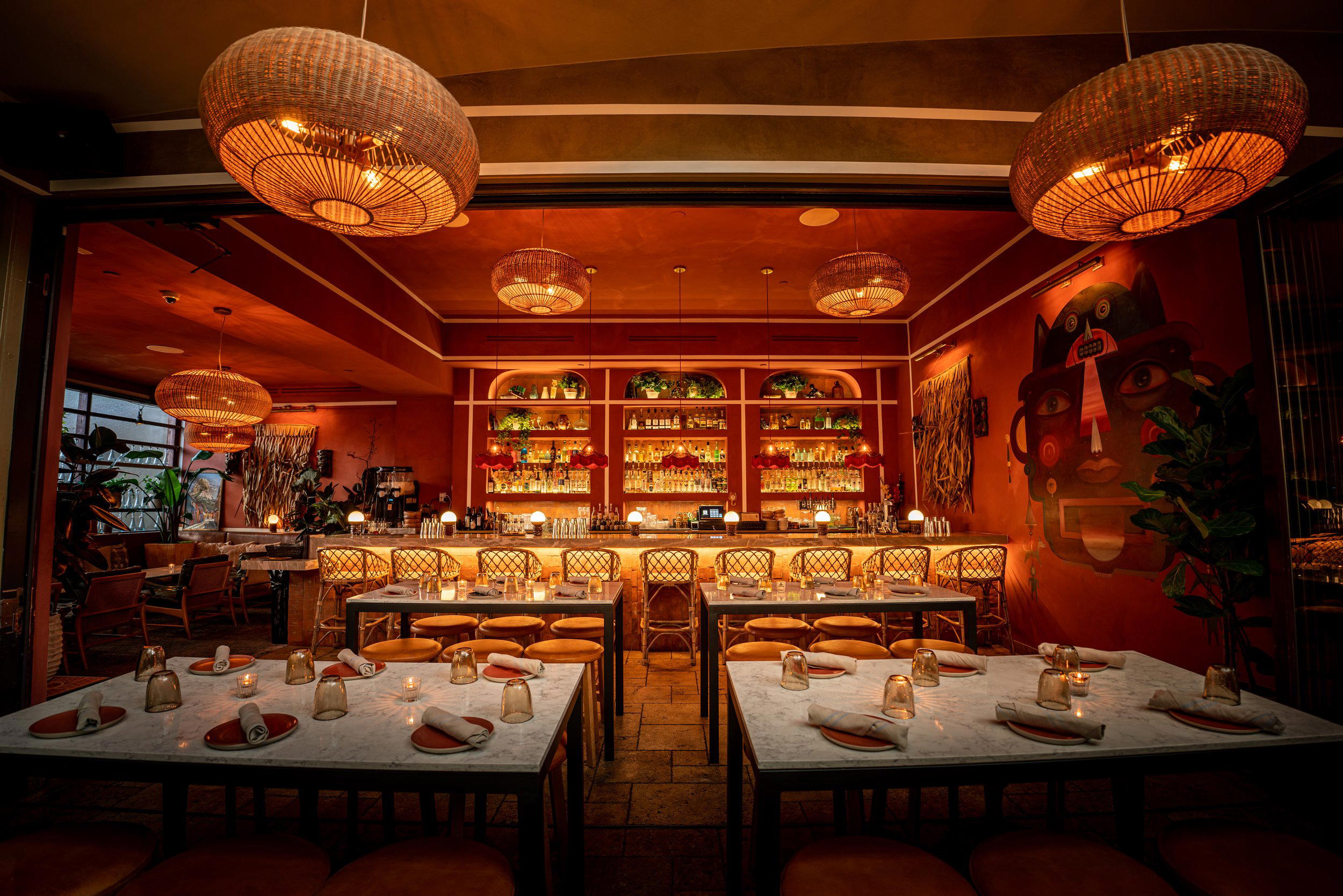
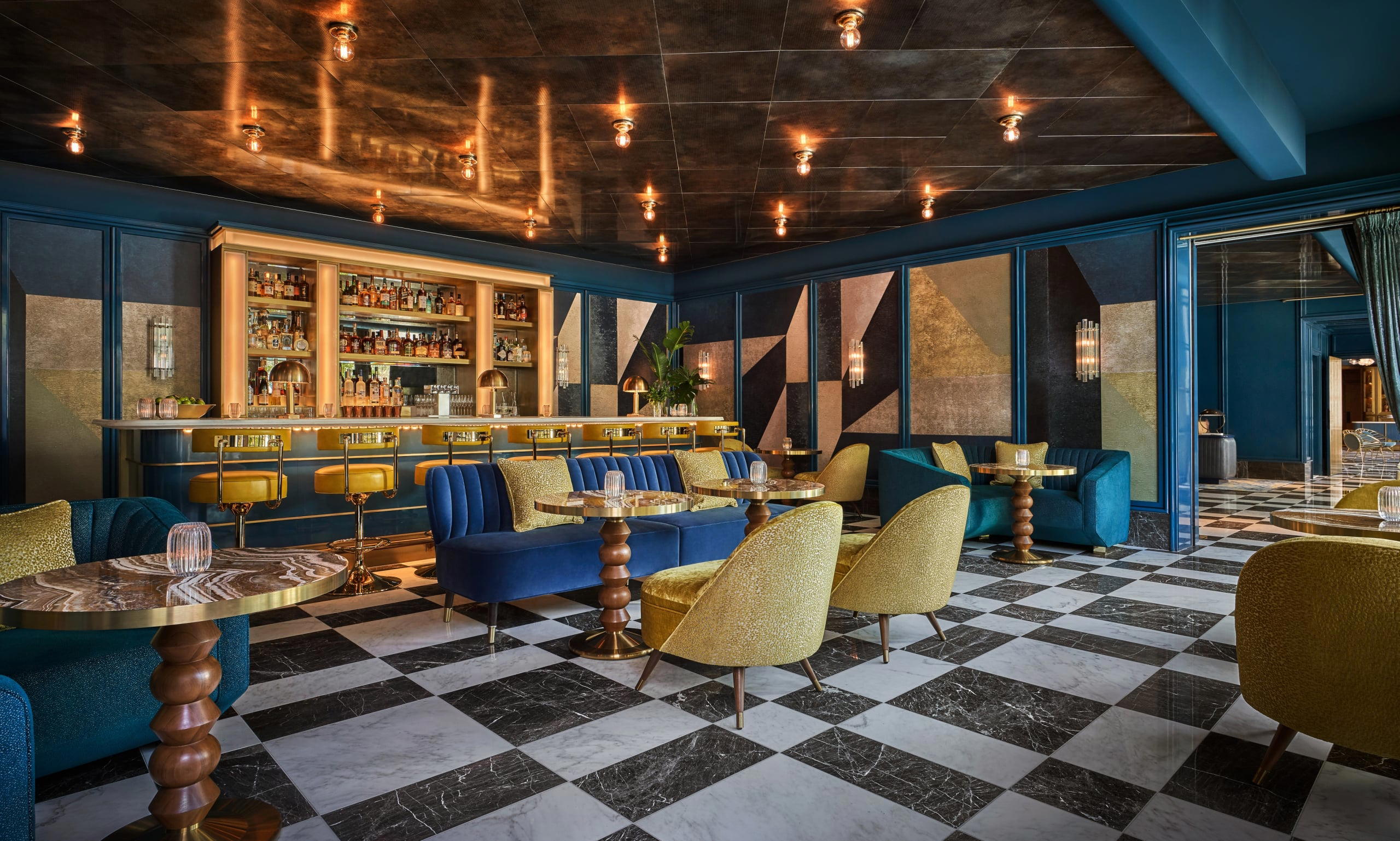
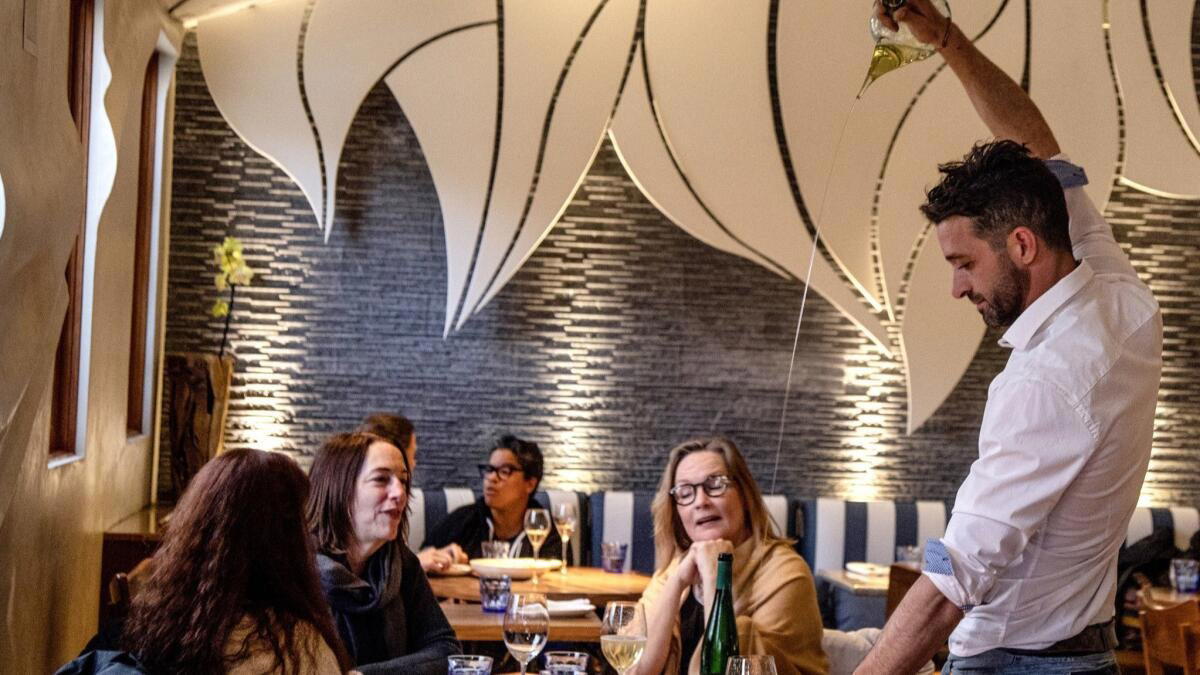
The stretch of Vine Street between Melrose and Fountain runs quieter than the boulevard a block west, where tourist foot traffic dominates. That relative stillness makes the light spilling from Los Balcones feel more deliberate, the warm tones of a room that reads as somewhere between a Lima cevicheria and a Highland Avenue neighborhood haunt. The space does not announce itself through spectacle. What pulls you in is subtler: the smell of aji amarillo working alongside something charred, and the low percussion of a dining room that has found its rhythm.
Hollywood's restaurant corridor has, over the past decade, shifted away from scene-first dining rooms toward tighter, more ingredient-driven formats. Los Balcones sits in that transition, occupying the middle tier between casual Peruvian fare and the kind of technically demanding tasting menus that define the city's fine-dining ceiling. For context on that ceiling, venues like Providence (Contemporary Seafood) and Somni (Molecular) represent the upper bracket of Los Angeles cooking, where price and format signal a different kind of commitment from both kitchen and guest.
A Cuisine Built on Sourcing Discipline
Peruvian cooking carries an inherent advantage in conversations about sustainability and ethical sourcing: its pantry is wide, its traditions are rooted in working with what geography provides, and its techniques, from ceviche's acid-cure to the use of whole-animal cuts, generate relatively little waste by design. Restaurants applying that tradition in a California context gain further use from the state's agricultural infrastructure, where proximity to the Central Valley and coastal fisheries makes short-supply-chain sourcing more achievable than in most American cities.
The broader movement toward waste-conscious kitchens in Los Angeles has accelerated since roughly 2018, when venues like Kato (New Taiwanese, Asian) and Hayato (Japanese) demonstrated that a small-format, ingredient-focused approach could generate significant critical attention without requiring large kitchen brigades or broad menus. The pattern those restaurants established, fewer SKUs, deeper sourcing relationships, and minimal garnish waste, has influenced how mid-tier independents think about their own supply chains. A restaurant working with Peruvian technique in California has particular reason to apply those principles: the cuisine's emphasis on freshness means that relationships with specific fishing operations and produce farms are not optional refinements but core requirements for the food to read correctly on the plate.
In that context, the address at 1360 Vine St matters. Hollywood's position within Los Angeles puts the restaurant within practical distance of the Santa Monica seafood market, the farmers' markets at Hollywood and Larchmont, and the wholesale suppliers that have increasingly organized around restaurants with shorter sourcing chains. The geography supports the cuisine's requirements in ways that a more inland location might not.
Where Los Balcones Sits in the City's Broader Picture
Los Angeles has assembled one of the most competitive and varied restaurant cities in the country, a point that becomes clearer when you map the range of serious independent kitchens against each other. Osteria Mozza (Italian) represents the established institutional tier, a restaurant that has held its position for fifteen-plus years through consistency rather than reinvention. The newer cohort, represented by venues like Kato and Hayato, signals a shift toward precision and restraint that draws comparison to dining in cities like Tokyo or Copenhagen.
Latin American cooking in Los Angeles occupies a different but parallel track. The city's Mexican culinary infrastructure is the deepest in the country outside Mexico itself, but Peruvian cuisine has carved a distinct identity, partly because its technique set, including tiradito, causa, and lomo saltado, does not overlap with the taco and mole traditions that dominate. That distinction creates space for a focused Peruvian independent to build a specific audience rather than competing directly with a much larger and more established culinary tradition. Nationally, the restaurants that have most visibly explored this kind of farm-and-sea sourcing discipline include Blue Hill at Stone Barns in Tarrytown and Single Thread Farm in Healdsburg, both of which built their identities around the distance between kitchen and source. The Peruvian tradition does not require the same agrarian romanticism to make the same argument: freshness is structural to the cuisine, not a marketing frame layered over it.
For readers planning a broader survey of serious American kitchens, the comparison set extends well beyond California. Le Bernardin in New York City, Alinea in Chicago, Atomix in New York City, The Inn at Little Washington in Washington, and Bacchanalia in Atlanta each represent different regional approaches to sourcing-led cooking. Closer to home, Lazy Bear in San Francisco, Addison in San Diego, and The French Laundry in Napa anchor the California high end. International reference points include 8 1/2 Otto e Mezzo Bombana in Hong Kong and Emeril's in New Orleans, restaurants that have maintained consistent identity over time in competitive markets. Our full Los Angeles restaurants guide maps the city's current dining terrain more completely for readers building a multi-night itinerary.
Planning Your Visit
Los Balcones is located at 1360 Vine St in Hollywood, within walking distance of the Vine Street Metro station on the B Line, which makes it accessible without a car from downtown and Koreatown. Hollywood's restaurant density means parking competes with a dozen other destinations in the same blocks, and the Metro option is genuinely practical rather than aspirational for most visitors arriving from central Los Angeles. Booking details, current hours, and table availability are best confirmed directly with the restaurant, as operational specifics were not available at time of publication. For first-time visitors, a midweek reservation typically encounters less competition for tables than weekend seatings, a pattern that holds across most Hollywood independents in this price tier.
Frequently asked questions
What part of town is Los Balcones in?
Los Balcones is located at î1360 Vine St, Los Angeles, CA 90028, Los Angeles.
How does Los Balcones compare to other Peruvian restaurants in Los Angeles?
Los Angeles has a well-developed Peruvian dining scene concentrated in areas like Koreatown and Culver City, making the Hollywood placement at 1360 Vine St a point of geographic distinction. The Peruvian-Californian approach the kitchen takes connects South American technique directly to California's sourcing culture, a positioning that differs from more classically Peruvian restaurants elsewhere in the city. For travellers staying in Hollywood or arriving via the Vine Street Metro B Line, it represents one of the more accessible options in the neighbourhood.
What's the signature dish at Los Balcones?
Specific dish details shift with the kitchen's sourcing calendar, so no single plate is fixed as a permanent centrepiece. The cooking at 1360 Vine St draws from the Peruvian pantry — ceviche traditions, causas, and braised proteins feature across Peruvian-Californian menus of this type. Check the current menu directly with the restaurant before visiting.
Is Los Balcones reservation-only?
Given the Hollywood location on Vine Street and the restaurant's standing in a competitive Los Angeles dining market, booking ahead is advisable, particularly for weekend evenings. check the venue's official channels to confirm availability.
What do critics highlight about Los Balcones?
The restaurant's position in Hollywood, where Peruvian cooking is less represented than in areas like Koreatown or downtown, draws attention to its role in broadening Los Angeles's already varied restaurant scene. Reviewers frequently note the sourcing discipline that Peruvian cuisine demands — a wide, ingredient-driven pantry that suits California's produce culture.
Is Los Balcones good for vegetarians?
Peruvian cooking relies heavily on vegetables, legumes, grains like quinoa, and potato-based preparations, which means plant-forward options typically appear across menus in this tradition. Whether Los Balcones currently offers a dedicated vegetarian section is best confirmed with the restaurant at 1360 Vine St, Hollywood, before visiting.
Category Peers
Comparable venues nearby, for context on price, style, and recognition.
| Venue | Cuisine | Price | Awards | Notes |
|---|---|---|---|---|
| Los BalconesThis venue — the venue you are viewing | Modern Mestizo Peruvian | $50–100 | Not listed | Not listed |
| Don Felix | Traditional Peruvian | $20–30 | Not listed | East Hollywood |
| The Hummingbird | Nikkei Peruvian Ceviche | $30–50 | Relais Chateaux Award | Echo Park |
| Il Moro | Modern Italian | $30–50 | Not listed | Sawtelle |
| Engine Co. No. 28 | Historic Firehouse American | $30–50 | Not listed | Financial District |
| Moreton Fig | Farm-to-Table American | Not listed | Not listed | University Park |