Engine Co. No. 28
Our verdict
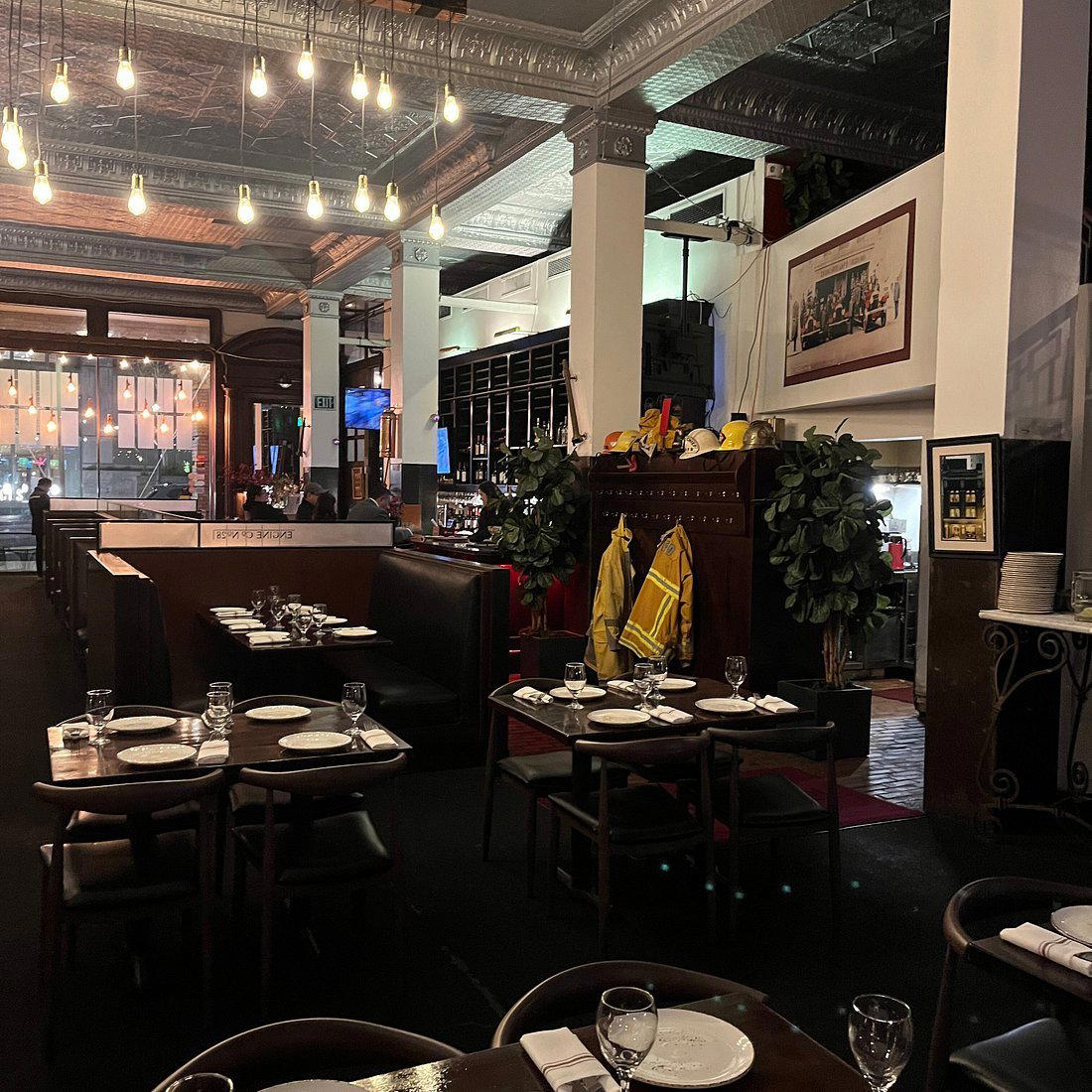
Occupying a restored 1912 firehouse on Figueroa Street in downtown Los Angeles, Engine Co. No. 28 trades on architectural character and American comfort cooking in a neighbourhood otherwise dominated by corporate lunch spots. Where nearby options default to fast-casual efficiency, this address leans into period detail and a sit-down pace that reads as deliberate in the context of DTLA's working lunch crowd.

Pearl is the En Primeur Club membership app — saves, bookings, and concierge access live there. Same editors, same standards.
- Address
- 644 S Figueroa St, Los Angeles, CA 90017
- Phone
- (213) 705-1556
- Hours
- Mon–Thu 11 AM–8:30 PMFri–Sat 11 AM–10 PMSun Closed
- Website
- engineco.com
- Directions
- Get directions
- Booking
- Book on OpenTable
The menu
What to order
- Firehouse Chili
- Truffle Mac & Cheese Balls
A Firehouse That Refused to Become an Office
Downtown Los Angeles has spent the better part of two decades shedding its reputation as a place you leave at 5pm. The conversion of old civic and industrial buildings into restaurants, hotels, and cultural venues has been central to that shift, and few addresses make the case for adaptive reuse as persuasively as the former fire station at 644 South Figueroa Street. The building dates to 1912, and its bones — high ceilings, wide bays, exposed brick, the faint geometry of a structure built for function rather than aesthetics — give the room a physical weight that newer constructions in the neighbourhood cannot replicate.
Engine Co. No. 28 sits in the southern stretch of the Figueroa corridor, a few blocks from Pershing Square and within walking distance of the financial district's denser cluster of office towers. The surrounding area still runs on the rhythms of corporate Los Angeles: lunch peaks hard between noon and 1:30pm, the sidewalks empty by early evening, and the dining options nearby tend to reflect the transactional priorities of that crowd. The firehouse format cuts against that grain. The architecture demands a different pace, and the room responds accordingly.
The Room as the Argument
The editorial angle on any firehouse conversion is always the same question: does the space lead, or does it overwhelm? At Engine Co. No. 28, the answer falls on the right side of that line. The original apparatus bay proportions, tall, open, with sight lines that run the length of the room, create a particular kind of ambient volume. Sound moves differently in a space like this than in a low-ceilinged bistro or a padded fine-dining room. There is more echo, more collective noise, a sense of being in a genuinely public space rather than a curated dining environment.
That acoustic character is worth noting because it shapes the experience as much as the menu does. DTLA has a handful of dining rooms with genuine architectural presence, the atrium-style spaces near Grand Avenue, the converted industrial interiors in the Arts District, but the firehouse format is rarer, and the period detail here reads as authentic rather than reconstructed. The brass fittings, the original station house elements preserved in the design, the verticality of the main room: these are not decorative choices applied to a neutral box but features that survived because the building itself was worth keeping.
For comparison, Los Angeles diners willing to pursue architectural character in their dining rooms have options across different price tiers and cuisines. Somni operates in a designed environment where every spatial element is deliberate and controlled. Vespertine treats the building as part of the artistic proposition. Engine Co. No. 28 works differently: the architecture is historical rather than designed, and the restaurant's job is to serve it rather than compete with it.
American Comfort Cooking in a Downtown Context
The cuisine category here is American comfort food, a broad designation that in practice tends to mean a roster of familiar formats, burgers, salads, grilled proteins, classic sides, executed at a level above the average lunch counter. In DTLA, where the competition for the working lunch dollar ranges from fast-casual chains to the expense-account tier occupied by hotel dining rooms, this positioning occupies a particular middle ground.
That middle ground is where Engine Co. No. 28 makes its case most clearly. The price point and format are accessible enough for regular use by the office crowd that surrounds it, while the room and the cooking have enough ambition to make a business lunch or an out-of-town guest feel that a decision was made rather than defaulted to. The firehouse setting does much of the contextual work: it signals that this is a place with a history and an identity, not simply a space that happens to serve food.
Across the broader Los Angeles dining scene, the conversation has shifted significantly toward chef-driven formats and tasting-menu constructions. Providence and Kato represent the city's serious fine-dining tier. Hayato operates in the precision Japanese counter tradition. Engine Co. No. 28 is not competing in those categories. It belongs to a different tradition: the anchored, neighbourhood-serving American restaurant that provides continuity and reliability in a city better known for openings than for longevity. For context on how American comfort cooking plays in other major cities, Emeril's in New Orleans and Smyth in Chicago represent different interpretations of the American dining tradition at various price points. Further afield, Le Bernardin in New York City, Lazy Bear in San Francisco, and The French Laundry in Napa define what the American fine-dining ambition looks like at its most formal. Addison in San Diego and Single Thread Farm in Healdsburg offer regional California comparisons. Blue Hill at Stone Barns, The Inn at Little Washington, Frasca Food and Wine in Boulder, and Atomix in New York City round out the national picture of where American dining ambition currently points. Even internationally, Atelier Moessmer Norbert Niederkofler illustrates how a deeply regional identity can anchor a dining room's entire proposition, which is the same logic that makes the firehouse format work here.
Planning Your Visit
Engine Co. No. 28 is located at 644 South Figueroa Street in downtown Los Angeles, within walking distance of the Pershing Square Metro station on the B and D lines. The address makes it practical for anyone arriving from central or western parts of the city via rail, and the Figueroa Street location is direct to reach by car with parking structures nearby.
The DTLA lunch window is the natural entry point. Weekday middays bring the highest volume from the surrounding office population; anyone prioritising a quieter experience in the main room should consider arriving before noon or after 1:30pm. For more context on the broader Los Angeles dining scene and where this address fits within it, see our full Los Angeles restaurants guide. For a San Diego alternative with a different price architecture, Osteria Mozza occupies a comparable position in the accessible-but-considered tier of LA dining.
Quick reference: 644 S Figueroa St, Los Angeles, CA 90017. Nearest Metro: Pershing Square (B/D lines). Leading for: weekday lunch, business dining, architectural character.
Frequently asked questions
Would Engine Co. No. 28 be comfortable with kids?
The high ceilings and open room plan of the firehouse space absorb noise more readily than smaller dining rooms, which tends to make environments like this more forgiving for families. The American comfort food format, familiar dishes, no elaborate service rituals, suits a mixed-age table more naturally than tasting-menu formats at the city's higher price tiers. That said, the DTLA location and weekday lunch dominance of the crowd mean this is not an address built around family dining the way a suburban restaurant might be. A weekend visit at an off-peak time would likely be the most comfortable arrangement for a table with younger children.
What is the overall feel of Engine Co. No. 28?
The room reads as a genuinely historic space rather than a themed reconstruction. Downtown Los Angeles has produced a number of architecturally interesting dining addresses, but the 1912 firehouse origin gives this one a specific civic character that newer conversions cannot match. The atmosphere is lively during peak lunch service, the acoustics of a high-ceilinged apparatus bay do not lend themselves to quiet, and more settled in off-peak hours. The overall positioning is accessible American dining with a strong sense of place, which in the context of Figueroa's corporate surroundings makes it a considered choice rather than a default.
What dish is Engine Co. No. 28 famous for?
Given the venue's longevity and its position in the DTLA dining scene, the kitchen has likely developed a set of reliable crowd-pleasers over the years, but naming specific dishes without verified sourcing would risk inaccuracy. Checking the current menu directly before visiting is the most reliable approach.
Is Engine Co. No. 28 a good option for a business lunch in downtown Los Angeles?
The combination of a notable historic setting, a familiar American menu format, and a location deep in the Figueroa financial corridor makes it a practical fit for weekday business dining. The architectural character of the 1912 firehouse provides a talking point and a sense of occasion without the formality or price commitment of the city's fine-dining tier. The room handles a working conversation reasonably well during off-peak hours; peak service between noon and 1:30pm brings higher ambient noise levels that are worth factoring into the decision.
The Essentials
Comparable venues nearby, for context on price, style, and recognition.
| Venue | Cuisine | Price | Awards | Notes |
|---|---|---|---|---|
| Engine Co. No. 28This venue — the venue you are viewing | Historic Firehouse American | $30–50 | Not listed | Not listed |
| THE Blvd Restaurant and Lounge | California-style American | $50–100 | Wine Spectator Award of Excellence | Beverly Hills, California-style American |
| Restaurant at The Getty Center | California Mediterranean | $30–50 | Not listed | Brentwood, California Mediterranean |
| ALK | SoCal-Centric Brasserie | Not listed | Not listed | Hollywood, SoCal-Centric Brasserie |
| JOEY DTLA | Global American Steakhouse | $30–50 | Not listed | Financial District, Global American Steakhouse |
| Checkers Downtown | New American with California, French, and Asian influences | $50–100 | Not listed | Financial District, New American with California, French, and Asian influences |
Continue exploring
More in Los Angeles
Restaurants in Los Angeles
Browse all →
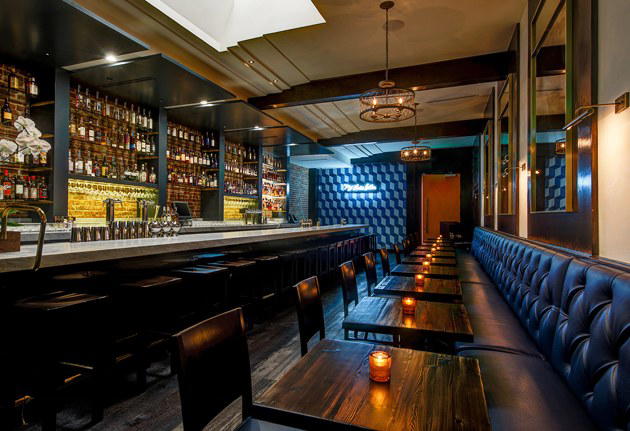
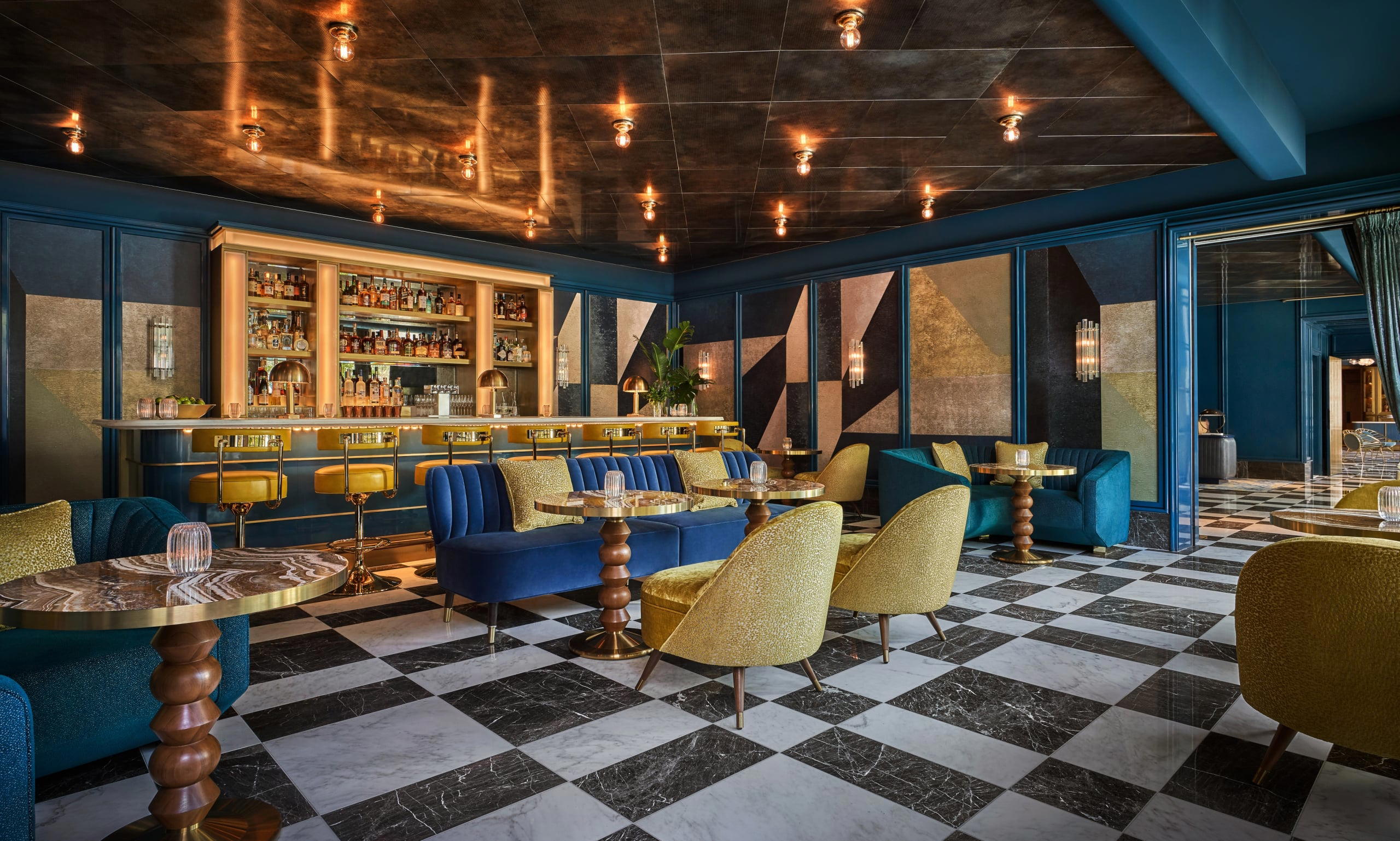
Bars in Los Angeles
Browse all →

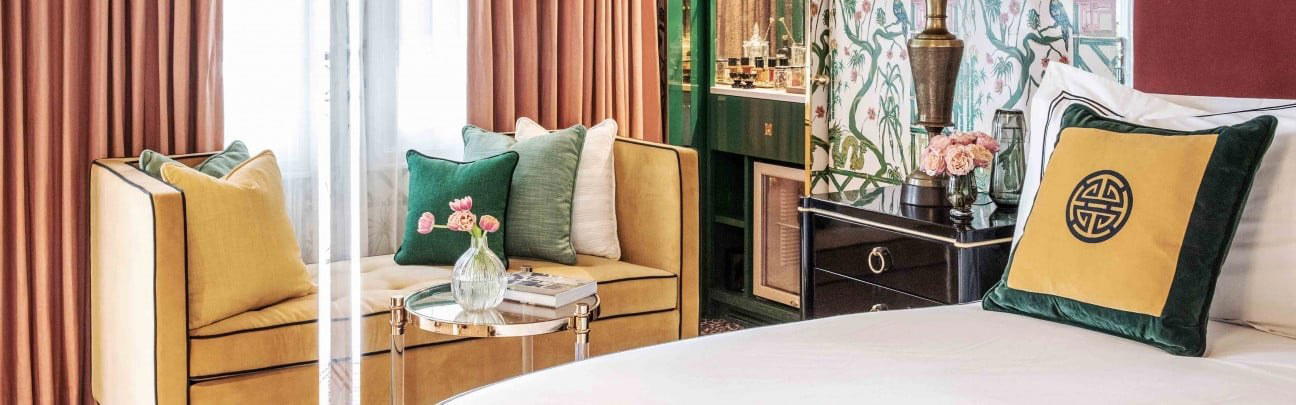
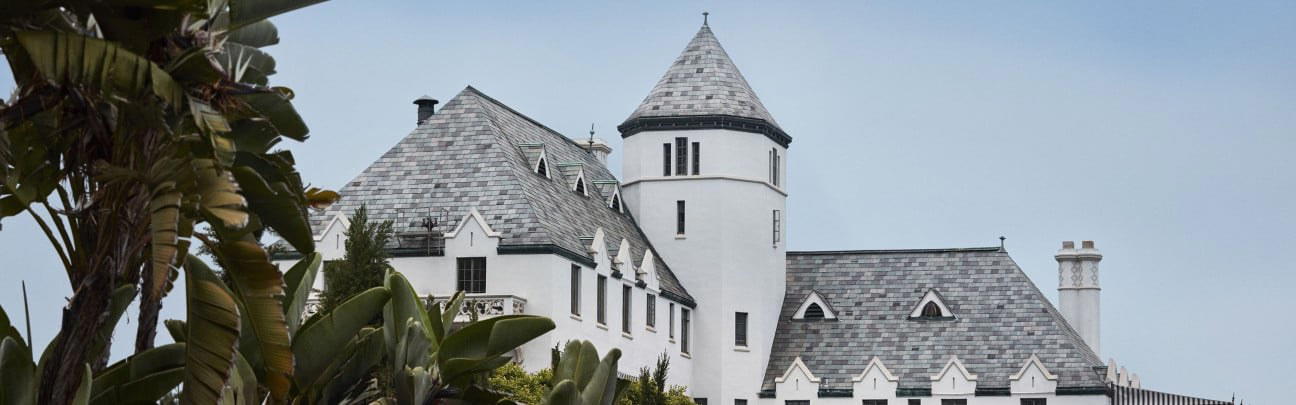
Hotels in Los Angeles
Browse all →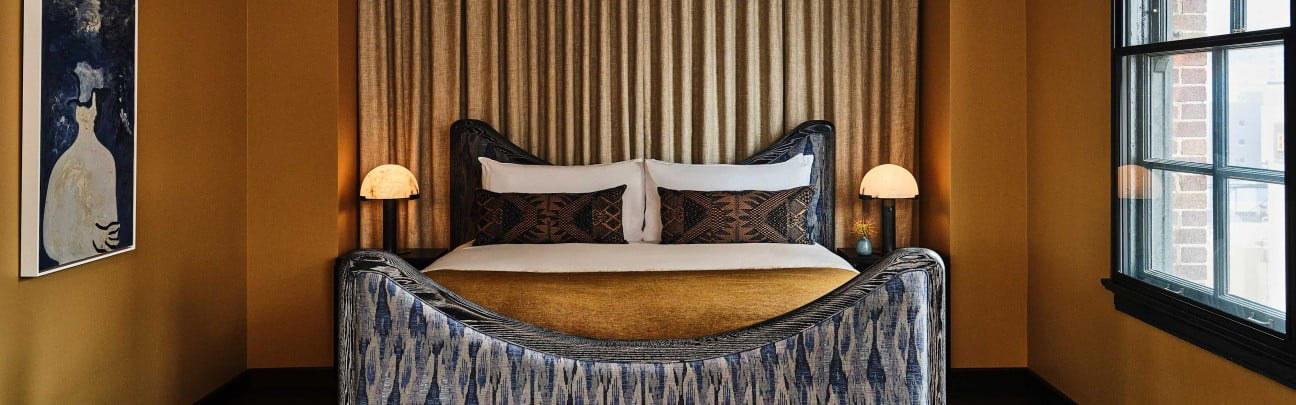
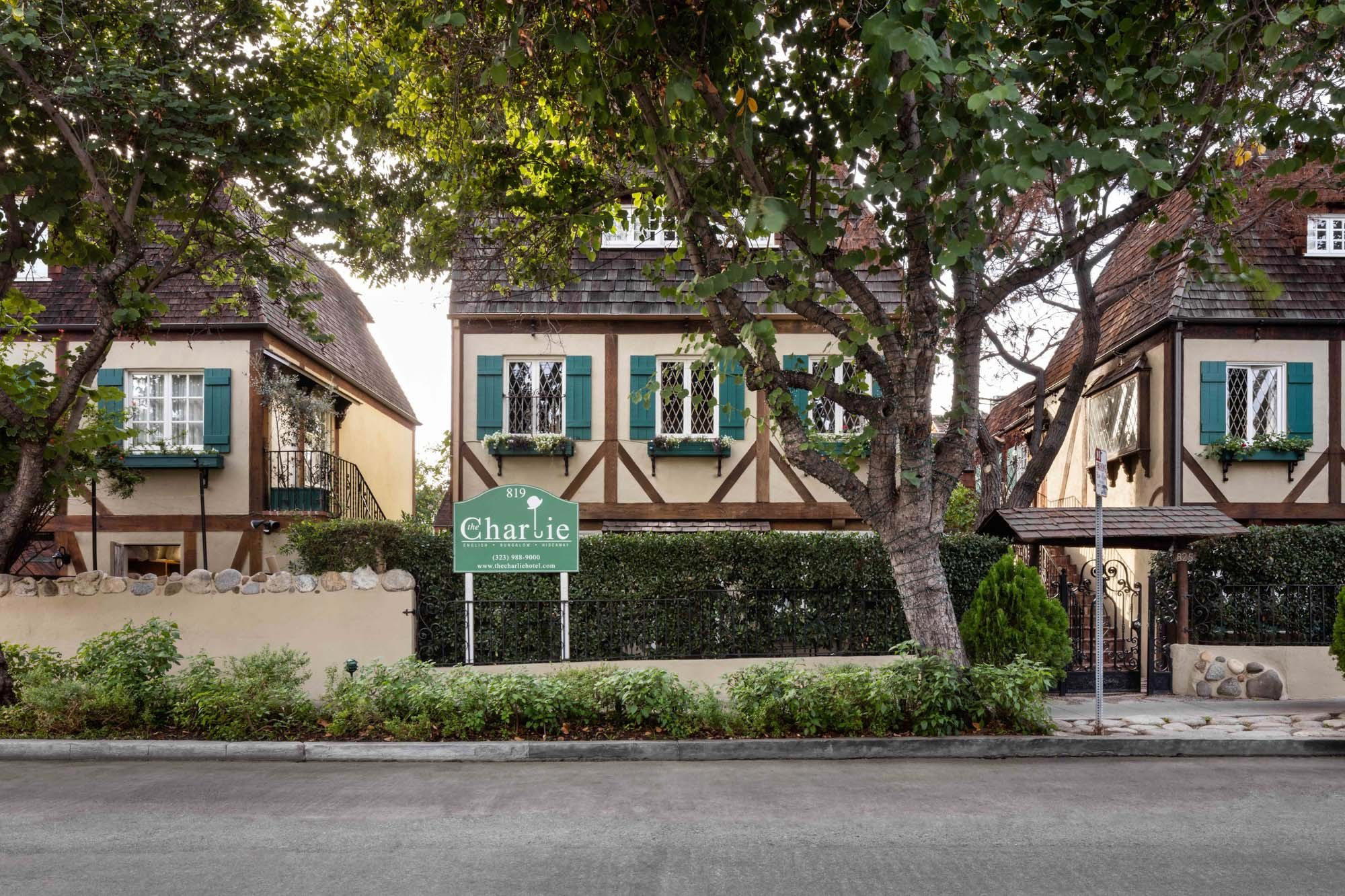
Wineries in Los Angeles
Browse all →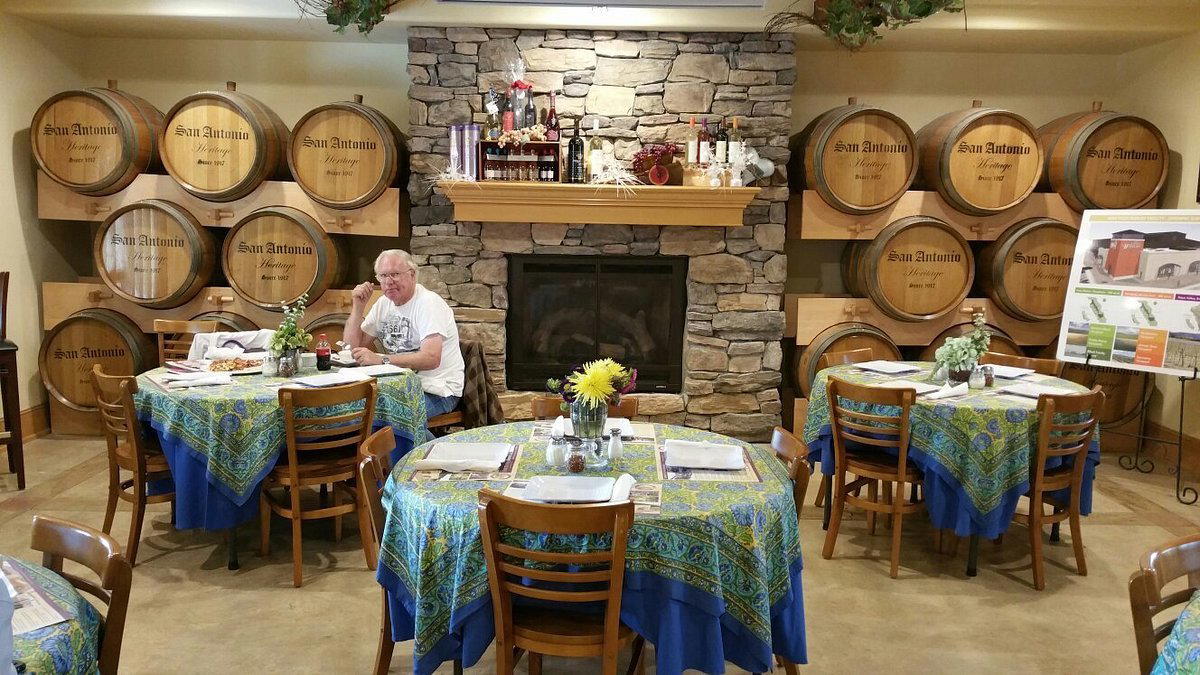
Details
- Historic
- Industrial
- Energetic
- Business Dinner
- Group Dining
- Casual Hangout
- Historic Building
- Craft Cocktails
- A La Carte
- Craft Cocktails
- Vegetarian Friendly
Current opening hours
- Monday
- 11 AM–8:30 PM
- Tuesday
- 11 AM–8:30 PM
- Wednesday
- 11 AM–8:30 PM
- Thursday
- 11 AM–8:30 PM
- Friday
- 11 AM–10 PM
- Saturday
- 11 AM–10 PM
- Sunday
- Closed
Hours can change for holidays and private events. Last verified .
Energetic atmosphere in a preserved historic firehouse with industrial elements and bright energy.