Bivouac sits at 1255 Rue Jeanne-Mance in Montreal's downtown core, placing it within reach of the city's most competitive modern dining tier. Where Montreal's upper bracket increasingly rewards tightly coordinated kitchen-floor teamwork over singular chef celebrity, Bivouac operates as a study in that collaborative format. For a city scene that rewards specificity, it warrants close attention.
Pearl is the En Primeur Club membership app — saves, bookings, and concierge access live there. Same editors, same standards.
- Address
- 1255 Rue Jeanne-Mance, Montréal, QC H5B 1B2, Canada
- Phone
- +15148412021
- Website
- restaurantbivouac.com
- Directions
- Get directions
 Saves & bookings on Pearl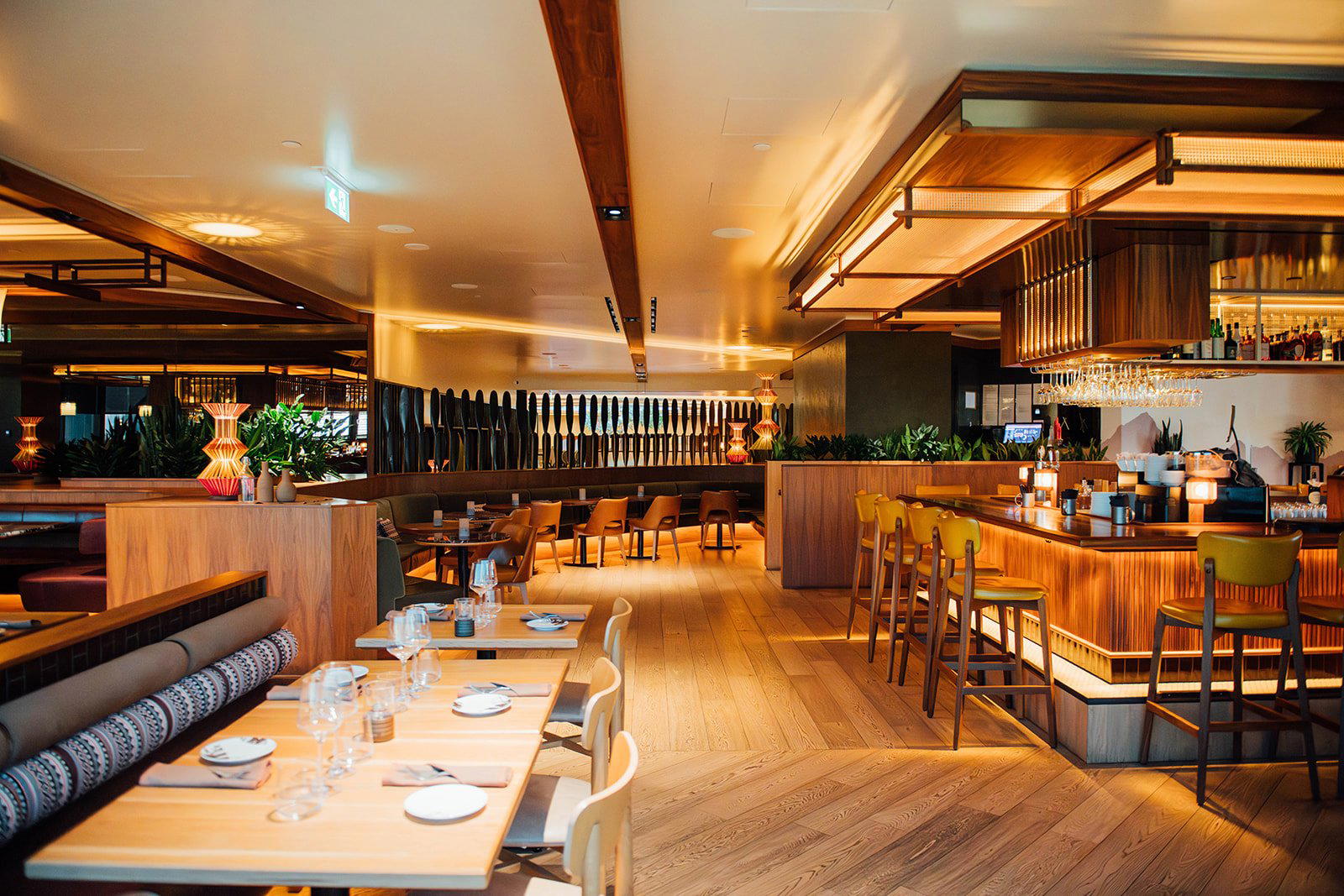
Where Montreal's Collaborative Dining Model Takes Shape
Montreal's downtown dining corridor has spent the better part of a decade sorting itself into two recognizable camps. On one side sit the grand-room institutions, places like Jérôme Ferrer's Europea and Mastard, where the dining room itself carries as much weight as the plate. On the other side, a quieter movement has taken hold: smaller, more deliberate operations where the relationship between kitchen, sommelier, and front-of-house defines the guest experience more than any individual star. Bivouac is a modern Quebecois bistro at 1255 Rue Jeanne-Mance, Montréal, QC H5B 1B2, Canada.
The address places it in proximity to Place des Arts and the cultural district that fans south toward Old Montreal, a neighbourhood whose dining identity has shifted considerably since the mid-2010s. What was once primarily a tourist corridor now holds some of the city's more considered modern operations, as rents and foot traffic have drawn serious operators into buildings that previously hosted more casual formats. That geographic context matters: Bivouac is not positioned as a destination you stumble upon, but as a deliberate stop on a circuit that rewards advance planning.
The Scene Inside
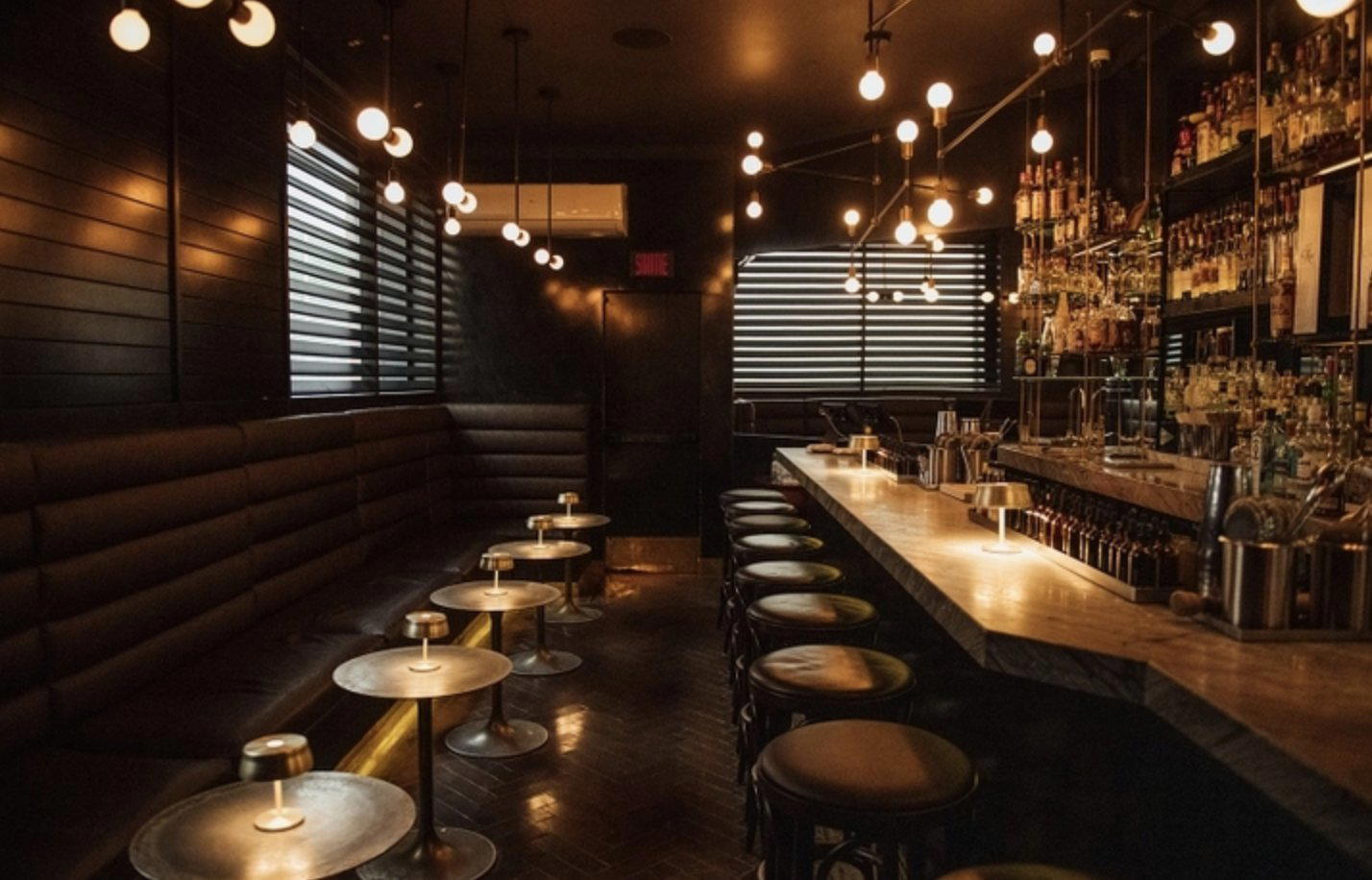
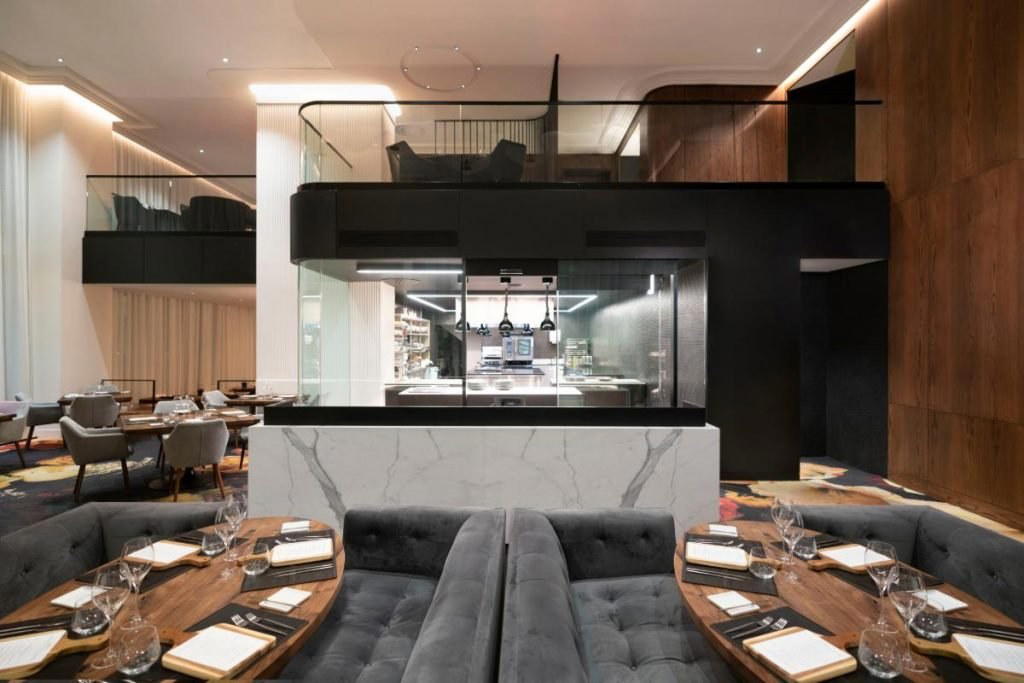
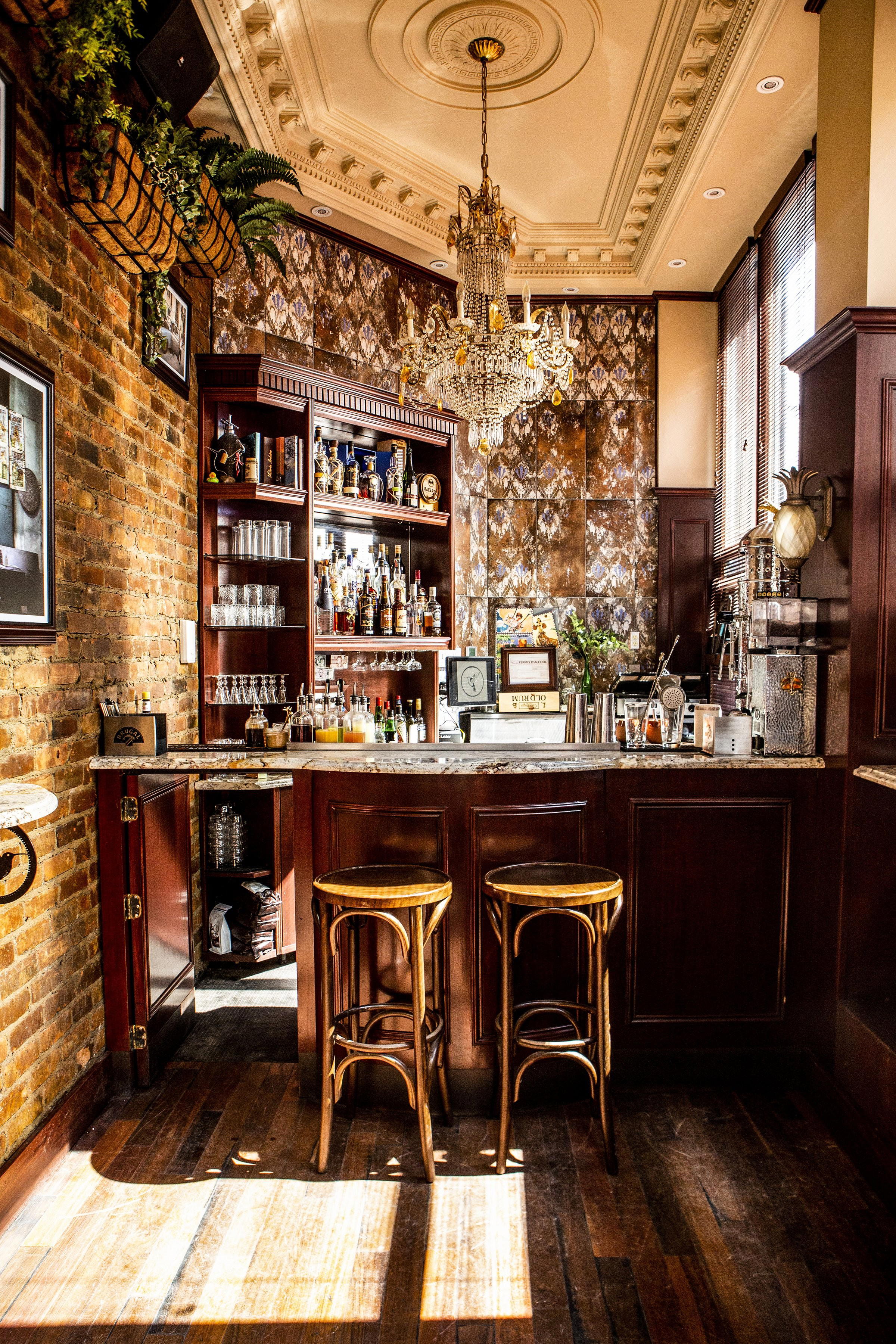
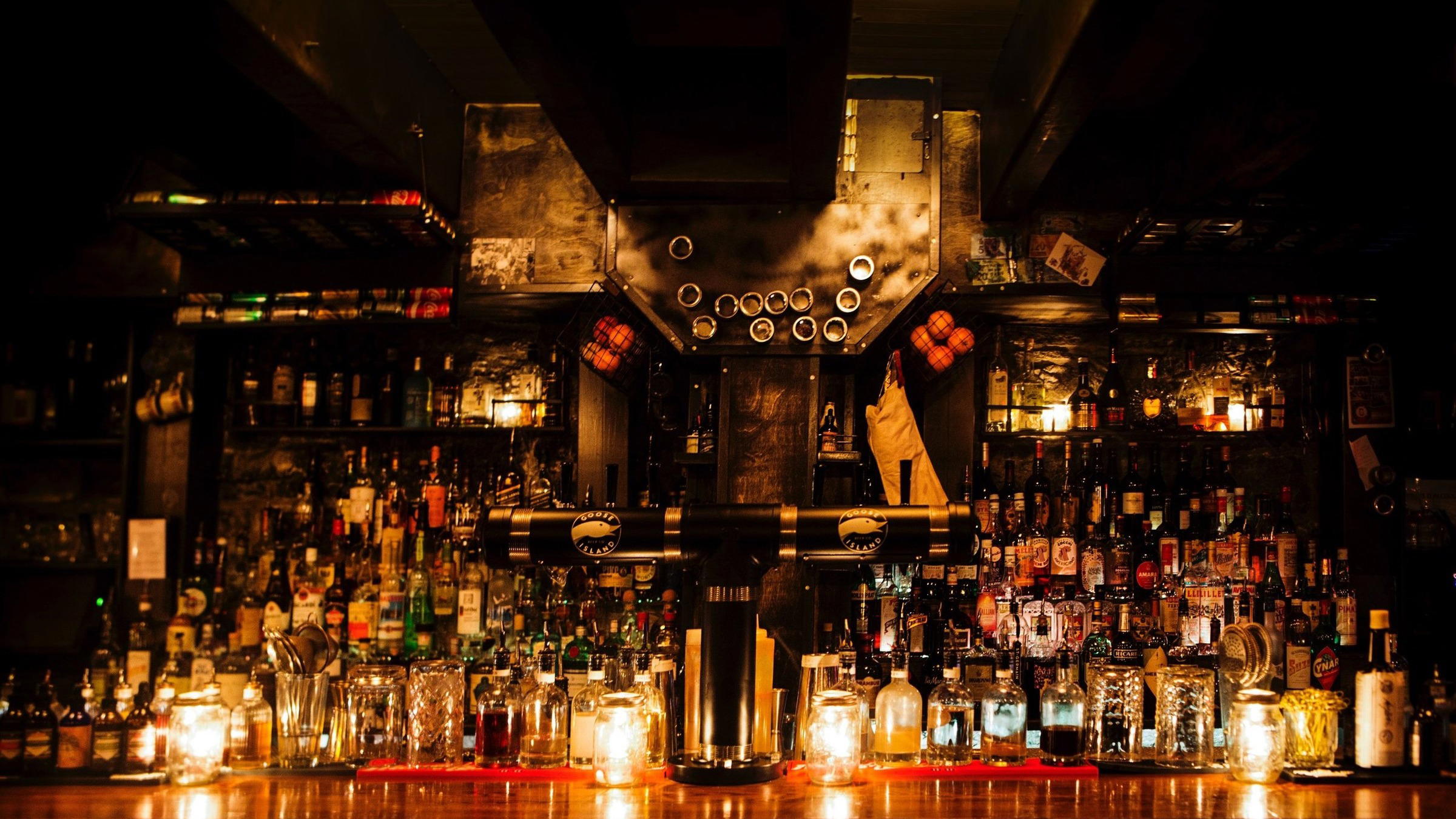
Montreal's modern dining rooms have trended toward a specific physical grammar in recent years: exposed materials, compressed sightlines, and an open pass or visible kitchen that collapses the distance between cook and guest. This format is not merely aesthetic. It is structural to the collaborative model that defines the city's upper-middle dining tier, where the conversation between chef, sommelier, and the floor team plays out in real time, visible to anyone paying attention.
Venues operating in this register, including Sabayon elsewhere in the city, have found that the open format creates a kind of transparency that sets guest expectations differently from a closed kitchen. You understand, as you sit, that the experience is assembled collaboratively rather than delivered from behind a curtain. That shift in framing changes how a meal is received.
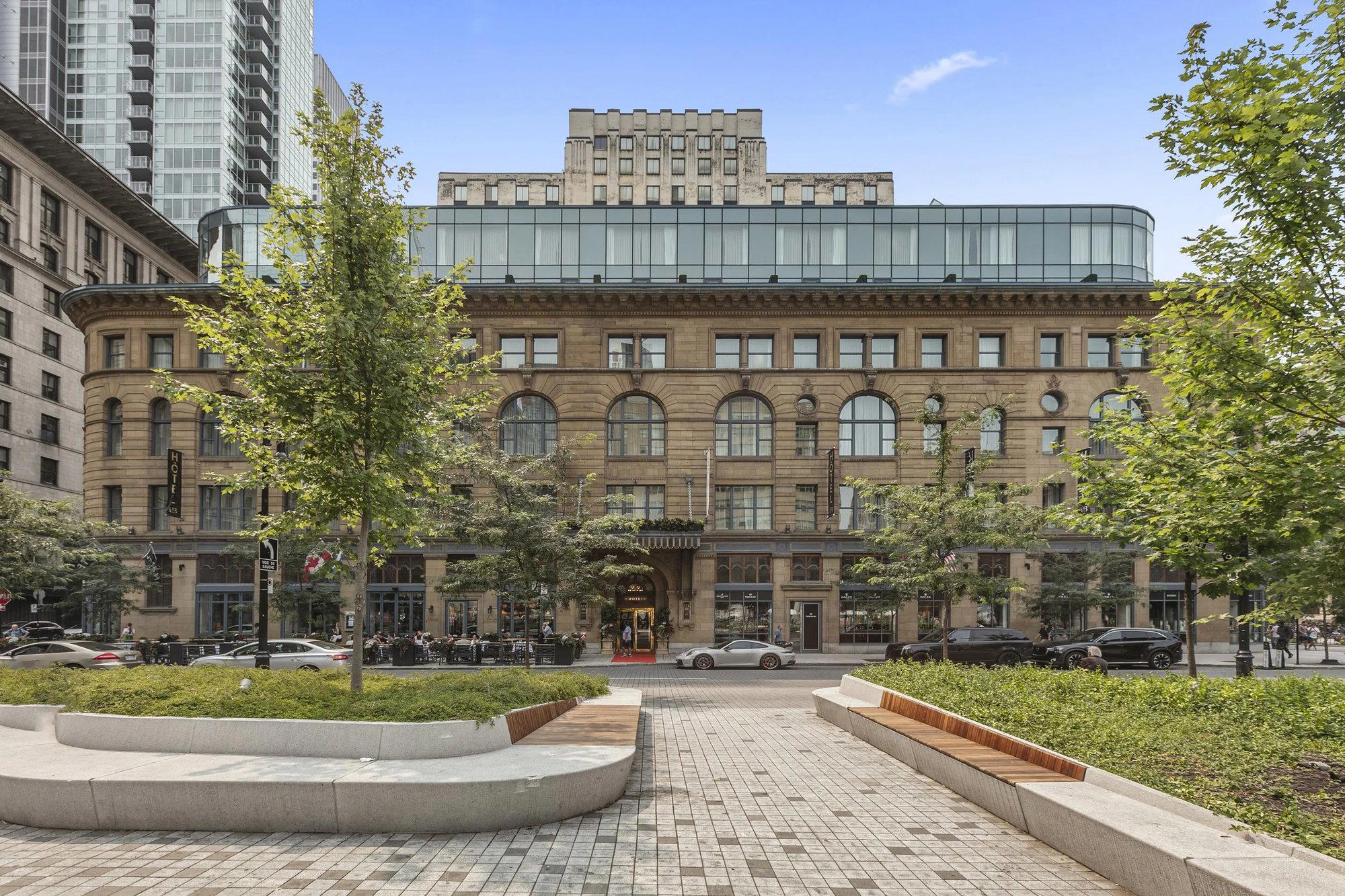
Bivouac's location on Jeanne-Mance puts it in a block that functions as a kind of hinge point between the cultural institutions to the north and the denser residential fabric to the south. Approaching along that street in the evening, the city's ambient noise drops slightly, and the built environment becomes more legible as a series of distinct operations rather than a continuous commercial strip. That physical specificity is part of what gives the address its character.
Team Structure as the Central Argument
Across Canadian fine dining, the venues that have built particularly durable reputations over the past decade have largely done so through coordinated teams rather than singular personalities. Alo in Toronto built its recognition partly on the visible coherence between its kitchen and floor programs. Tanière³ in Quebec City operates on a similar principle, where the sommelier's contribution is legible as a distinct voice in the meal rather than a support function. Restaurant Pearl Morissette in Lincoln has made the winemaking and culinary programs so intertwined that separating them editorially would misrepresent how the experience actually works.
Bivouac sits in this broader Canadian pattern, where the editorial angle is not the chef's biography but the team's architecture. What distinguishes operations in this tier is not any single person's vision, but the degree to which multiple disciplines, cooking, wine, and service, have been made to speak a common language. When that integration works, the meal has a coherence that single-voice restaurants rarely achieve. When it doesn't, the seams show quickly.
Montreal's dining scene has produced several venues that have tested this model against the city's particular pressures: a bilingual service culture, a wine program shaped by Quebec's complex import regulations, and a guest base that includes both serious food travelers and local regulars with demanding institutional memories. 3 Pierres 1 Feu and Abu el Zulof both navigate versions of this environment, each arriving at a different answer about how to balance formality with accessibility.
Situating Bivouac in the Canadian Dining Circuit
For travelers building a multi-city Canadian itinerary around serious dining, Montreal functions as a useful reference point precisely because its scene is neither as formally structured as Toronto's nor as ingredient-narrative-driven as some of the more remote destinations. Eigensinn Farm in Singhampton and Fogo Island Inn Dining Room in Joe Batt's Arm represent the extreme end of the place-as-ingredient school of Canadian cooking. Montreal's better operations, Bivouac among them, make their argument through craft and team integration rather than geography.
That positions the city's upper-middle tier closer in spirit to AnnaLena in Vancouver or Cafe Brio in Victoria than to the destination-driven model of somewhere like Narval in Rimouski. The comparison is useful because it clarifies what kind of dining proposition Bivouac represents: a city restaurant making a city argument, where the quality of execution and team coordination carry the evening rather than the romance of a remote location.
For international reference, the collaborative team model that Montreal's better venues now practice has clear antecedents in the way Le Bernardin in New York long structured its kitchen-floor relationship, and in the community-dinner format that Lazy Bear in San Francisco made central to its identity. The Montreal version is quieter and less programmatic, but the underlying logic, that the meal is made by a team and received as a whole, is recognizably the same.
Venues like The Pine in Creemore and Busters Barbeque in Kenora represent different ends of the Canadian dining spectrum and illustrate how broadly the country's serious food culture now extends beyond its major cities.
Know Before You Go
- Address: 1255 Rue Jeanne-Mance, Montréal, QC H5B 1B2, Canada
- Neighbourhood: Downtown Montreal, adjacent to Place des Arts cultural district
- Price tier: Around USD 60 per person
- Booking: Reservations recommended
A Tight Comparison
Comparable venues nearby, for context on price, style, and recognition.
| Venue | Cuisine | Price | Notes |
|---|---|---|---|
| BivouacThis venue — the venue you are viewing | Not listed | $$$ | Not listed |
| GaZette Bistro | Centre-Ville, Modern Quebec Bistro | $$$ | Not listed |
| Mythik | Not listed | $$$ | Centre-Ville, Québec Regional Market Cuisine |
| L'Gros Luxe Plateau | La Fontaine Park, Canadian Comfort Food | $$ | Not listed |
| Provisions Restaurant | Not listed | $$$ | Outremont, Seasonal Canadian Tasting Menu |
| L'Orignal | Vieux Montréal, Quebecois Comfort Food | $$$ | Not listed |
At a Glance
- Cozy
- Modern
- Trendy
- Sophisticated
- Date Night
- Special Occasion
- Group Dining
- Terrace
- Open Kitchen
- Craft Cocktails
- Local Sourcing
- Farm To Table
- Street Scene
Current opening hours
- Monday
- 5–10 PM
- Tuesday
- 11:45 AM–2 PM, 5–10 PM
- Wednesday
- 11:45 AM–2 PM, 5–10 PM
- Thursday
- 11:45 AM–2 PM, 5–10:30 PM
- Friday
- 11:45 AM–2 PM, 5–10:30 PM
- Saturday
- 5–10:30 PM
- Sunday
- 5–10 PM
Hours can change for holidays and private events. Last verified .
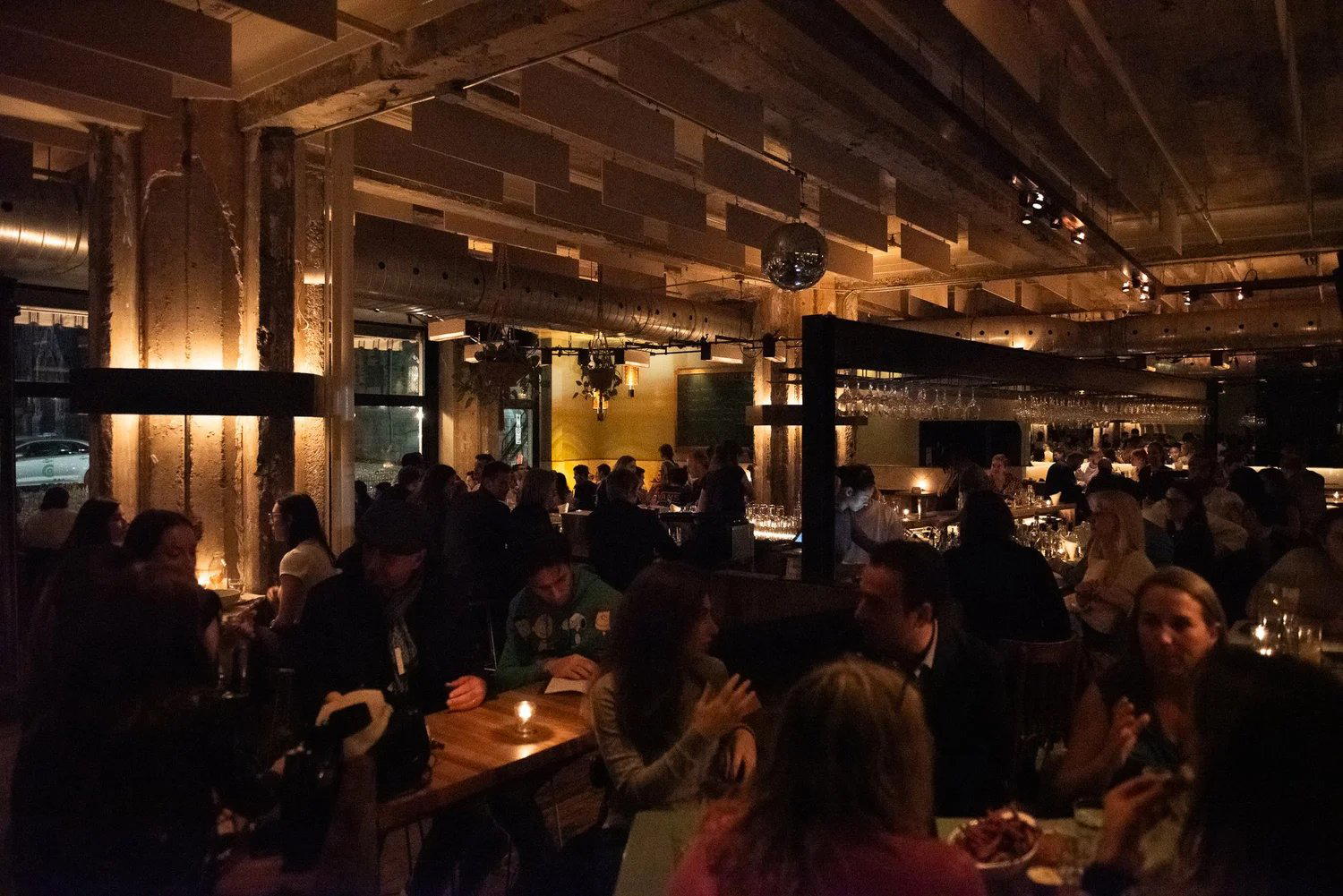
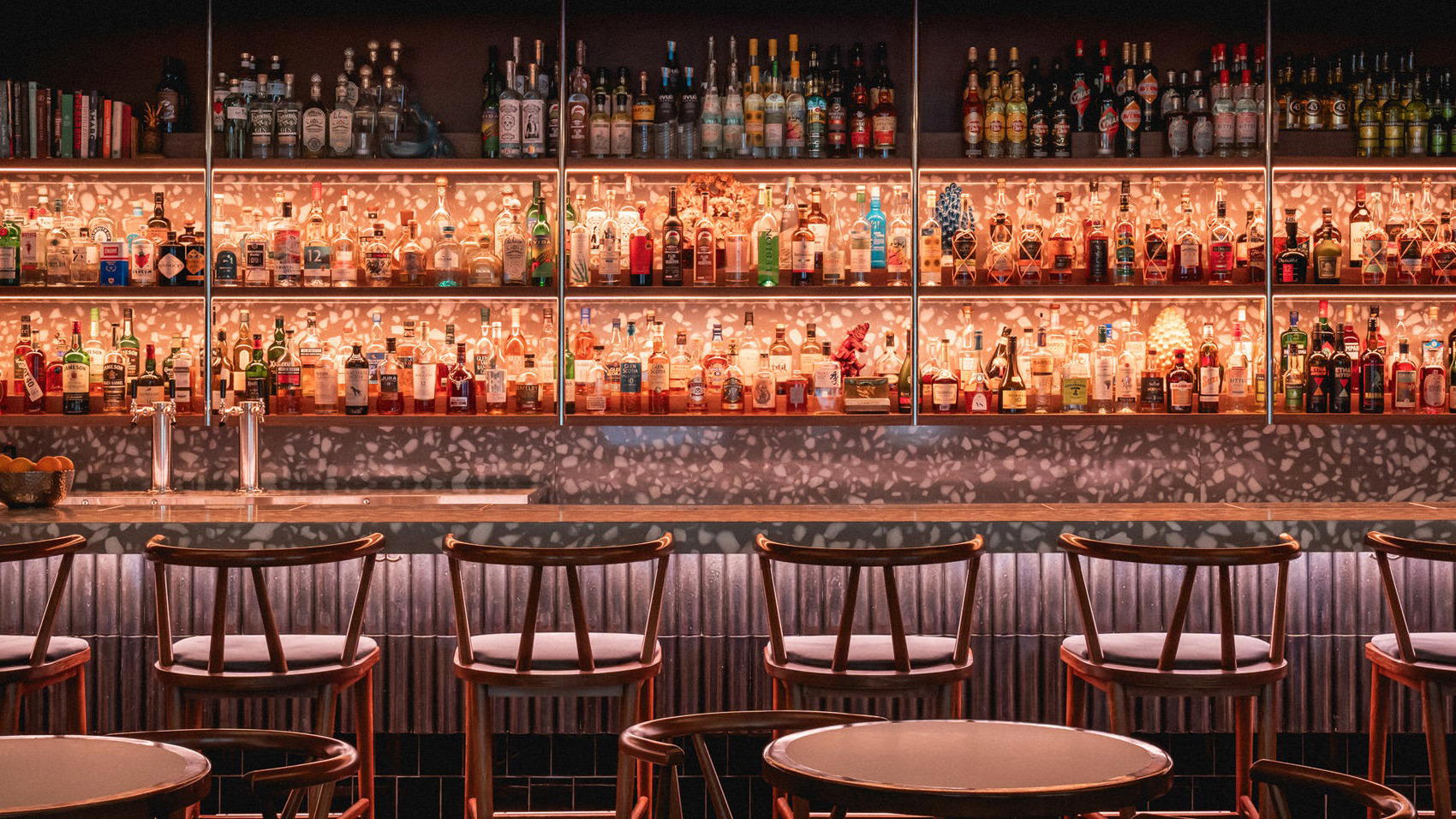
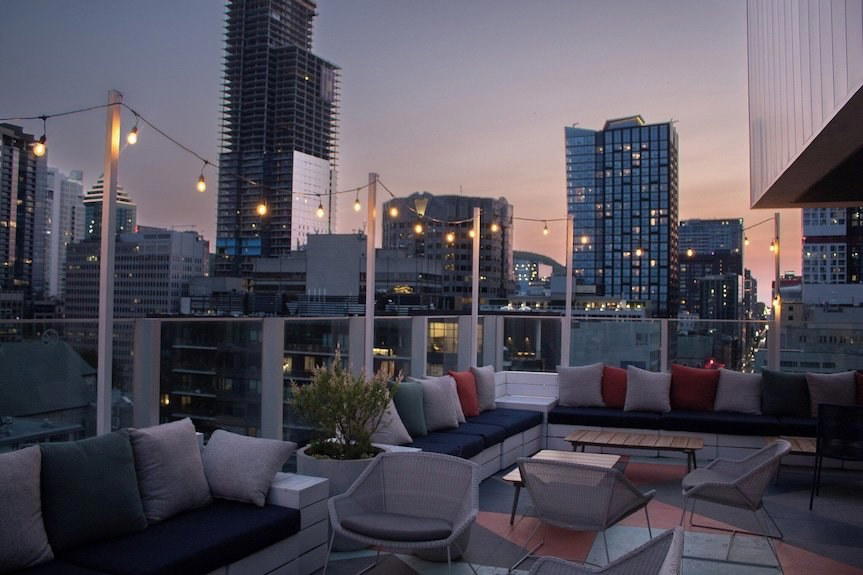
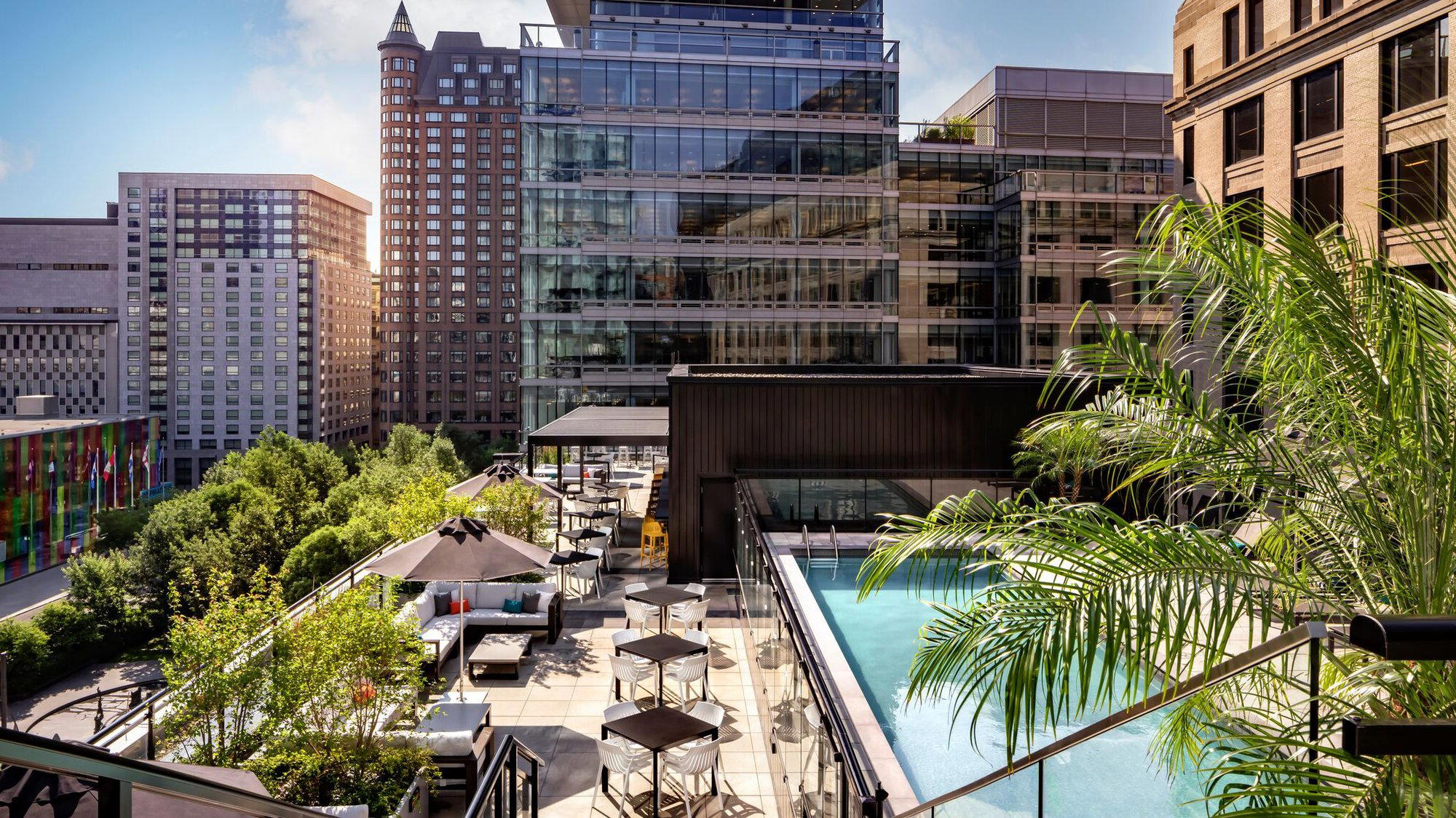
Cozy and refined atmosphere with warm lighting, ideal for intimate dinners or pre/post-show vibes overlooking the Quartier des Spectacles.