"Poutine in Montreal Poutine is the stuff of legends, much to the chagrin of many Canadians. It is the one food non-Canadians seem to know the about, and a snack of this heavy dish is at the summit of the list for most visitors to Montreal. Even though it can be found throughout Canada, poutine got its start in Quebec back in the 1950s and is a collage, some would say train wreck, of ingredients. The classic recipe is simple, french fries topped with brown gravy and curd cheese. But this simple explanation doesn’t do it justice. Like many other comfort foods, poutine may not be the healthiest dish, but there is just something satisfying about the experience. I love sharing a big bowl amongst friends, each armed with a fork scouting out the stronger fries and melty cheese curds as the gravy drips drop by drop into the bowl below. There are a thousand varieties of poutine, including BBQ, lobster, and even foie gras, but there’s nothing like the simple original version."
Pearl is the En Primeur Club membership app — saves, bookings, and concierge access live there. Same editors, same standards.
- Address
- 181 Rue Saint-Paul E, Montréal, QC H2Y 1G8, Canada
- Phone
- +1 514 866 0008
- Website
- montrealpoutine.ca
- Directions
- Get directions
 Saves & bookings on Pearl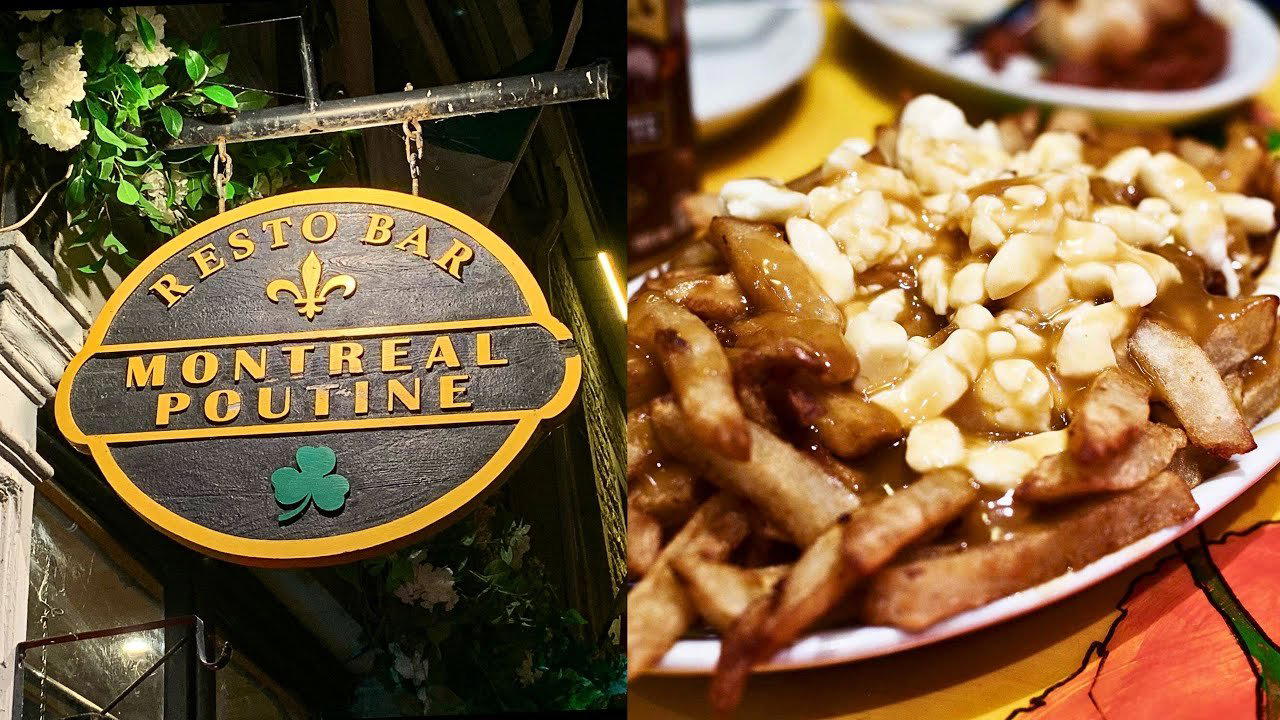
Old Montreal and the Arithmetic of Cheese Curds
Rue Saint-Paul Est runs through the oldest commercial district in Canada, where the cobblestones predate Confederation and the storefronts have cycled through centuries of commerce. In that context, a plate of poutine is not a novelty, it is especially Quebec thing you can order, a dish whose existence encodes the province's insistence on doing things its own way. Montréal Poutine, at 181 Rue Saint-Paul E, sits in a neighbourhood dense with tourist traffic and heritage architecture. Poutine is a focused, ingredient-specific proposition in a district that sometimes forgets what it is.
The Source Argument: Why the Curds Matter More Than the Recipe
Poutine's reputation as a simple dish is, in Quebec, considered something of an insult. The three components, fries, gravy, cheese curds, are direct to list and almost impossible to execute well simultaneously. The curds are especially perishable and the telling element. Authentic Quebec curds squeak against the teeth when fresh, a texture produced by the residual moisture content that disappears within 24 to 48 hours of production. Cheese curds sourced from industrial distributors, held in refrigeration, lose that quality entirely; what replaces it is something closer to mozzarella, which is a different dish entirely. The sourcing question, where the curds come from, how far they travelled, how recently they were made, is the first and most consequential editorial lens through which any serious poutine establishment should be evaluated.
Quebec's dairy infrastructure makes genuine fresh-curd sourcing more accessible here than almost anywhere else in North America. The province operates under a supply management system that has sustained a dense network of fromageries, many within a few hours of Montreal. That proximity matters. For comparison, poutine served outside Quebec is structurally disadvantaged on this one input before a single fry is cut. The wider Canadian table has absorbed the dish, Alo in Toronto operates in a different register entirely, but even casual Toronto spots attempt their version, though Quebec remains the only region with reliable daily-fresh curd supply at scale.
Fries, Gravy, and the Structural Logic of the Dish
The fry question is nearly as contested as the curd question. Double-frying for crispness, starch content of the potato variety, and thickness all affect how the fry holds up under hot gravy. The gravy itself in traditional Quebec poutine is a light chicken or veal stock reduction, not the thick pub-style gravy that appears in English-Canadian versions. That distinction changes the textural outcome entirely: a properly constructed poutine has fries that soften at the edge while retaining some structure at the core, curds that begin to yield without fully melting, and a gravy that coats rather than saturates. The window for serving this correctly is measured in minutes, which is why takeaway poutine is a different product from table-service poutine, regardless of ingredient quality.
Old Montreal's visitor profile, concentrated in summer months when the Vieux-Port and Notre-Dame Basilica draw the largest crowds, means the corridor along Rue Saint-Paul sees high footfall from April through October. A busy lunch service in July demands more throughput than a quiet November Tuesday, and curd freshness benefits from faster turnover. Timing a visit to peak service hours, typically midday on weekdays and weekend afternoons, has practical implications beyond wait time.
Montreal's Broader Dining Context
Montreal's restaurant culture sits at a productive tension point between French culinary rigour and a deeply local, often proudly informal, counter-culture. The fine-dining tier, represented by rooms like Jérôme Ferrer's Europea and Mastard, works within European technique while sourcing from Quebec's agricultural belt. Further afield, Tanière³ in Quebec City represents the hyperlocal sourcing argument taken to its philosophical conclusion. The informal tier, poutine, smoked meat at spots like Schwartz's, bagels from Saint-Viateur, occupies a different but equally serious place in Montreal's food identity. These are not consolation dishes for visitors who cannot afford tasting menus; they are the dishes that define the city's relationship with its own ingredients and traditions.
That informal tier also has a broader Canadian parallel worth tracking. Ingredient-driven cooking at the counter-service level, where the sourcing argument is applied to casual formats, shows up at places like The Pine in Creemore and is embedded in the farming-to-table ethos at Eigensinn Farm in Singhampton. The common thread is that Canadian food culture, at its most considered, is a sourcing culture first and a technique culture second. Poutine, executed correctly in Quebec, belongs to that lineage.
For visitors constructing a Montreal itinerary across multiple price points, the Old Montreal corridor offers useful range. 3 Pierres 1 Feu and Abu el Zulof represent the neighbourhood's diversity of register, while the full range of options is mapped in our complete Montreal restaurants guide. For those moving across Canada, the sourcing-led dining conversation continues at Restaurant Pearl Morissette in Lincoln, AnnaLena in Vancouver, Cafe Brio in Victoria, Narval in Rimouski, Fogo Island Inn Dining Room in Joe Batt's Arm, and Busters Barbeque in Kenora. At the international level, the sourcing rigour found in Quebec's dairy tradition has a formal-dining parallel at Le Bernardin in New York City and the communal-format ingredient focus at Lazy Bear in San Francisco.
Know Before You Go
Address: 181 Rue Saint-Paul Est, Vieux-Montréal, QC H2Y 1G8
Neighbourhood: Old Montreal (Vieux-Montréal)
Getting there: Closest métro is Champ-de-Mars (Orange Line), approximately a 5-minute walk. Street parking along Rue Saint-Paul is limited; municipal lots are available nearby on Rue de la Commune.
Leading timing: Midday service during peak tourist season (May to September) ensures the highest curd turnover and freshest product. Off-season visits on weekday lunchtimes offer shorter waits.
Price tier: Street/casual format. Poutine in Old Montreal runs roughly in the CA$12 to 18 range for a standard portion, though specific pricing here is not confirmed.
Phone/booking: No advance booking required for counter-service poutine. Walk-in only.
Dietary needs: Gravy typically contains animal stock; those with dietary restrictions should confirm ingredients directly with staff on arrival, as no allergen menu is published online.
At a Glance
Comparable venues nearby, for context on price, style, and recognition.
| Venue | Cuisine | Price | Notes |
|---|---|---|---|
| Montréal poutineThis venue — the venue you are viewing | Vieux Montréal, Canadian Poutine | $$ | Not listed |
| Régine Café | Louis-Hebert, Creative Canadian Brunch | $$ | Not listed |
| Mythik | Not listed | $$$ | Centre-Ville, Québec Regional Market Cuisine |
| Café Holt | Not listed | $$$ | Golden Square Mile, Contemporary Canadian Brasserie |
| L'Orignal | Vieux Montréal, Quebecois Comfort Food | $$$ | Not listed |
| Menthe et couscous | Quartier Latin, Moroccan Mediterranean | $$ | Not listed |

At a Glance
- Lively
- Cozy
- Casual Hangout
- Late Night
- Beer Program
Current opening hours
- Monday
- Closed
- Tuesday
- Closed
- Wednesday
- 11:30 AM–9 PM
- Thursday
- 11:30 AM–9 PM
- Friday
- 11:30 AM–10 PM
- Saturday
- 11:30 AM–10 PM
- Sunday
- 11:30 AM–9 PM
Hours can change for holidays and private events. Last verified .
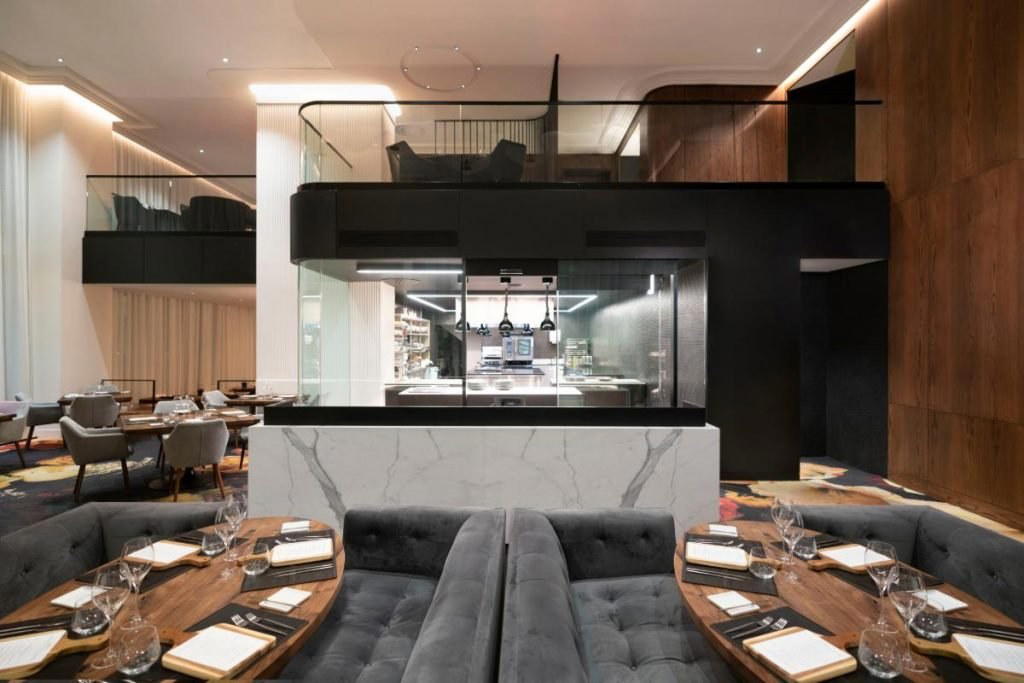
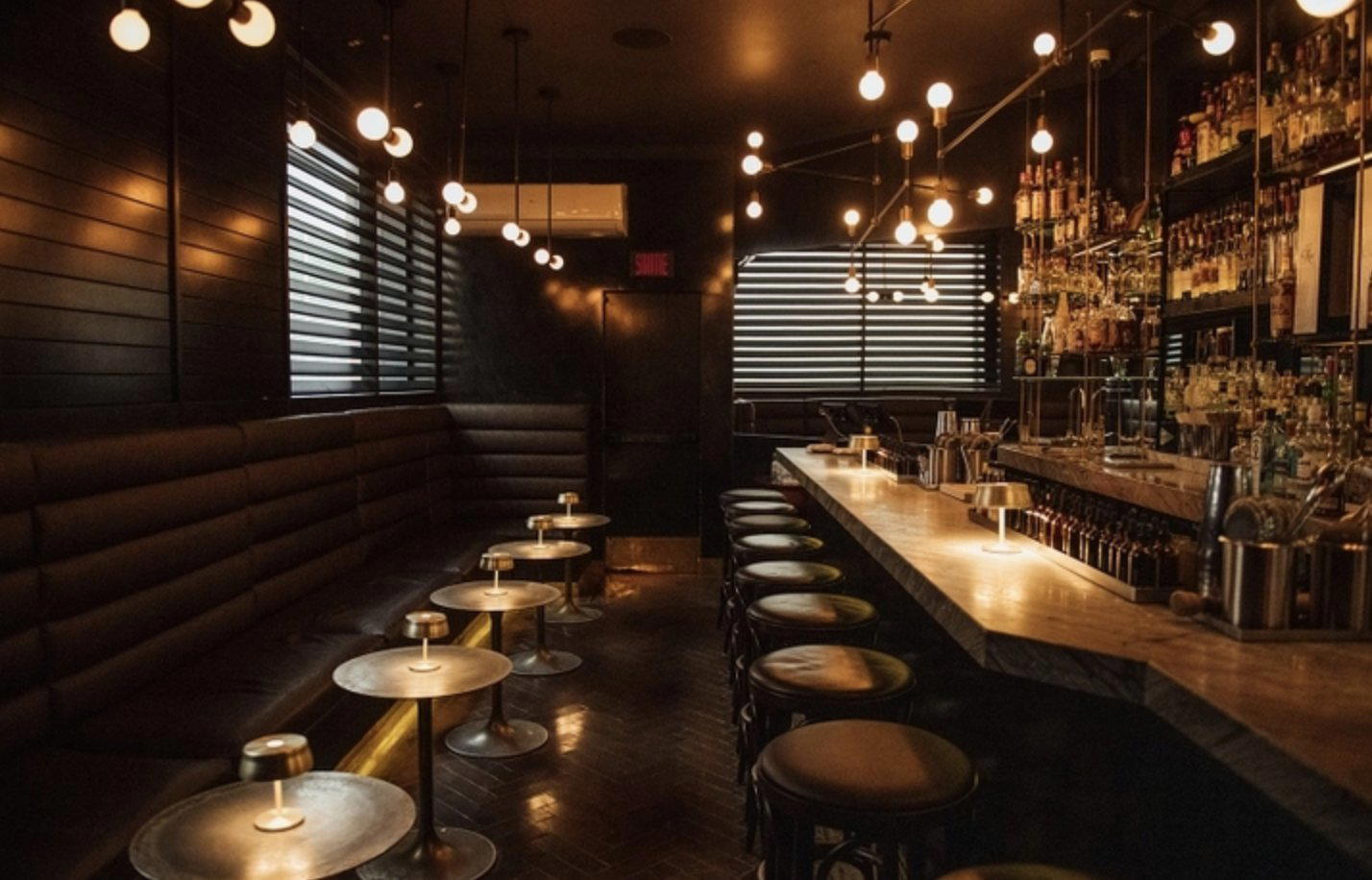
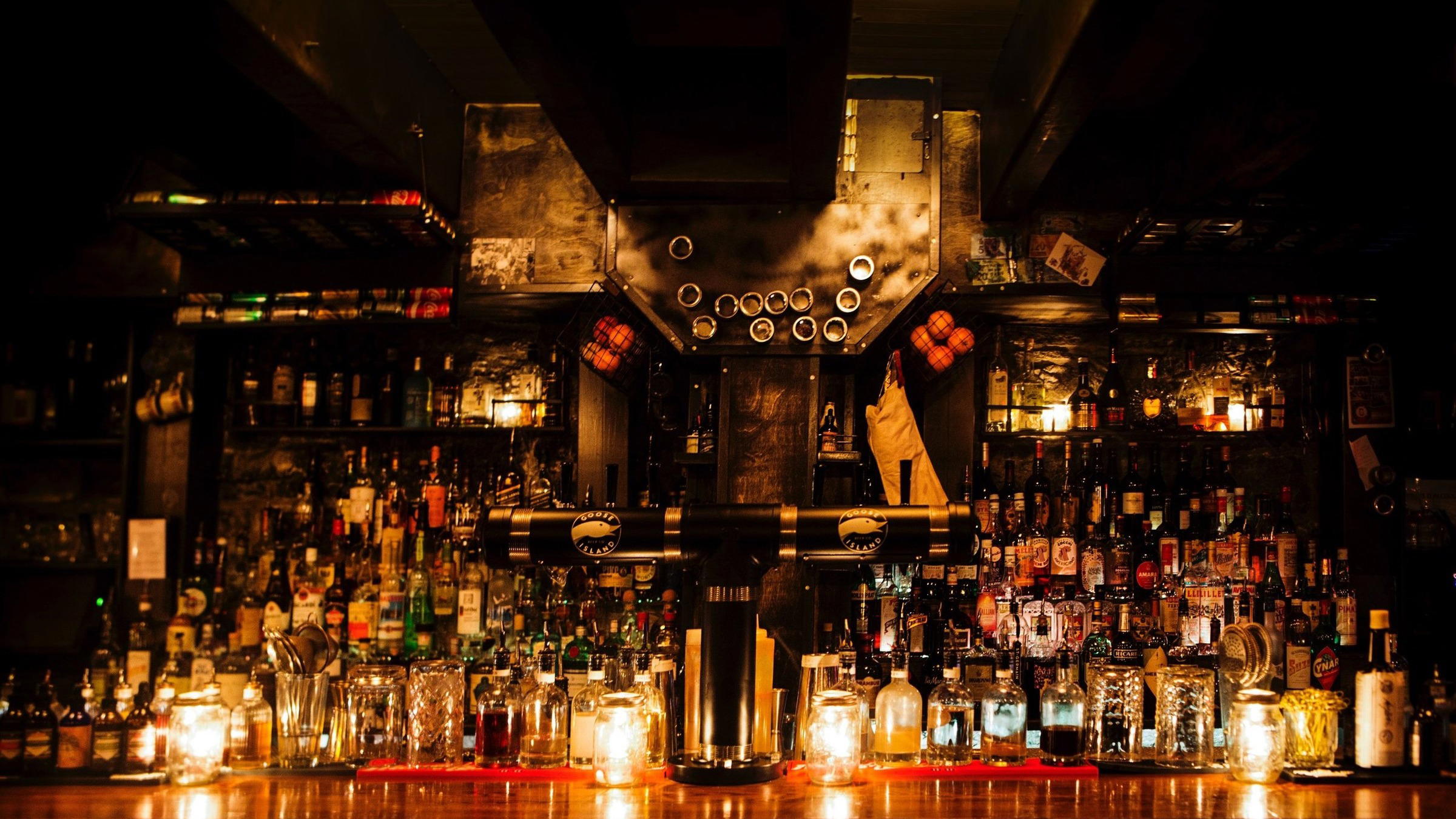
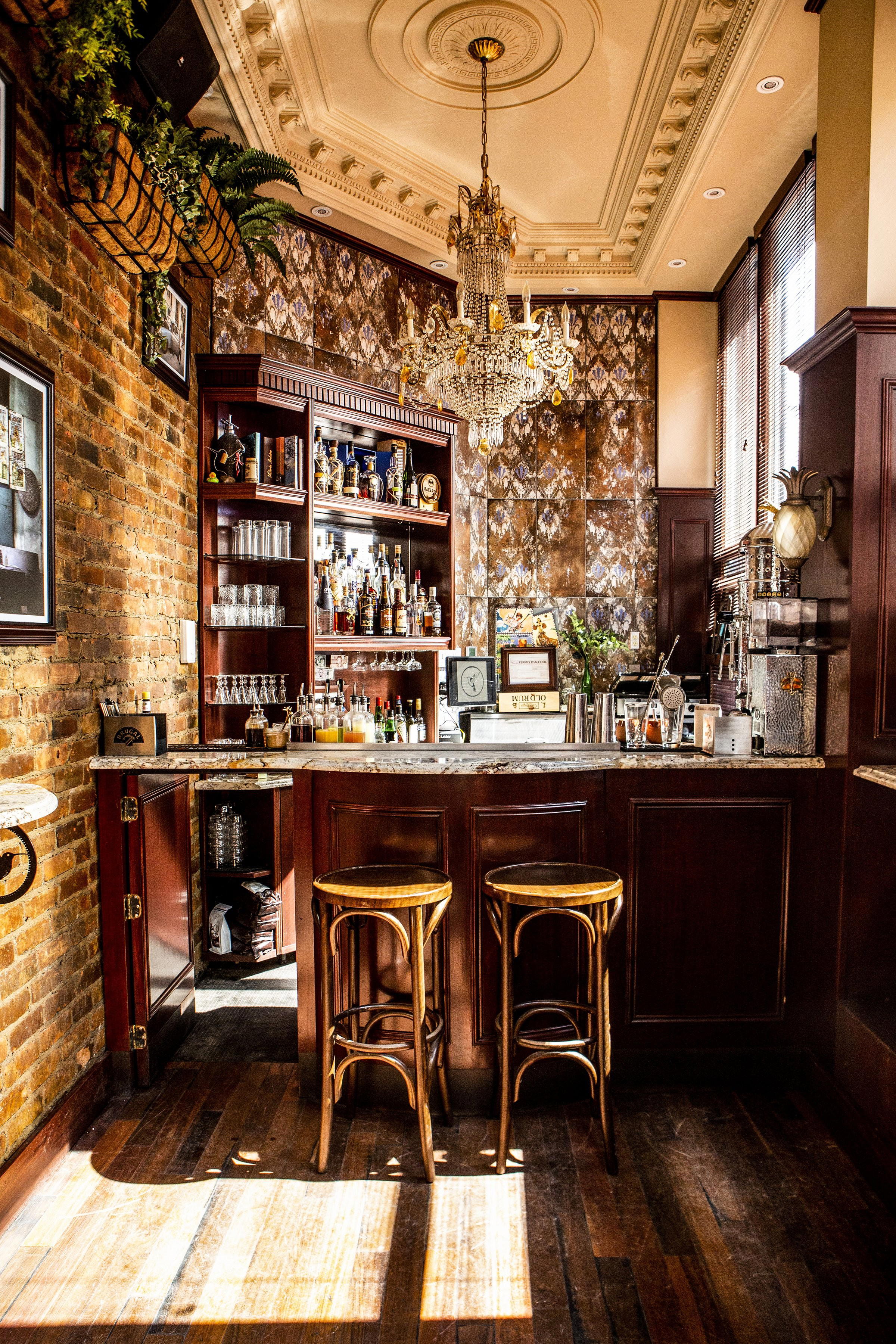
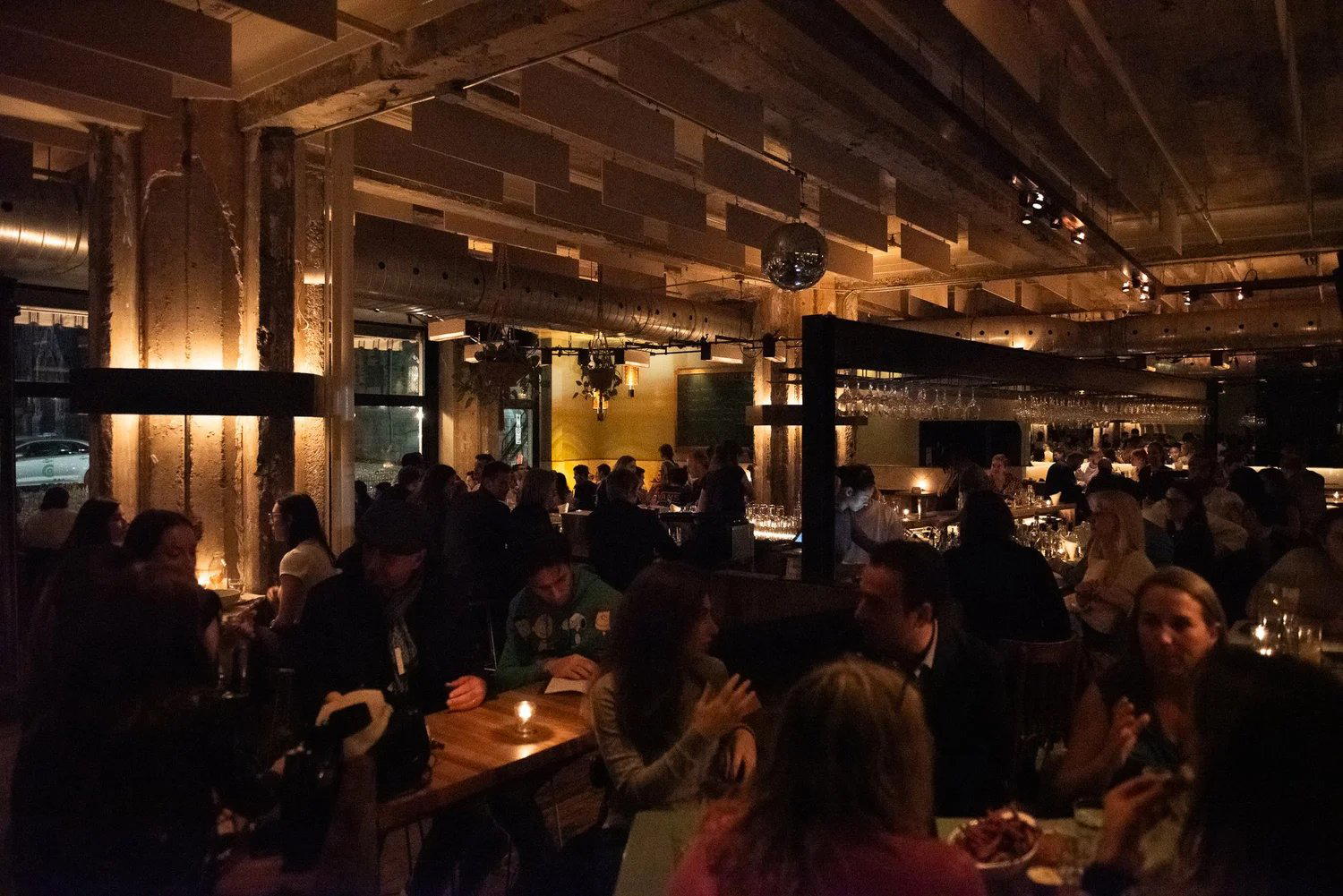
Casual pub atmosphere with friendly service and a focus on local Canadian beers.