.png)
A Michelin Bib Gourmand recipient since 2024, Longkushan Eatery has spent over a decade earning its place in Fuzhou's collective food memory. Set in the Jin'an district away from the city's tourist corridors, it draws a loyal local crowd for home-style Fujian cooking and seafood at prices that keep the focus squarely on the food. The deep-fried Bombay duck and drunken spare ribs are the dishes that keep people coming back.
 Discover on Pearl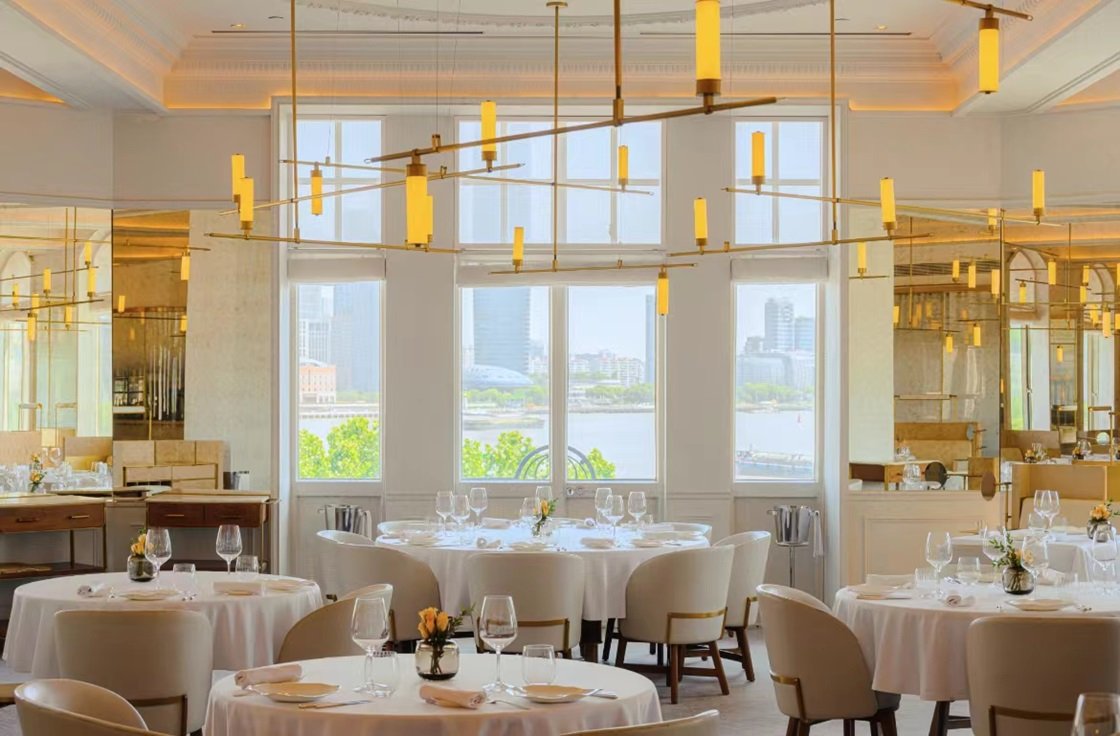
Out on Xiyuan Road, Far From the Crowd
Jin'an district sits to the west of Fuzhou's commercial centre, a working neighbourhood where the streets are more likely to fill with delivery scooters than tour groups. Xiyuan Road, where Longkushan Eatery has occupied number 24 for over a decade, is not the kind of address that ends up on city highlight maps. That distance from the tourist corridor is precisely the condition under which this type of restaurant thrives: a fixed local clientele, prices that reflect the neighbourhood rather than a premium-location surcharge, and cooking that answers to regulars who return weekly rather than first-time visitors who can be wowed once and forgotten.
This is the geography of Fuzhou's most dependable eating. The city's restaurant scene operates across several tiers, from the polished Fujian fine-dining rooms in the CBD to the noodle counters and family-run canteens scattered through residential districts. Longkushan sits in a distinct middle register: more considered than a quick-stop noodle shop like the ¥-tier options along Yadao Lane, but without the tablecloth formality of a venue like Jing Li, which operates at the ¥¥ level in the same cuisine category. The distinction matters when you are deciding where to spend an afternoon in Fuzhou. This is not destination dining in the conventional sense. It is the kind of place that earns a reputation through repetition, dish by dish, year by year.
What Ten Years in One Neighbourhood Actually Means
Longevity in a residential district is a different credential from longevity in a prime dining zone. A restaurant on a high-traffic tourist street can survive on footfall alone. A restaurant on a side street in Jin'an survives only because the people who live and work nearby choose it, repeatedly, over everything else within reach. Longkushan Eatery has been doing this for over ten years, long enough that the Fuzhou Michelin Guide's Bib Gourmand recognition in 2024 was less a discovery than a confirmation of something the neighbourhood already knew.
The Bib Gourmand designation, which Michelin reserves for restaurants offering quality cooking at moderate prices, is a relevant trust signal here precisely because it is not awarded for ambience or location. The guide's assessors have consistently used the category to surface places where the cooking carries the whole experience, independently of setting or service theatre. In Fuzhou's dining context, where Fujian cuisine has a handful of more formal representatives, the Bib Gourmand positions Longkushan in a peer set defined by cooking quality and value rather than presentation or address. For comparison, Fujian cooking at a more formal register can be found at Min Shi Fu or Wenru No.9, both of which operate at a different price point and with a different dining proposition. Longkushan is not competing with those rooms. It is competing, and winning, on different terms.
The Food: Fujian Home Cooking With a Clear Point of View
Fujian cuisine is one of China's eight great regional traditions, built on a coastal larder, a preference for light broths and clear soups, and a cooking culture that prizes freshness and careful seasoning over heavy saucing. Home-style Fujian cooking, the register Longkushan works in, tends to emphasise seafood preparations and braised or fried dishes where the technique serves the ingredient rather than masking it.
Two dishes have become the clearest expression of what the kitchen does. The deep-fried Bombay duck, known locally as a lizardfish, arrives with a crispy outer crust that gives way to velvety, fine-textured meat inside. It is a preparation that requires precise oil temperature and timing; a slightly longer fry produces dryness, and a shorter one leaves the crust flaccid. The balance here has kept regulars ordering it for years. The drunken spare ribs in sweet and sour sauce take a different approach: layers of texture from the cooking process, and a warmth from spicing that lingers without dominating. Both dishes represent a version of Fujian home cooking that is also on offer, in much more polished form, at Fujian-rooted restaurants in other cities, including Hokklo in Xiamen and Hokkien Cuisine in Chengdu. What Longkushan offers is the home register of that tradition, without the refinement layer.
The seafood focus connects Longkushan to a broader pattern in Fuzhou's eating culture. The city sits on the Min River, close to the Fujian coast, and its food markets are among the strongest in inland-adjacent China for fresh marine product. Restaurants in residential districts like Jin'an typically benefit from proximity to local wet markets rather than central wholesale suppliers, which affects the quality ceiling for daily specials and seafood preparations.
How Longkushan Fits Fuzhou's Wider Dining Map
Fuzhou's dining options have expanded considerably in recent years, with more formal Chinese regional cooking now available alongside newer international formats. Harmony Garden on Xierhuan North Road and Fuyuan represent different points on the city's restaurant map, as does the Huaiyang option at Jiangnan Wok, which operates at the ¥¥¥ tier. Longkushan occupies a position that none of those venues fills: the Michelin-recognised, neighbourhood-anchored, home-style Fujian option at the ¥ price range.
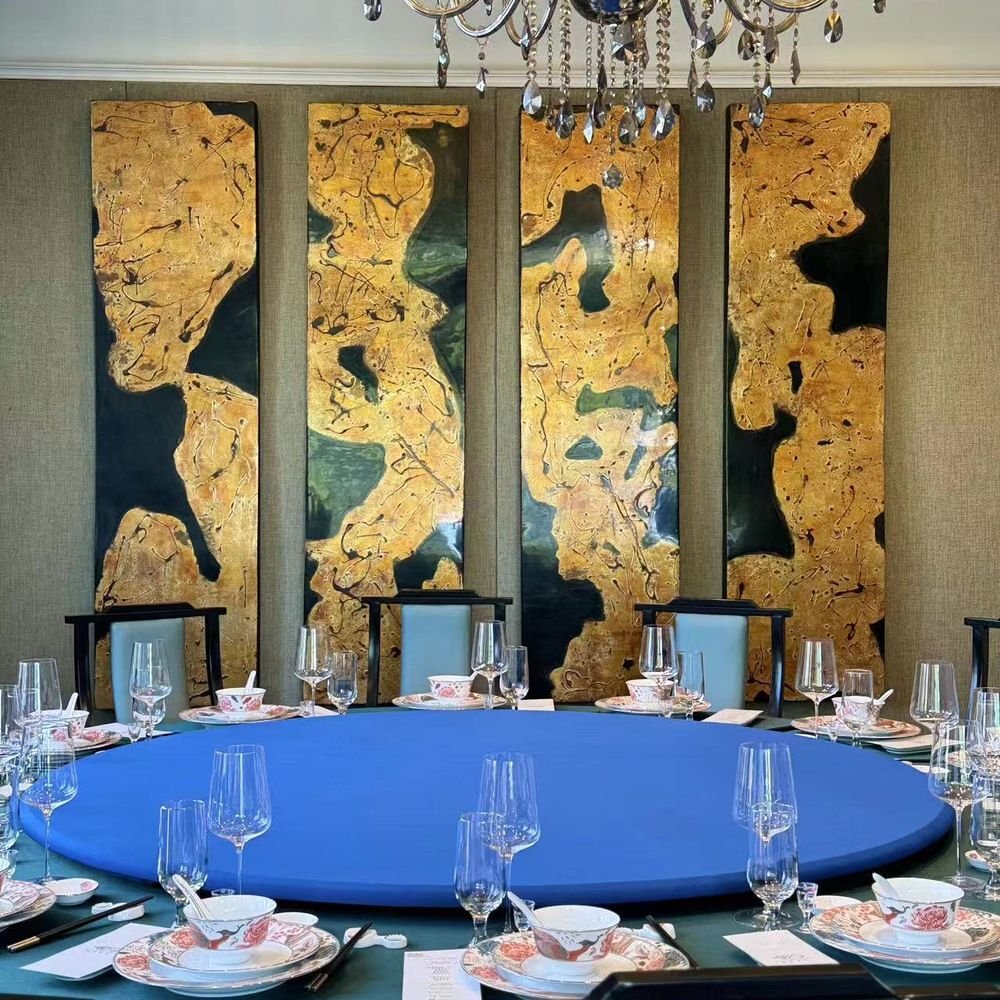
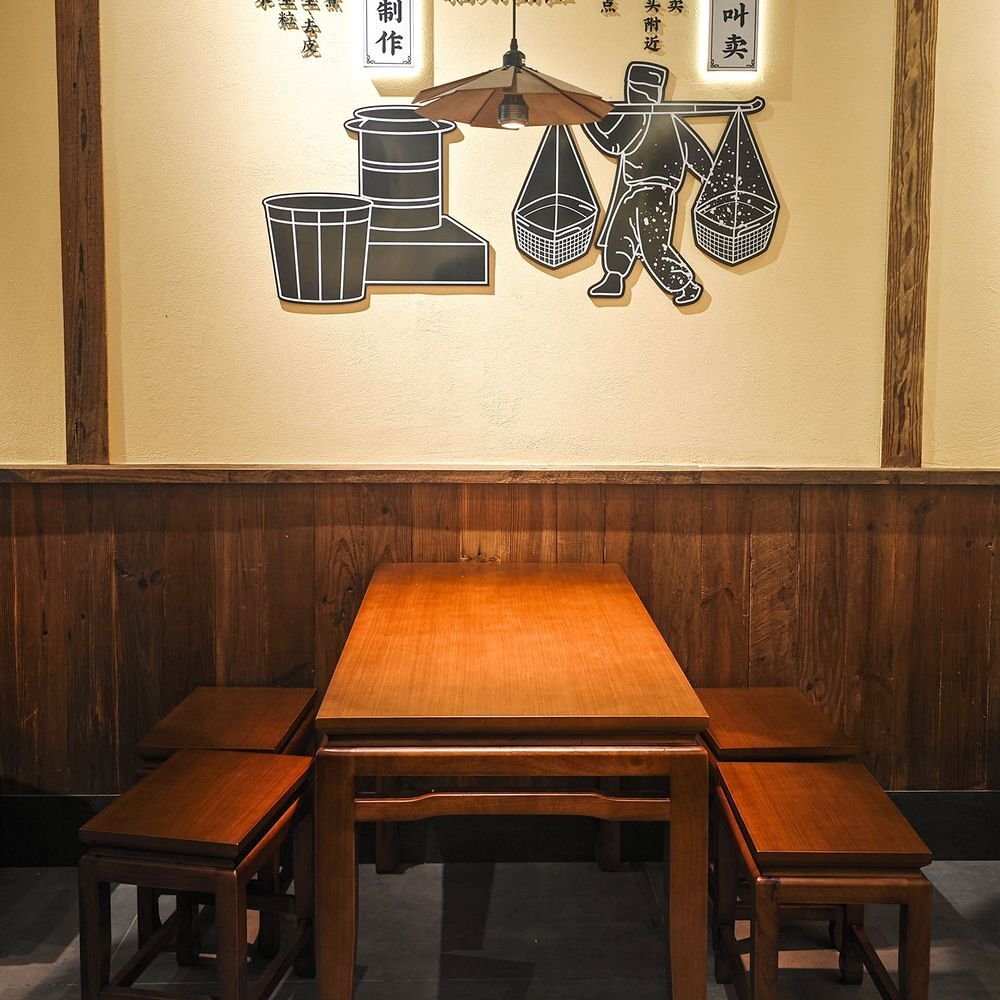
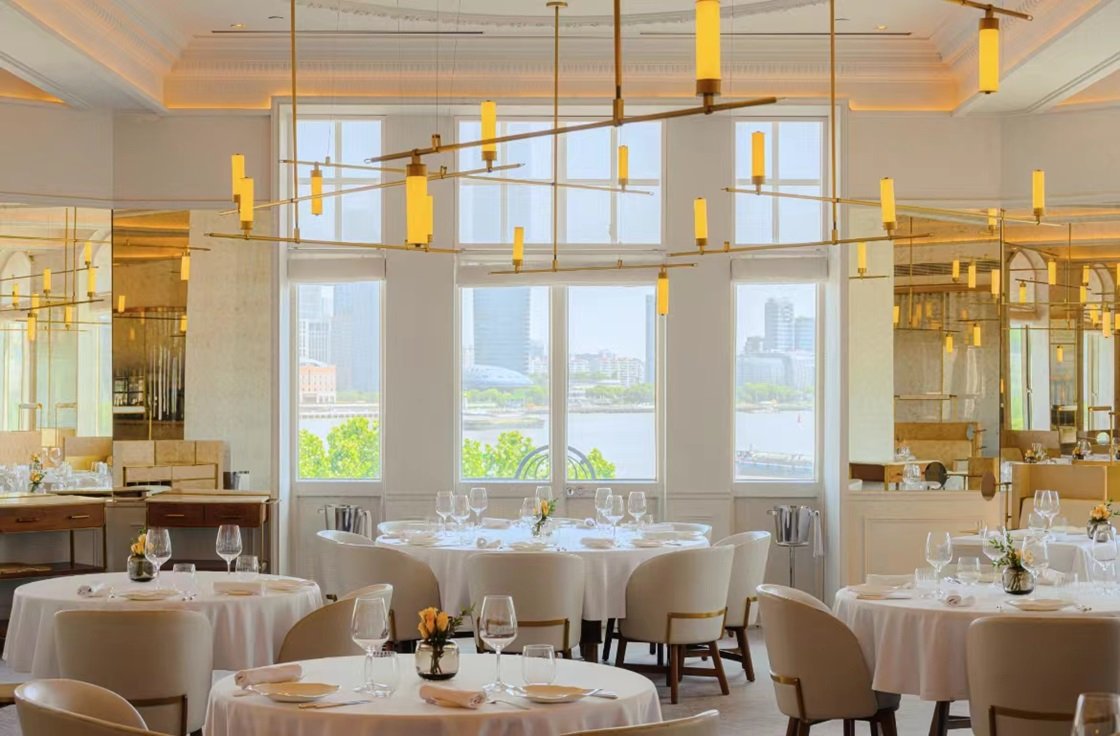
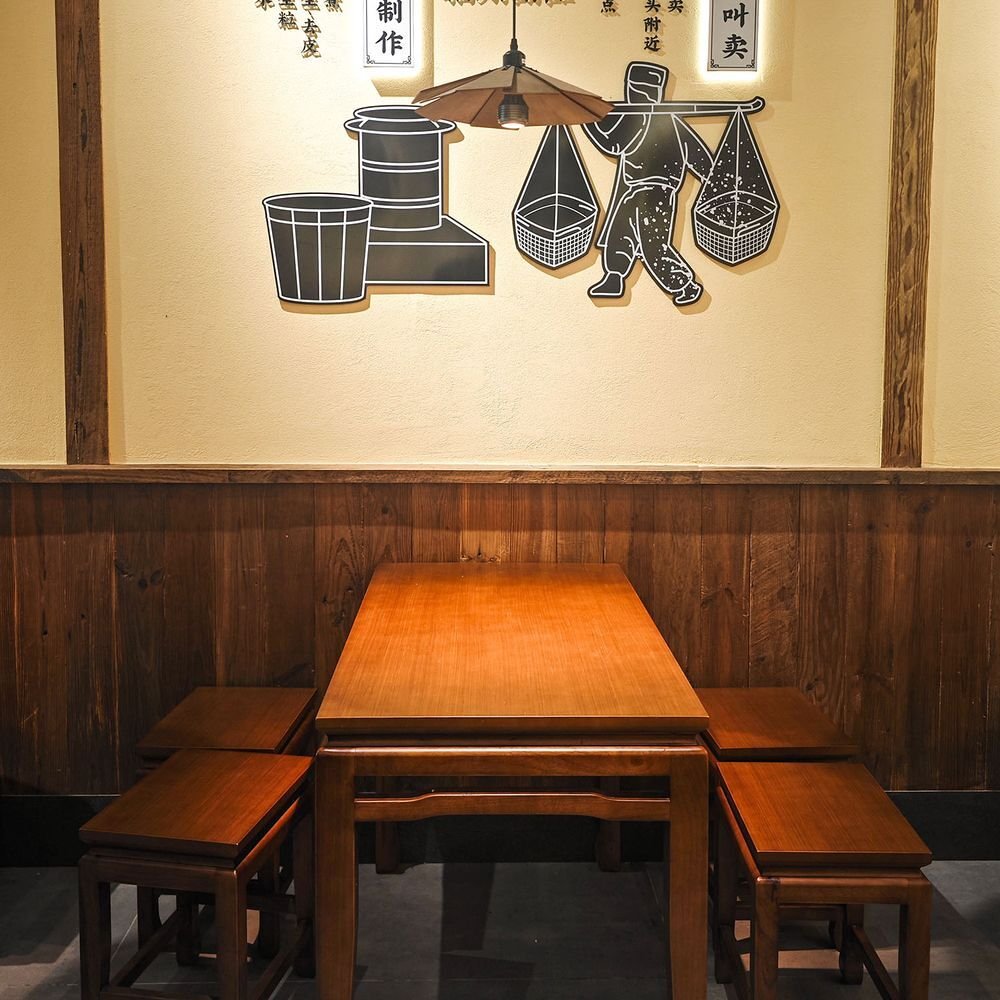
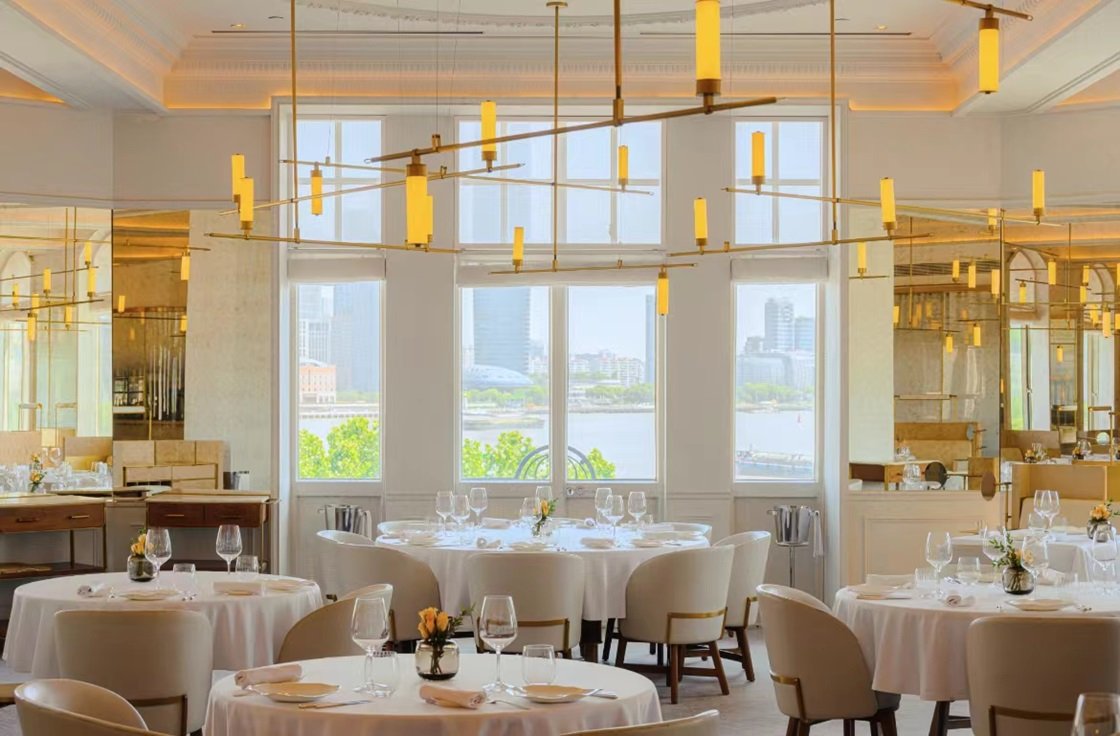
For visitors to Fuzhou who want to understand the city's food culture beyond its hotel restaurants and central dining streets, the journey to Jin'an is worth calculating into an itinerary. The address at 24 Xiyuan Road, in postal zone 350012, requires a cab or rideshare from central Fuzhou, and the lack of an English-language website or reservations system means arriving early or accepting a wait. The ambience is functional rather than designed, which is consistent with the restaurant's entire proposition. You go to Longkushan for what arrives at the table, not for the room it arrives in.
Fujian cuisine has been travelling further in recent years. The cooking tradition's influence is visible at recognised restaurants from Xin Rong Ji in Beijing to Xin Rong Ji in Chengdu, and Fujian-trained techniques appear in fine-dining contexts at venues like Chef Tam's Seasons in Macau and Imperial Treasure Fine Chinese Cuisine in Guangzhou. Longkushan represents the source end of that spectrum: the neighbourhood restaurant where these flavour traditions are maintained without translation for outside audiences. For those building a picture of Chinese regional cooking from the ground up, that is a meaningful position to occupy. Explore the full picture of eating and drinking in the city through our full Fuzhou restaurants guide, and for everything else around it, see our Fuzhou hotels guide, bars guide, wineries guide, and experiences guide.
Cuisine Context
These are the closest comparables we have in our database for quick context.
| Venue | Cuisine | Awards | Notes |
|---|---|---|---|
| Longkushan Eatery | Fujian | Bib Gourmand | This venue |
| Hou Jie Lao Hua (Yadao Lane) | Noodles | Noodles, ¥ | |
| Jing Li | Fujian | Fujian, ¥¥ | |
| Mei Ya Bo Hua Sheng Tang | Small eats | Small eats, ¥ | |
| Jiangnan Wok‧Rong | Huaiyang | Michelin 1 Star | Huaiyang, ¥¥¥ |
| Chosop | Sichuan | Sichuan, ¥¥ |
Continue exploring
More in Fuzhou
At a Glance
- Rustic
- Hidden Gem
- Iconic
- Casual Hangout
- Group Dining
- Family
- Standalone
- Local Sourcing
Sparse, no-frills interior with minimal ambiance; the focus is entirely on the food and the authentic local dining experience rather than decor or comfort.