Santa Fe
Our verdict
On Esplanade Avenue at the edge of Mid-City, Santa Fe occupies a stretch of New Orleans that rewards those who venture past the French Quarter's familiar pull. The address places it within a neighbourhood defined by Creole cottages and local regulars rather than tourist traffic, making it a reliable marker for dining that answers to the city rather than to visitors.

Pearl is the En Primeur Club membership app, where members save venues, book tables and use the concierge.
The menu
What to order
- Seafood Fajitas
- Carne Asada Alexander
- Tres Leches
- Tortilla-crusted Crab Cakes
- Seared Jumbo Diver Scallops
Where Esplanade Avenue Sets the Scene
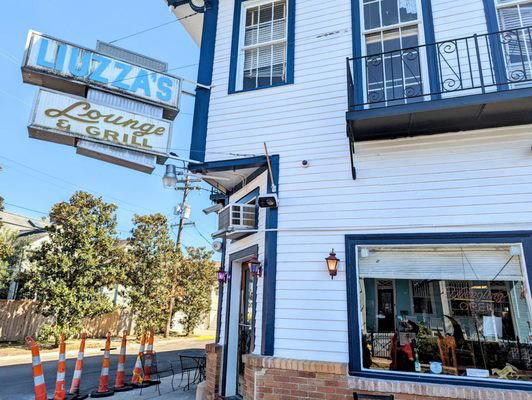
Esplanade Avenue functions as one of New Orleans' great transitional streets, running from the river through the Faubourg Marigny and into Mid-City, lined with live oaks whose canopy turns the afternoon light a particular shade of green-grey. The stretch near 3201 is residential in character: double-shotgun houses, wrought-iron fences, and the low ambient sound of a neighbourhood that has not been remade for foot traffic. Arriving here, you are already outside the orbit of the Quarter's sensory noise, and that distance is part of what defines the experience before you step inside.
In New Orleans, location is rarely incidental. The city's dining culture has historically distributed itself by neighbourhood in ways that reflect social and culinary history: Creole fine dining in the Garden District and Uptown, Cajun inflections in Mid-City, seafood-forward rooms in the Warehouse District. A restaurant on Esplanade sits between those zones, drawing from each tradition without belonging entirely to any. That ambiguity is productive. It is the kind of address that tends to produce kitchens less constrained by category expectation.
The Sensory Register of a Mid-City Room
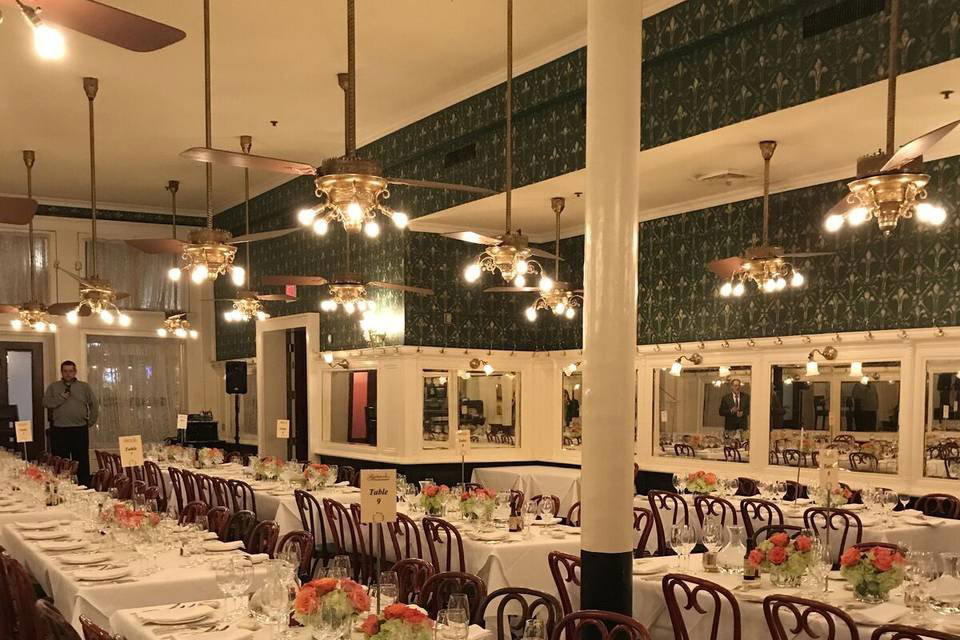
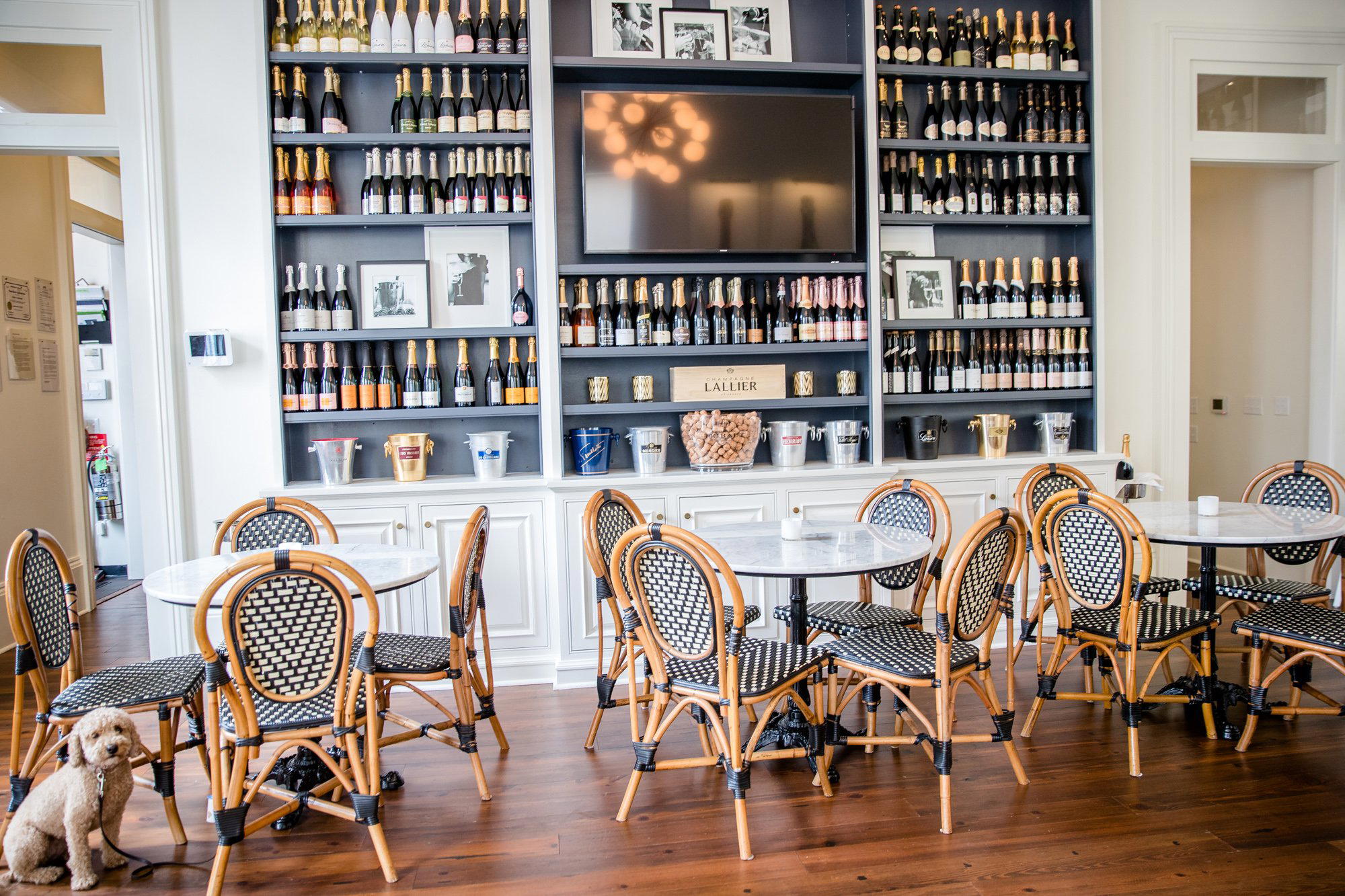
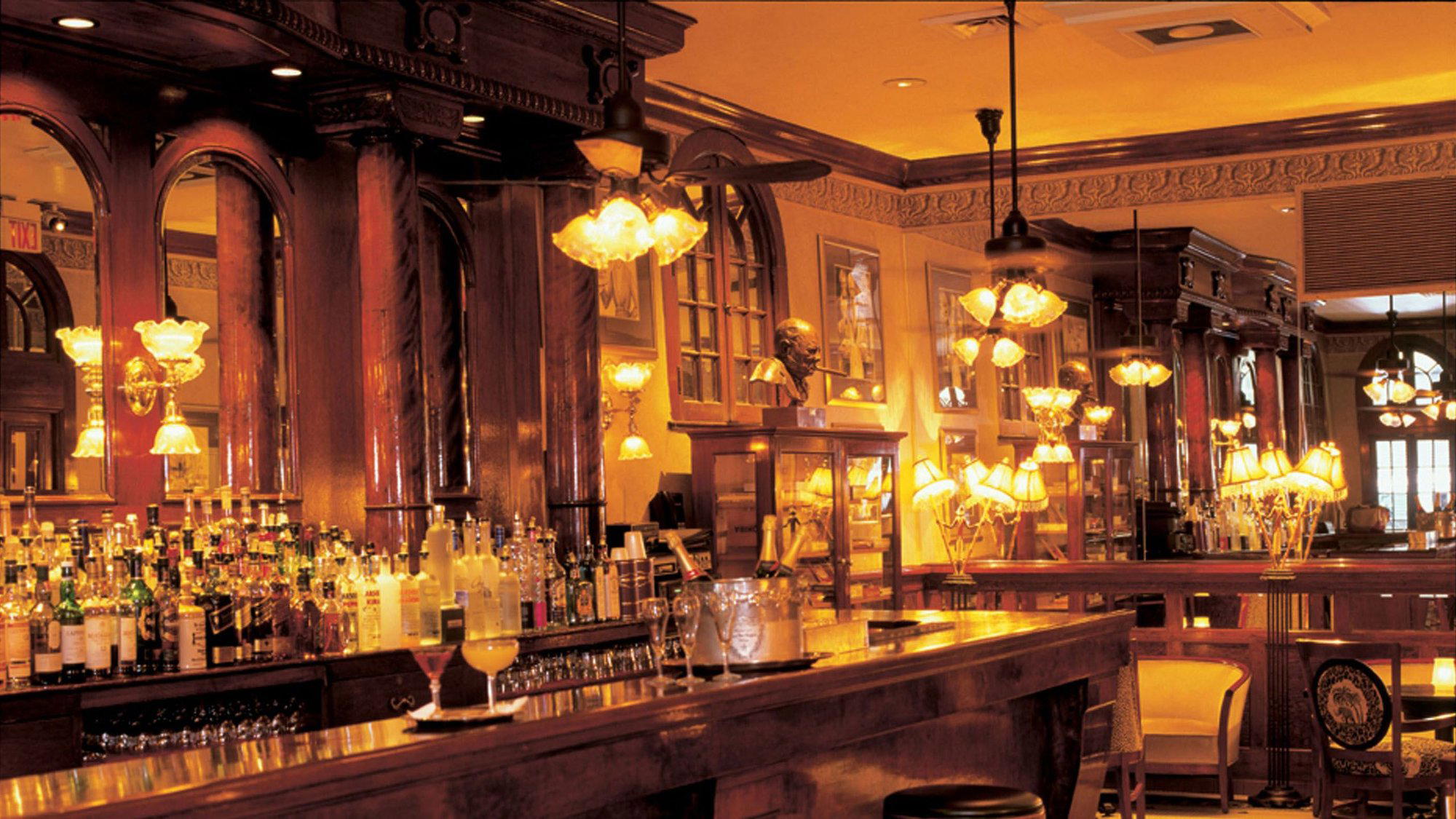
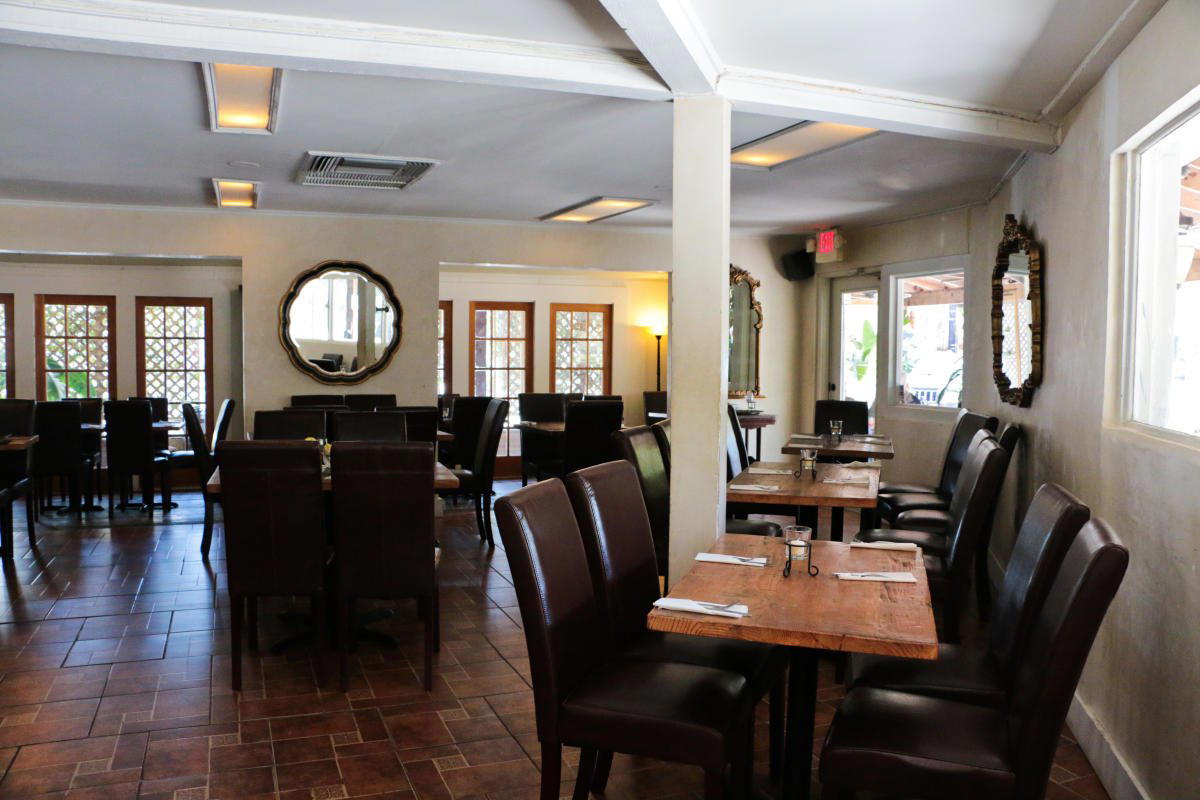
New Orleans restaurants at this address and price point tend to operate in buildings with their own atmospheric weight: pressed-tin ceilings, wide-plank floors worn down by decades of foot traffic, windows that face the avenue and admit a certain quality of evening light. The architecture does work that purpose-built dining rooms cannot replicate. Sound behaves differently in these spaces, absorbing into wood and plaster rather than bouncing off hard contemporary surfaces, which produces a room volume that allows conversation at a normal register even when the house is full.
The olfactory register of New Orleans dining is one of the city's defining characteristics. Even before a menu arrives, a kitchen rooted in local tradition announces itself through the smell of roux cooking down, of andouille fat rendering, of the particular sweetness that Gulf seafood carries when it has moved quickly from water to heat. These are not background details; they are the first course, and any kitchen on Esplanade Avenue that takes its address seriously understands this.
For context on how New Orleans restaurants position themselves by neighbourhood and tradition, the broader picture is available in our full New Orleans restaurants guide.
New Orleans' dining scene has stratified considerably over the past decade. At one end, restaurants with national recognition and multi-year reservation windows, some carrying the kind of credentials associated with rooms like Le Bernardin in New York City or Alinea in Chicago, operate in a tier defined by tasting menus, kitchen transparency, and sourcing documentation. At the other, neighbourhood rooms that have sustained local loyalty across decades without courting outside recognition. Most of New Orleans' working restaurant culture sits between those poles.
On Esplanade, Santa Fe occupies a position that the neighbourhood itself helps define. This is not a destination address for the expense-account crowd; it is the kind of address that rewards readers who have moved past the obvious itinerary. In a city where Saint-Germain and Re Santi e Leoni define the contemporary fine-dining tier, and where Emeril's and Bayona carry the weight of long-established New American and Cajun credentials, the mid-city neighbourhood room serves a different function: it is where the city eats for itself.
That peer context matters when placing Santa Fe. Nationally, the benchmark for serious regional American cooking runs through rooms like Blue Hill at Stone Barns in Tarrytown, Single Thread Farm in Healdsburg, and Bacchanalia in Atlanta. In New Orleans specifically, the regional tradition is Creole and Cajun cooking with Gulf Coast sourcing. Any kitchen serious about its address draws from that lineage, whether or not it foregrounds it on the menu.
What the Address Implies About the Kitchen
In New Orleans, kitchens that survive on Esplanade Avenue tend to do so because of consistent quality rather than novelty. The neighbourhood does not sustain restaurants on tourism alone, which means a room at 3201 Esplanade is answerable to a local clientele with established expectations and long memories. That accountability produces a different kind of discipline than the one required by high-profile urban dining rooms chasing year-end list placements.
The culinary tradition the address invites comparison with is one of the most layered in American cooking. Creole cuisine in particular is a synthesis of French classical technique, West African vegetable and seasoning traditions, Spanish influences, and Gulf Coast seafood abundance. A kitchen working in this neighbourhood has access to that full inheritance, and how it chooses to use, refine, or depart from it is the question any serious visit is designed to answer. For comparable approaches to serious American regional cooking in other cities, Providence in Los Angeles, Addison in San Diego, and The Inn at Little Washington each demonstrate how regional identity can anchor a kitchen without limiting its ambition.
Rooms like Zasu demonstrate how American Contemporary cooking reads in New Orleans at the $$$ tier, while Lazy Bear in San Francisco and Atomix in New York City show what happens when a kitchen at the technical end of that spectrum commits fully to a format. Santa Fe's neighbourhood positioning suggests a different priority: consistency and local trust over format innovation.
Planning Your Visit
Know Before You Go
- Address: 3201 Esplanade Ave, New Orleans, LA 70119
- Neighbourhood: Esplanade Ridge / Mid-City, New Orleans
- Phone:New Orleans restaurants guide provides a fuller frame of reference.
- Is Santa Fe reservation-only?
- What makes Santa Fe worth seeking out?
- The address itself is an argument: a kitchen operating on Esplanade Avenue answers to a local clientele rather than to tourist traffic, which tends to produce a different kind of reliability. In a city where Bayona and Emeril's carry the weight of established reputations, Mid-City neighbourhood rooms represent a less mediated version of how New Orleans actually eats.
- Is Santa Fe allergy-friendly?
- Does Santa Fe justify its prices?
- Saint-Germain while offering cooking rooted in the same regional tradition. Value in this context is largely a function of how the kitchen handles its local sourcing and whether the room has maintained the consistency that sustains neighbourhood loyalty over time.
- How does Santa Fe fit into the Mid-City dining scene compared to better-known New Orleans institutions?
- Mid-City has historically functioned as a residential dining zone rather than a destination dining address, which means restaurants here compete on neighbourhood trust rather than external acclaim. In a city where institutions like Commander's Palace define one end of the Creole dining spectrum and newer rooms like Re Santi e Leoni define a contemporary tier, Santa Fe's Esplanade Avenue position places it in the local-facing middle: a kitchen serving the city rather than curating an experience for visitors.
Frequently asked questions
What's the address for Santa Fe?
Santa Fe is located at 3201 Esplanade Ave, New Orleans, LA 70119, New Orleans.
What kind of dining experience does Santa Fe offer compared to other New Orleans restaurants on Esplanade Avenue?
Santa Fe sits at 3201 Esplanade Ave, a stretch of the avenue that edges into Mid-City and draws a predominantly neighbourhood crowd rather than visitors staying in the French Quarter or Garden District. In the New Orleans dining context, that positioning typically signals a room where the kitchen is accountable to locals who return regularly, not to one-time visitors passing through.
What do people recommend at Santa Fe?
The venue's position on Esplanade Avenue, a street that runs through some of New Orleans' most food-serious neighbourhoods, suggests a kitchen built around consistent execution rather than rotating concepts. Specific dish recommendations are best confirmed directly with the restaurant, as menus at Mid-City New Orleans addresses at this level tend to shift with season and supply. Calling ahead or checking their current menu on arrival will give the clearest picture of what's on offer.
Is Santa Fe reservation-only?
In New Orleans' Mid-City corridor, restaurants operating in this neighbourhood often accommodate both walk-ins and advance bookings, but demand can vary sharply on weekends and during festival periods. Contacting the venue directly before your visit is the safest approach.
What makes Santa Fe worth seeking out?
Location is part of the answer: Esplanade Avenue is one of New Orleans' more historically layered streets, connecting the river to Mid-City through a stretch that has supported neighbourhood dining for generations. Restaurants that hold ground at addresses like 3201 Esplanade typically do so through repeat local custom rather than tourist foot traffic, which tends to reflect a kitchen focused on consistency. That dynamic is worth understanding before you book.
Is Santa Fe allergy-friendly?
New Orleans kitchens at neighbourhood-focused addresses often handle requests on a case-by-case basis, so communicating specific dietary requirements when booking or on arrival is advisable. Direct contact with the restaurant will give the most accurate answer.
Does Santa Fe justify its prices?
What the Esplanade Avenue address does suggest is a restaurant operating for a local repeat clientele rather than a tourist premium model, which in New Orleans typically correlates with value-oriented pricing relative to the food quality delivered. Confirming the current price range with the venue before visiting is straightforward.
Budget Reality Check
Comparable venues nearby, for context on price, style, and recognition.
| Venue | Cuisine | Price | Awards | Notes |
|---|---|---|---|---|
| Santa FeThis venue (the venue you are viewing) | Spanish & Southwestern Cuisine | $20–30 | Not listed | Not listed |
| Luke | Creole-Inspired French Brasserie | $30–50 | Not listed | Central Business District, Creole-Inspired French Brasserie |
| Morrow's | New Orleans-Korean Fusion | $20–30 | Not listed | Marigny, New Orleans-Korean Fusion |
| Jeri Nims Soda Shop | Classic American Diner | $10–20 | Not listed | Arts District, Classic American Diner |
| Cafe Conmigo | Cuban Bakery Cafe | $10–20 | Not listed | Freret, Cuban Bakery Cafe |
| The Joint | Louisiana BBQ | $20–30 | Diners, Drive-Ins and Dives Featured Restaurant | Bywater, Louisiana BBQ |