Phở Tầu Bay Restaurant
Phở Tầu Bay Restaurant on Tulane Avenue is one of New Orleans' long-standing Vietnamese pho houses, occupying a stretch of the city where Vietnamese culinary tradition has quietly shaped the food scene for decades. The kitchen draws on the kind of bone-broth discipline that takes hours, not minutes, placing it within a comparable set defined by process and provenance rather than price or prestige.
Pearl is the En Primeur Club membership app — saves, bookings, and concierge access live there. Same editors, same standards.
- Address
- 1565 Tulane Ave, New Orleans, LA 70112
- Phone
- +1 504 368 9846
- Website
- photaubayrestaurant.com
- Directions
- Get directions
 Saves & bookings on Pearl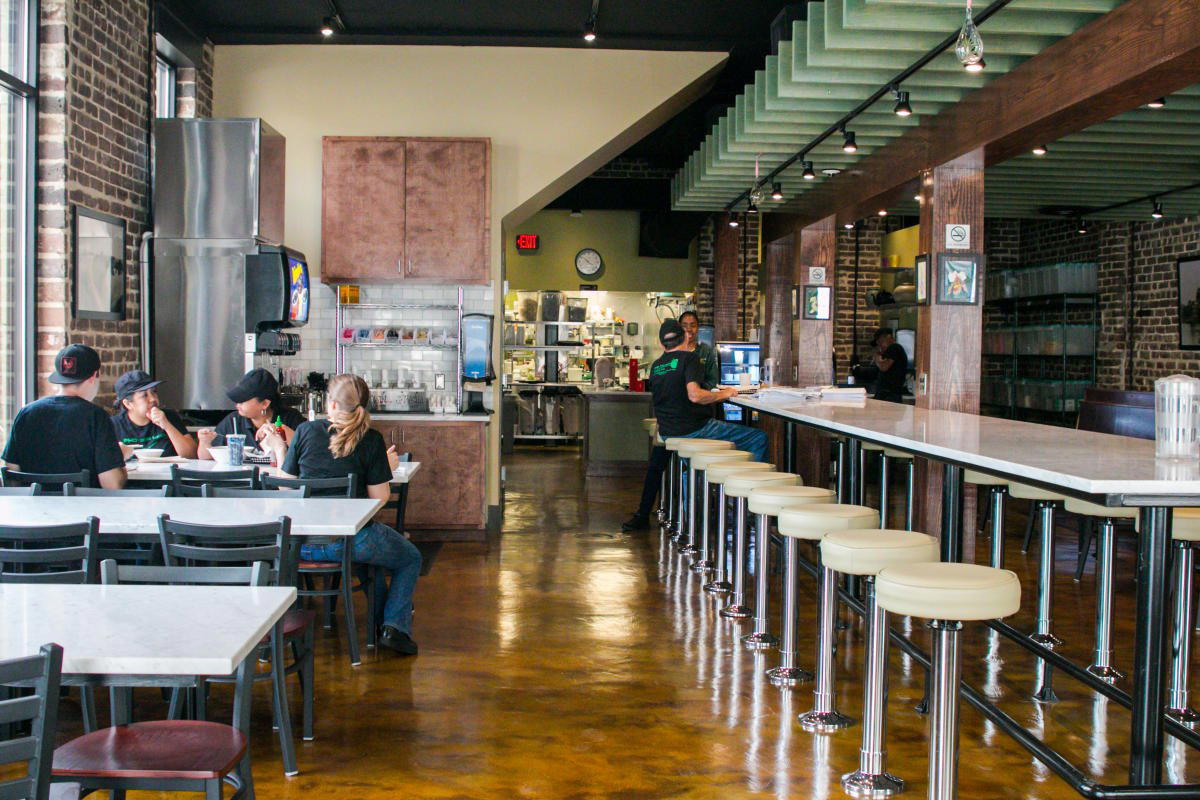
Where Tulane Avenue Meets a Slower Kind of Cooking
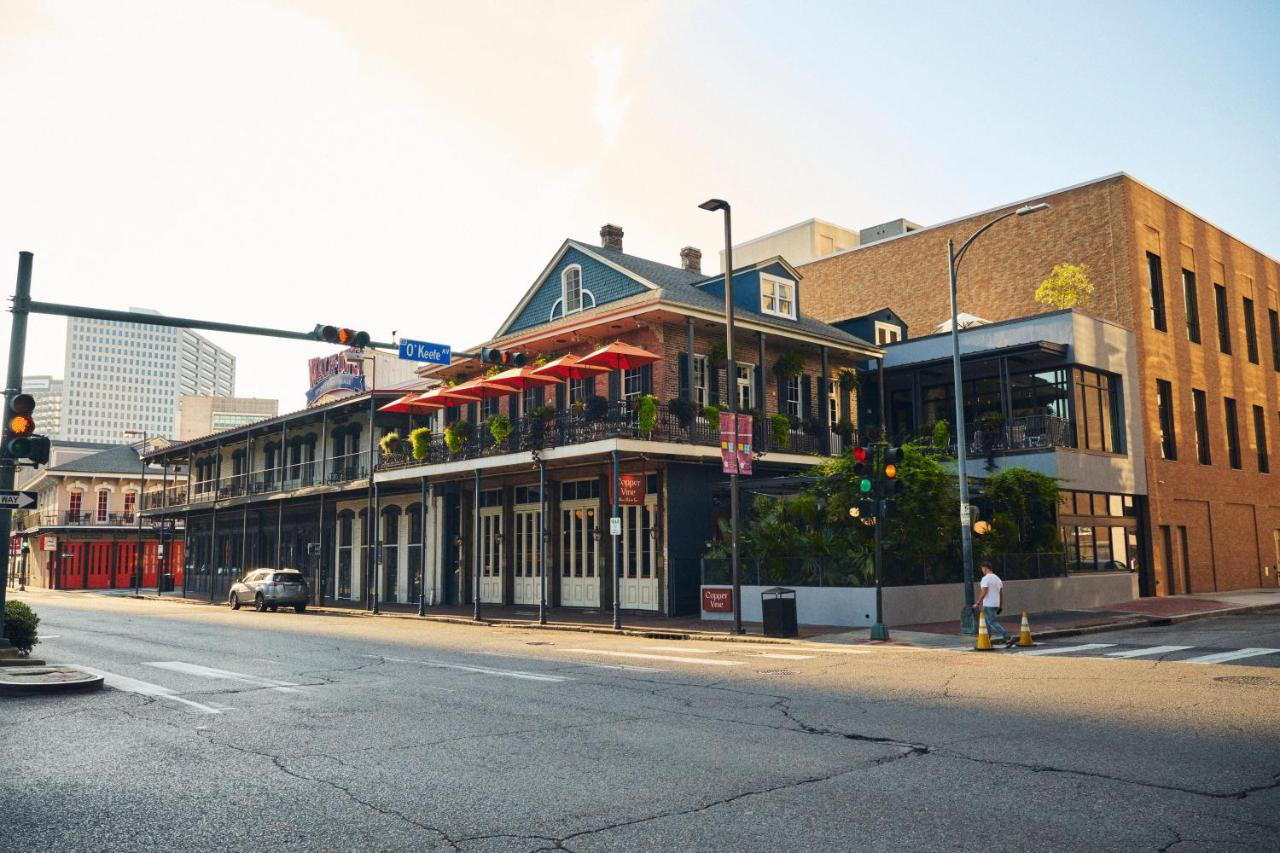
Tulane Avenue runs through a part of New Orleans that most visitors skip entirely, a corridor of hospitals, corner stores, and working-class traffic between the French Quarter's orbit and the broader Mid-City grid. It is precisely in these interstitial neighbourhoods that the city's Vietnamese food culture has taken its deepest root. Phở Tầu Bay Restaurant sits at 1565 Tulane Ave, and the approach tells you something before you even reach the door: the surrounding block is functional, unpretentious, and exactly the kind of address where a serious pho operation makes sense. Walk-ins are welcome, and the dress code is casual. What there is, reliably, is broth.
The Ethics of Broth: A Long-Simmered Tradition
Pho's position in the sustainability conversation tends to get overlooked in favour of trendier formats, but the dish is, at its structural core, an exercise in whole-animal efficiency. A serious pho kitchen uses what high-end European restaurants have spent the last decade rediscovering: bones, marrow, collagen-rich cuts, and aromatics that would otherwise be discarded. The broth simmers for hours, sometimes approaching the six-to-ten-hour range that Vietnamese pho purists insist upon, converting material that other kitchen traditions treat as waste into the dish's central element. That process alignment between Vietnamese home cooking and what contemporary sustainability-focused restaurants like Blue Hill at Stone Barns in Tarrytown or Single Thread Farm in Healdsburg pursue through explicit programming is not coincidental. It reflects a food culture that never had the luxury of waste.
This matters in New Orleans specifically because the city's dominant culinary identity, built around Creole and Cajun technique at places like Emeril's and Commander's Palace, also relies on long-cooked stocks and whole-ingredient use. Vietnamese pho culture and Louisiana cooking share that philosophical infrastructure, even as they occupy entirely different price tiers and neighbourhood contexts. Phở Tầu Bay operates in a part of the city where that parallel is lived rather than theorised.
New Orleans' Vietnamese Food Tradition in Context
The Vietnamese community in New Orleans arrived largely after 1975, and their culinary presence has been quietly but consistently shaping the city's food identity for nearly five decades. The East New Orleans and Gretna neighbourhoods developed dense Vietnamese commercial strips, and the pho houses that opened in those areas became institutional fixtures rather than passing trends. Tulane Avenue, with its proximity to the medical corridor and transit routes, became another axis for Vietnamese food businesses serving a neighbourhood clientele rather than a tourist one.
That distinction matters when placing Phở Tầu Bay in its peer context. The restaurant sits in a different competitive set from the contemporary dining rooms that attract national editorial attention, places like Saint-Germain or Re Santi e Leoni at the higher end, or the New American registers of Bayona and Zasu. Its reference points are closer to community anchors: the kind of restaurant whose regulars arrive on weekday mornings for a bowl before a hospital shift, and whose longevity is measured not by award cycles but by neighbourhood tenure.
Across the country, that category of Vietnamese pho restaurant has attracted renewed editorial attention as the sustainability conversation in fine dining has matured. Operations at Smyth in Chicago, Lazy Bear in San Francisco, and Providence in Los Angeles invest considerable effort and marketing into sourcing and waste-reduction frameworks. Pho kitchens have practiced versions of those same principles for generations, without the accompanying narrative apparatus.
What the Bowl Represents
The pho format itself carries an implicit argument about resourcefulness. The customisation table, typically stocked with bean sprouts, fresh herbs, lime wedges, hoisin, and chili sauce, puts the diner in active relationship with the dish rather than passive receipt of a plated result. There is nothing static about a bowl of pho: it is designed to evolve through the meal, the broth's temperature and salinity shifting as herbs wilt and lime juice cuts through the fat. That interactivity is part of what makes the dish durable across demographic and economic contexts, from high-volume immigrant restaurants to the refined riffs appearing on tasting menus at places like Atomix in New York City or Le Bernardin.
At Phở Tầu Bay, the format is unmodified by trend or fine-dining influence. The kitchen works from the same structural logic that defines pho across its regional Vietnamese variations: clarity of broth, precision of spice, and protein options that reflect whole-animal sourcing.
Planning Your Visit
Phở Tầu Bay Restaurant is located at 1565 Tulane Ave, accessible from the Central Business District and Mid-City by several bus routes, and within a short drive or rideshare from the French Quarter. The restaurant is open Monday through Friday from 11 AM to 7 PM and is closed on Saturdays and Sundays. No dress code applies. Pricing is consistent with the neighbourhood pho category, placing it well below the fine-dining tier represented by The French Laundry in Napa or Addison in San Diego, and in an accessible range for a filling, complete meal. Walk-in is the standard format.
Internationally, the pho format has attracted attention from chefs committed to ingredient ethics, including Atelier Moessmer Norbert Niederkofler in Brunico, where similar whole-ingredient philosophies drive the kitchen's approach from a completely different culinary tradition. The convergence is instructive: long-simmered, waste-minimal cooking is not a trend. It is a logic, and Vietnamese pho kitchens arrived at it long before it became a talking point. And the restaurants on Frasca Food and Wine in Boulder's level of ingredient intentionality spend considerably more to reach the same principle. At Phở Tầu Bay, the principle is simply the operating model.
Booking and Cost Snapshot
Comparable venues nearby, for context on price, style, and recognition.
| Venue | Cuisine | Price | Notes |
|---|---|---|---|
| Phở Tầu Bay RestaurantThis venue — the venue you are viewing | Not listed | $$ | Not listed |
| Moi | Bywater, Vietnamese Homestyle Deli | $ | Not listed |
| The Bower | Not listed | $$ | Central City, Modern American Small Plates |
| Felipe's Mexican Taqueria | Not listed | $$ | French Quarter, Authentic Mexican Taqueria |
| Mother's Restaurant | Not listed | $$ | Central Business District, Classic New Orleans Po'boys & Cajun |
| Flamingo A Go Go | Arts District, Cajun-Creole Fusion | $$ | Not listed |
Continue exploring
More in New Orleans
Restaurants in New Orleans
Browse all →
Bars in New Orleans
Browse all →
At a Glance
- Modern
- Casual
- Casual Hangout
- Standalone
Current opening hours
- Monday
- 11 AM–7 PM
- Tuesday
- 11 AM–7 PM
- Wednesday
- 11 AM–7 PM
- Thursday
- 11 AM–7 PM
- Friday
- 11 AM–7 PM
- Saturday
- Closed
- Sunday
- Closed
Hours can change for holidays and private events. Last verified .
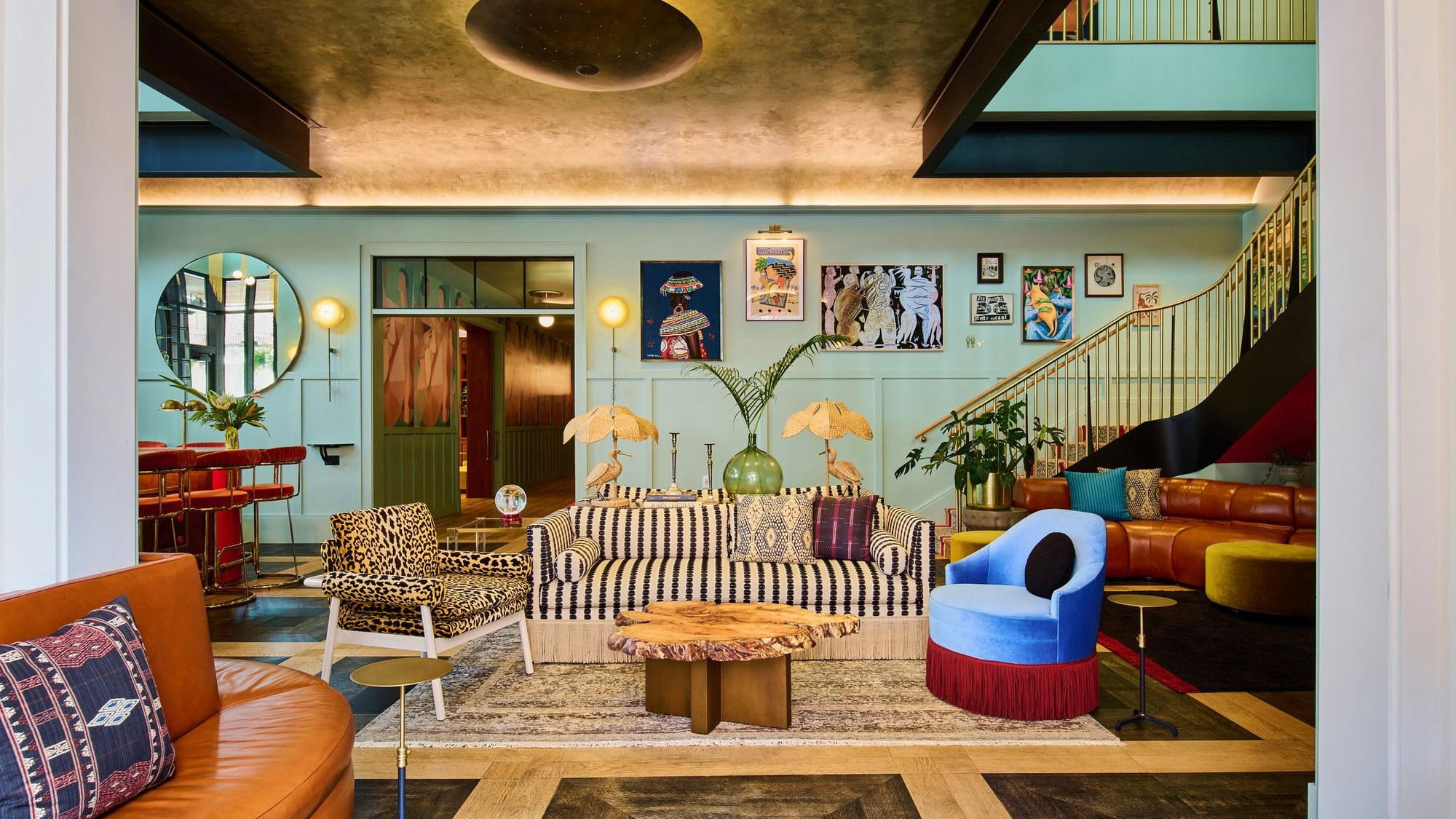
Casual counter-service spot with exposed-brick walls and modern flair, low-key and welcoming.